Serving Philadelphia, PA & nearby
(267) 430-8692
Philadelphia, PA

What Buying a New Garage Door Actually Means in Philadelphia

Philadelphia homes built between 1938 and 1994, most pre-1960, face cold-climate wear on garage doors; here's what goes into a smart replacement here.

What Buying a New Garage Door Actually Means in Philadelphia

What Local Conditions Do

Most houses in Philadelphia's rowhome blocks and twins went up between 1938 and 1994, with the median sitting around 1957. That single fact drives almost everything about replacing a door here. Openings were framed to fit steel or wood sectional doors sized for that era, and a lot of them are narrower or shorter than what a big-box store stocks off the shelf. Across the roughly 95 named areas we work in, from out to the housing stock skews heavily pre-1960. That means original jamb widths, original headroom, and in some blocks, original hardware still bolted to studs that have shifted a little over seventy-plus years. On top of the age of the framing, Philadelphia sits in a severe cold climate band. Steel doors without a thermal break, and openers without cold-rated lubrication, take a beating every winter. A door that would coast along fine in a mild climate starts binding, sagging, or cracking a panel here well before it should. Replacement in this city isn't just picking a style off a brochure. It's matching a new door to an opening that predates modern standard sizing, in a climate that punishes anything undersized for the job.

What Is Going On

When a homeowner calls us about buying a replacement door, the opening itself is usually the first surprise. Houses built in the 1938 to 1994 range, with that median year of 1957, were framed before national garage door sizing settled into today's common widths. A lot of openings run an inch or two off standard, which is fine for a custom order but means a stock big-box door often needs shimming, trimming, or won't fit cleanly at all. The second thing going on is winter. Philadelphia's severe cold band means uninsulated or thin steel doors flex more in a cold snap, and that flex is what cracks a panel or pops a hinge weld after a few seasons. With 409,216 households and 160,961 owner-occupied houses across the service area, a huge share of these doors are original to the house or close to it, which means they were built for a different era's weather expectations, not this one's. So when someone says the door 'just failed,' it's rarely random. It's an old opening, decades of freeze-thaw cycling, and hardware that was never rated for the winters this region actually gets.

What Most People Get Wrong

The biggest mistake we see is treating door replacement like buying an appliance: measure the opening, pick a size, done. In housing built mostly before 1960, the opening measurement is only step one. Framing has settled, tracks have been re-set at odd angles over the years, and the header above the door may not be square anymore. A door that's technically the right width can still bind on one side because the opening isn't the rectangle it was in 1957. The second thing people get wrong is insulation value. In a severe cold climate, an uninsulated door costs more in comfort and moisture problems than the sticker price difference suggests, especially on an attached garage. People also assume a wider household income here, median $109,706, means everyone upgrades to the top-tier insulated steel door. Plenty of owners we talk to are perfectly capable of affording that and still choose a mid-grade door because the garage isn't heated space and the payback isn't there. That's not a wrong choice. The actual wrong move is picking a door based on price or looks alone without someone checking the opening and the track angle first.
Leaving It Alone

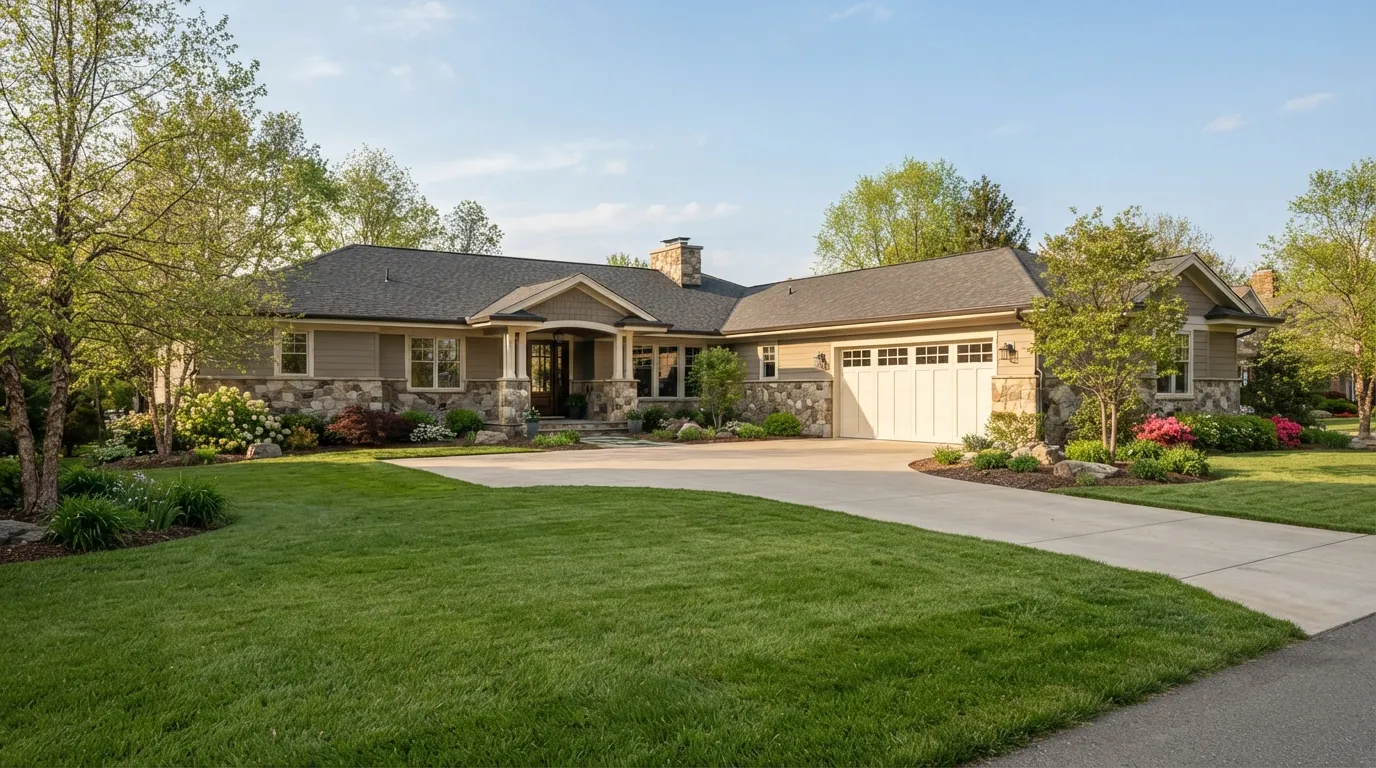
Not every old door needs to come out. If the panels are intact, the springs are rated correctly for the door's weight, and the only issue is cosmetic wear, replacement is often money spent for no functional gain. We'll say that upfront rather than push a new door on a homeowner who doesn't need one. Where we draw the line is structural: a cracked panel from cold-weather flex, a track pulling away from framing that's shifted over sixty-plus years, or an opener straining against a door heavier than it was built for. Those are safety and cost problems that get worse, not better, with time. One honest limitation on our end: specialty sizes for older, non-standard openings sometimes mean a longer wait on the door itself once it's ordered, since it's not something sitting on a shelf. We'll tell you that lead time before you commit, not after. For a lot of houses in this area, the right answer is patching hardware and holding off on full replacement for another few years. We'd rather tell you that than sell a door you don't need yet.

How it works

From “it’s stuck” to “it’s fixed”

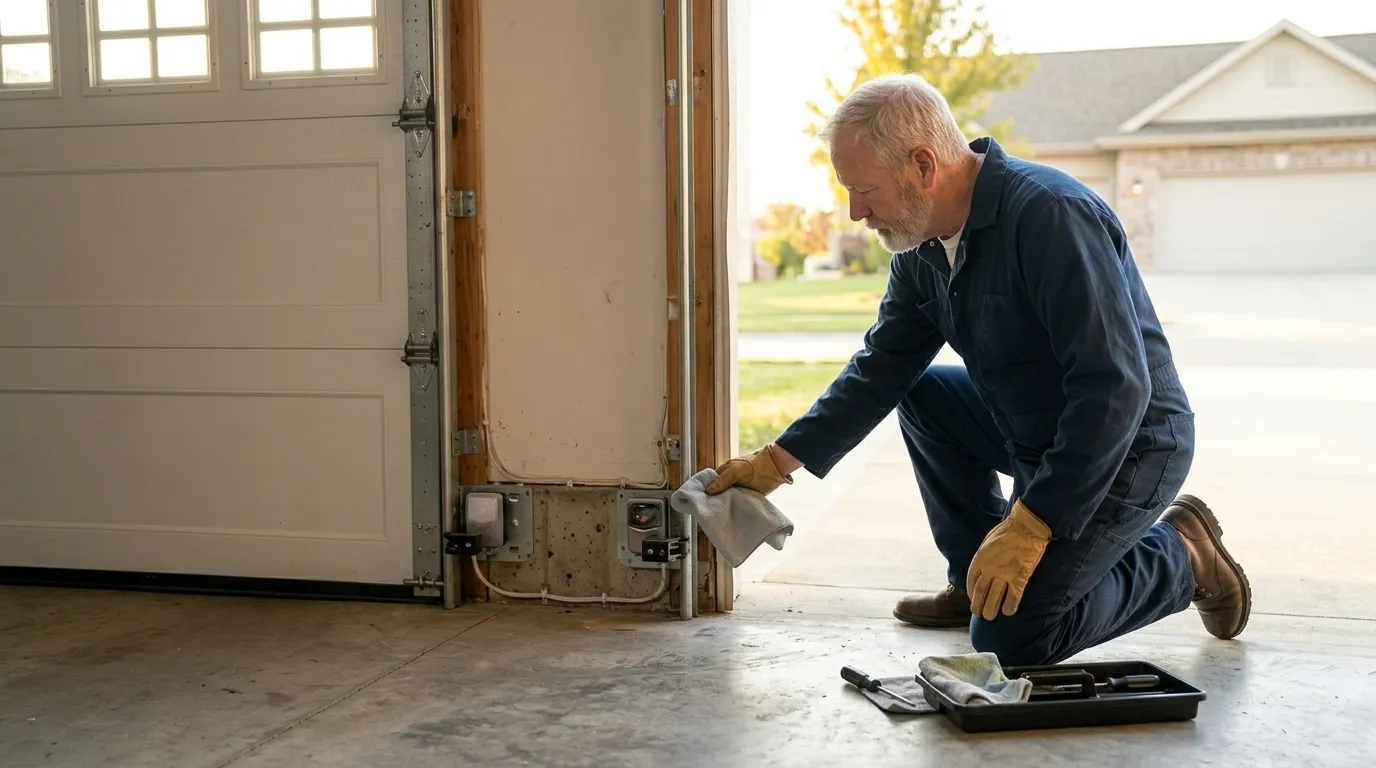
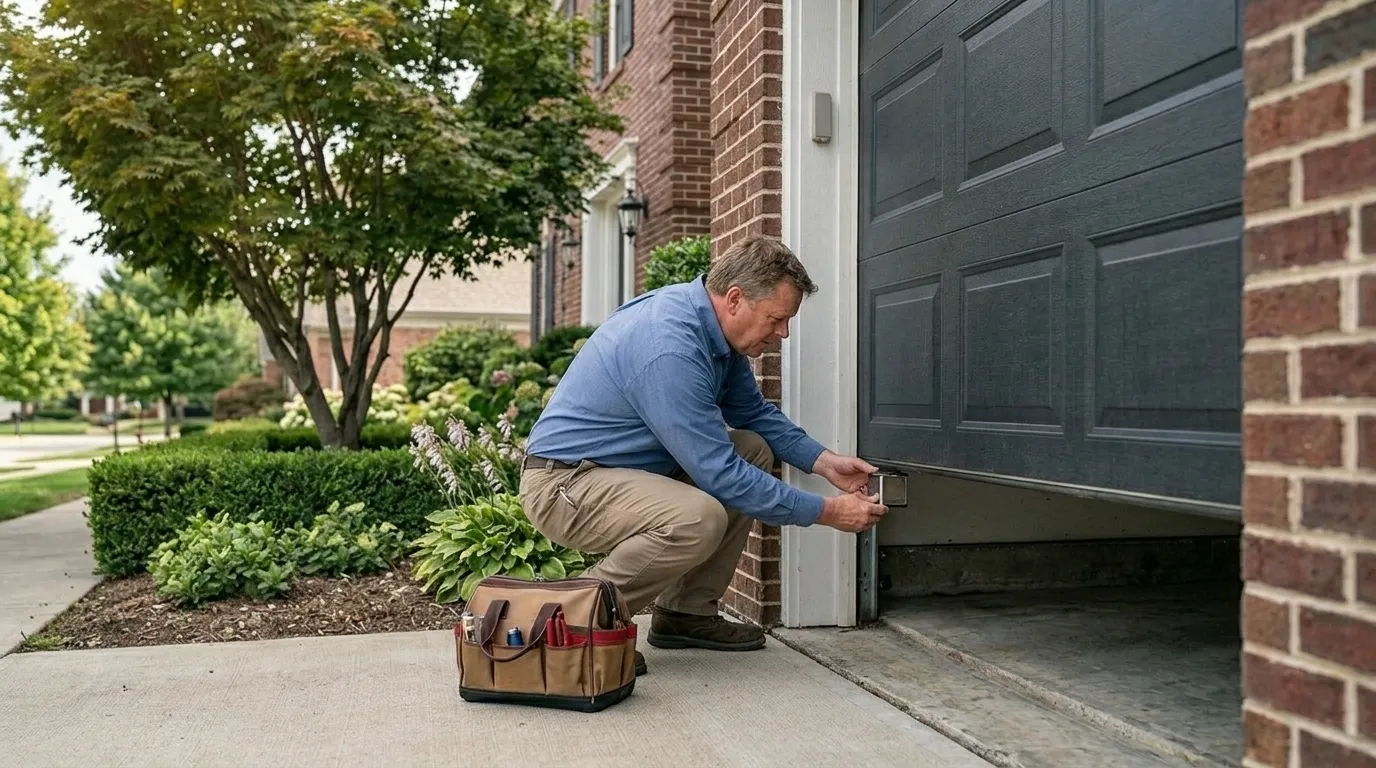
Tell us what’s wrong - Philadelphia garage door service

Tell us what’s wrong

Describe the symptom - won’t open, loud bang, opener runs but the door won’t move.

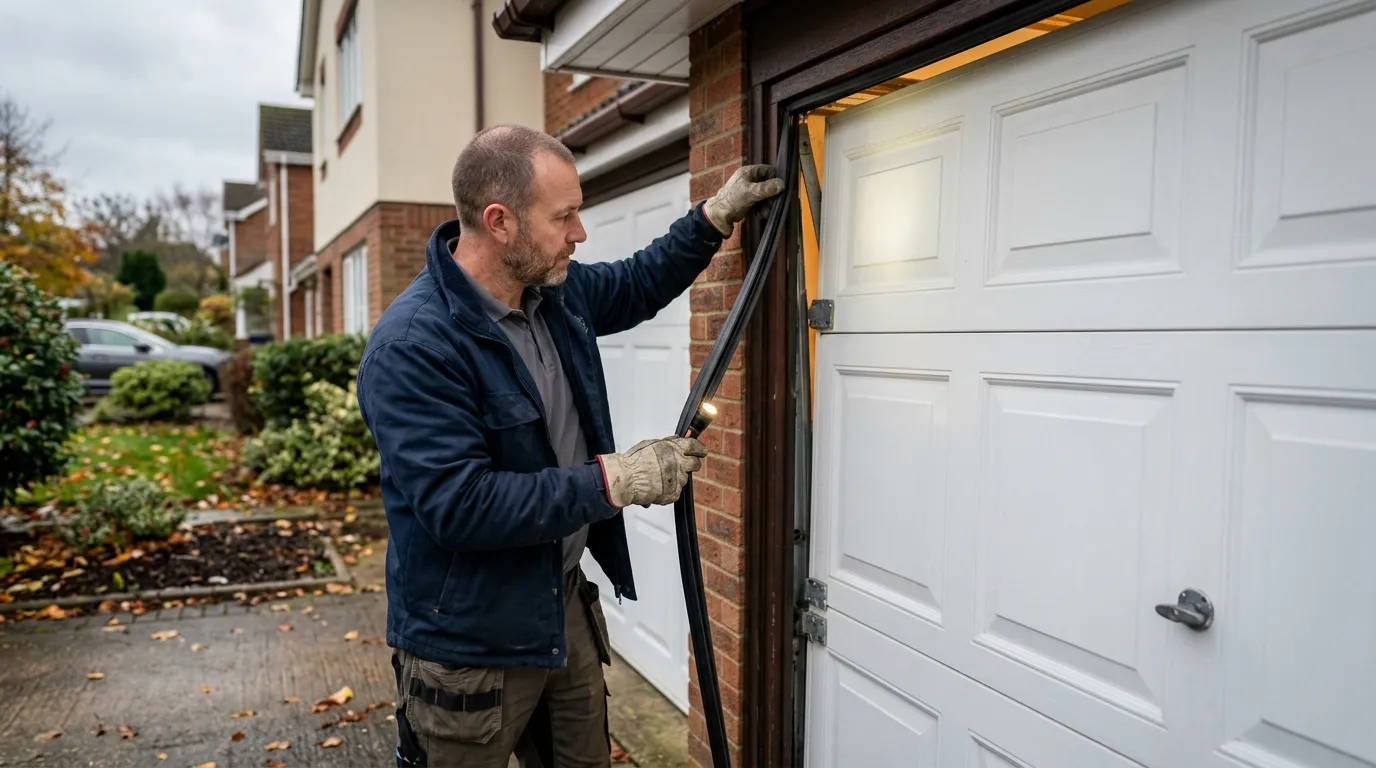
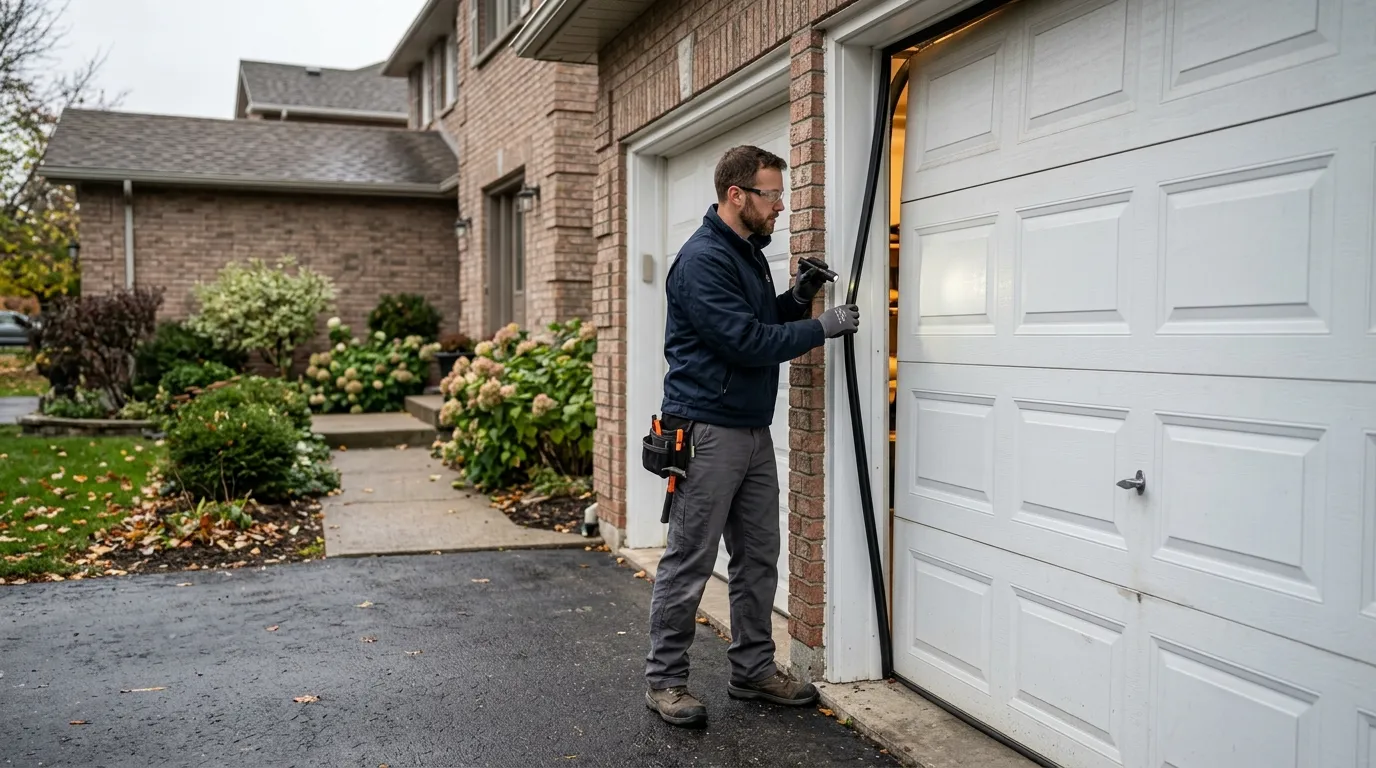
On-site diagnosis - Philadelphia garage door service

On-site diagnosis

A technician tests the door under power and by hand and finds what actually failed.

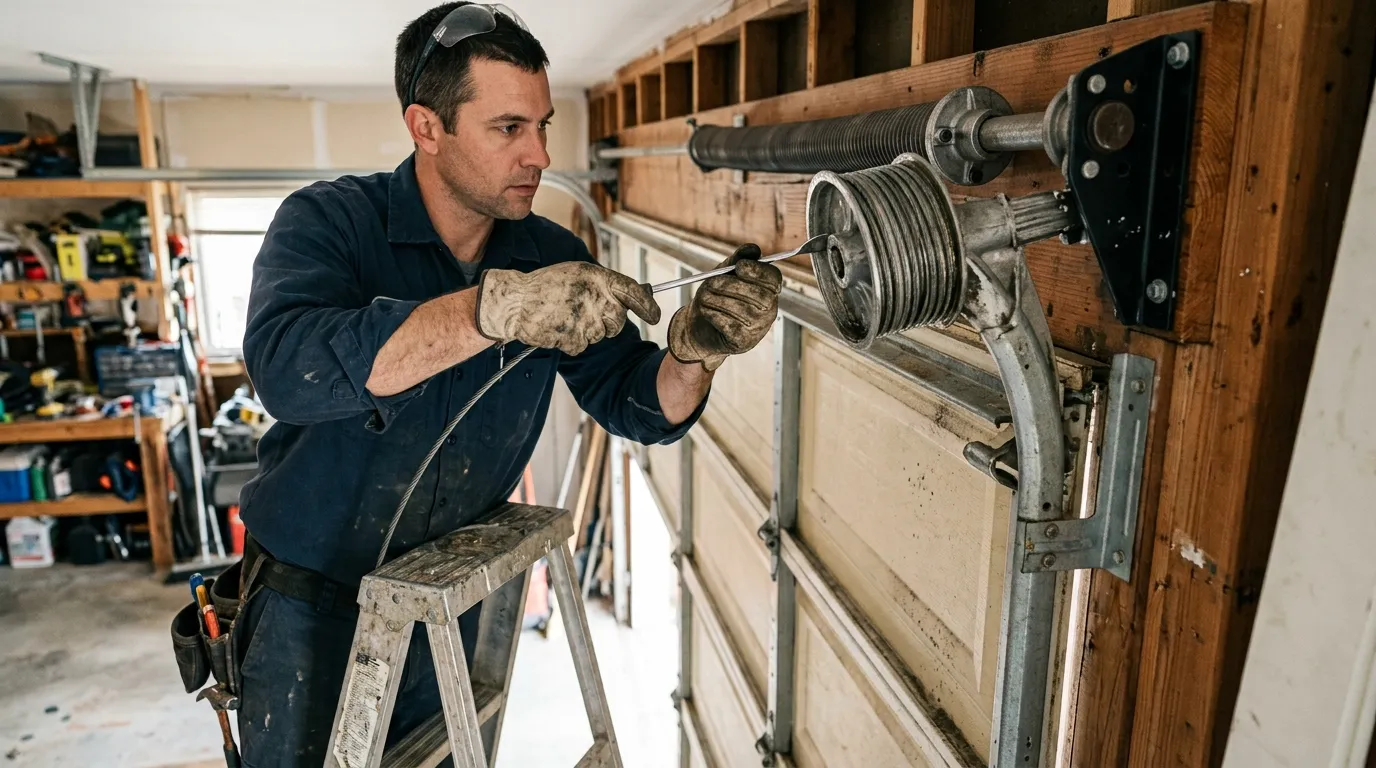
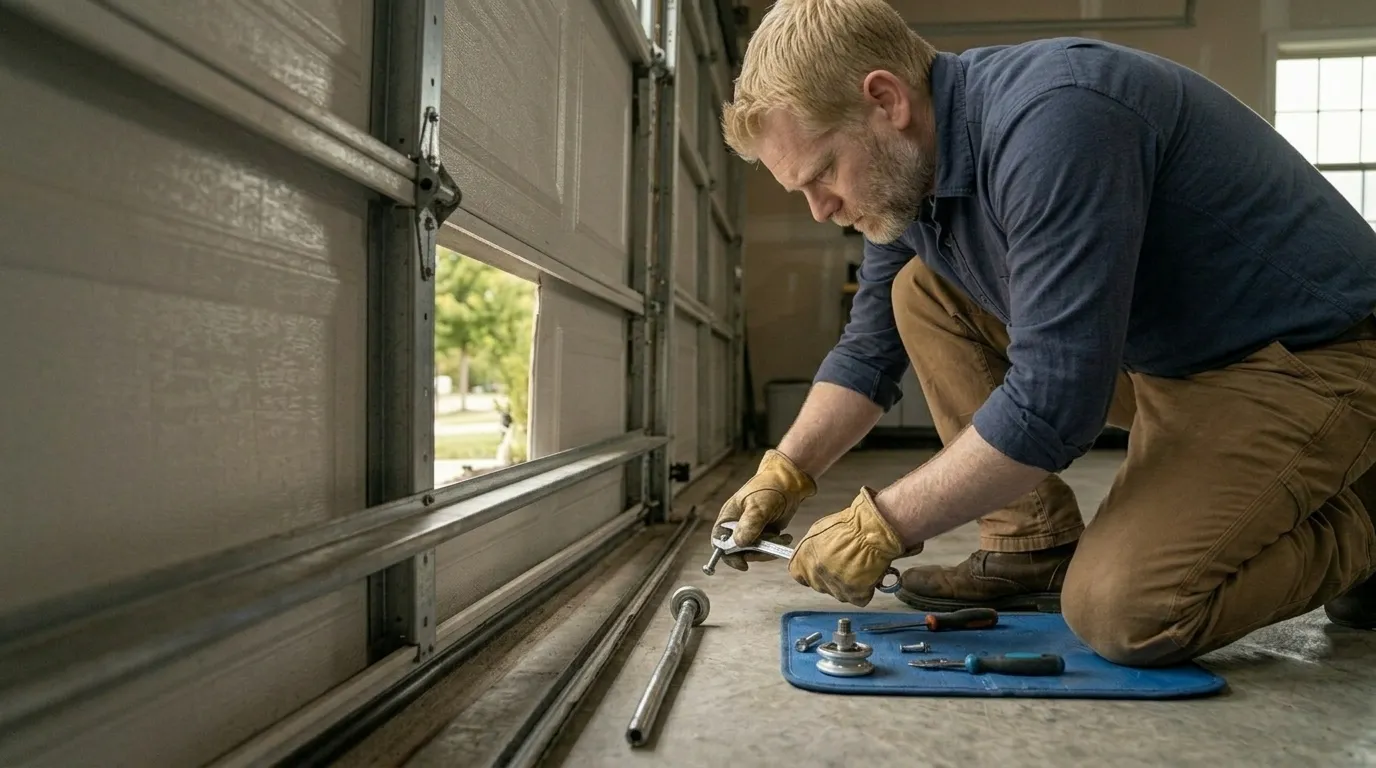
Clear, up-front plan - Philadelphia garage door service

Clear, up-front plan

You get the fix that’s needed and what drives the cost - before any work starts.

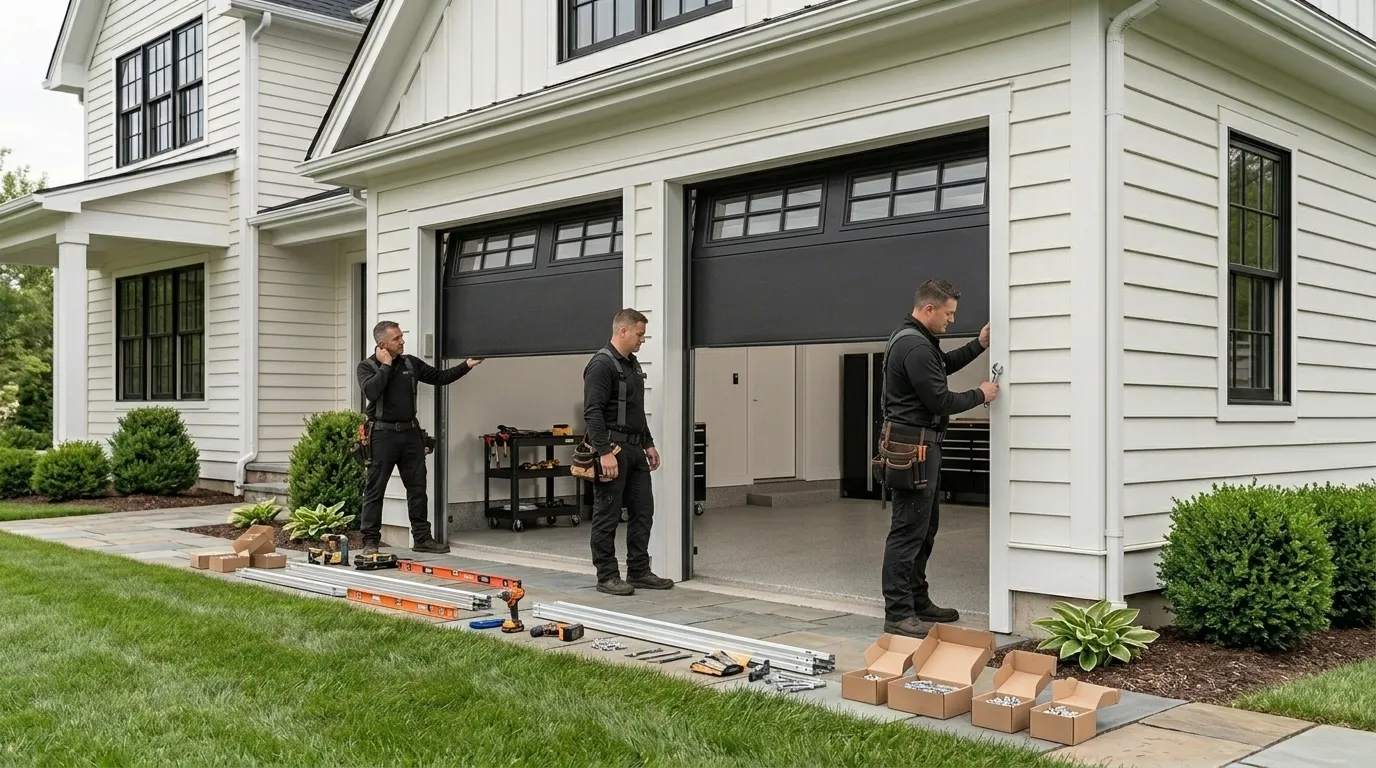
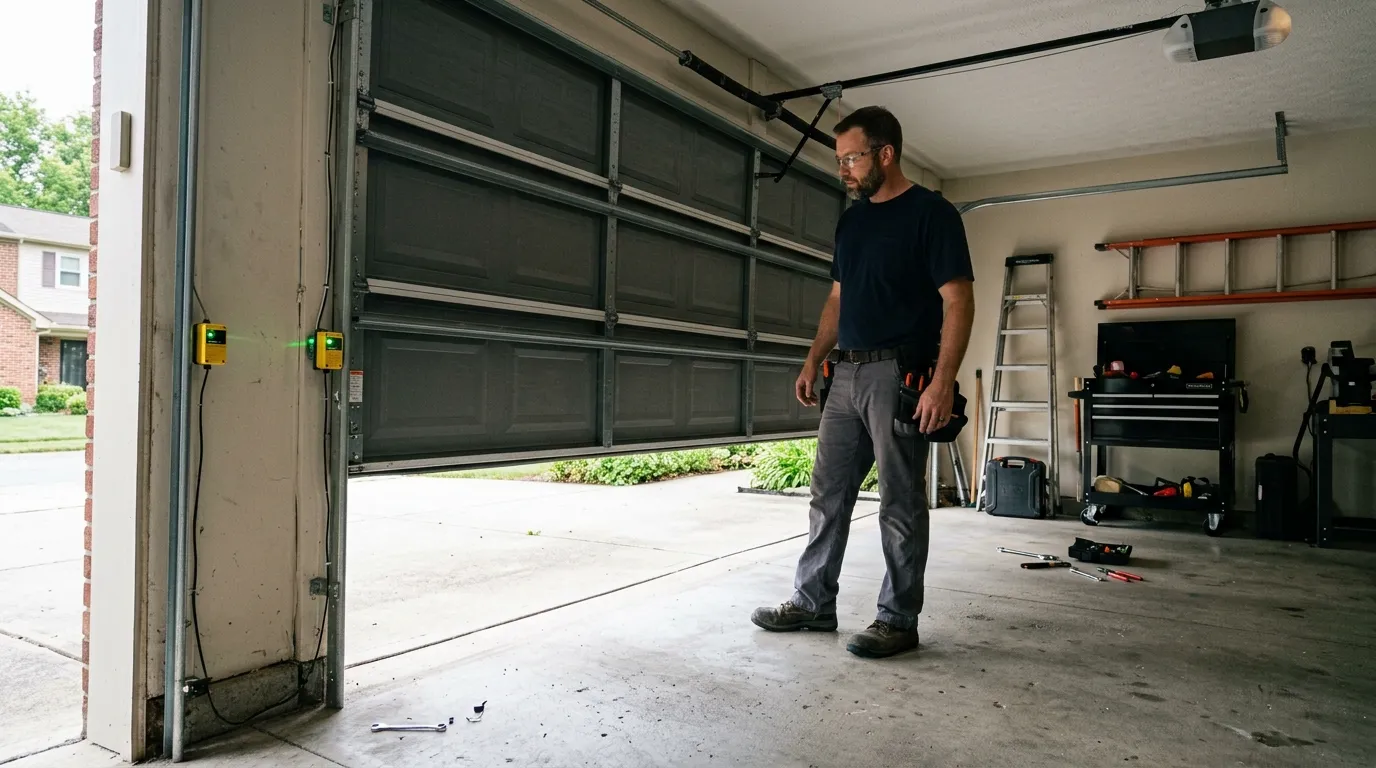
Repaired & tested - Philadelphia garage door service

Repaired & tested

The repair is done, the door is set true and tested, and the work area left clean.

Serving Philadelphia, PA - tell us what your door’s doing and we’ll take it from there.

How we work

What to expect

Diagnosis first

Every visit starts by finding what actually failed - not a pre-written parts list.

The right part for the door

Springs and openers matched to the door’s weight and age, so the fix holds up.

Straight answers

When a repair makes more sense than a replacement - or the reverse - you hear it plainly.

Clean, careful work

Tension released safely, hardware set true, the door tested under power before we leave.

What we do

Garage Door Services

Repair and installation work for Philadelphia homes and businesses.

Questions

Frequently asked

Straight answers about garage door repair in Philadelphia. Still unsure? Ask us directly.

Will a standard big-box garage door fit my Philadelphia rowhome opening?

Maybe, but don't assume it. Houses here were mostly framed between 1938 and 1994, before today's standard sizing settled in, so openings can run off by an inch or more. We measure the opening and check the framing for square before ordering anything, because a door that's the right width on paper can still bind if the header has shifted.

Do I need an insulated garage door in Philadelphia's climate?

It depends on whether the garage is attached and used as livable-adjacent space. Philadelphia sits in a severe cold climate band, so an uninsulated steel door will flex and transfer more cold than an insulated one. For a detached garage with no heated space above or beside it, the extra cost may not pay back.

How old does a garage door have to be before replacement makes more sense than repair?

Age alone isn't the deciding factor. A lot of houses here have doors dating back decades that still work fine with occasional hardware repair. We look at panel condition, spring sizing, and whether the track and framing have shifted. If the structure's sound, repair usually wins on cost.

Why did my garage door crack a panel this winter?

Cold-weather flex is the usual cause. In a severe cold climate like Philadelphia's, steel doors without a thermal break expand and contract more with each freeze-thaw cycle, and older panels get brittle over the years. Combined with an opening that's settled slightly out of square, that flex concentrates stress on one spot until it cracks.

How long does it take to get a replacement door if my opening is a non-standard size?

Longer than a stock size, generally. Non-standard openings, common in housing built before 1960, often require a custom or special-order door rather than something sitting in a warehouse. We'll give you a realistic timeline before you order so there's no surprise wait once the old door's already out.

Ready to get your garage door sorted?

Tell us what it’s doing and where you are in Philadelphia - we’ll take it from there.

Request a QuoteCall