Serving Philadelphia, PA & nearby
(267) 430-8692
Philadelphia, PA

Knowing When a Philadelphia Garage Door Is Done, Not Just Broken

A guide for Philadelphia homeowners on when a mid-century rowhouse garage door has earned retirement, based on this area's housing age and climate, not guesswork.

Knowing When a Philadelphia Garage Door Is Done, Not Just Broken

What Local Conditions Do

Most of the housing stock in this part of the city went up between 1938 and 1994, with the typical block dating to around 1957. That matters because a door built in that window was almost never designed for the openers, insulation, or safety sensors that got bolted onto it later. In neighborhoods like you're looking at original steel sectional doors on hardware that was never meant to run an electric opener five times a day for seventy years.

On top of the age, this region sits in a cold, severe climate band. Winters here put steel panels and torsion springs through repeated freeze-thaw cycling, which rusts hinge pins, pits spring coils, and warps track alignment faster than a mild climate would. A door that's mechanically fine in a dry warehouse behaves differently after sixty winters on a rowhouse. The combination of old steel and hard winters is why the same handful of failures keep showing up on service calls in this part of the city, and why a repair that would make sense on a newer door sometimes doesn't make sense here.

What Is Going On

Across the roughly 95 named areas that make up this housing stock, pre-1960 construction is the rule, not the exception. That means low-headroom garages, narrow single-door openings, and torsion spring setups sized for doors that weighed less than the steel-and-insulation panels sold today. When a spring on one of these doors finally lets go, it's often not an isolated failure - it's the hardware telling you the whole system has been working past its intended life for years.

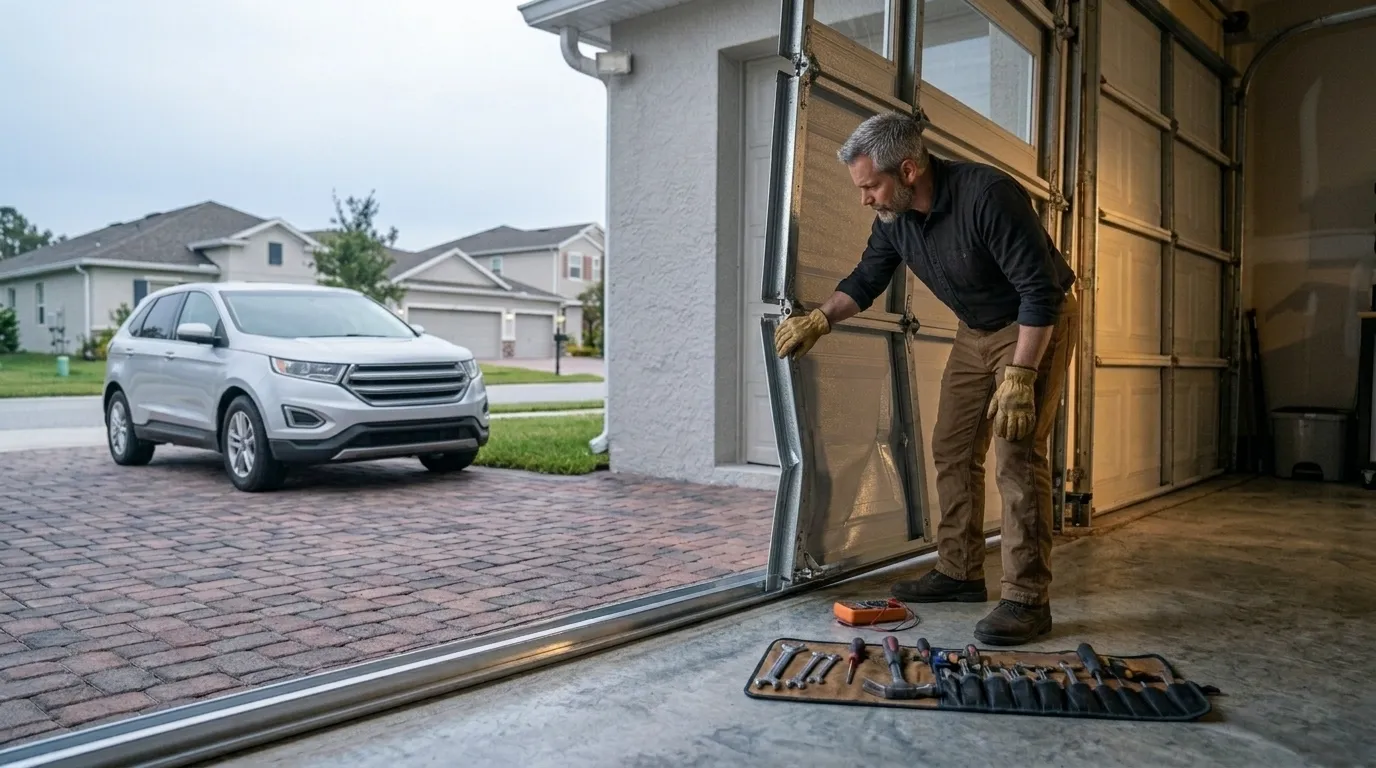
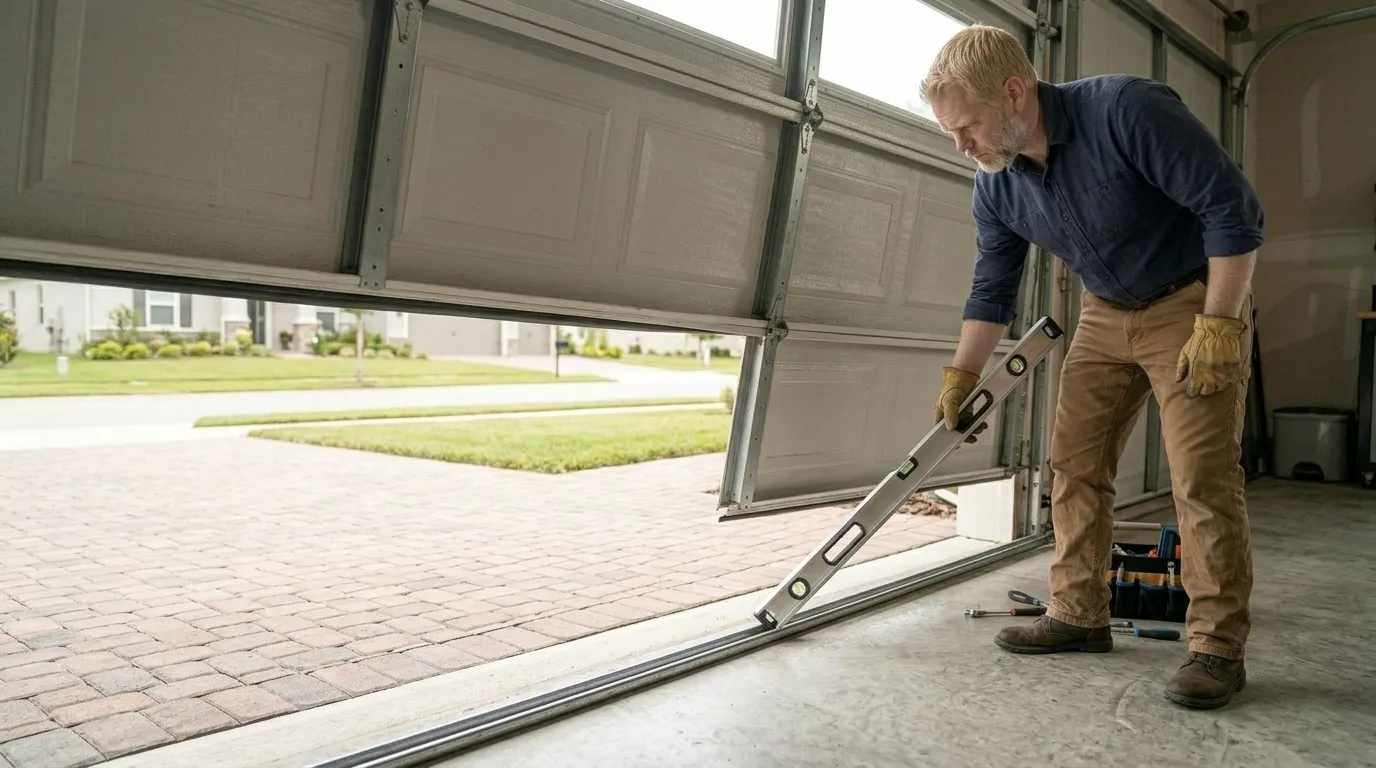
With 160,961 owner-occupied houses across this service area, the pattern repeats block after block: a torsion spring snaps, the rollers are grooved and loud, the track has drifted out of plumb from decades of frost heave under the slab, and the panels themselves have hairline rust starting at the bottom seam. Any one of these on its own is a normal repair. All four showing up within a year or two of each other on the same door is a different situation - that's a door at the end of its service life, not a door with a bad spring.

What Most People Get Wrong

The mistake we see most is treating each failure as its own event instead of reading them together. A homeowner replaces a spring, then six months later pays for new rollers, then the next spring for a cable, and each bill looks small on its own. Add them up against the age of the door and the math usually favors replacement, especially once you're dealing with hardware built for a door from the Eisenhower era.

The other mistake is assuming a repaired door is a safe door. On a door this old, a new spring on a rusted, misaligned track just shifts the stress somewhere else - often to the opener or the next weakest hinge. In a region with as much pre-1960 housing as this one, that's not a rare edge case, it's the typical service call. A household here earning the area's median income of $109,706 can usually afford to make the call to replace rather than keep feeding parts into a door built for a different era of hardware, and financially it's often the better decision anyway.
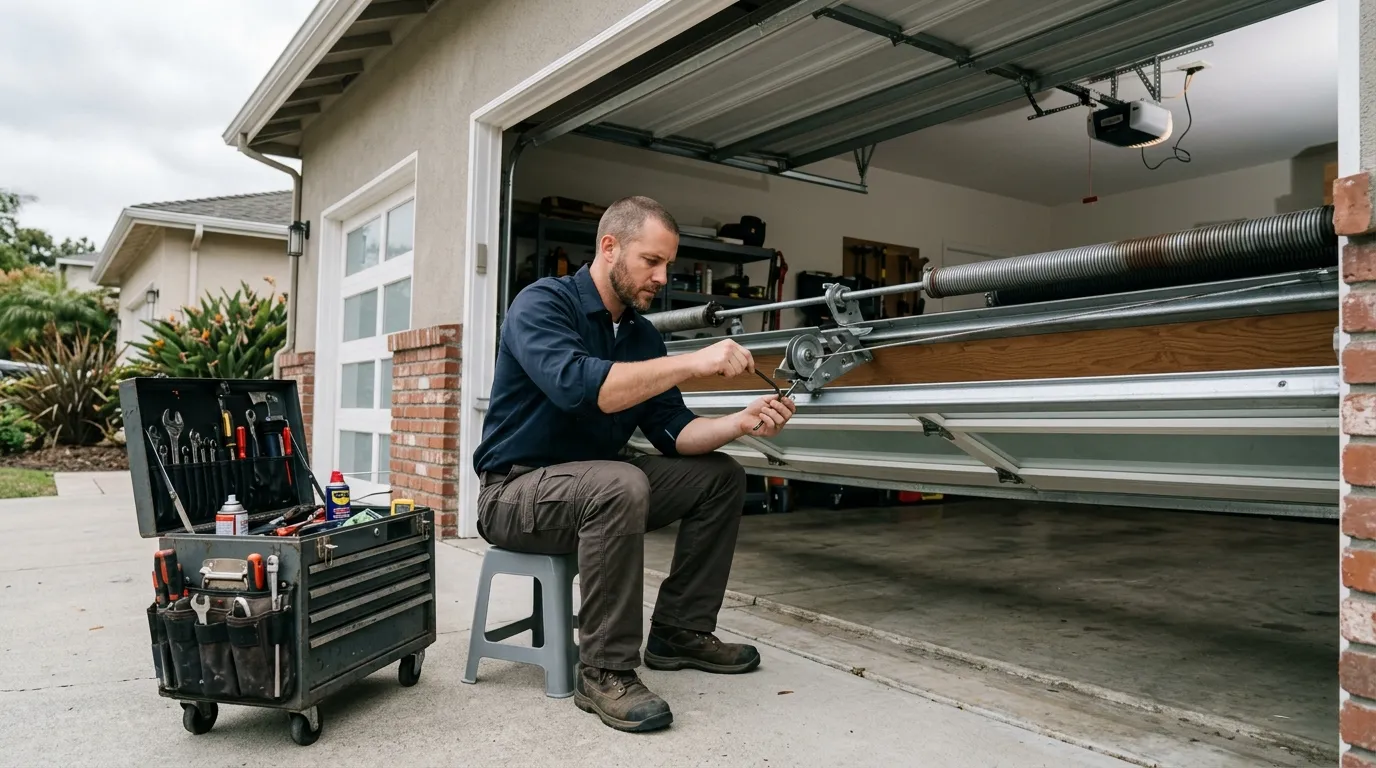
Leaving It Alone

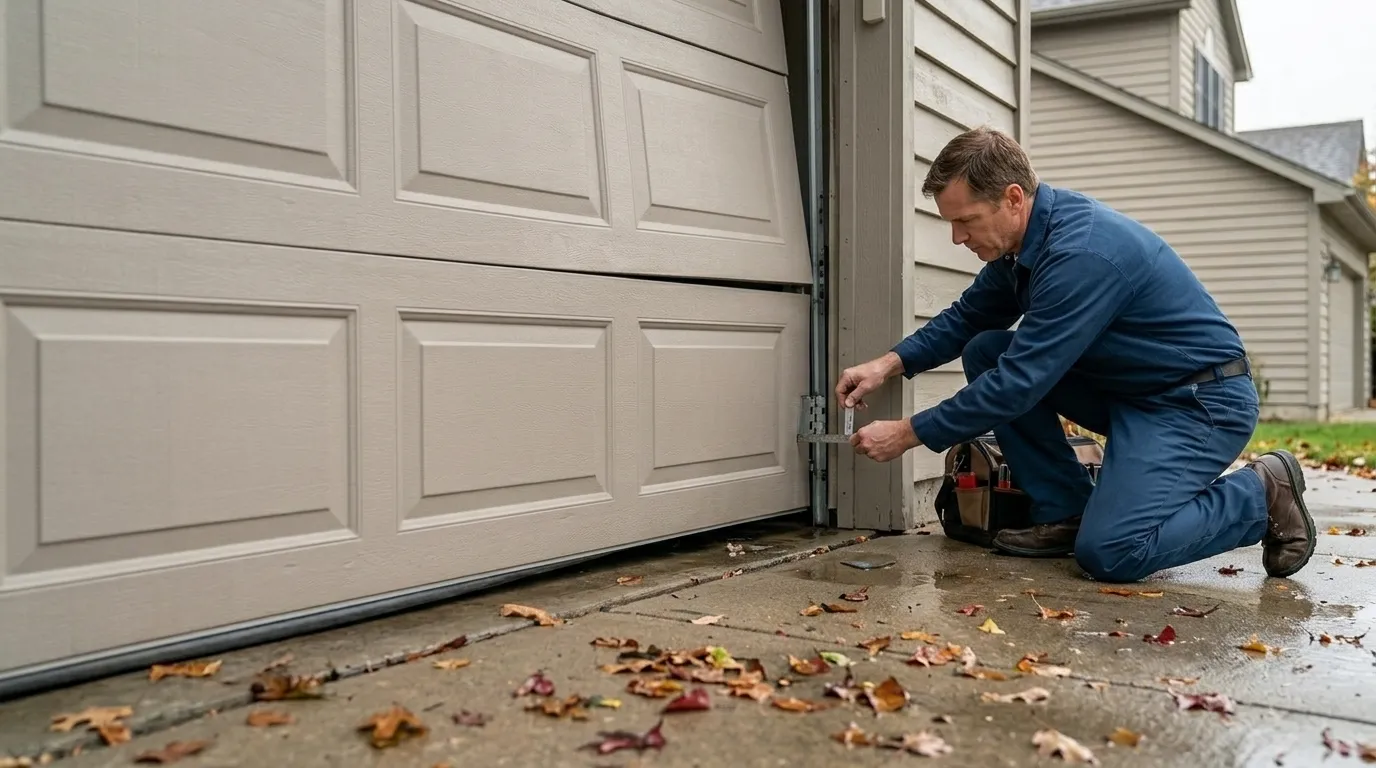
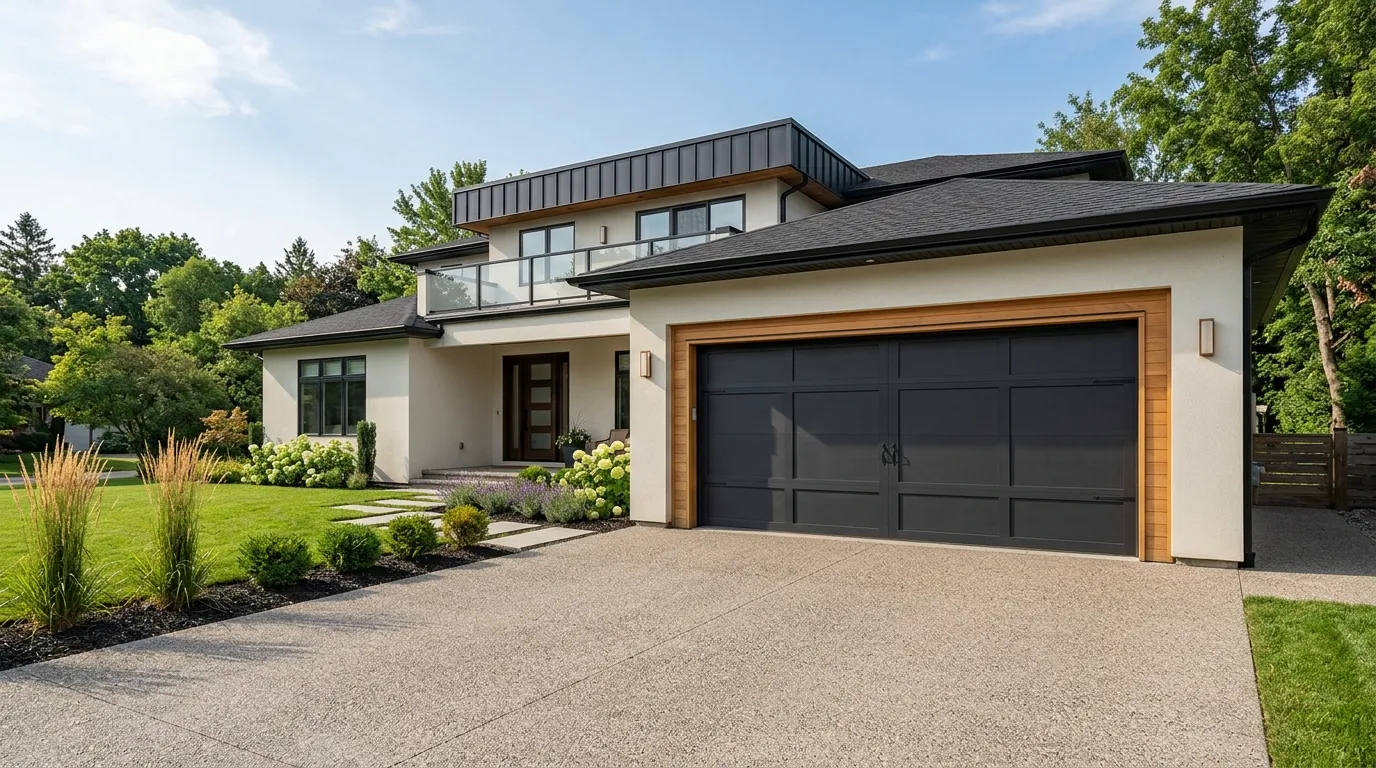
Here's the honest limit: we don't push replacement on every old door. Plenty of the doors on these mid-century blocks are structurally sound and just need a spring, a cable, or a new set of rollers - that's still most of the calls we take, and we say so on site. The line we watch for is repeated failures on the same door within a short span, visible rust through the bottom two panels, or a track that's been reset more than once.

When a door crosses that line, further repair is just deferring the same call by a few months. We won't tell a customer to replace a door that has years left in it, and we won't quote a fourth repair on one that doesn't. If your door is original to a house built in the 1950s or 60s and it's already had spring and roller work done, it's worth an honest look before the next part fails on a cold night.

How it works

From “it’s stuck” to “it’s fixed”

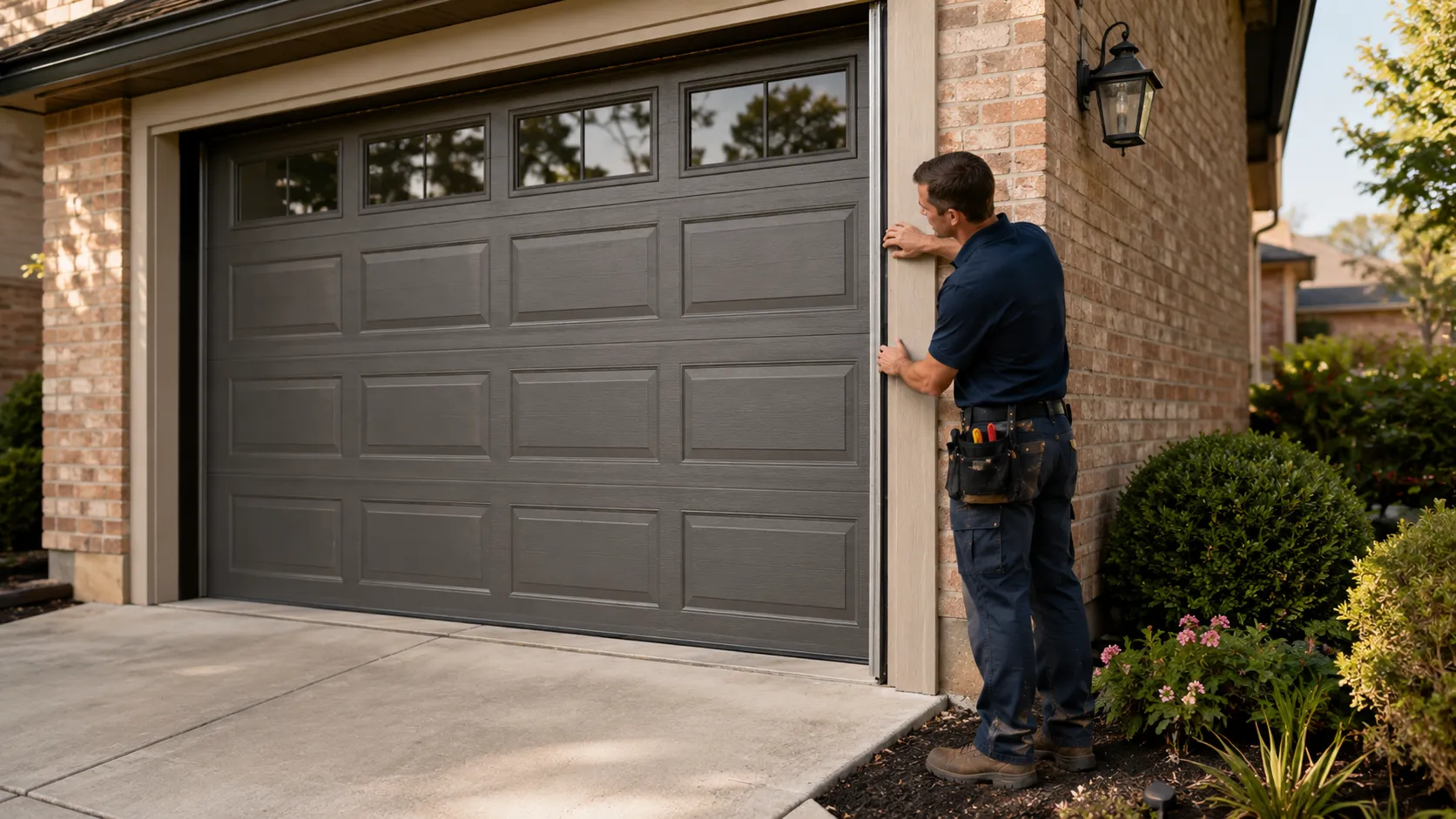
Tell us what’s wrong - Philadelphia garage door service

Tell us what’s wrong

Describe the symptom - won’t open, loud bang, opener runs but the door won’t move.

On-site diagnosis - Philadelphia garage door service

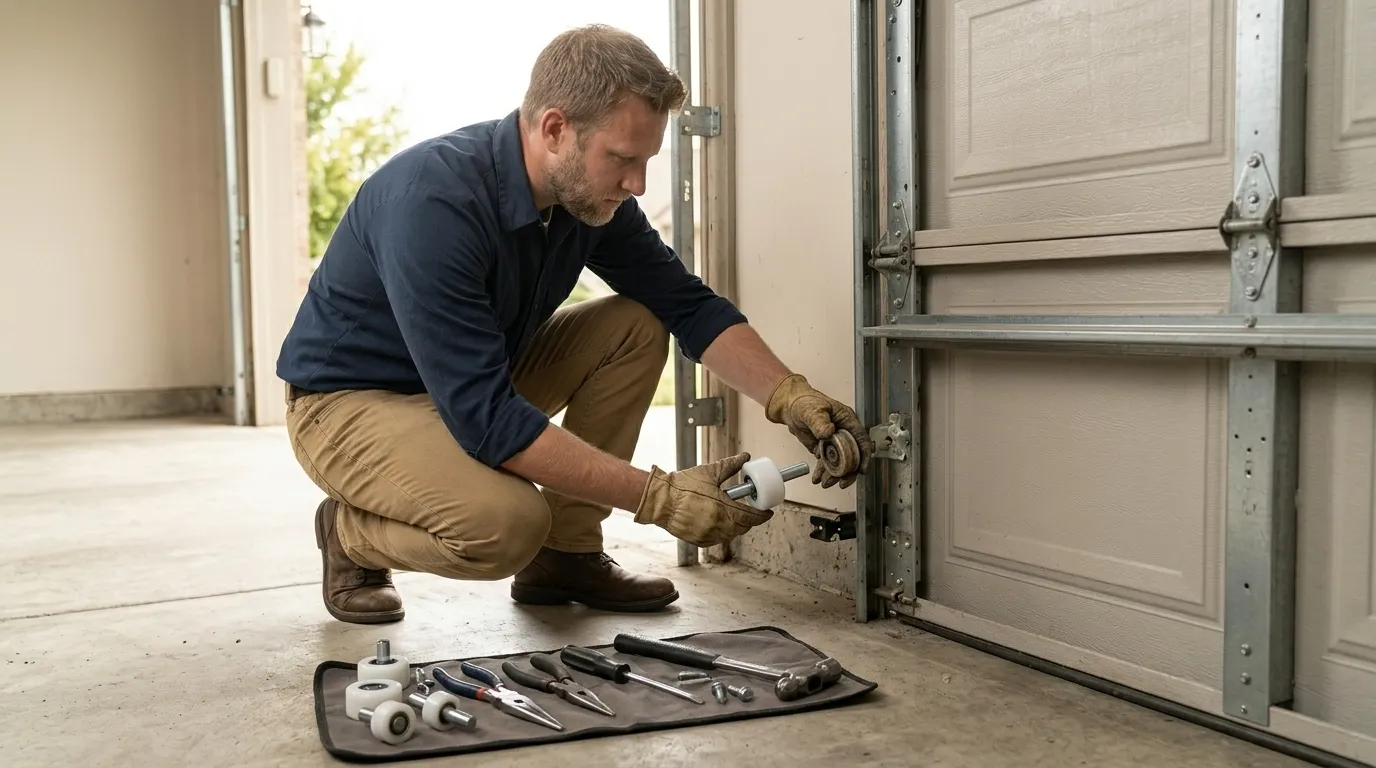
On-site diagnosis

A technician tests the door under power and by hand and finds what actually failed.

Clear, up-front plan - Philadelphia garage door service

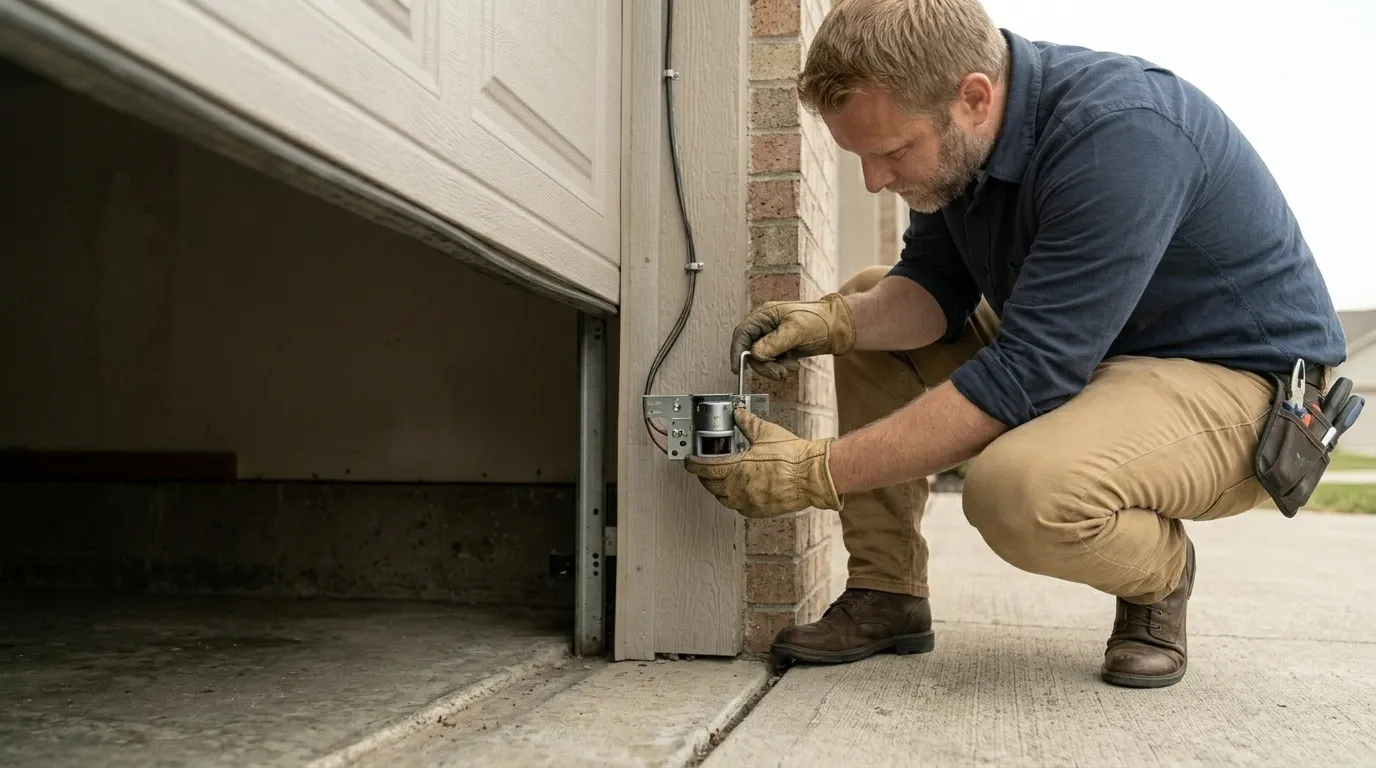
Clear, up-front plan

You get the fix that’s needed and what drives the cost - before any work starts.

Repaired & tested - Philadelphia garage door service

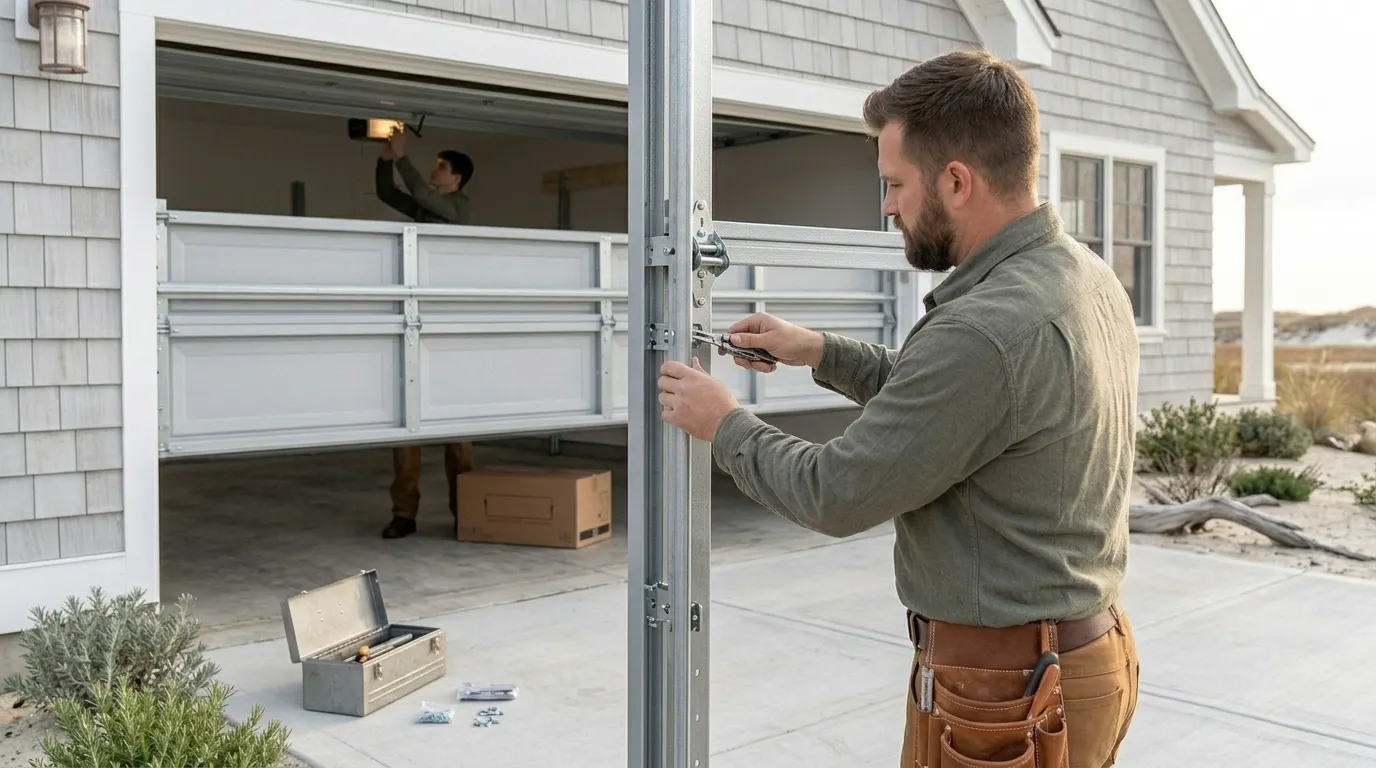
Repaired & tested

The repair is done, the door is set true and tested, and the work area left clean.

Serving Philadelphia, PA - tell us what your door’s doing and we’ll take it from there.

How we work

What to expect

Diagnosis first

Every visit starts by finding what actually failed - not a pre-written parts list.

The right part for the door

Springs and openers matched to the door’s weight and age, so the fix holds up.

Straight answers

When a repair makes more sense than a replacement - or the reverse - you hear it plainly.

Clean, careful work

Tension released safely, hardware set true, the door tested under power before we leave.

What we do

Garage Door Services

Repair and installation work for Philadelphia homes and businesses.

Questions

Frequently asked

Straight answers about garage door repair in Philadelphia. Still unsure? Ask us directly.

How do I know if my garage door is too old to repair?

If the door is original to a house built before 1960 and you've already replaced a spring plus rollers or a cable within the past year or two, repair costs are likely to keep stacking up. Rust through the bottom panel seams or a track that keeps drifting out of alignment are the clearest signs the door itself, not just one part, is at the end of its life.

Why do garage doors in this area fail more in winter?

This region sits in a cold, severe climate band, and steel doors and torsion springs go through repeated freeze-thaw cycling every winter. On doors that are already decades old, that cycling accelerates rust on hinges and pitting on spring coils, which is why cold-weather spring failures are common on the older housing stock here.

Is it cheaper to repair or replace an old rowhouse garage door?

It depends on how many parts have already failed. One spring or cable repair is usually cheaper than replacement. But once a door built in the 1950s or 60s needs its second or third repair, the accumulated cost often approaches what a new door would run, and the new door won't carry the same rust and misalignment issues forward.

Ready to get your garage door sorted?

Tell us what it’s doing and where you are in Philadelphia - we’ll take it from there.

Request a QuoteCall