What Is Going On
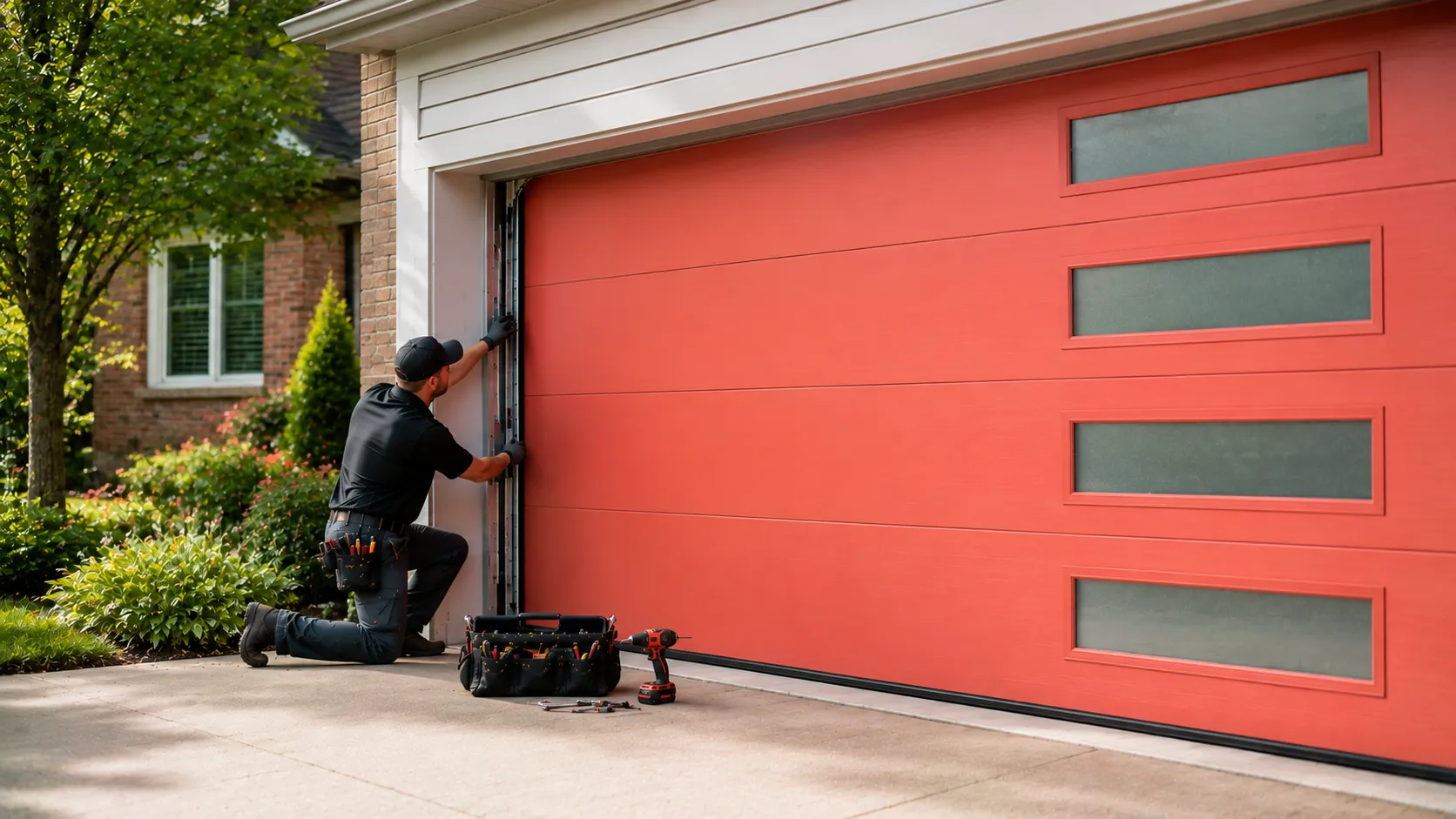
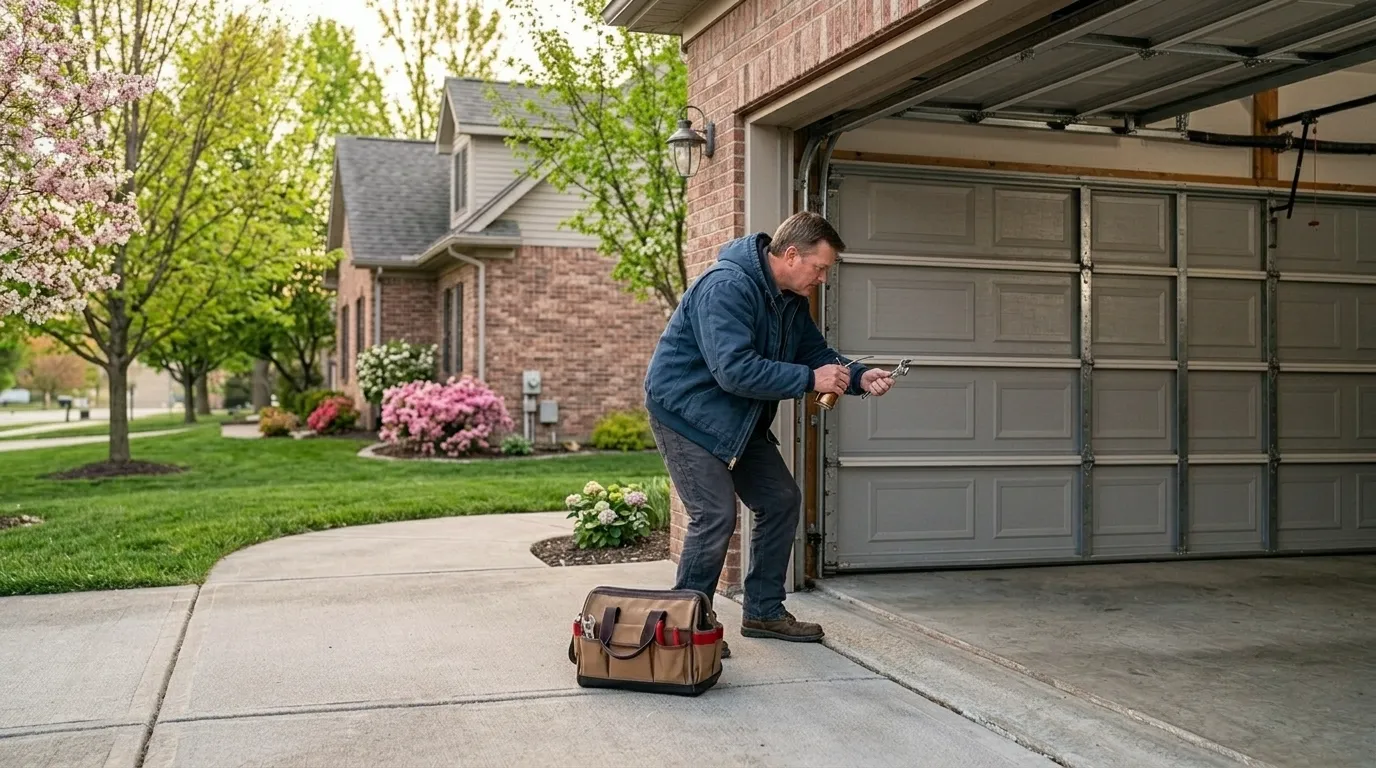
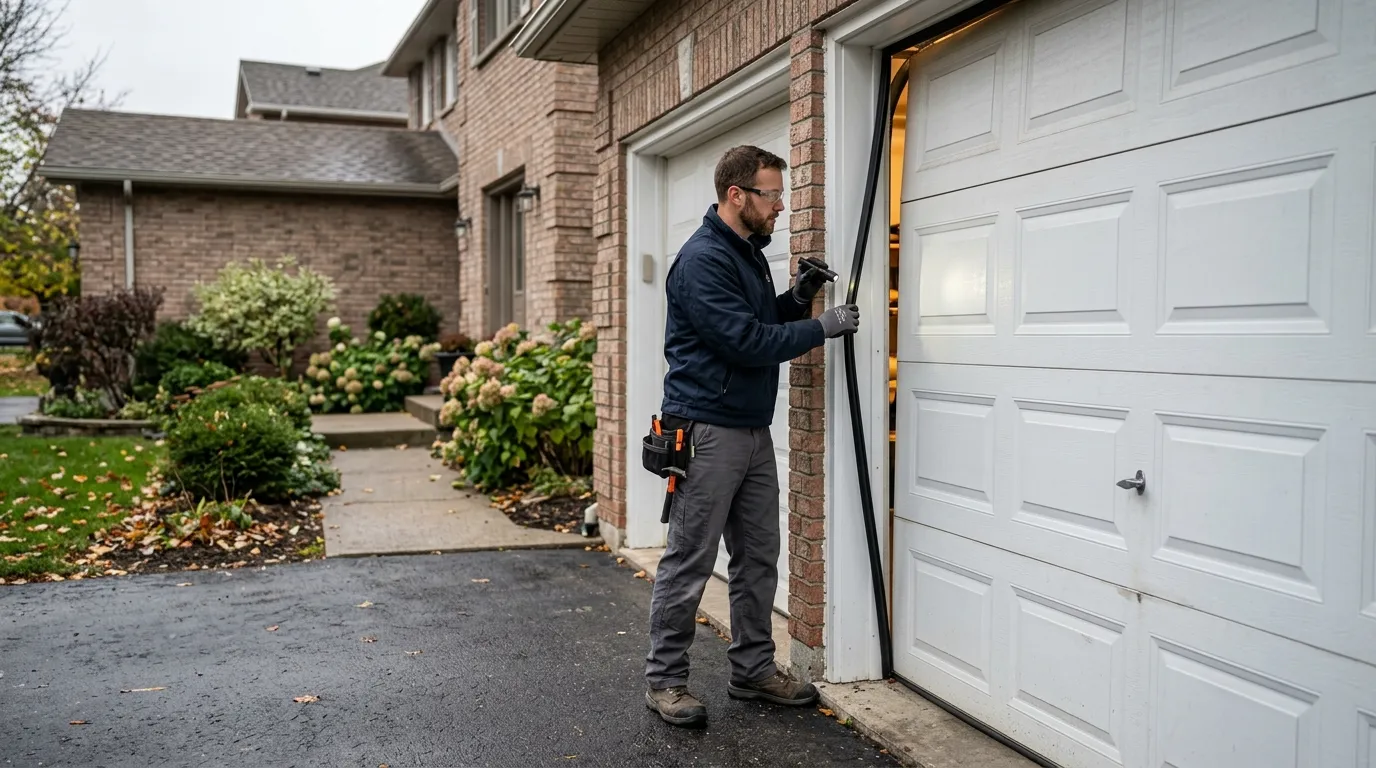
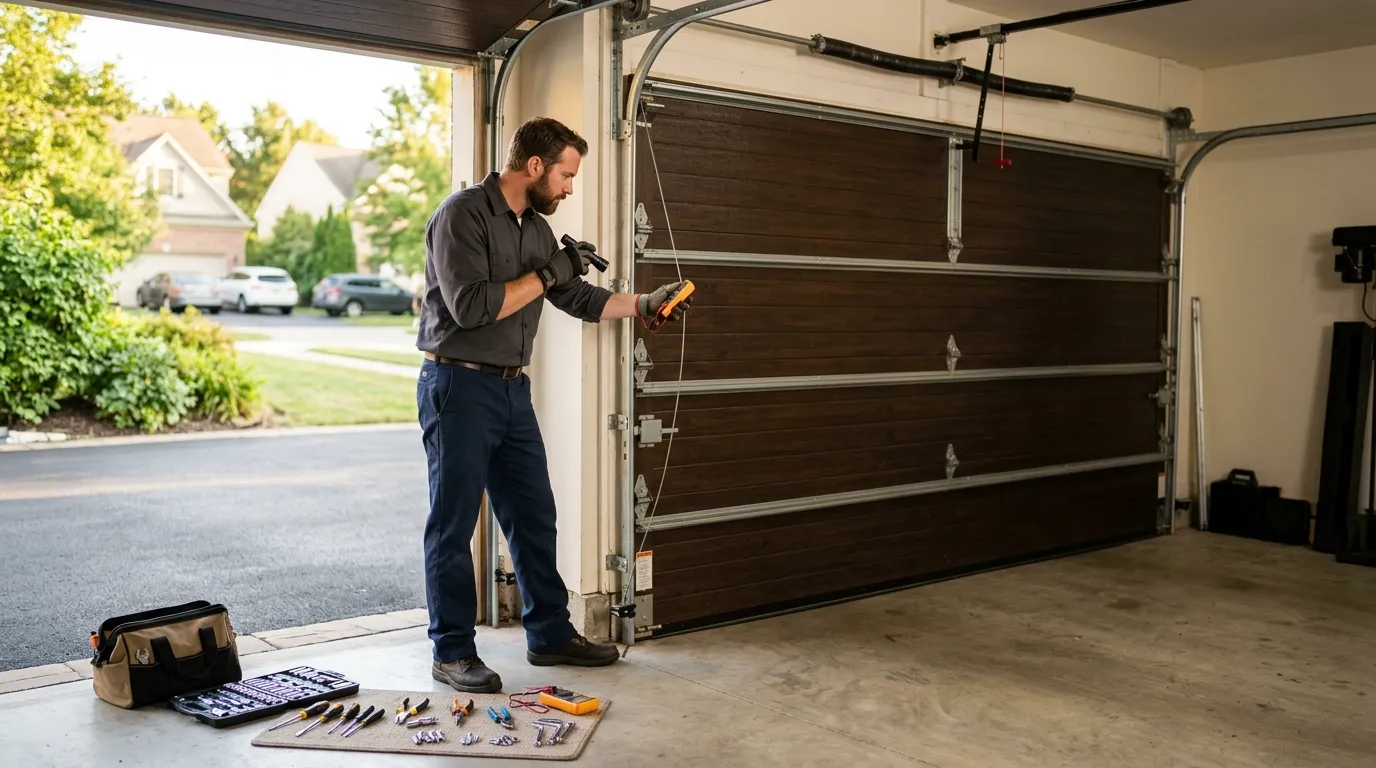
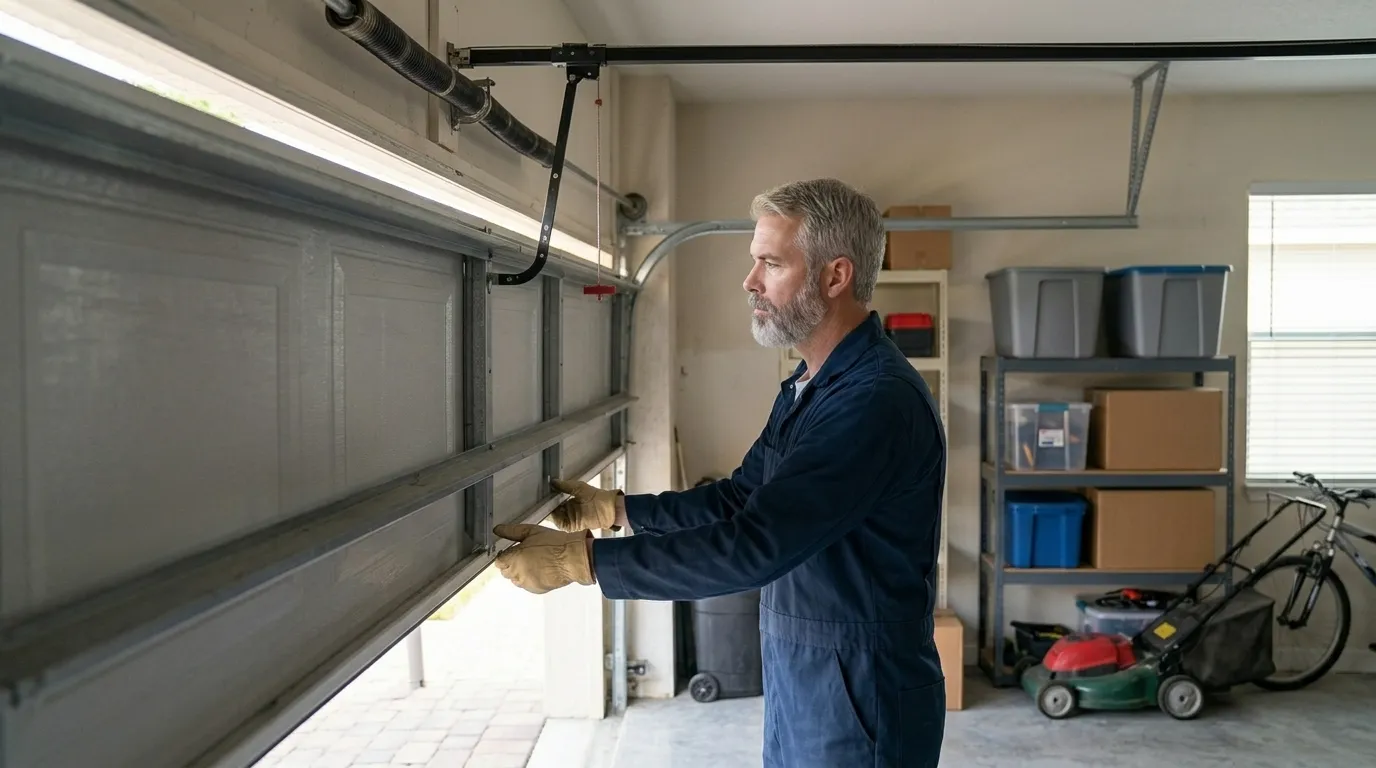
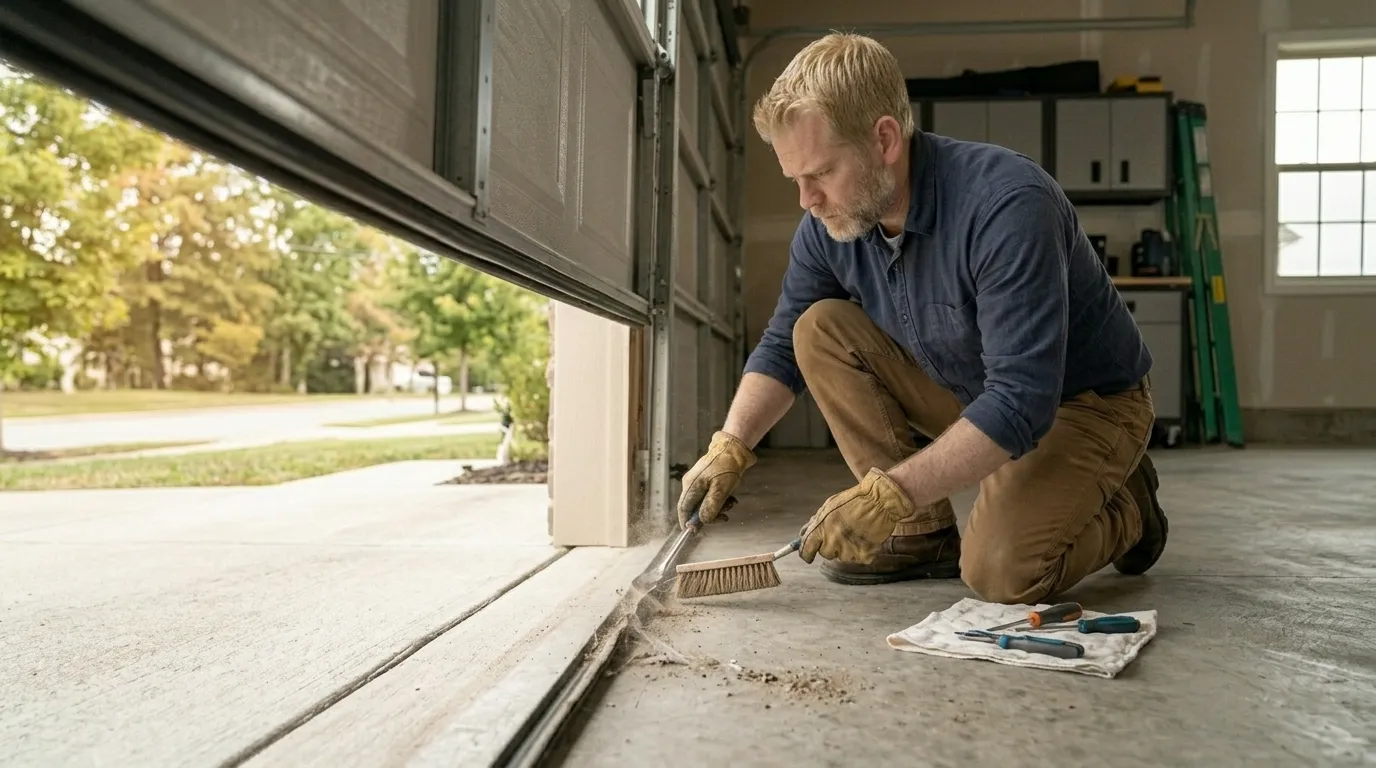
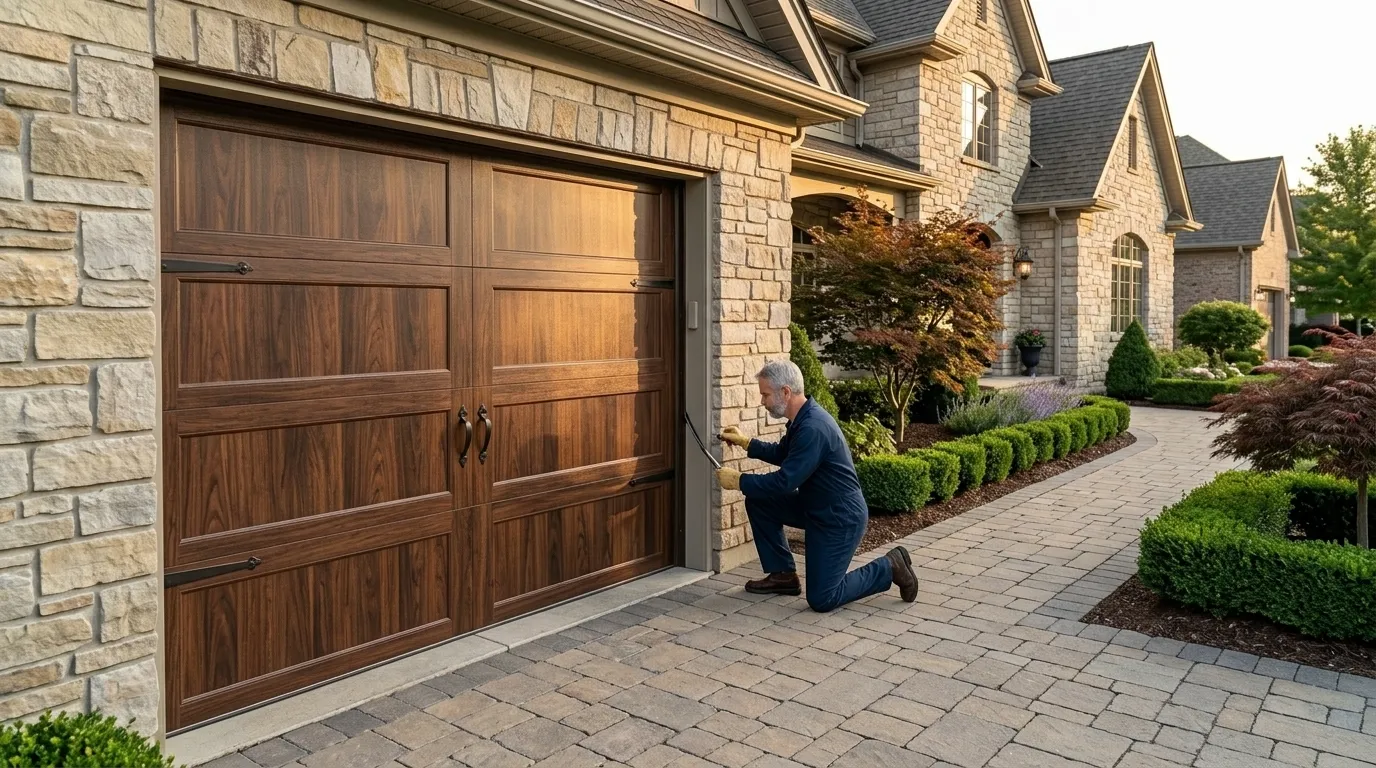
When a seal hardens, it stops flexing against the slab and the threshold, and that gap is where draughts get in. On older tracks and jambs from the 1940s and 1950s, the wood framing has often shifted slightly over seventy-plus years, which means the gap isn't even along the bottom - it's wider at one corner than the other. That uneven gap is why a homeowner can replace the bottom seal and still feel a draught: the seal is new, but the slab or jamb it's sealing against has moved. Cold-climate freeze-thaw cycles make this worse over time, since the concrete apron outside the door heaves slightly each winter and settles differently than the year before. None of this is dramatic - no cracked panel, no broken spring - but it shows up as a cold garage, frozen condensation on stored items, and a door that whistles faintly in a hard wind. It's wear, not damage, and it's specific to how these older Philadelphia garages were built and how long they've been settling.
What Most People Get Wrong
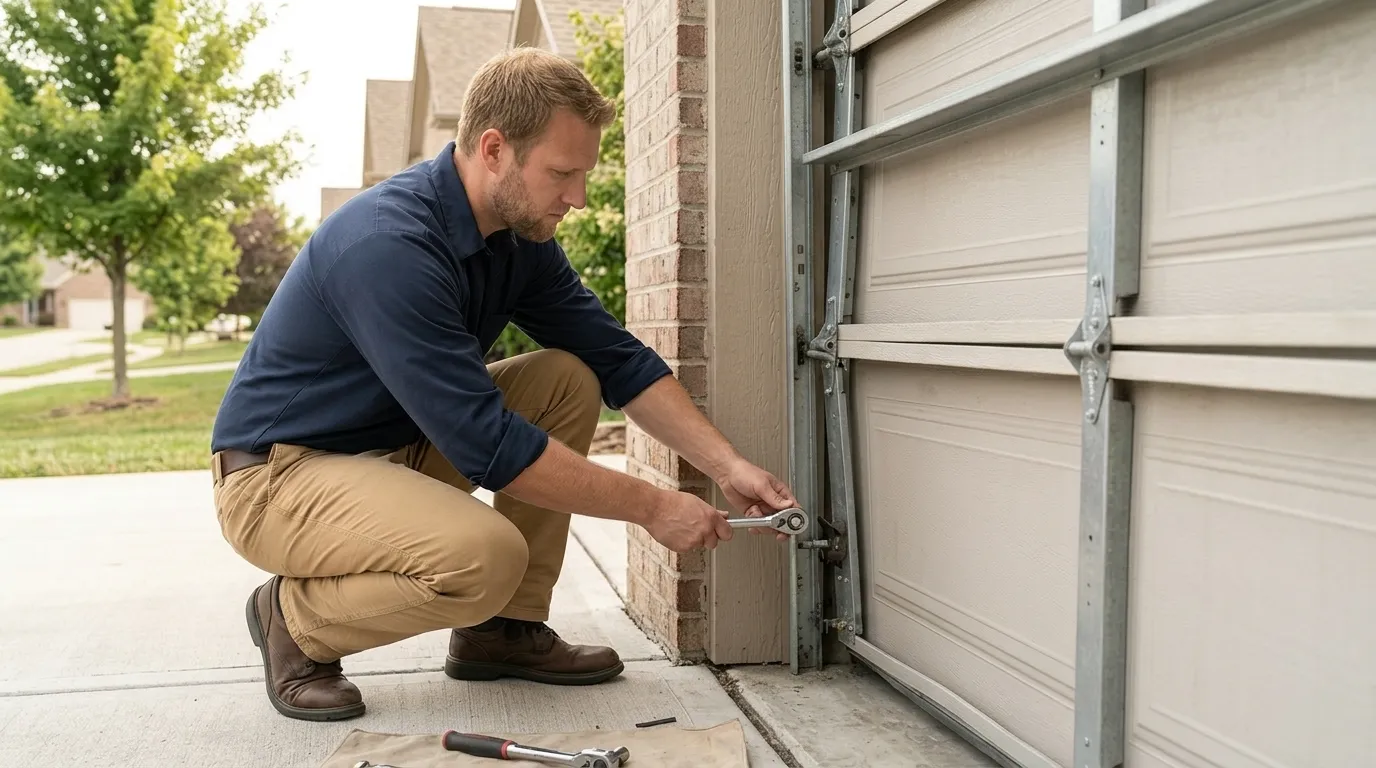
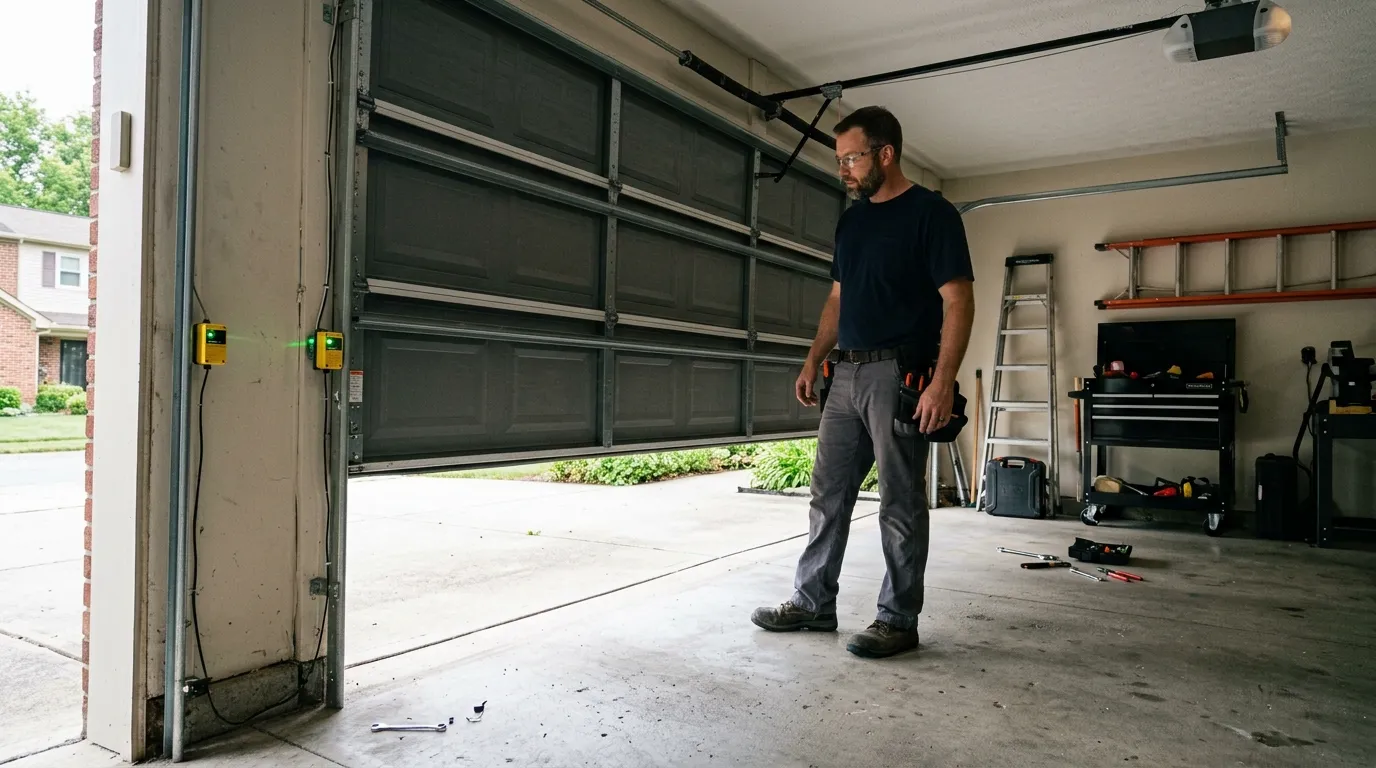
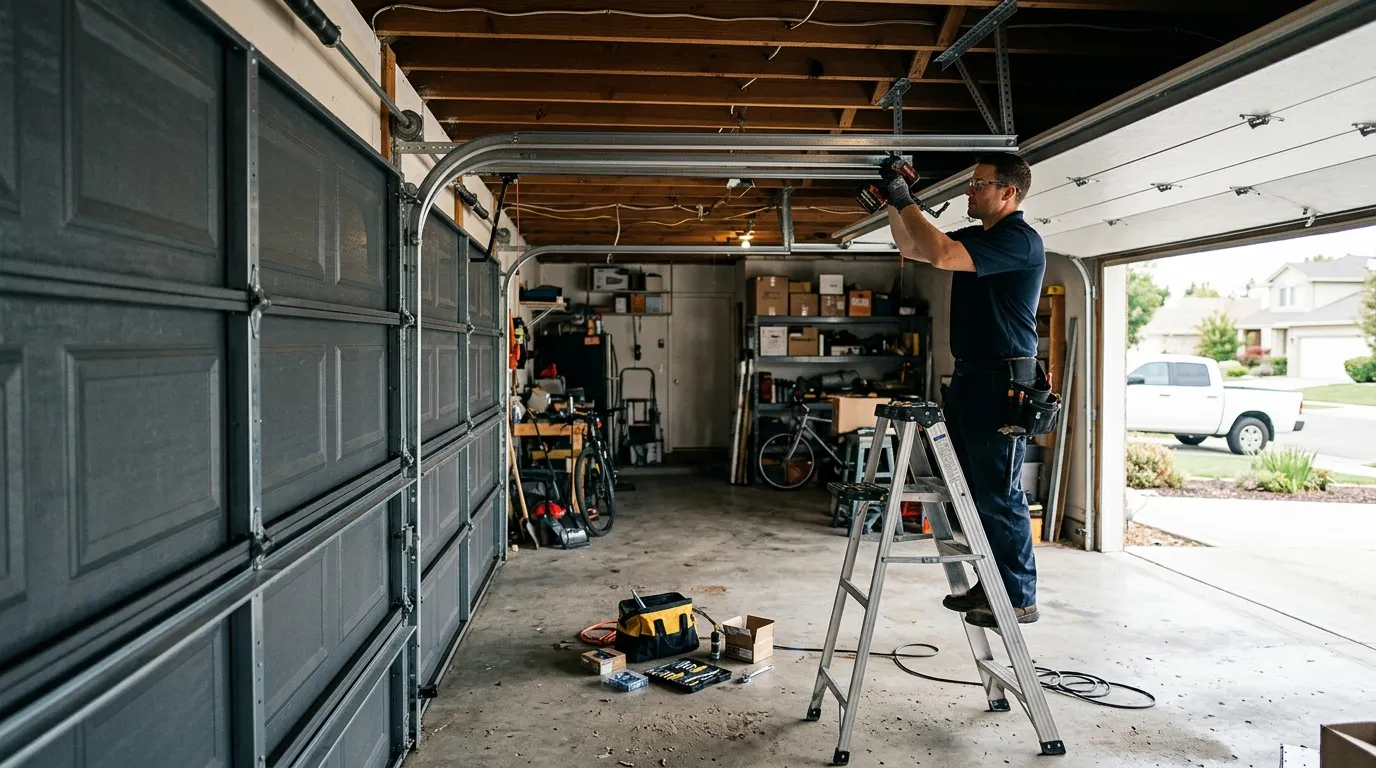
The common mistake is treating a draughty door as a seal problem only and stopping there. On a house from the 1938-1994 build range, the seal is often the symptom, not the cause. If the jamb has racked out of square or the slab has heaved unevenly, a fresh strip of bottom seal will compress on one side and still gap on the other within a season. People also assume a draught means the door needs full replacement, when in many cases it's the track alignment or the astragal that needs adjusting so the existing seal can actually do its job. The other habit worth naming: caulking around a garage door threshold to stop a draught. It looks like a fix for a week, then cracks the first time the door cycles, because it was never meant to flex with a moving panel. The real question isn't 'what seal do I buy' - it's whether the door and frame are still square enough for any seal to seat against.