What That Means for Doors
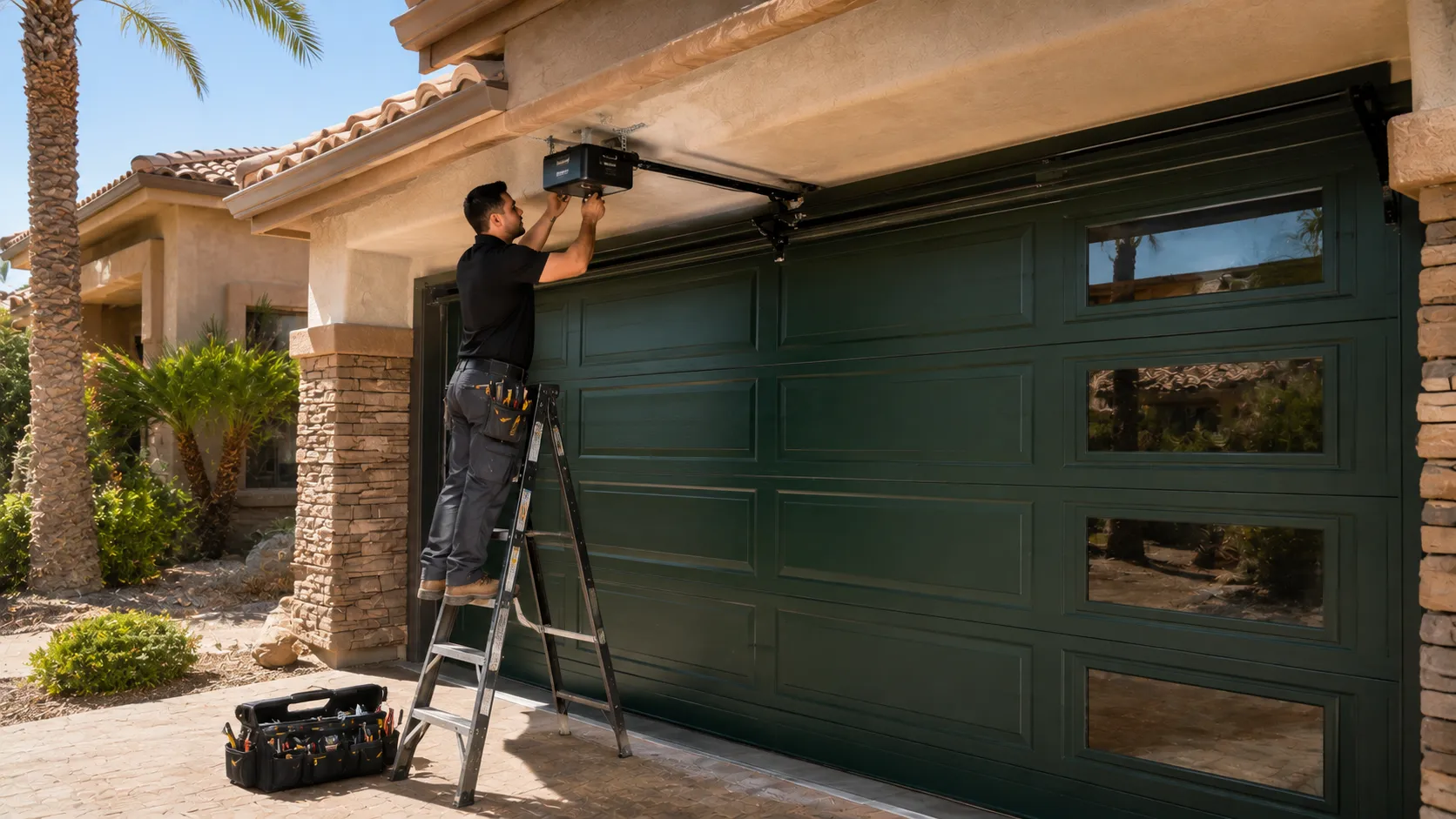
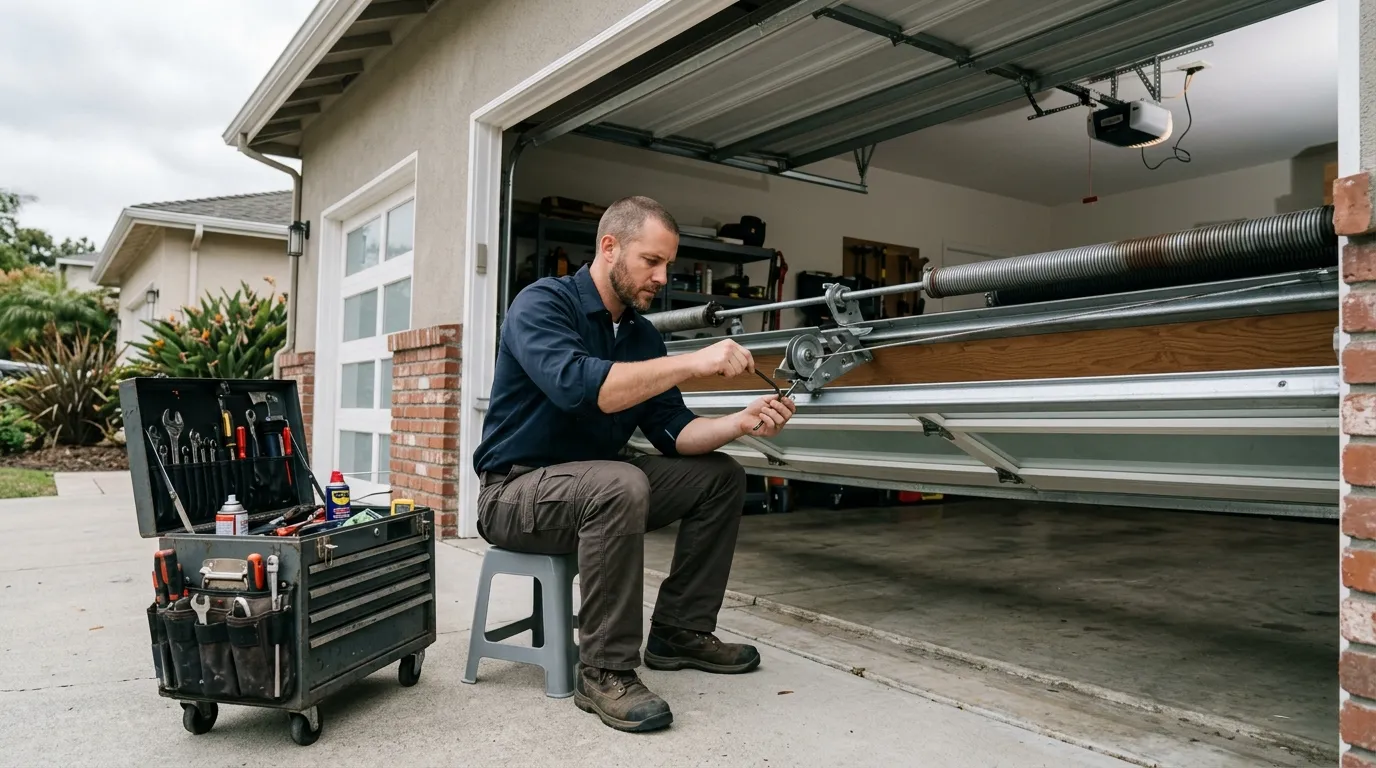
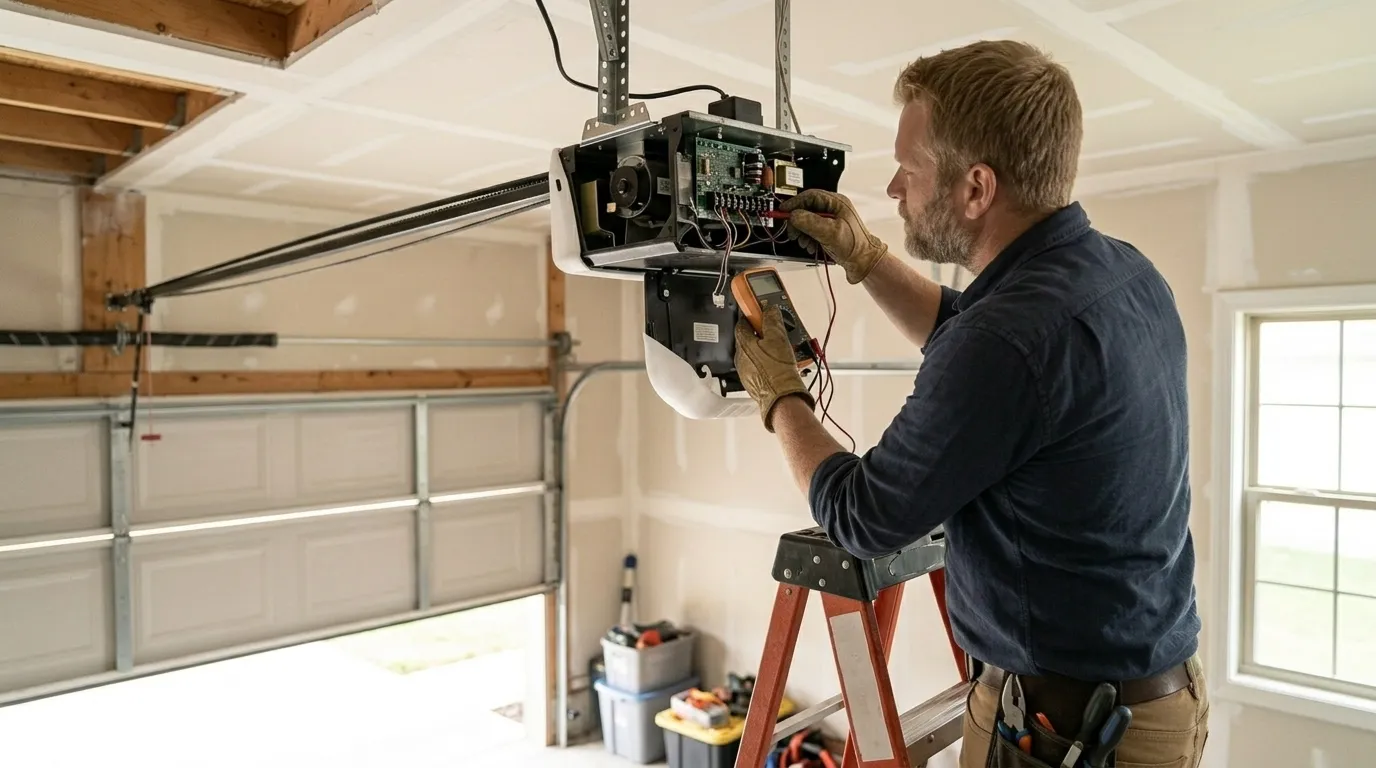
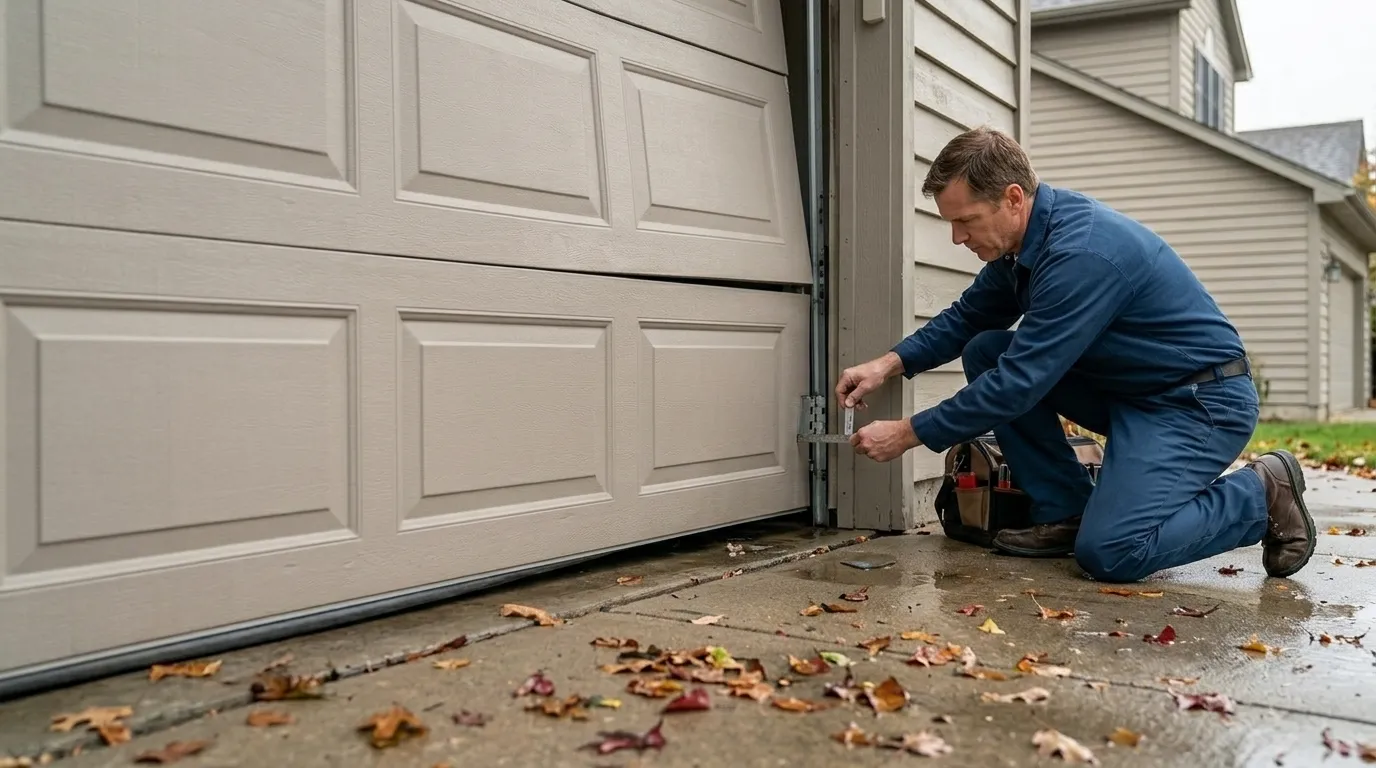
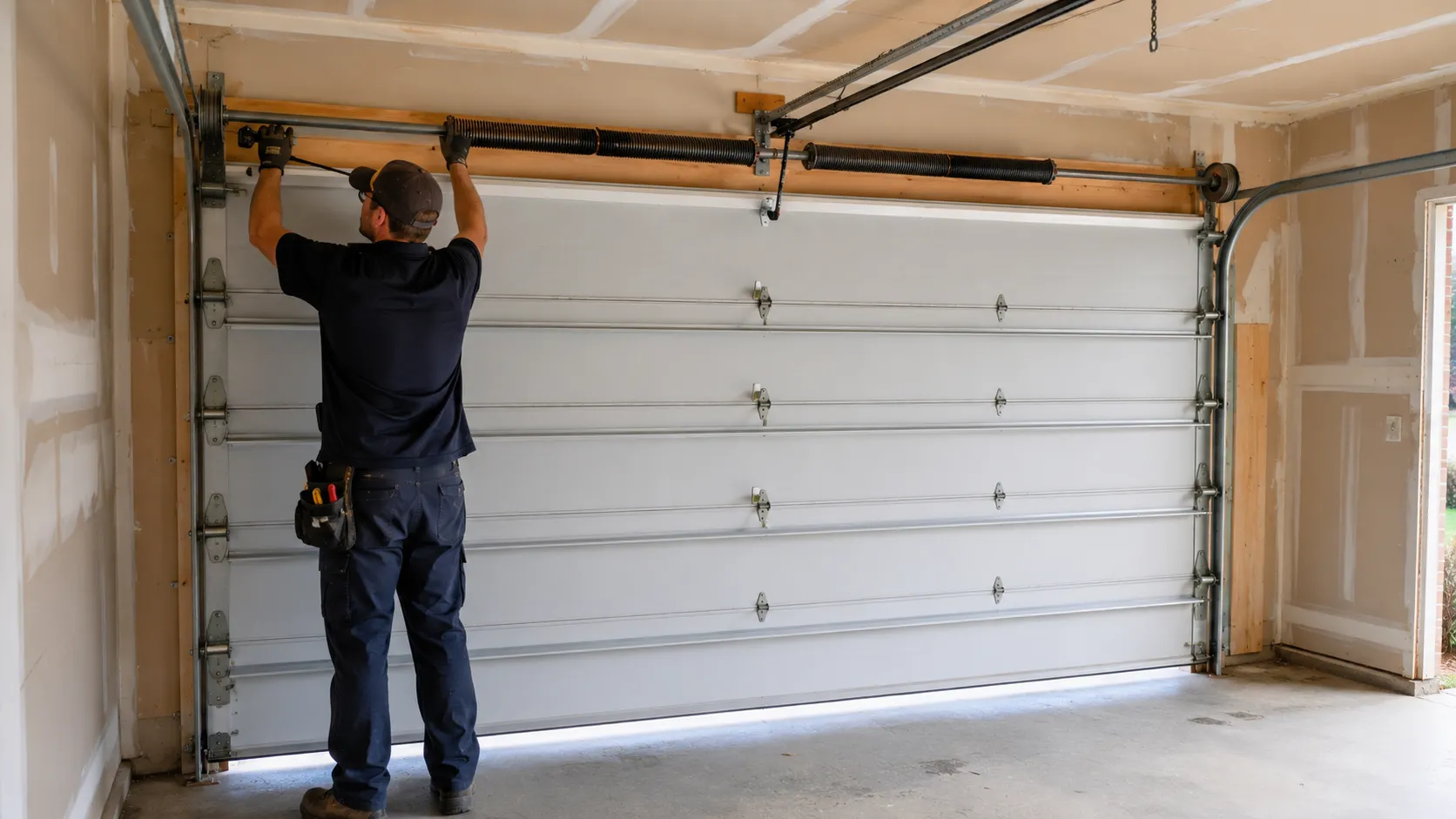
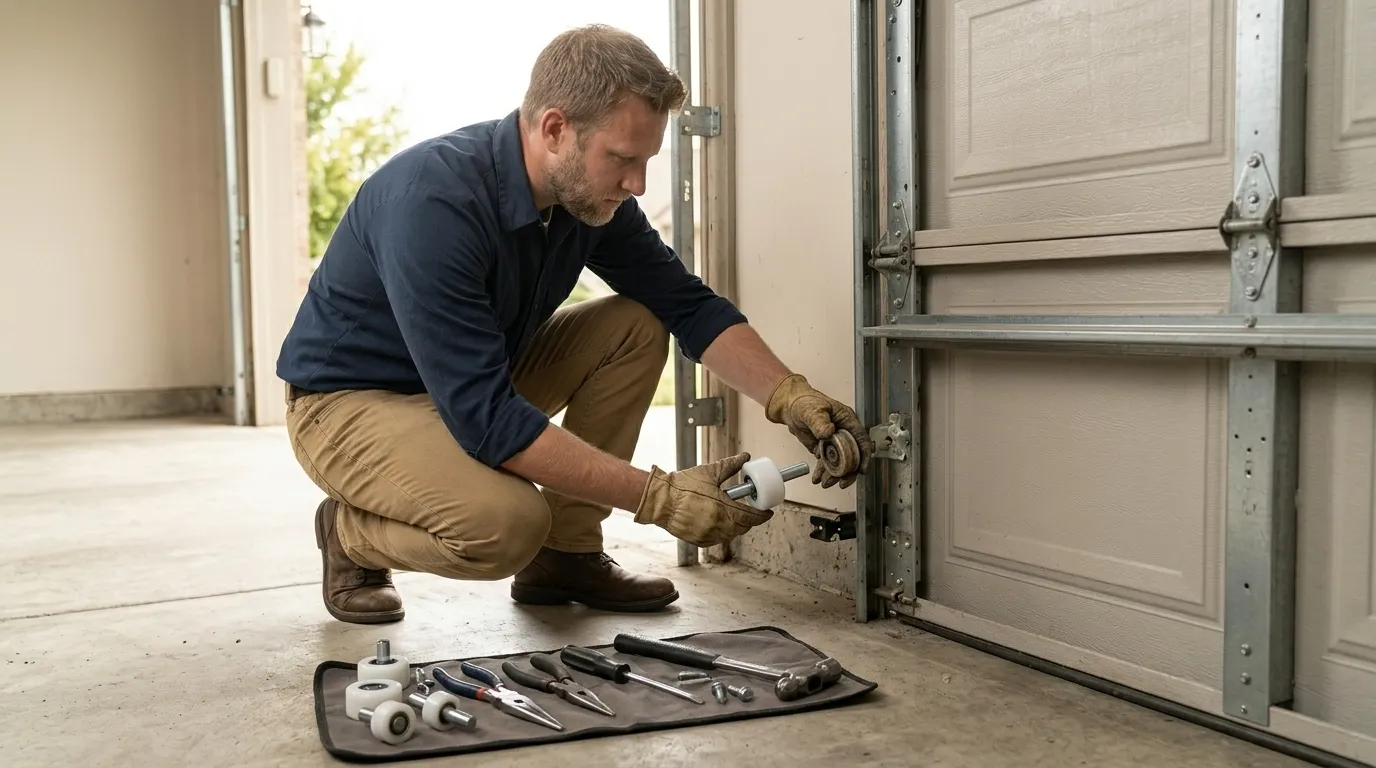
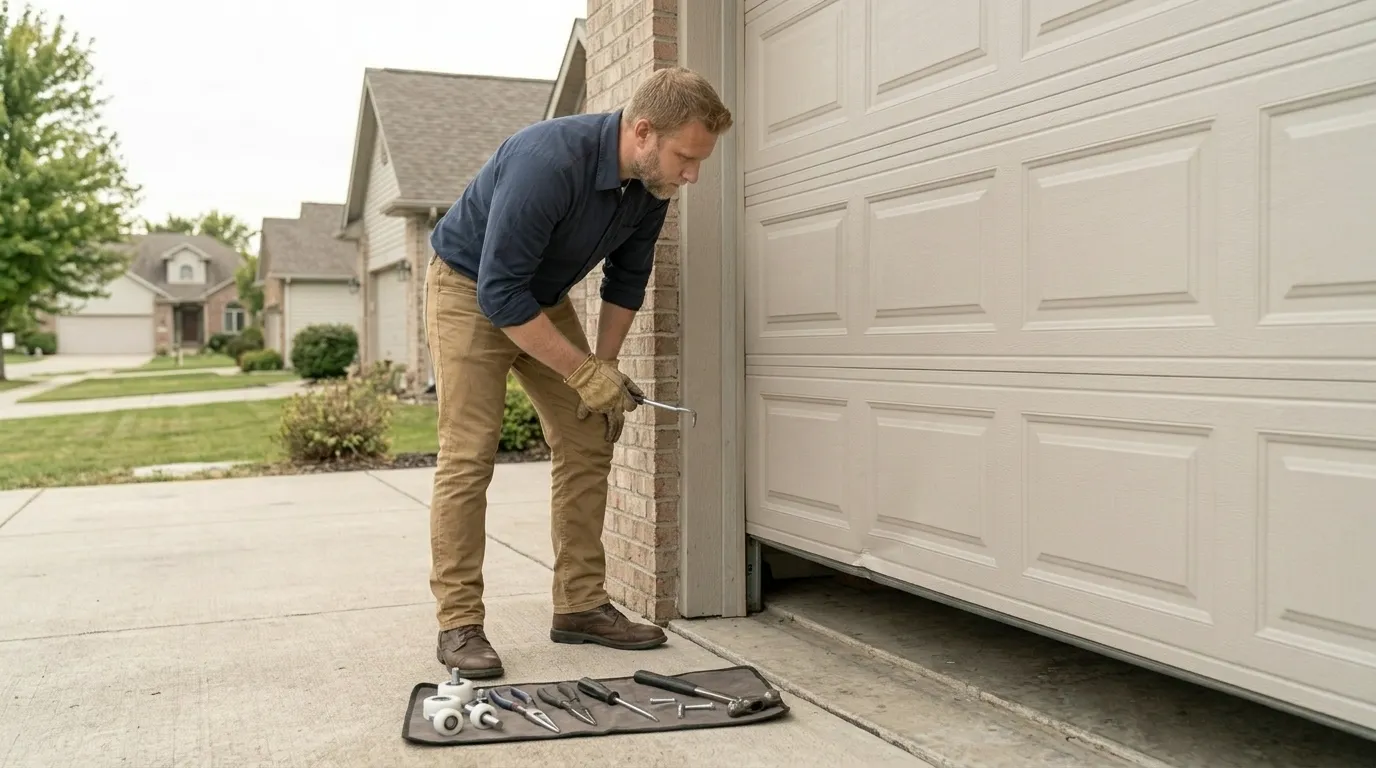
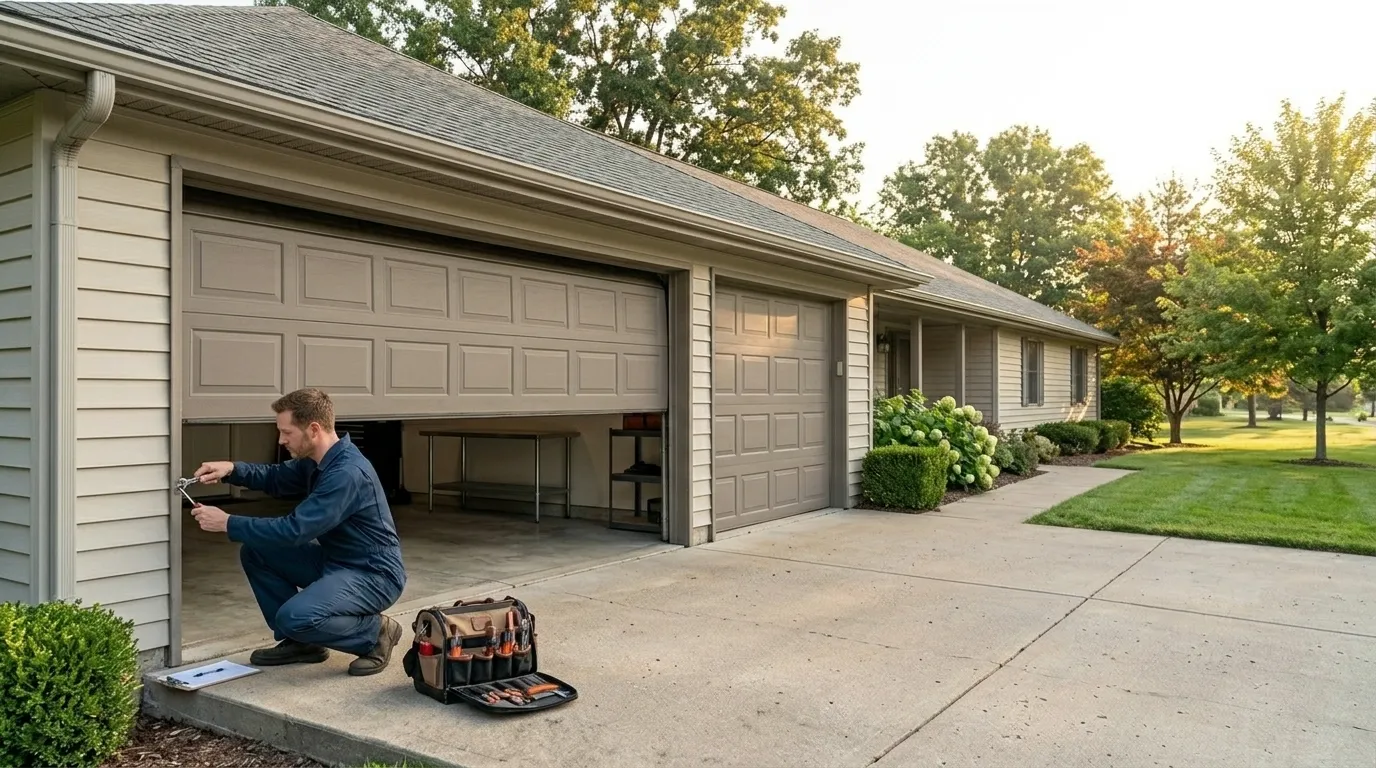
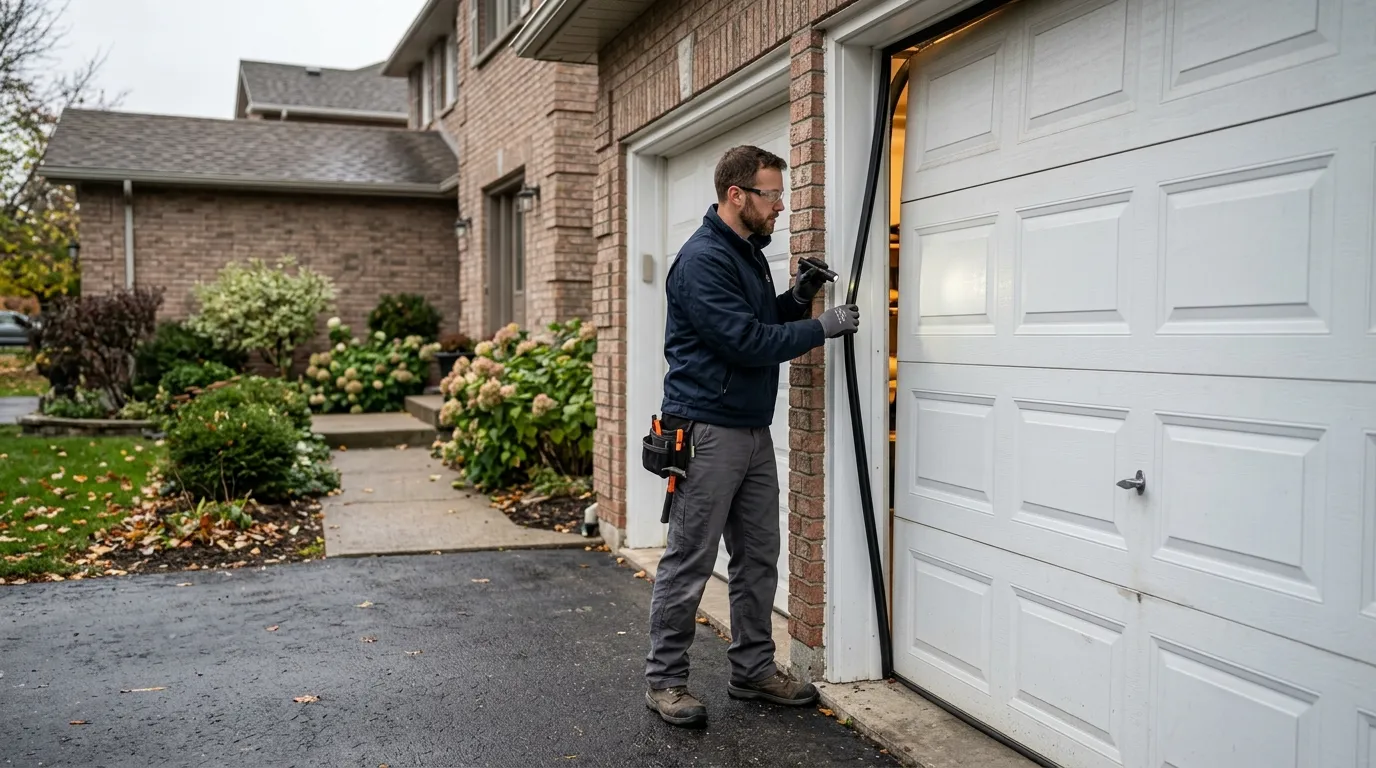
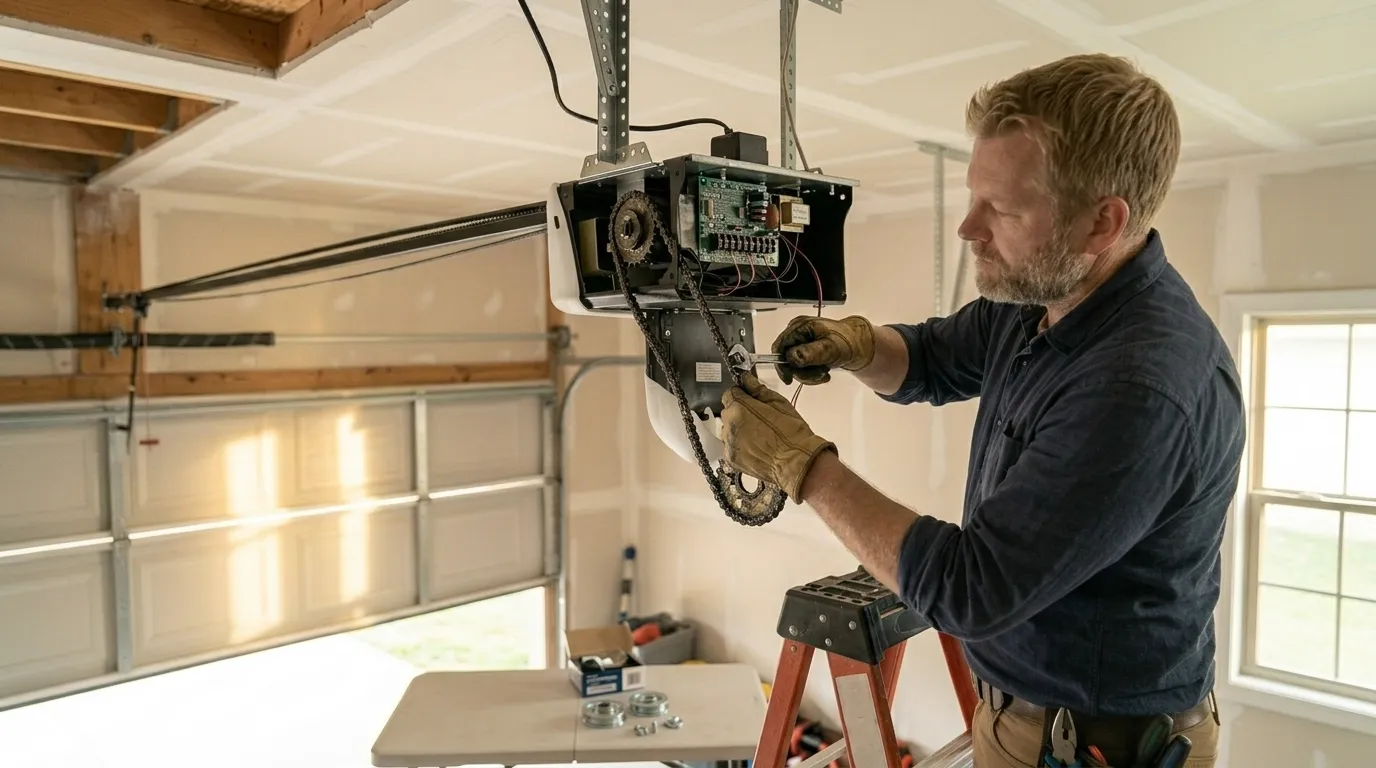
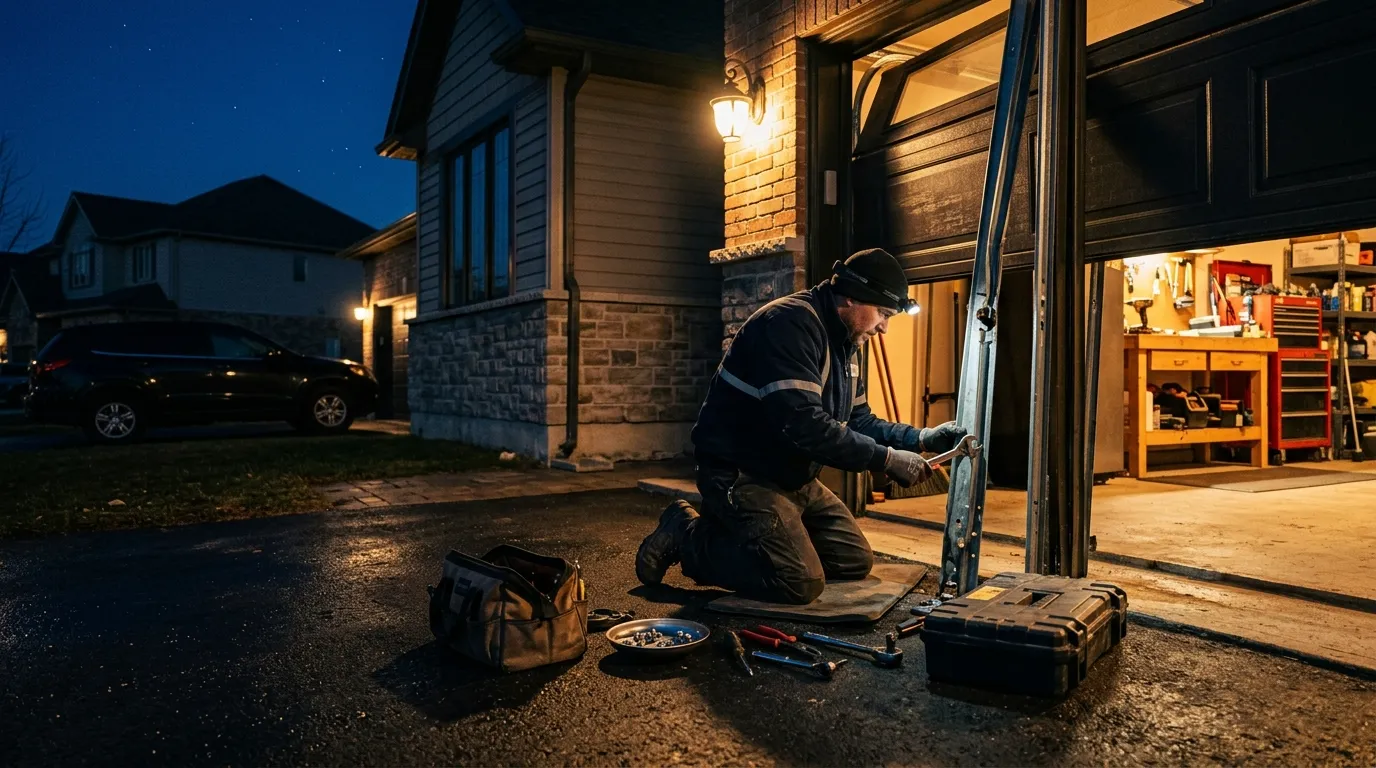
Homes built through the late 1970s and 1980s in this area were mostly finished with steel sectional doors on extension spring systems, not the torsion setups that came standard later, and not the older side-mounted torsion units common on pre-1960 housing. Extension springs age differently - they stretch and fatigue rather than fail on a torque count, and the safety cables that should run through them get skipped more often than they should on original installs. Openers from that build era are also reaching the end of their working life: circuit boards and drive gears from the 1980s and 90s don't get remanufactured, so once one fails, replacement is usually the answer rather than repair. The area sits in a cold, severe winter climate zone, which matters for a door this age - insulation was often an afterthought on doors from this period, and older weatherstripping hardens and cracks well before the door itself wears out. Swapping the seal and adding insulation panels is a smaller job than replacing the whole door, and it's often the right one here. One limitation worth saying plainly: if the opener's logic board is dead and the model is old enough, we won't waste your money chasing parts that don't exist anymore - full opener replacement is the honest call.
The Houses Here
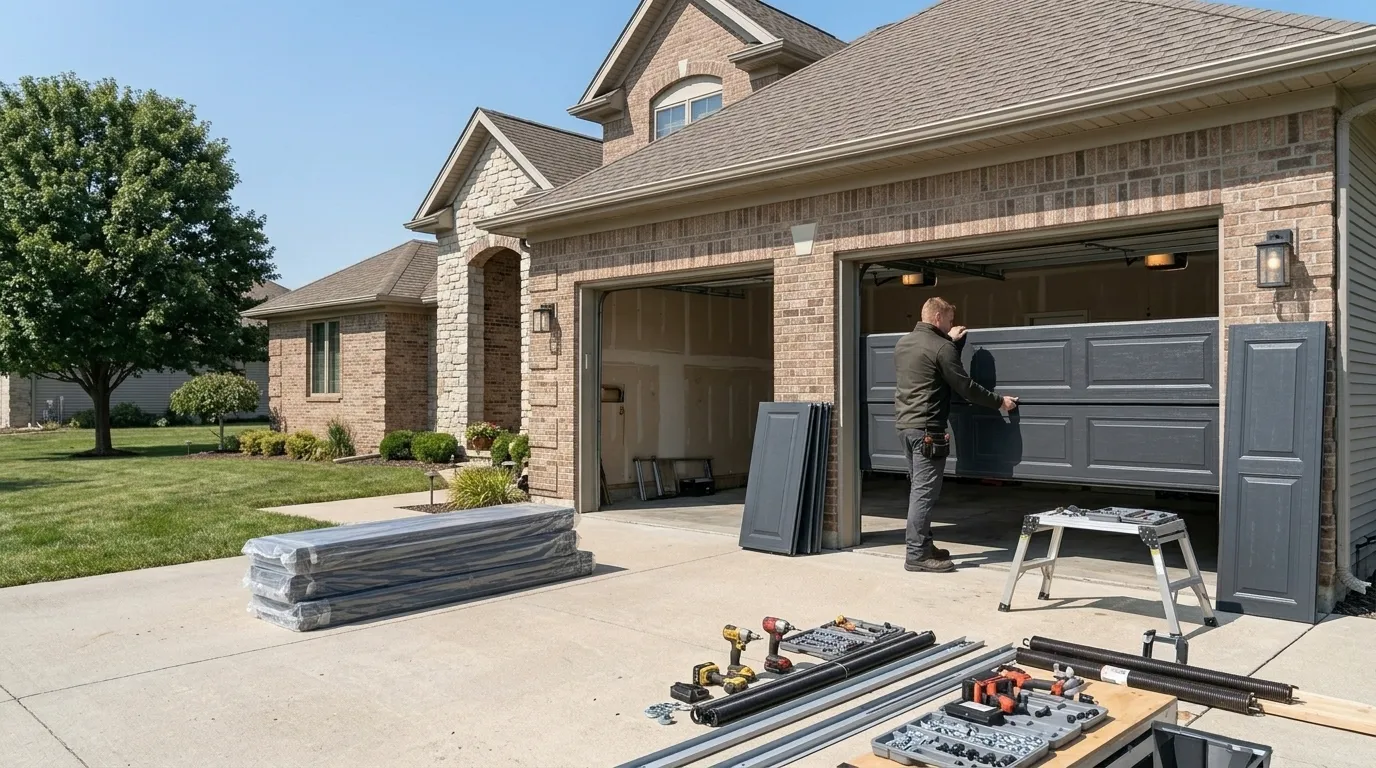
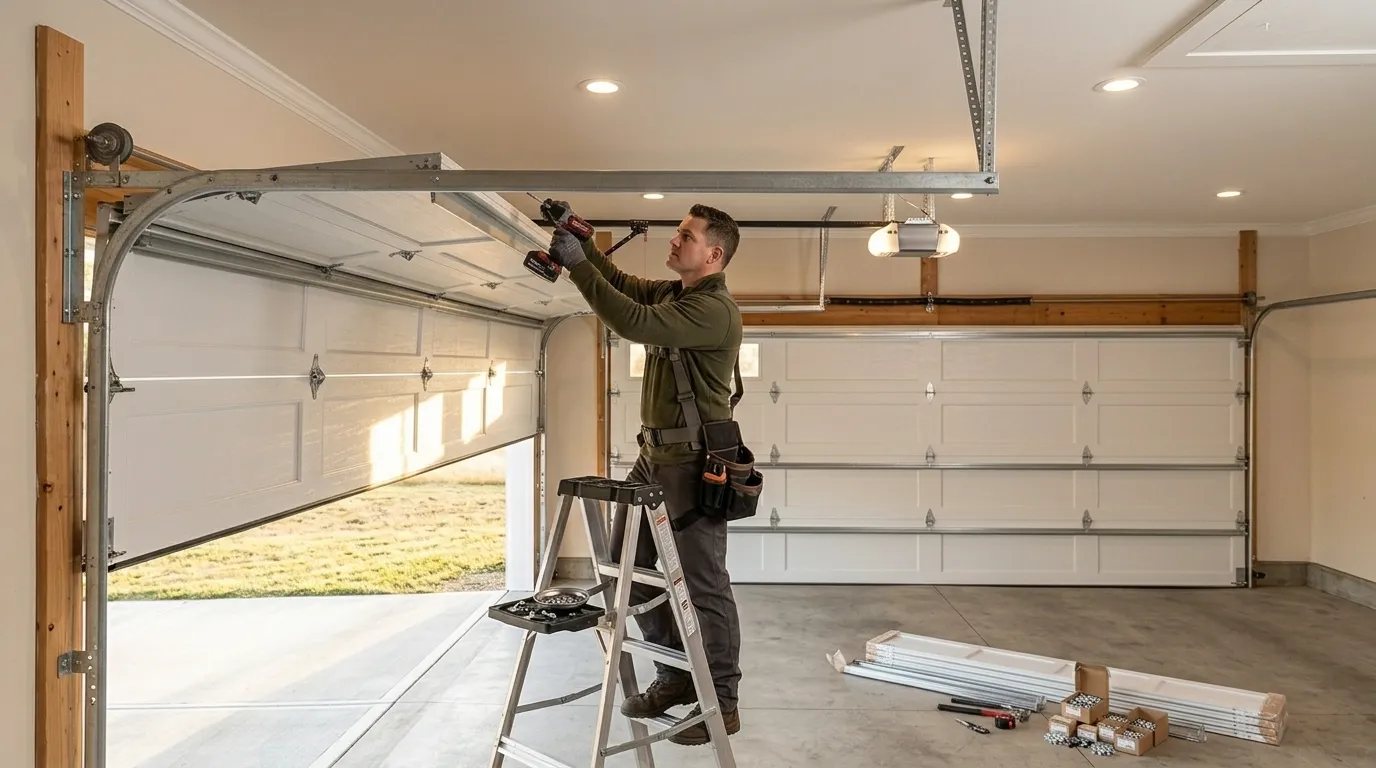
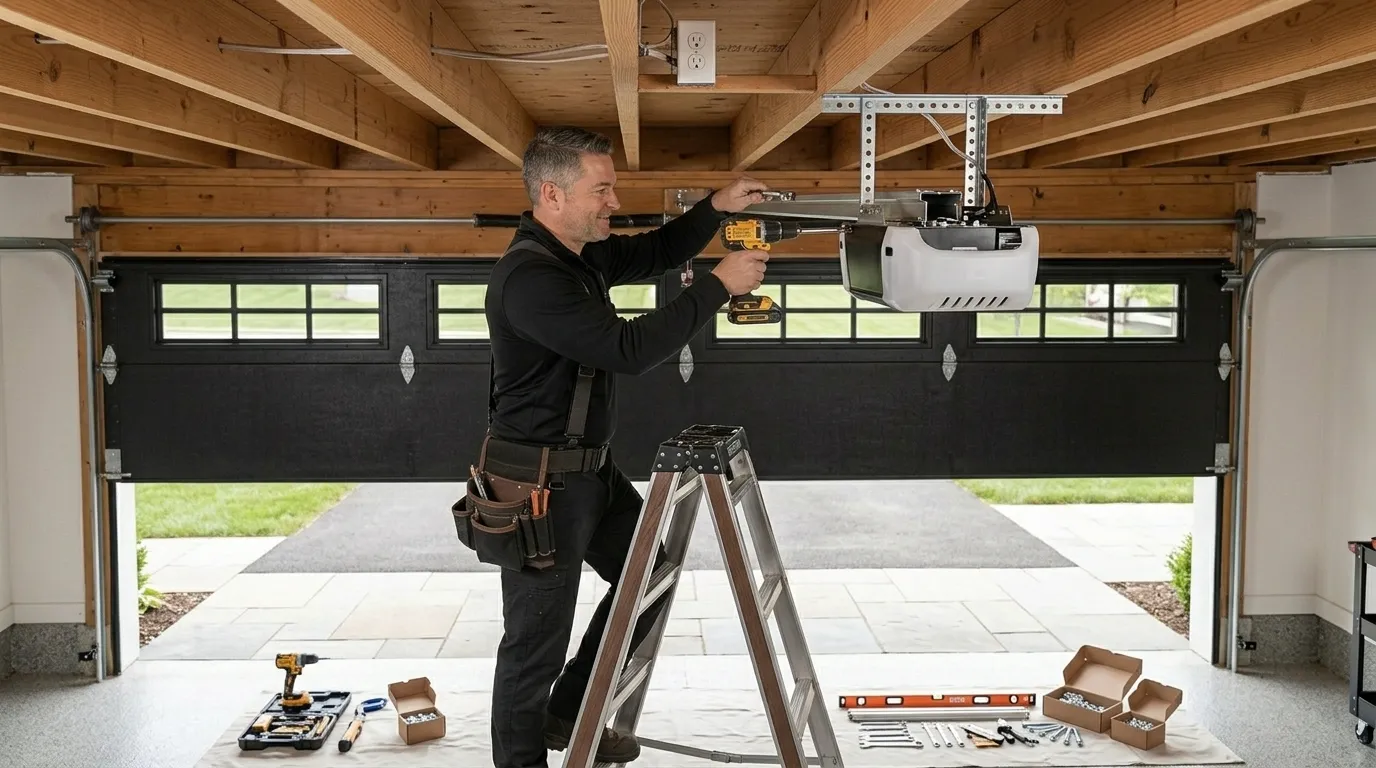
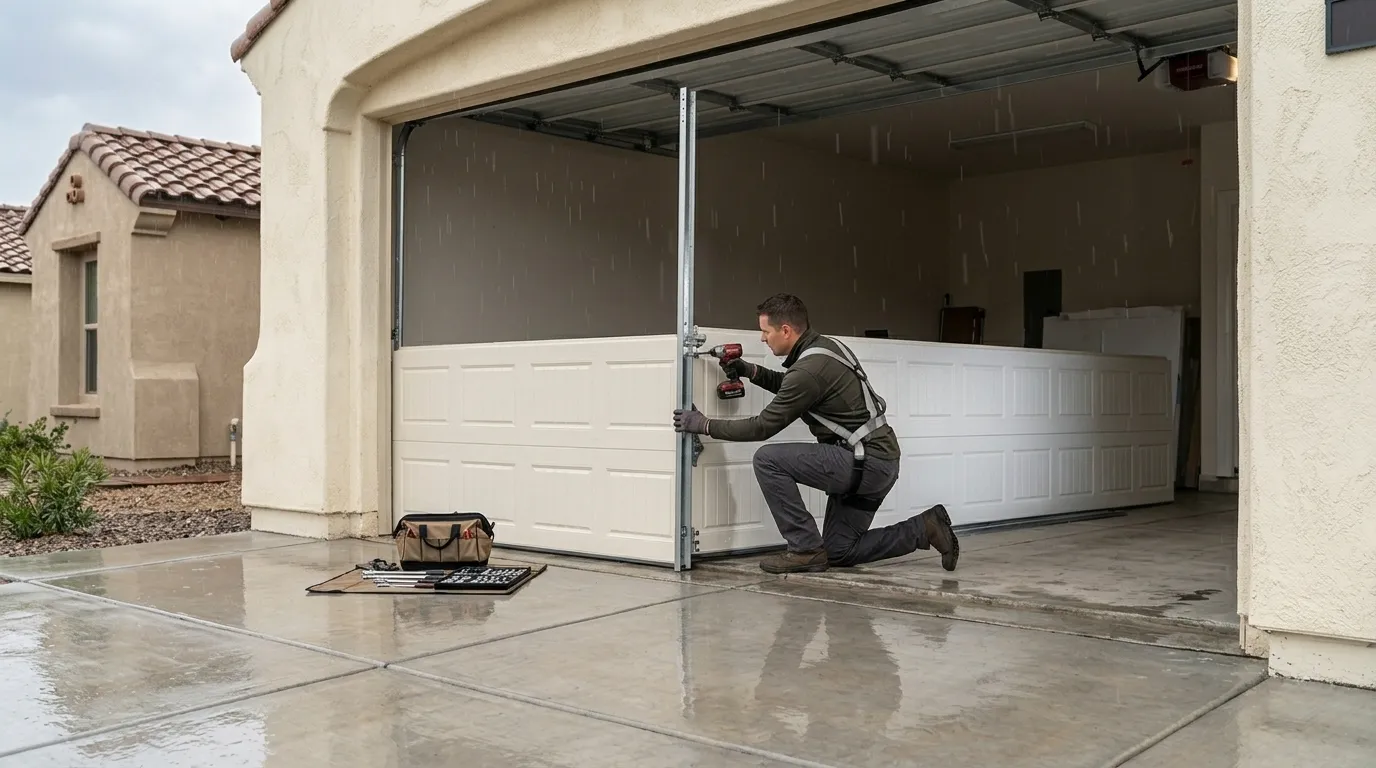
Northampton has roughly 14,086 households, and with median household income around $153,375, most garages here were built for two cars and finished to a reasonable standard from the start - insulated walls, drywall, sometimes a finished ceiling. That combination shows up in the kind of work homeowners ask for: not just fix-it calls, but upgrades - quieter belt-drive openers to replace decades-old chain drives, insulated steel doors to replace the thinner panels that shipped standard in the 80s, battery backup on openers so a winter power outage doesn't leave a car stuck inside. Compared to the older, denser rowhouse blocks closer to Philadelphia, garages here tend to be attached, single-family, and built with more clearance, which usually makes for a more straightforward job - fewer clearance workarounds, more room to work. It's not a wealthy-town cliché, it's just what the numbers say about the housing stock: newer, larger, built to a spec that assumed a two-car household.