Serving Philadelphia, PA & nearby
(267) 430-8692
Philadelphia, PA

Attached and Detached Garages Don't Behave the Same Way Here

Philadelphia's mix of rowhome garages and standalone garages built between 1938 and 1994 changes how a door should seal, insulate, and hold up in a cold winter.

Attached and Detached Garages Don't Behave the Same Way Here

What Local Conditions Do

Most of the housing stock in this area went up between 1938 and 1994, with the median year sitting at 1957. That split matters more than people think, because it decides whether your garage is built into the house or sitting off on its own. In the tighter rowhome blocks - - the garage is usually attached, sharing at least one wall with a living space. Further out, in areas like you're more likely to find a detached garage set back from the house, built later as the lots got bigger. A door on an attached garage is doing double duty: it's a barrier for your car and a thermal barrier for the room next to it. A door on a detached structure only has to keep the weather off the car and whatever you're storing. Same product category, different job. The region sits in a cold, severe climate band, and that gap in function shows up every winter, not just on the coldest week of it.

What Is Going On

With 160,961 owner-occupied houses across the service area, and most of that stock built before 1960, a lot of these garages were framed and finished before anyone thought about R-value on a garage door. On an attached garage, a warped panel or a worn bottom seal doesn't just let cold air into the garage - it lets cold air push against the wall of whatever room is on the other side, which in a lot of these older rowhomes is a kitchen, a laundry room, or a bedroom above it. On a detached garage, the same worn seal just makes the garage colder. Nobody upstairs feels it. That's the whole difference. We see attached-garage calls where the actual complaint is 'the kitchen floor is cold' and the real cause is three feet away at the garage door. Detached-garage calls are almost always about the door and the door only - ice at the bottom, a track that's racked from frost heave, a spring that's lost tension in the cold. Same climate, same age of house, different failure that shows up first.

What Most People Get Wrong

The mistake we run into most is treating every door in this climate band the same way, buying whatever's cheapest without asking whether the garage is attached or detached. On an attached garage, an uninsulated door is a hole in your building envelope, full stop, and in a cold severe climate that shows up on a heating bill even if nobody in the house connects the two. On a detached garage, insulation matters less for comfort and more for keeping condensation off tools and a car's undercarriage from freezing to the slab. People also assume a detached garage door doesn't need the same seal quality because 'nobody lives out there' - but a detached garage with a bad seal fills with drifted snow and ice at the threshold faster than an attached one, because there's no house heat bleeding in at all to keep it above freezing. We can't tell you which mistake your specific door is making without seeing it. That's not a sales line, it's just true - a door that looks fine from the driveway can be doing either of these wrong.
Leaving It Alone

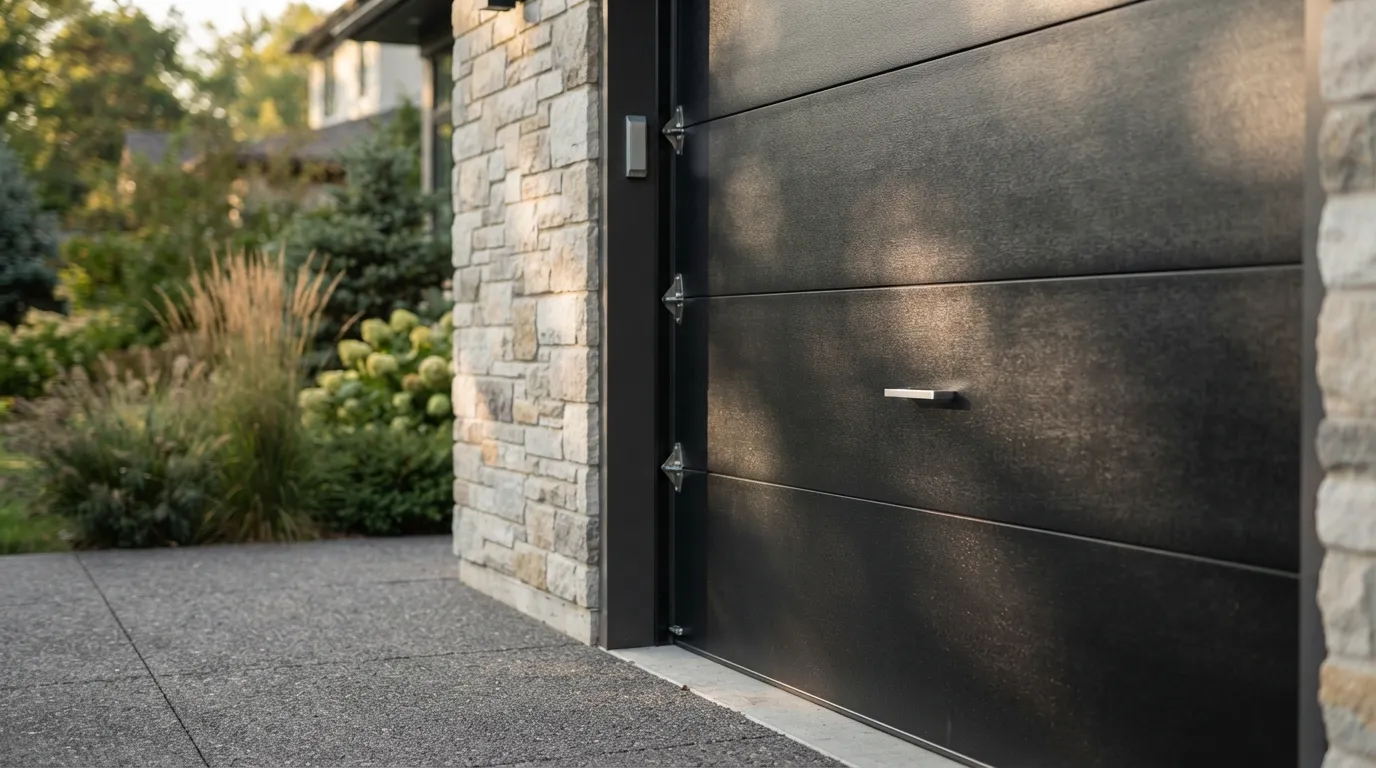
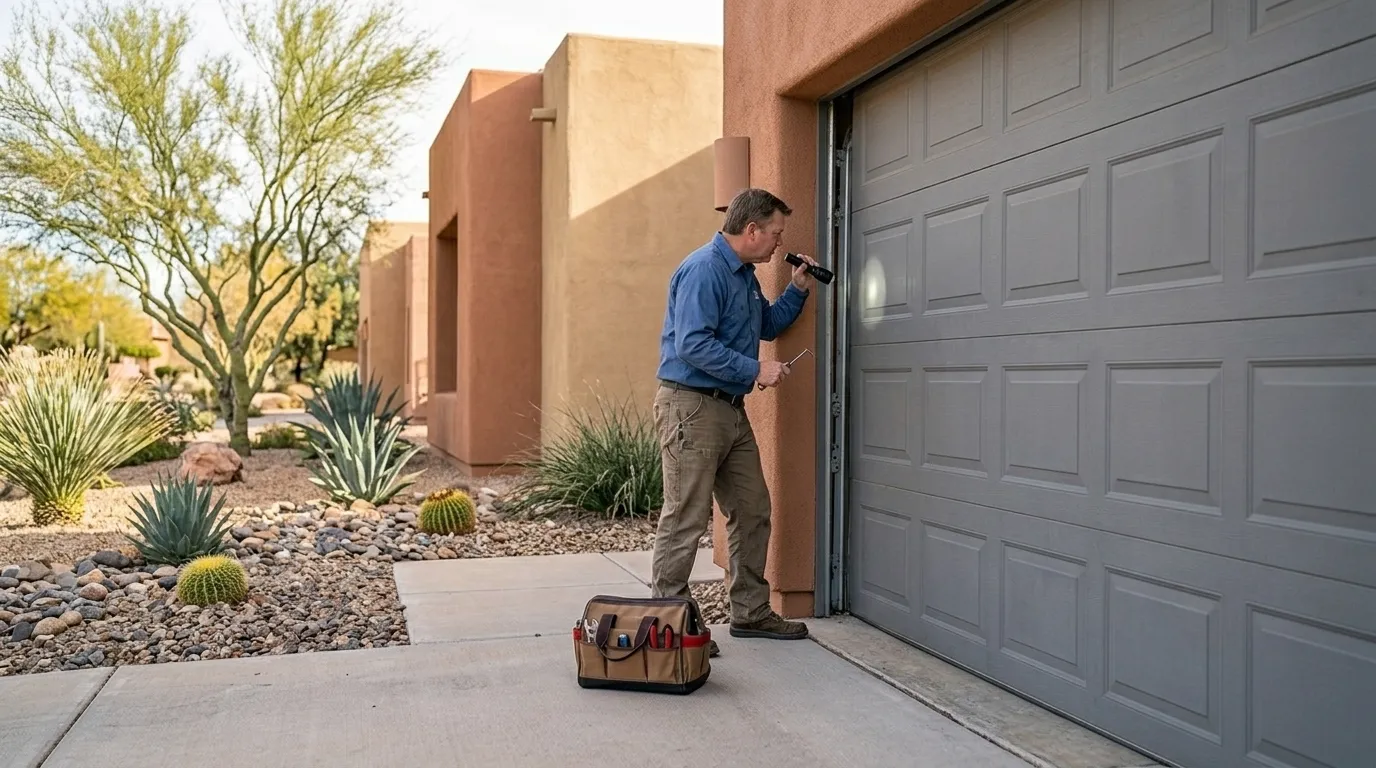
Not every gap or drafty seal needs immediate replacement, and we won't tell you otherwise. On a detached garage where nothing's stored that minds the cold, a slightly worn weatherstrip is a maintenance item, not an emergency - you can run another winter on it if the panels and hardware are otherwise sound. On an attached garage sharing a wall with living space, we're more insistent, because the cost isn't just the door, it's the heat loss into the house every single day. Where we draw a firm line either way: once the housing stock in an area is largely pre-1960, as it is across most of this region, the original hardware on both attached and detached garages is often long past matching to new parts. At that point a repair estimate has to be honest about whether you're fixing the door or the whole assembly. We'll tell you which one it is before we quote anything.

How it works

From “it’s stuck” to “it’s fixed”

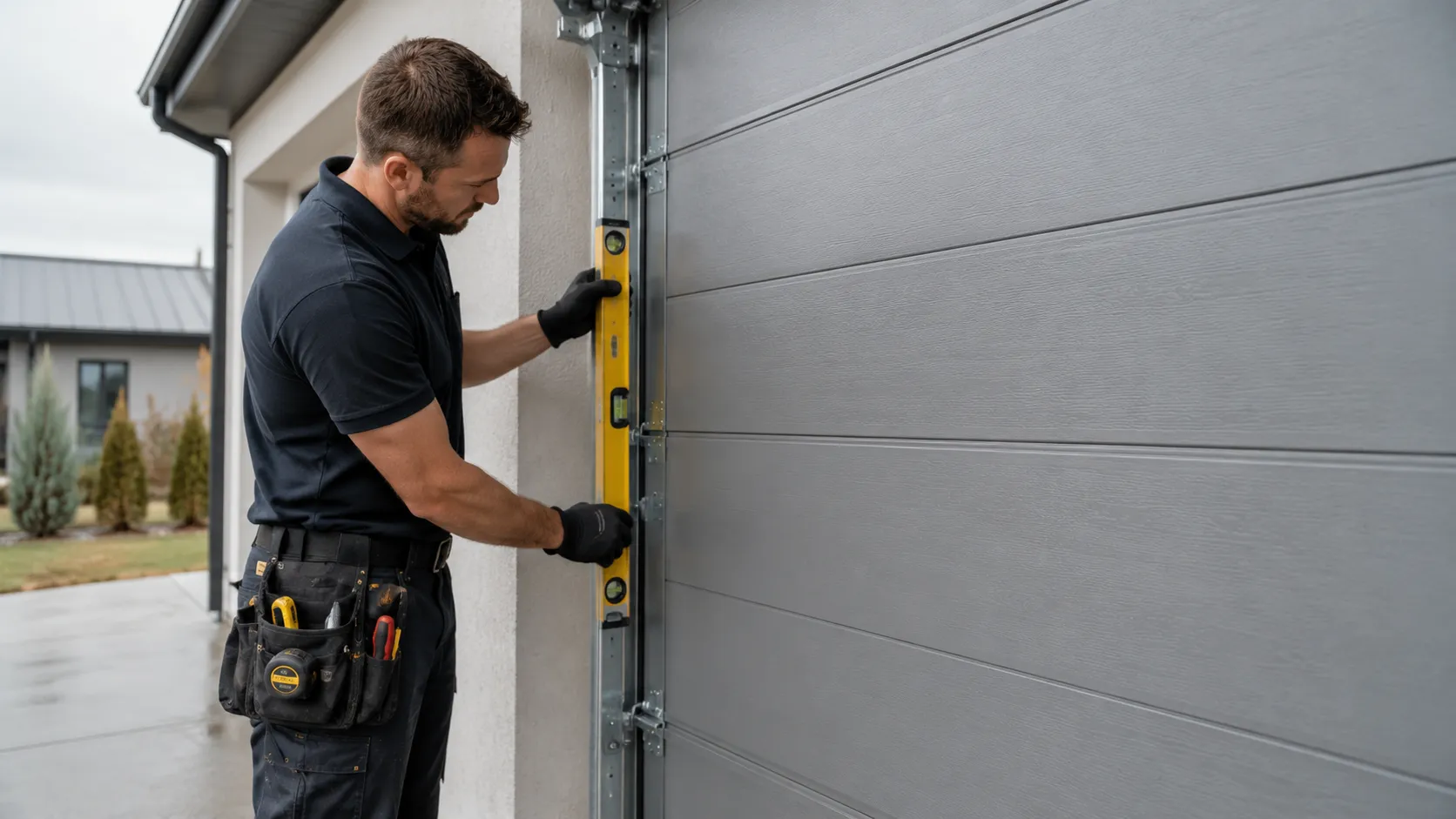
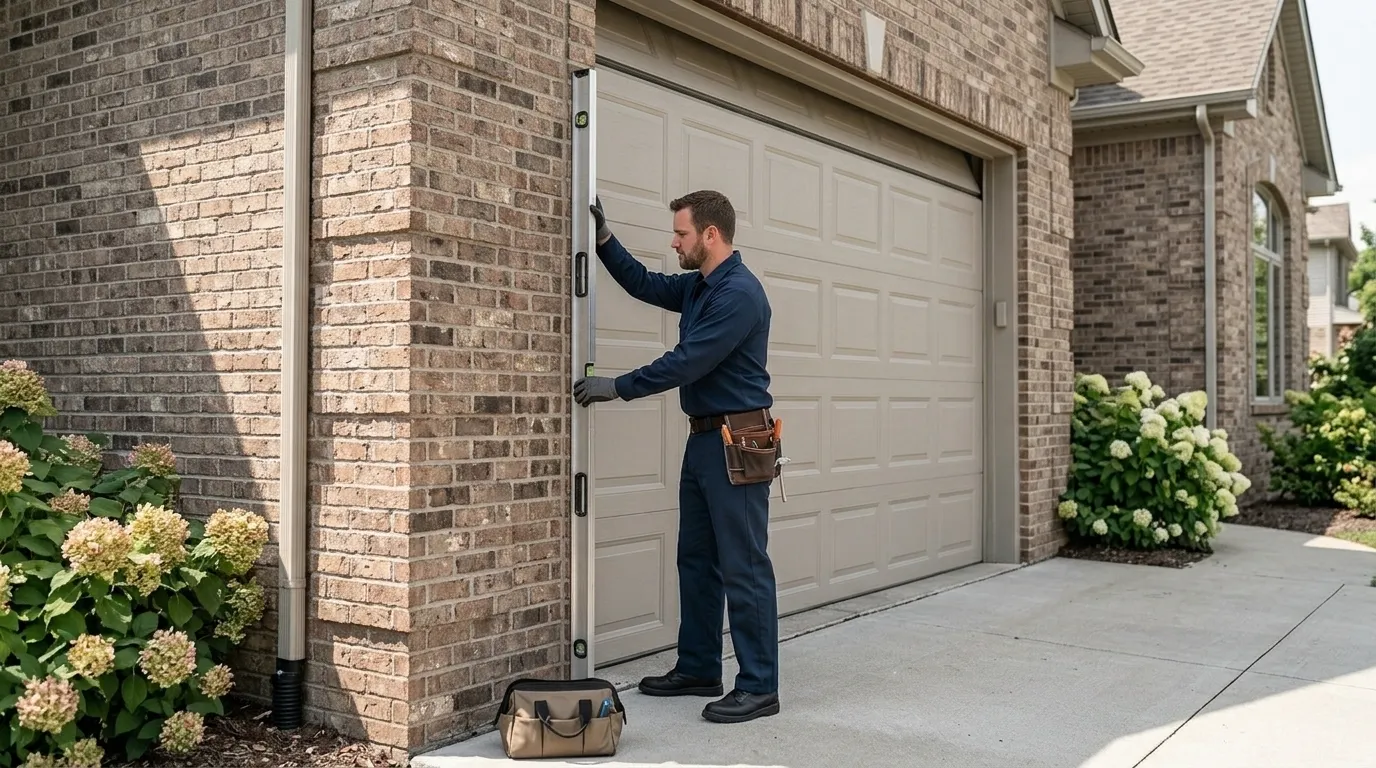
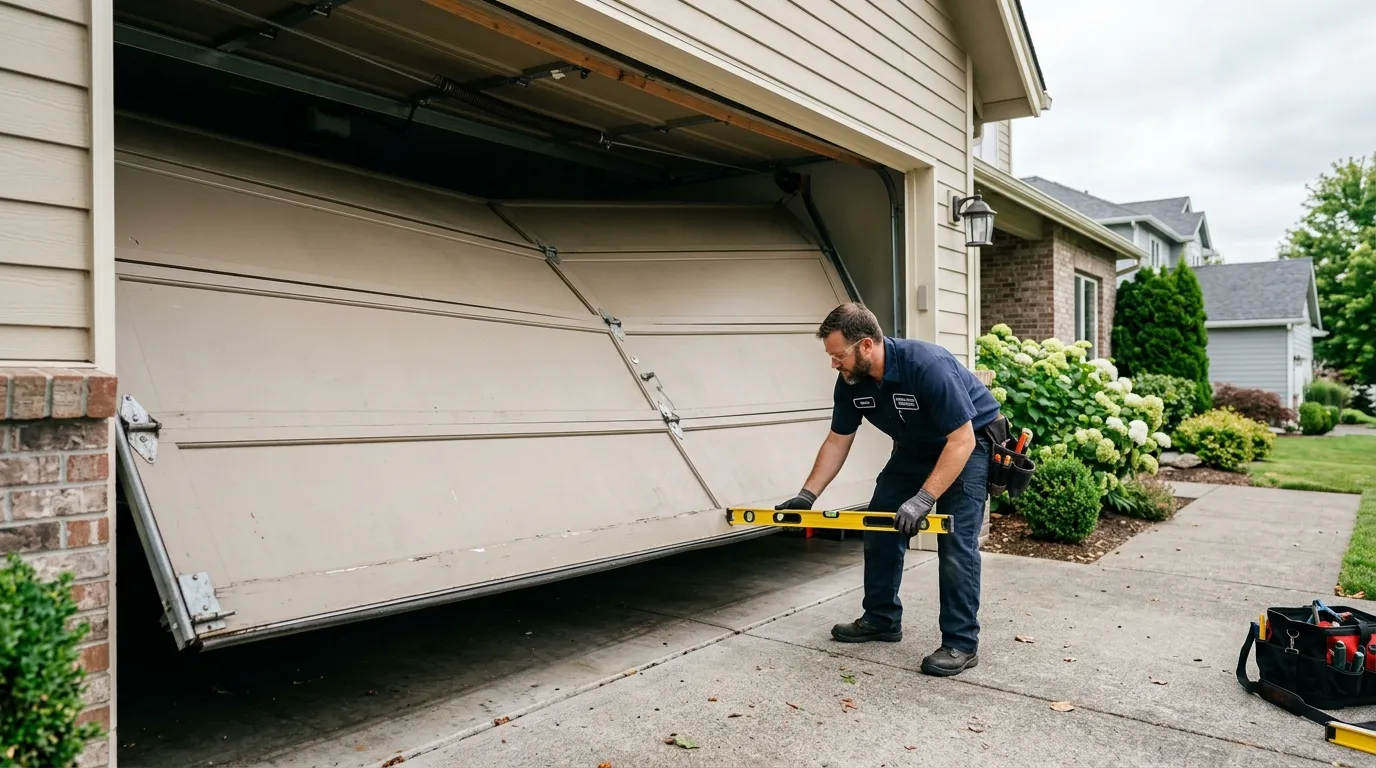
Tell us what’s wrong - Philadelphia garage door service

Tell us what’s wrong

Describe the symptom - won’t open, loud bang, opener runs but the door won’t move.

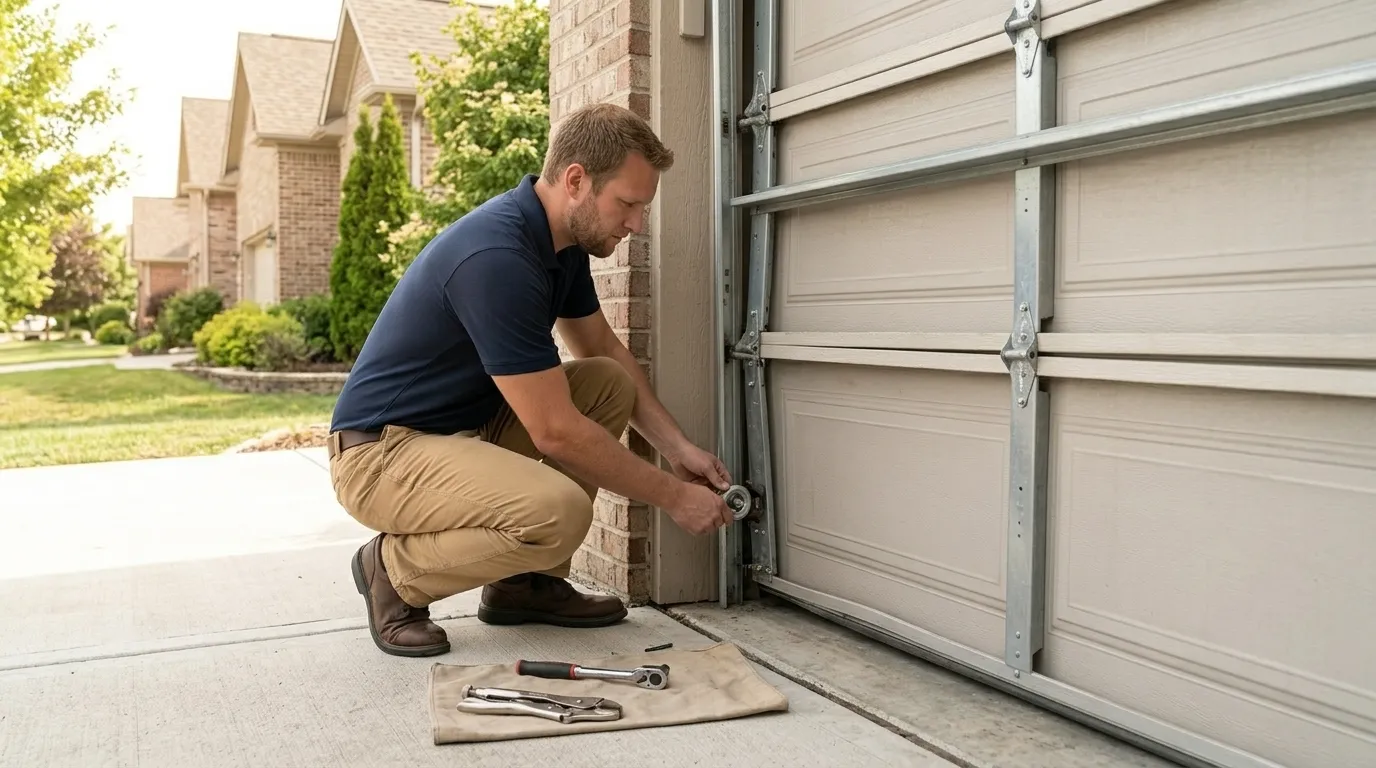
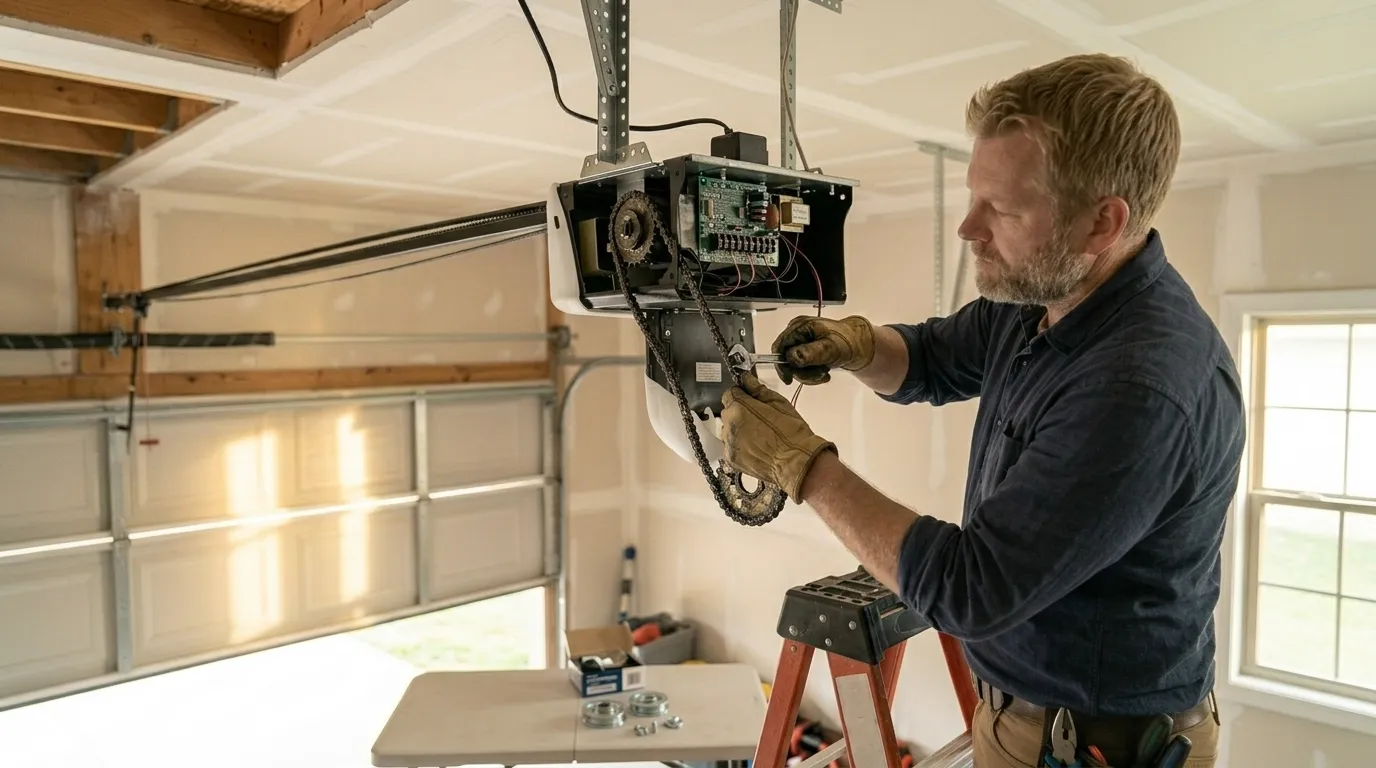
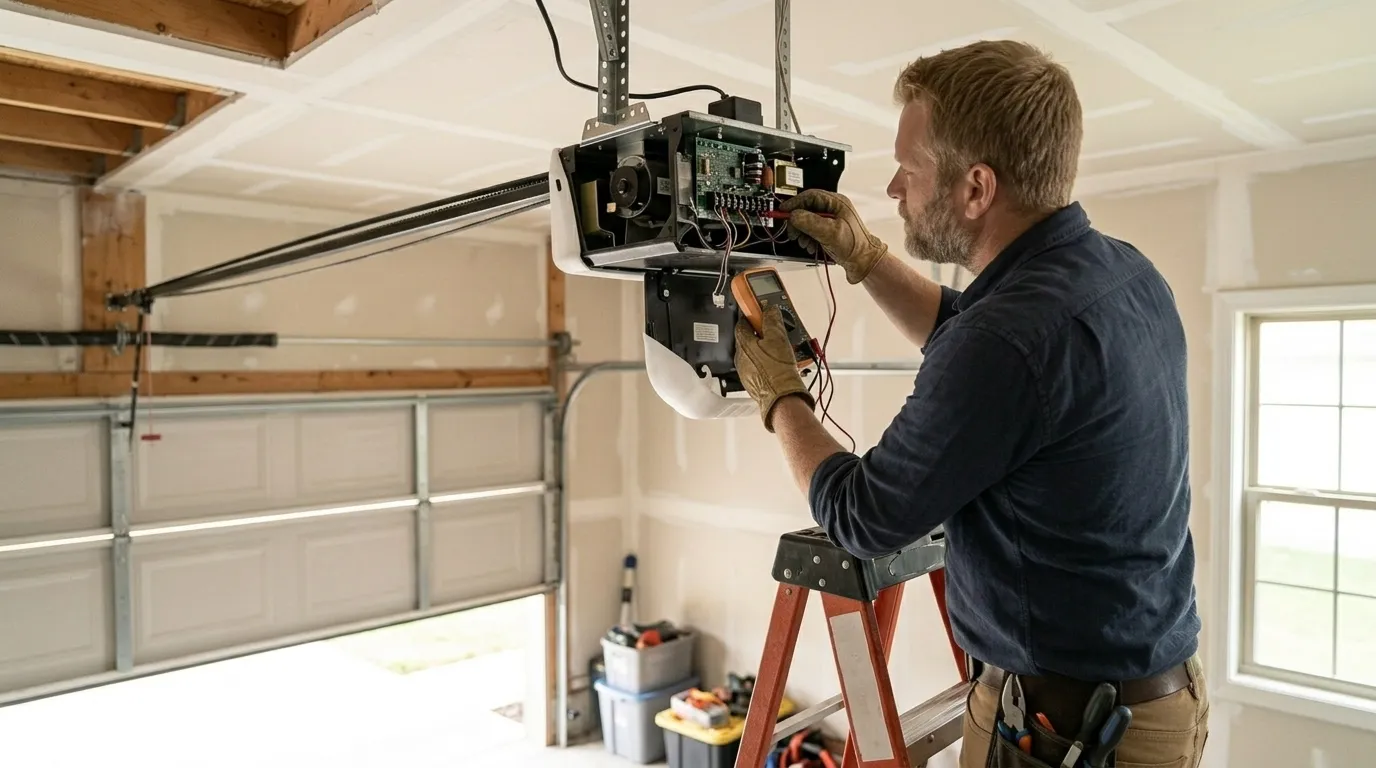
On-site diagnosis - Philadelphia garage door service

On-site diagnosis

A technician tests the door under power and by hand and finds what actually failed.

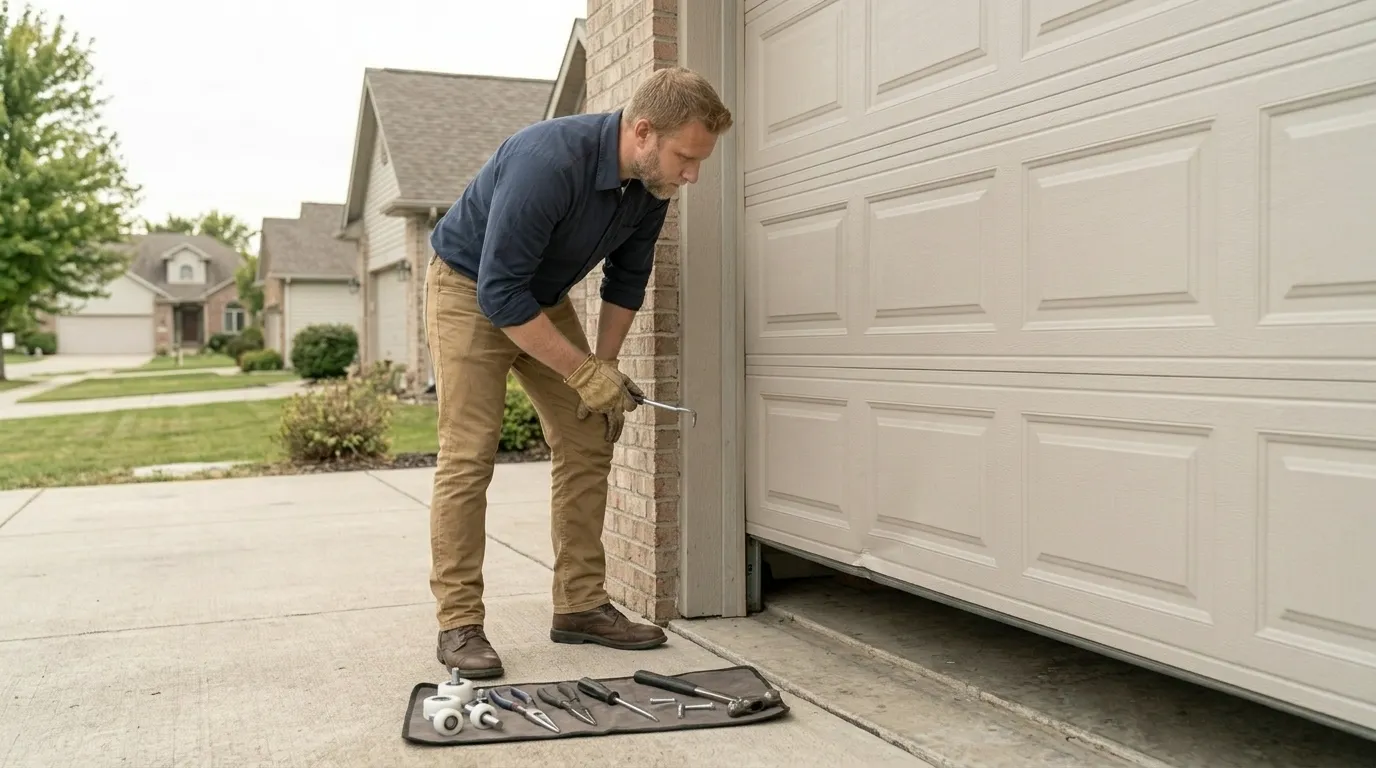
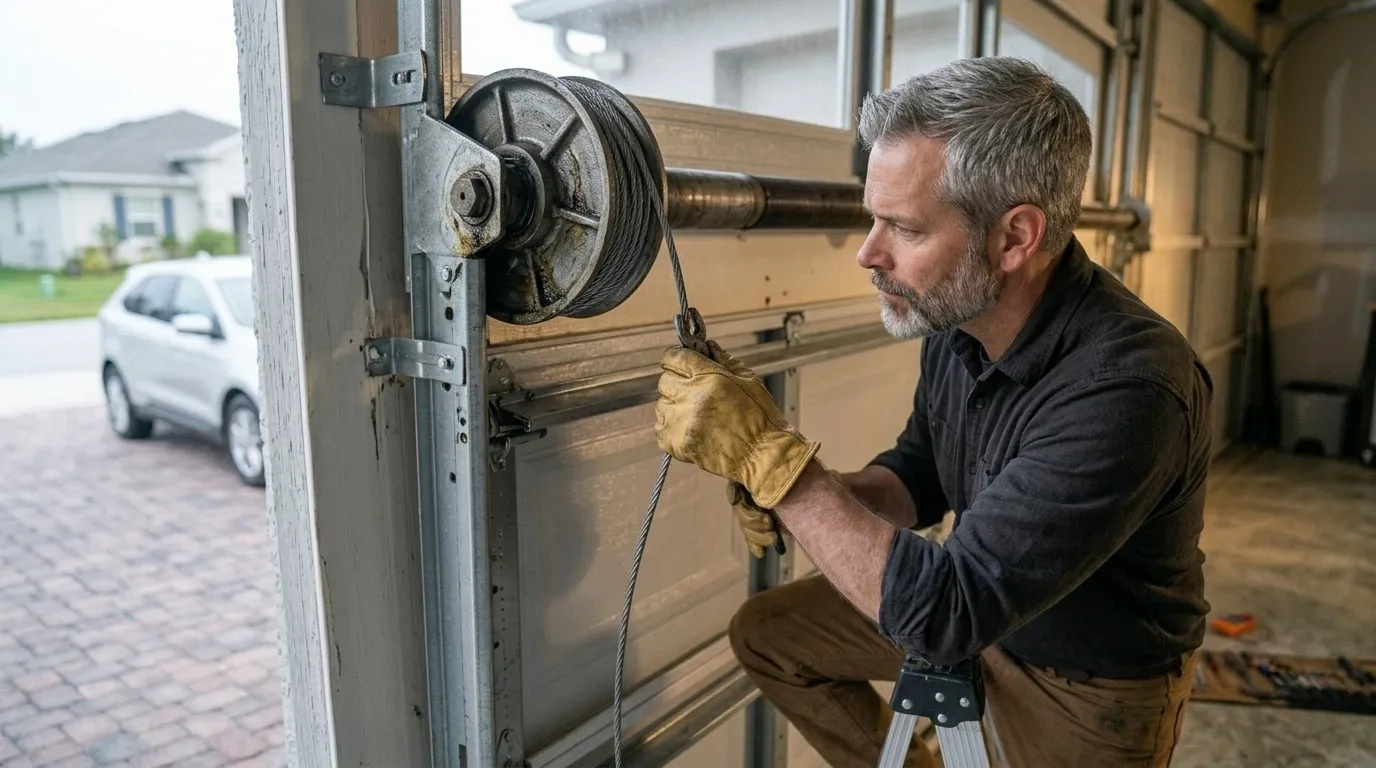
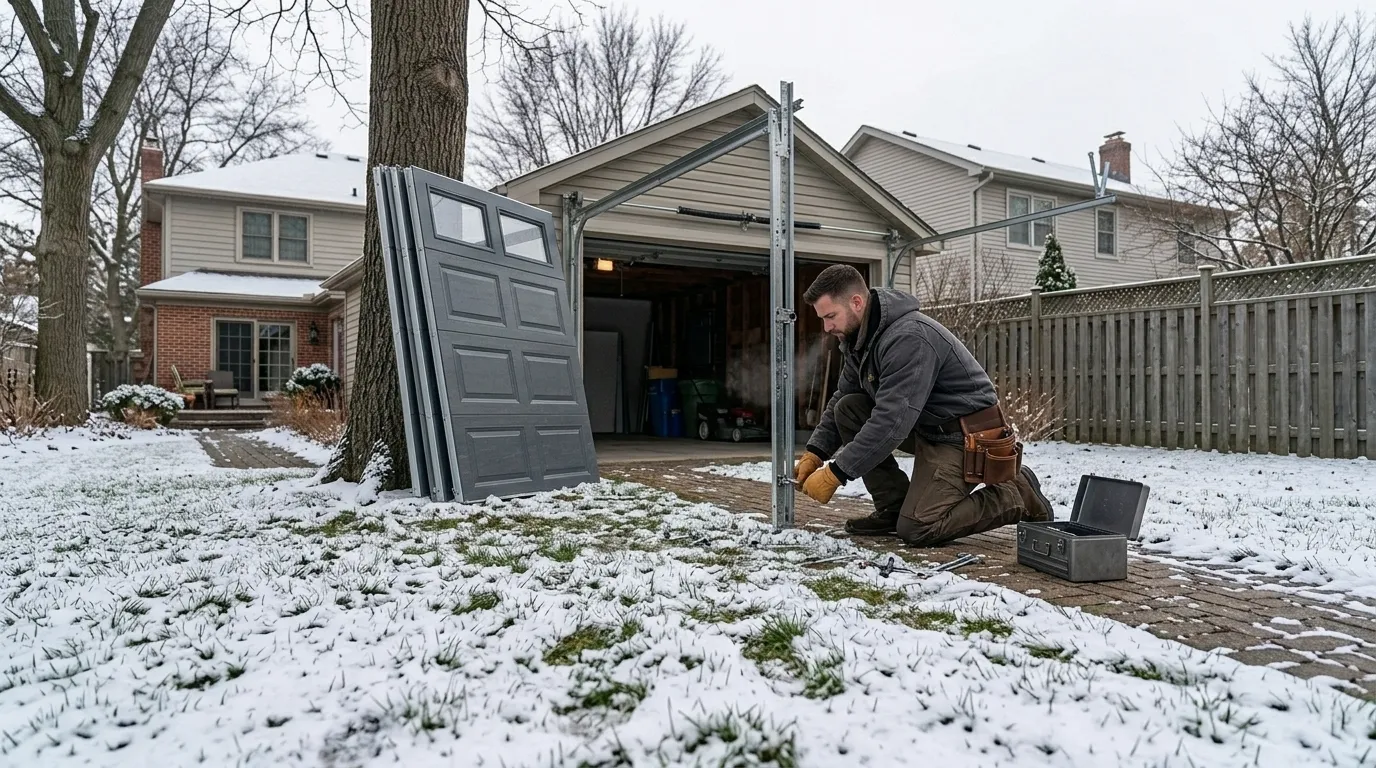
Clear, up-front plan - Philadelphia garage door service

Clear, up-front plan

You get the fix that’s needed and what drives the cost - before any work starts.

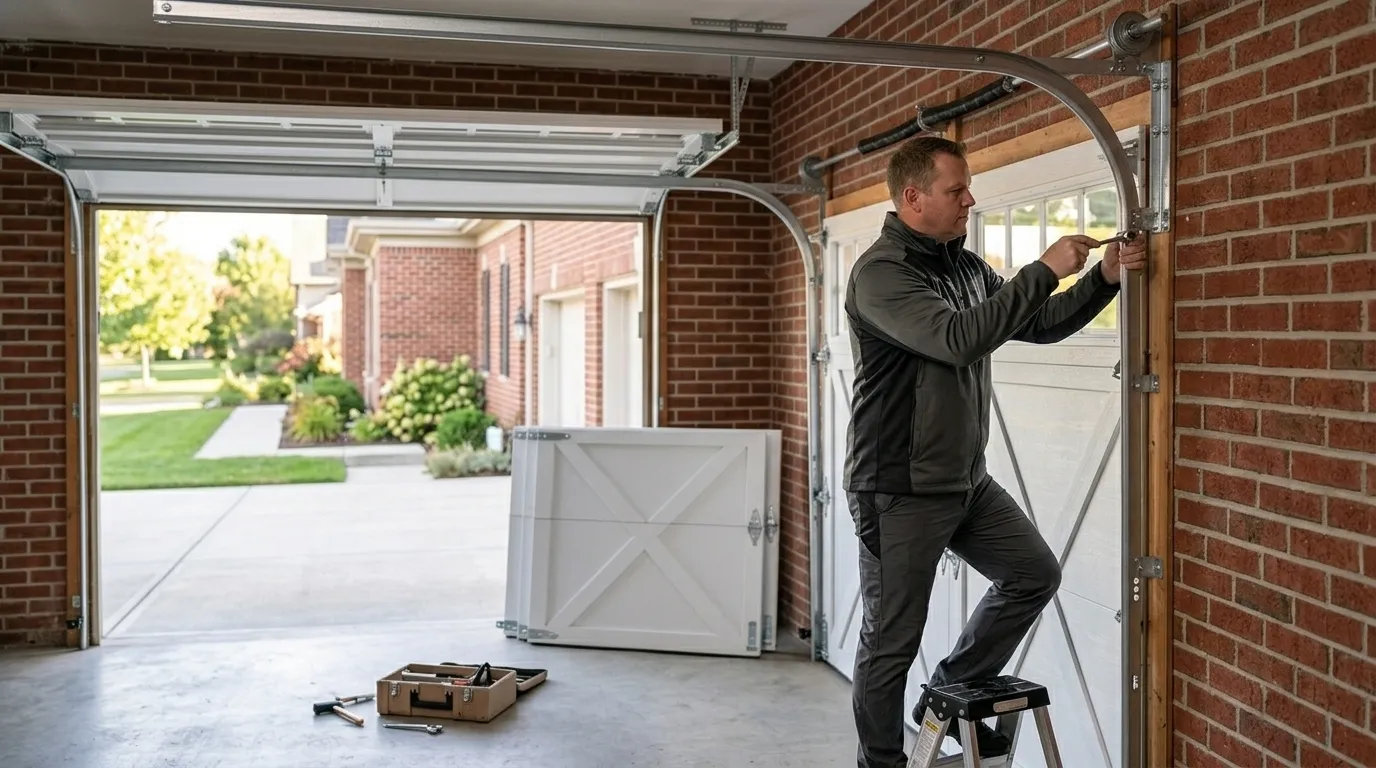
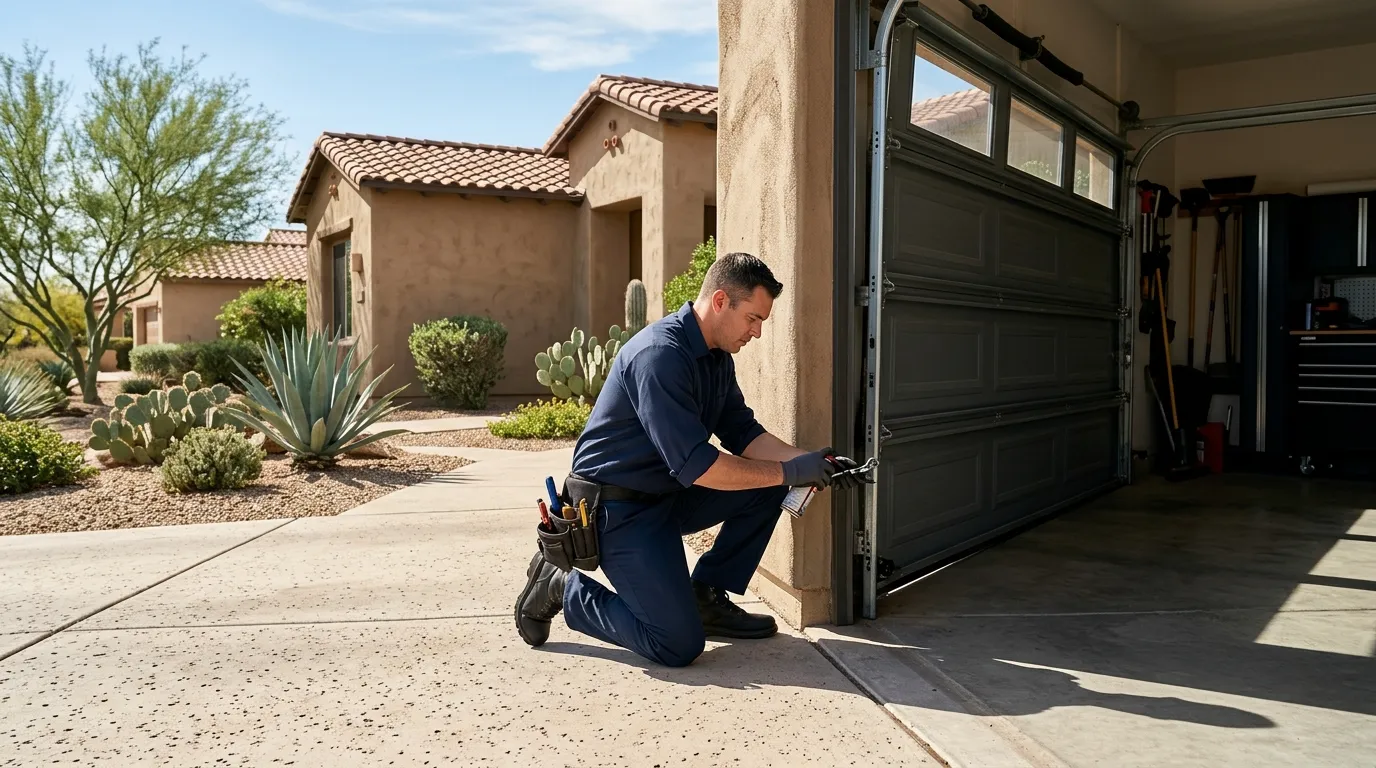
Repaired & tested - Philadelphia garage door service

Repaired & tested

The repair is done, the door is set true and tested, and the work area left clean.

Serving Philadelphia, PA - tell us what your door’s doing and we’ll take it from there.

How we work

What to expect

Diagnosis first

Every visit starts by finding what actually failed - not a pre-written parts list.

The right part for the door

Springs and openers matched to the door’s weight and age, so the fix holds up.

Straight answers

When a repair makes more sense than a replacement - or the reverse - you hear it plainly.

Clean, careful work

Tension released safely, hardware set true, the door tested under power before we leave.

What we do

Garage Door Services

Repair and installation work for Philadelphia homes and businesses.

Questions

Frequently asked

Straight answers about garage door repair in Philadelphia. Still unsure? Ask us directly.

Does it matter if my garage is attached to the house when I'm picking a new door?

Yes. On an attached garage in this climate, an uninsulated or poorly sealed door lets cold air push against the shared wall, which affects the room next to it, not just the garage. On a detached garage, insulation matters more for protecting what's stored inside than for the house's heating bill.

Why does my detached garage door freeze at the bottom every winter?

A detached garage gets no residual heat from the house, so a worn threshold seal lets drifted snow and ice build up right at the bottom panel. It's one of the most common cold-weather calls we see on standalone garages in this area, especially on older, pre-1960 hardware.

Is a detached garage door repair different from an attached one?

The door itself is usually the same product either way. The difference is what's riding on getting it right - an attached garage door is part of your home's thermal envelope, while a detached one only has to protect the structure and whatever's stored in it.

Ready to get your garage door sorted?

Tell us what it’s doing and where you are in Philadelphia - we’ll take it from there.

Request a QuoteCall