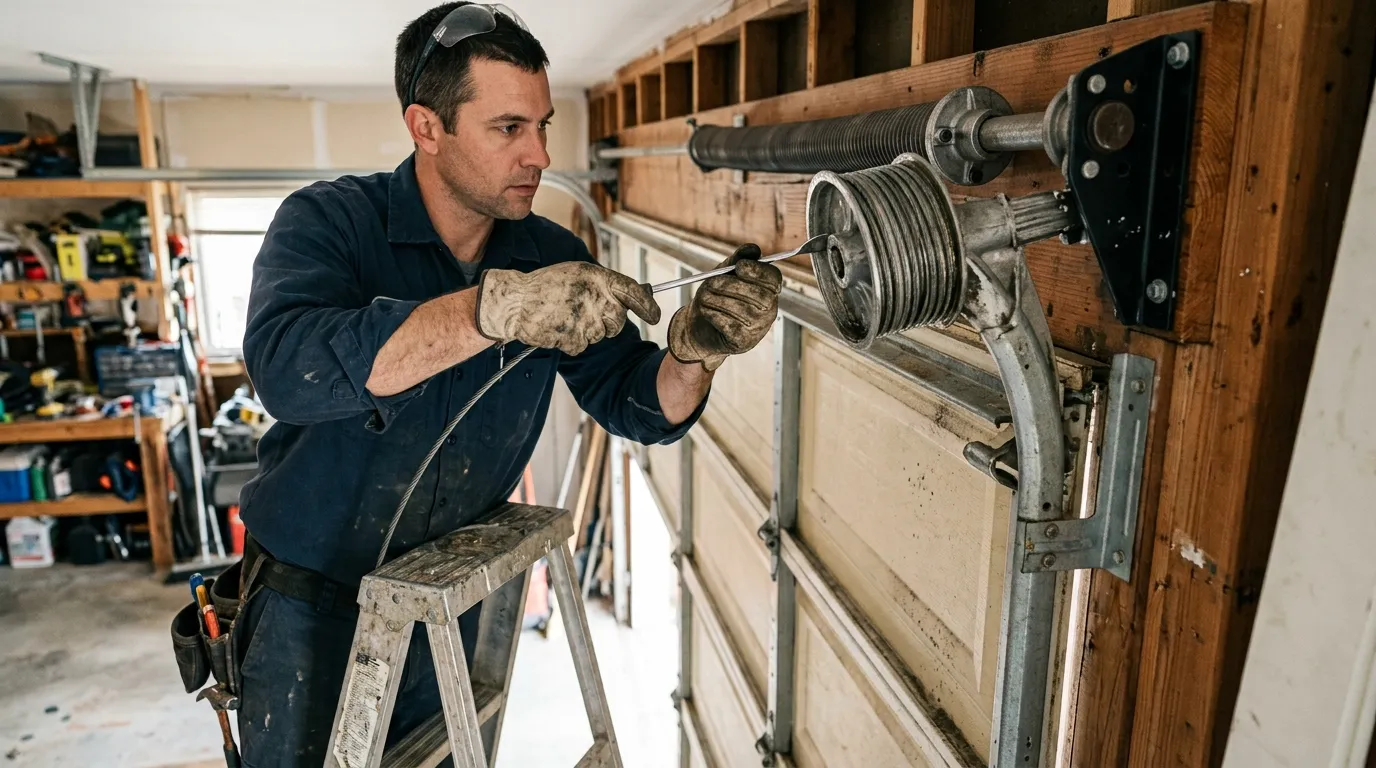
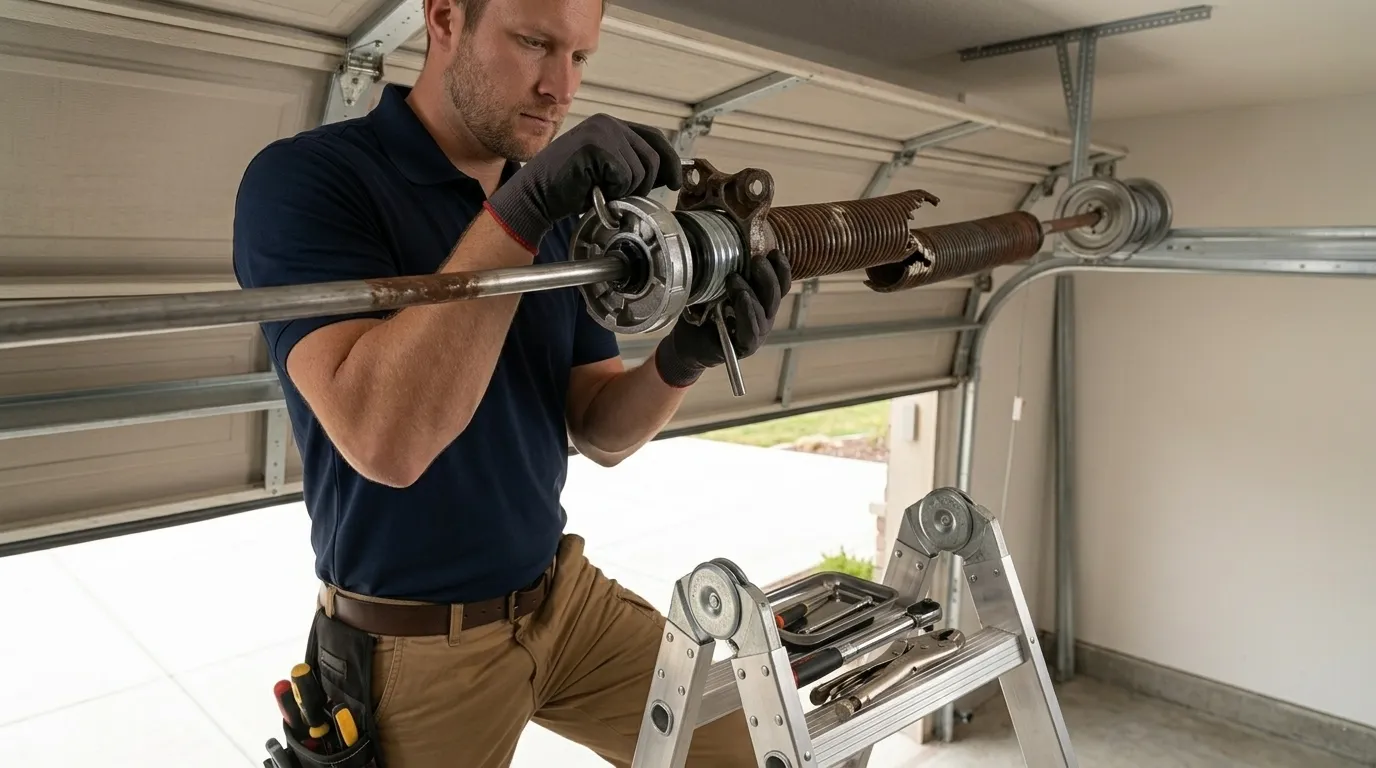
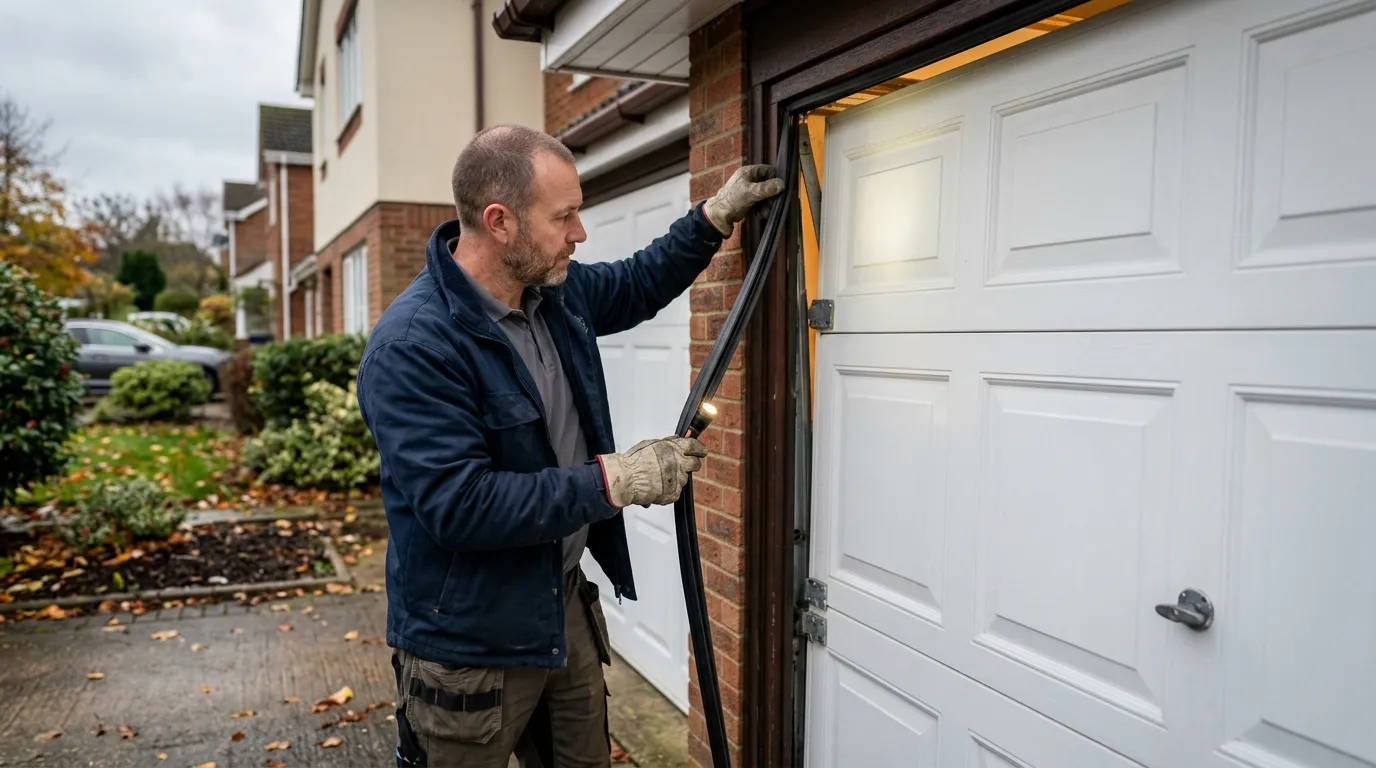
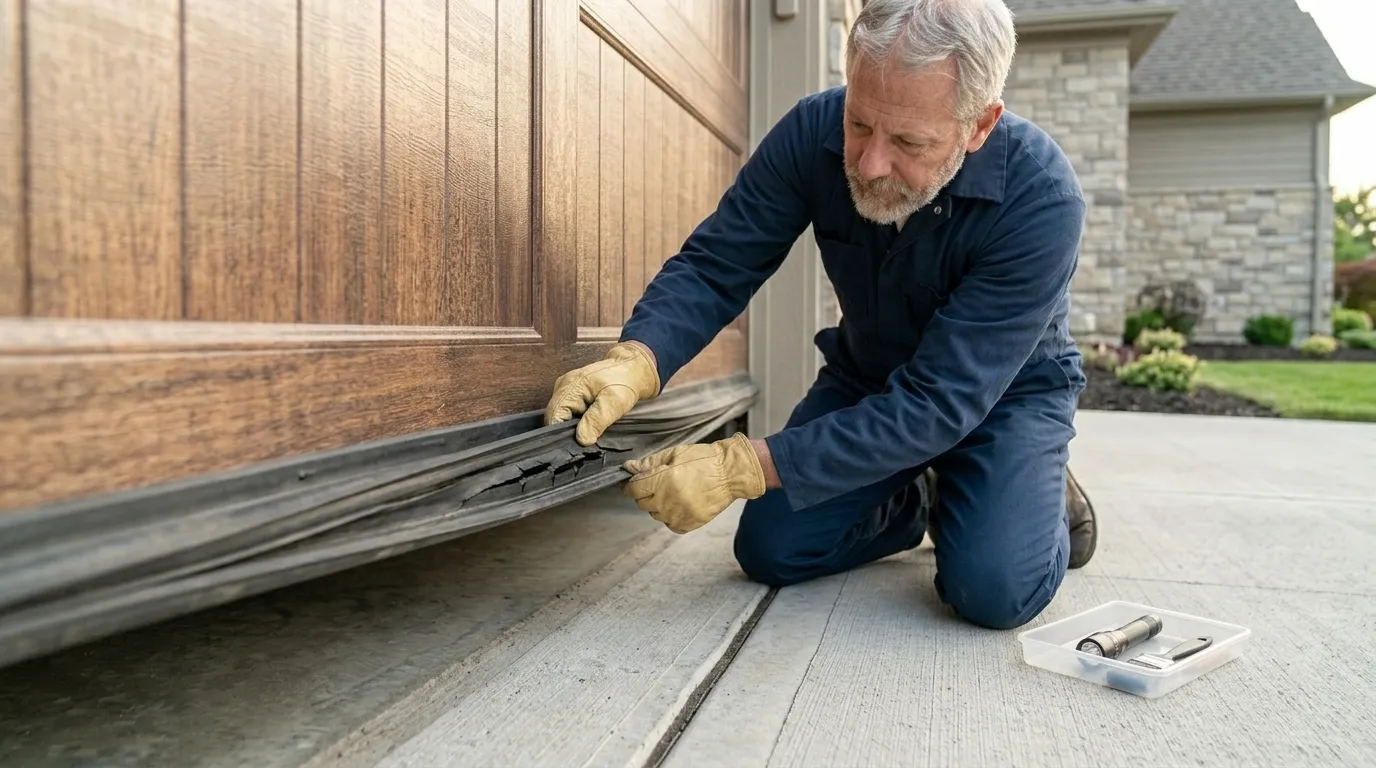
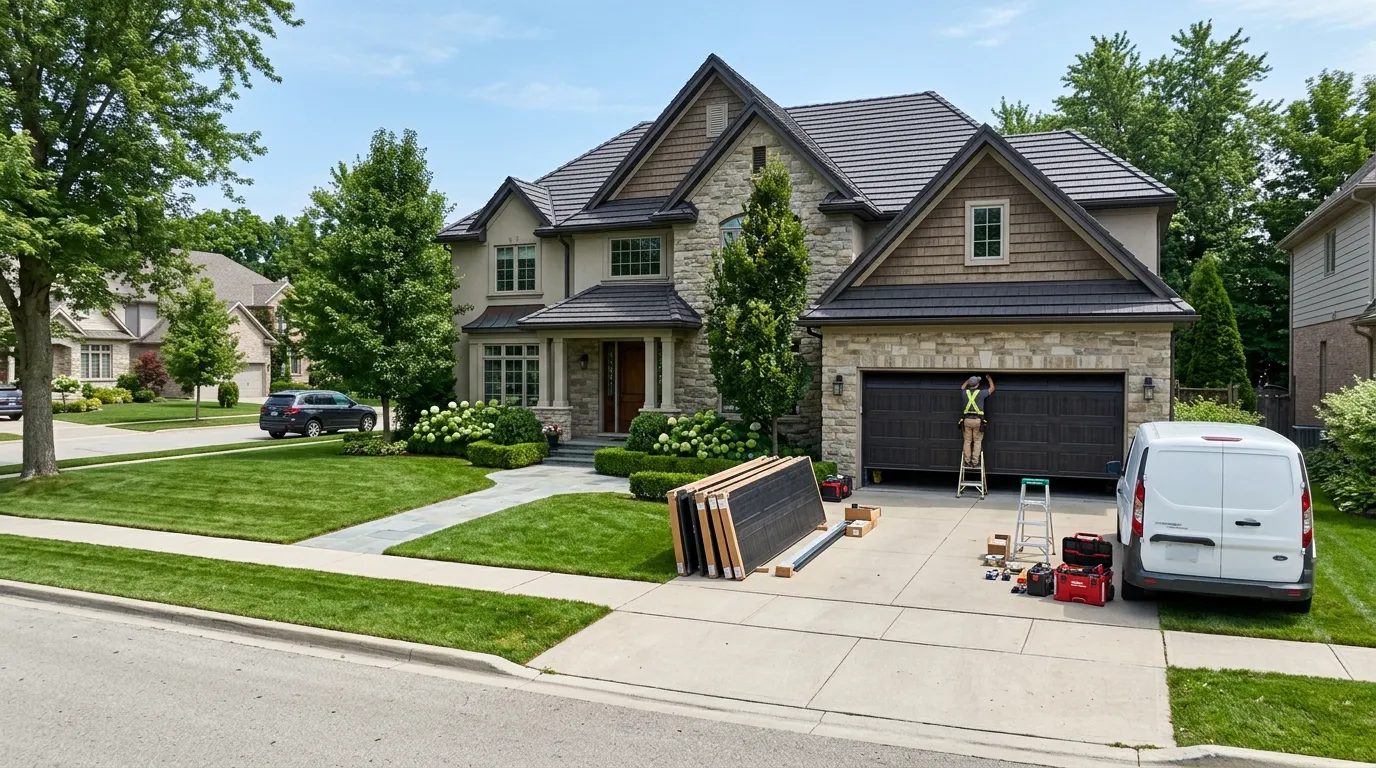
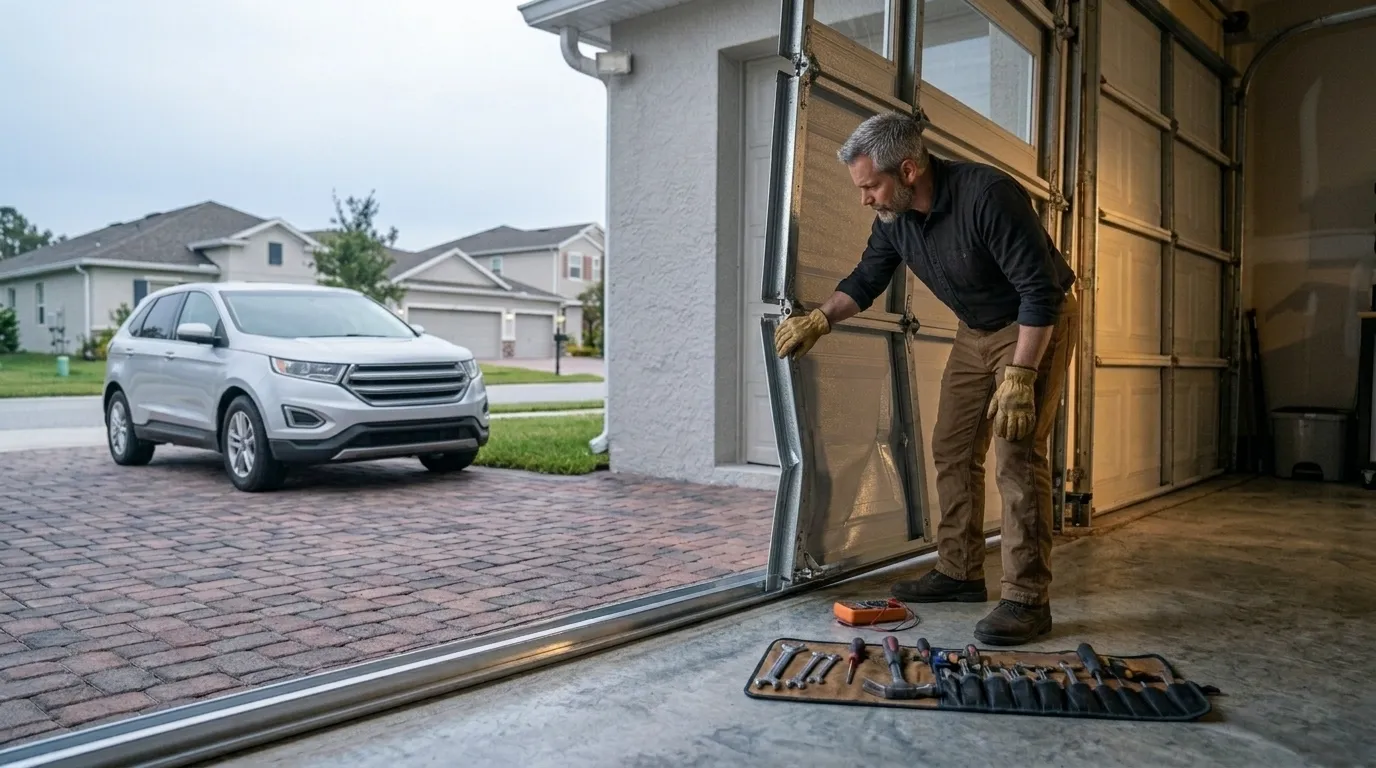
The calls we get from Levittown skew toward one thing: original hardware on houses built right around 1956. That's the median year built here, and it sits inside the broader 1938-1994 build window across the service area, with most stock going up before 1960. A door installed when a house was built in the mid-1950s has usually been through one spring replacement already, sometimes two, and the track brackets are often the original stamped steel rather than anything reinforced. We see a lot of single spring failures on single-car doors from this era, plus worn rollers on the older extension-spring setups that were common before torsion systems became standard on new builds. It's not that these doors were built badly. It's that 65-70 years of seasonal cycling wears out springs and rollers no matter how the door was made, and a lot of Levittown's housing hit that age around the same time. That clustering is the real story here, more than any single fault. When a spring goes on one block, it's often going on the next block too, just a few years off.
What That Means for Doors
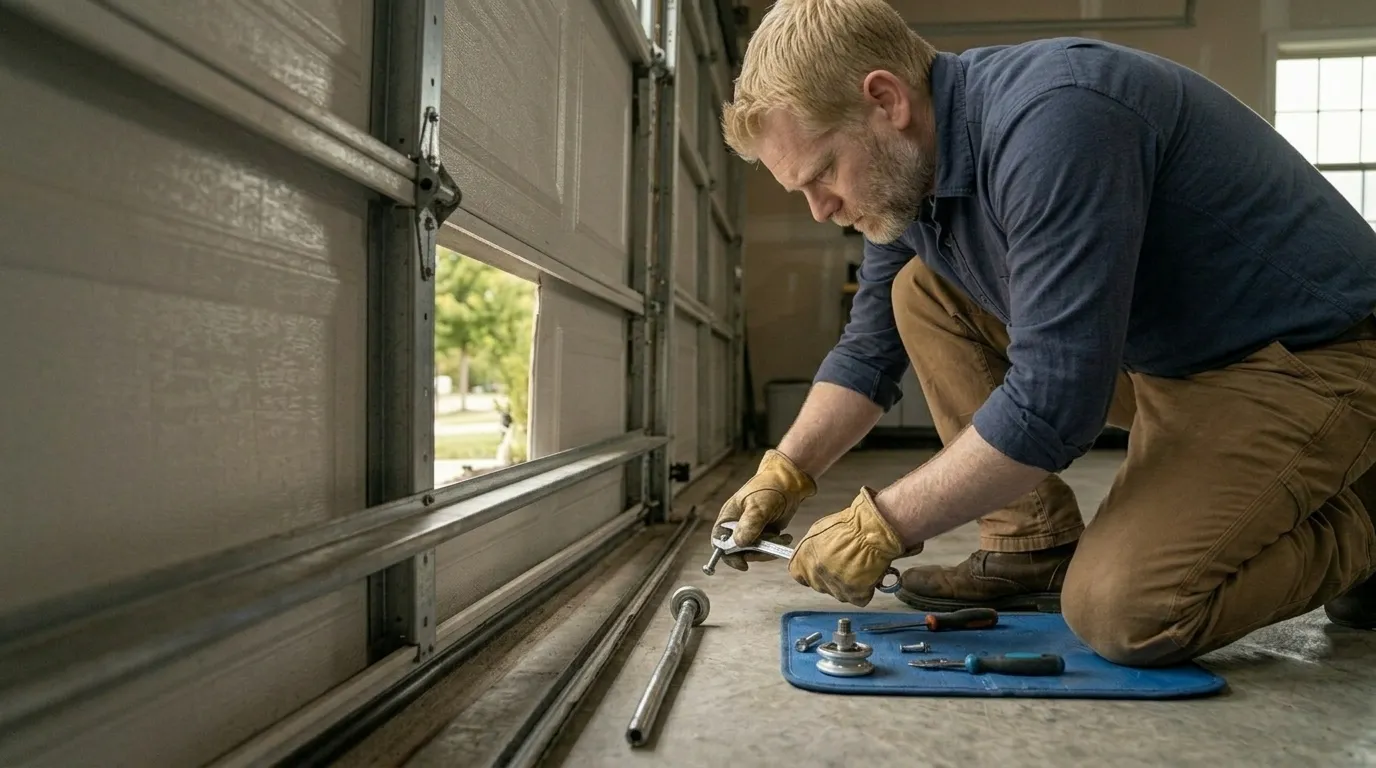
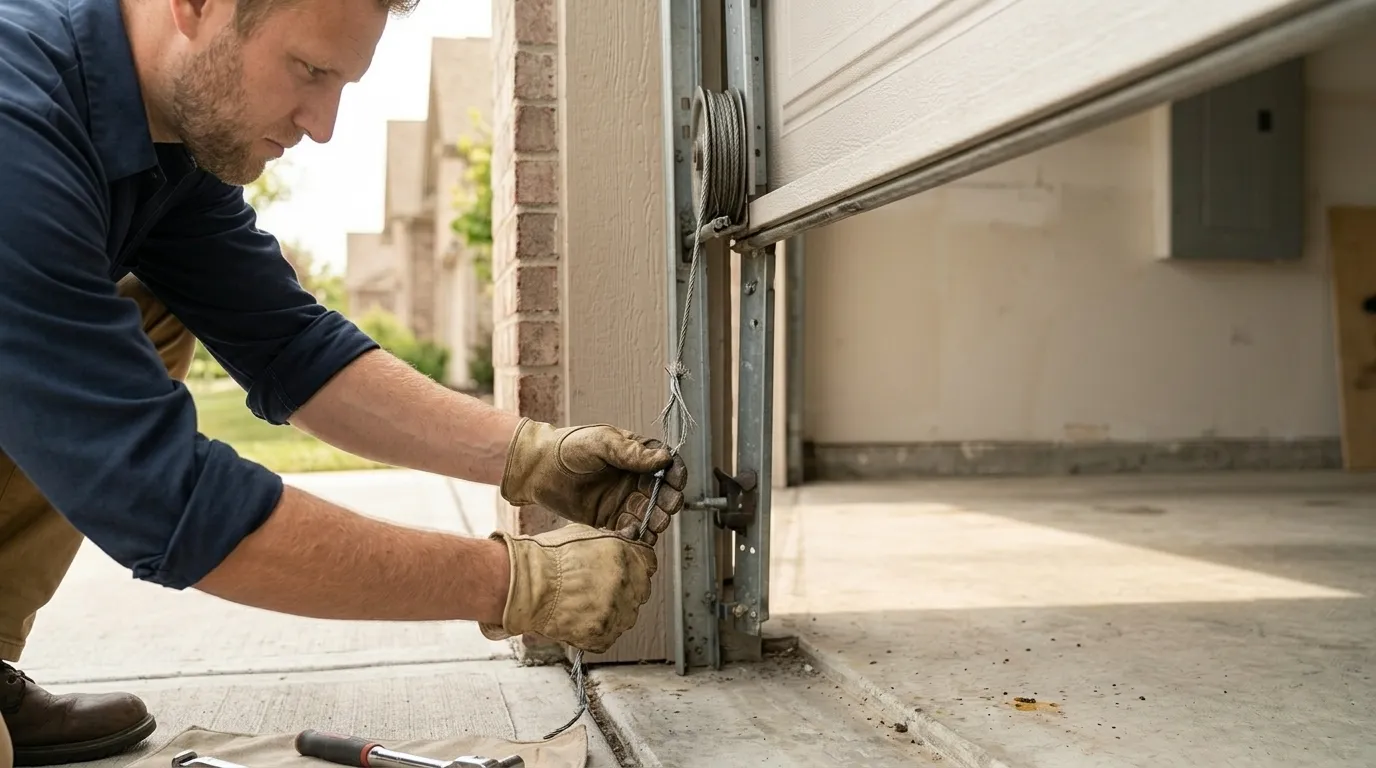
A door from the 1956 building wave usually runs on hardware sized for a lighter panel than what's sold today. If a homeowner replaced the door itself at some point but kept the original torsion shaft or track, you can end up with a mismatch: a heavier insulated panel on a spring rated for the old one. That shows up as a door that struggles to open smoothly or slams down faster than it should on the way closed. We also see extension springs without safety cables still in place on some of the oldest, never-updated setups, which is a real safety gap regardless of how well the door otherwise works. The honest limitation: if the opener, track, and springs are all original from a 1950s install and one component fails, we'll tell you straight when patching one part isn't worth it versus replacing the whole system. Chasing a 65-year-old torsion shaft with a new spring that doesn't quite match isn't a repair, it's a delay on the same call happening again in a year or two.
The Houses Here
Levittown has about 18,140 households, and most of the housing sits in that same post-war construction window that defines much of the wider service area - built 1938 to 1994, median year 1957 across the region, 1956 here specifically. Median household income in Levittown runs $101,619, a bit under the broader area's $109,706. That gap matters for the repair-versus-replace conversation: on a lot of calls here, fixing the spring or the opener logic board gets a homeowner another decade out of a door that's already proven itself, rather than jumping straight to full replacement. Across the wider service area there are roughly 160,961 owner-occupied houses among 409,216 households total, and Levittown's stock fits the same general profile - single-family, attached garage, built in a tight postwar window rather than staggered over decades. That means less variety in what we find under the hood, which is useful: once you've seen one 1956 torsion setup, you've usually seen most of the ones nearby.
Timing on This Area
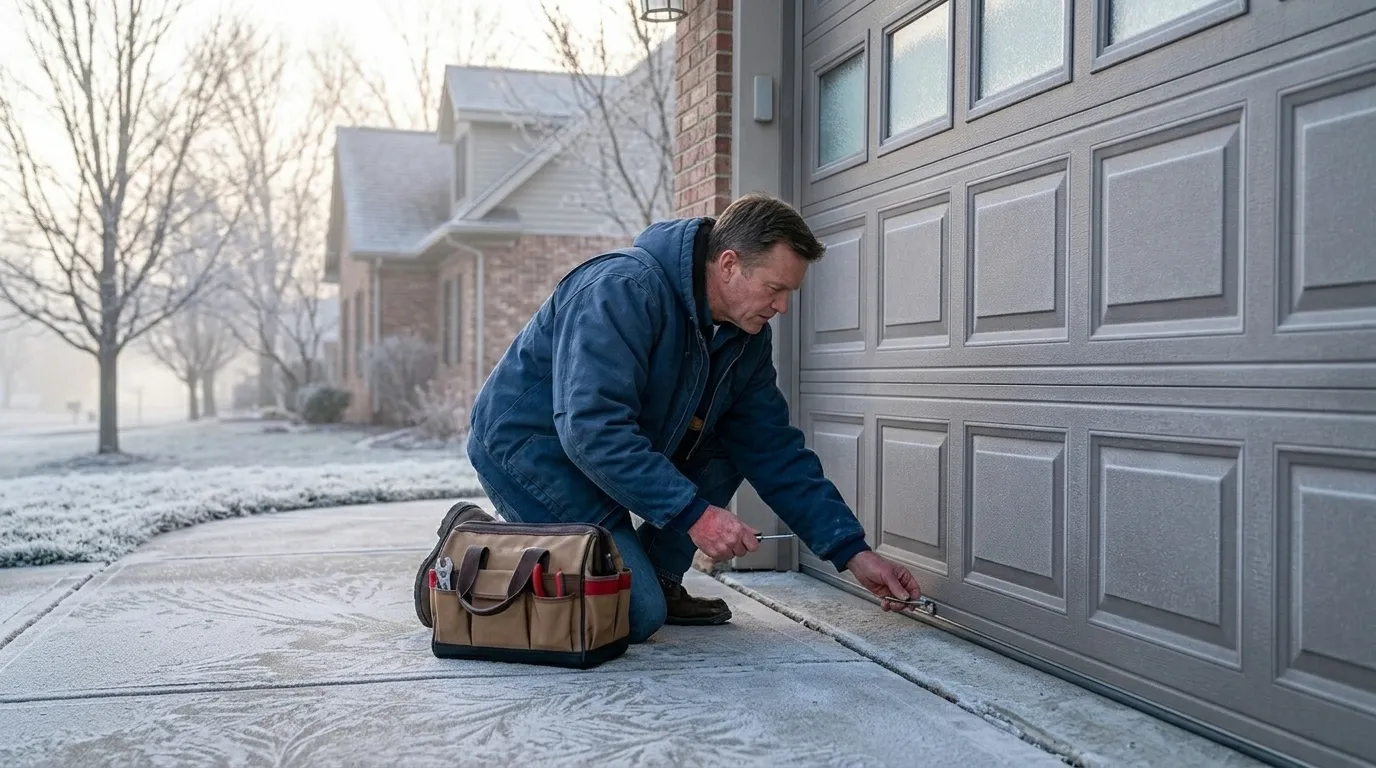
The service area sits in a cold, severe winter climate band, and that's hard on steel track and nylon rollers regardless of the door's age. Cold makes lubricant stiffen and metal contract, which is when a spring that was already fatigued from age finally lets go - late winter is when we see the volume climb. Philadelphia Garage Door Pros travels about 18 miles out from Philadelphia to reach Levittown, so we're not a local depot with a truck parked around the corner, and we don't promise a same-day window on every call. What we can do is plan around it: if you're hearing a grinding roller or noticing the door drop unevenly in cold weather, getting a call in before the hardware fully gives out saves a trip out here becoming an emergency one. Parts for older extension-spring systems can also take longer to source than standard torsion parts, which is worth knowing before you're stuck with a door stuck open in January.
How it works
From “it’s stuck” to “it’s fixed”
01
Tell us what’s wrong
Describe the symptom - won’t open, loud bang, opener runs but the door won’t move.
02
On-site diagnosis
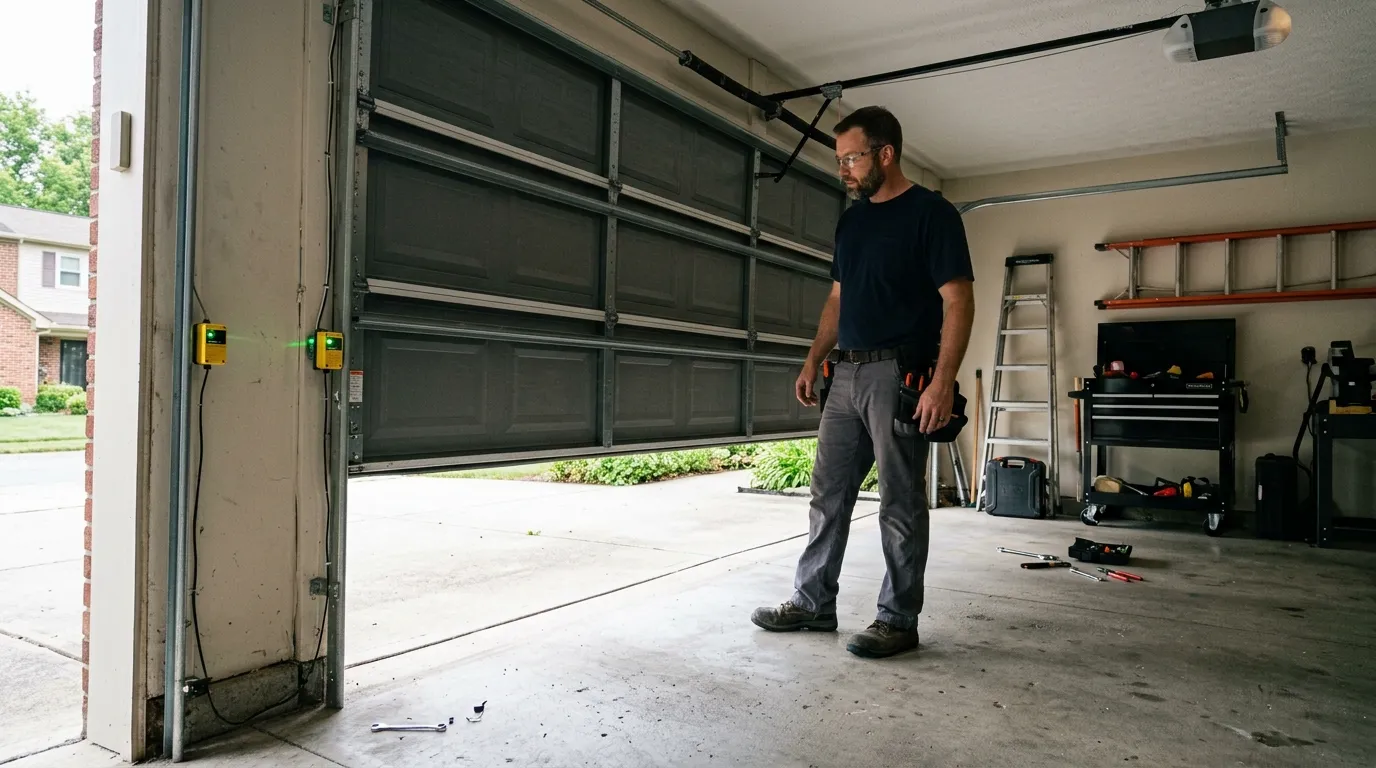
A technician tests the door under power and by hand and finds what actually failed.
03
Clear, up-front plan
You get the fix that’s needed and what drives the cost - before any work starts.
04
Repaired & tested
The repair is done, the door is set true and tested, and the work area left clean.
Serving Philadelphia, PA - tell us what your door’s doing and we’ll take it from there.
Why does my garage door work fine most of the year but act up in winter?
Cold makes grease inside the springs and rollers stiffen up, and steel track contracts slightly in low temperatures. On an older spring that's already fatigued from decades of cycling, that extra resistance is often what pushes it to finally break. It's especially common on doors from the 1950s building wave that are still running original hardware.
Is it worth replacing an old door instead of repairing it?
Depends what's original. If the springs, track, and opener are all from the house's original 1956-era install and one part fails, we'll tell you honestly whether patching it is a short-term fix or a real repair. Sometimes one new spring gets you another decade. Sometimes the mismatch between old track and a newer heavier panel means replacement makes more sense.
Do you have a location in Levittown?
No. Philadelphia Garage Door Pros is based in Philadelphia and travels out to Levittown for calls, about 18 miles each way. We don't run a local depot here, so we can't promise the same turnaround as a company physically stationed in town.
Ready to get your garage door sorted?
Tell us what it’s doing and where you are in Philadelphia - we’ll take it from there.