Parts We Carry
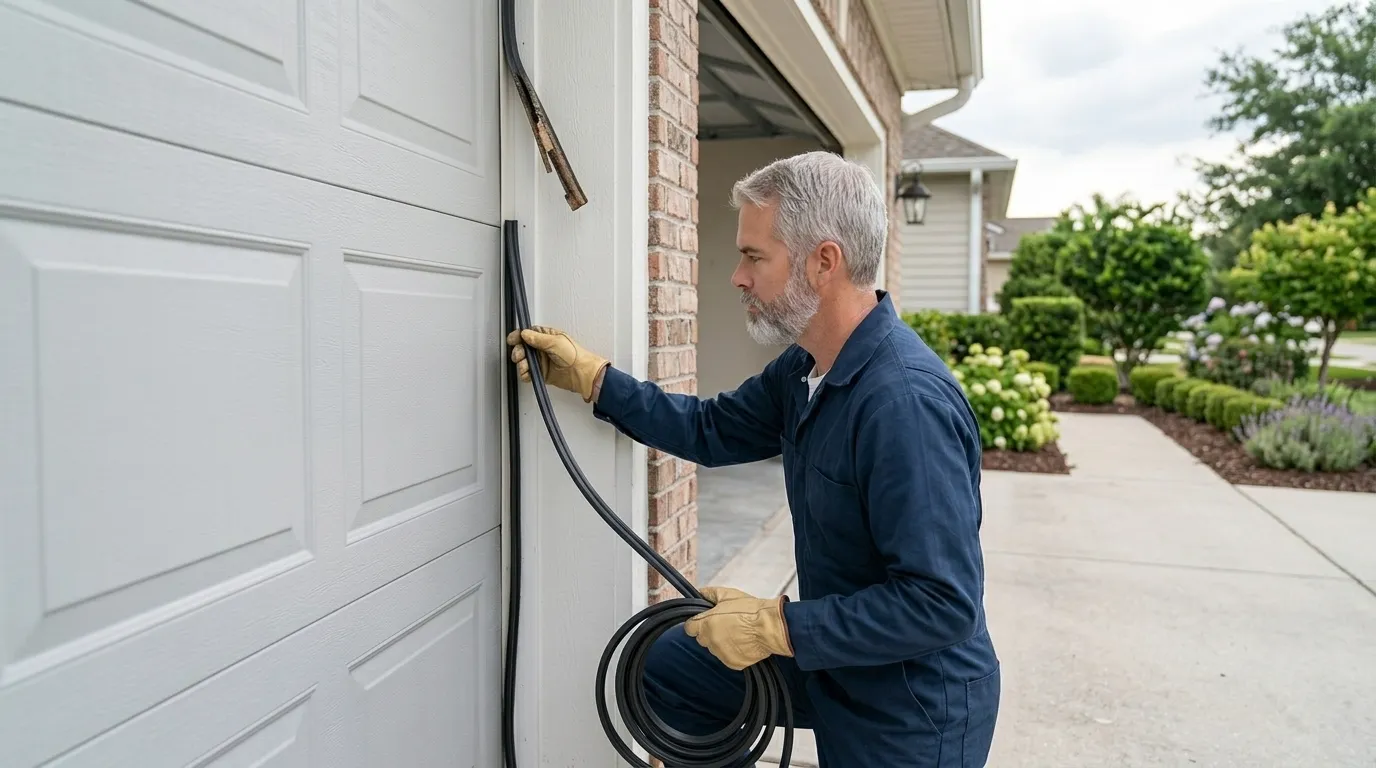
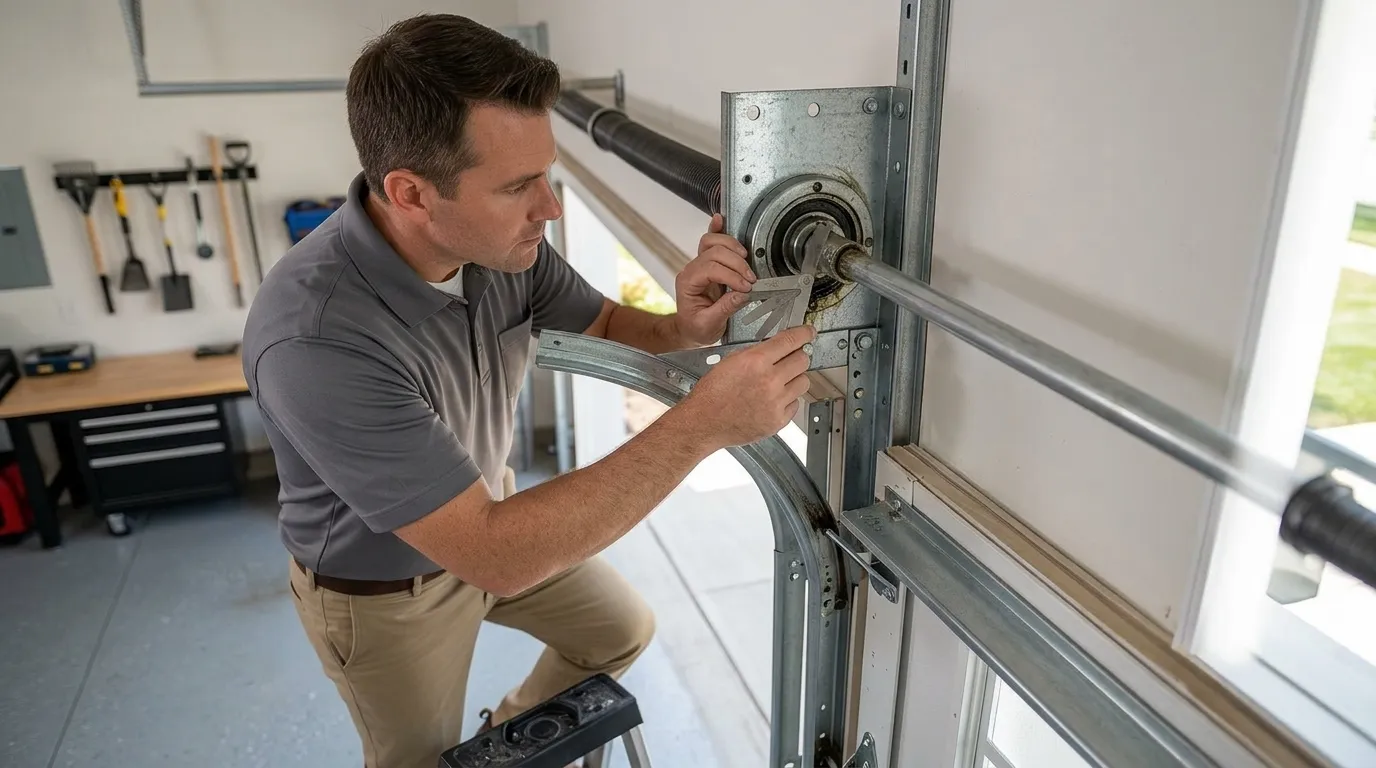
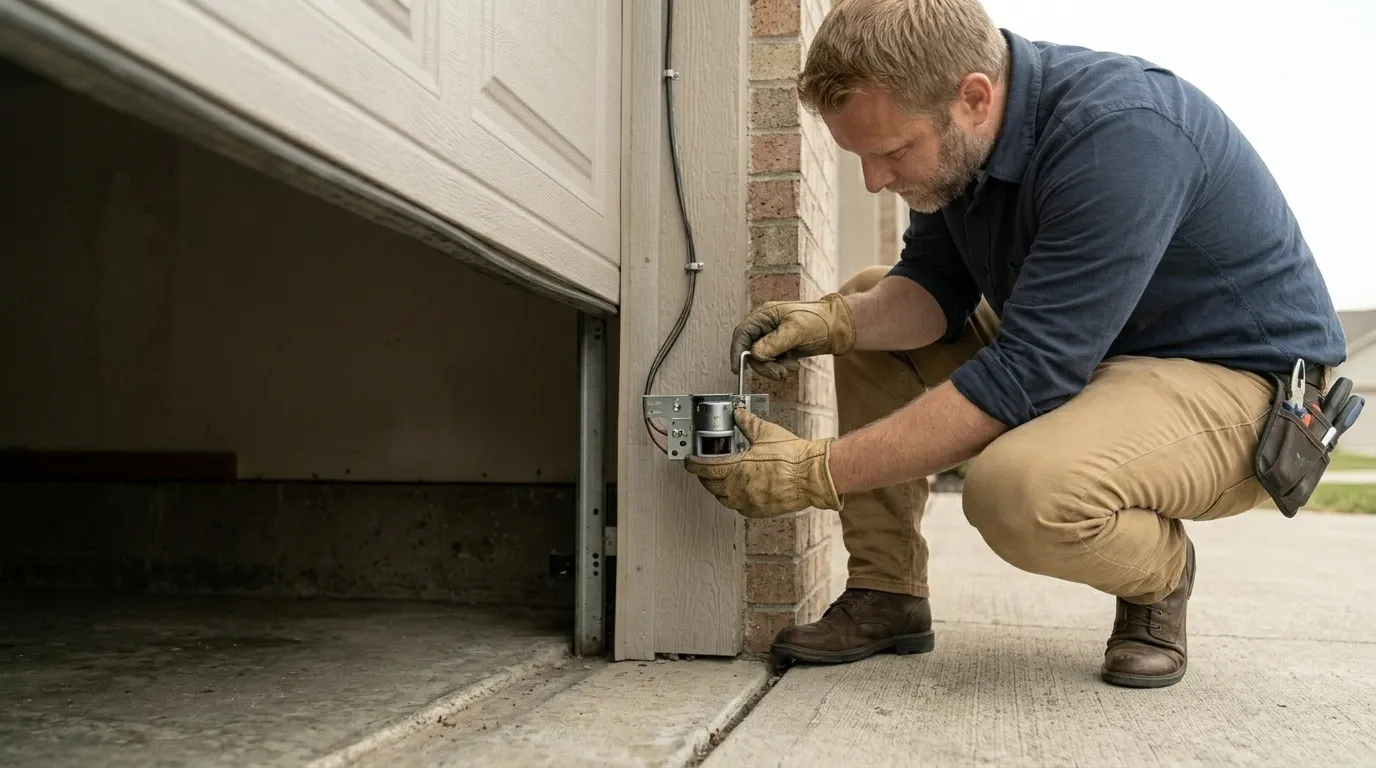
Across a service area of roughly 409,216 households and 160,961 owner-occupied houses, the housing stock runs mostly 1938 to 1994 with a median build year of 1957, and most of the named neighborhoods we cover - 95 in all - are predominantly pre-1960 stock. That means a lot of original torsion and extension setups still in the field, plus decades of retrofit openers bolted onto older track. We stock aircraft-grade lift cable in the diameters that match both eras: the thinner extension-cable gauge common on older two-spring setups, and the heavier torsion cable sized for later single or double torsion conversions. We also carry matching drums, safety cables for extension systems, and the fasteners and clips those older brackets actually take, since a lot of that original hardware isn't sold off the shelf anymore. One limitation worth saying up front: if your cable size is a genuine oddball - an old custom-width door or an obsolete import track - we may need to order it, which can add a day or two rather than same-visit.
What the Fix Involves
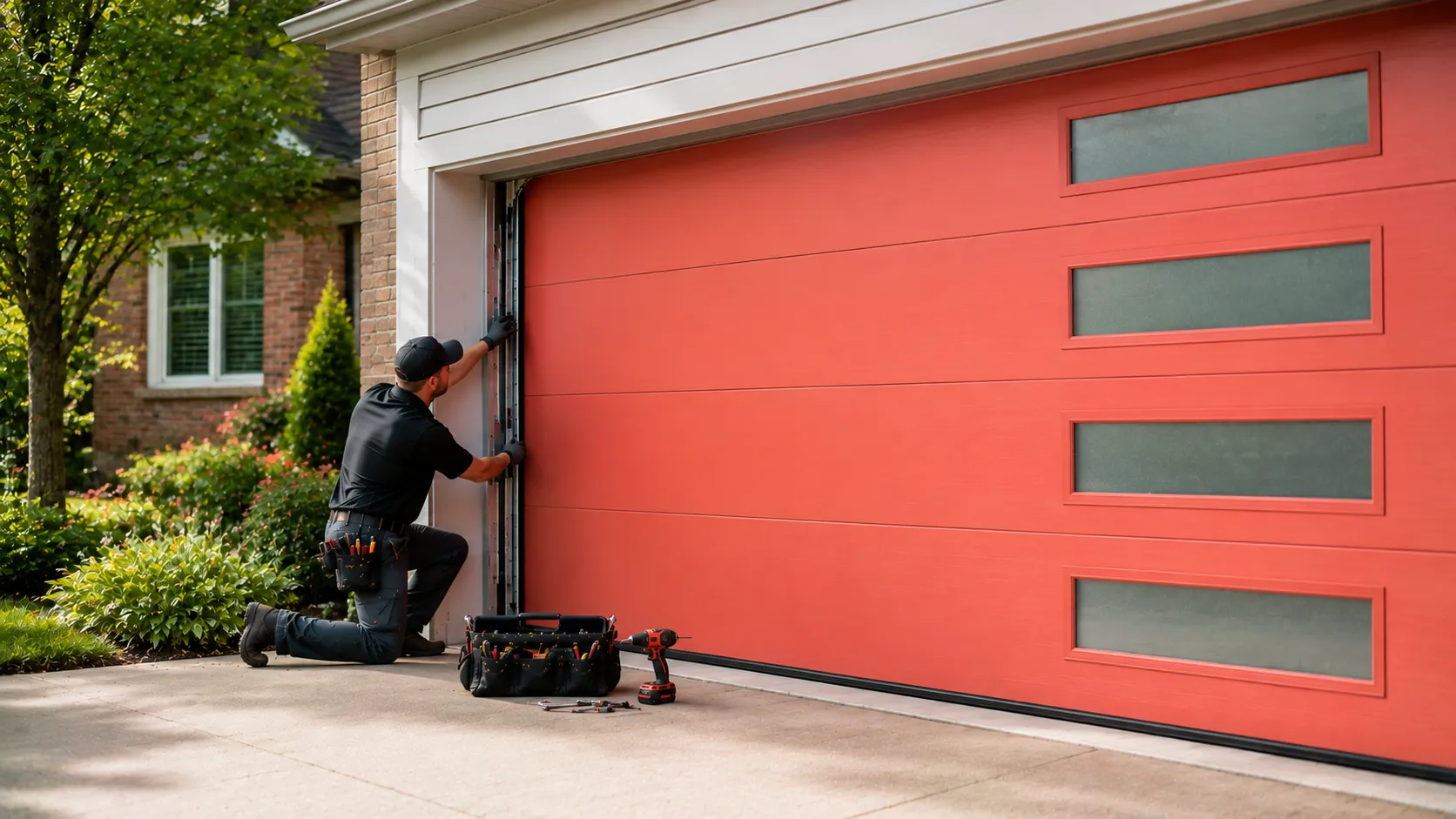
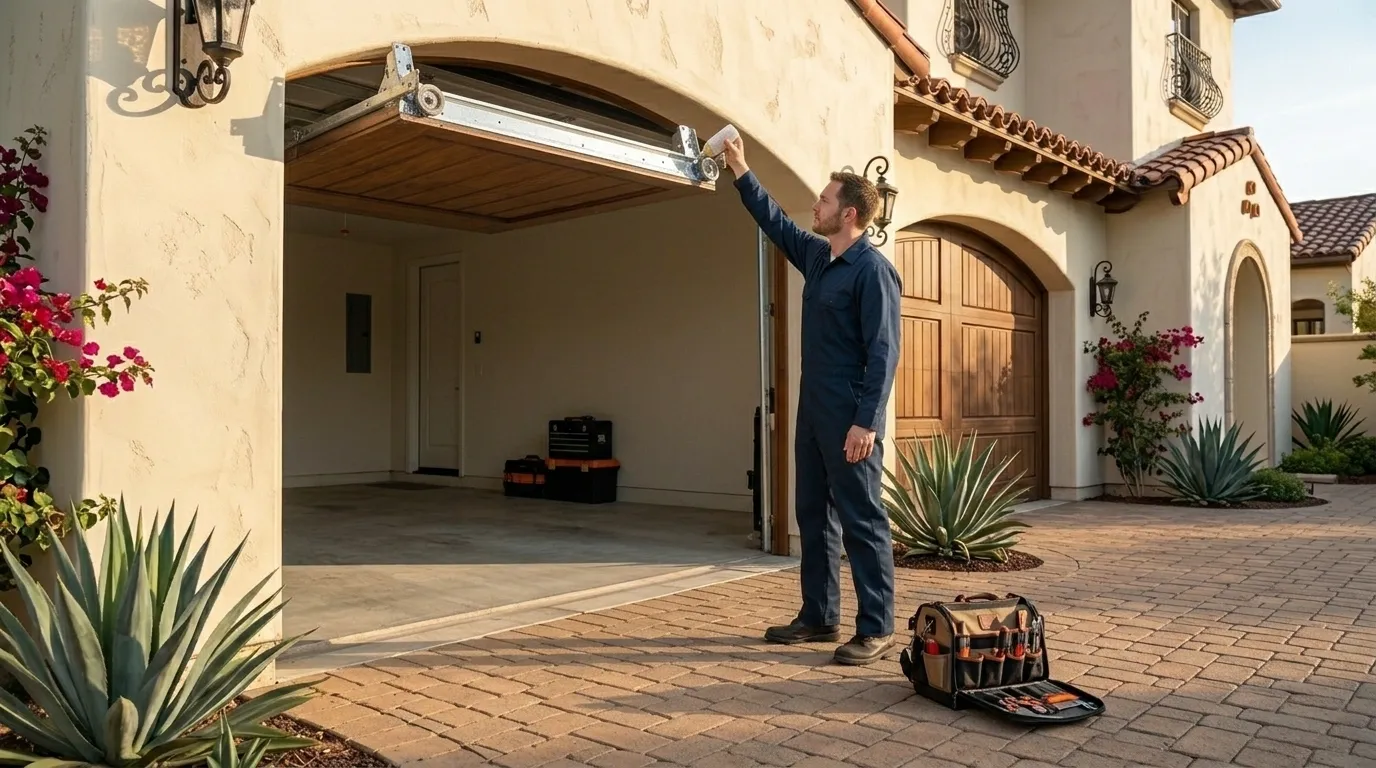
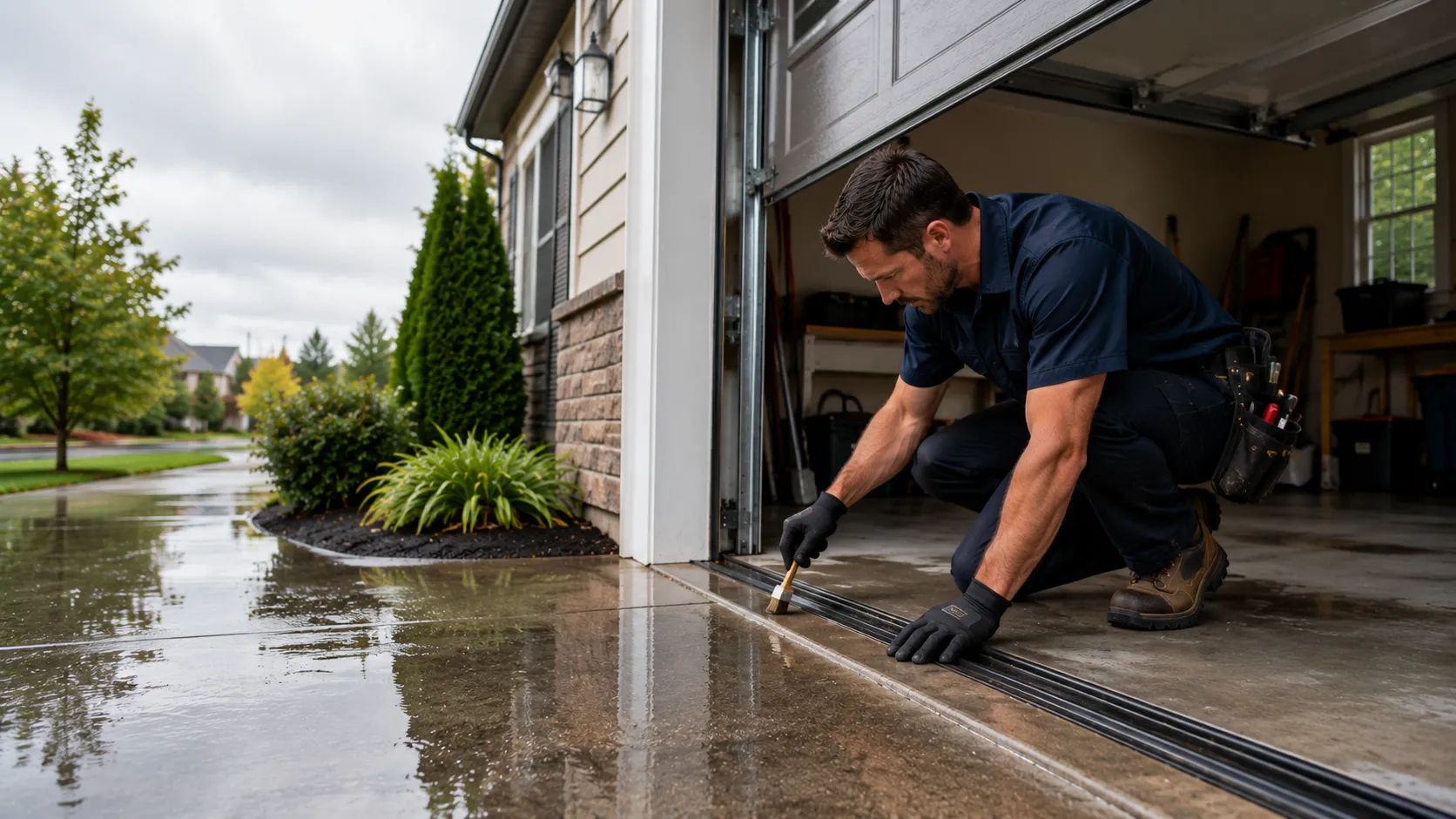
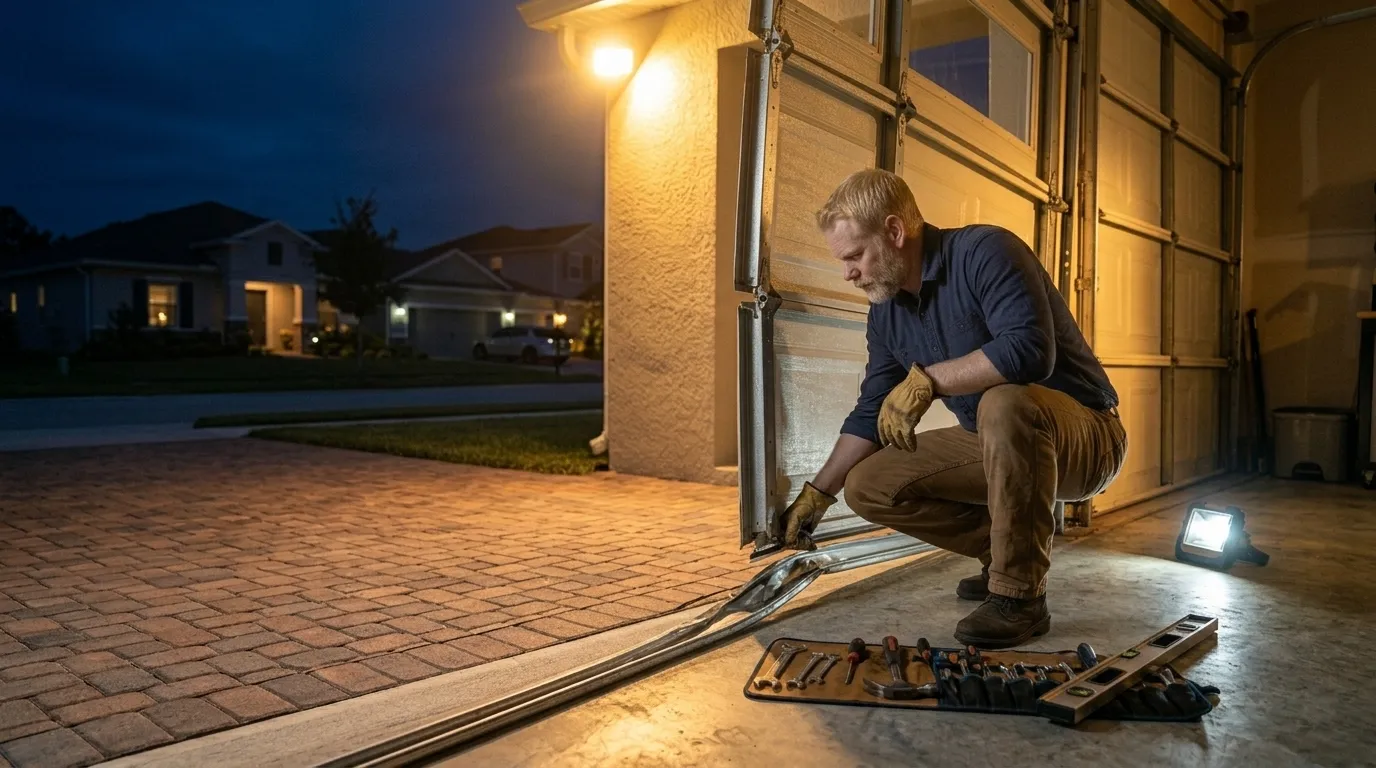
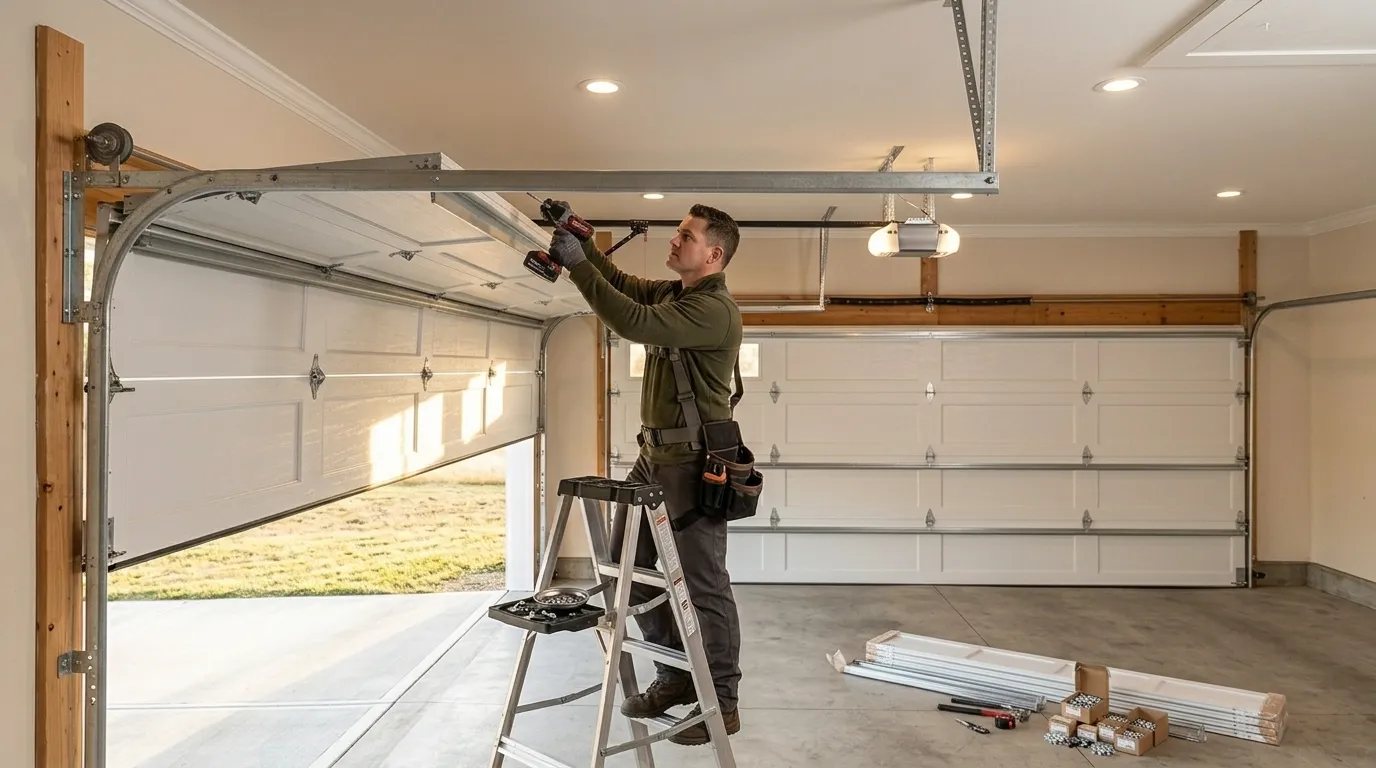
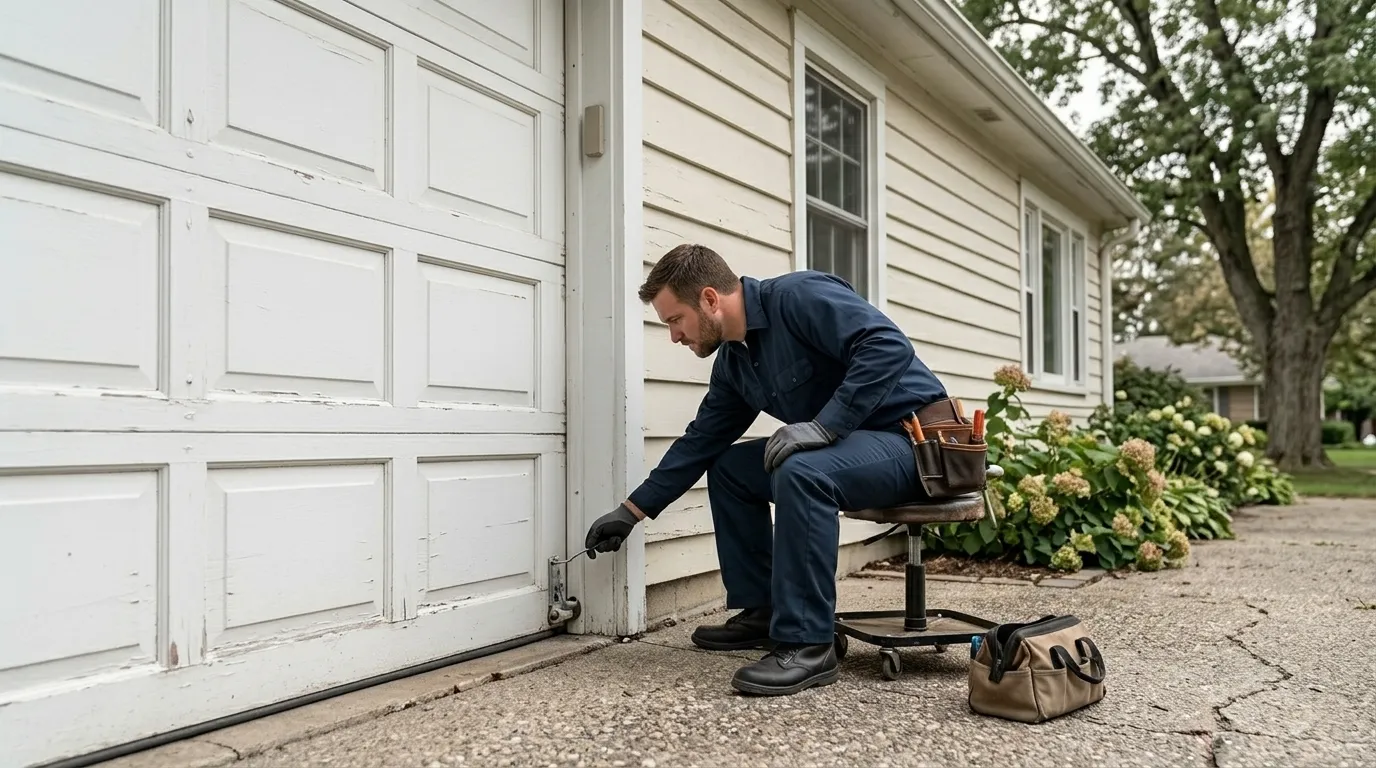
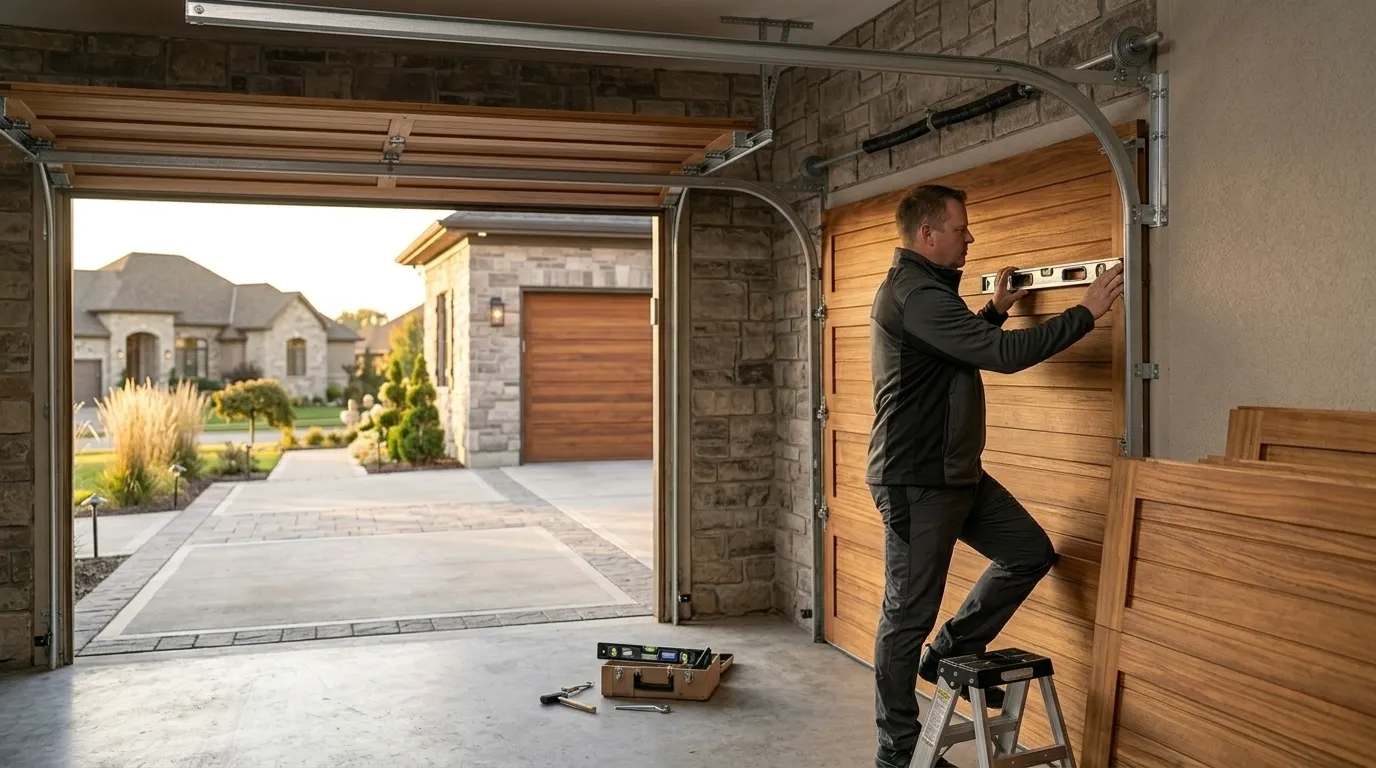
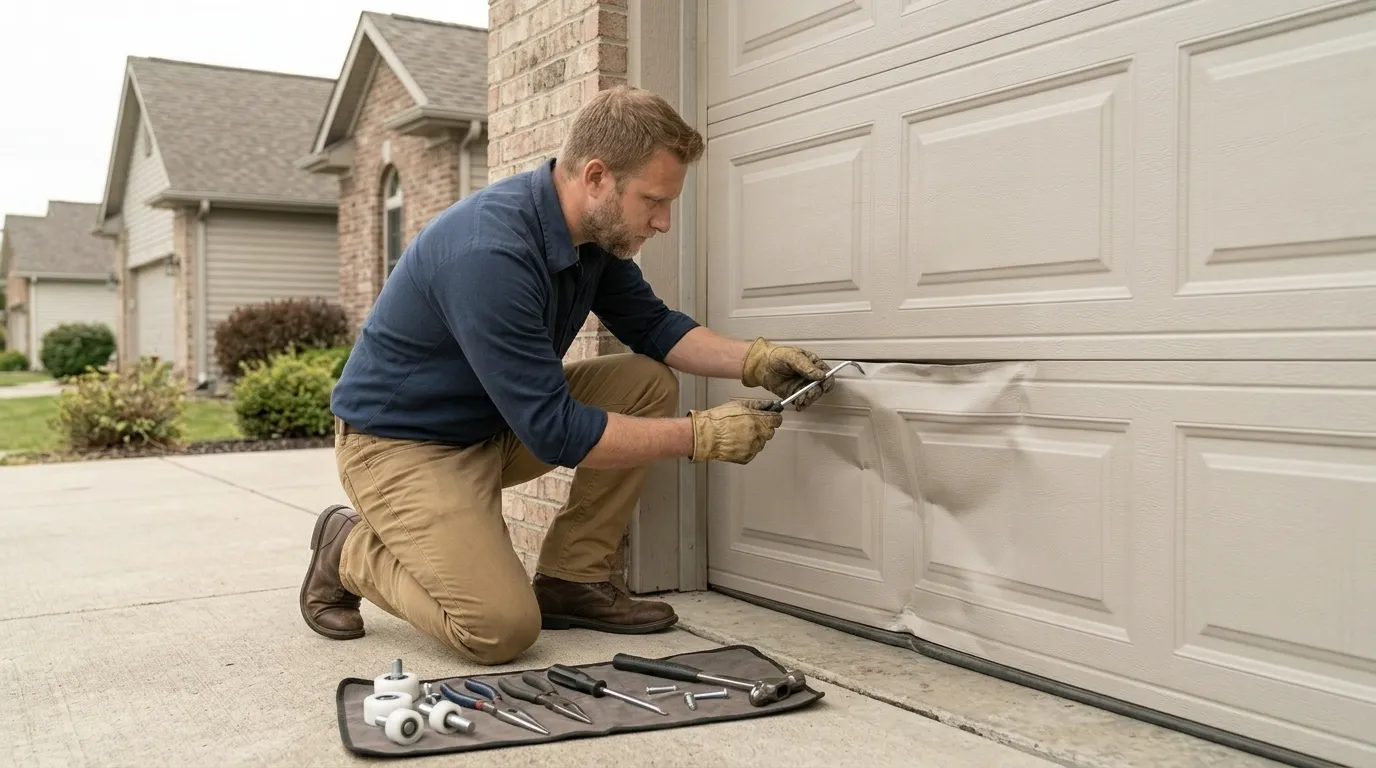
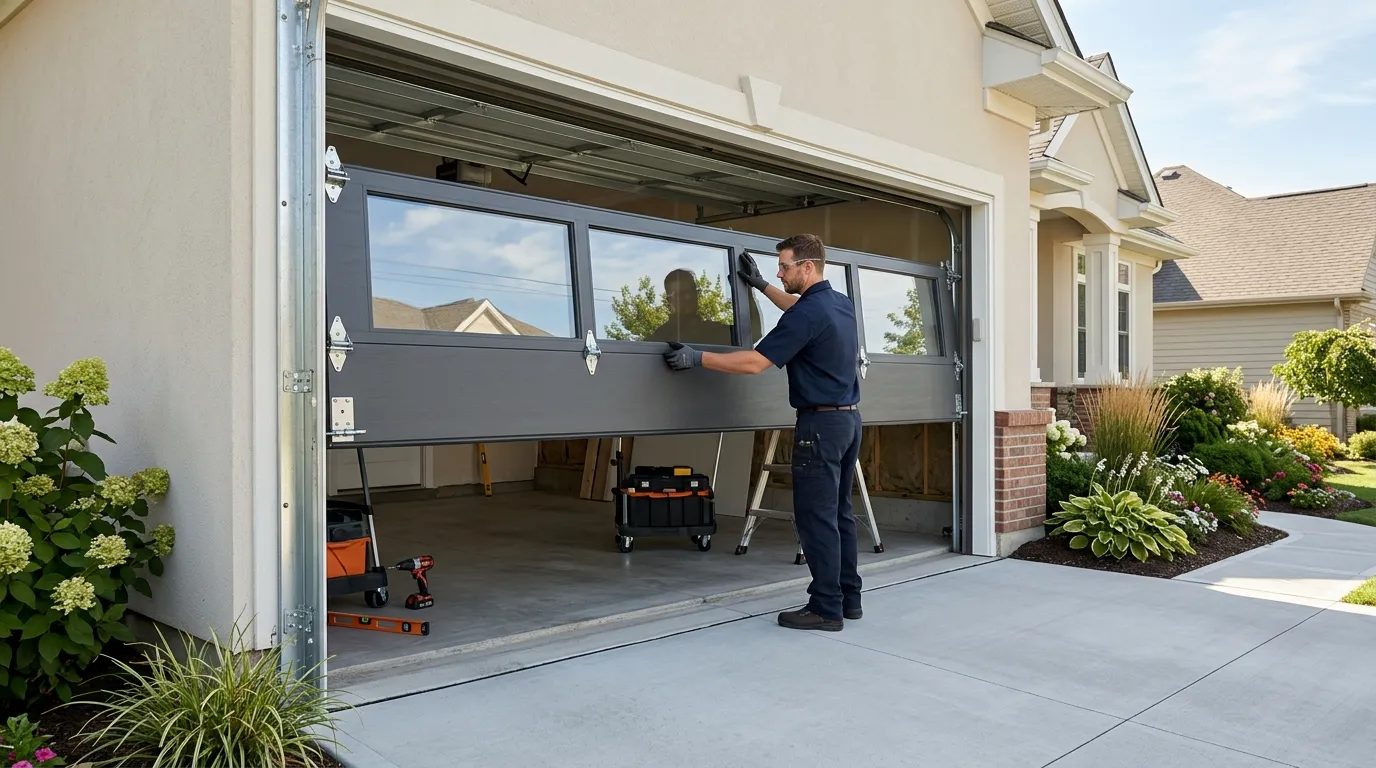
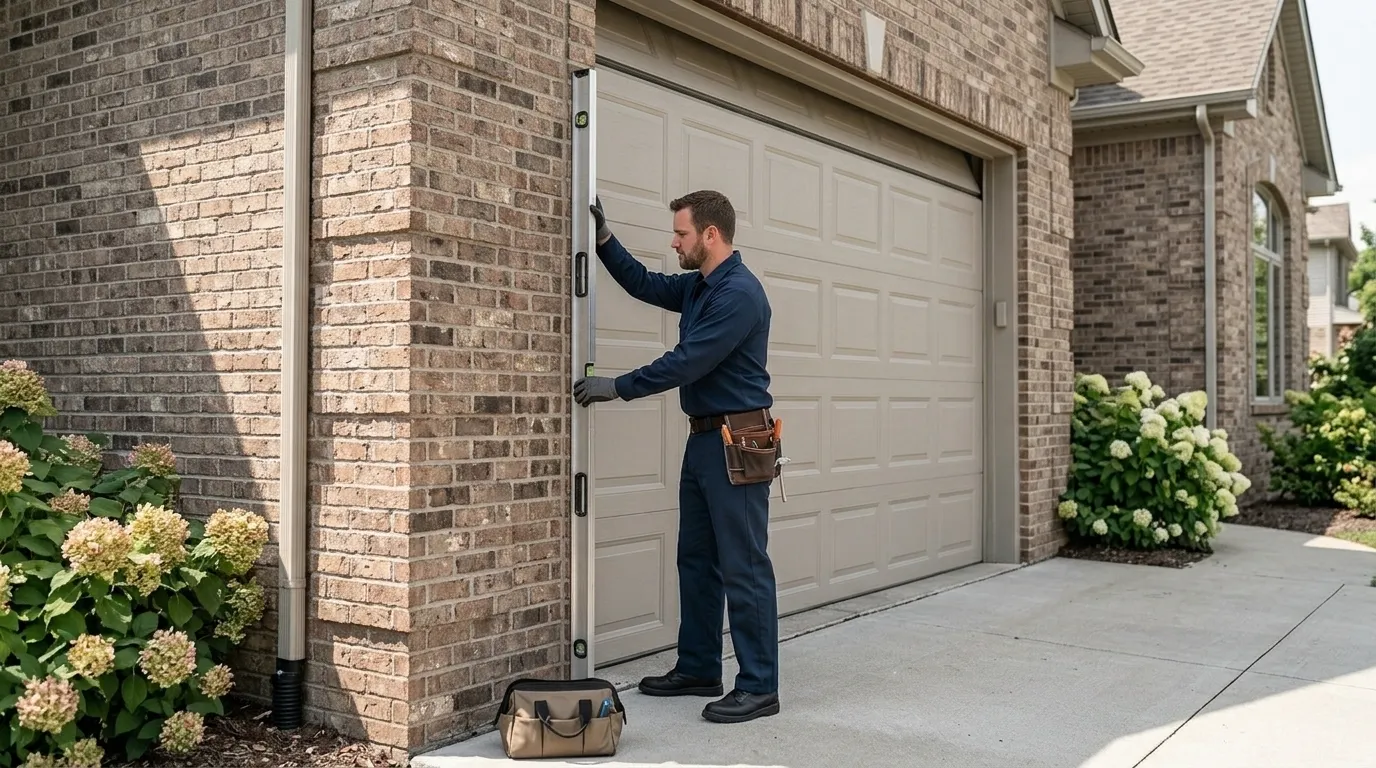
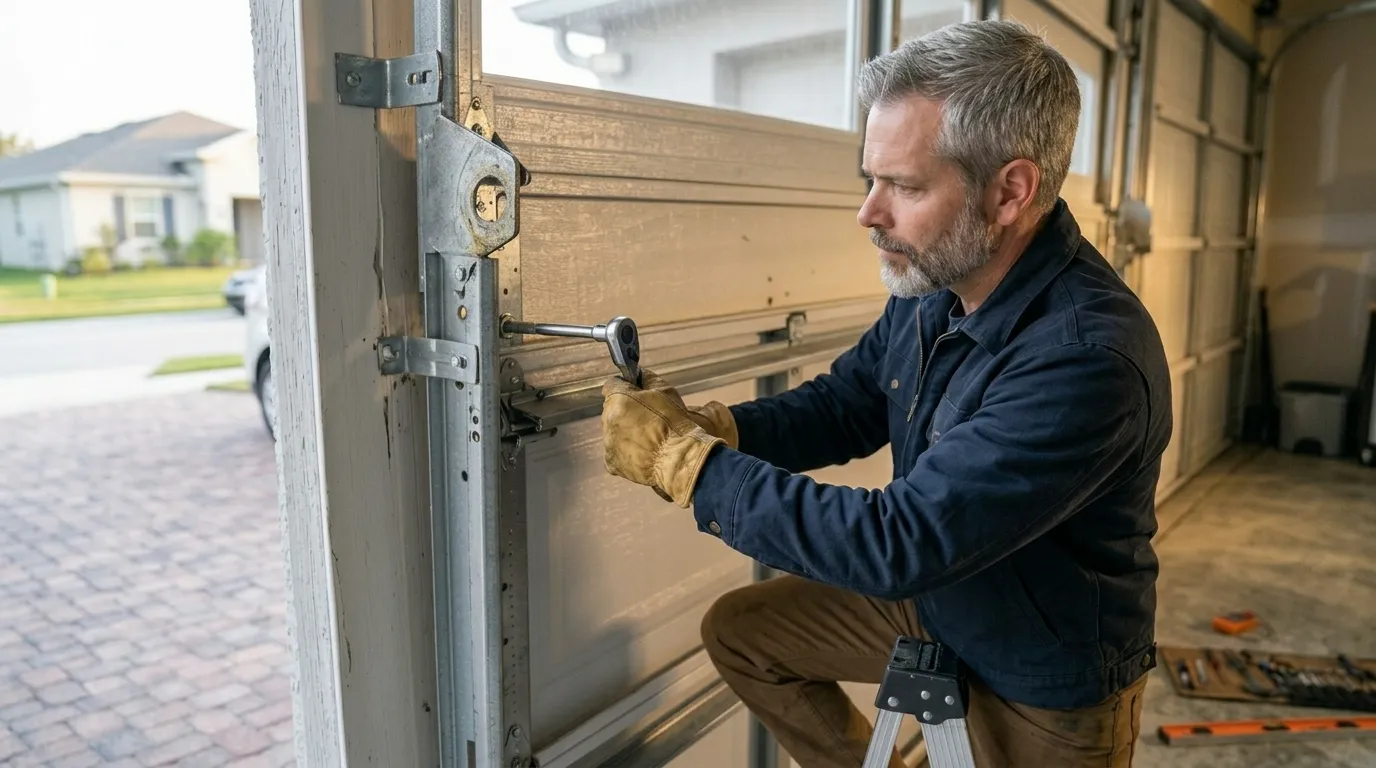
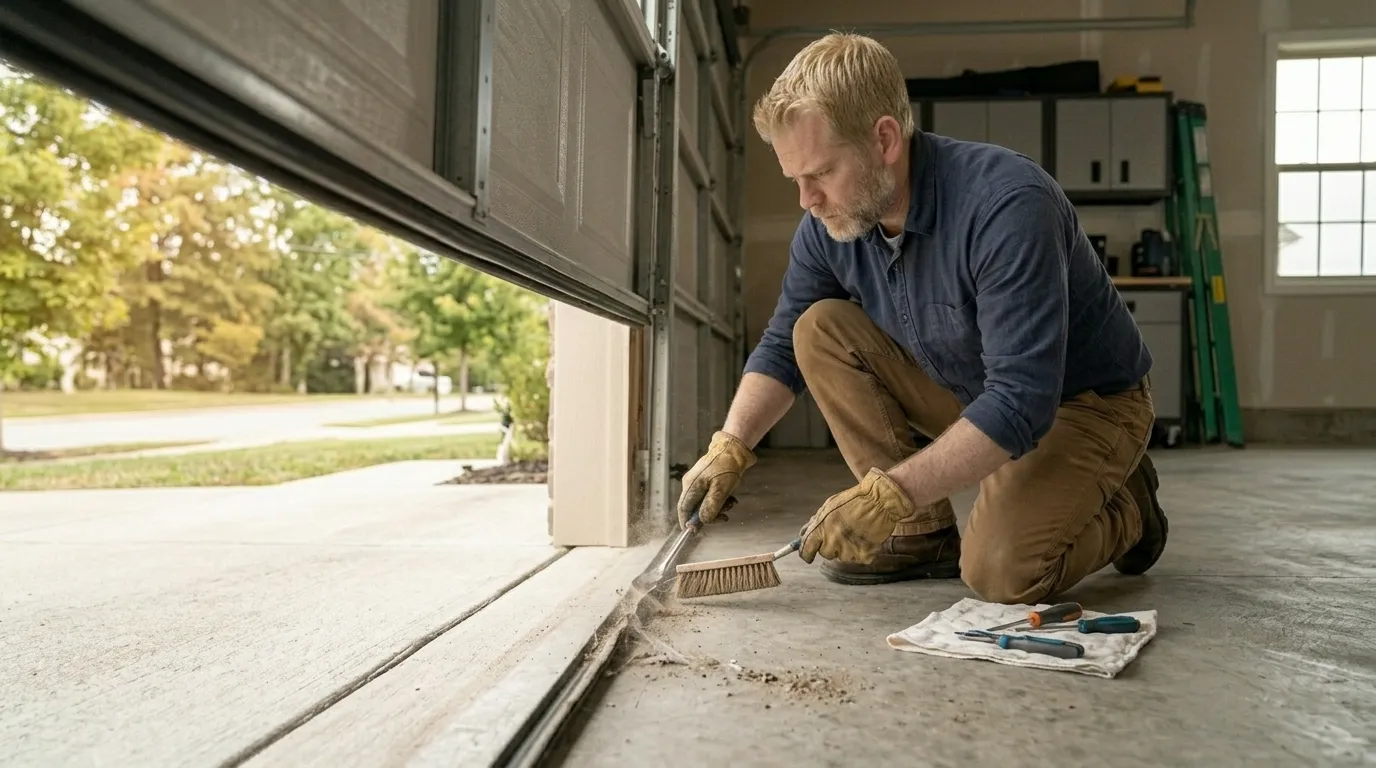
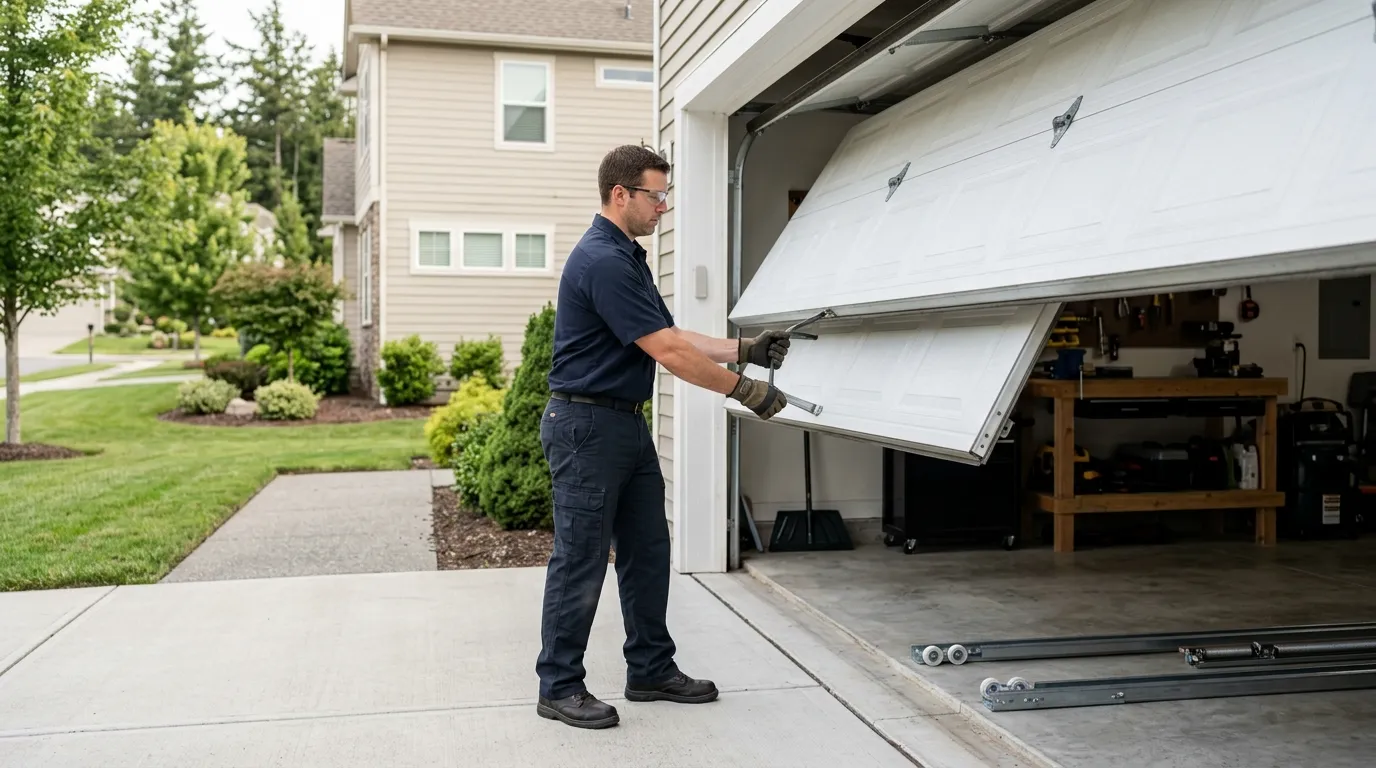
We start by locking down the door mechanically - clamps on the track, tension released off the springs - before anyone touches a cable. That step matters more here than it sounds: a spring still under load is the single most common way a DIY cable swap goes wrong. Once the door is secure, we pull the old cable, check the drum for grooving or a cracked flange, and check the opposite-side cable too, since if one side frayed from age or corrosion, the other is usually close behind. We run new cable to spec length, seat it on the drum, and rebalance tension so the door holds level partway open with the opener disconnected - that balance check is how we know the fix is right, not just that it moves. Rollers, hinges, and the track get a look at the same time, since a worn roller is often what started the fray in the first place. Last step is a full-cycle test under power, watching both sides track evenly before we call it done.