What That Means for Doors
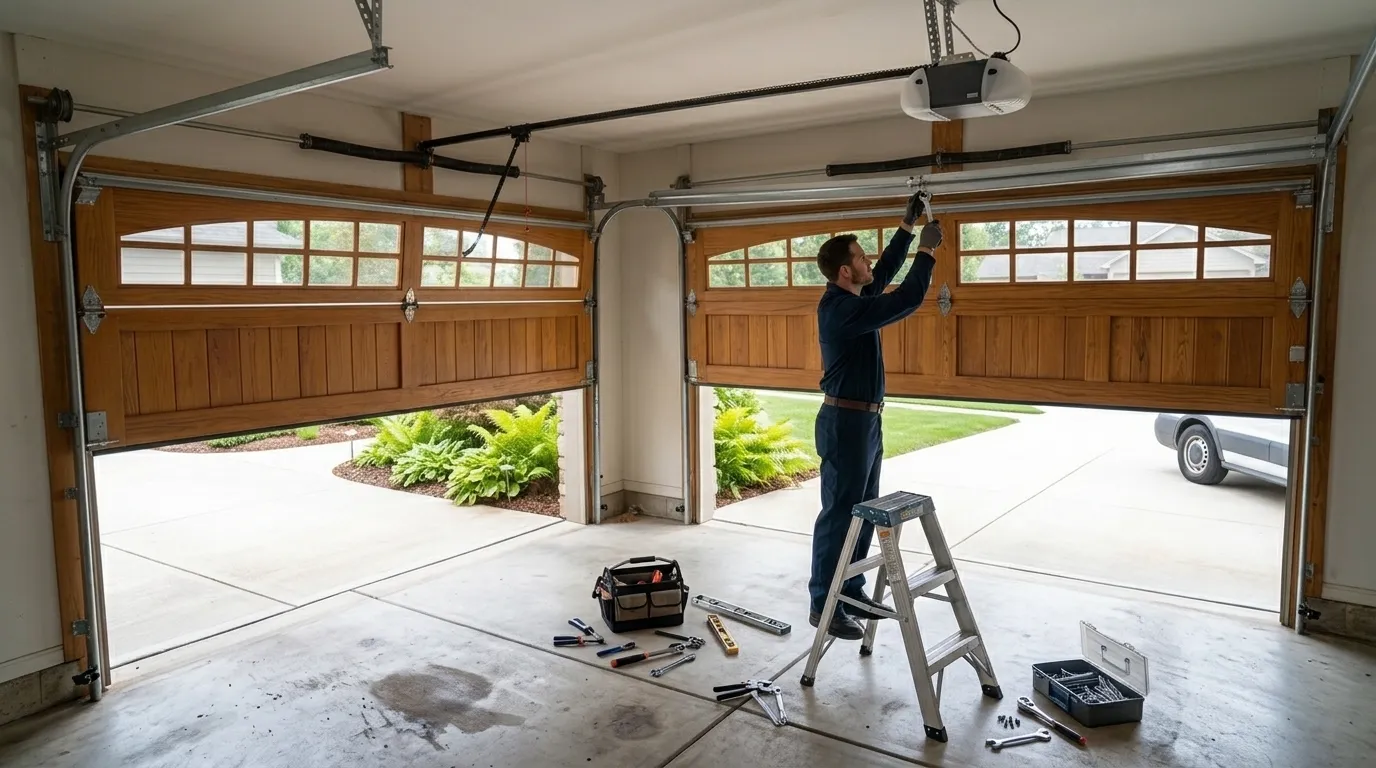
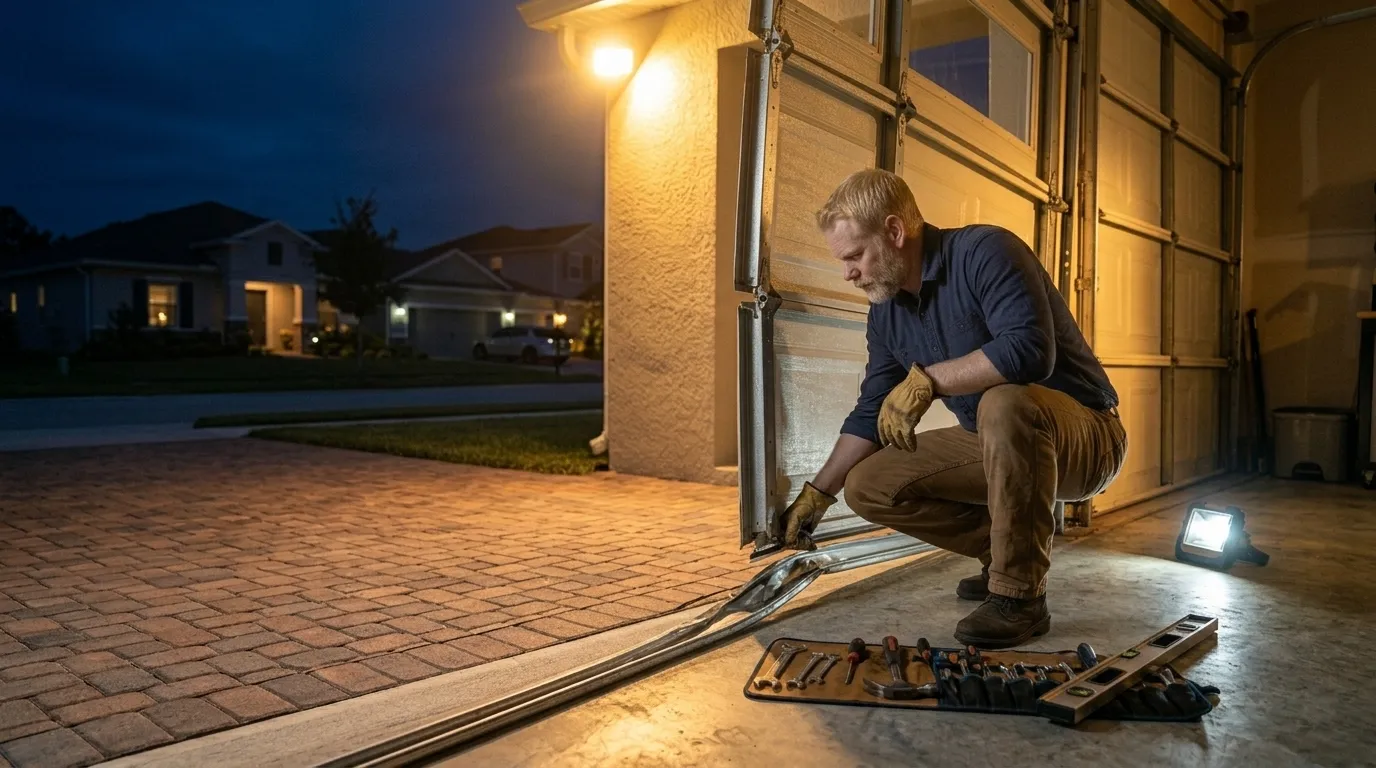
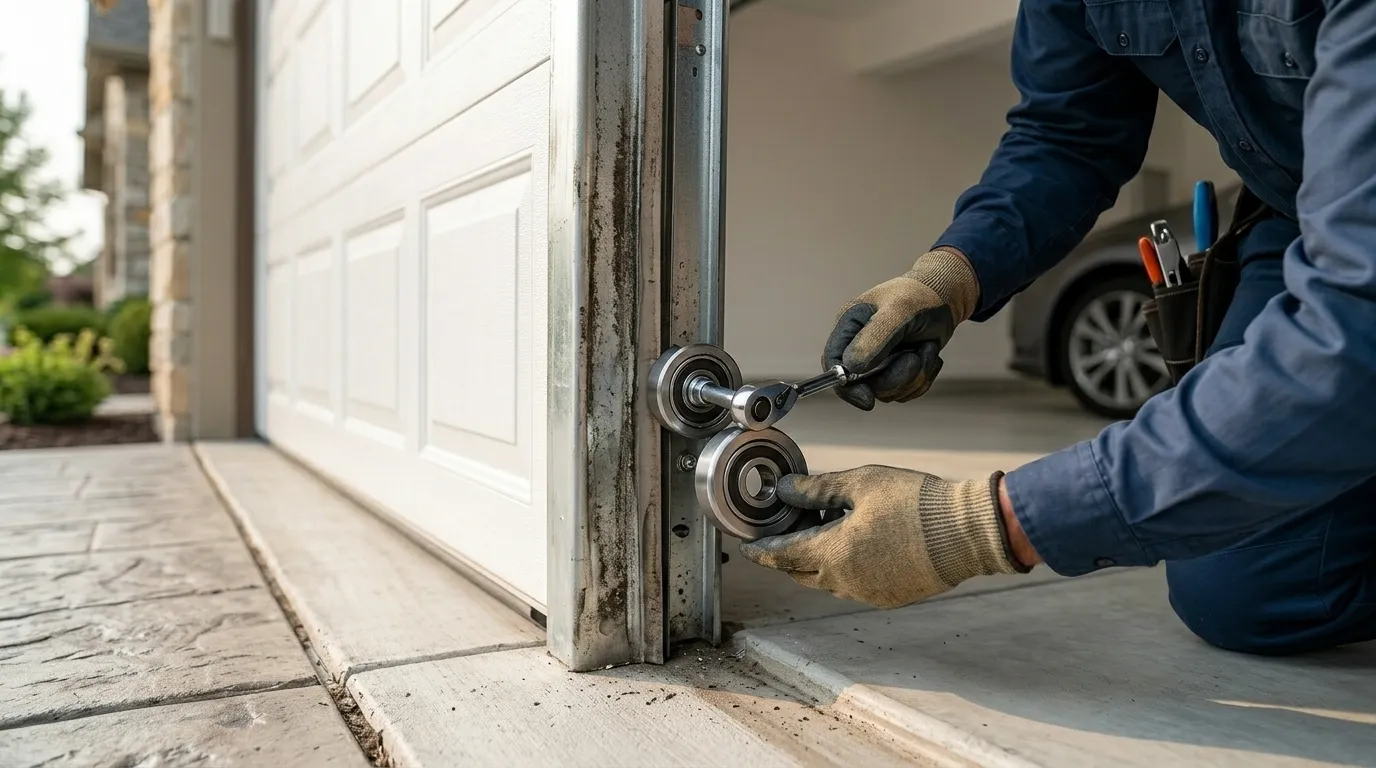
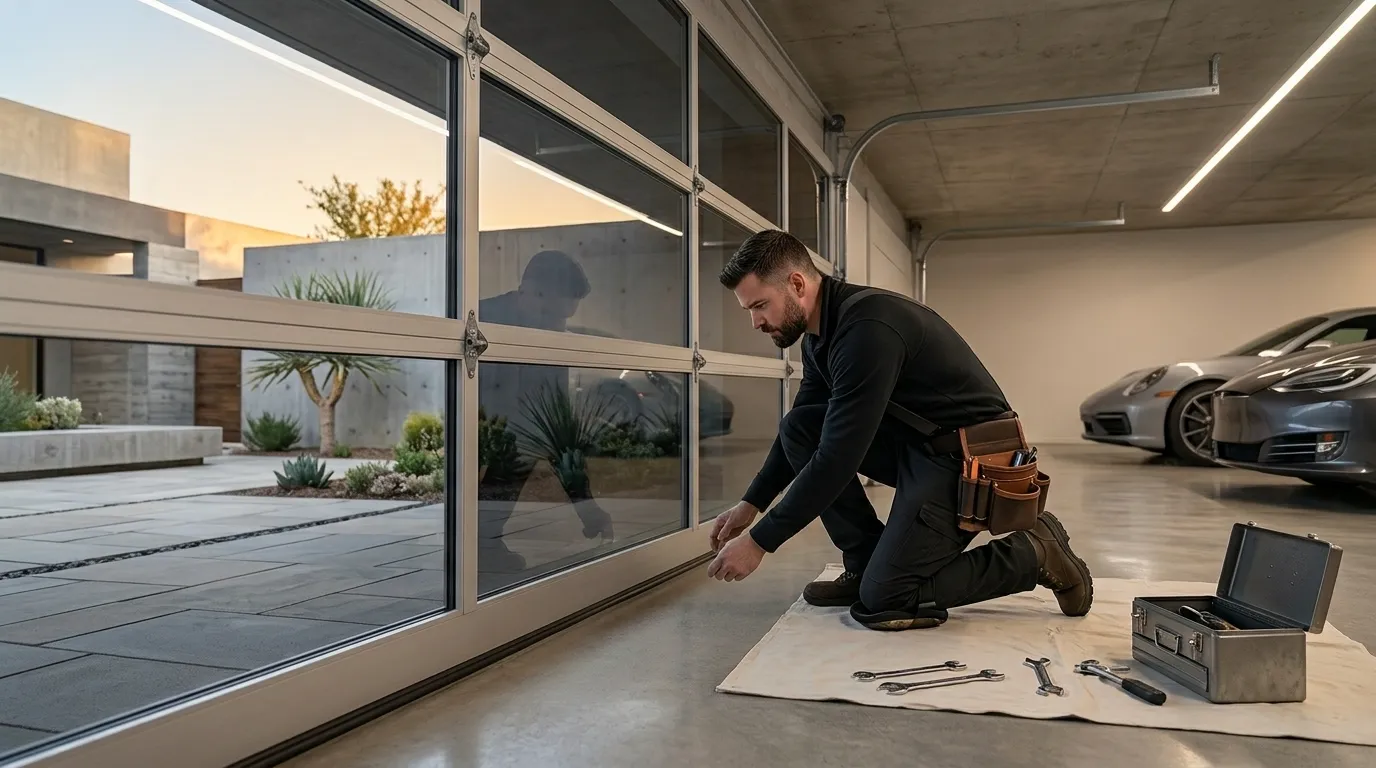
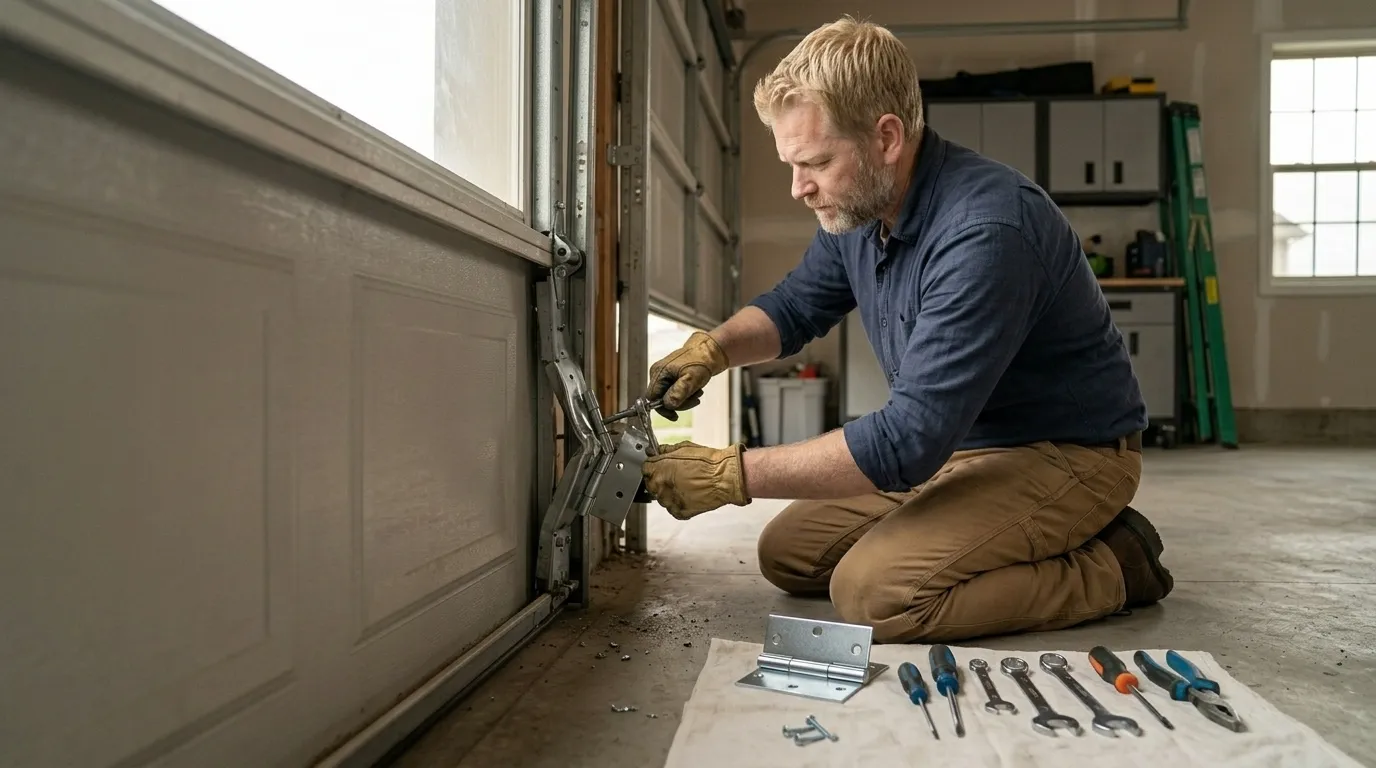
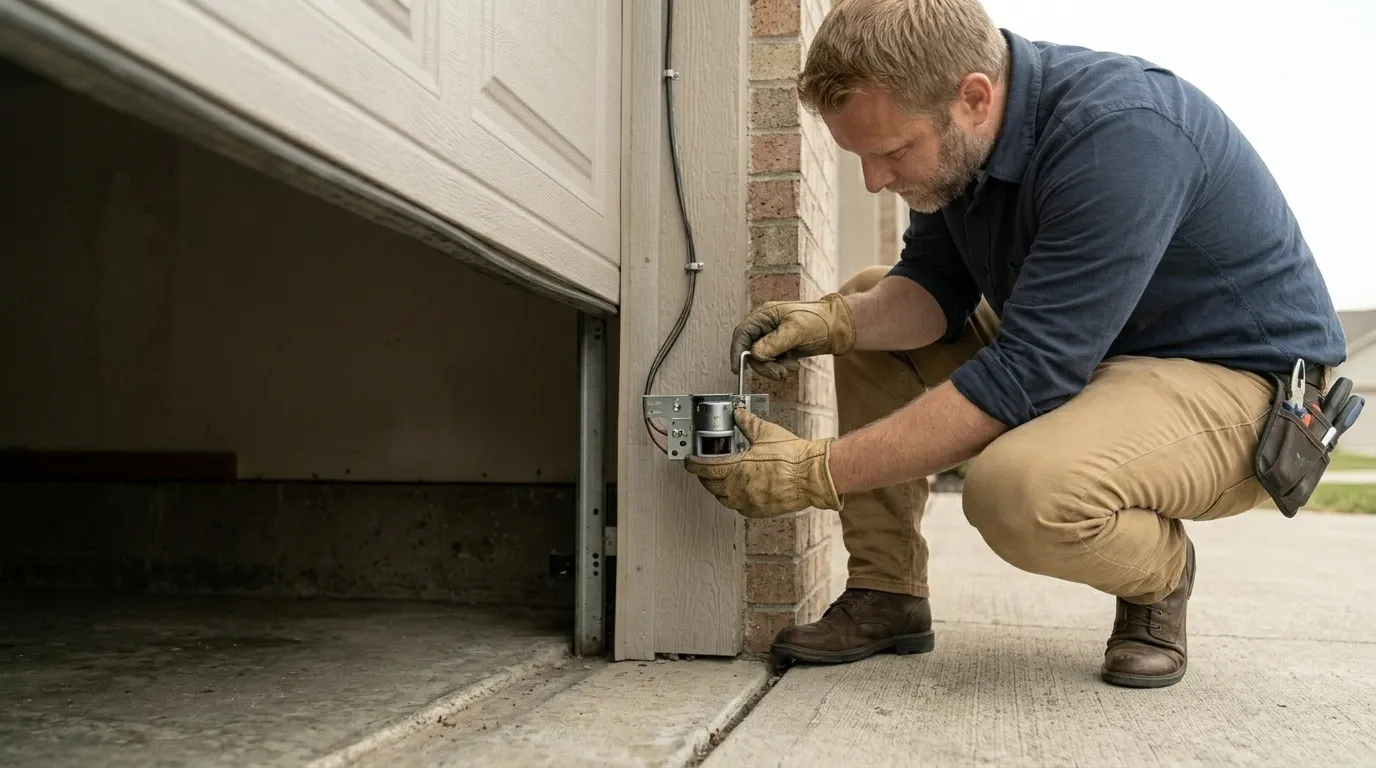
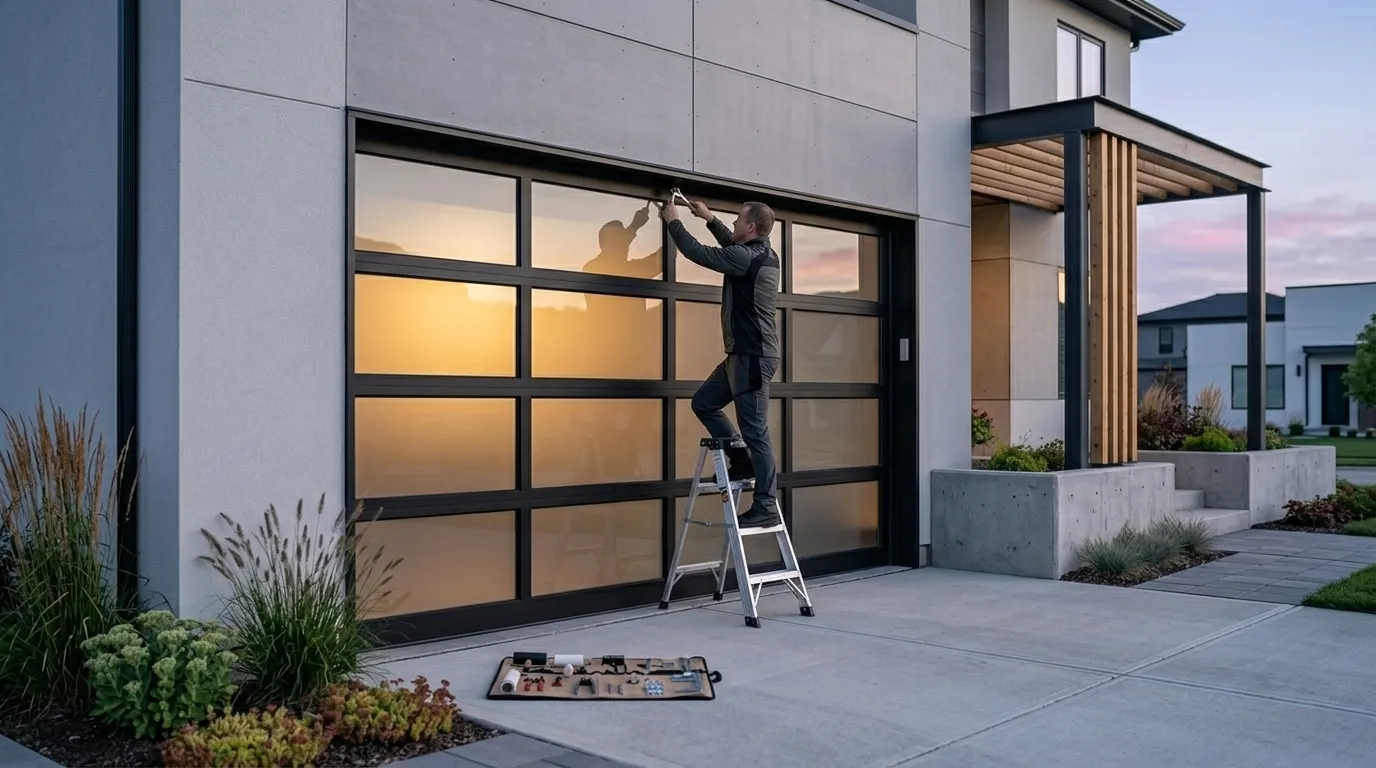
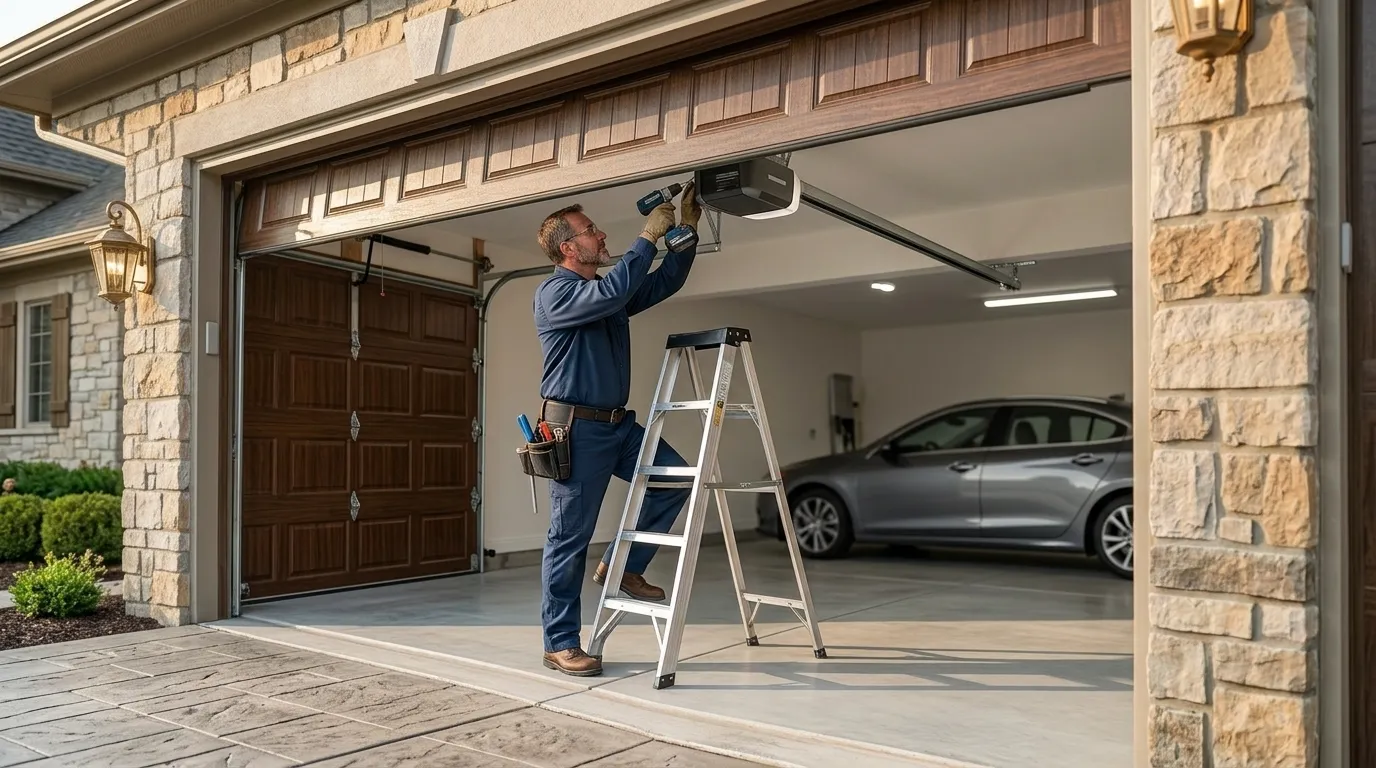
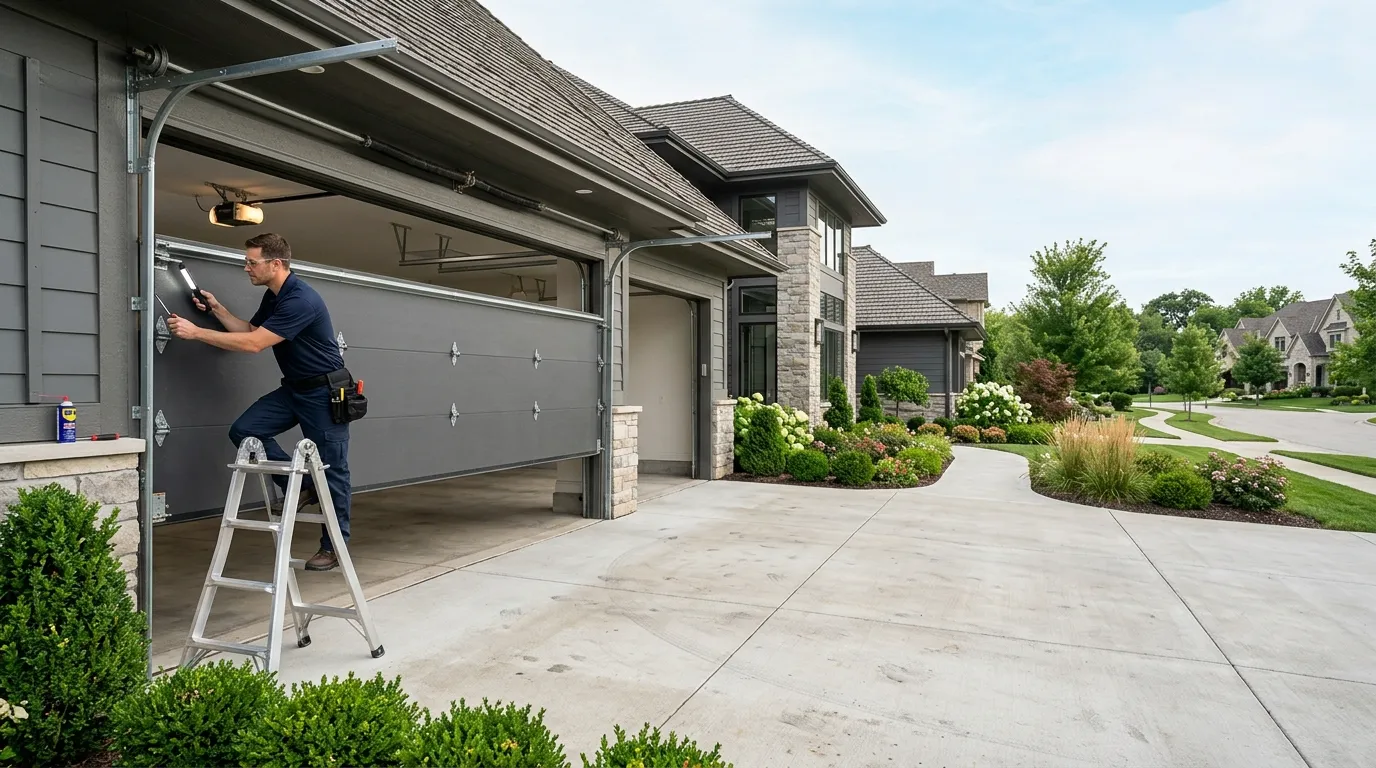
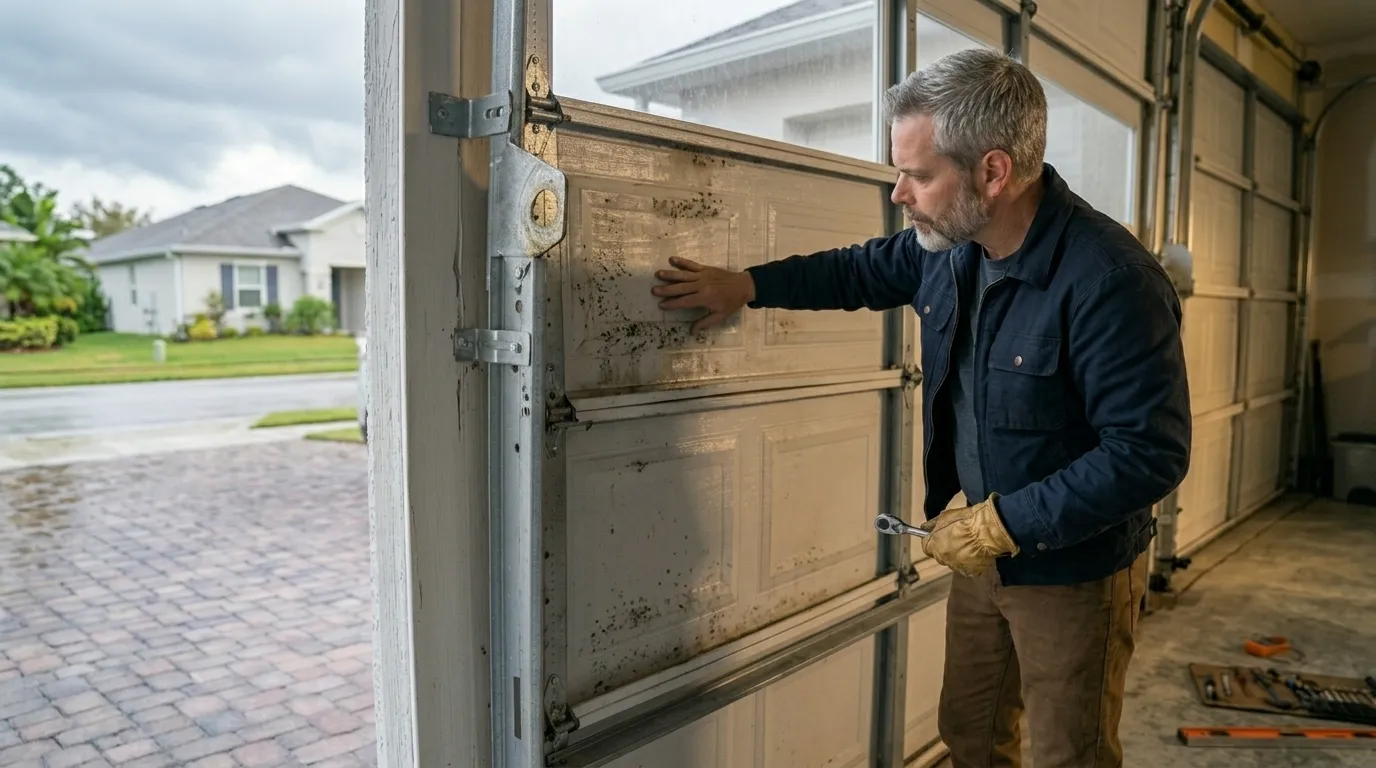
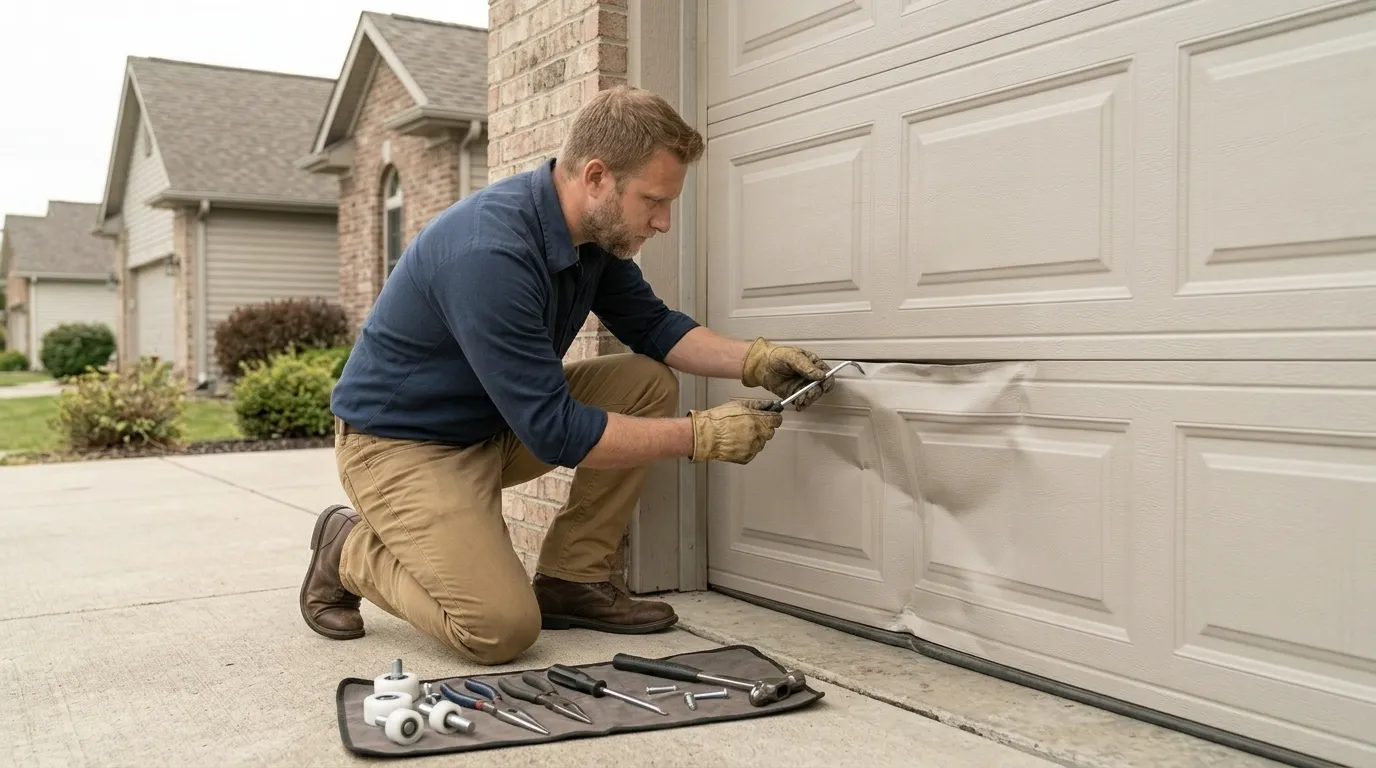
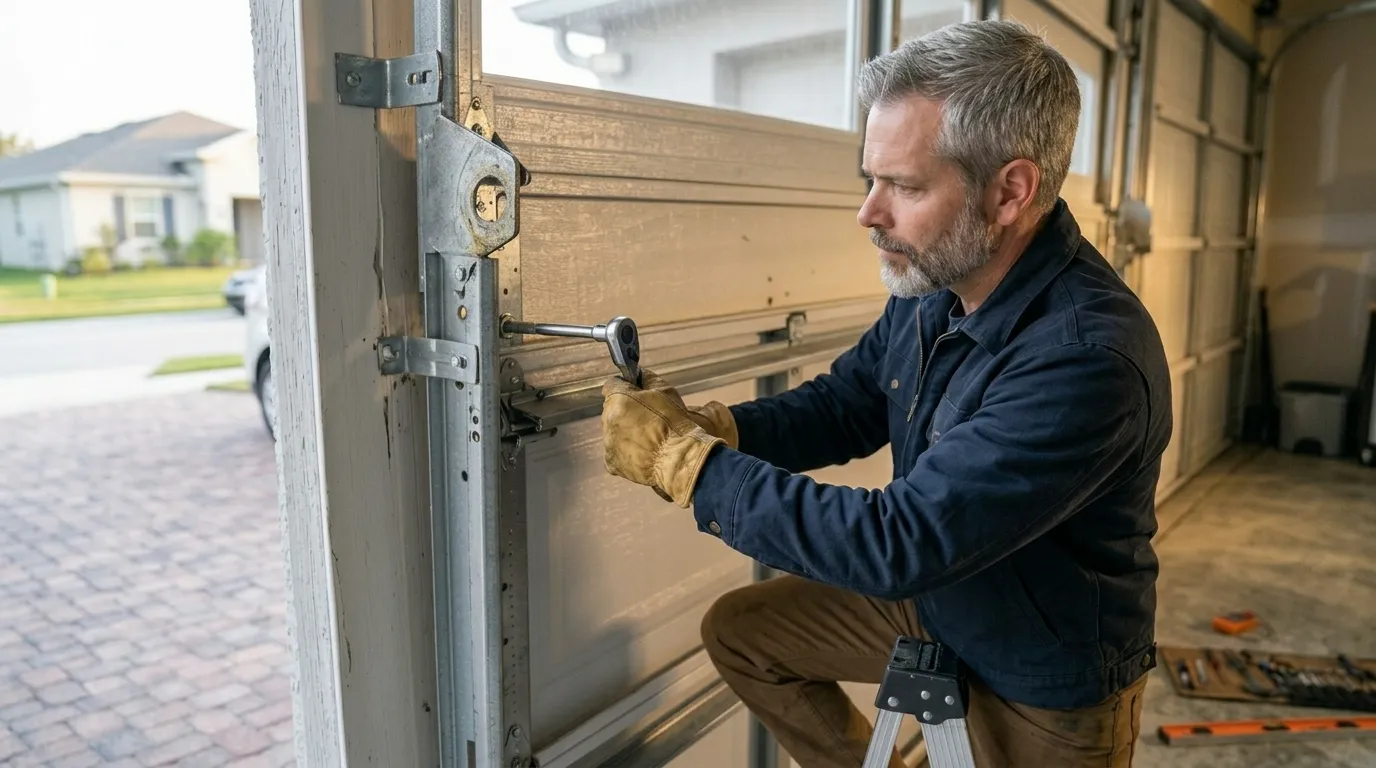
A door built for a 1948 house was almost never designed around a modern opener. The bracket spacing, the track gauge, even the header clearance were built to different standards than what a big-box opener kit assumes. When we get a Drexel Hill call for an opener that "won't lift" or "reverses for no reason," it's often not the opener at all - it's a spring that's undersized for a heavier retrofit door, or a track that's been reused across two or three door generations and no longer runs true. We check the spring cycle rating against the door weight before we touch the opener, because swapping electronics on a mismatched system just moves the failure point somewhere else. That's the honest limitation here: we won't sell an opener install as the fix if the underlying spring and track setup is the actual problem. It costs less to say so up front than to have you calling again in six months.
The Houses Here
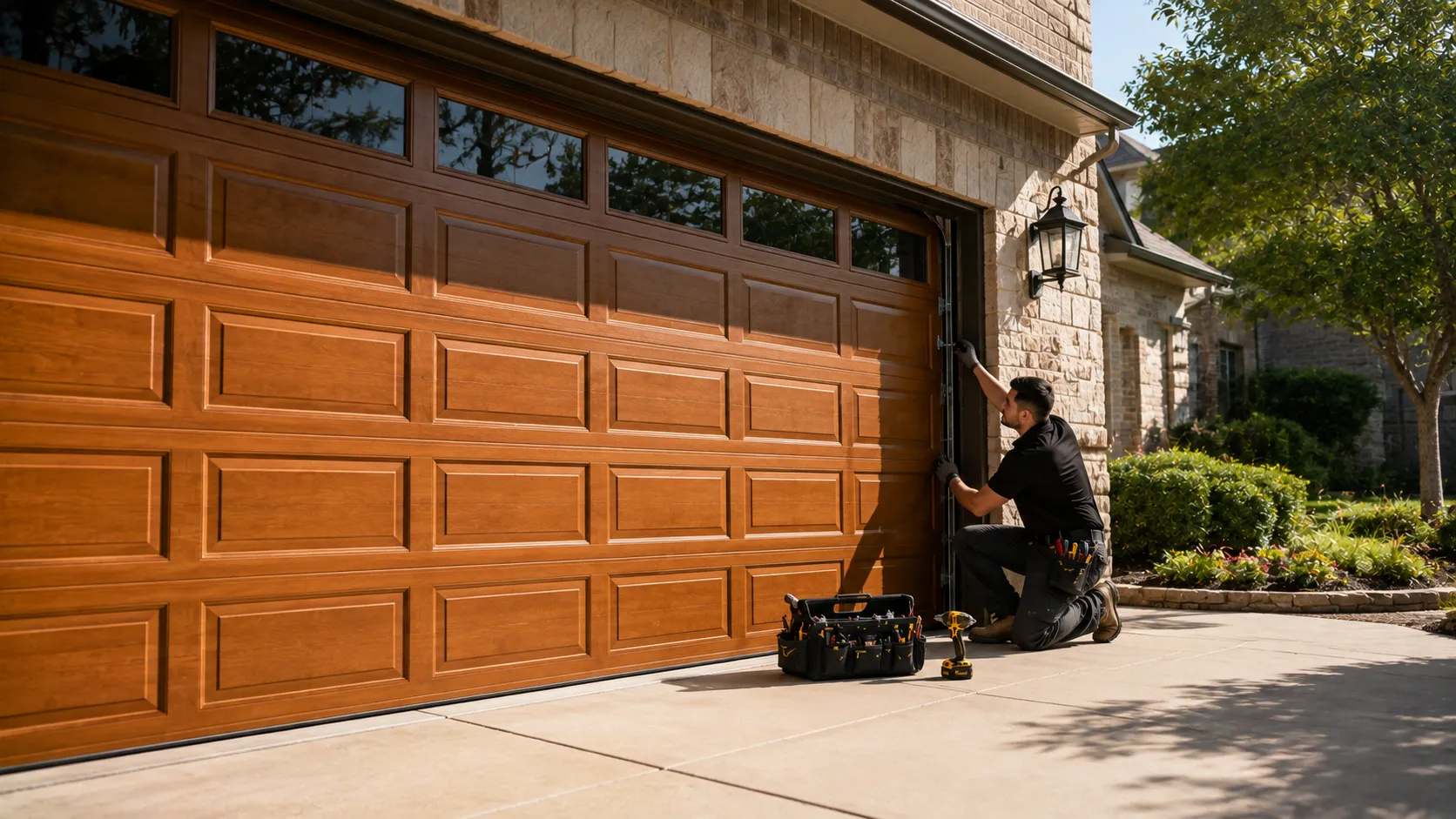
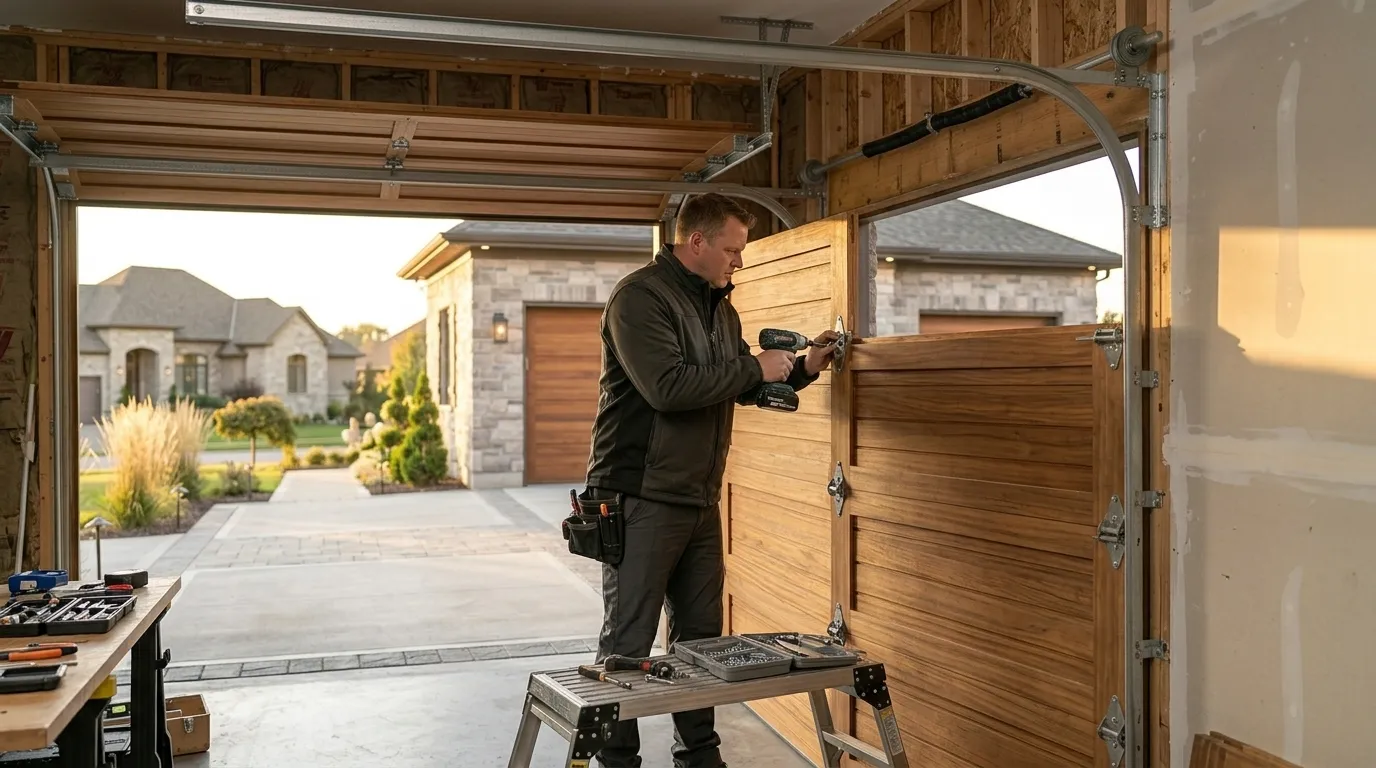
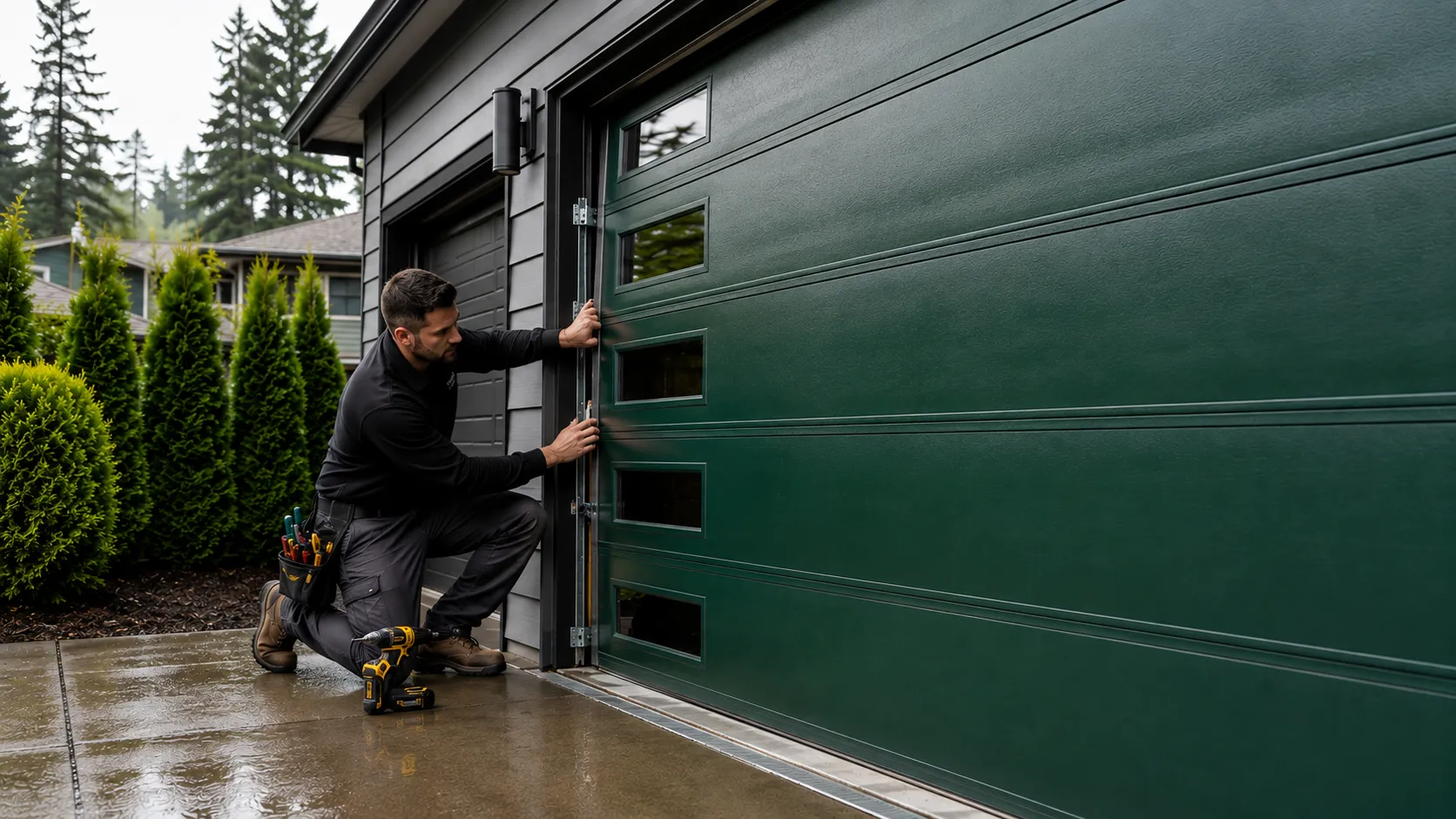
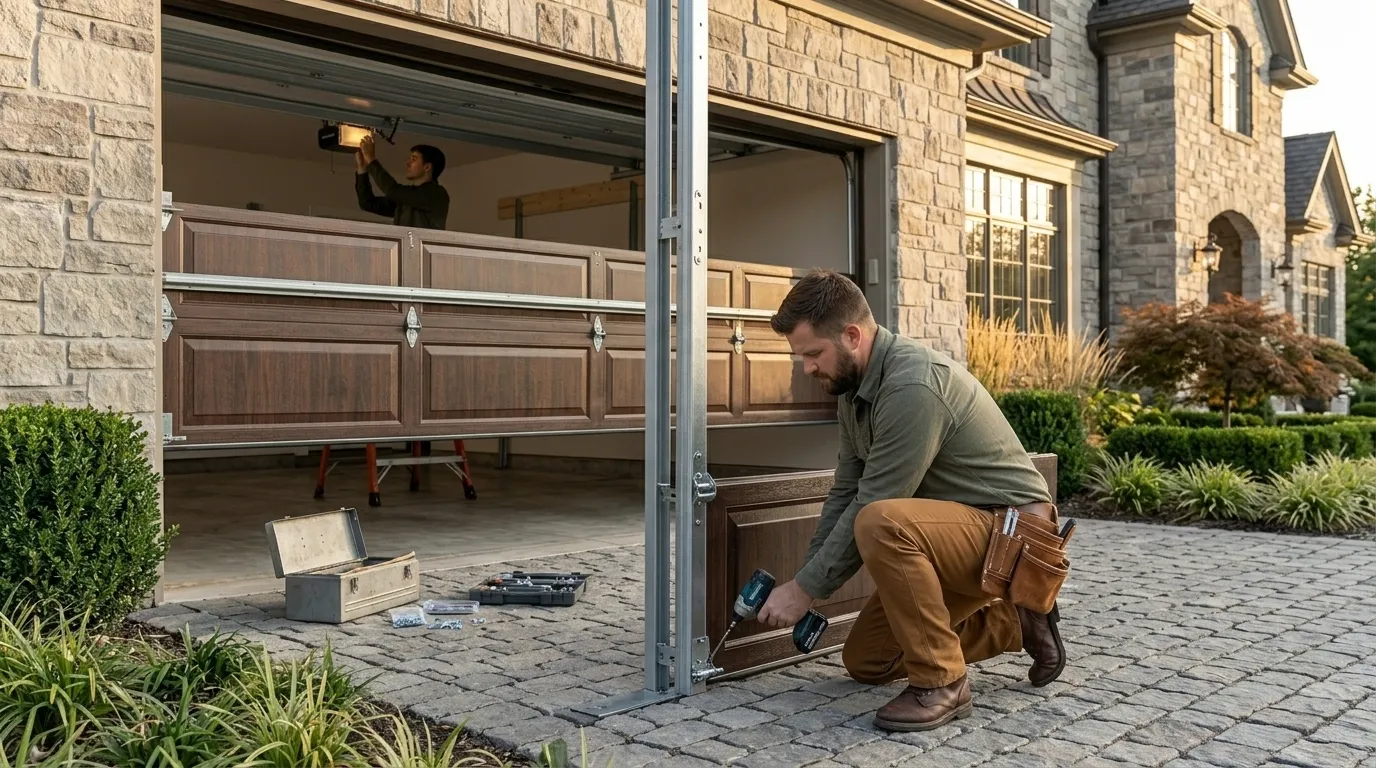
With roughly 11,981 households in Drexel Hill and a median household income of $87,993, this is a settled, owner-heavy area where people tend to fix rather than flip. That shows up in the calls - homeowners who've lived in the same house for years and know exactly when the door started making a new noise. The 1948 median build year puts most garages here just ahead of the postwar building boom that produced a lot of the wider region's 1950s tract housing, so you'll see a mix of single-panel wood-look doors on older side-mounted torsion setups next to later steel replacements bolted onto the original frame. Neither style is wrong, but they fail differently, and knowing which one we're walking up to before we open the truck saves a return trip.