Garage Door Installation for Philadelphia's Older Housing Stock
Philadelphia's housing runs 1938 to 1994, median 1957 - original doors and hardware built for a different climate era. We install doors sized for that stock.
You're not calling about a squeak. You're calling because the door is done - it's swollen shut on a cold morning, the panels have delaminated from decades of freeze and thaw, or the track has rusted out of square with the jamb. In a lot of Philadelphia rowhouse and twin garages, the door in the opening now is the same one that went in when the house was built, and with median construction here landing around 1957, that door is pushing seventy years old. Wood composite doors from that era don't fail gracefully - they warp, the bottom panel rots where snowmelt sits, and the original hardware was never rated for the openers people bolt on later. If you're getting quotes for repair and the number keeps climbing past what a new door costs, that's usually the sign you're past the point where fixing it makes sense. We'll tell you straight if that's where you are instead of running up a repair bill on a door that's structurally done.
Parts We Carry
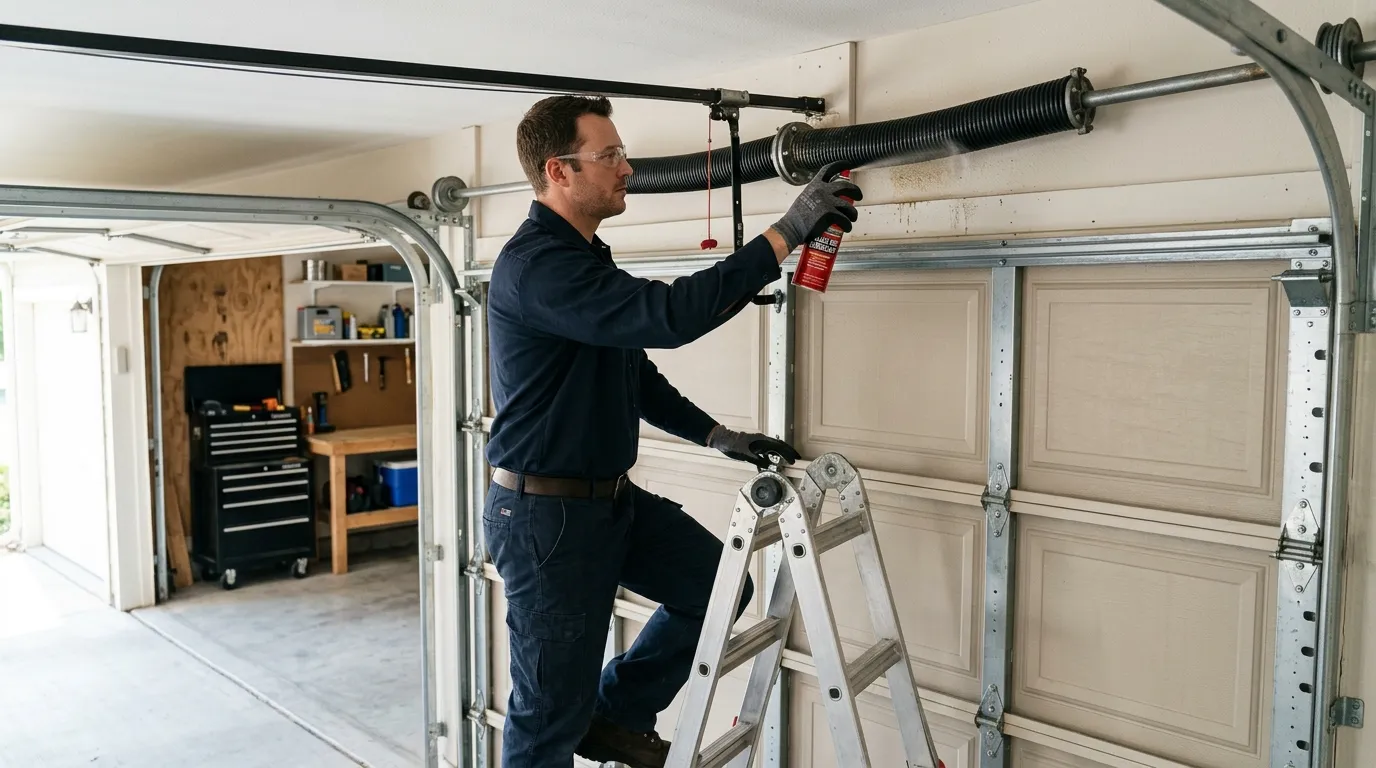
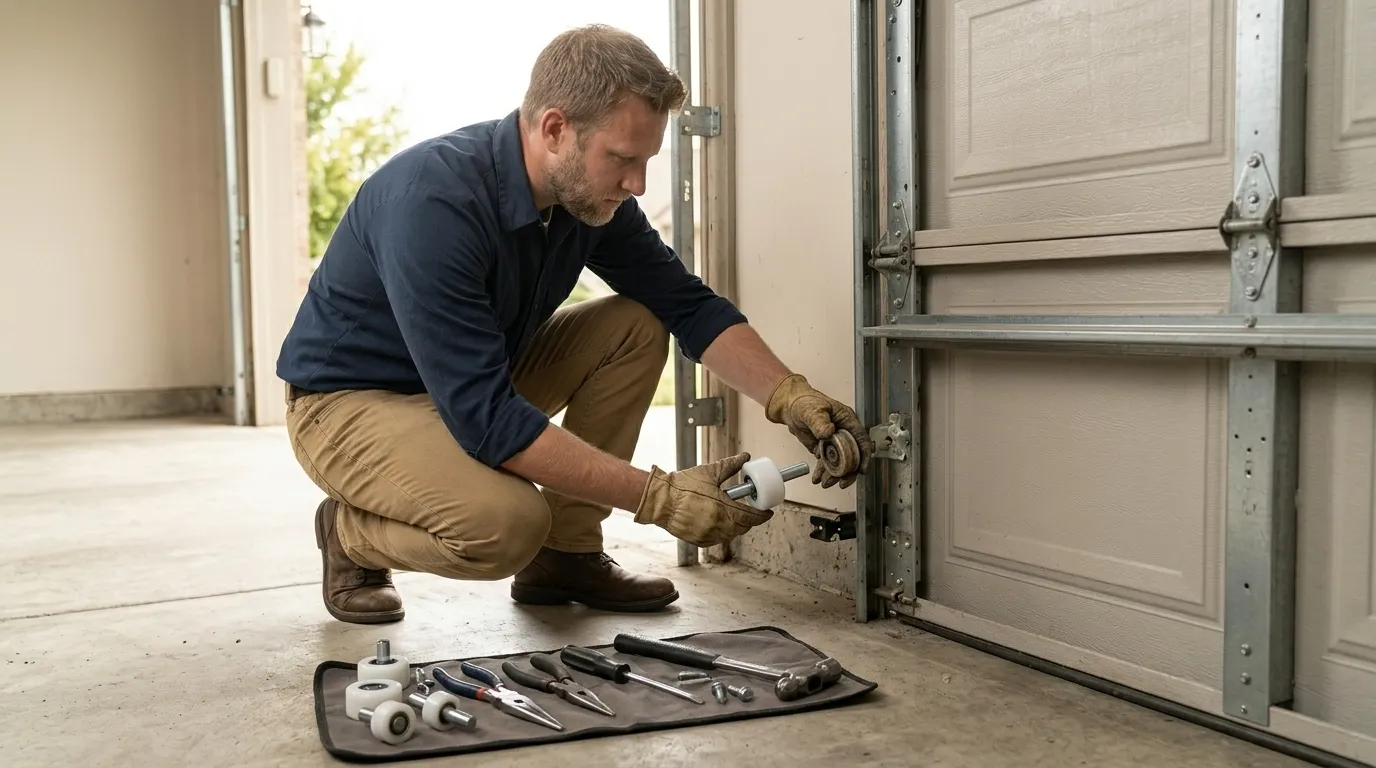
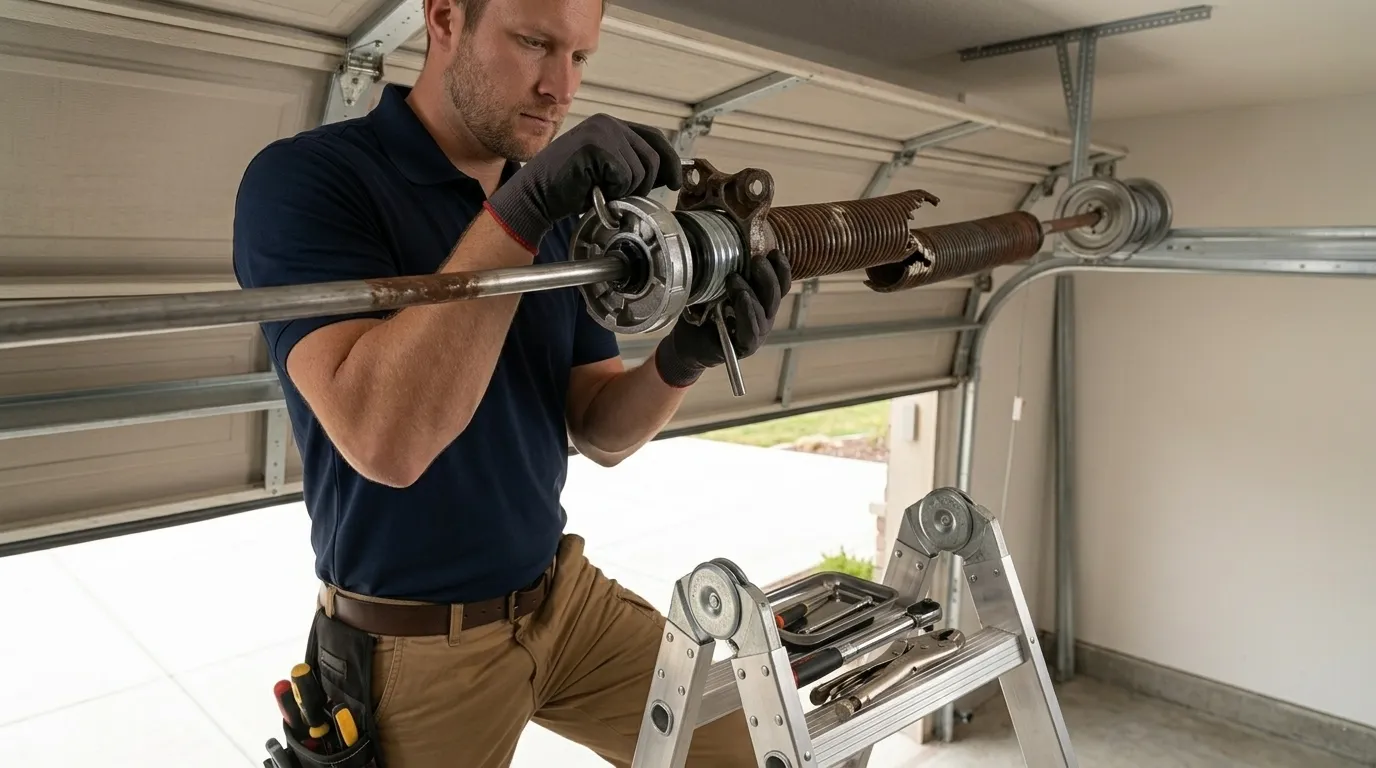
We stock doors and track hardware sized for the openings common across Philadelphia's older housing - narrower single-car bays typical of rowhouse construction, plus the wider detached-garage openings you find in the older twins and single-family stock further out. That means torsion springs rated for the shorter headroom common in houses built before garages were an afterthought, low-headroom track kits for converted carriage openings, and insulated steel and composite door options built for a cold-climate service area, not a mild one. What we don't stock on the truck is every custom width - some of the older rowhouse openings in this city are non-standard by a few inches, and those doors get special-ordered rather than pulled off a shelf. We'll measure first and tell you if your opening needs that lead time before we quote anything.
What the Fix Involves
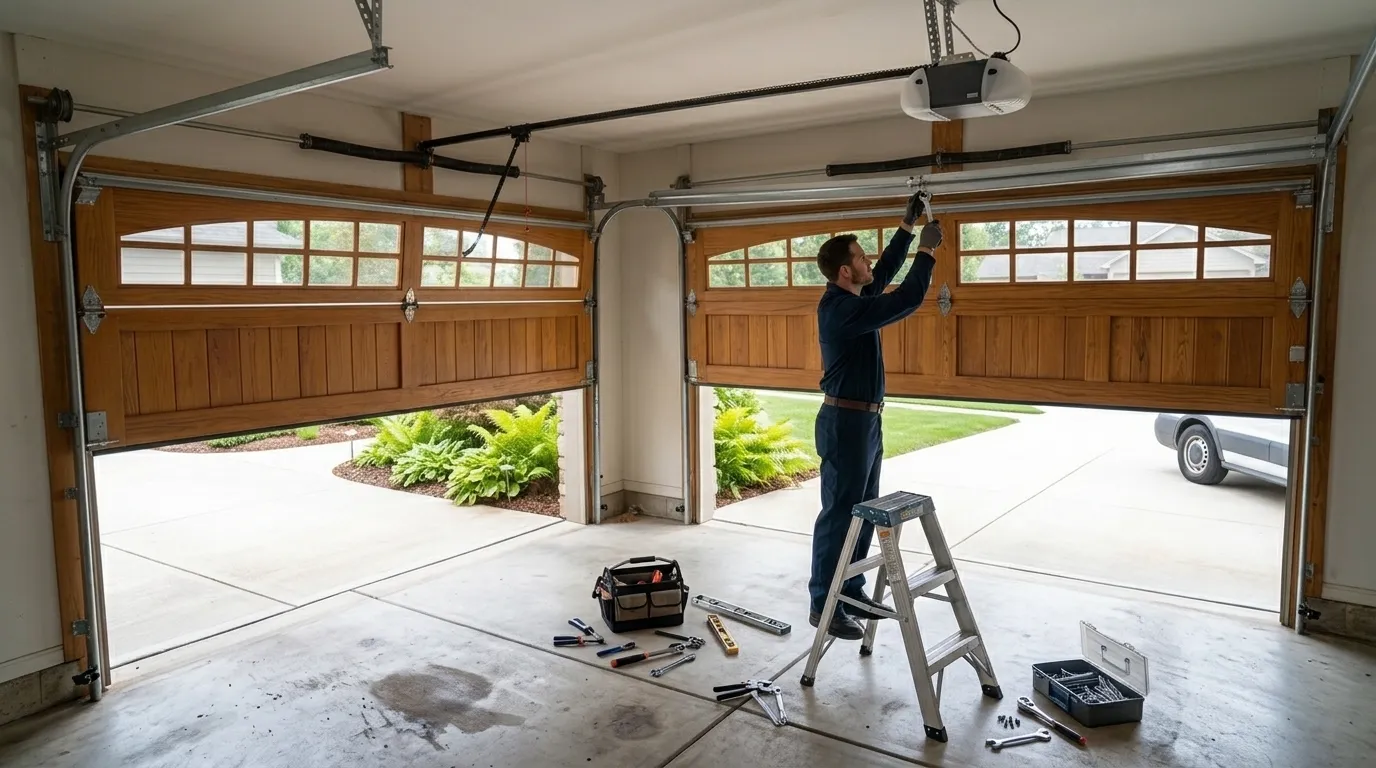
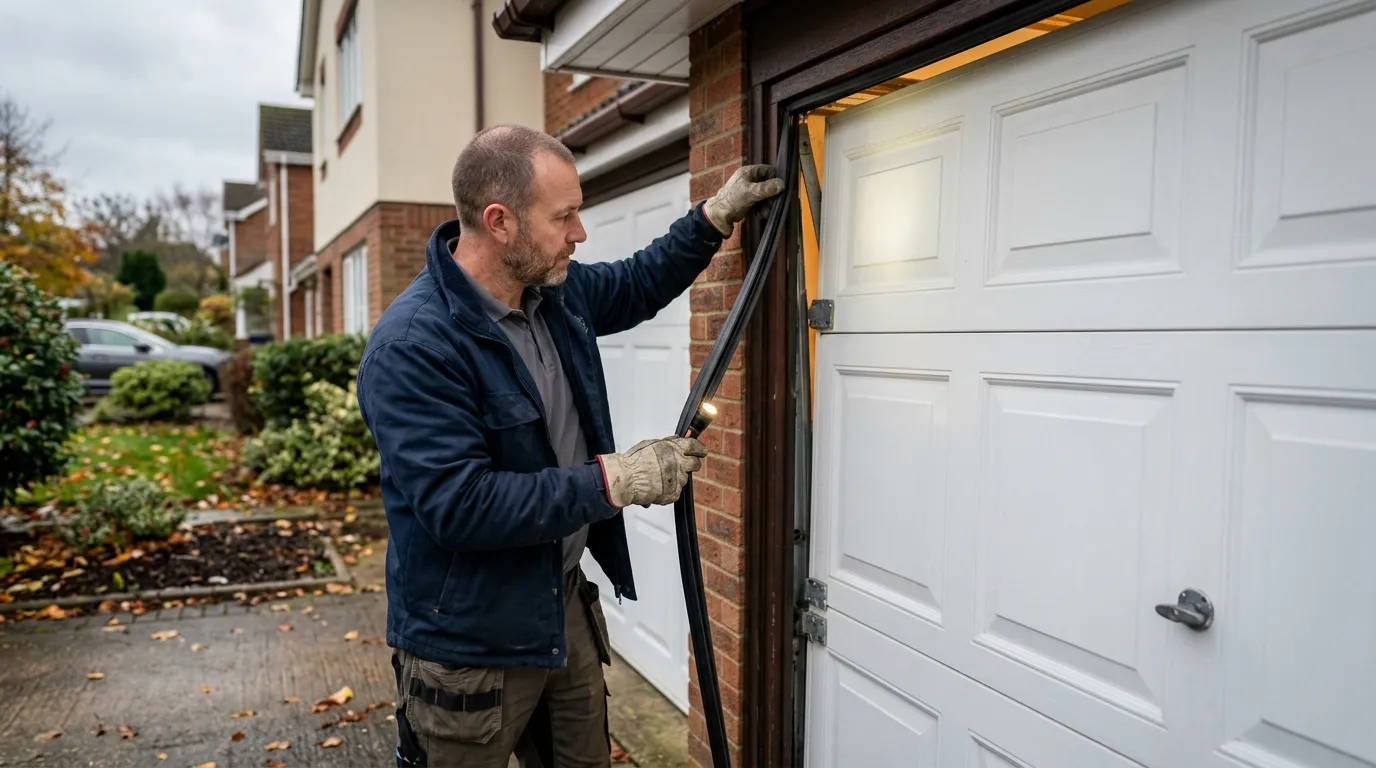
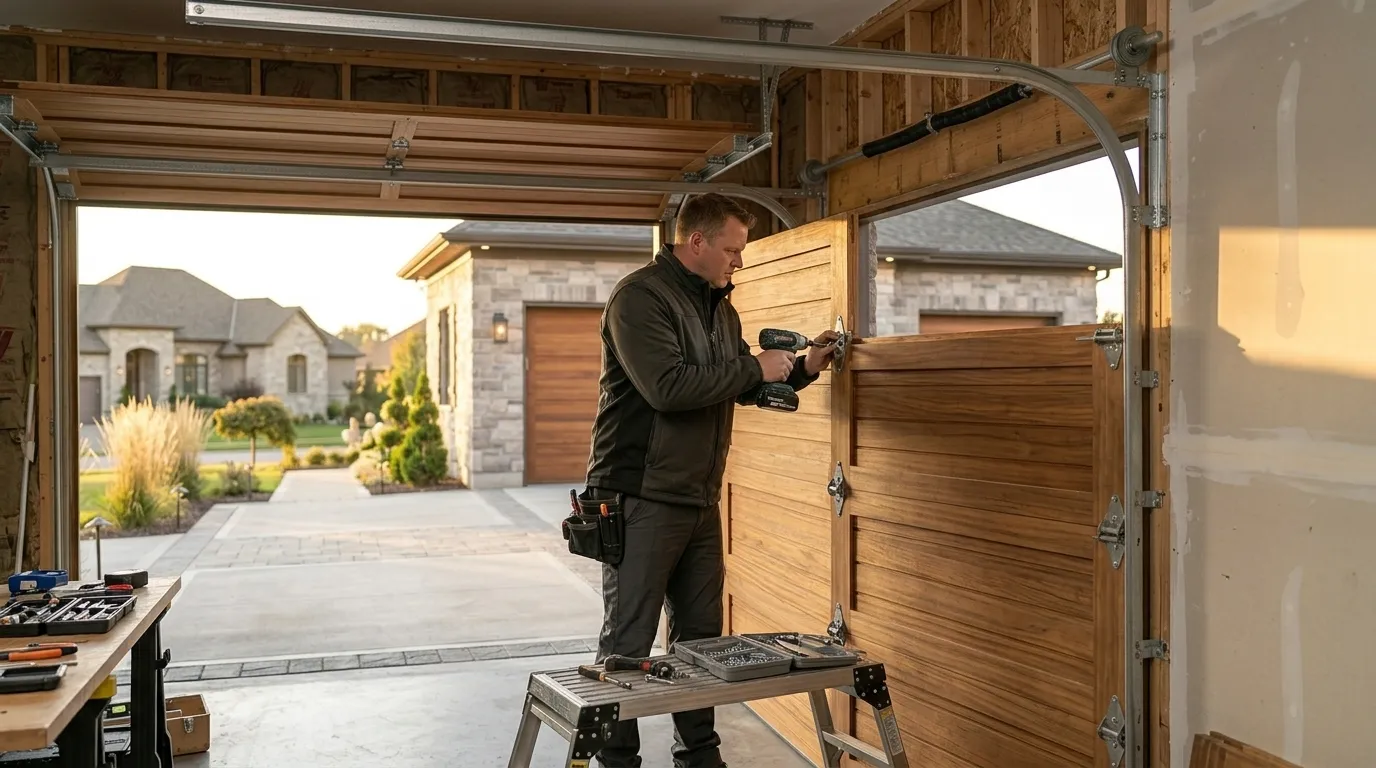
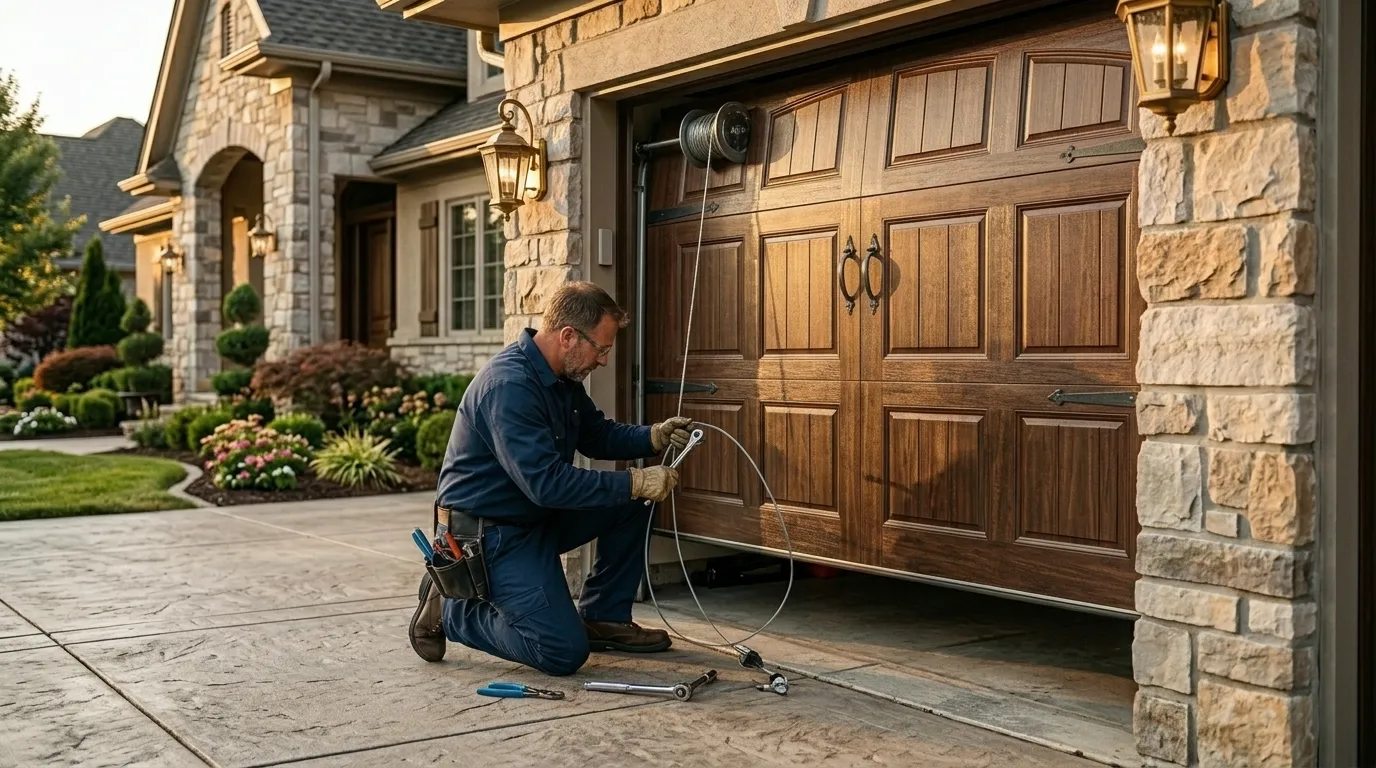
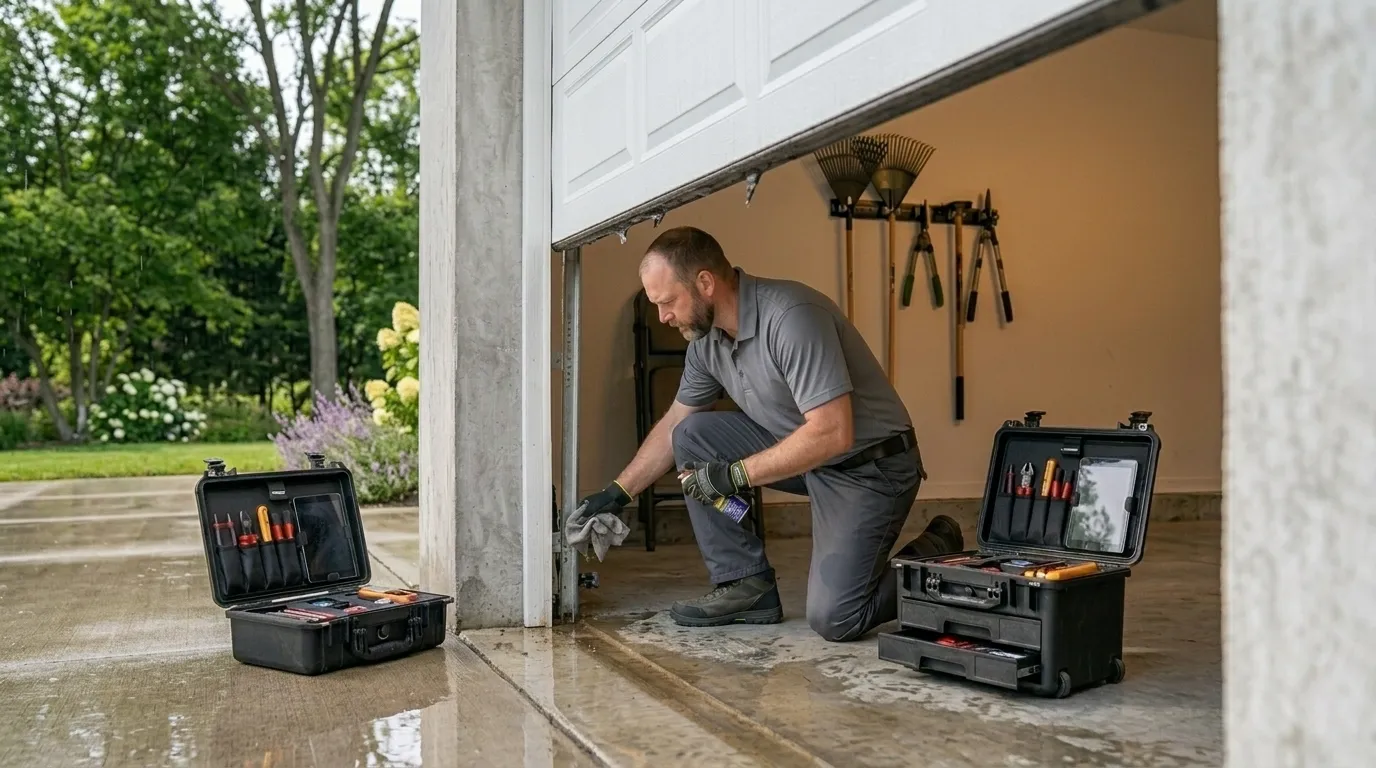
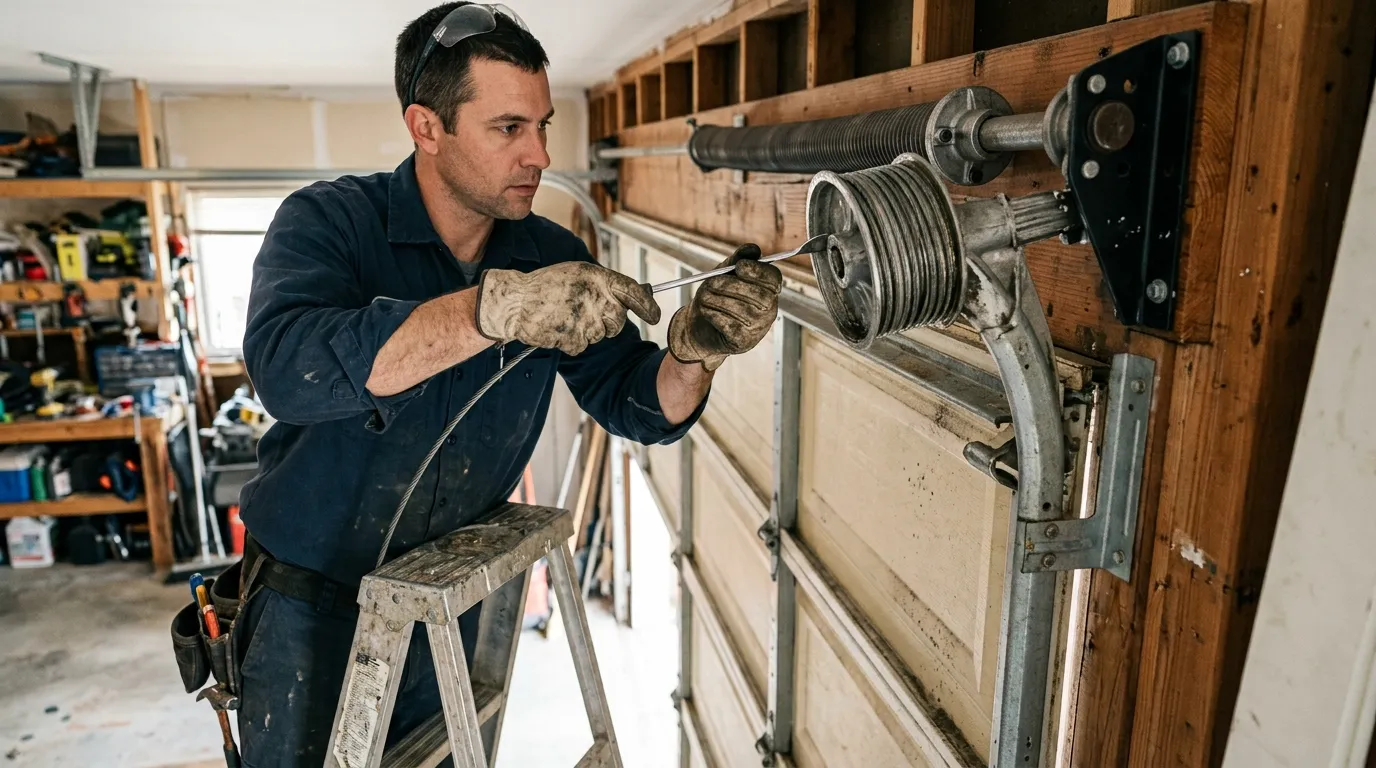
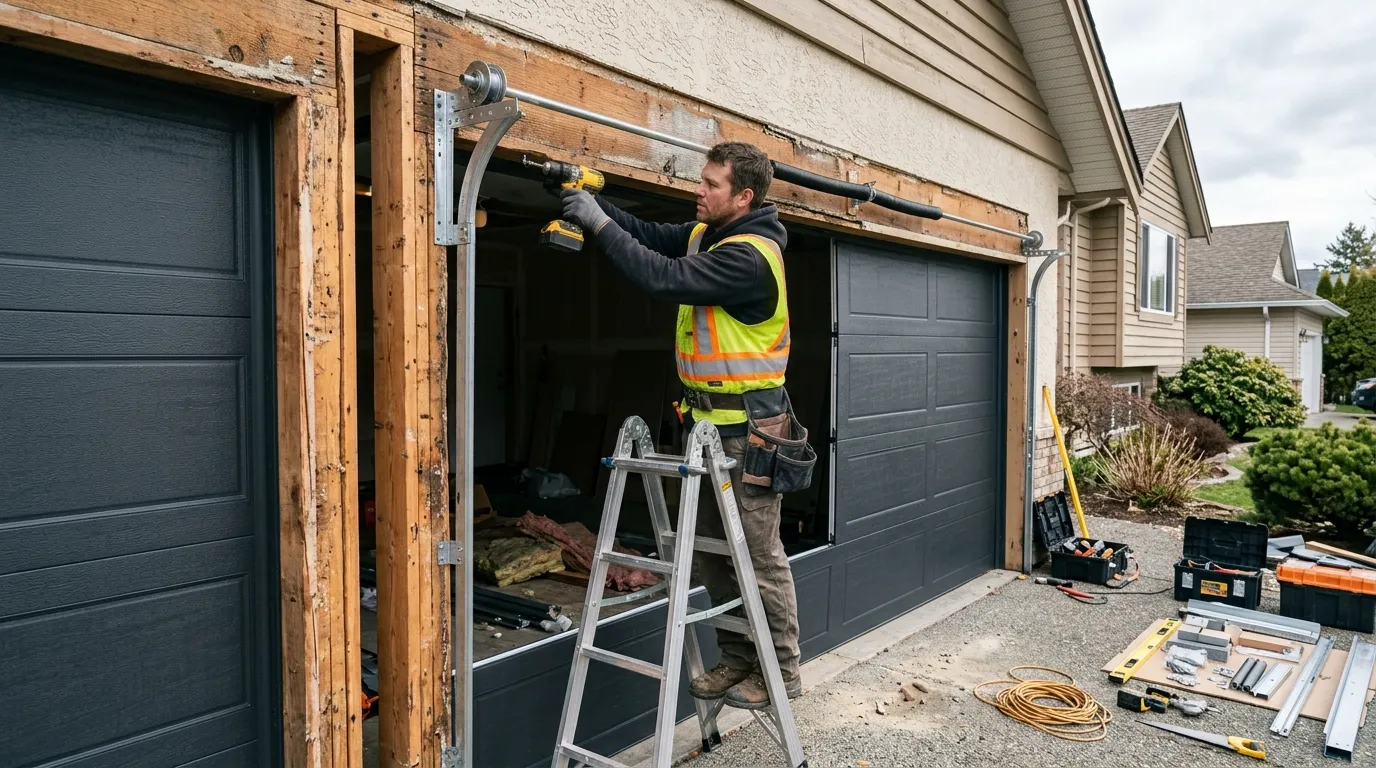
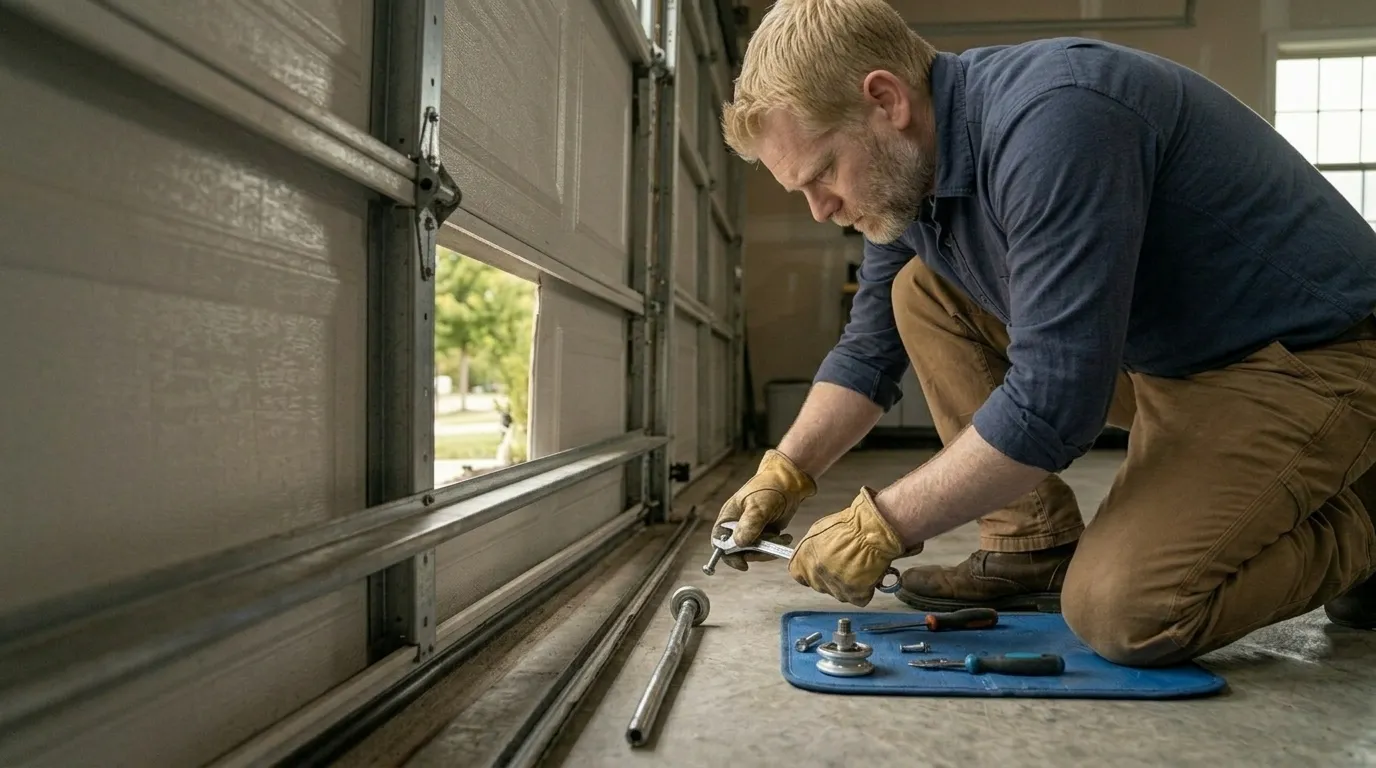
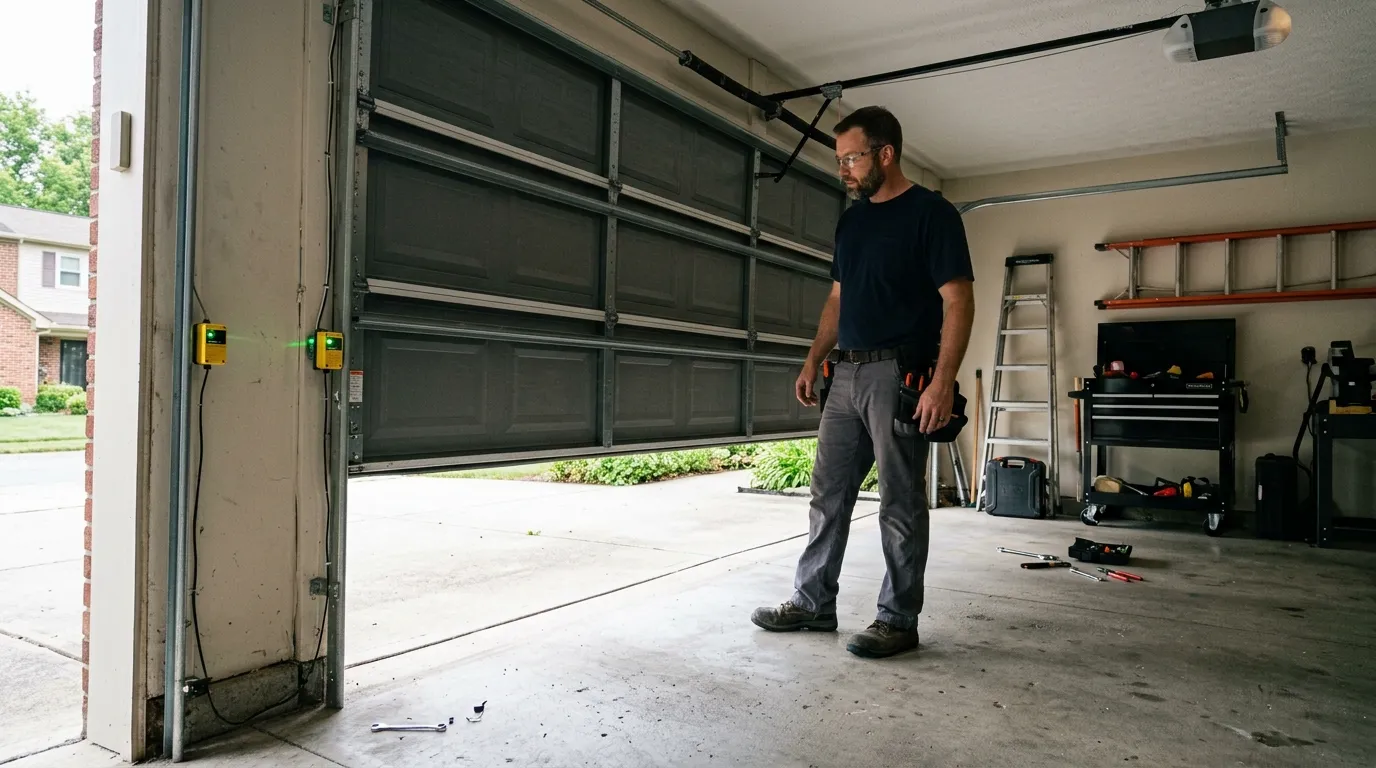
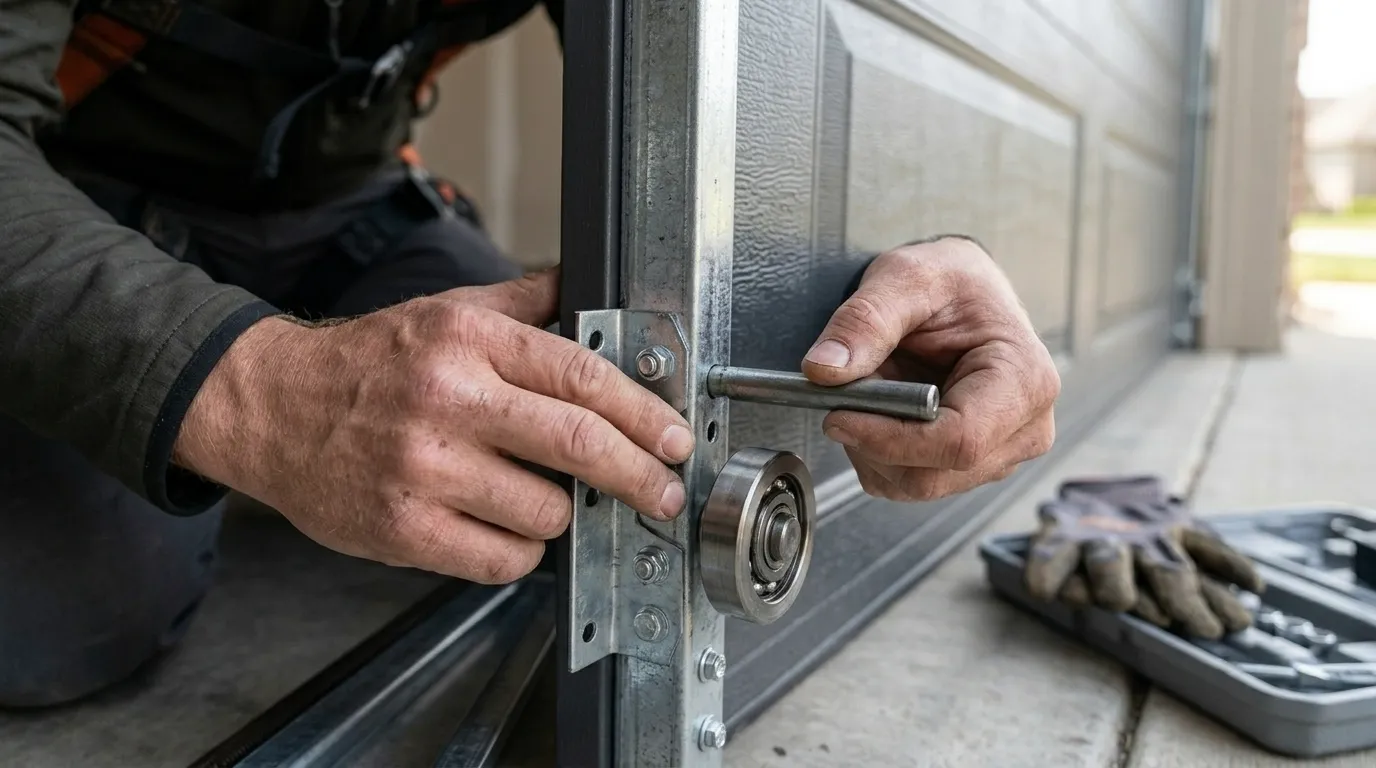
A proper installation starts with pulling the old door and checking the jamb and header for rot or settling - common in housing from the 1938-1994 build range where the wood framing has had sixty-plus years to move. If the opening's square, we set new track, mount springs sized to the door weight (not the old spring left behind, which was often undersized or over-cycled to begin with), and balance the door before the opener ever gets connected. If the framing's out of square, which shows up more often than you'd expect on houses this old, that gets corrected first - hanging a new door on a bad jamb just recreates the same failure in a few years. We test full-cycle operation, check the auto-reverse safety sensors, and walk you through what to expect from a new torsion system versus whatever was on the door before. Most jobs finish in a day; the exception is a custom-width door that had to be special-ordered.
Why It Happens Here
This isn't a generic wear-and-tear story - it's specific to what's in the ground here. Housing across the service area runs 1938 to 1994 with a median build year of 1957, and pre-1960 construction dominates across the 95 named areas we cover, from the rowhouse blocks near out through and Bala Cynwyd. That means most of the garage doors and openers in this area are original or close to it, on hardware never designed for a modern opener's torque or cycle count. Layer on a cold, severe climate band, and you get freeze-thaw cycling on wood panels, ice buildup in track that was never sealed well to begin with, and steel hardware that rusts faster than it would somewhere milder. A door built for a 1957 house in a mild climate was never built for what a Philadelphia winter does to it decade after decade - that's the mismatch we're usually called out to fix.
How it works
From “it’s stuck” to “it’s fixed”
01
Tell us what’s wrong
Describe the symptom - won’t open, loud bang, opener runs but the door won’t move.
02
On-site diagnosis
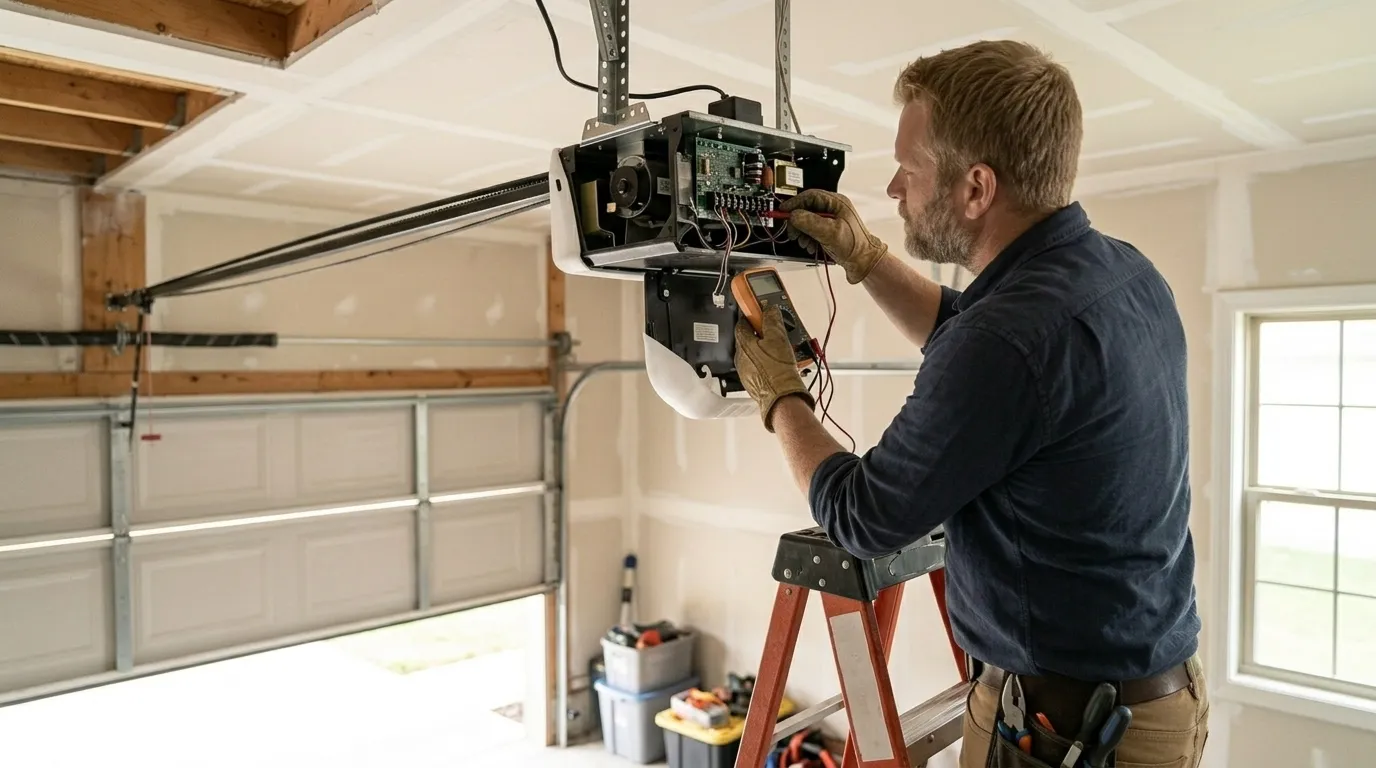
A technician tests the door under power and by hand and finds what actually failed.
03
Clear, up-front plan
You get the fix that’s needed and what drives the cost - before any work starts.
04
Repaired & tested
The repair is done, the door is set true and tested, and the work area left clean.
Serving Philadelphia, PA - tell us what your door’s doing and we’ll take it from there.
Often not, if the house was built before the 1960s. A lot of Philadelphia's older rowhouse and twin garages have openings a few inches off standard width or with limited headroom. We measure before quoting - if it's non-standard, the door usually has to be special-ordered, which adds lead time.
Do I need a new opener with a new door?
Not always. If your current opener is newer than the door and rated for the new door's weight, we can often reuse it. We check torque rating and cycle history during the install and tell you honestly if it's worth keeping or replacing.
How long does installation take?
Most standard-size door installs finish in a single day, including old door removal, new track and spring setup, and full balance testing. Custom-width doors ordered for non-standard openings take longer because the door itself has to be built first.
Can you fix the jamb if it's out of square?
Yes, and on houses from this era it's common enough that we check for it on every install. Framing that's settled or rotted gets corrected before we hang a new door - otherwise the new door fails the same way the old one did.
Ready to get your garage door sorted?
Tell us what it’s doing and where you are in Philadelphia - we’ll take it from there.