What That Means for Doors
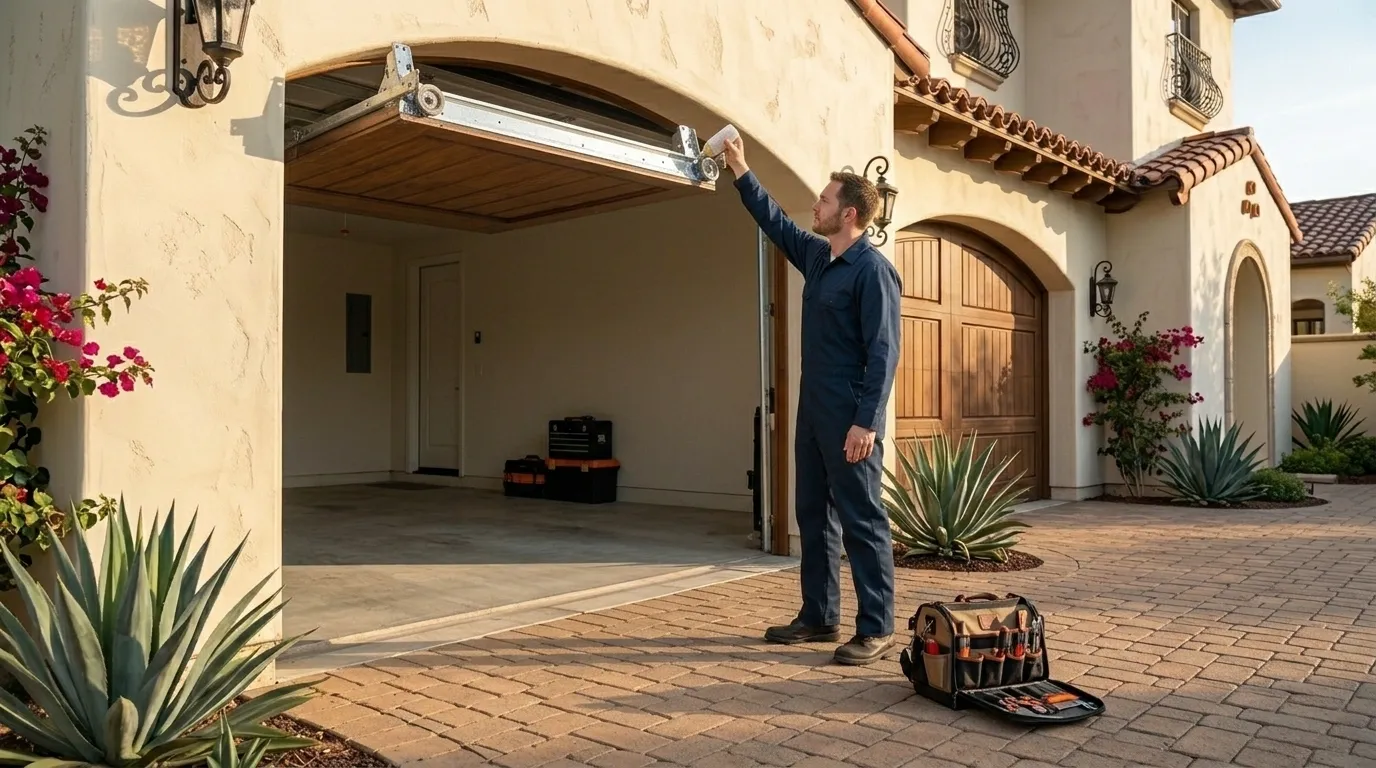
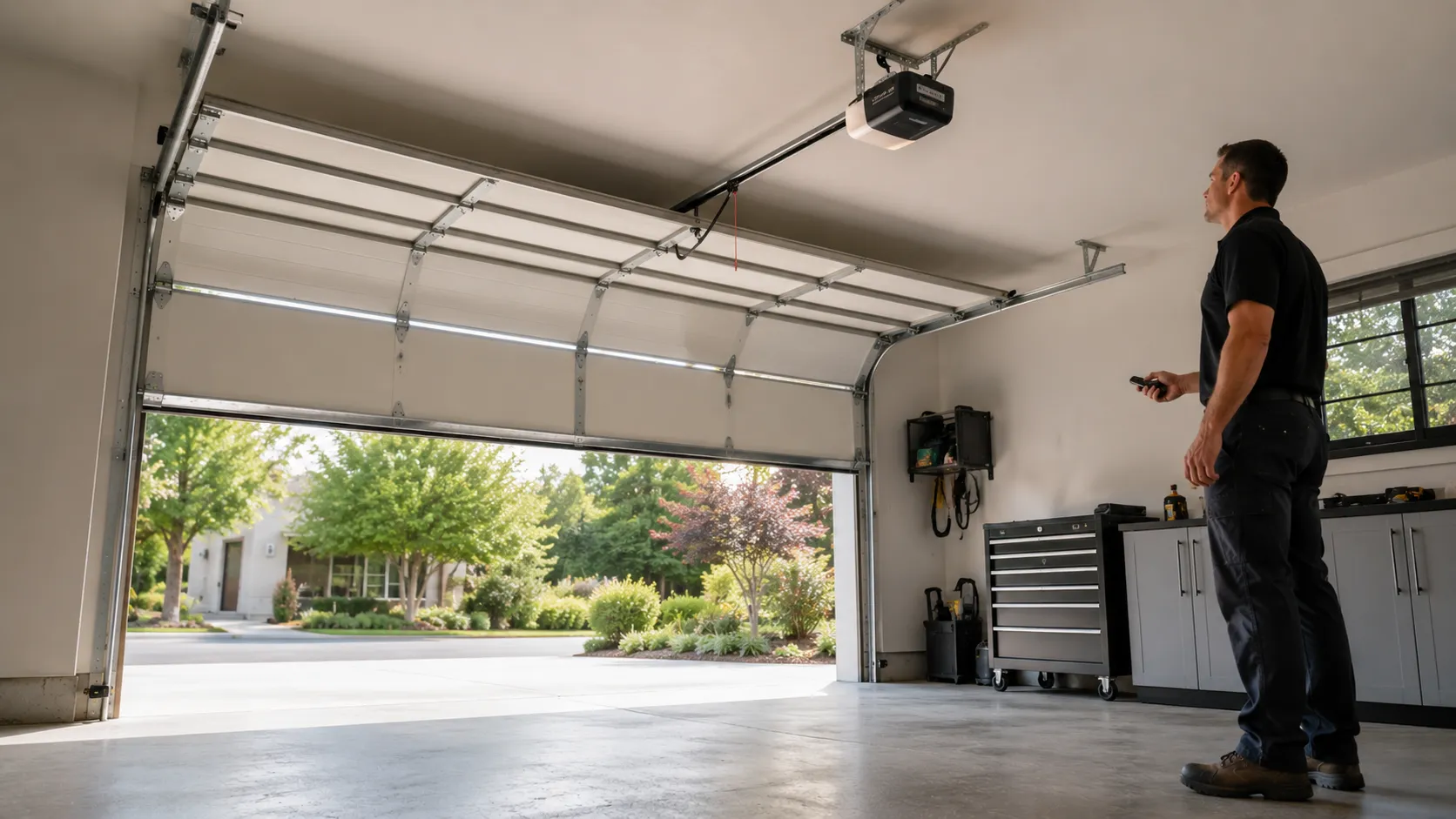
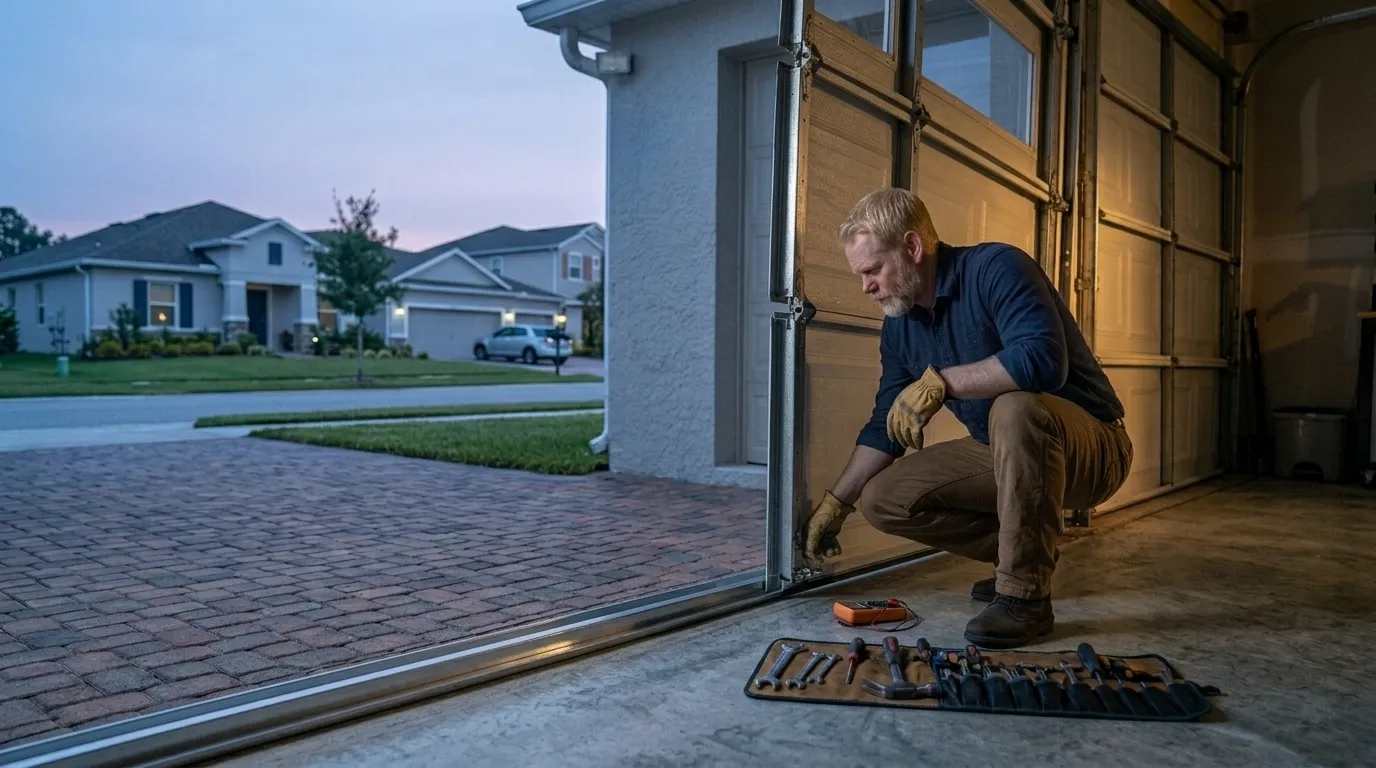
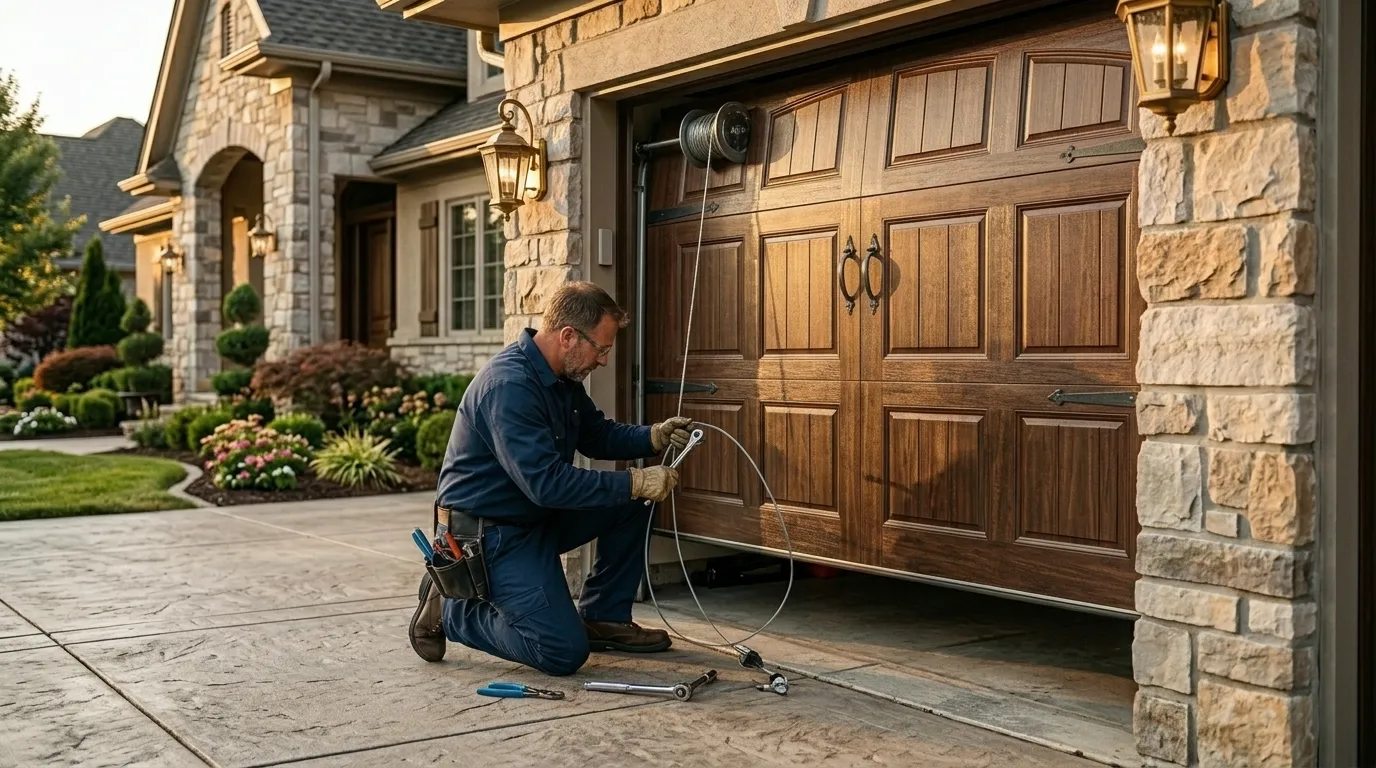
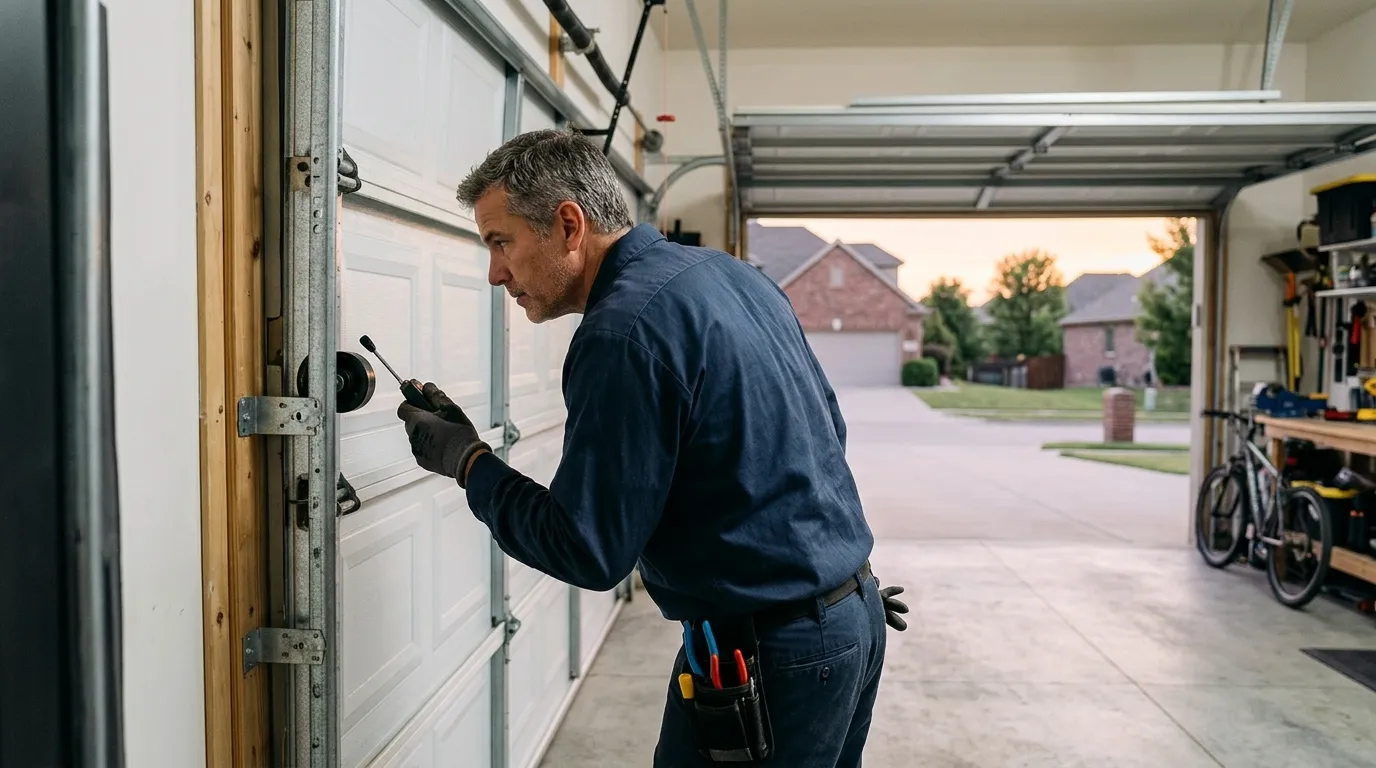
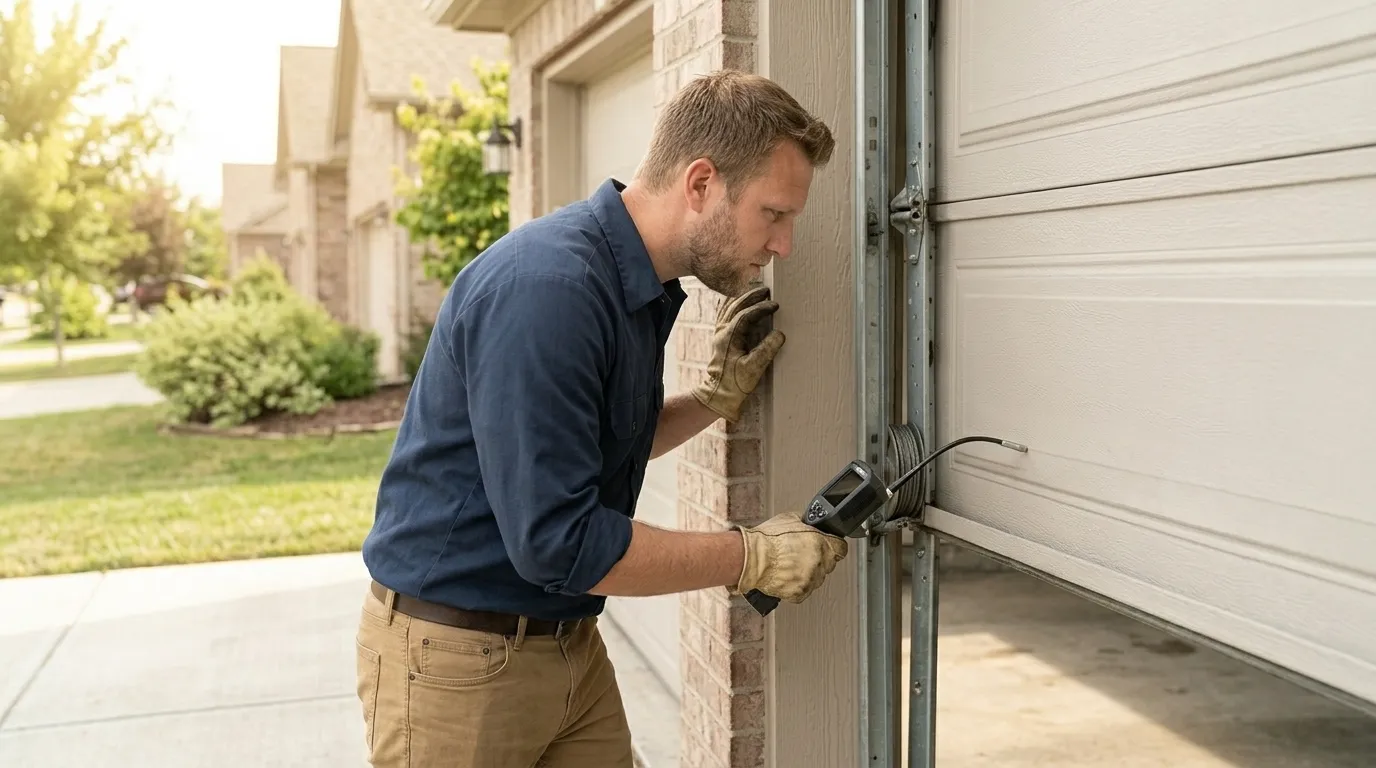
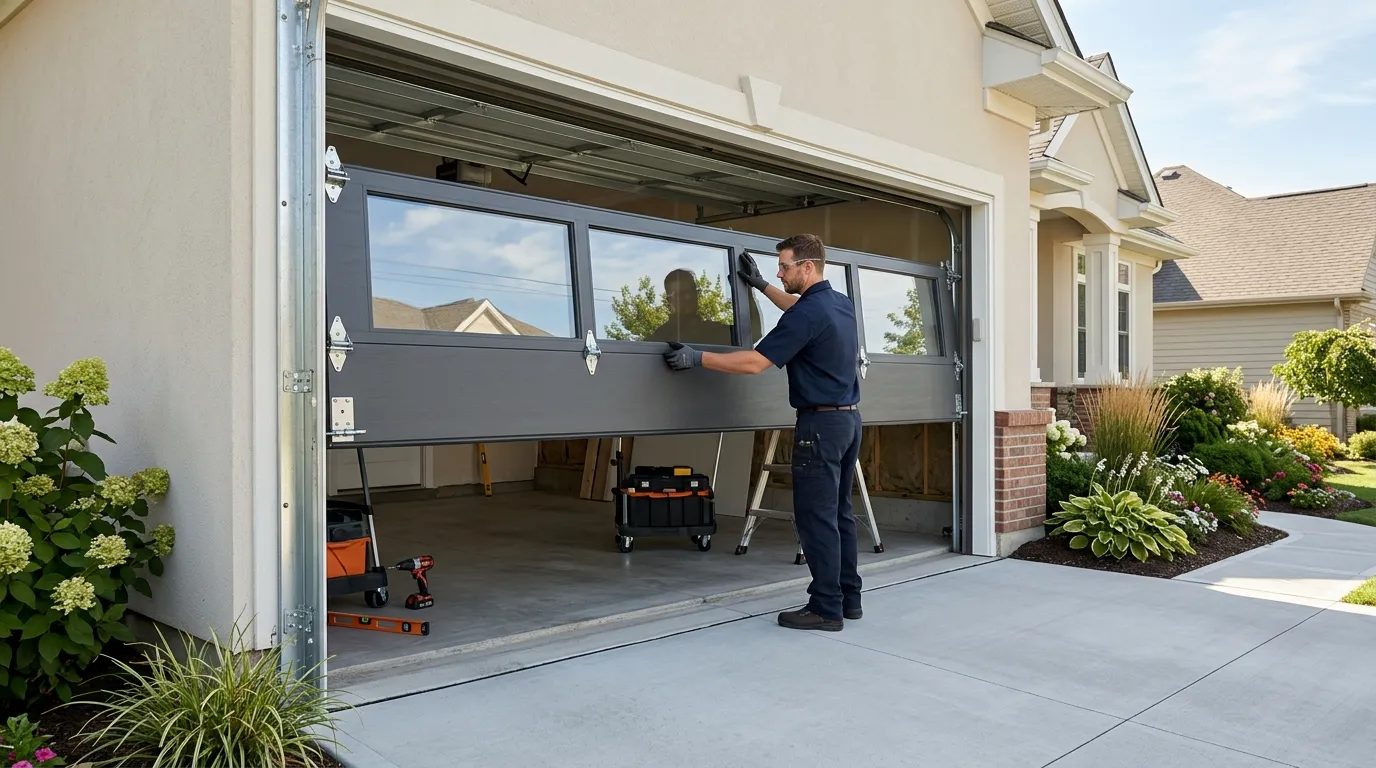
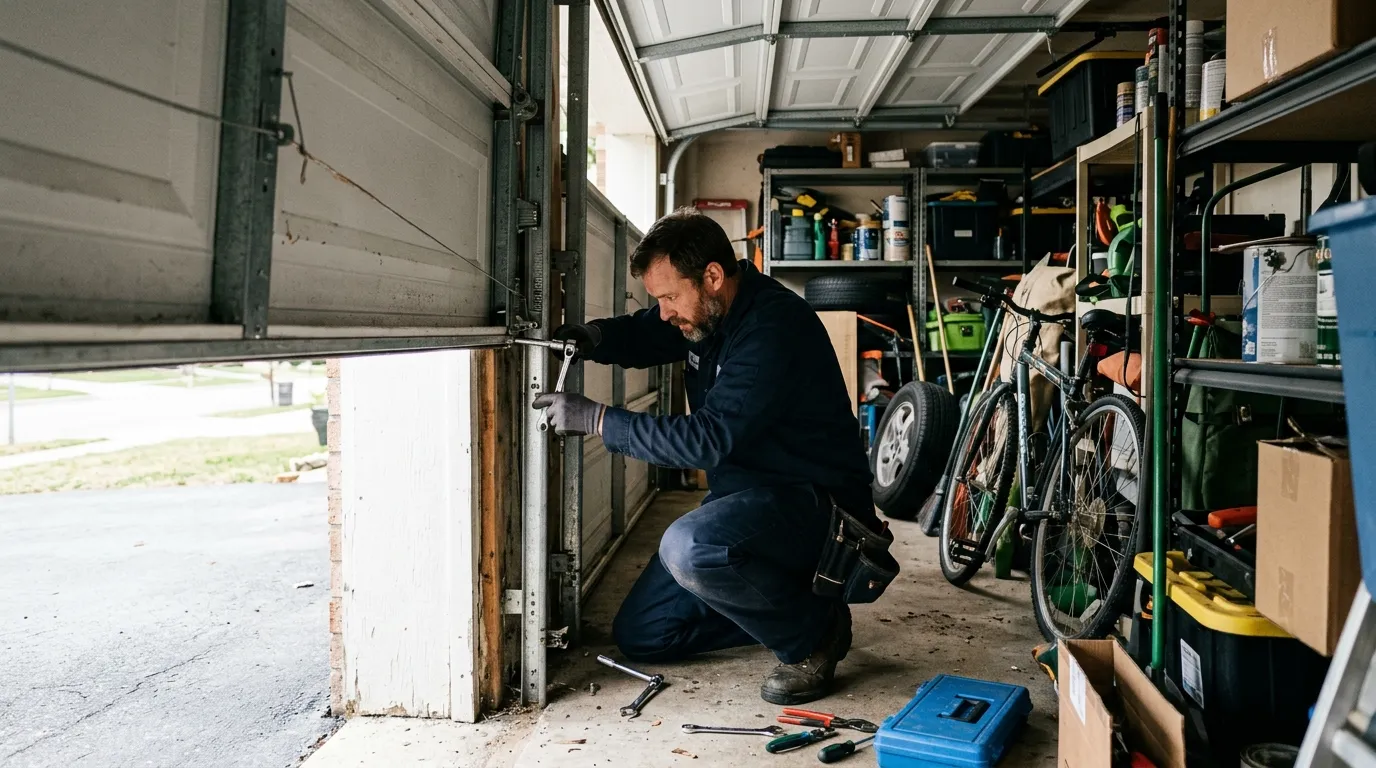
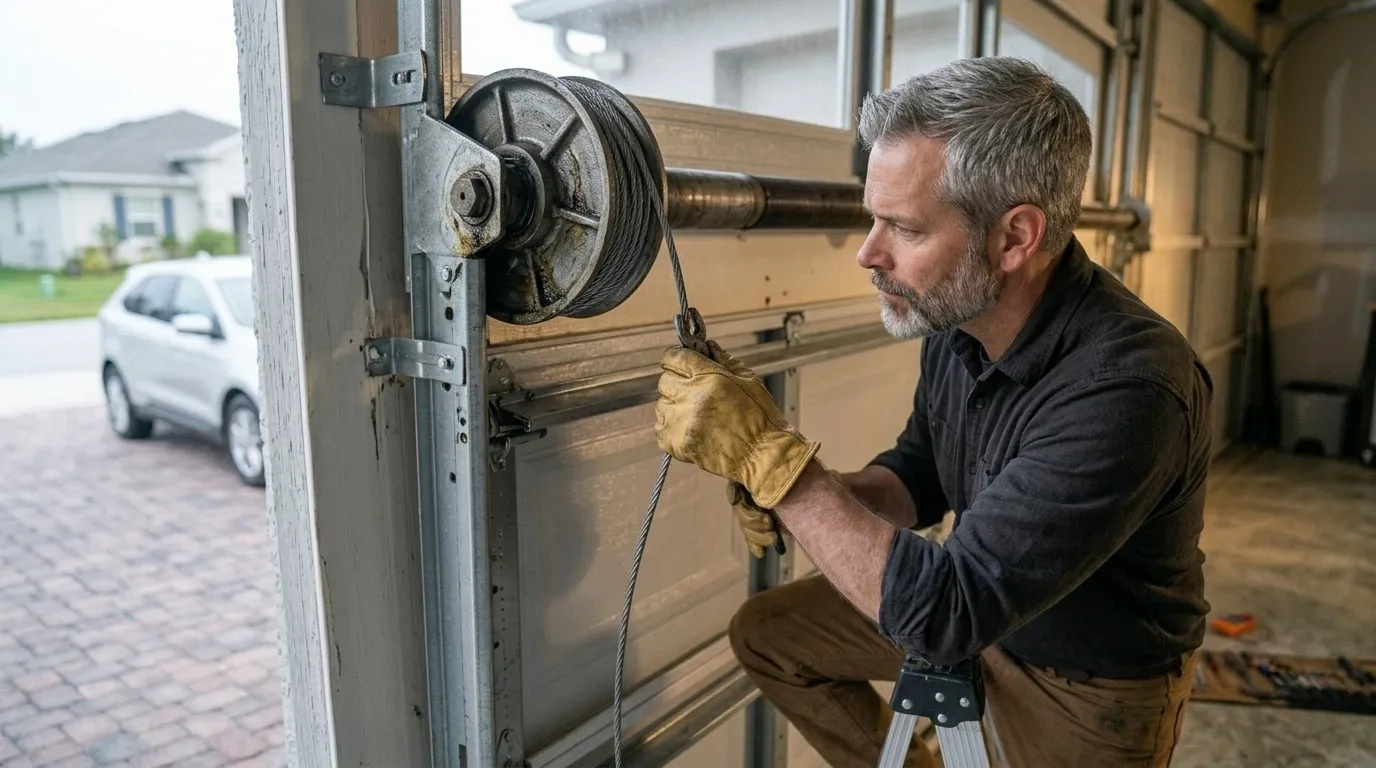
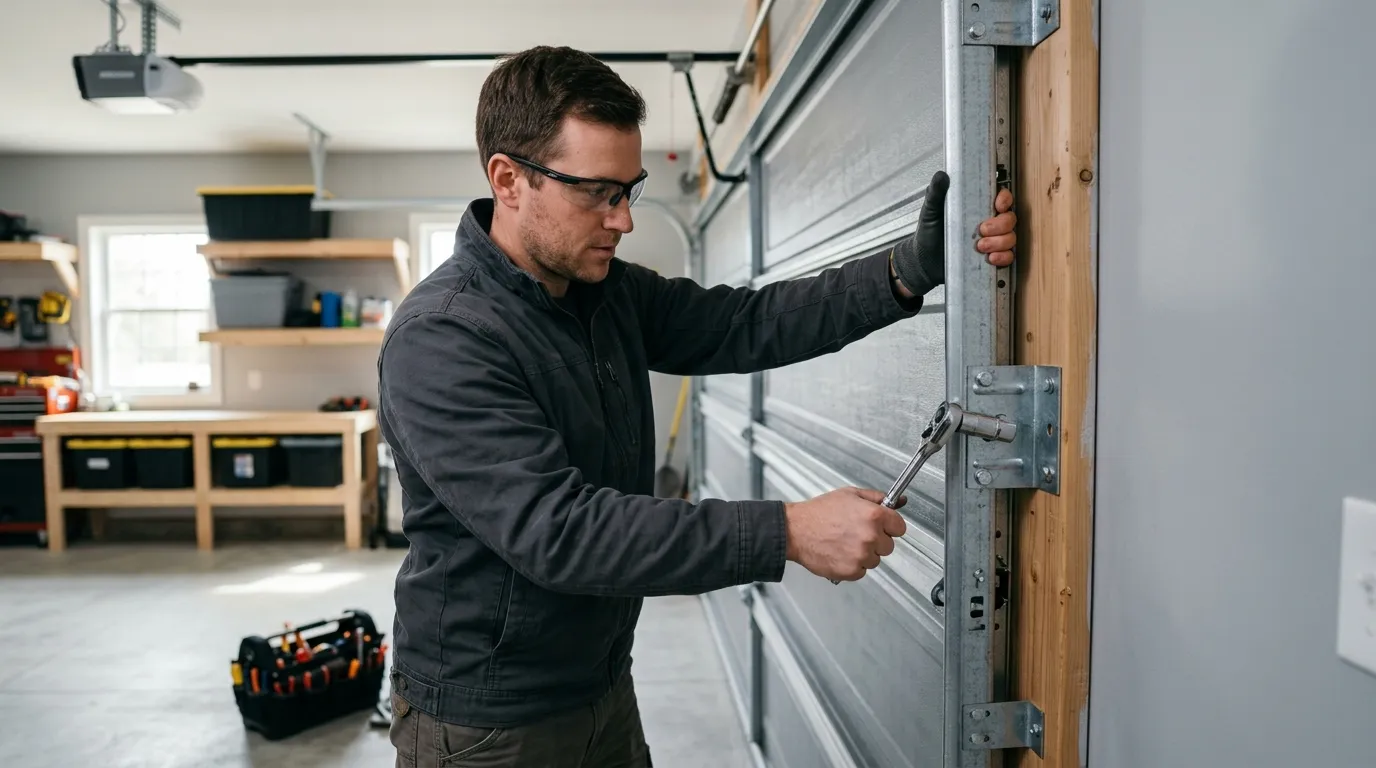
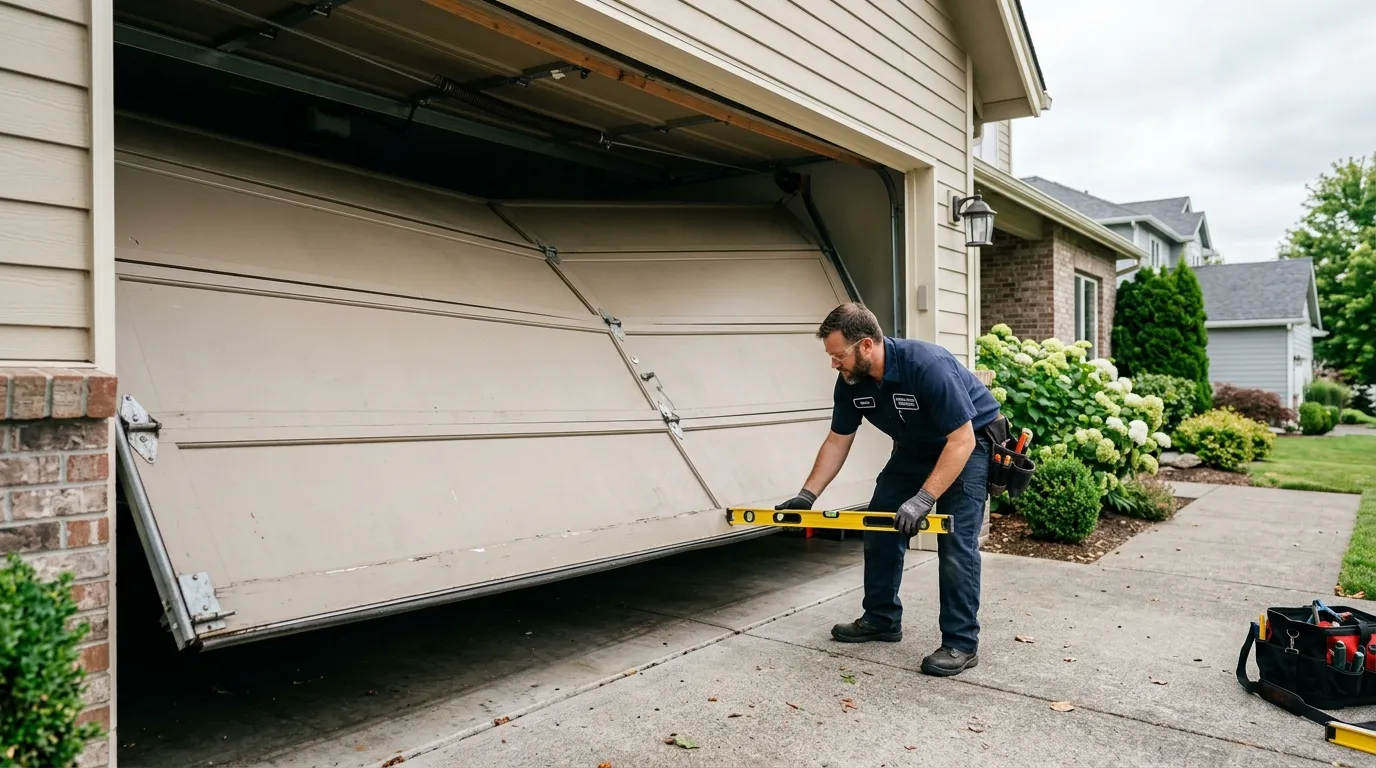
A door built to match a 1950 house is usually a one-piece slab or an early sectional, hung on hardware that predates the parts most suppliers stock new. Springs sized for those doors aren't always a shelf item, and torsion setups from that era were often mounted differently than what goes in today. That means a same-day fix sometimes turns into a same-week fix while the right spring or bracket gets tracked down - we won't pretend a part is in the truck when it isn't. On the flip side, these older doors are simple mechanically. No circuit boards, no photo-eye sensors to chase down, fewer failure points than a modern opener. When the fix is straightforward - a worn roller, a bent hinge, a cable off its drum - it's often quicker and cheaper to repair than replace, and we'll say so rather than push a new door you don't need.
The Houses Here
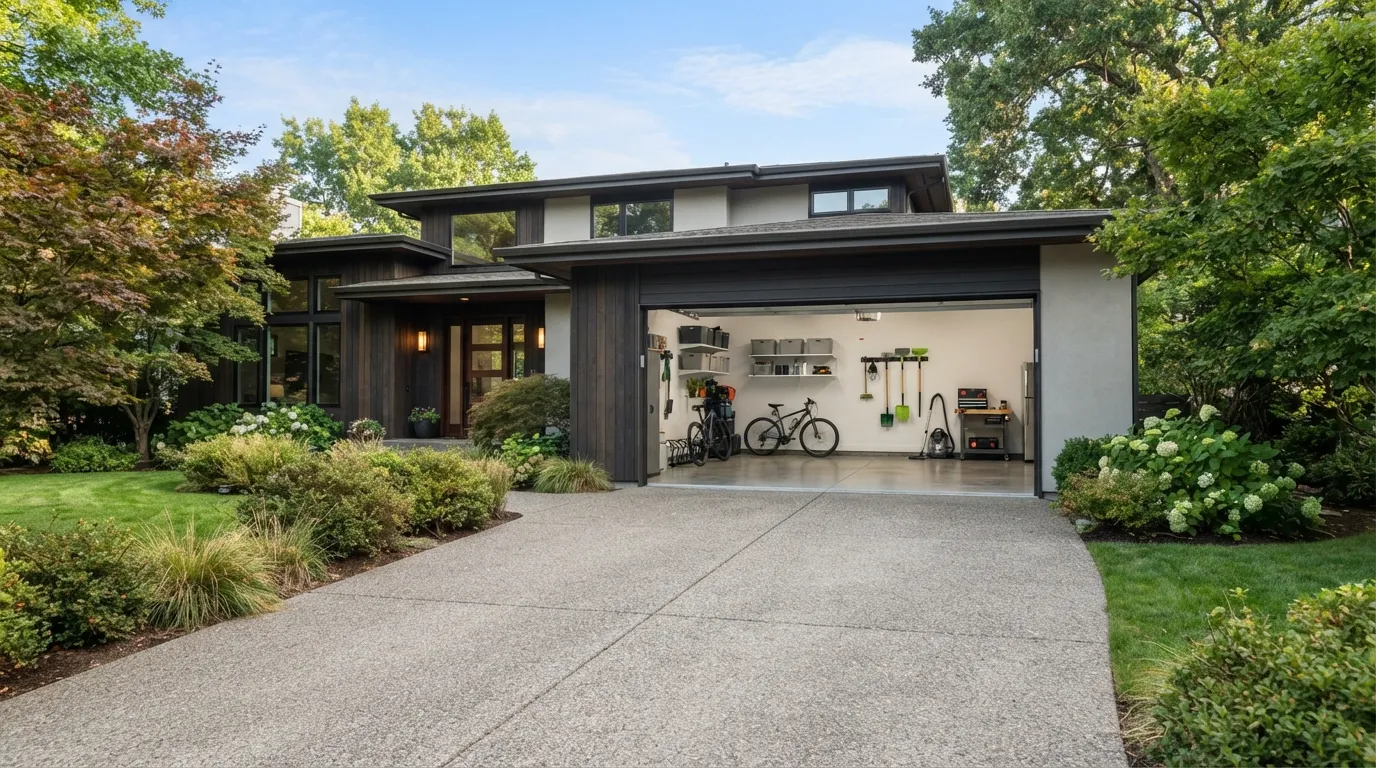
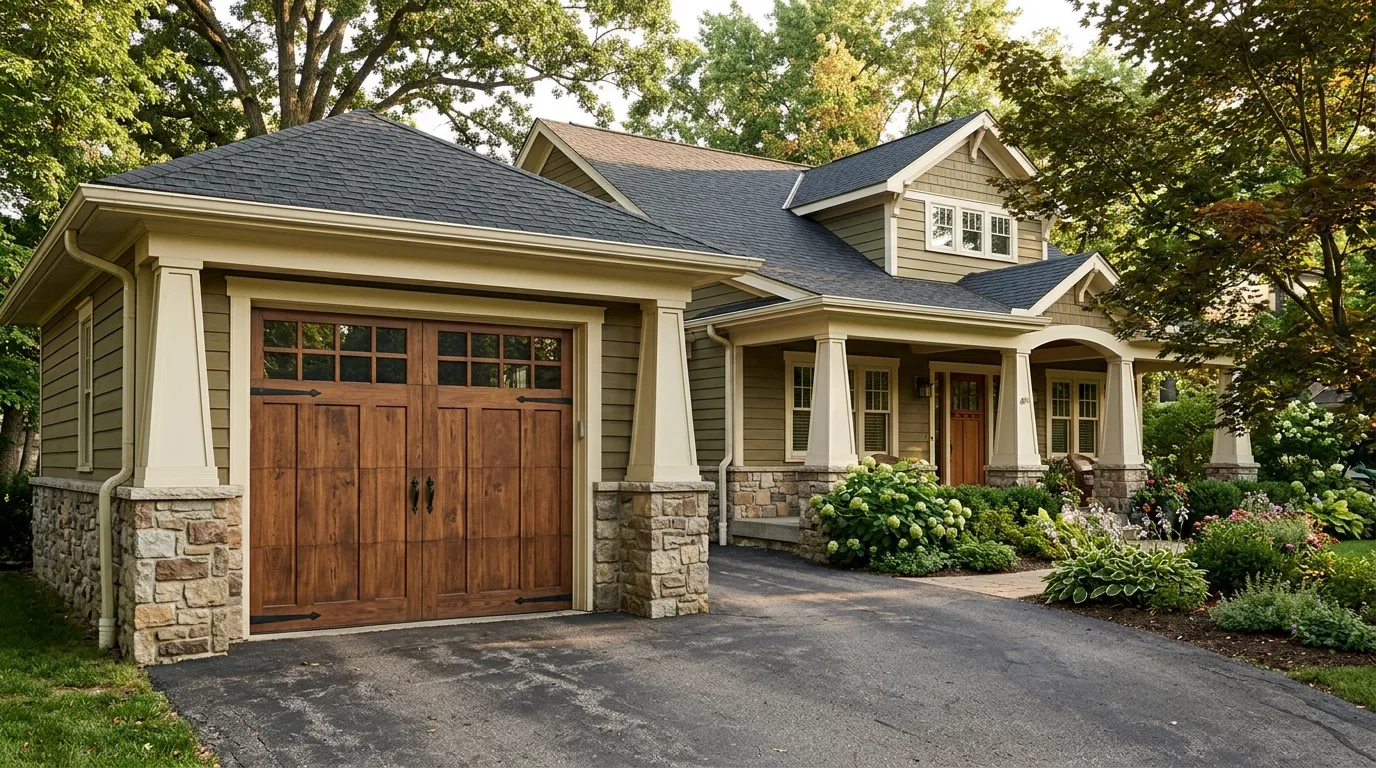
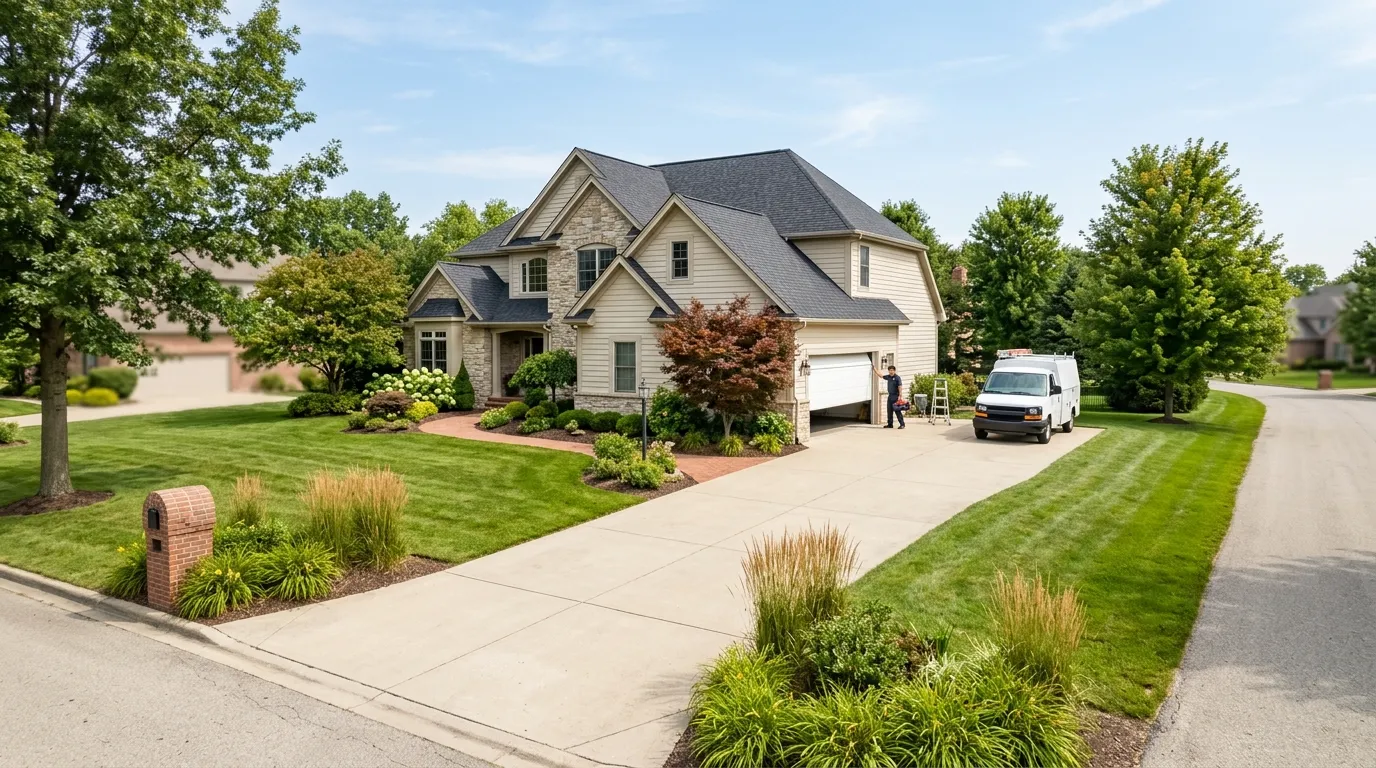
Yeadon's housing sits right at the older end of what we see across this part of the county, where the broader stock runs 1938 to 1994 with a median around 1957 - Yeadon's own median of 1950 puts it ahead of that curve, not behind it. Garages built into or alongside a 1950 house tend to be narrower, sometimes with less headroom for a modern torsion tube, which changes what hardware actually fits. Household income here runs $57,336, noticeably below the wider service area's $109,706 median, and that's part of why we lead with repair options before we quote a full replacement - a new door isn't always the right call when the opening and framing are original and sound. This isn't unique to any one street in Yeadon; it's the pattern across a town where most of the housing predates 1960.