Serving Philadelphia, PA & nearby
(267) 430-8692
Philadelphia, PA

What Actually Happens During a Philadelphia Service Call

A look at what a Philadelphia garage door service call actually checks, tied to the city's pre-1960 housing stock and cold-climate wear on springs, track, and hardware.

What Actually Happens During a Philadelphia Service Call

What Local Conditions Do

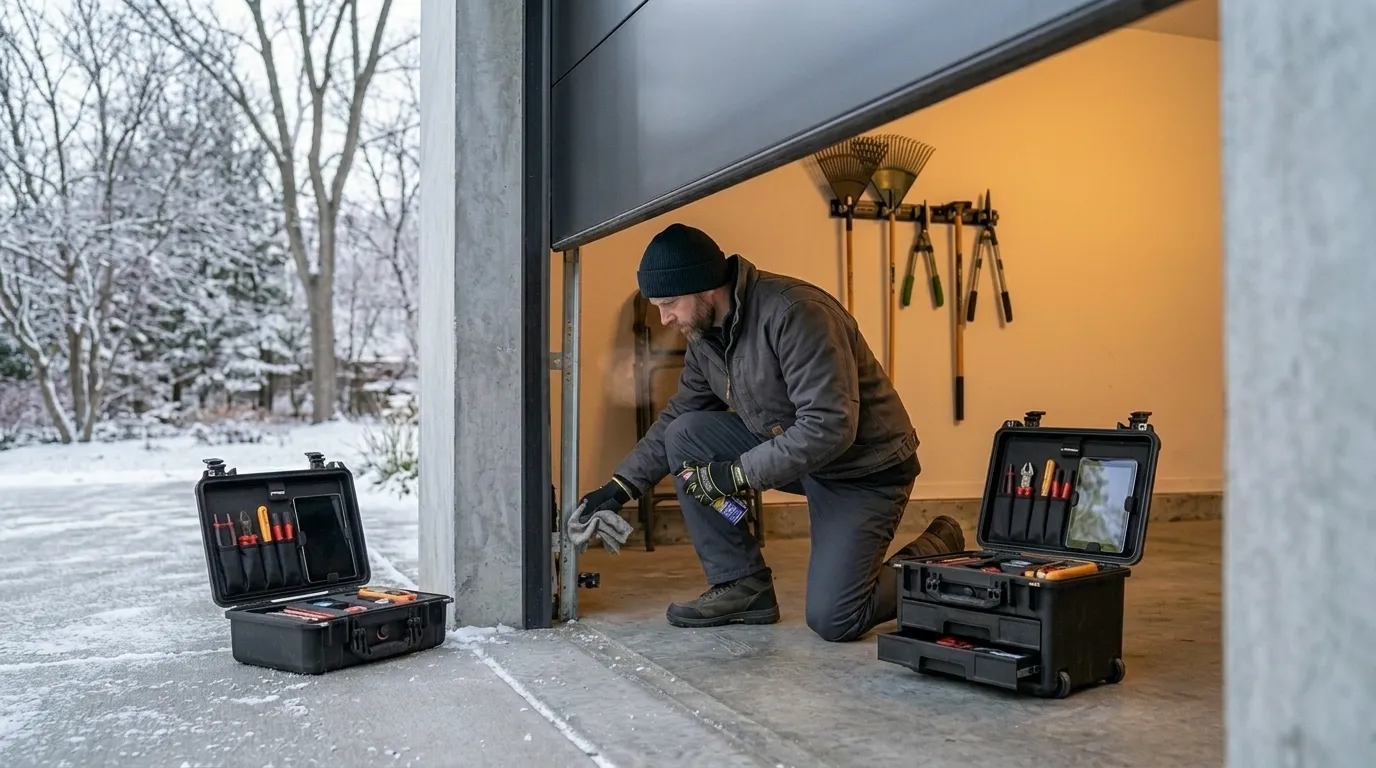
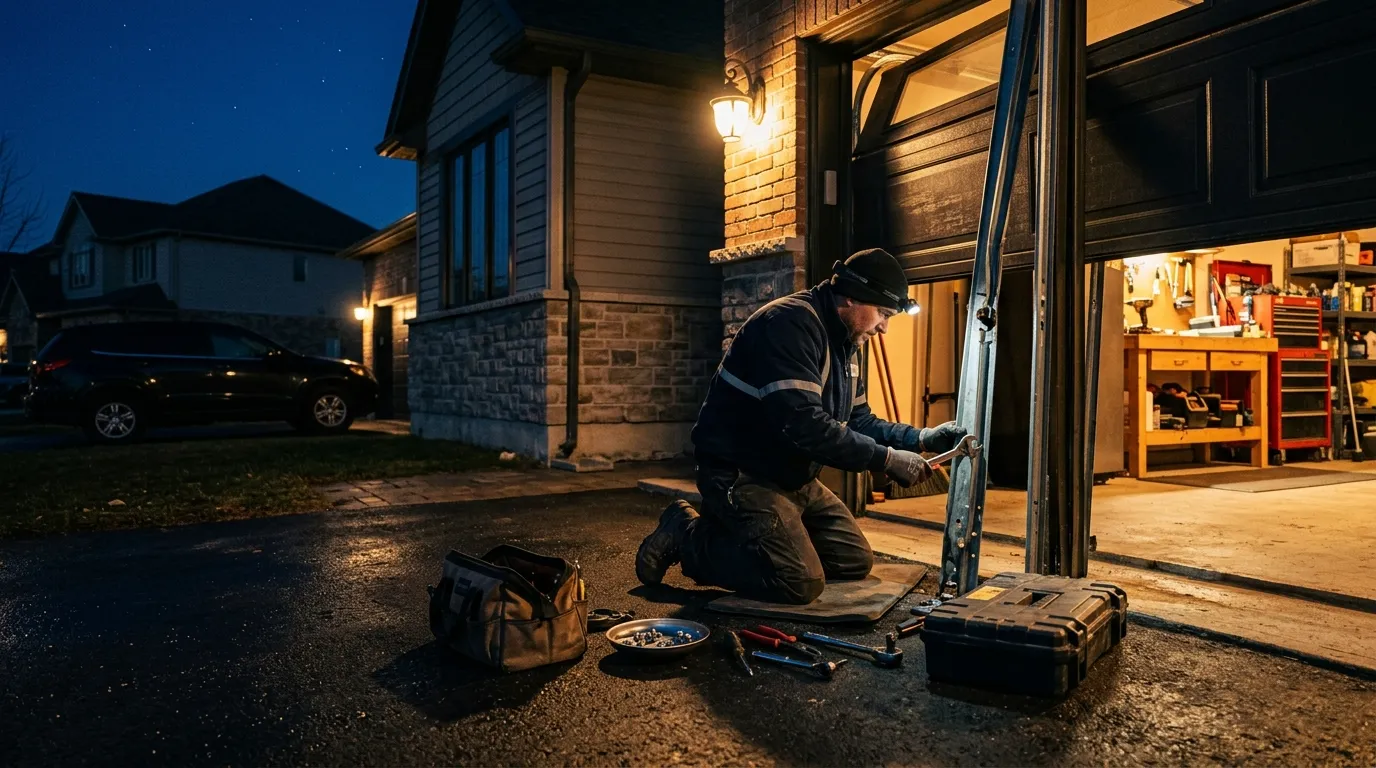
Most of the housing in this part of Philadelphia went up between 1938 and 1994, with a median build year around 1957. That matters on a service call because a door built for a house from that era is often running on hardware nobody has updated since - steel that's had six-plus decades of Philadelphia winters to work on it. The region sits in a severe cold climate band, and cold does specific things to a garage door system: torsion springs lose tension faster through repeated freeze-thaw cycling, steel tracks contract enough to throw rollers out of alignment, and old lubricant thickens up until an opener is straining against friction instead of a smooth roll. A service call in this city isn't a generic once-over. The tech is checking for the wear pattern that decades-old steel develops in this specific climate, on a door that was likely installed under a building code and hardware standard from the Eisenhower era, not last year's.

What Is Going On

Across the 95 named areas that make up this service territory - from a mile or two out to ten miles off - the housing stock skews pre-1960. That's not a minor detail. A pre-1960 garage, if it has one at all, was often added or retrofit later, which means non-standard opening sizes, older mounting brackets, and spring systems sized for lighter doors than what's on them now. On a service call, the first ten minutes are spent figuring out what's actually installed before touching anything, because two houses on the same block in can have completely different setups depending on when the garage went. This is also a market with a median household income of $109,706 across roughly 409,216 households, which shows up less in what people can afford and more in what they expect: a full explanation of what's worn, what's failing, and what can wait, rather than a part swapped and an invoice left on the counter.

What Most People Get Wrong

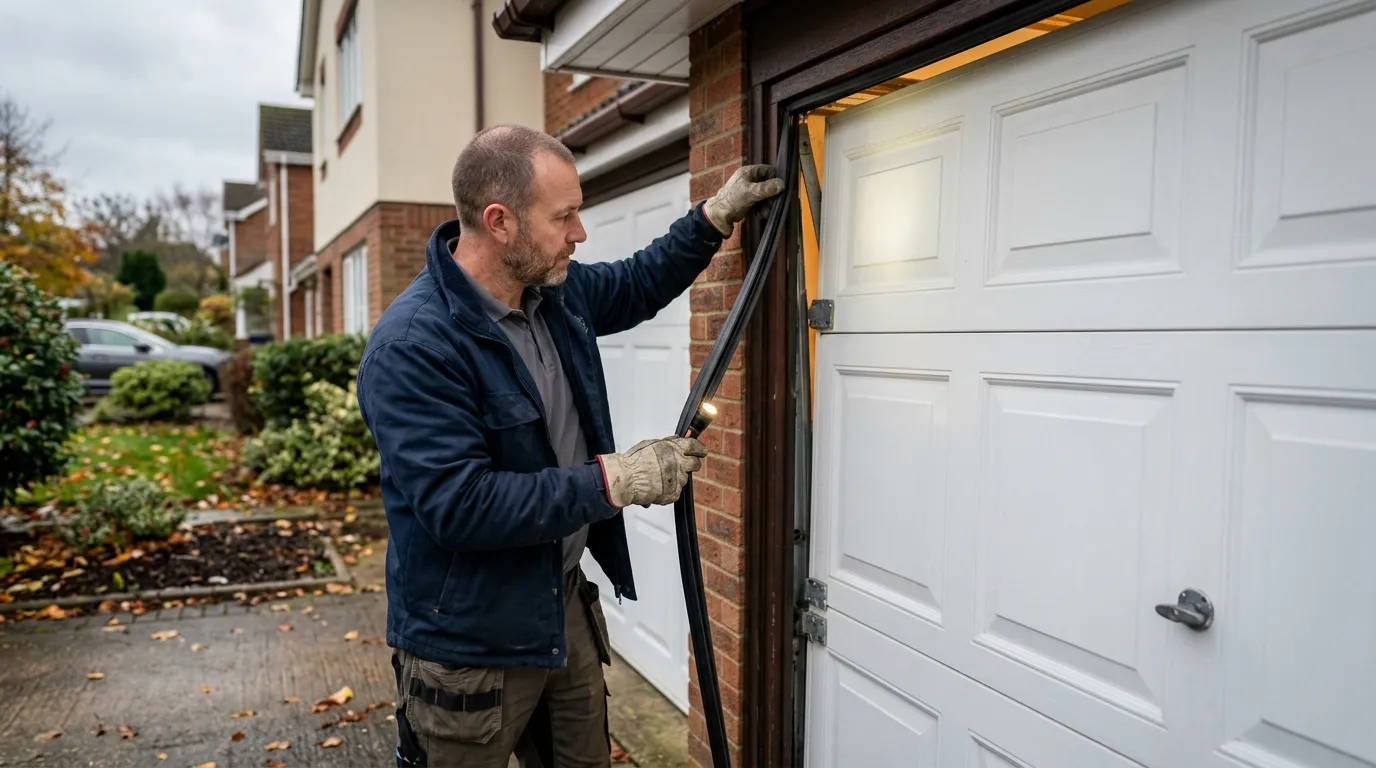
The most common mistake is assuming a noisy door needs a new opener when the actual problem is track alignment that's shifted with age - a wood-frame house from the 1940s or 50s settles over decades, and the track brackets don't always move with it evenly. In a cold-climate city like this, the second mistake is ignoring how much winter stiffens a torsion spring's response; a door that lifts fine in August can bind hard in January, and owners read that as the opener dying rather than the spring losing calibration in the cold. Homeowners in areas like sometimes ask for a full opener replacement when a lubrication and alignment pass on old hardware would have solved it. We won't sell a replacement opener to fix a track problem - that's a repair, not an upgrade, and saying otherwise just moves the same bad hardware onto a newer motor.

Leaving It Alone

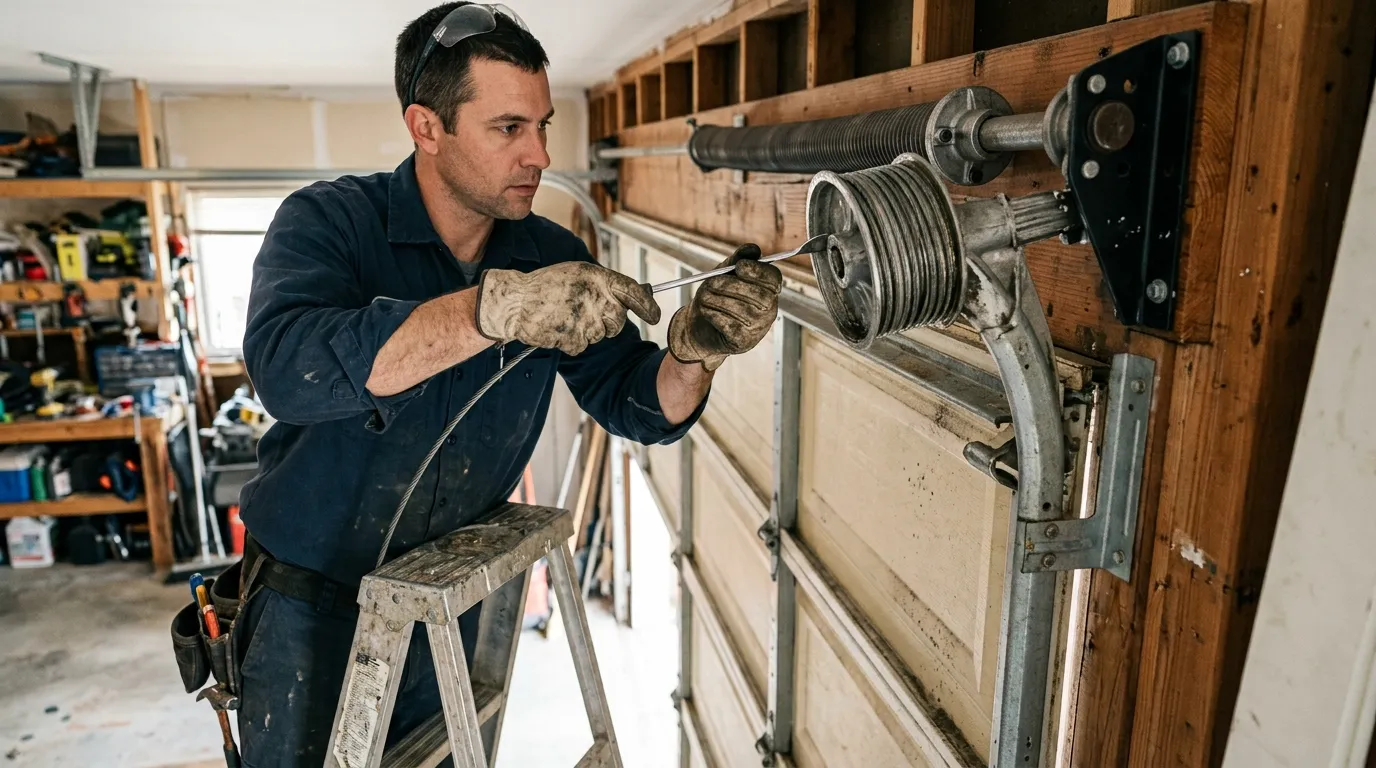
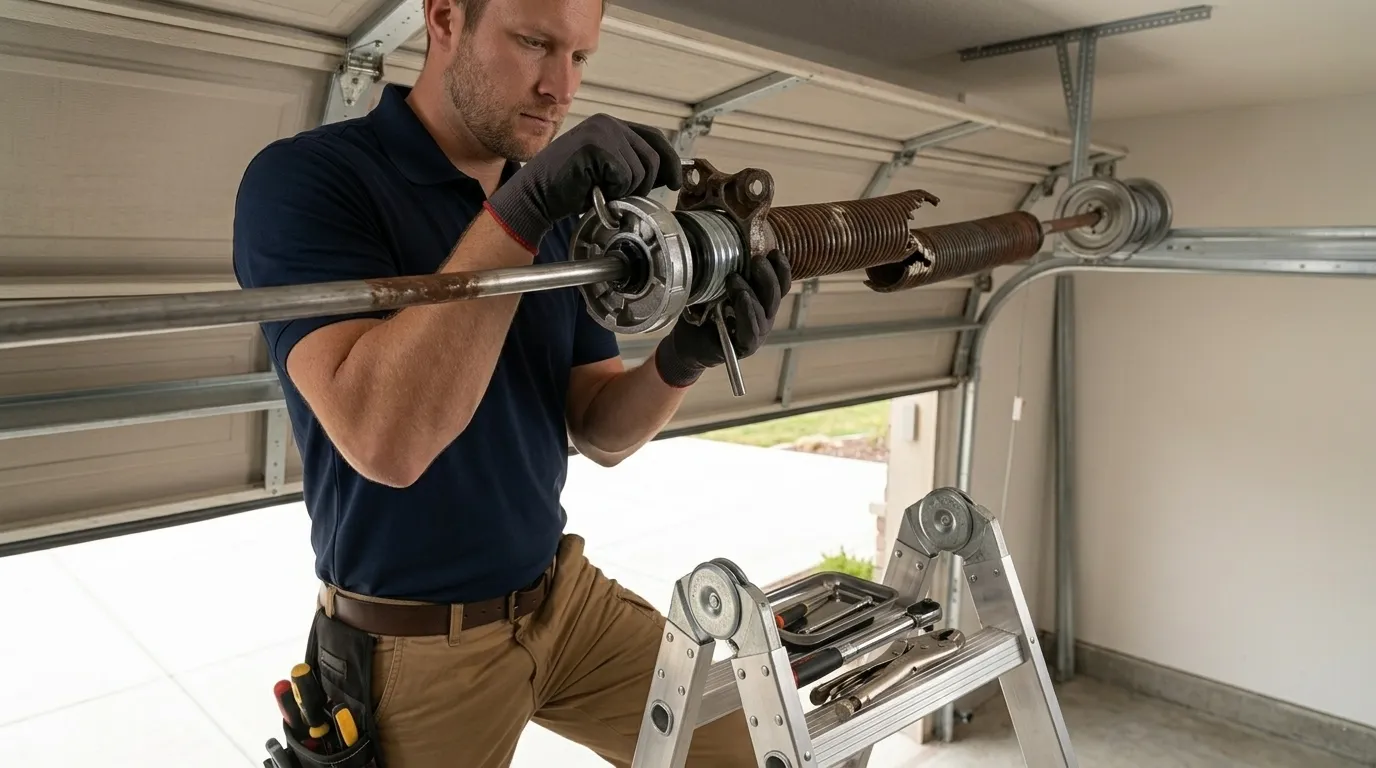
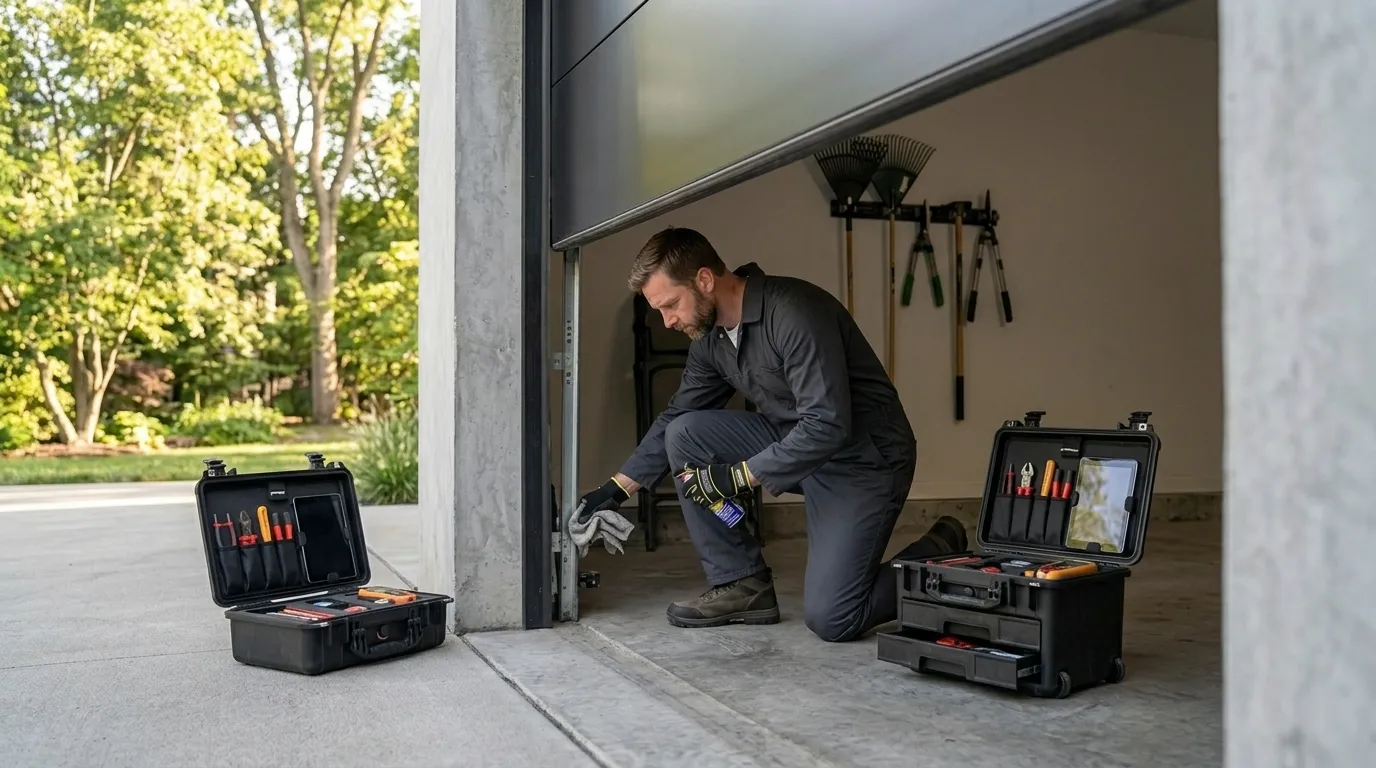
Not every worn part needs a same-day fix. A slightly noisy roller on a door that still opens and closes true can often wait for a scheduled visit rather than an emergency call, especially once the cold months set in and scheduling tightens across the service area. Where we draw the line is the spring: on a door built to older hardware standards, common in a housing stock this old, a spring that's visibly stretched or has a gap in a coil is not a wait-and-see item, because a torsion spring under tension is the one part on the door that can cause real injury when it lets go. The honest limit here is that we don't guess at spring condition over the phone - it needs eyes on the coil, in person, before we'll tell an owner it's fine to leave alone.

How it works

From “it’s stuck” to “it’s fixed”

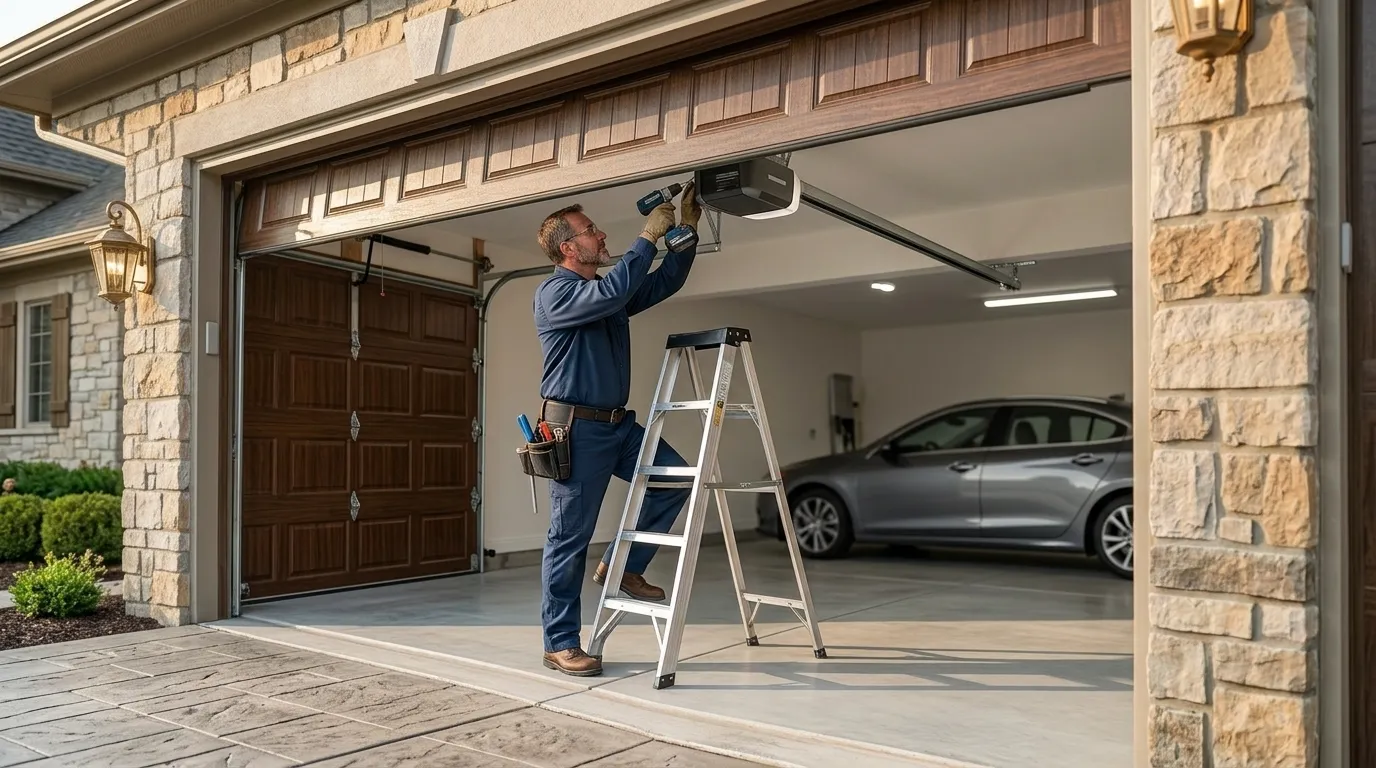
Tell us what’s wrong - Philadelphia garage door service

Tell us what’s wrong

Describe the symptom - won’t open, loud bang, opener runs but the door won’t move.

On-site diagnosis - Philadelphia garage door service

On-site diagnosis

A technician tests the door under power and by hand and finds what actually failed.

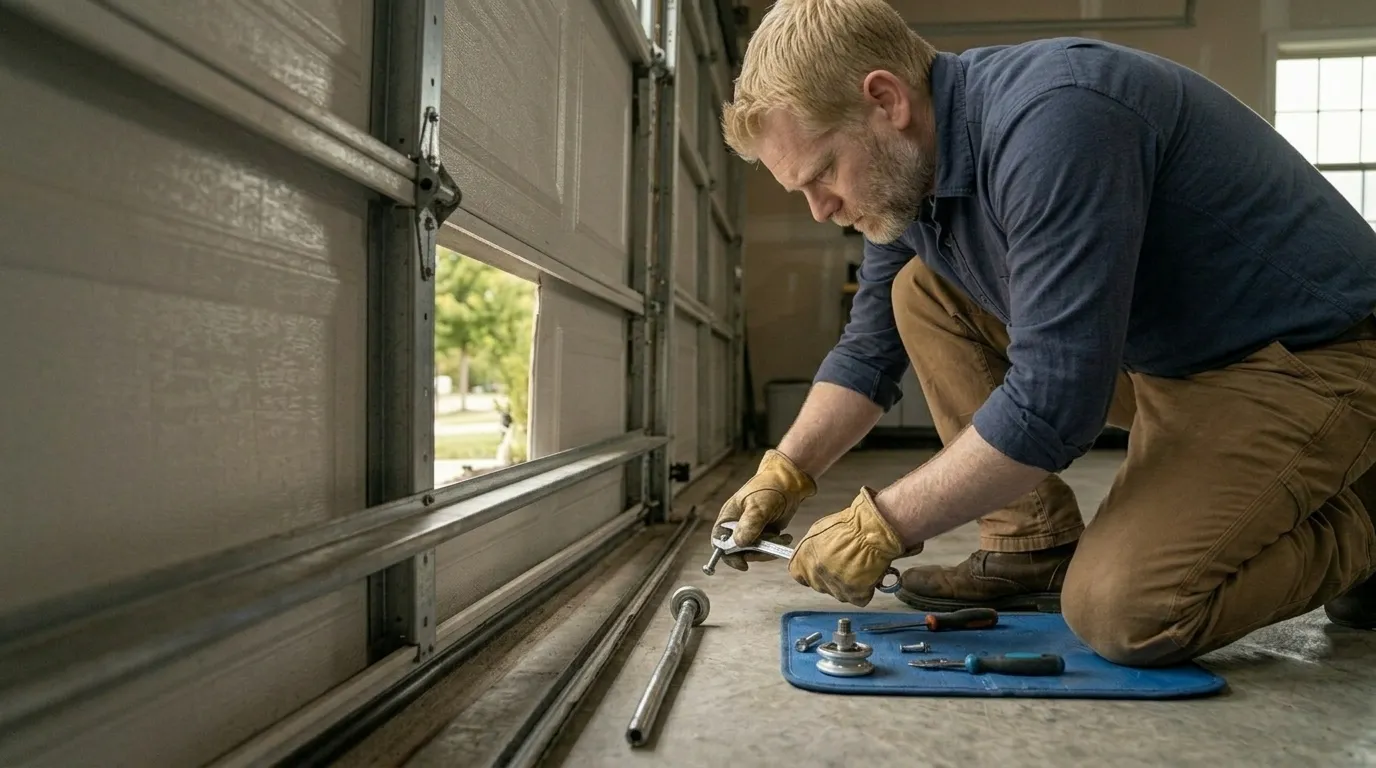
Clear, up-front plan - Philadelphia garage door service

Clear, up-front plan

You get the fix that’s needed and what drives the cost - before any work starts.

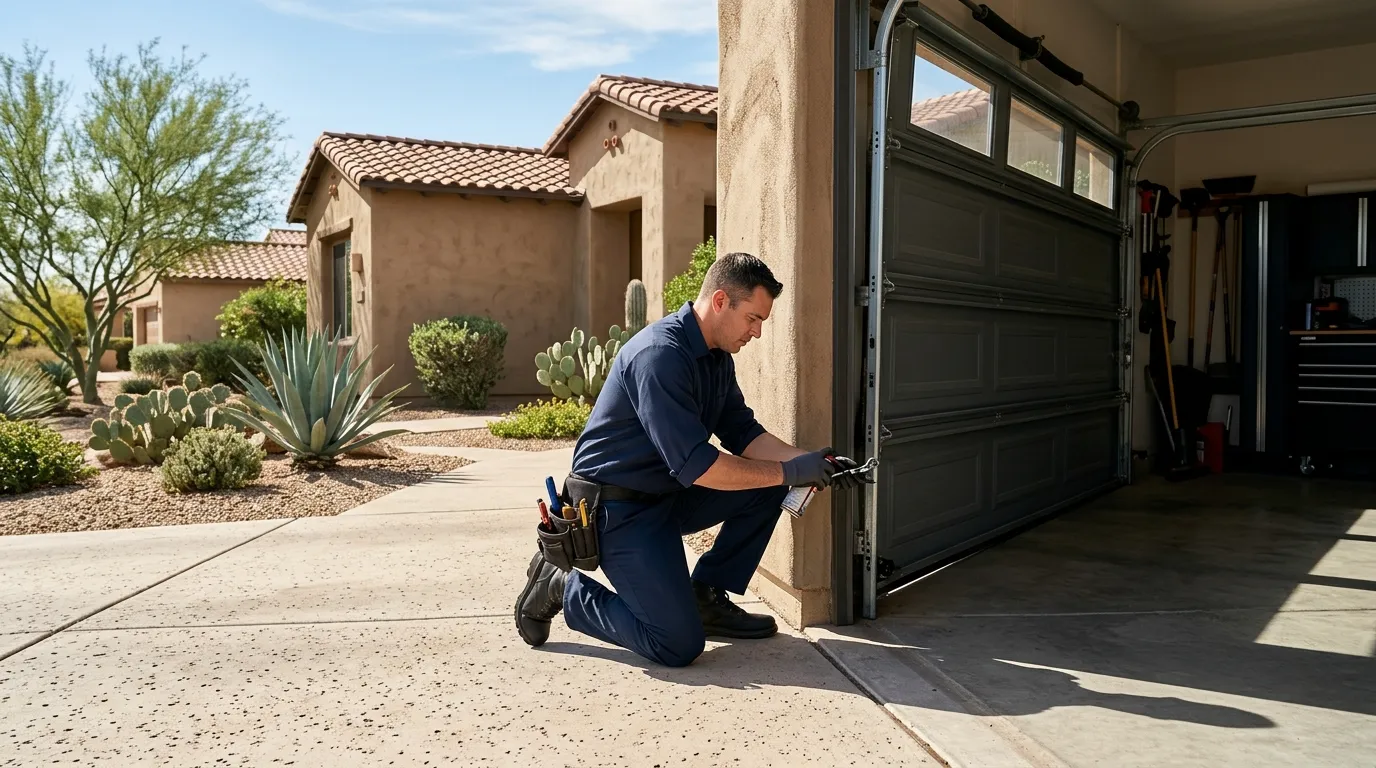
Repaired & tested - Philadelphia garage door service

Repaired & tested

The repair is done, the door is set true and tested, and the work area left clean.

Serving Philadelphia, PA - tell us what your door’s doing and we’ll take it from there.

How we work

What to expect

Diagnosis first

Every visit starts by finding what actually failed - not a pre-written parts list.

The right part for the door

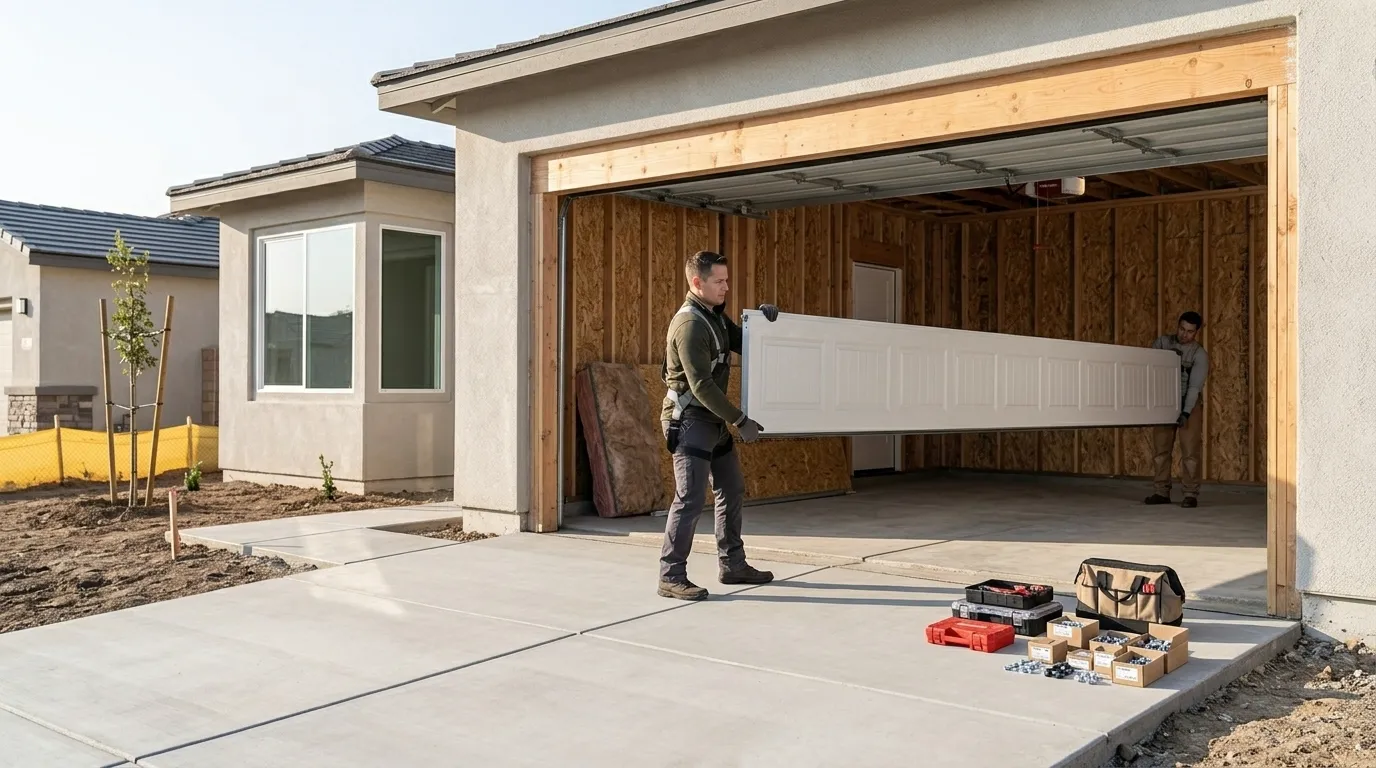
Springs and openers matched to the door’s weight and age, so the fix holds up.

Straight answers

When a repair makes more sense than a replacement - or the reverse - you hear it plainly.

Clean, careful work

Tension released safely, hardware set true, the door tested under power before we leave.

What we do

Garage Door Services

Repair and installation work for Philadelphia homes and businesses.

Questions

Frequently asked

Straight answers about garage door repair in Philadelphia. Still unsure? Ask us directly.

Why does my garage door get harder to open in the winter?

Cold temperatures stiffen torsion springs and thicken old lubricant, both of which increase resistance on the opener. In this severe cold climate, that seasonal swing is more pronounced than in milder regions, and it's a common reason a door that worked fine in summer suddenly seems to struggle once winter sets in.

How do you know what hardware is on an older Philadelphia house?

We check it on site rather than assume. Given the median build year around 1957 across this area, mounting brackets, spring sizing, and opening dimensions vary house to house, so the first part of any call is confirming what's actually installed before recommending a fix.

Is a noisy door always a sign I need a new opener?

No. Noise is more often a sign of a misaligned track or a dry roller, especially in older houses where the frame has settled over decades. A new opener won't fix a track problem, so we check alignment and hardware wear before recommending a motor replacement.

Ready to get your garage door sorted?

Tell us what it’s doing and where you are in Philadelphia - we’ll take it from there.

Request a QuoteCall