What Is Going On
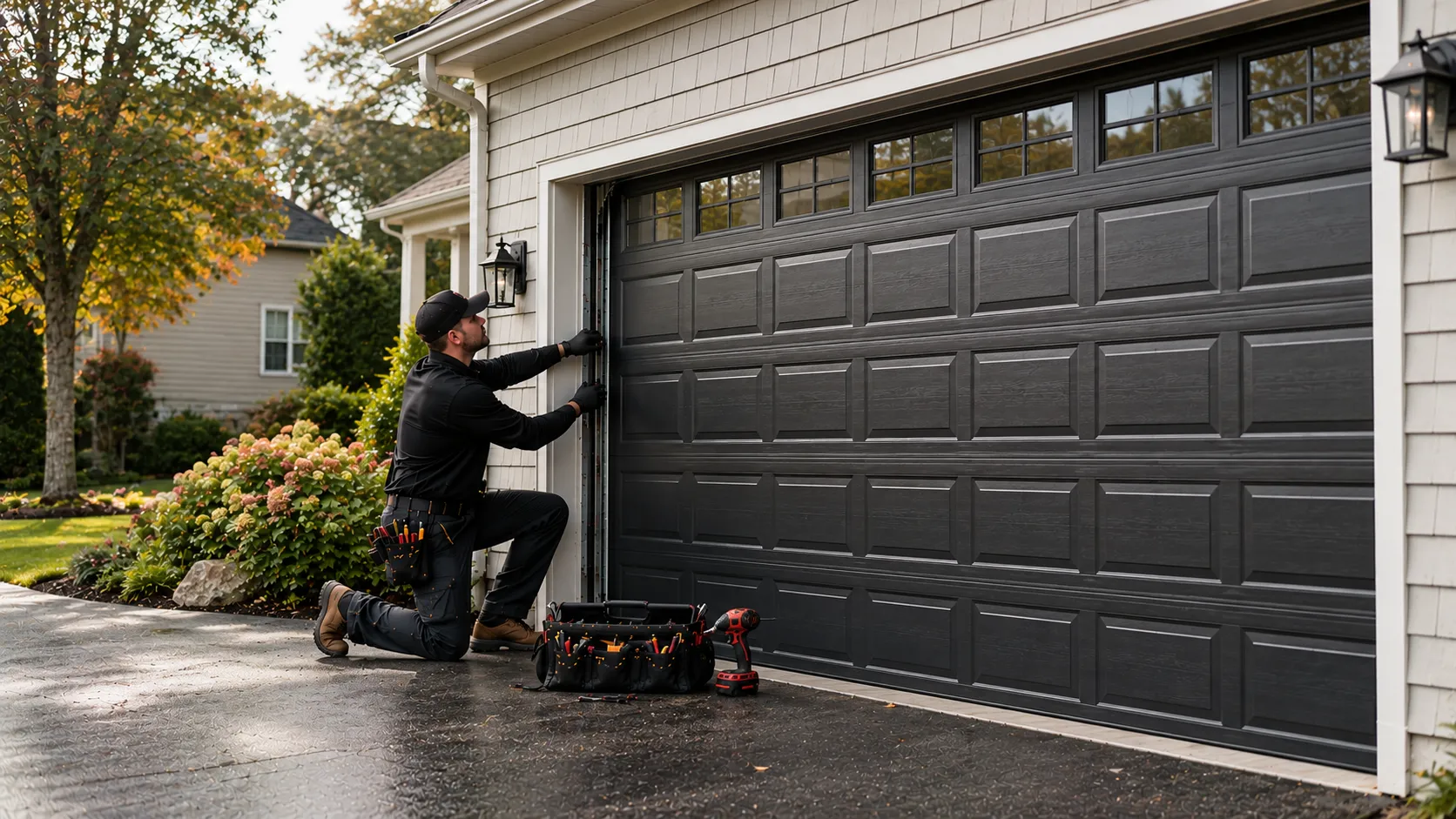
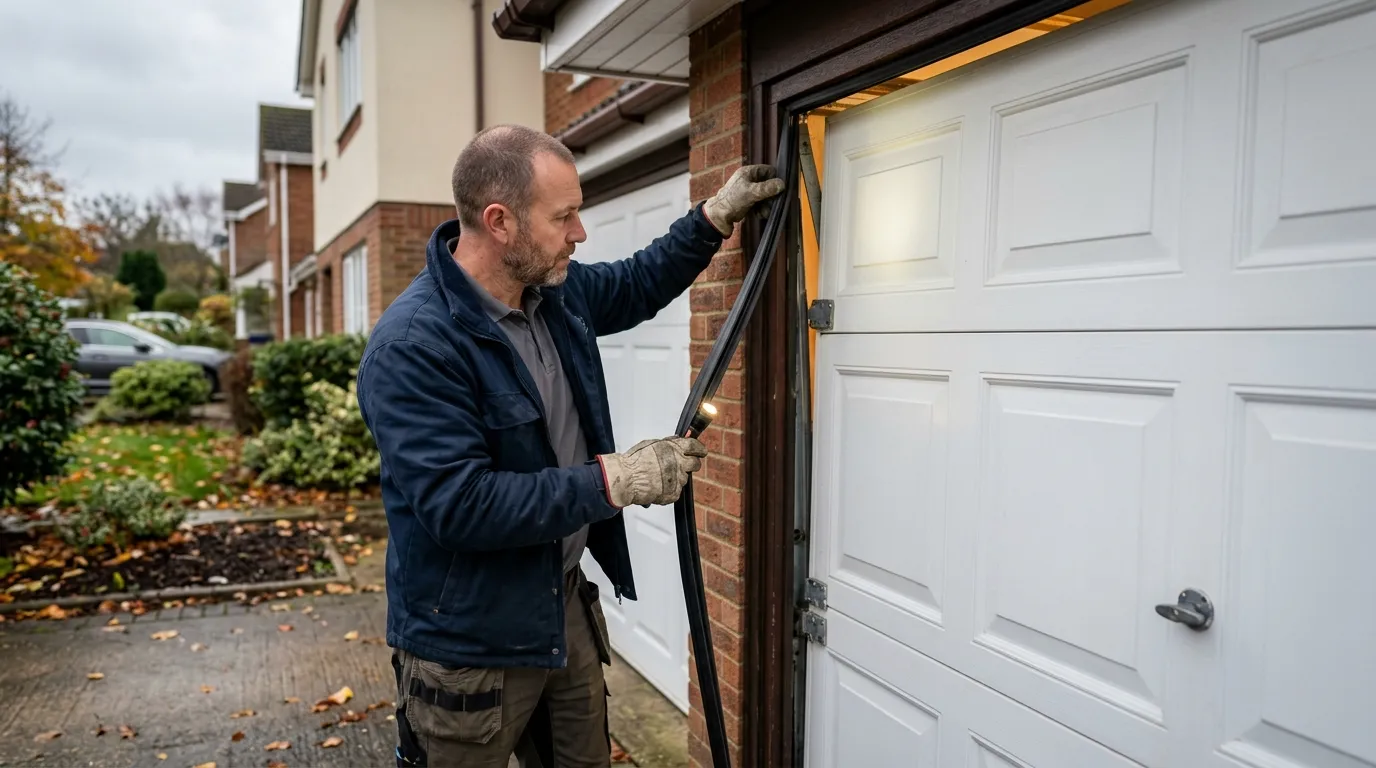
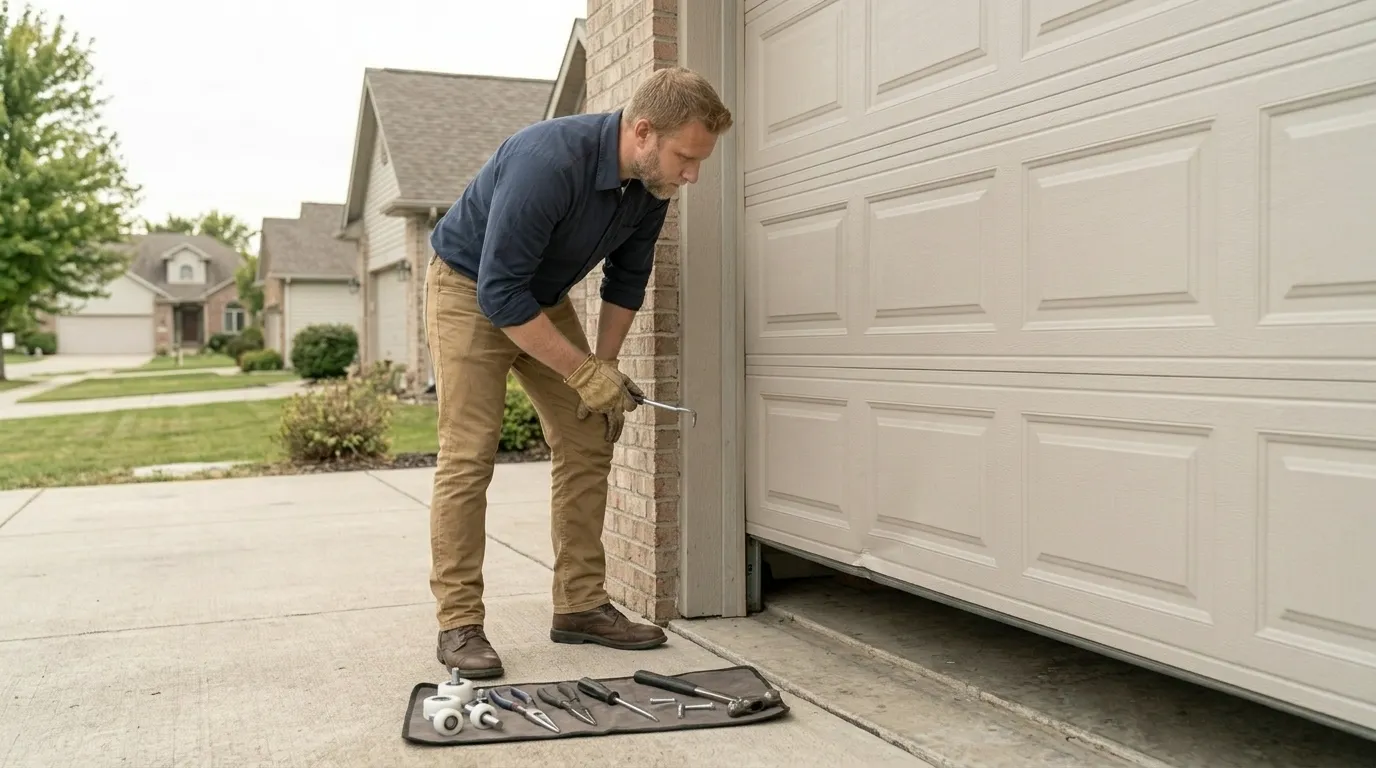
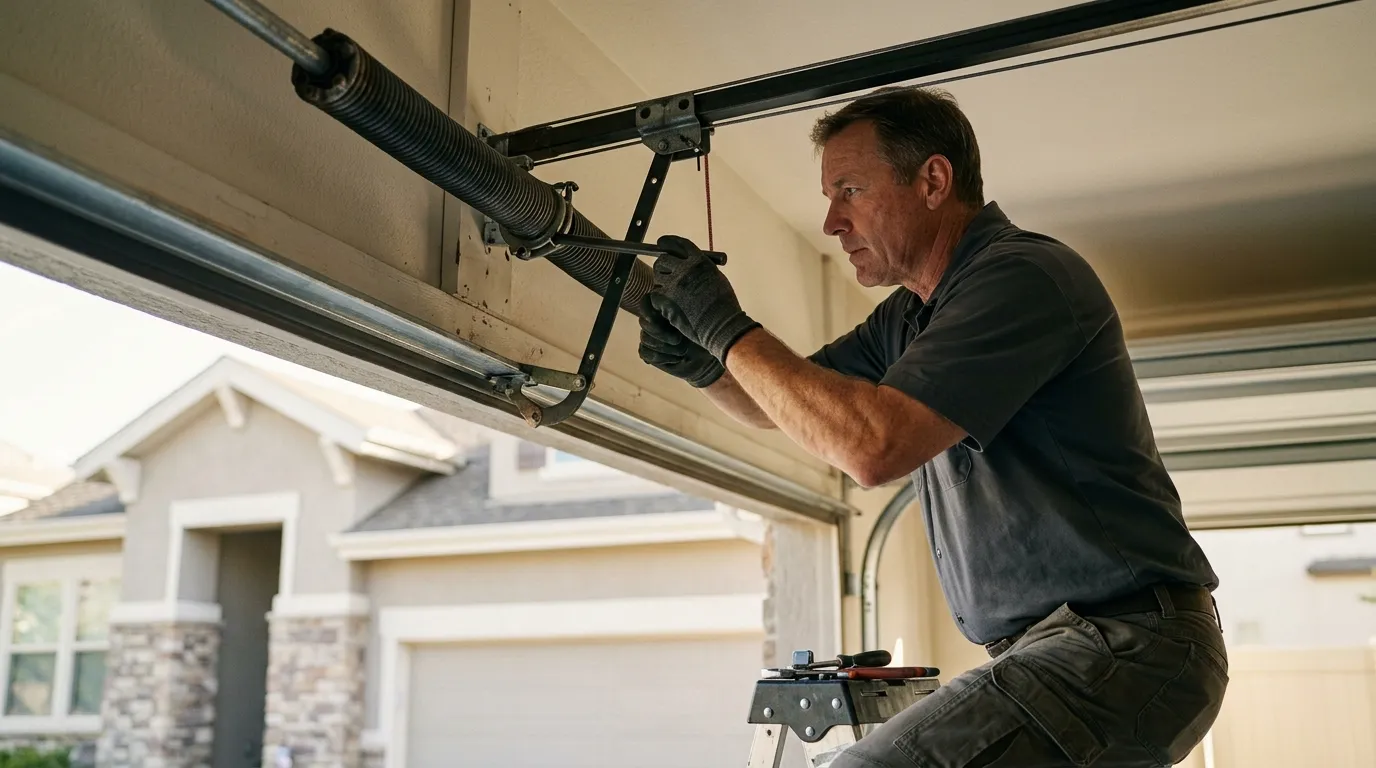
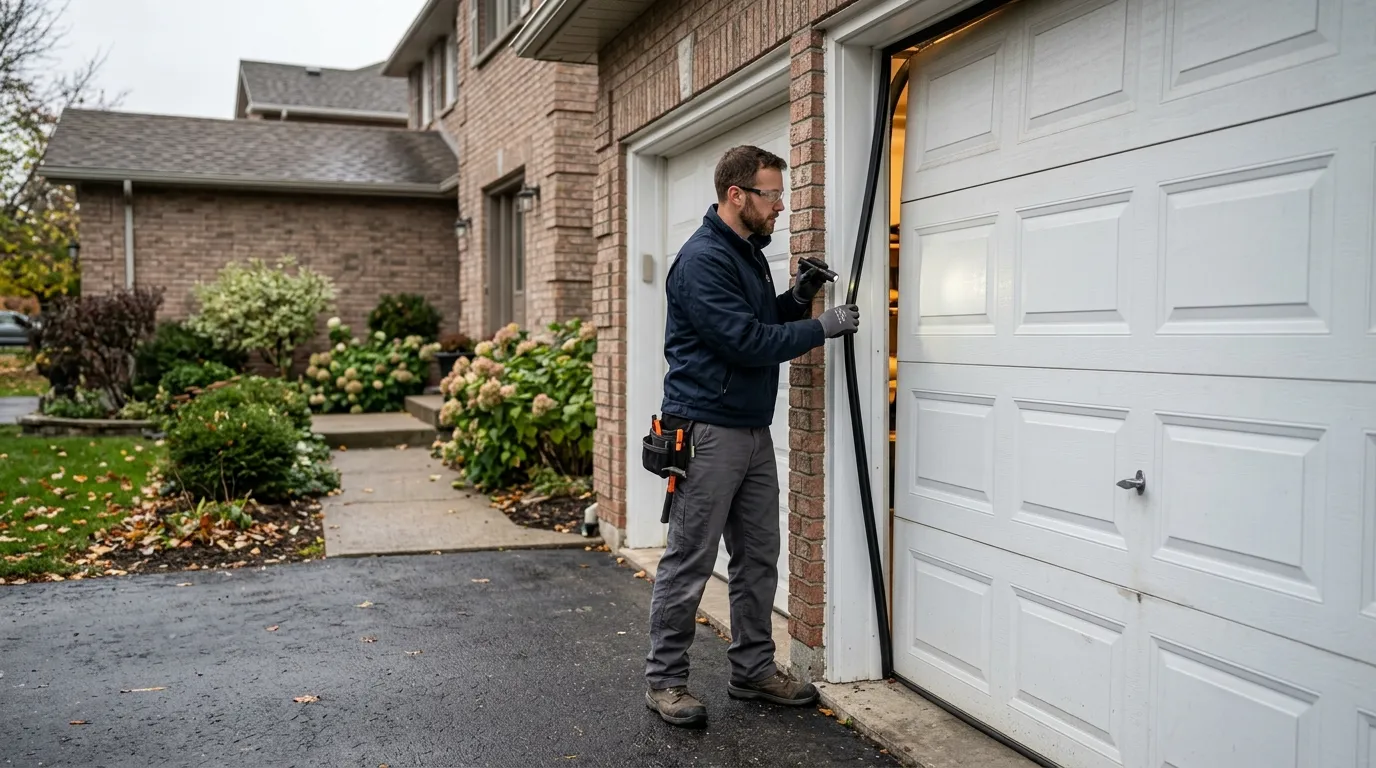
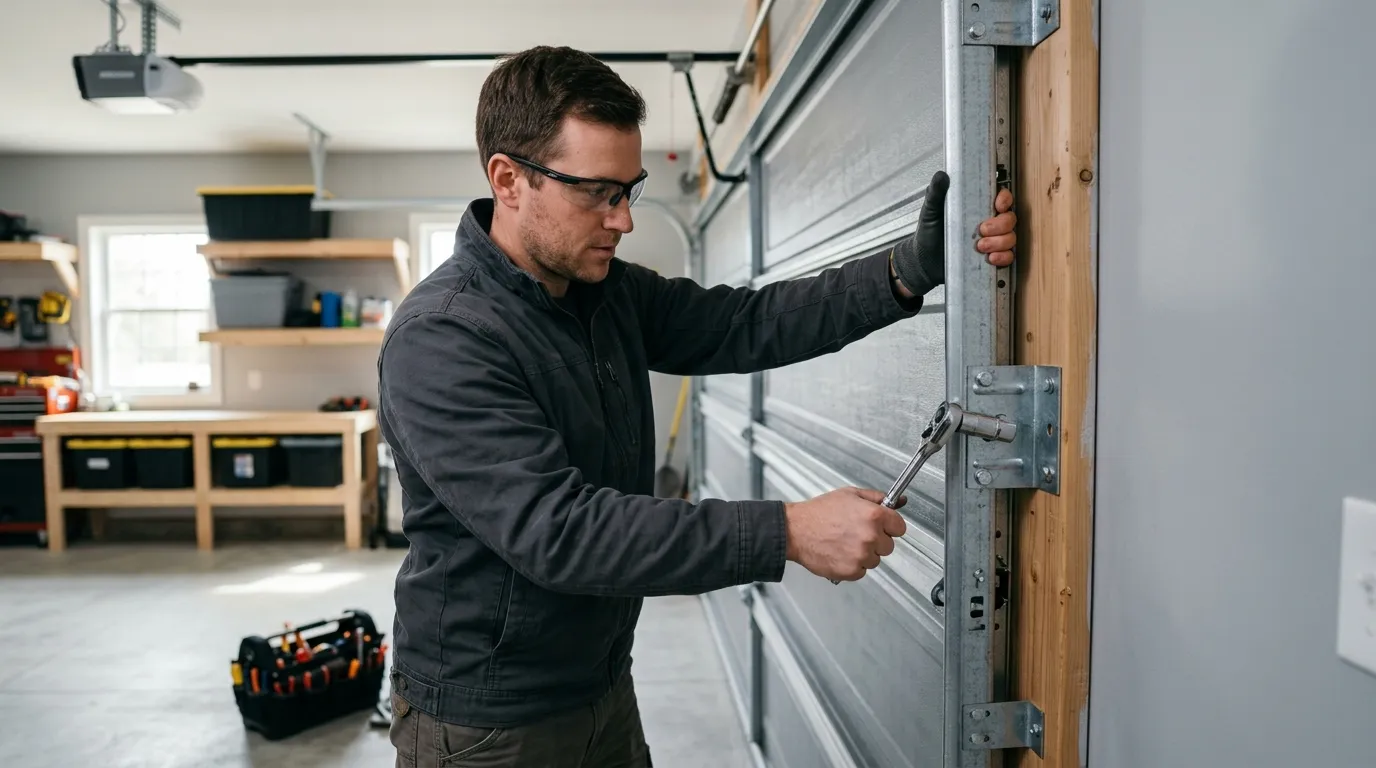
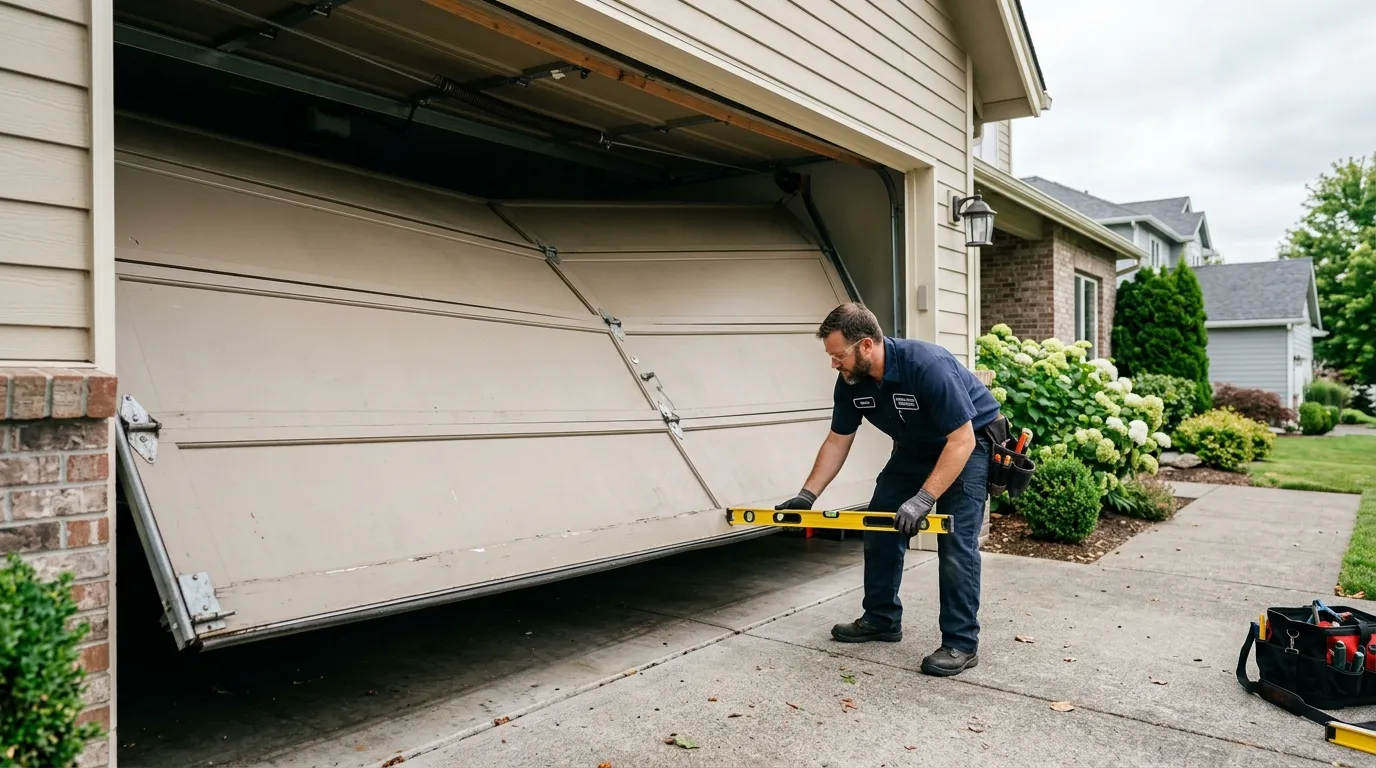
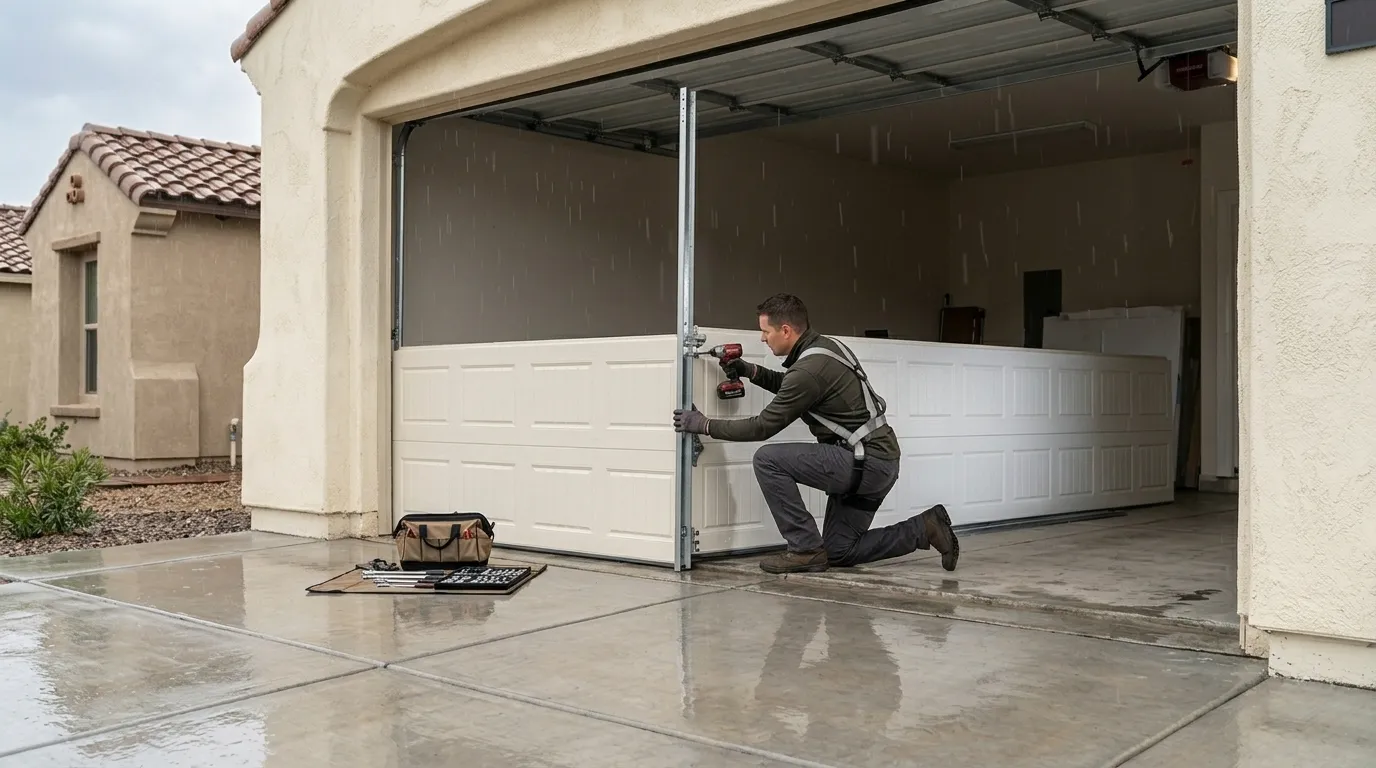
Most service calls in this area trace back to the same root: hardware installed for a house built decades before anyone thought about lift-master openers or insulated steel doors. On the pre-1960 stock that makes up a large share of the 95 named areas we work in, tracks were often set for a lighter wood door, then never re-plumbed when a heavier replacement went in later. Add a severe cold winter and you get uneven contraction - one side of the track binds a fraction more than the other, the opener strains against it, and the cable that's been quietly fraying finally goes. A technician's first move is never the opener. It's standing the door on its own weight: disconnect the opener, lift the door by hand, and see if it holds at mid-track. If it drops or shoots up, the spring tension is wrong for what's actually hanging on it, and that mismatch is more common in a housing stock this old than in newer construction where everything was sized once and left alone.
What Most People Get Wrong
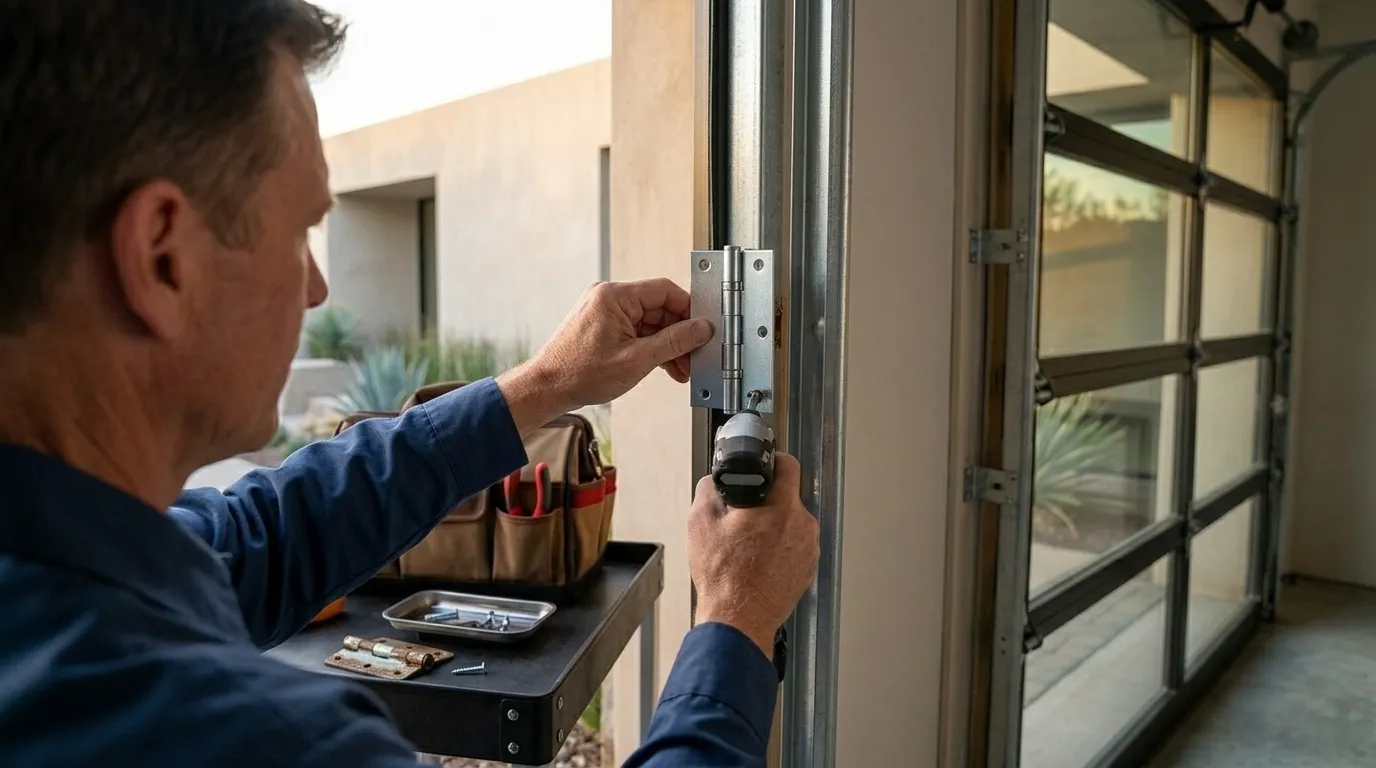
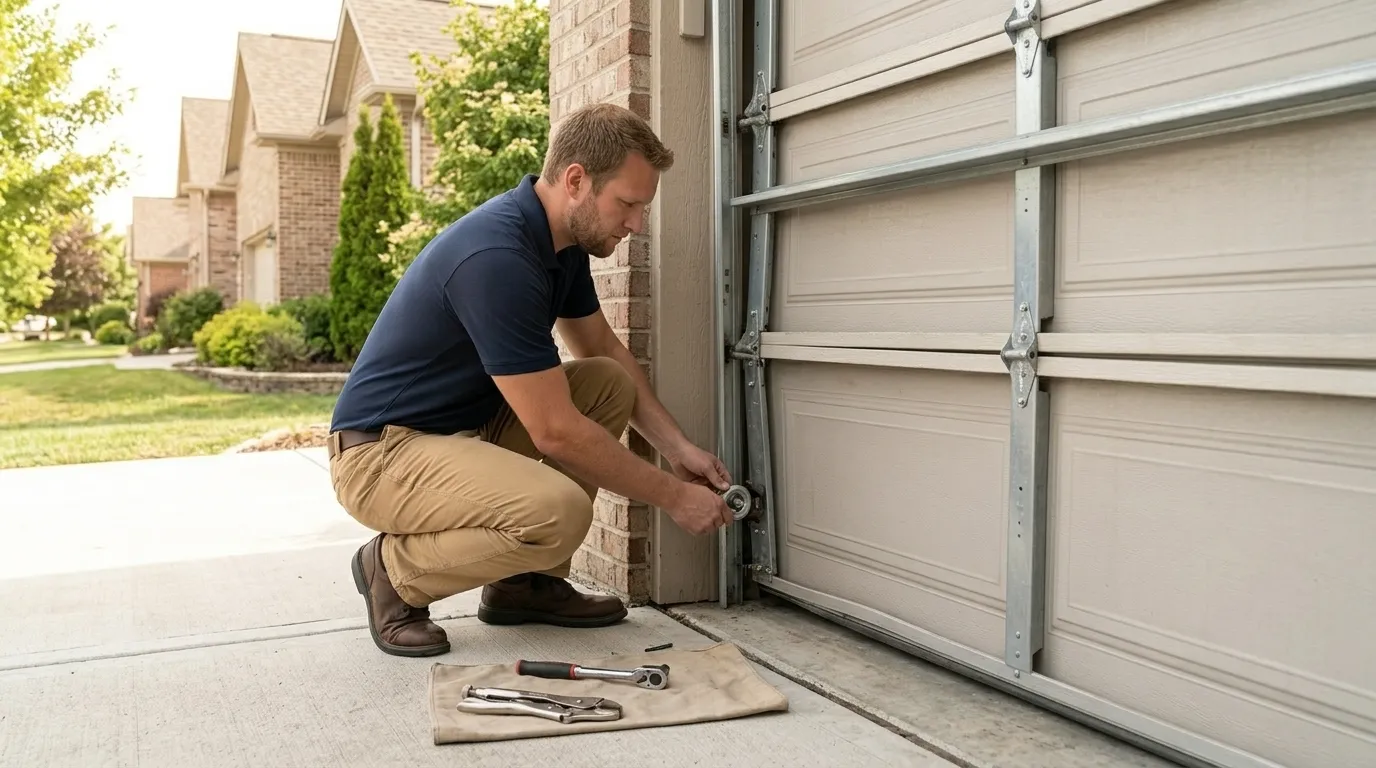
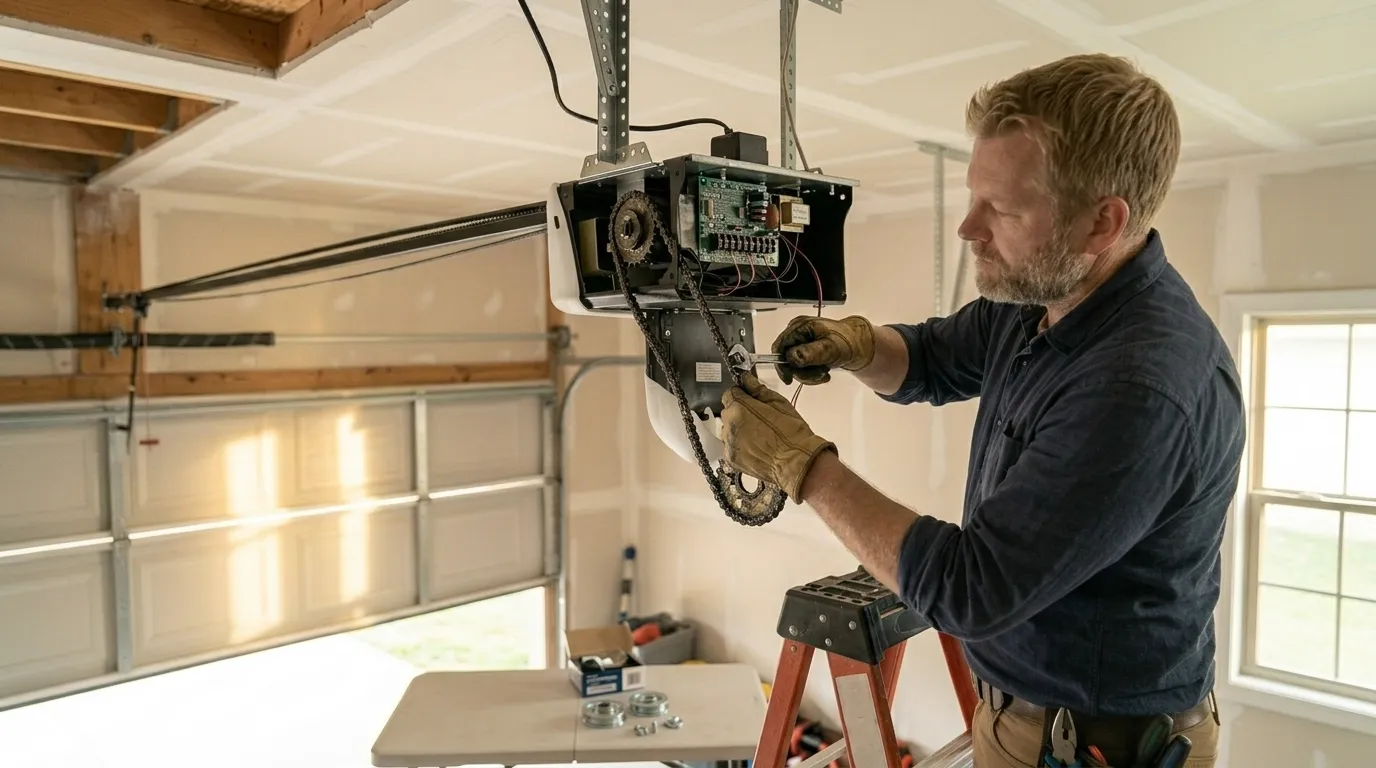
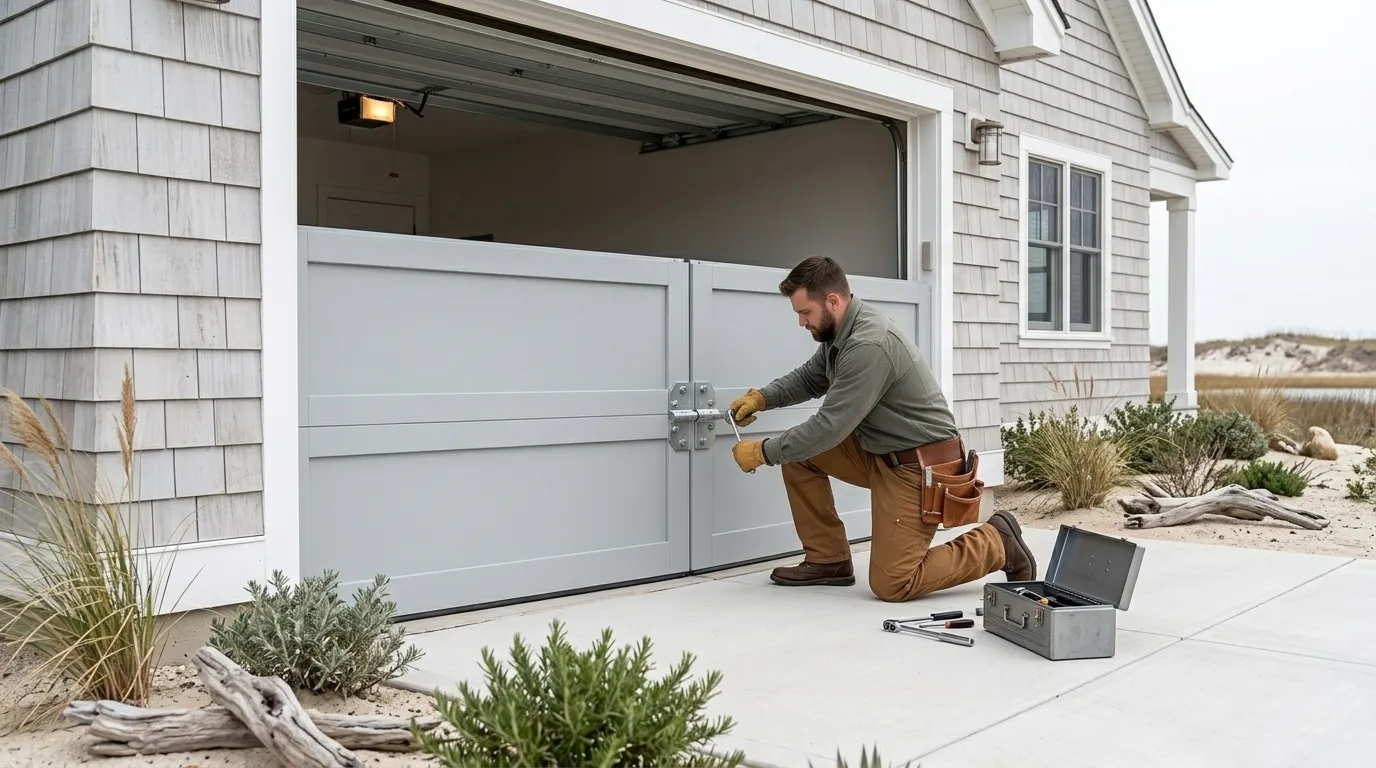
The most common mistake we see in this area is treating a noisy door as a lubrication problem. Spraying the track quiets things down for a week, but on a house from the 1938-1994 build range, the noise is usually a roller or hinge that's outlived its metal, not a dry spot. The second mistake is letting the opener do work the springs should be doing. On older steel doors that are heavier than the original wood slabs they replaced, an opener set to force through a stiff track will eventually strip a gear or snap a cable rather than stall safely - which is what should happen. Because so much of this area's housing predates modern door weights and code assumptions, we check balance by hand before we touch opener settings, every time. That's a five-minute step people skip because it doesn't look like a repair. It's the one that tells you whether the real problem is the spring, the track, or nothing at all.