Opener stopped working in Philadelphia? We fix broken circuit boards, worn gears, and dead openers in homes built between 1938 and 1994 across the city.
You hit the button and nothing happens, or the motor hums but the door doesn't move. Sometimes it's the opposite - the door starts up fine and then stalls halfway, or reverses on its own before it hits the floor. In a lot of the houses we get called to, the opener is original to a garage that's been standing since somewhere between 1938 and 1994, and a chunk of that stock is even older, going back before 1960. That matters because an opener built for a lighter, single-piece wood door from that era gets swapped over the years for a heavier steel replacement, and the motor starts working harder than it was ever sized to. Add a winter cold snap and a gear that's been quietly wearing down for a decade finally strips. Some owners hear a grinding sound before it fails. Others just get silence. Either way, by the time the opener won't lift the door at all, the small parts inside - the drive gear, the circuit board, the safety sensors at the base of the track - have usually been failing slowly for a while, not all at once.
Parts We Carry
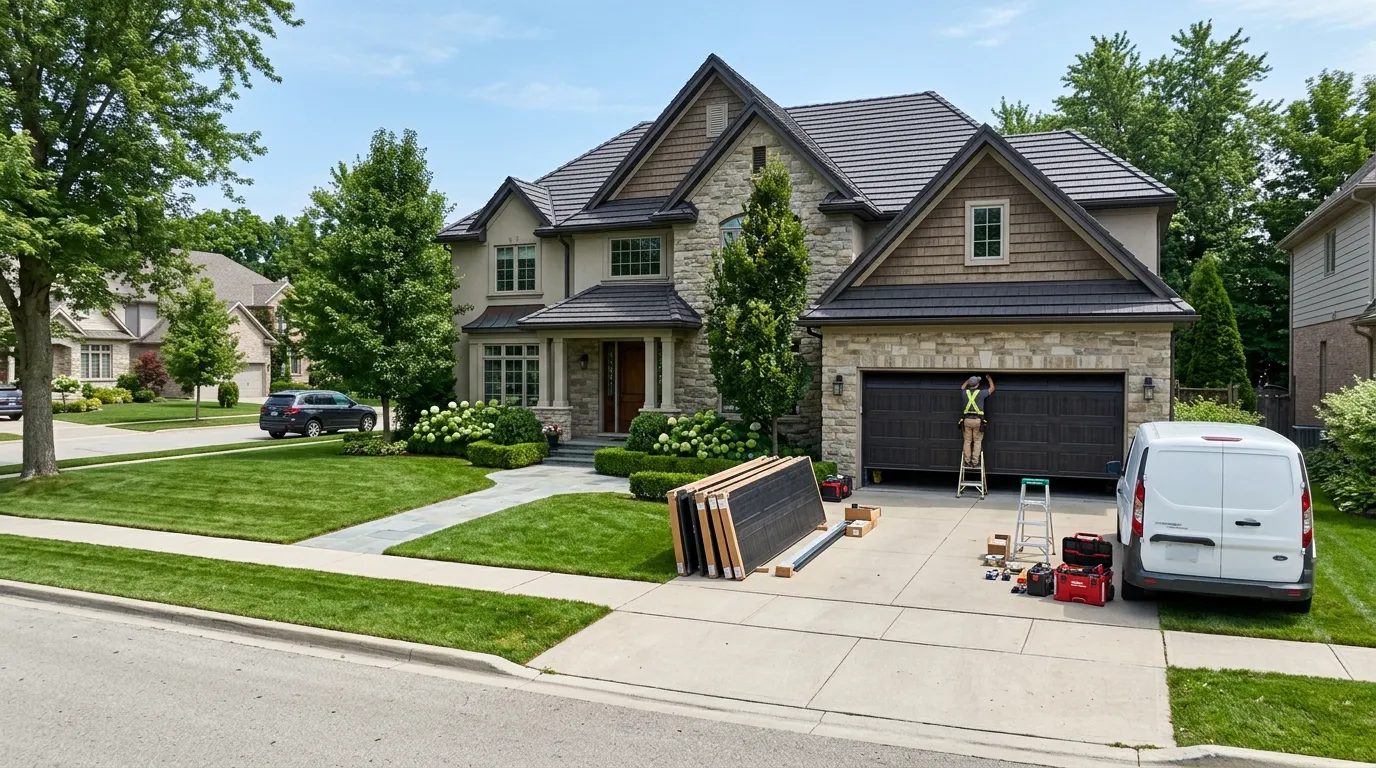
On the truck we carry the parts that fail most often on residential openers: drive gears and gear kits, main circuit boards, capacitors, safety reversal sensors, drive belts and chains, logic boards, and remote receivers. Most opener repairs come down to one of these failing rather than the whole unit needing replacement. Where we run into trouble is with openers old enough that the manufacturer has stopped making parts for that model line entirely - at that point we're honest with you: we'll tell you if we think a repair is a patch that buys a year or two versus a full opener swap that solves it for good. We'd rather say that upfront than sell you a part that's going to fail again next winter. If a part isn't something we stock on the truck, we'll tell you the lead time before we start the job, not after.
What the Fix Involves
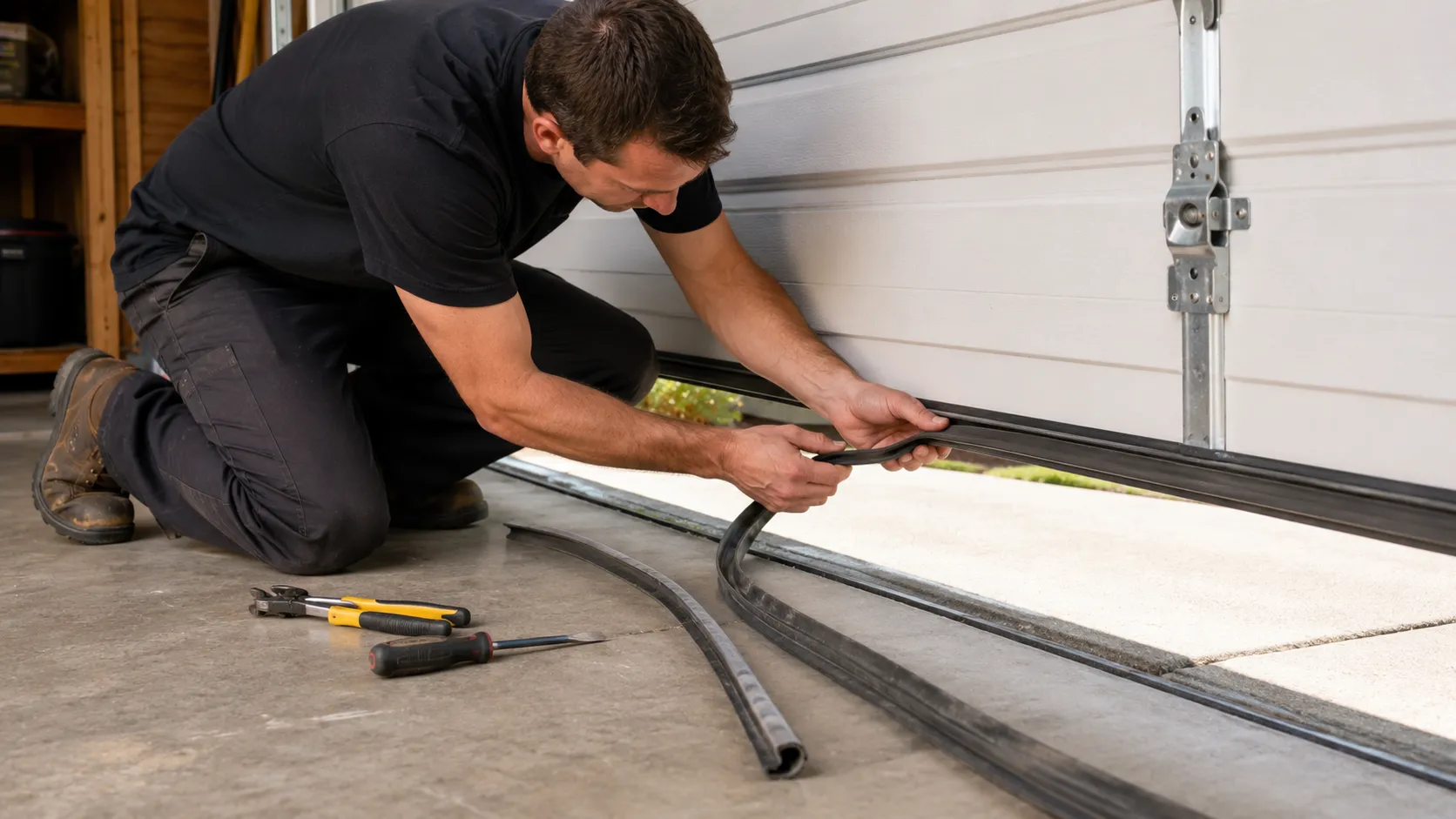
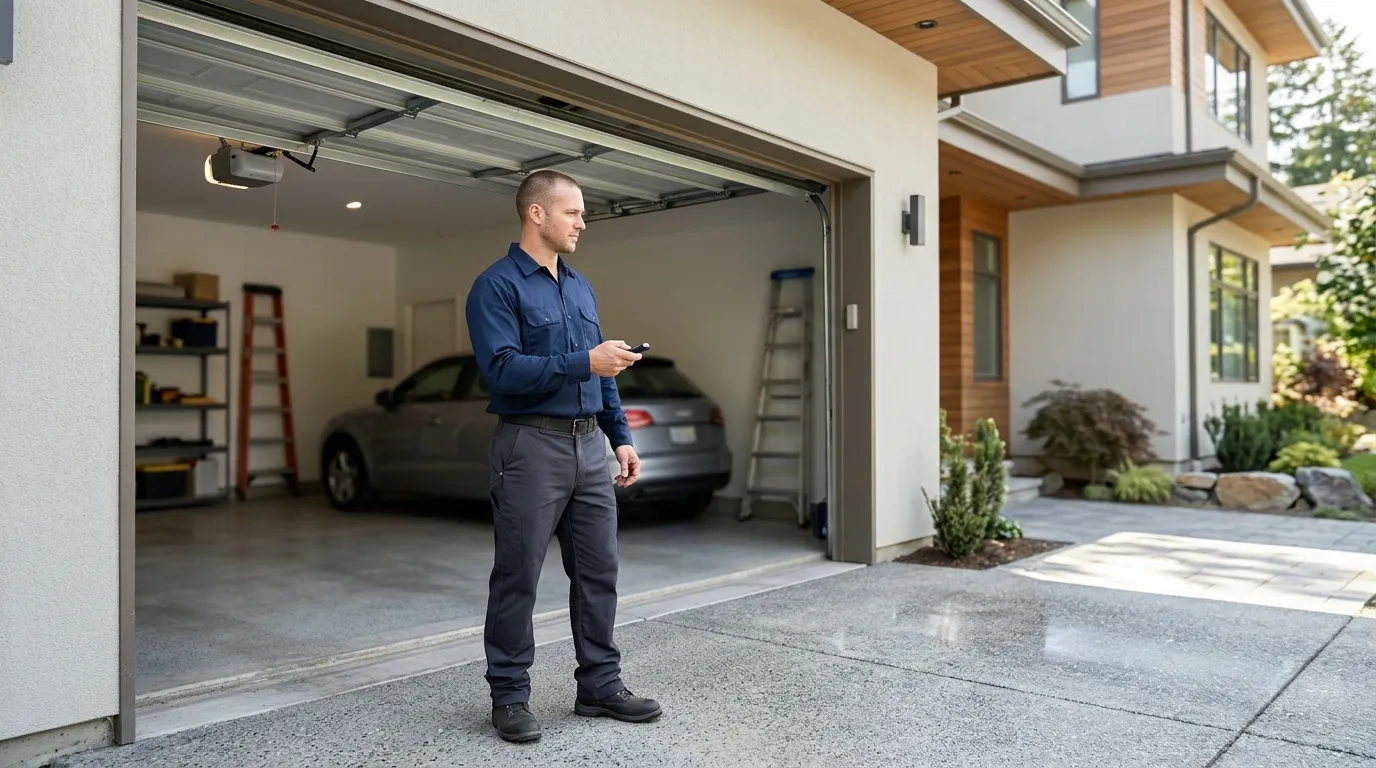
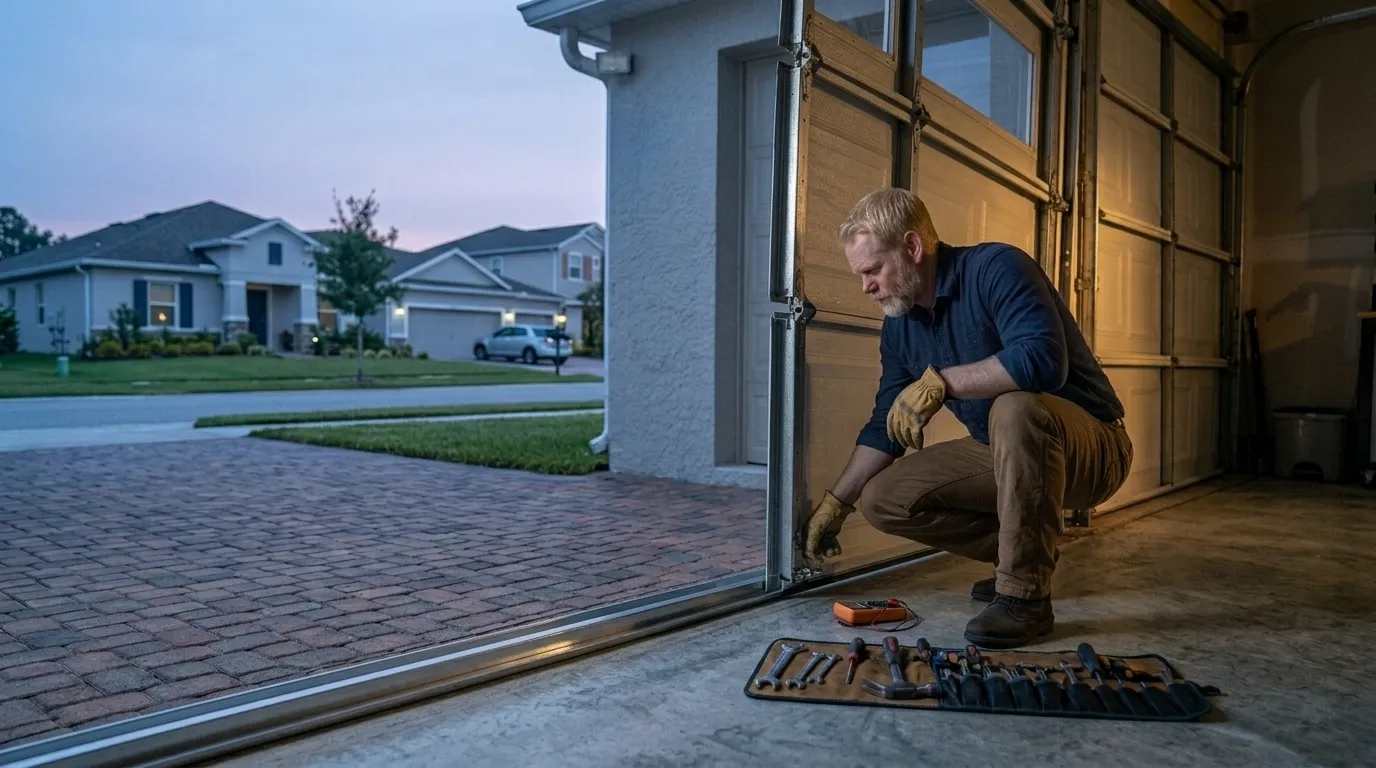
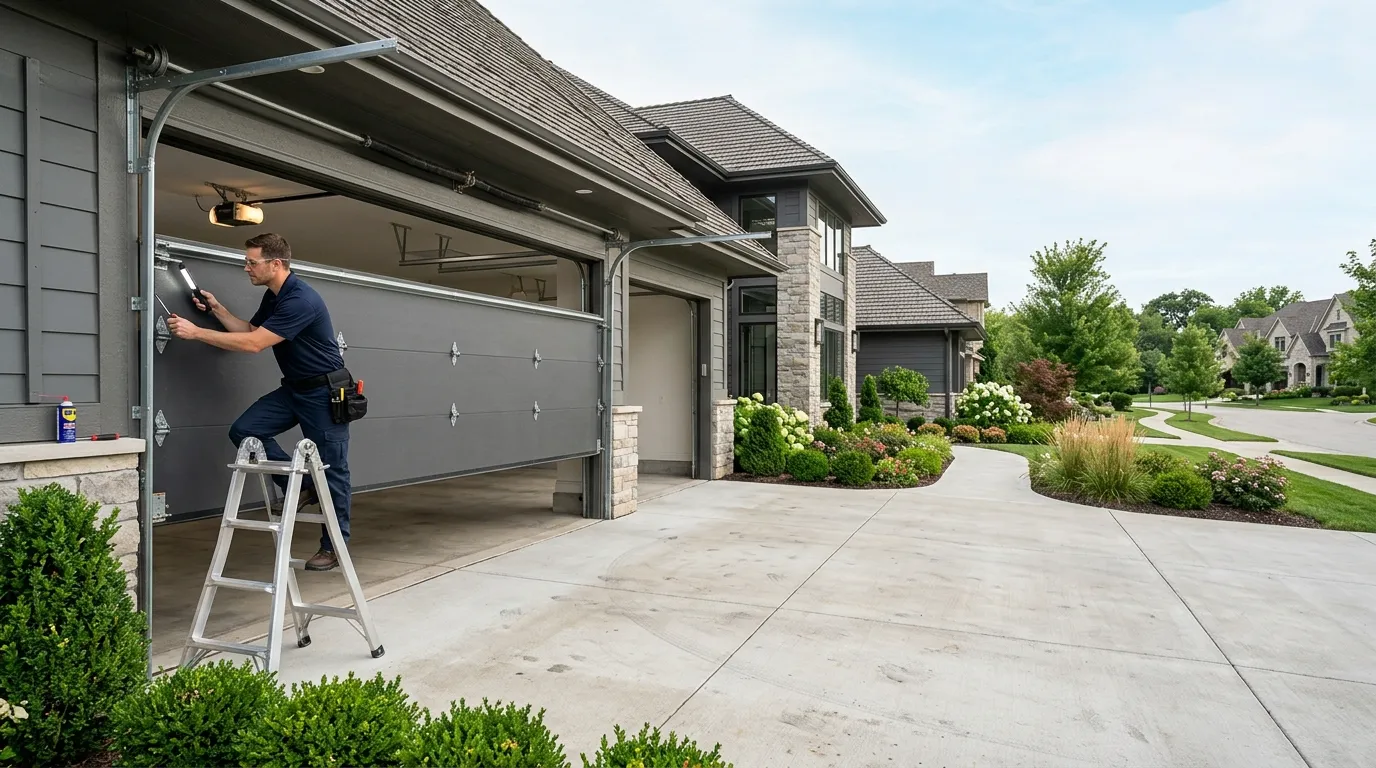
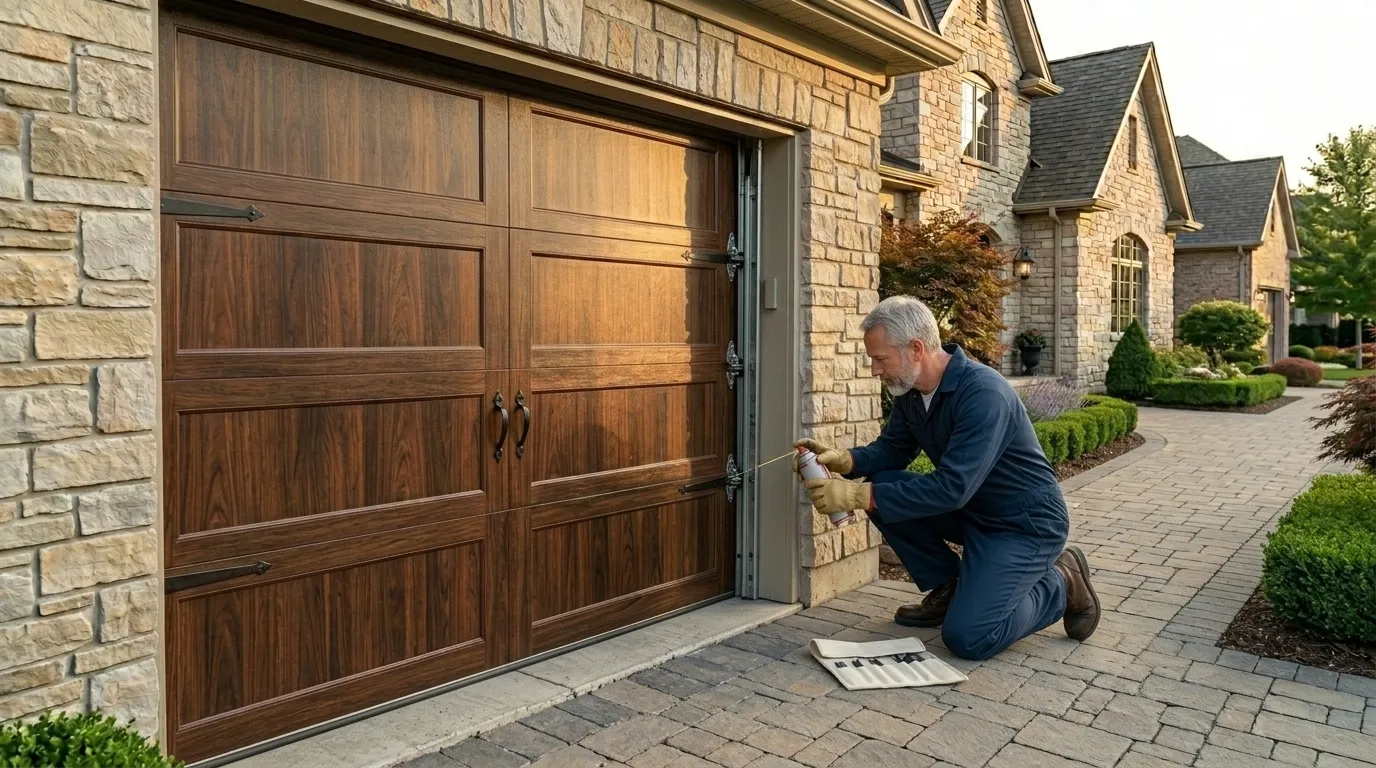
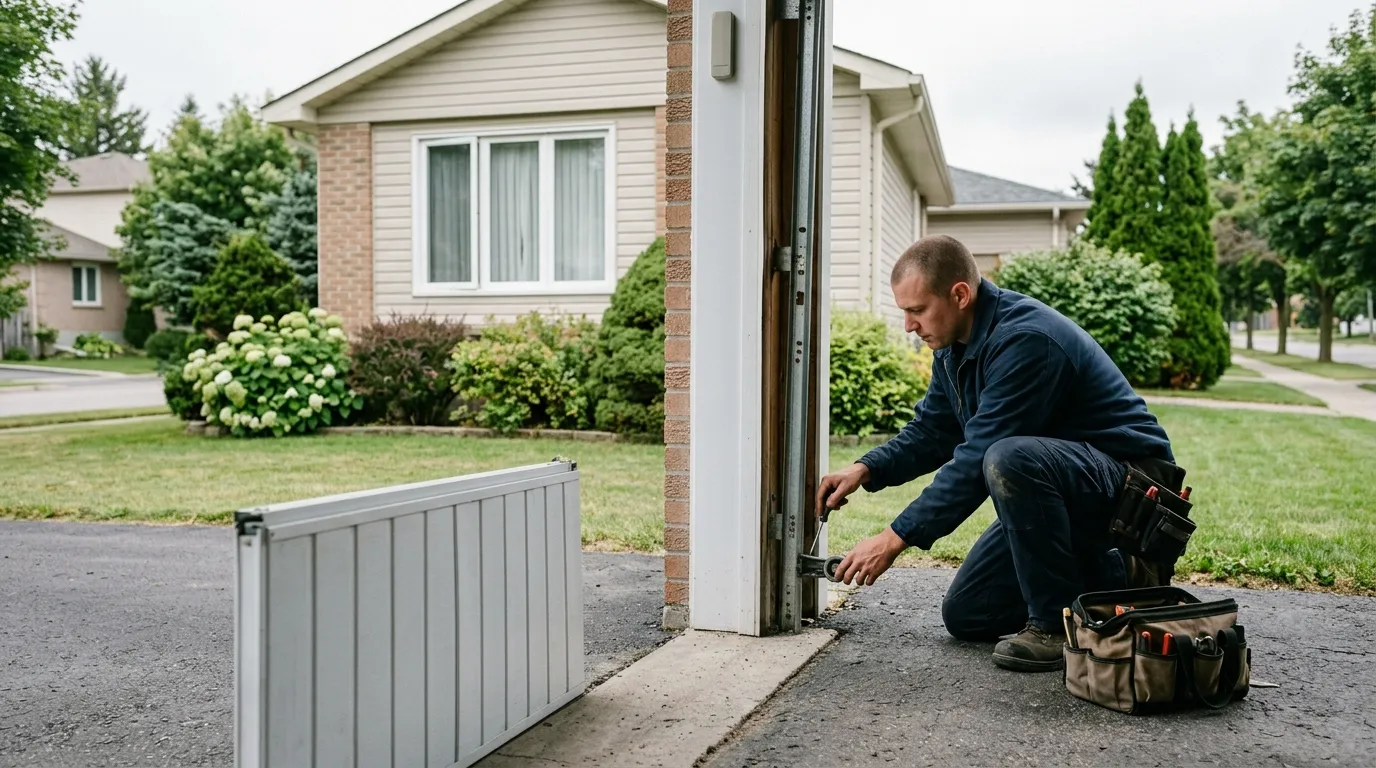
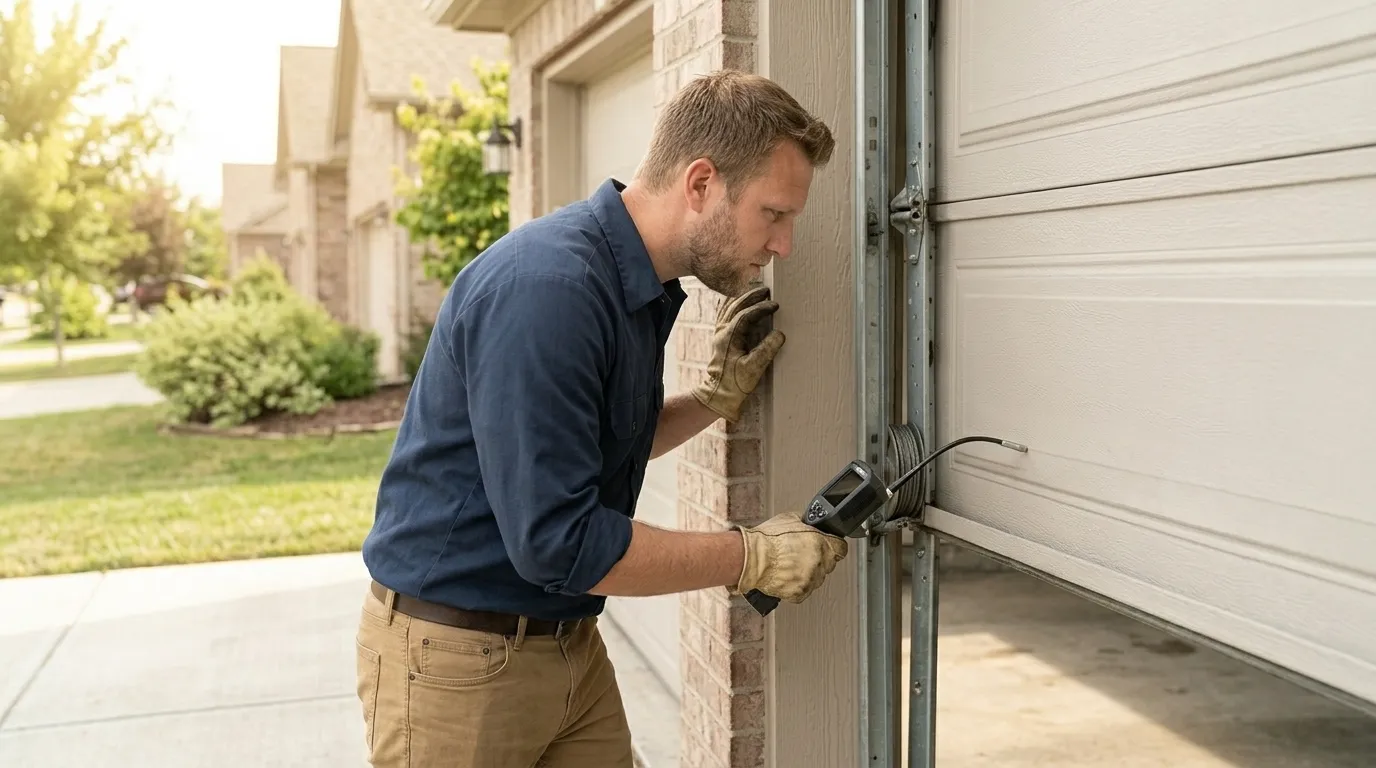
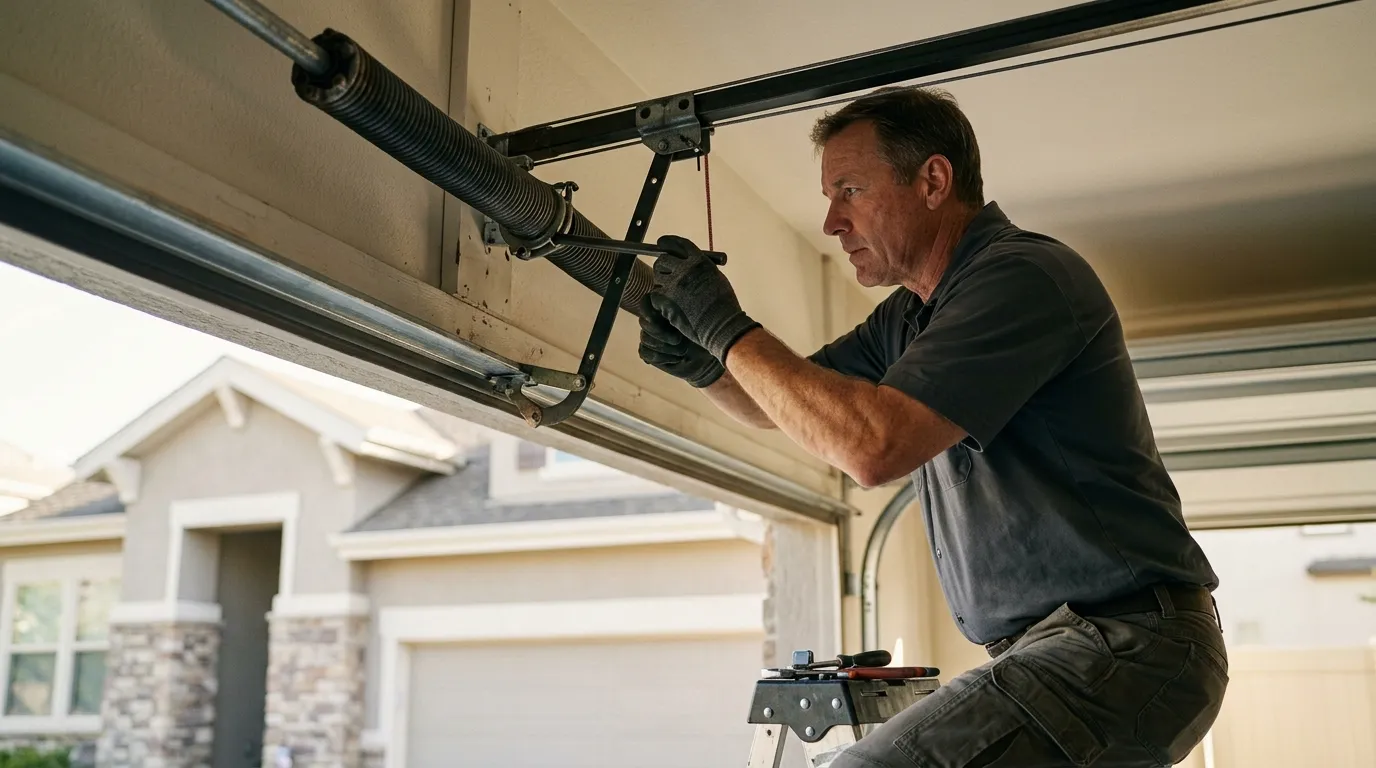
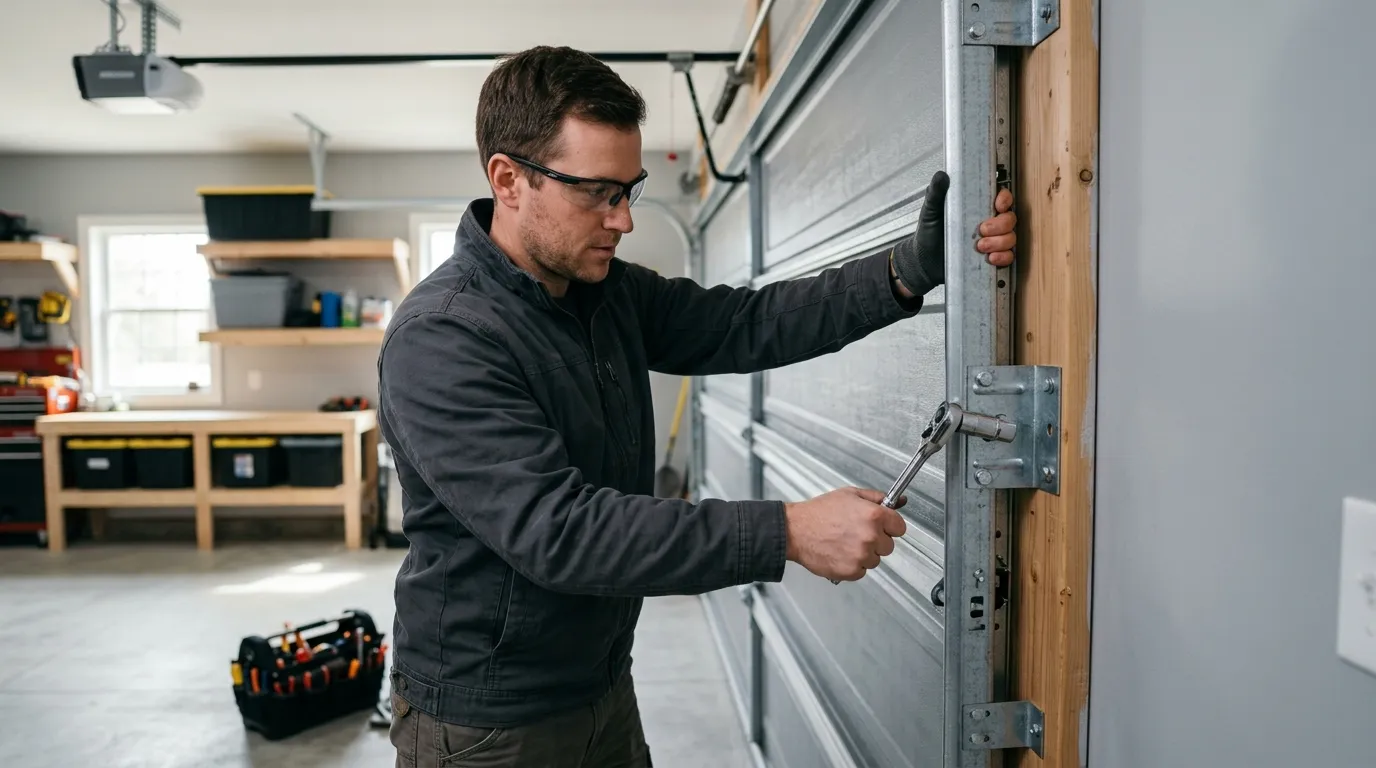
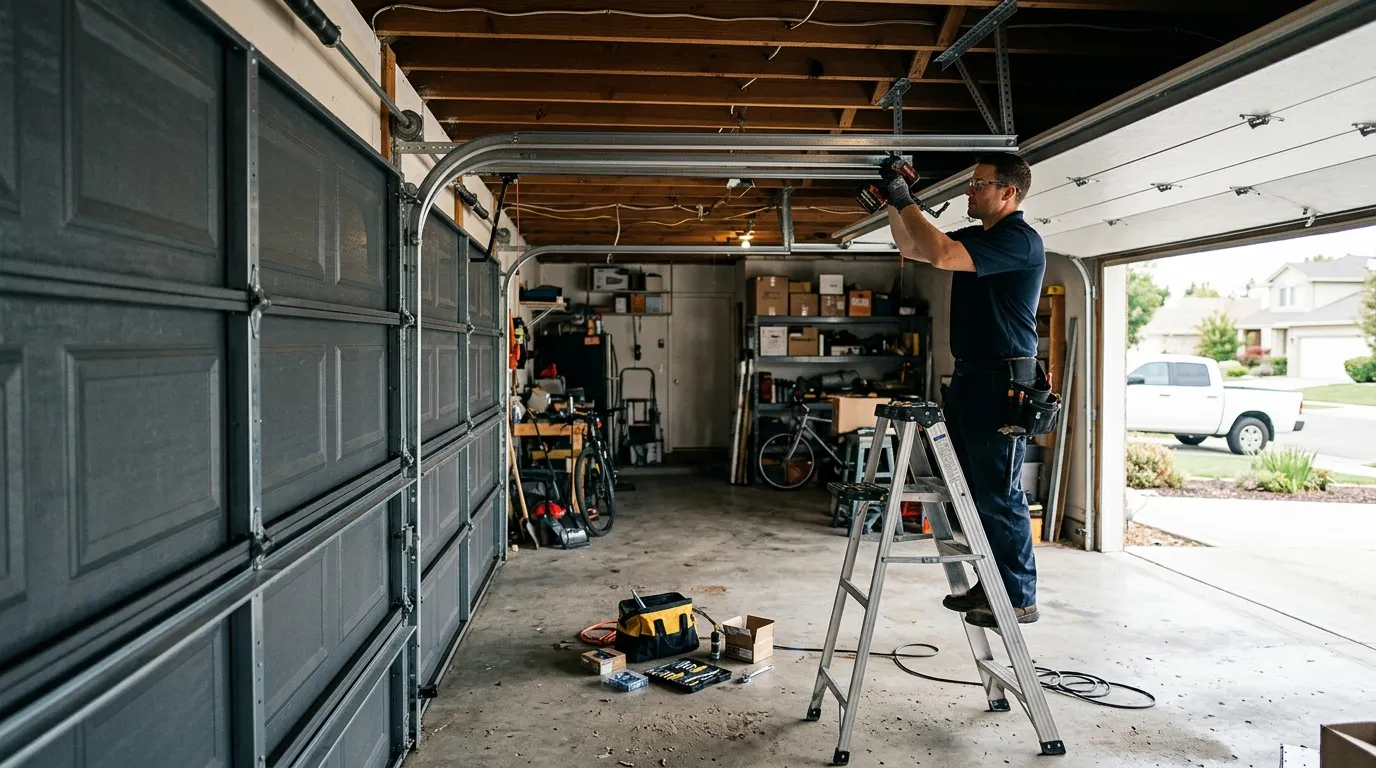
First we run the opener through its full cycle and watch what it actually does - stalls, reverses, grinds, or just clicks. That tells us whether we're looking at the motor, the gear train, the logic board, or the sensors, before any panel comes off. Then we open the housing and check the drive gear for stripped teeth, which is the single most common failure we see, followed by a burnt-out circuit board or a capacitor that's swollen and no longer holding charge. We also check the travel limits and force settings, because an opener straining against a door that's out of balance will burn through a new gear just as fast as the old one. If the spring system is doing more of the lifting than it should, we'll flag that too - an opener repair on a door with a weak or broken spring doesn't hold. The job usually runs an hour once we're on site with the right part in hand; if it needs an ordered part, we'll come back to finish it rather than leave a half-working opener bolted to your ceiling.
Why It Happens Here
Philadelphia's housing stock runs old - most of it built between 1938 and 1994, with a heavy share going back before 1960 - and garage openers in these houses have usually been replaced once or twice since the house was built, often with whoever's opener was cheapest at the time rather than one matched to the door. That mismatch shows up as gear wear years before it should. Then there's the cold. This is a severe cold climate zone, and every winter the lubricant inside an opener's gear housing thickens, metal parts contract, and a chain drive that was already a little loose pulls tighter against the sprocket. An opener that's been limping along all fall usually picks a January morning to finally quit. Across a service area with over 409,000 households and roughly 161,000 owner-occupied houses, we see the same pattern repeat every year: it's not that Philadelphia openers are built worse, it's that the housing age and the winters here put more cumulative strain on them than milder, newer-built areas ever see.
How it works
From “it’s stuck” to “it’s fixed”
01
Tell us what’s wrong
Describe the symptom - won’t open, loud bang, opener runs but the door won’t move.
02
On-site diagnosis
A technician tests the door under power and by hand and finds what actually failed.
03
Clear, up-front plan
You get the fix that’s needed and what drives the cost - before any work starts.
04
Repaired & tested
The repair is done, the door is set true and tested, and the work area left clean.
Serving Philadelphia, PA - tell us what your door’s doing and we’ll take it from there.
Why did my garage door opener stop working overnight in the cold?
Cold thickens the grease inside the gear housing and makes metal parts contract slightly, which puts extra strain on a chain or belt that was already a little loose. In this climate, an opener that's been struggling for months often quits on the first hard freeze rather than gradually.
Is it worth repairing an old opener or should I replace it?
If the motor and logic board are sound and it's just a gear or sensor, repair almost always makes sense. If the model is old enough that parts aren't made for it anymore, we'll tell you that on site so you're not paying for a patch that fails again next winter.
How long does an opener repair take?
Most repairs run about an hour once we're on site with the right part. If a part needs to be ordered, we'll let you know before starting and come back to finish once it's in.
Do you work on openers in older Philadelphia rowhouse garages?
Yes. A lot of the openers we service are in garages attached to houses built well before 1960, where the original hardware has been swapped at least once. We check the gear, board, and sensors and tell you plainly what's actually failing.
Ready to get your garage door sorted?
Tell us what it’s doing and where you are in Philadelphia - we’ll take it from there.