Serving Darby, PA homes built around 1949 with torsion springs and steel doors sized for narrow post-war driveways. We travel from Philadelphia for repairs and replacements.
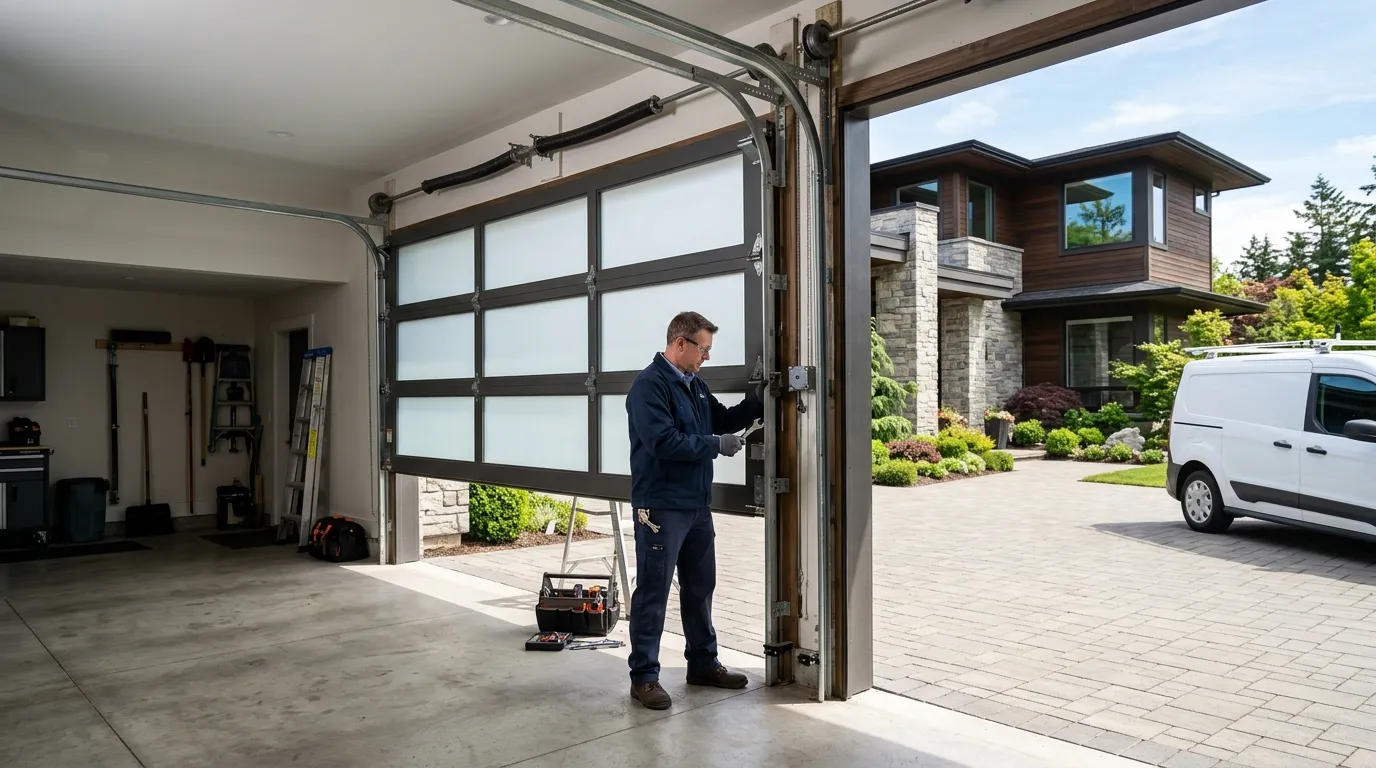
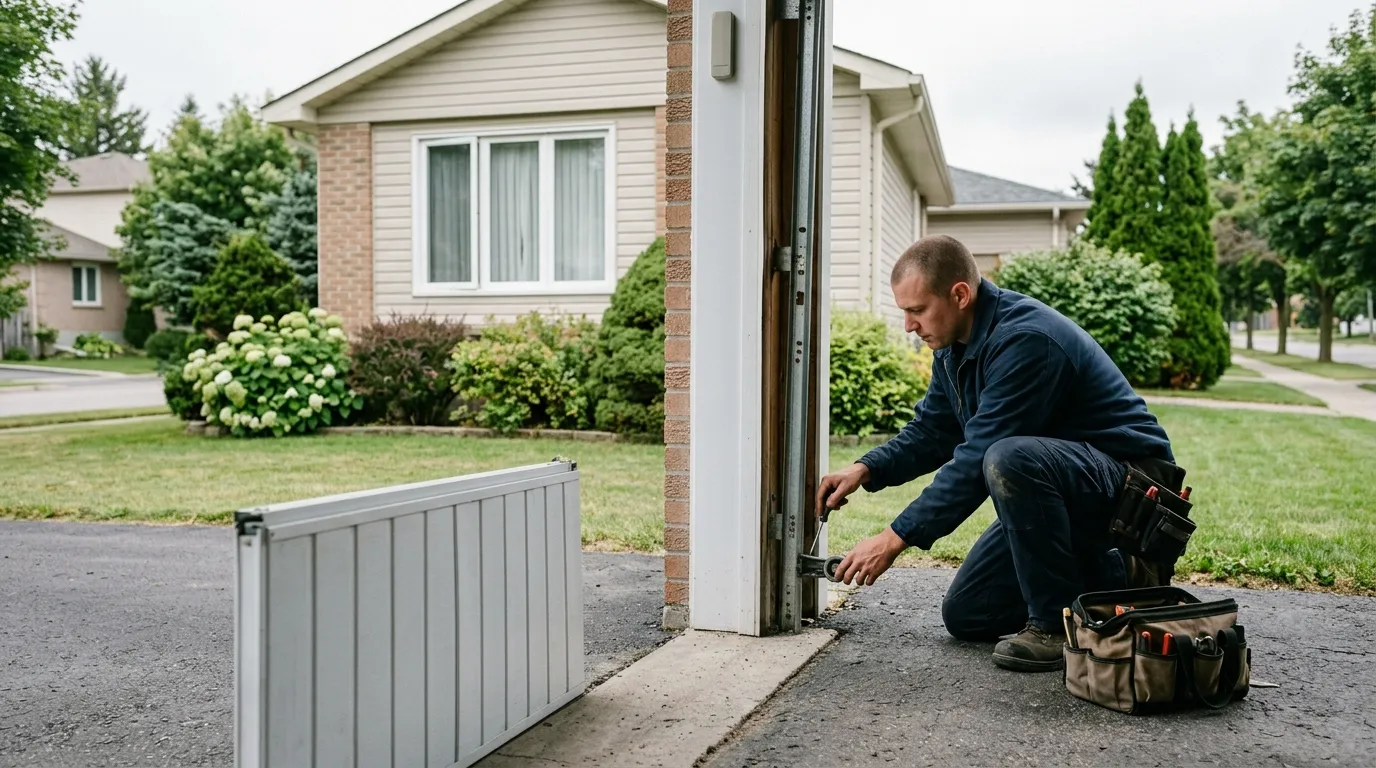
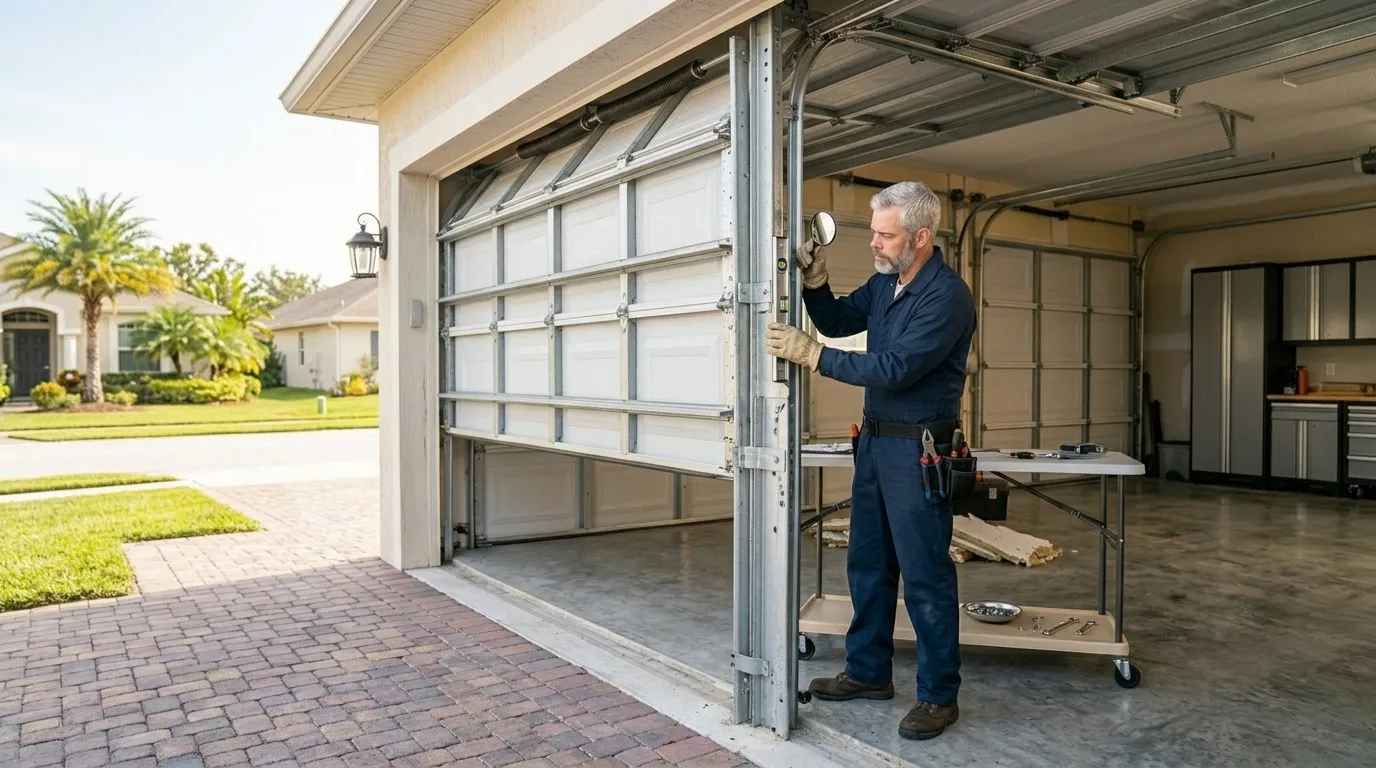
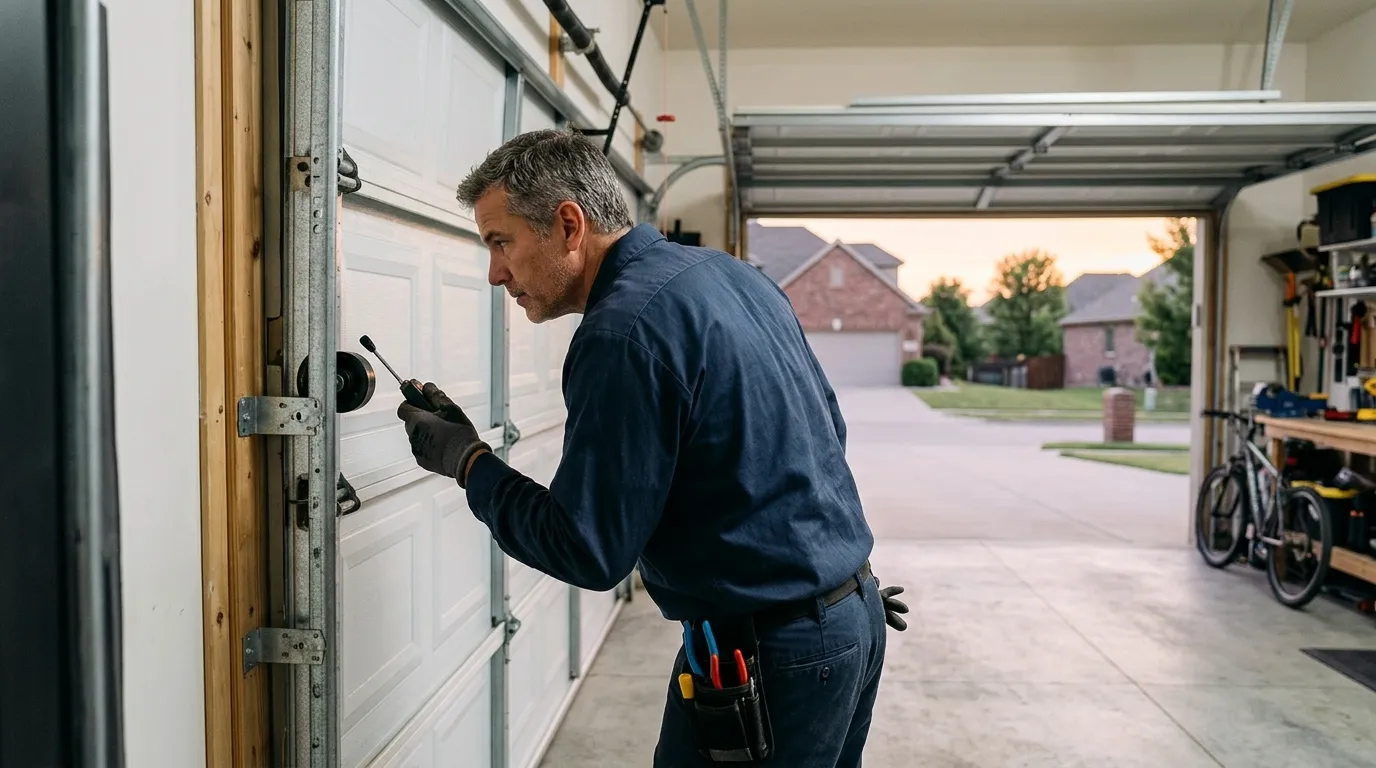
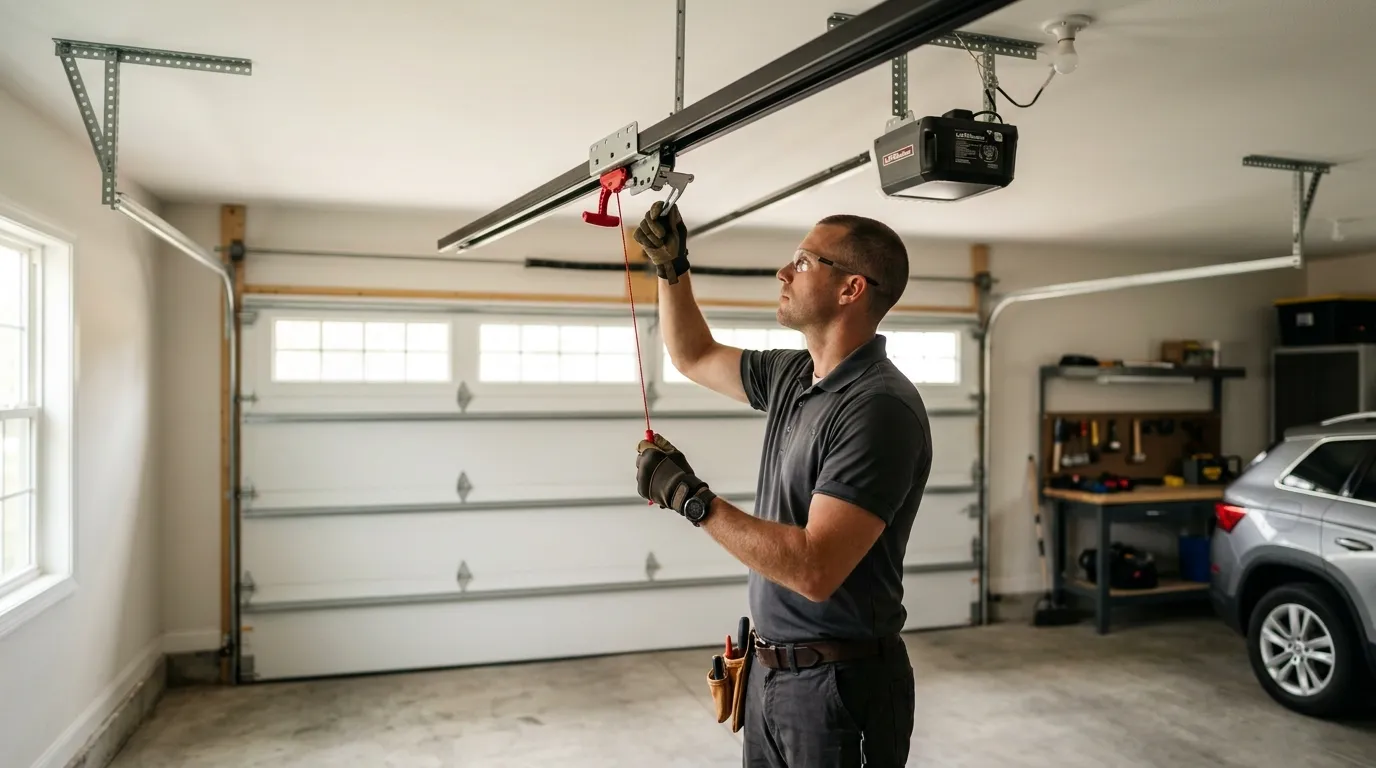
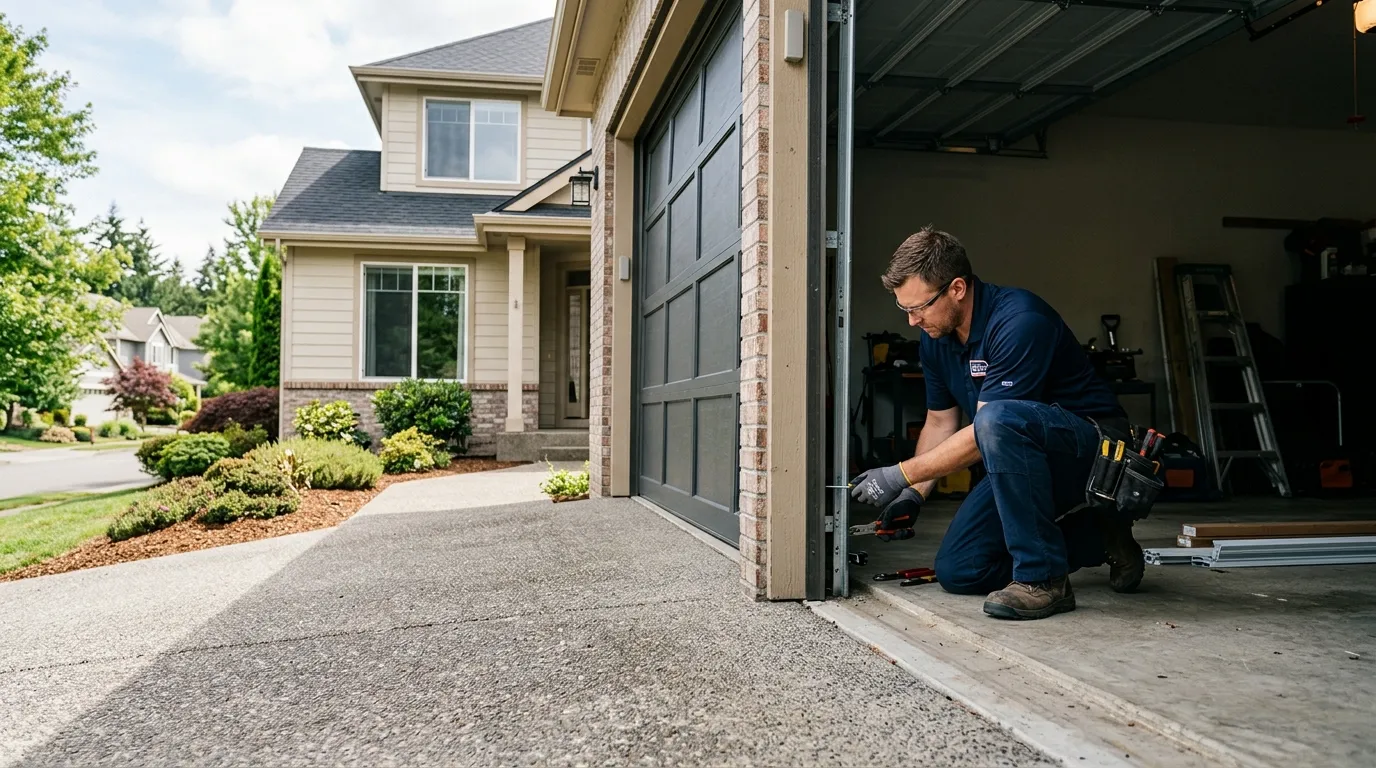
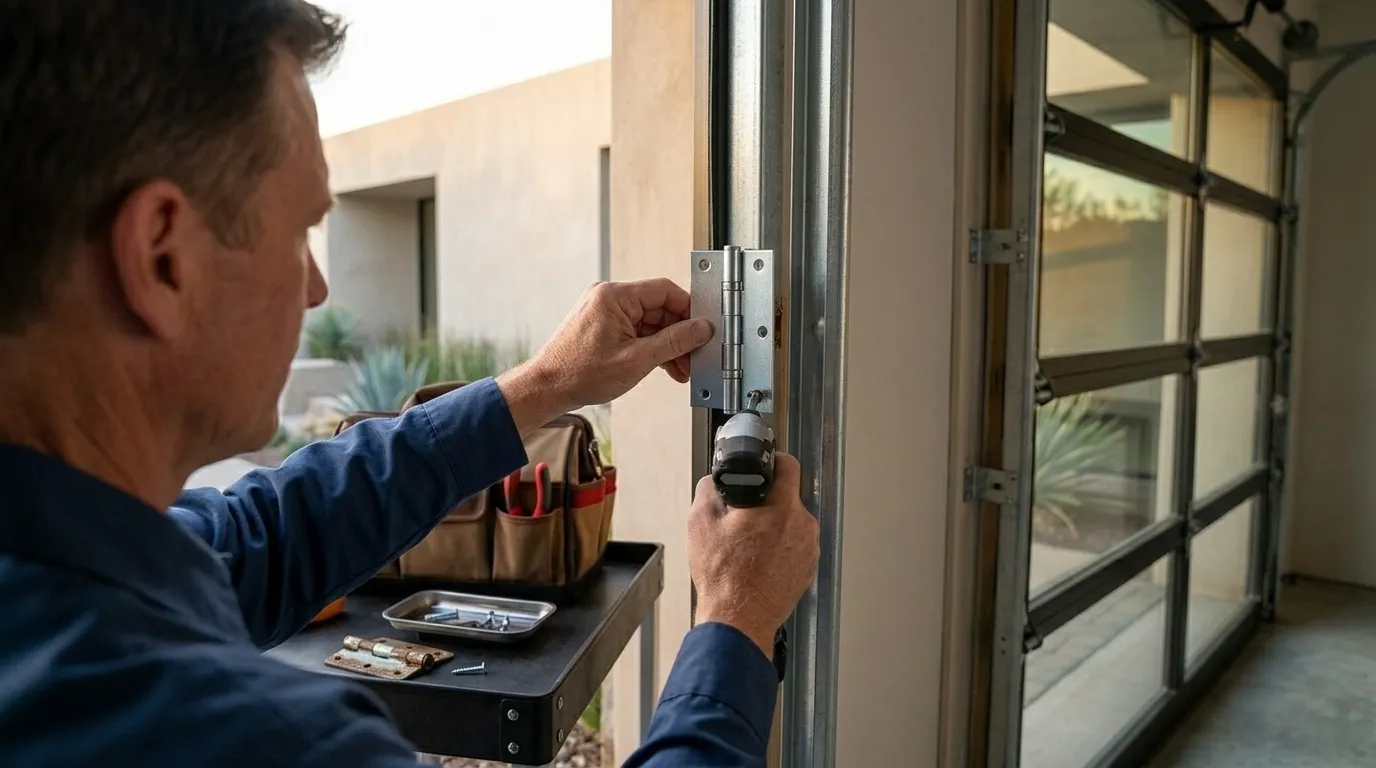
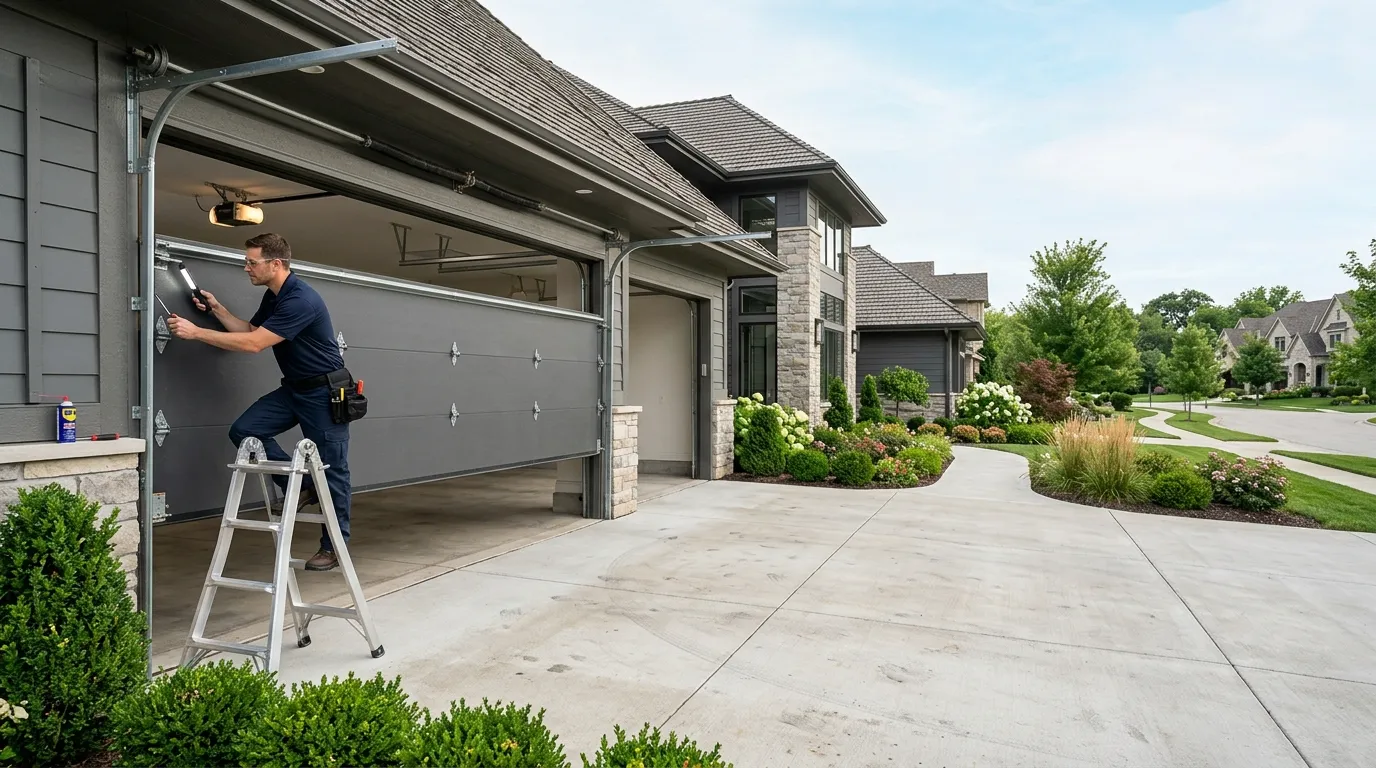
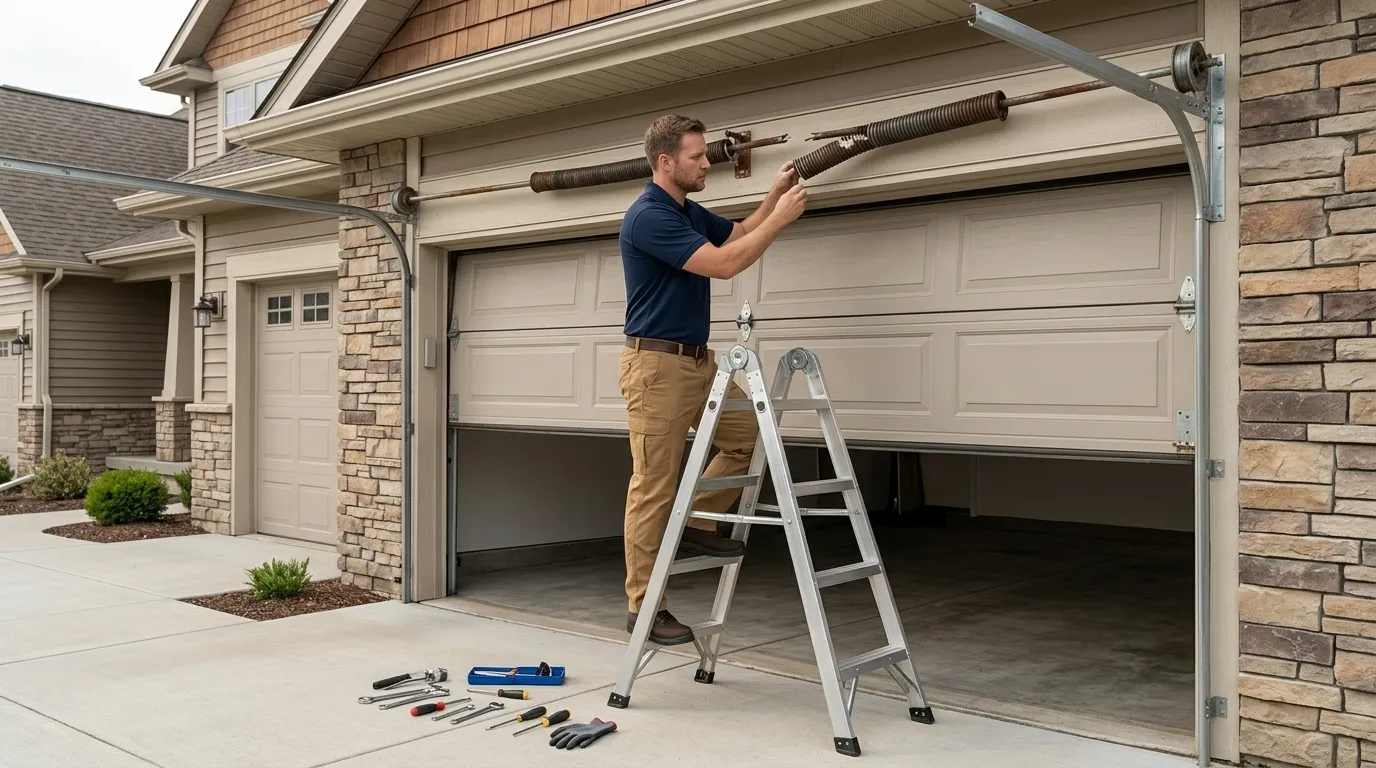
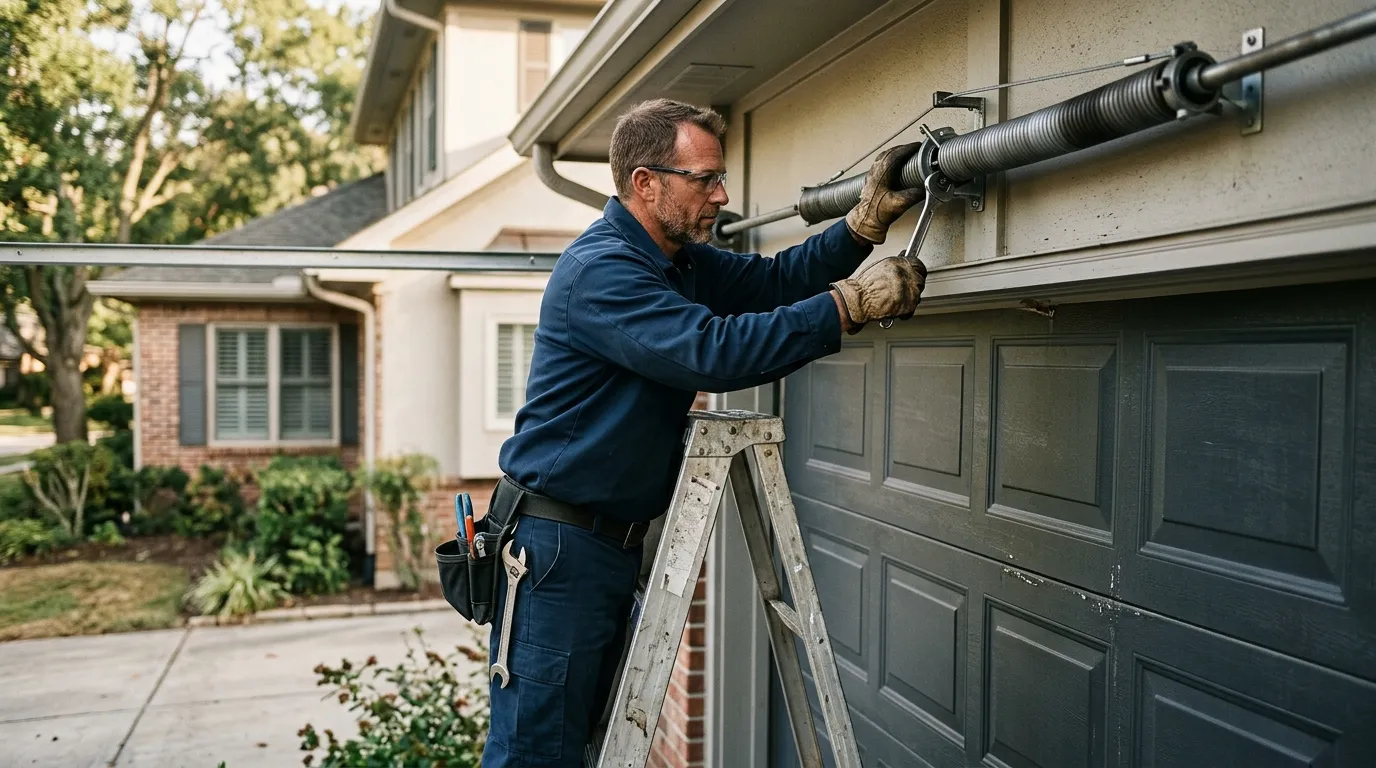
Darby sits about 9 miles from our Philadelphia base, and the calls we get from this stretch of it lean heavily toward one thing: torsion spring failure on doors that have been running the same hardware since the house was built. With a median build year around 1949, a lot of these garages still have their original opening sizes, which is narrower than what you'd find in a subdivision from the 1980s. That means the springs, the track width, and even the panel dimensions are often non-standard by today's stock sizing. We also see a fair number of cable and roller jobs, which tracks with hardware that's been in service for 70-plus years without a full swap-out. What we don't see much of here are the fancy smart-opener installs that dominate newer builds elsewhere in the region - the housing stock just doesn't lend itself to that kind of retrofit as often, since many garages were added or adapted after the original construction rather than built with power and framing for it from day one.
What That Means for Doors
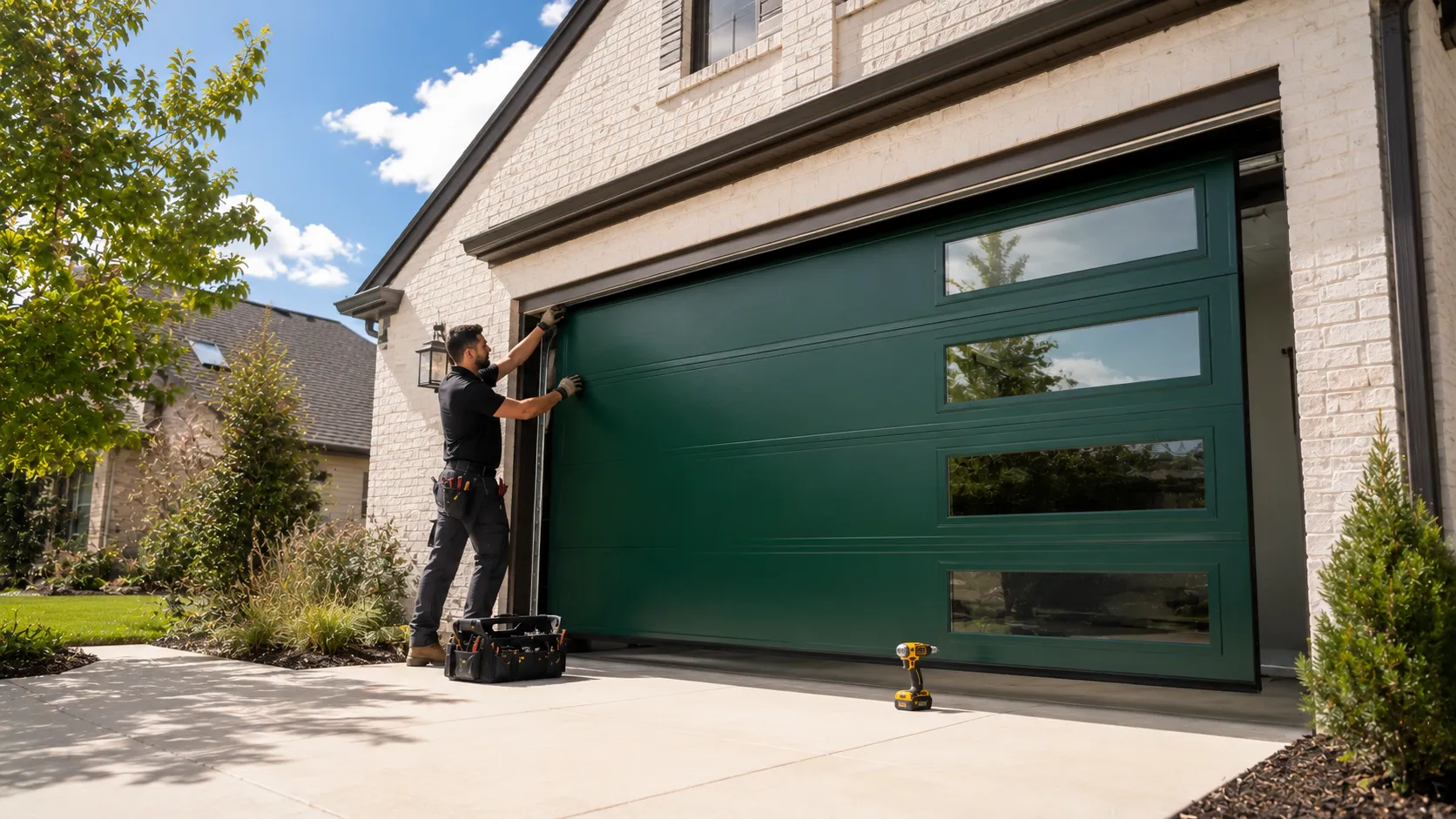
A door installed to fit a 1949 opening usually isn't the same width as what most manufacturers stock off the shelf today. That's the practical problem: when a panel cracks or a track bends beyond straightening, we're often looking at a custom or semi-custom order rather than a same-day swap. Springs are usually more straightforward - torsion springs are torsion springs, and we can match wire size and wind to the door once we're on site - but panels and full sections take longer to source. This is the honest limitation worth stating up front: if your door dates back to the house itself, expect the repair timeline to run longer than a quote you might get for a garage built in the 1990s, simply because the part isn't sitting on a shelf in standard size.
The Houses Here
With roughly 3,915 households in Darby and a median income of $45,128, this isn't an area where wholesale garage replacement is the default move when something breaks - it's an area where a well-done repair usually makes more financial sense, and we treat it that way. Most garages tied to homes from this era were built single-car or narrow two-car, often with the garage set below grade or at the back of a shallow lot, which affects how much clearance we have for spring cages and track runs. The broader region's housing stock runs mostly pre-1960, and Darby's numbers sit right in that range rather than skewing newer. That consistency matters for parts planning - we're not guessing at what era of hardware we'll find behind a given door.
Timing on This Area
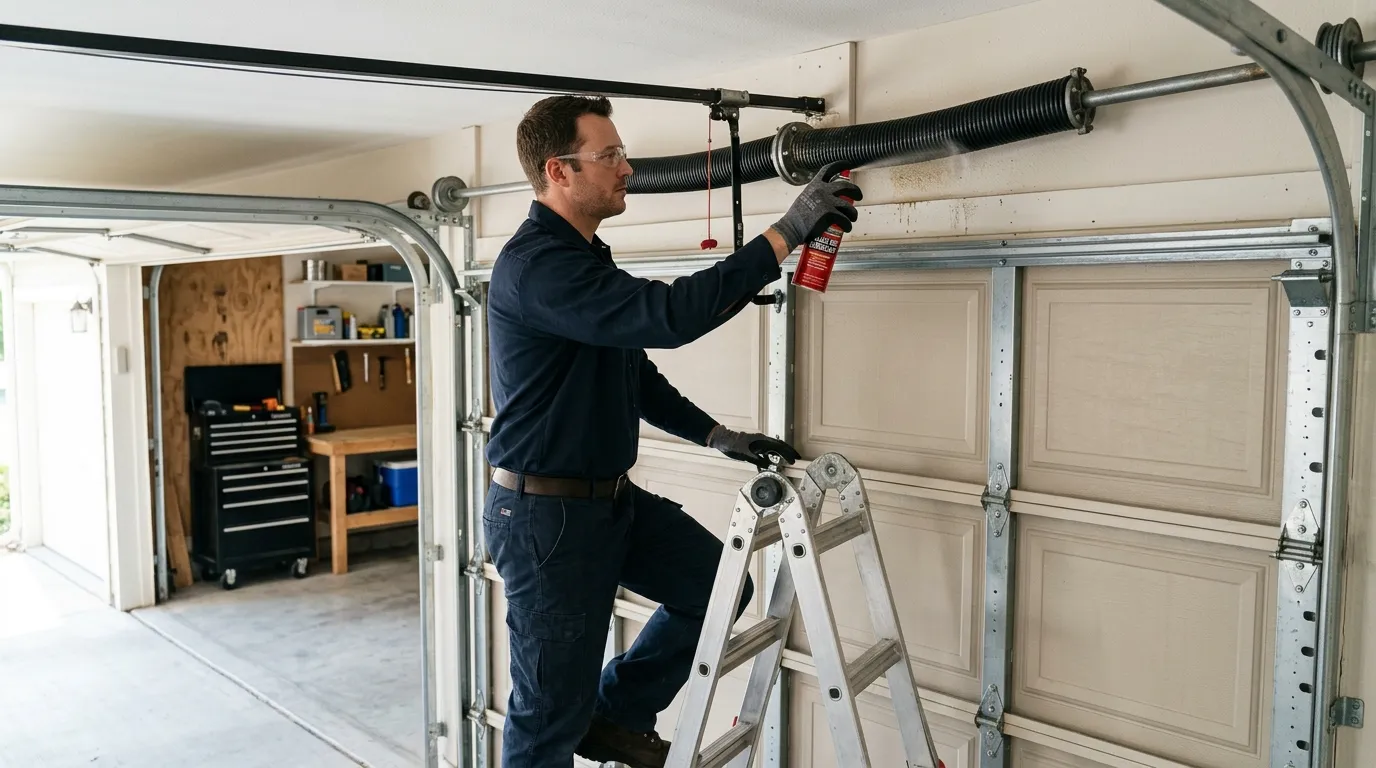
Cold winters matter more here than in a lot of newer construction, because a 1949-era garage often has less insulation around the door opening and more gaps where a torsion spring sees temperature swings it wasn't designed for over its working life. Metal fatigues faster with repeated cold-to-warm cycling, and that's part of why spring failure shows up as often as it does on these older doors. We travel out from Philadelphia for these calls rather than running a local depot, so we're straightforward about scheduling: we're not claiming a fixed response window for Darby, just that we make the trip and we come prepared for the hardware sizes this area tends to have.
How it works
From “it’s stuck” to “it’s fixed”
01
Tell us what’s wrong
Describe the symptom - won’t open, loud bang, opener runs but the door won’t move.
02
On-site diagnosis
A technician tests the door under power and by hand and finds what actually failed.
03
Clear, up-front plan
You get the fix that’s needed and what drives the cost - before any work starts.
04
Repaired & tested
The repair is done, the door is set true and tested, and the work area left clean.
Serving Philadelphia, PA - tell us what your door’s doing and we’ll take it from there.
Why does my garage door repair in Darby take longer than a quote I got for a friend's newer house?
If your garage dates to the house itself, likely around 1949 based on local build patterns, the opening and panel sizes are often non-standard. Springs we can usually match on site, but a cracked panel or bent track section may need to be special-ordered rather than pulled off a shelf, which adds time to the job.
Do you have a local office in Darby?
No. We're based in Philadelphia and travel out to Darby and the surrounding area for jobs. We don't claim a depot or a guaranteed response window here - we just make the drive and come equipped for the hardware this area typically has.
Is it worth replacing my whole door instead of repairing it?
It depends on what's broken. A snapped spring or worn rollers are almost always a repair. A badly bent track or a panel that's rusted through on an older door sometimes tips the math toward replacement, especially since custom-sized panels for older openings can cost more to source than you'd expect.
Why do older Darby garages have so many spring failures?
Cold winters put real stress on torsion springs through repeated temperature cycling, and homes built around 1949 often have less insulation around the garage opening than newer construction. Combine that with hardware that's been in place for decades, and spring fatigue becomes one of the most common calls we get from this area.
Ready to get your garage door sorted?
Tell us what it’s doing and where you are in Philadelphia - we’ll take it from there.