What Is Going On
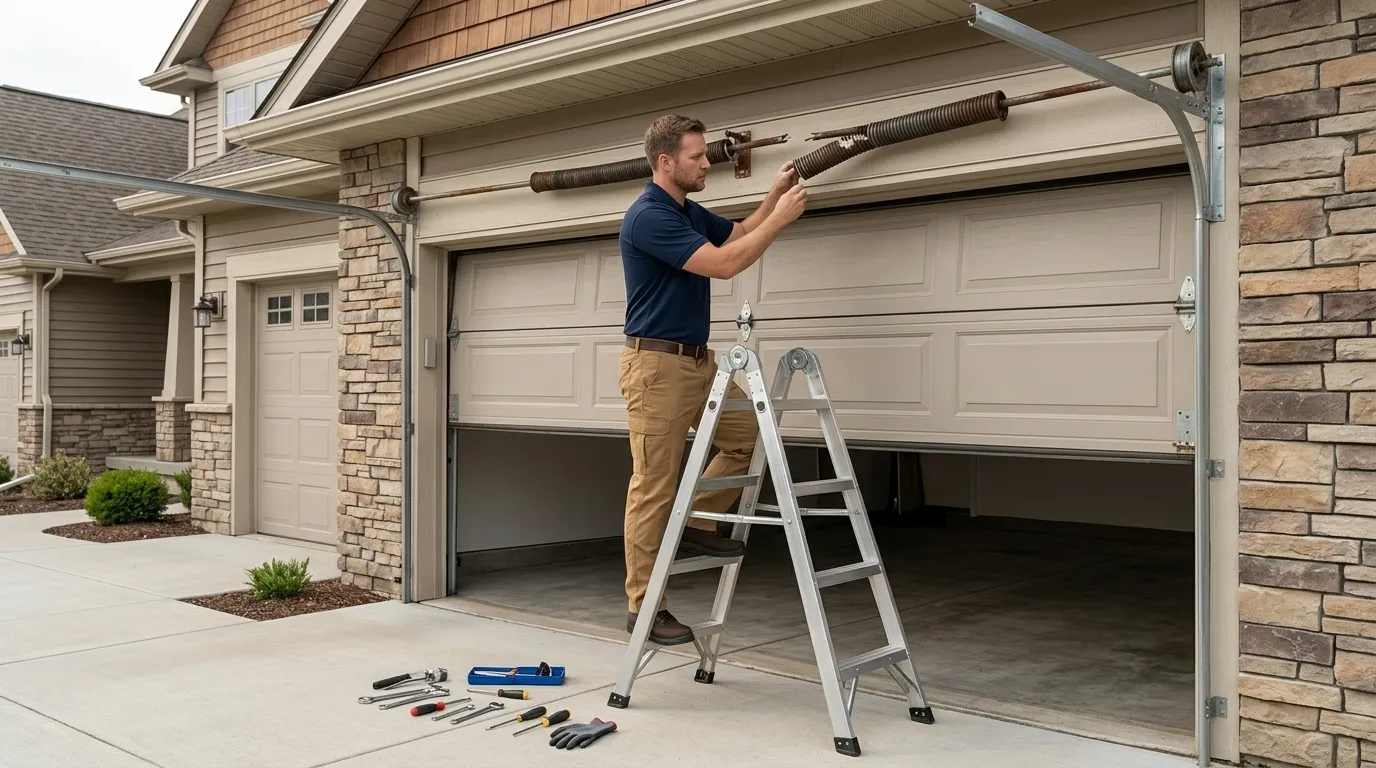
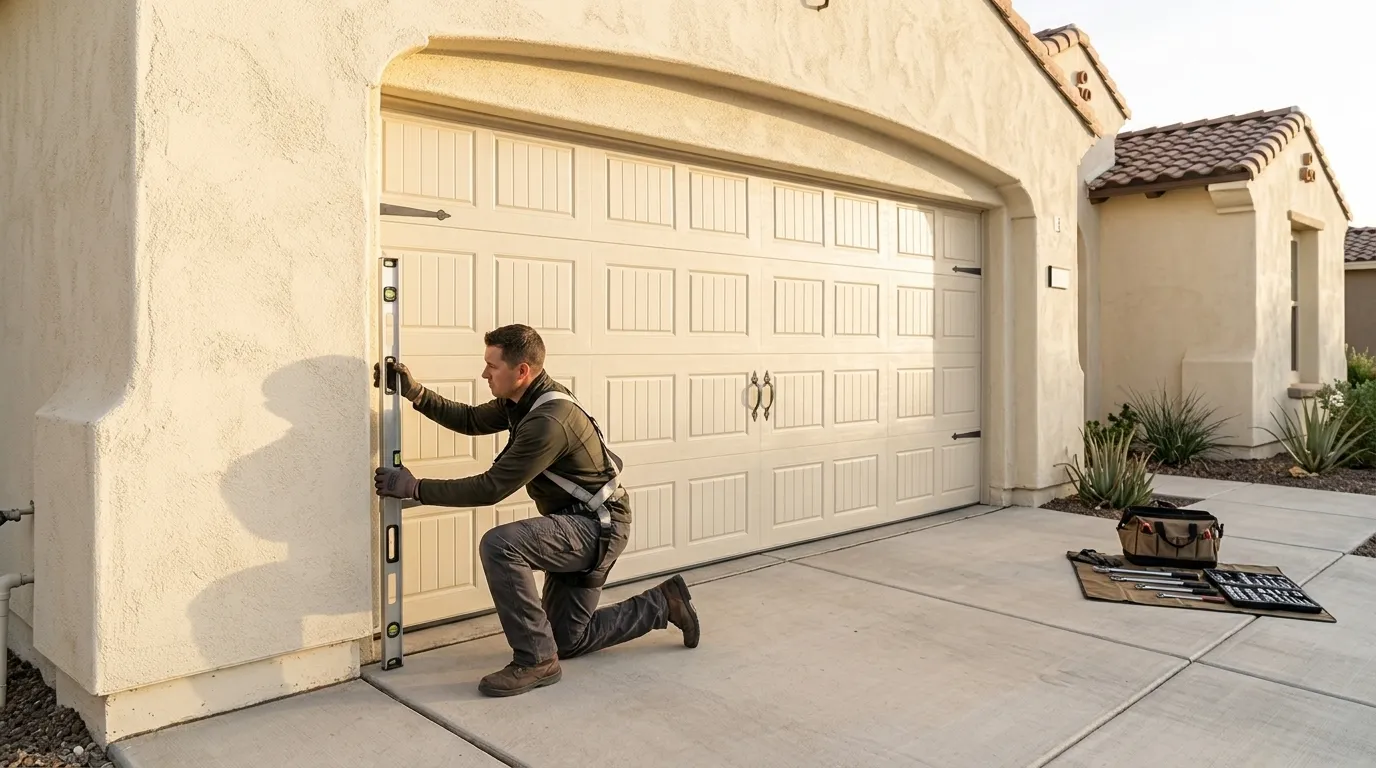
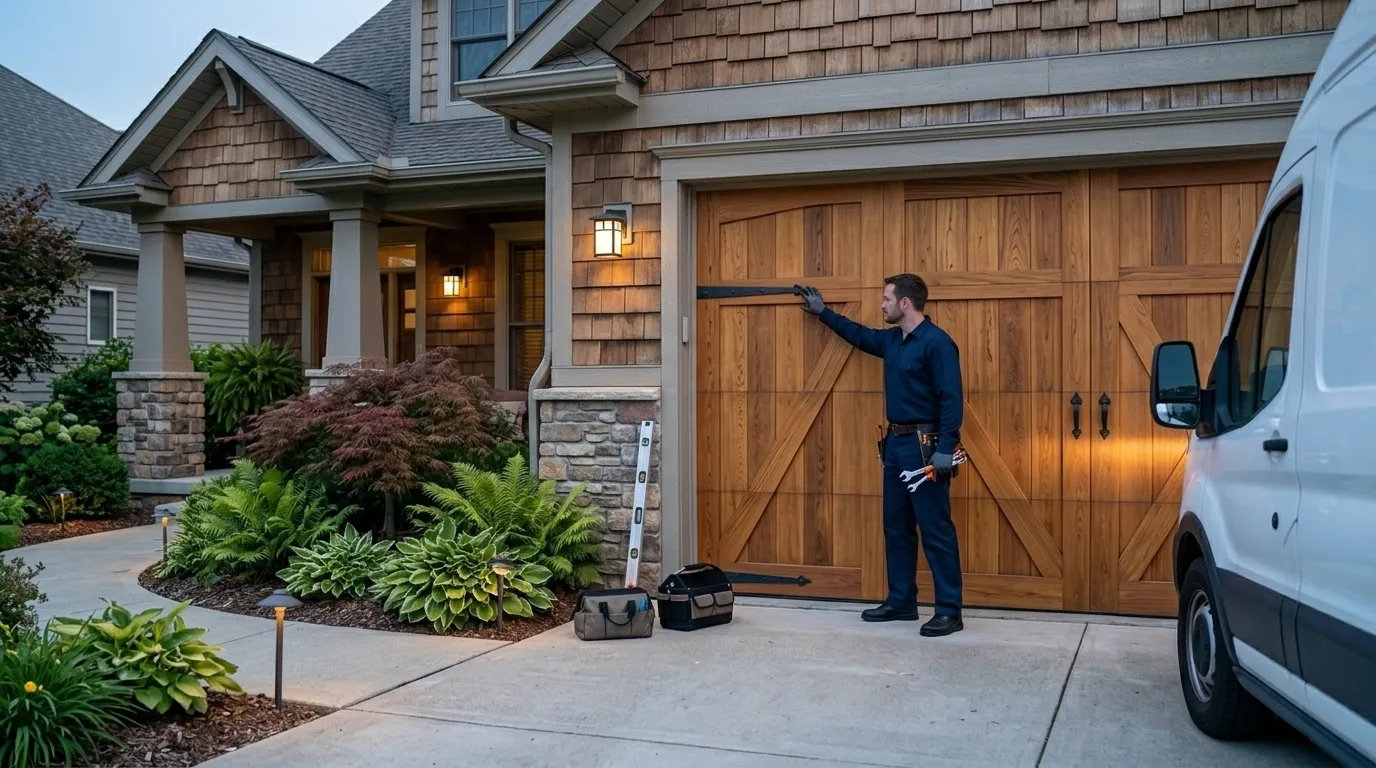
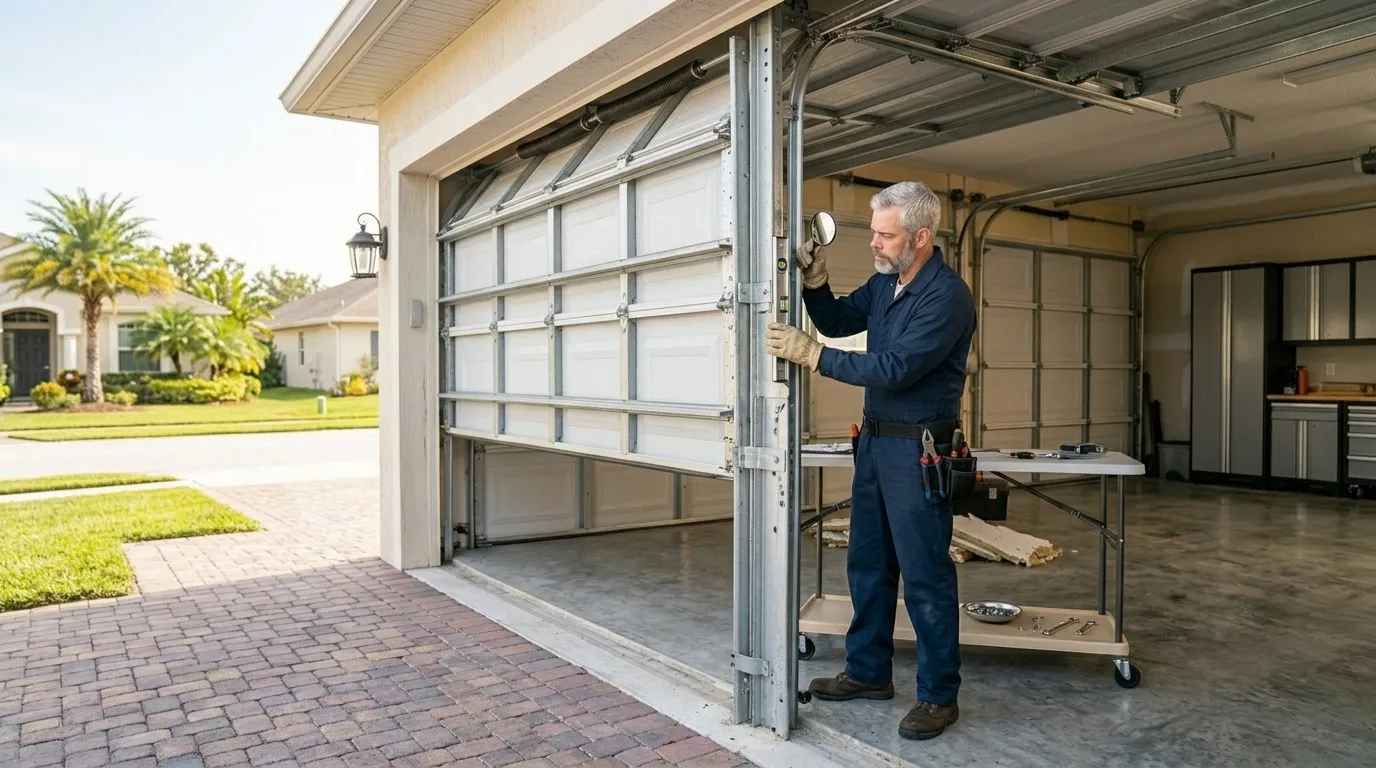
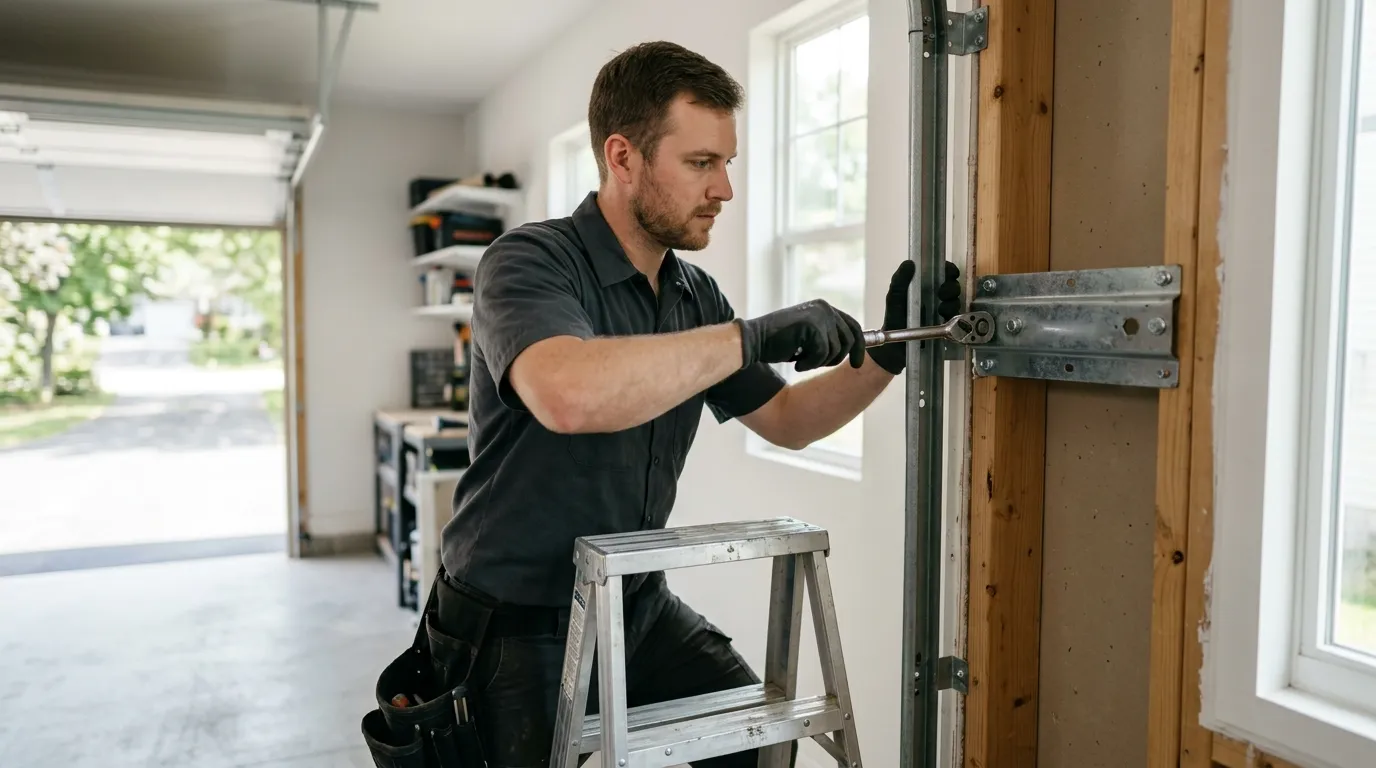
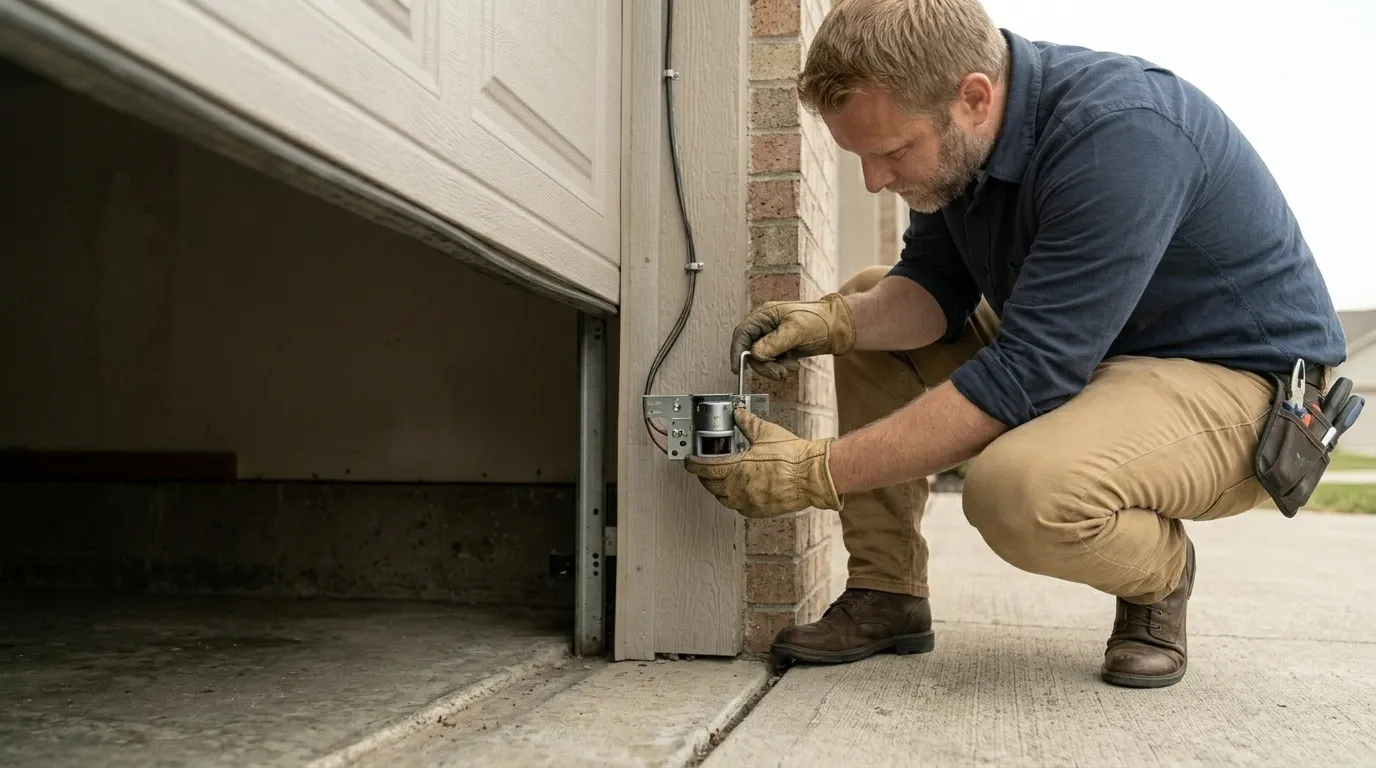
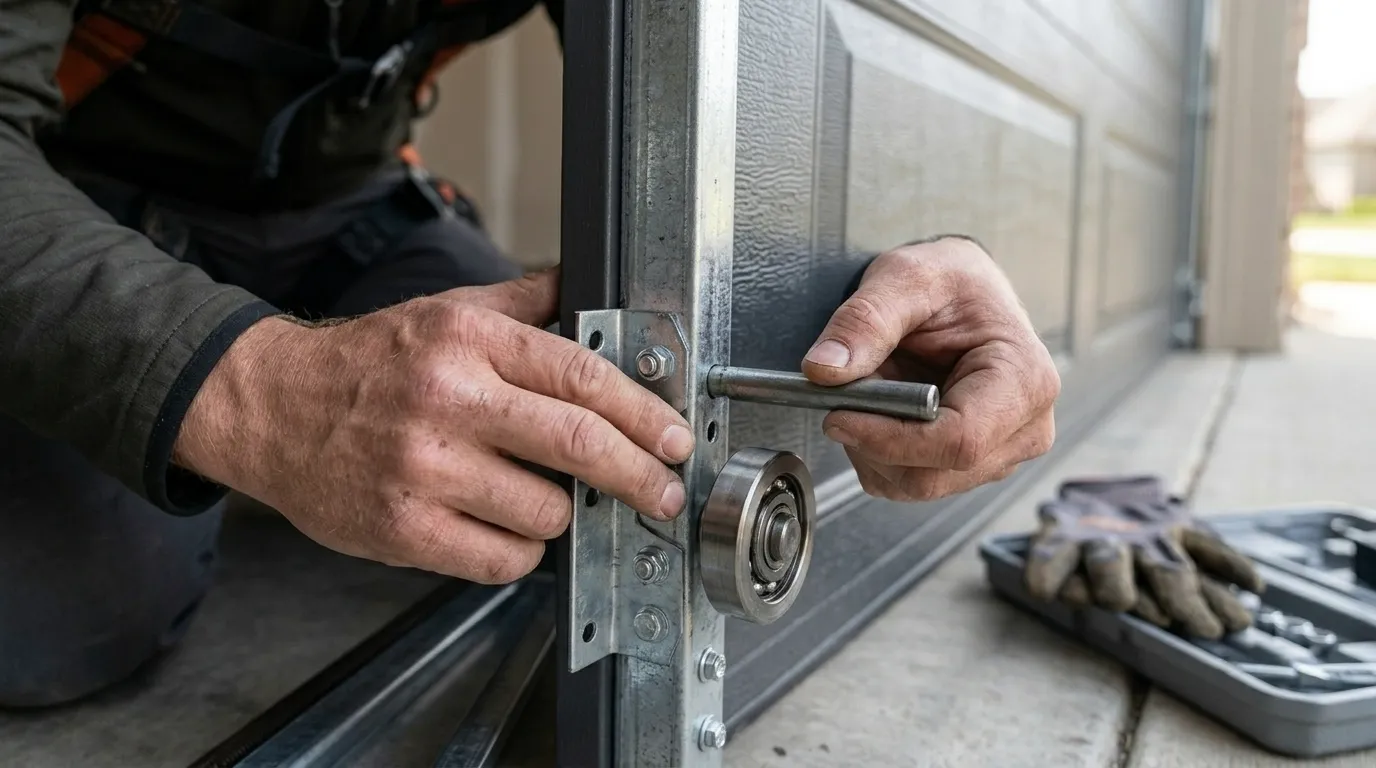
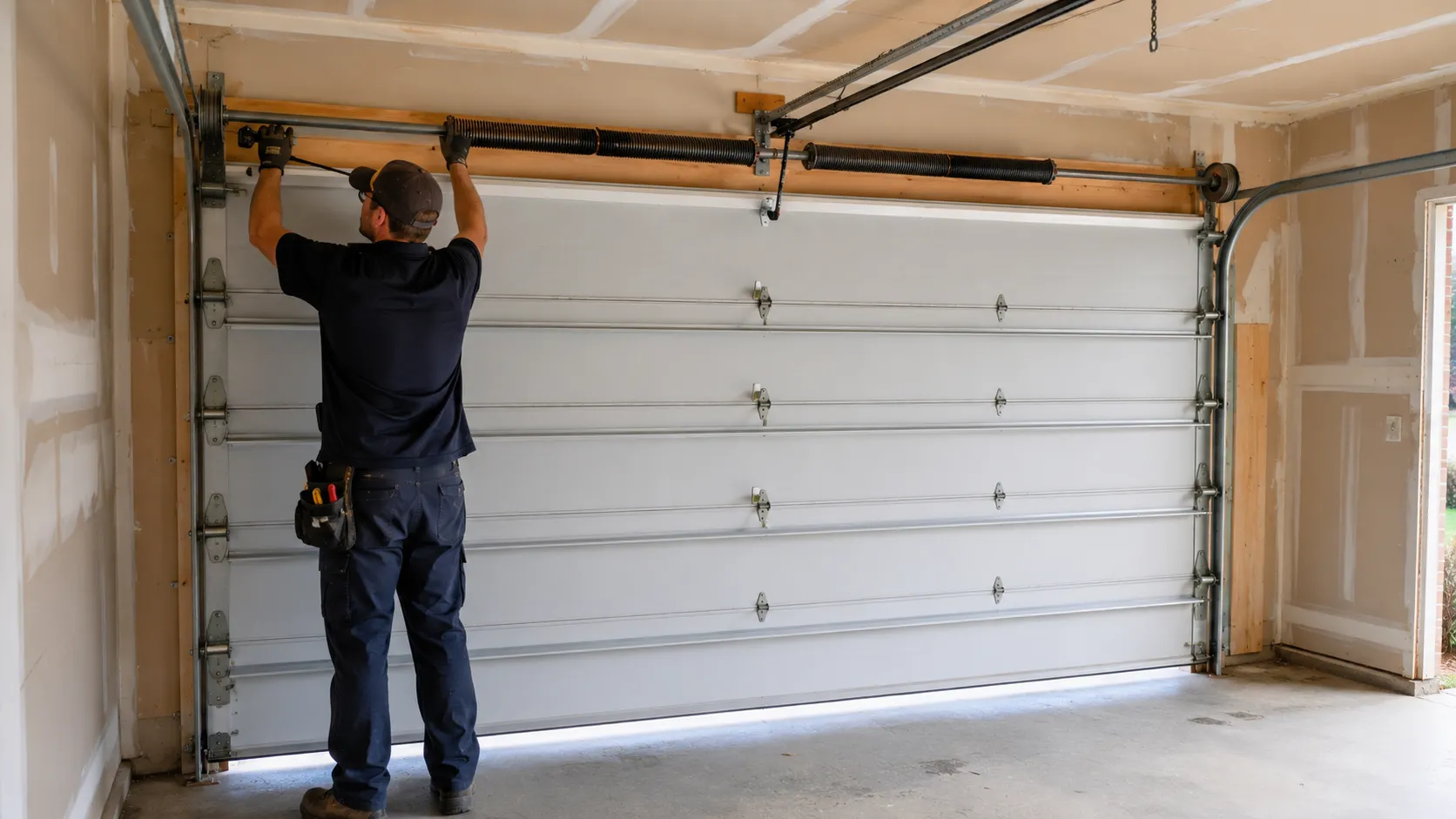
A grinding noise on the way up usually means a roller that's worn flat, riding rough in a track that's outlasted three or four openers. A loud bang followed by the door refusing to move is almost always a torsion spring letting go - and on a lot of these pre-1960 houses, that spring is original hardware nobody's touched since the Eisenhower administration. A rhythmic thump every few feet points to a bent track section, common in houses where the garage was added or altered after the original 1938-1994 build window. None of these noises are random. Each one names a specific worn or failed part, and the part almost always ties back to how old the house - and the door - actually is.
What Most People Get Wrong
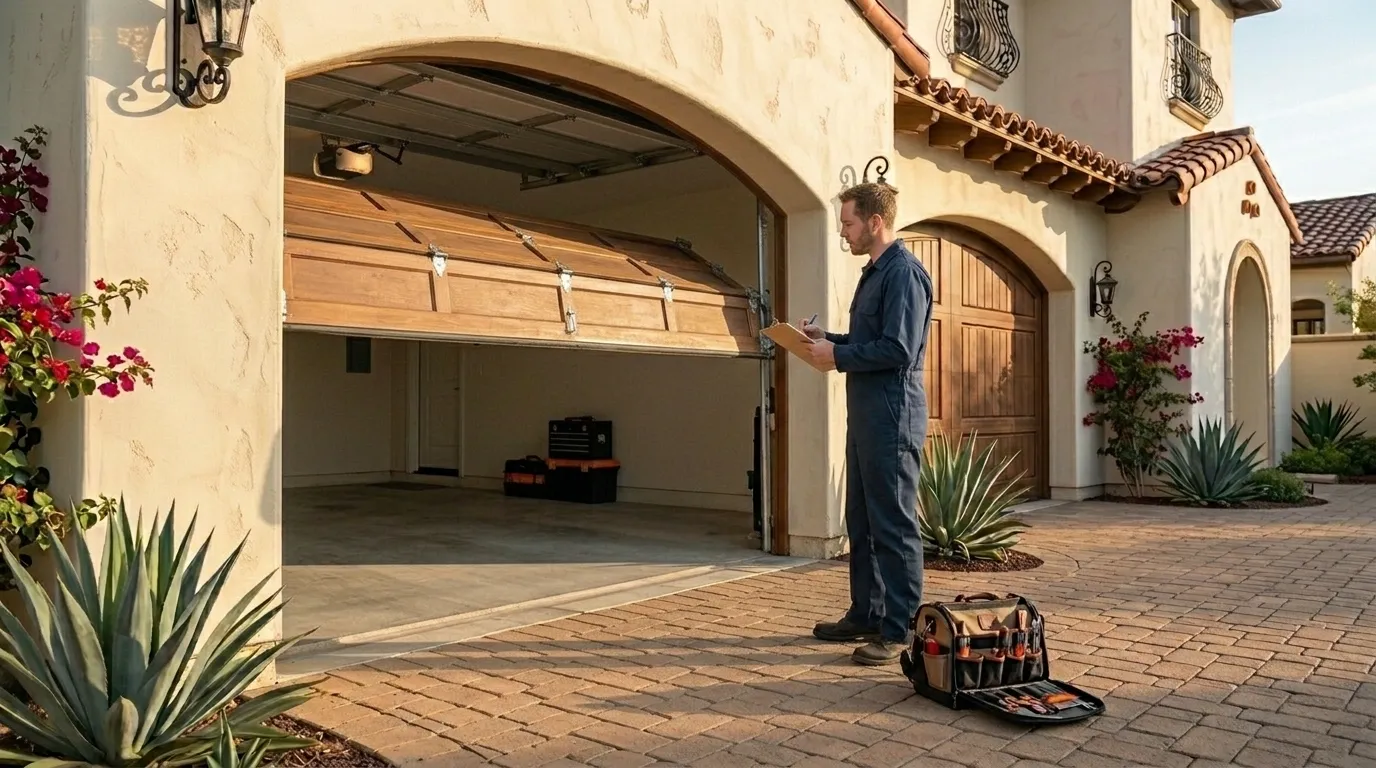
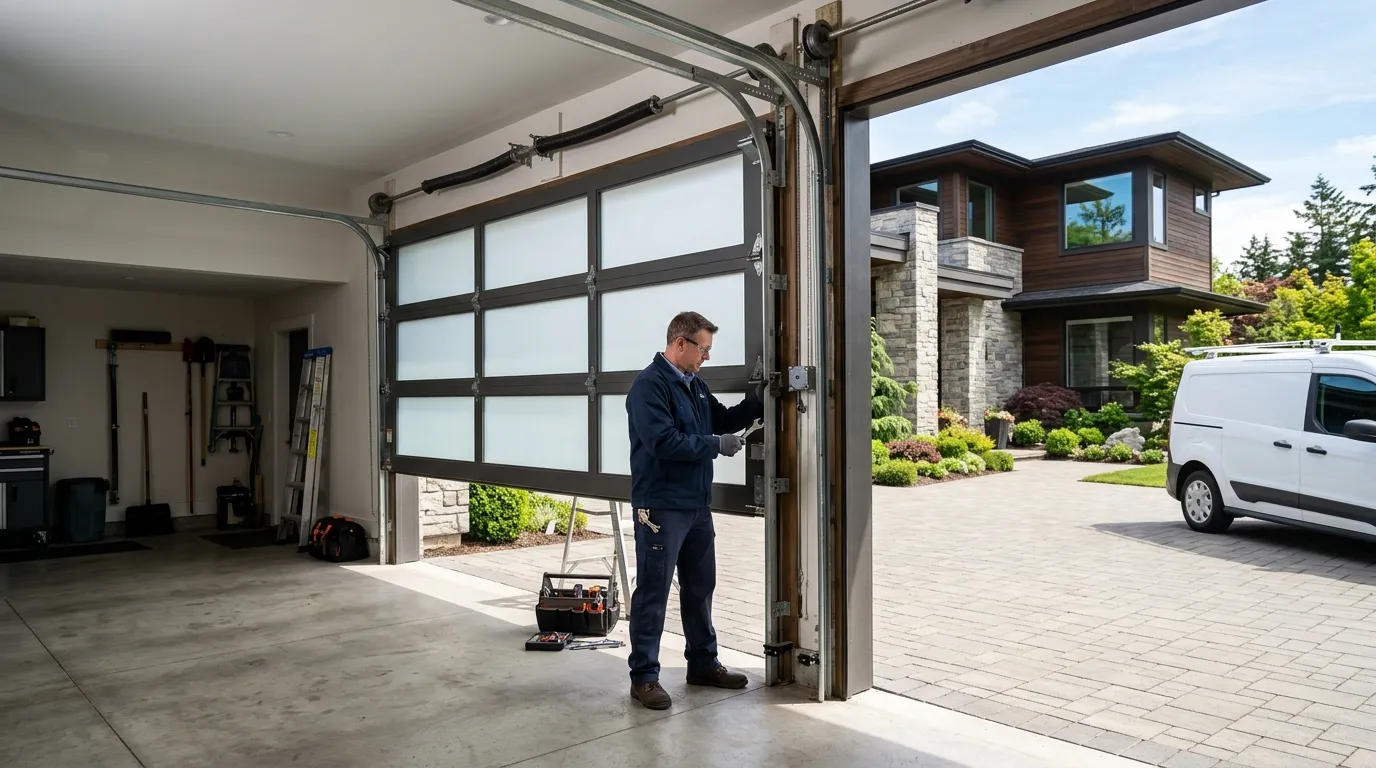
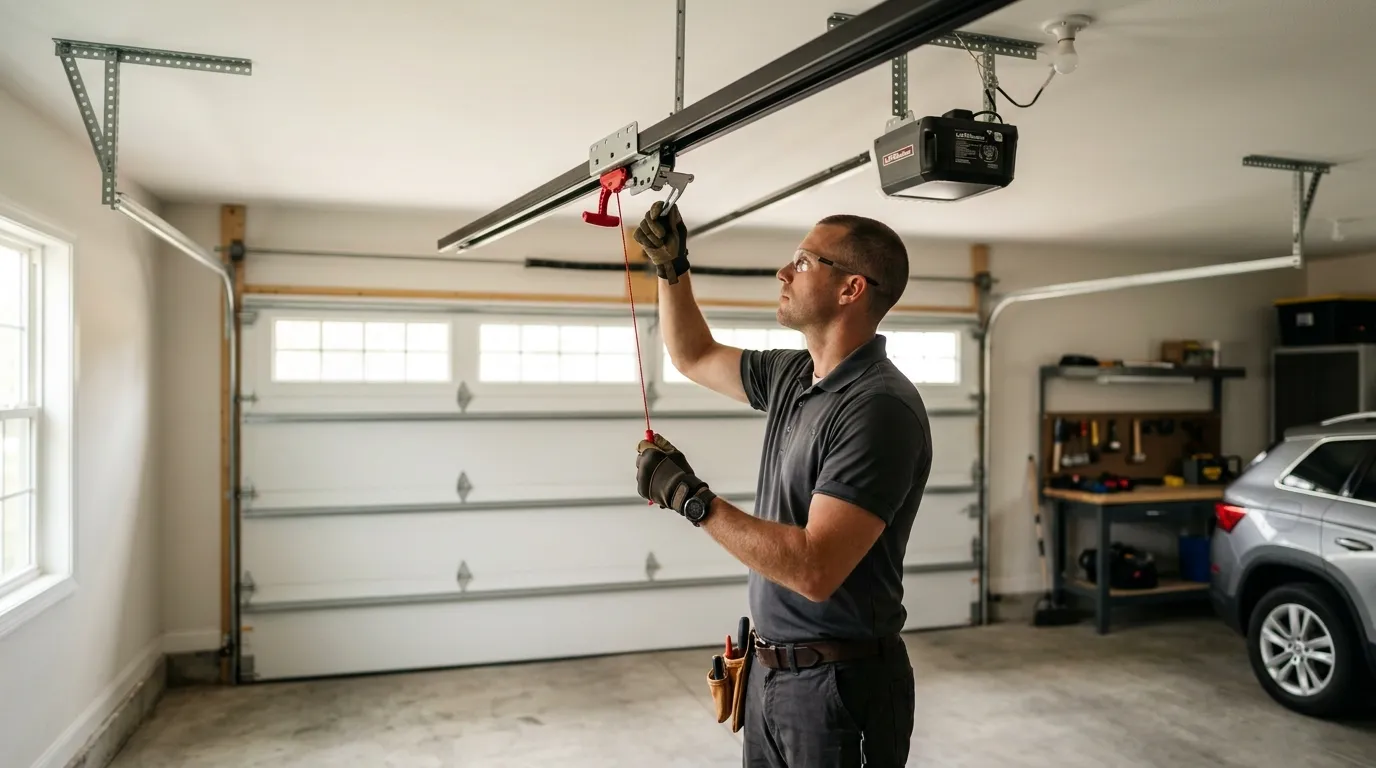
The most common mistake is spraying oil on a noisy spring and calling it fixed. Lubricant quiets a track for a week, but it does nothing for a spring that's fatigued from decades of contraction and expansion in weather like this - it's still going to fail on its own schedule. The second mistake is assuming any noise means the opener is dying. In most of the houses we see across this part of the region, the opener is the newest part on the door; everything else, from the torsion hardware to the track brackets, is what's old. Honest limitation: we can't tell you from a phone description whether a noise means a cheap roller swap or a spring that needs replacing before it takes a finger with it - that call needs eyes on the actual door.