Why Garage Doors Stick and Won't Open in Philadelphia Winters
Frozen torsion springs and stuck doors are common in Philadelphia's pre-1960 housing stock. See what our service call covers and why cold snaps trigger it.
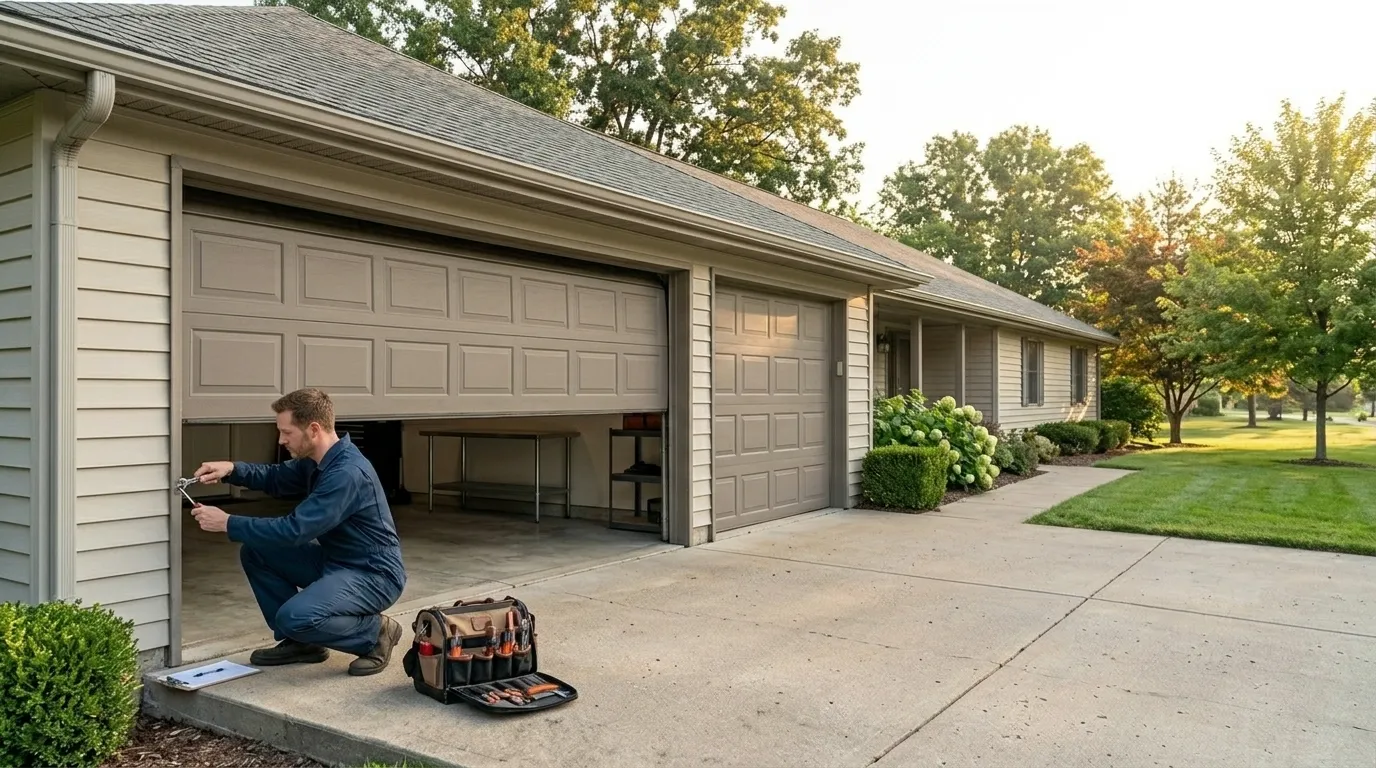
The call we get most this time of year is simple: the door won't budge, or it lurches up a few inches and stalls. Sometimes there's a bang from the garage before it happens - that's a torsion spring letting go. Other times the opener just hums and the door doesn't move at all, which usually means the spring already failed quietly and the opener is trying to lift the full weight of the door on its own.
In a lot of the rowhouse and twin blocks around Philadelphia, this shows up as a door that worked fine in October and won't open in January. That's not a coincidence. Houses in this area were mostly built between 1938 and 1994, with the median right around 1957, and doors installed decades ago on original hardware are the ones we see fail first once the cold sets in. If your garage sits on an exterior wall with no heat source, expect this call sooner rather than later.
We won't try to force a stuck door for you over the phone - if it's off track or the spring is broken, moving it manually can bend the track or drop the door on someone's hand.
Parts We Carry
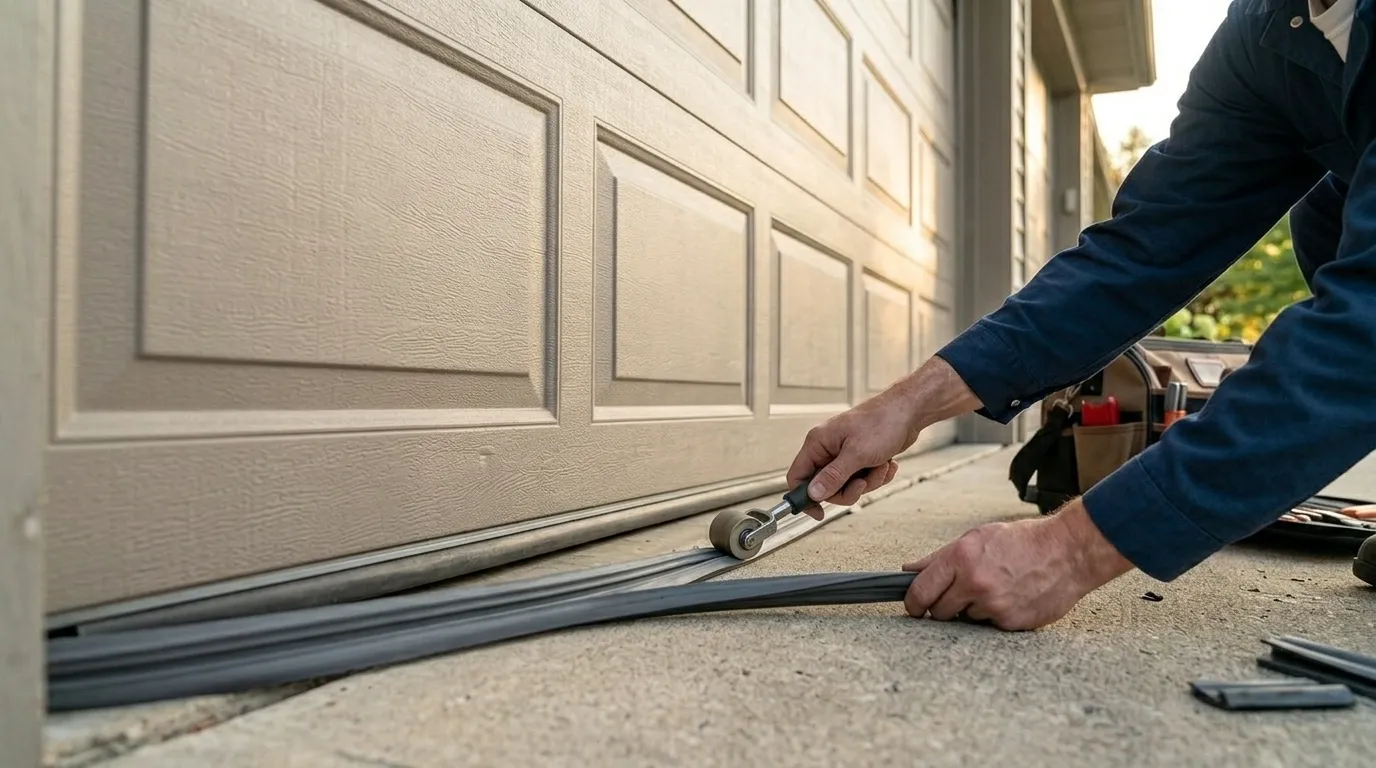
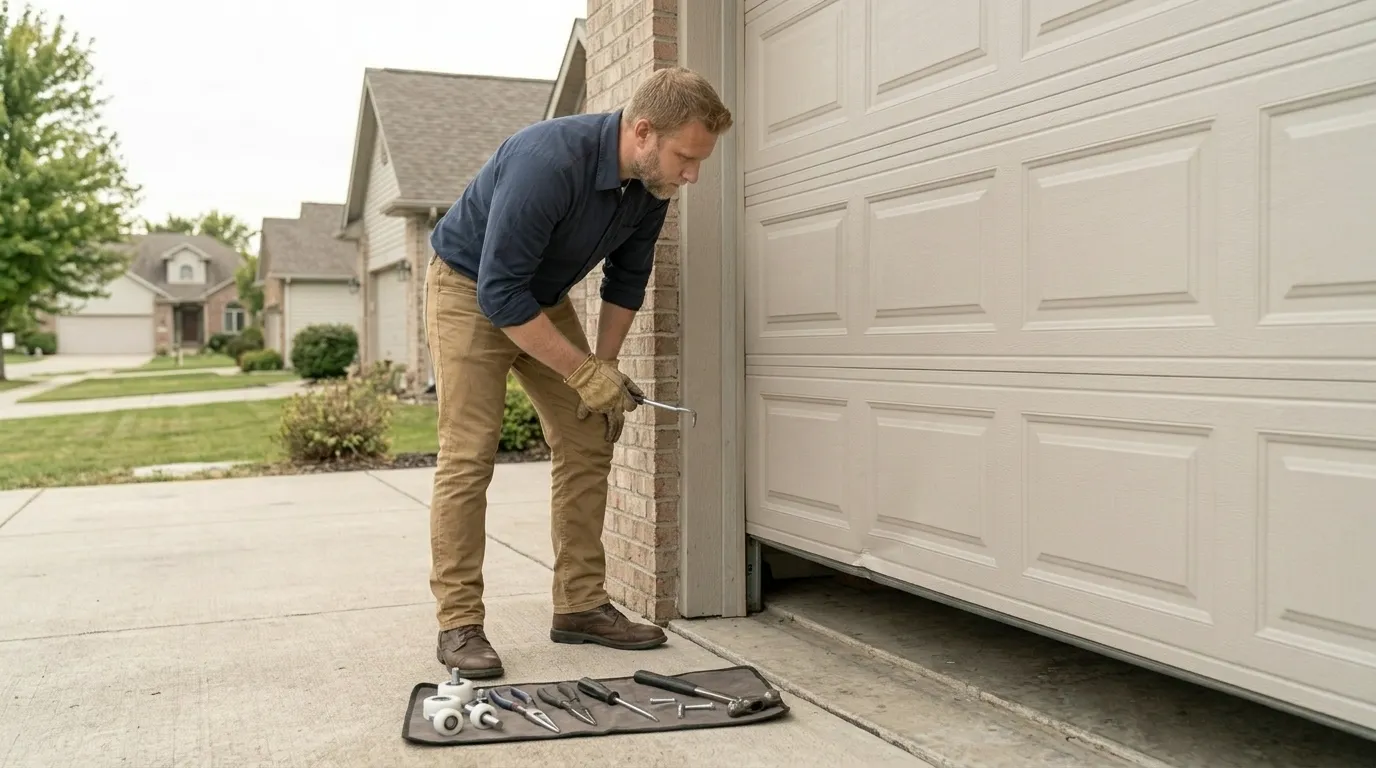
We stock torsion springs in the sizes that actually turn up in this area's older openings - a lot of the original one-piece and early sectional doors here were built for openings and drum sizes that newer stock doors don't match. We carry standard 7-foot and 8-foot torsion springs, extension springs for the older lift systems some of these pre-1960 houses still have, plus rollers, end bearings, and lift cables sized to fit rather than jury-rigged to fit.
One honest limit here: if your door is an older custom width - some of the rowhouse garages run narrower than modern standard sizes - we may need to order a spring or track section rather than have it on the truck. That adds a day, sometimes two, depending on the part. We'll tell you on the spot if that's the case rather than pretend we can finish it same visit.
What the Fix Involves
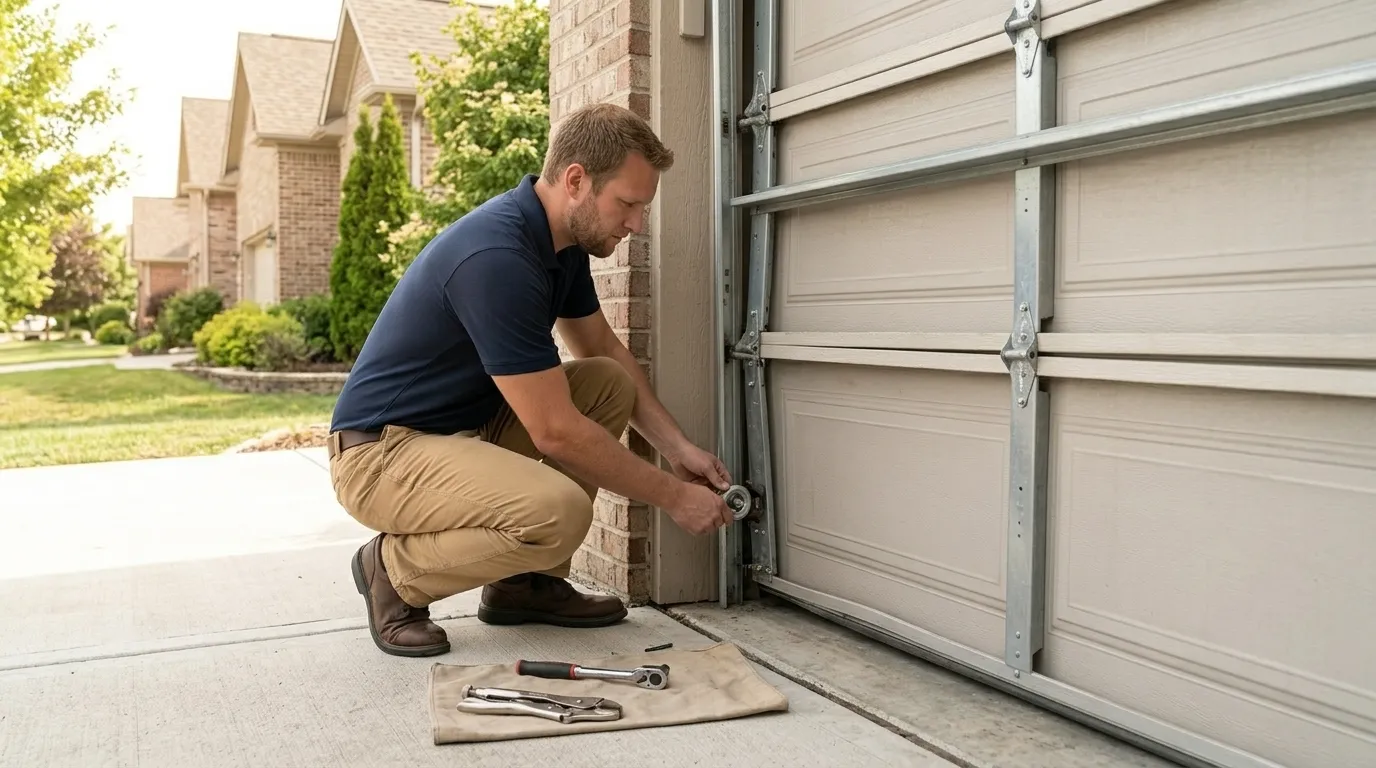
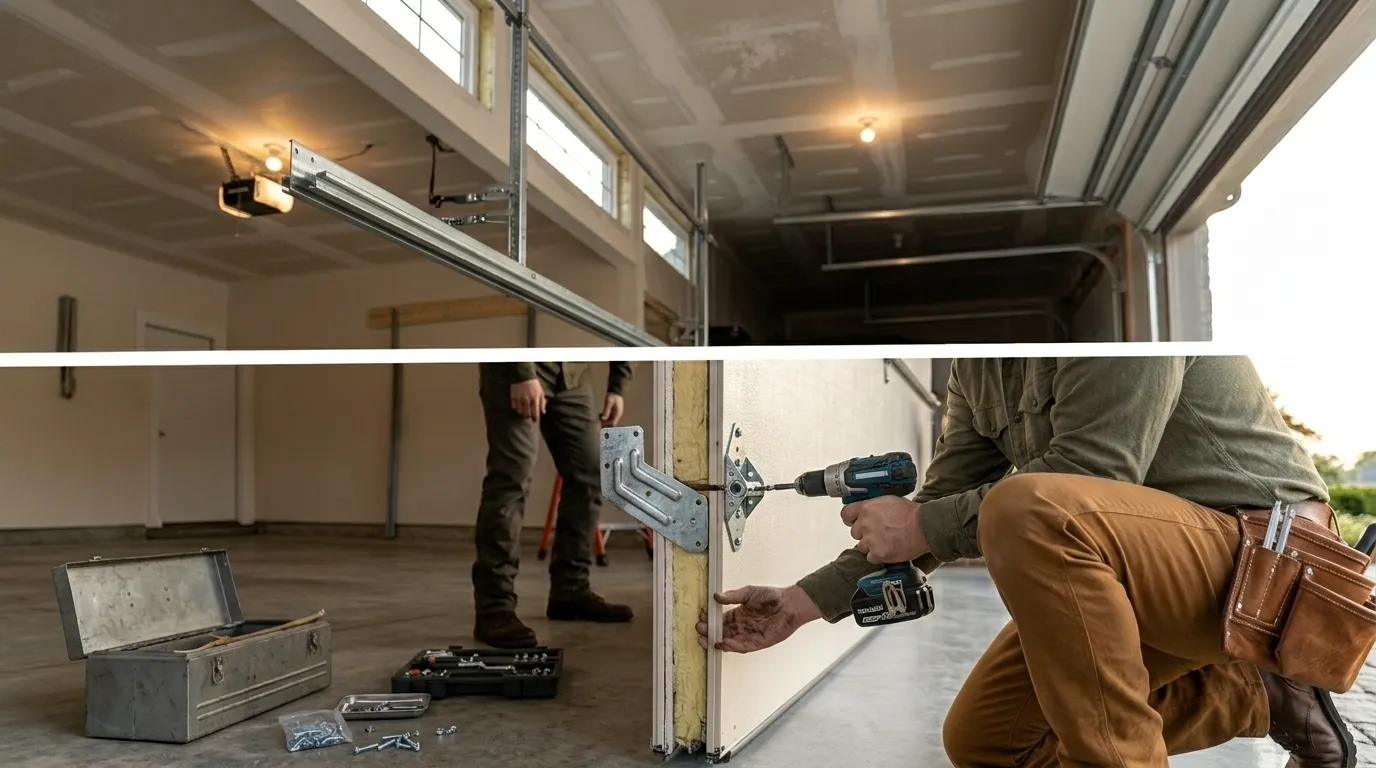
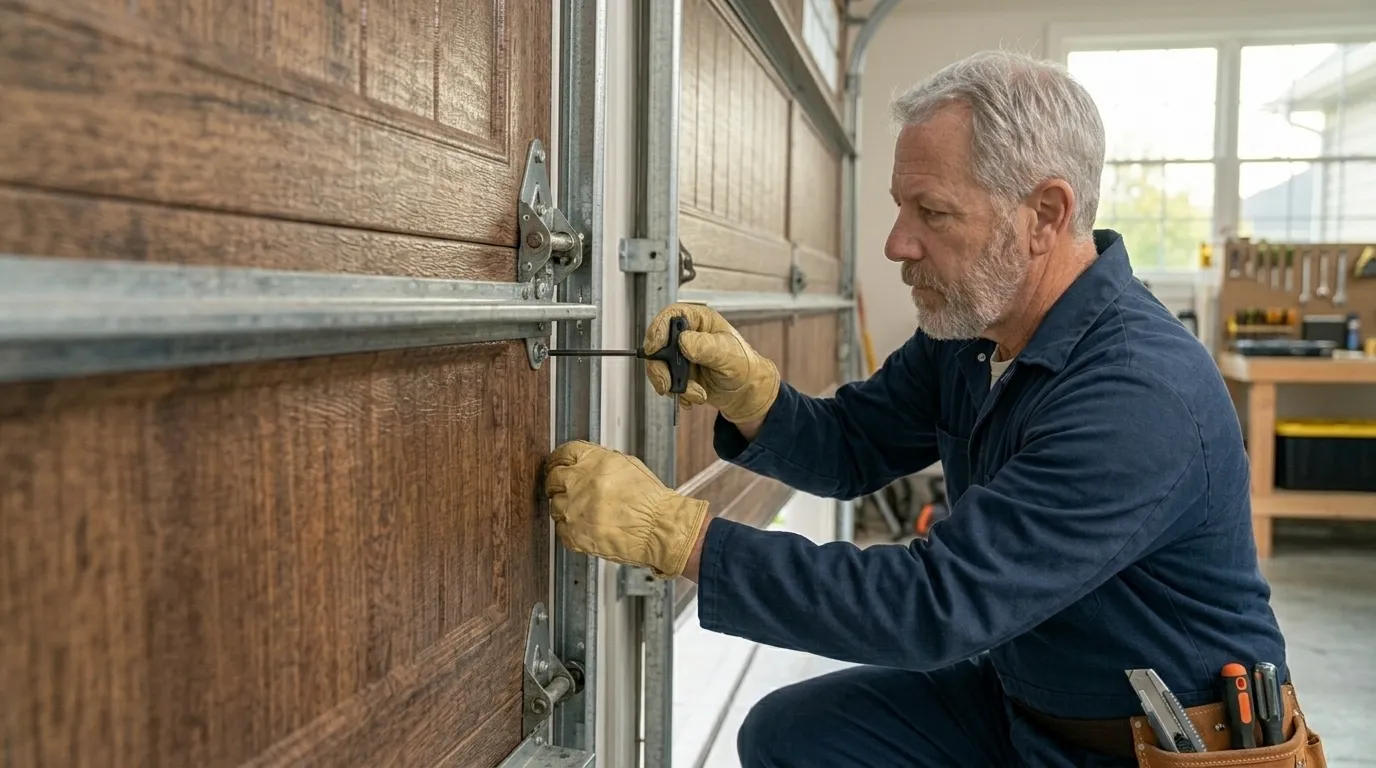
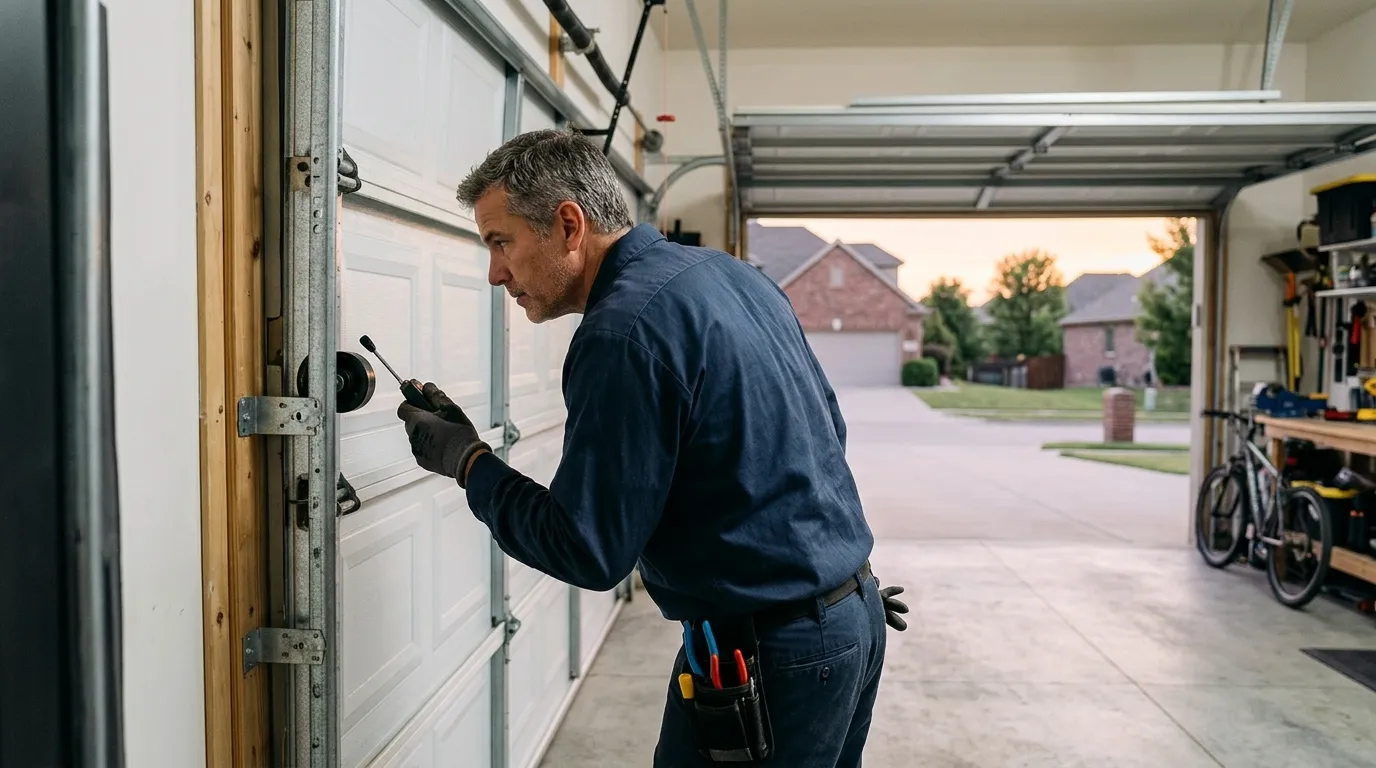
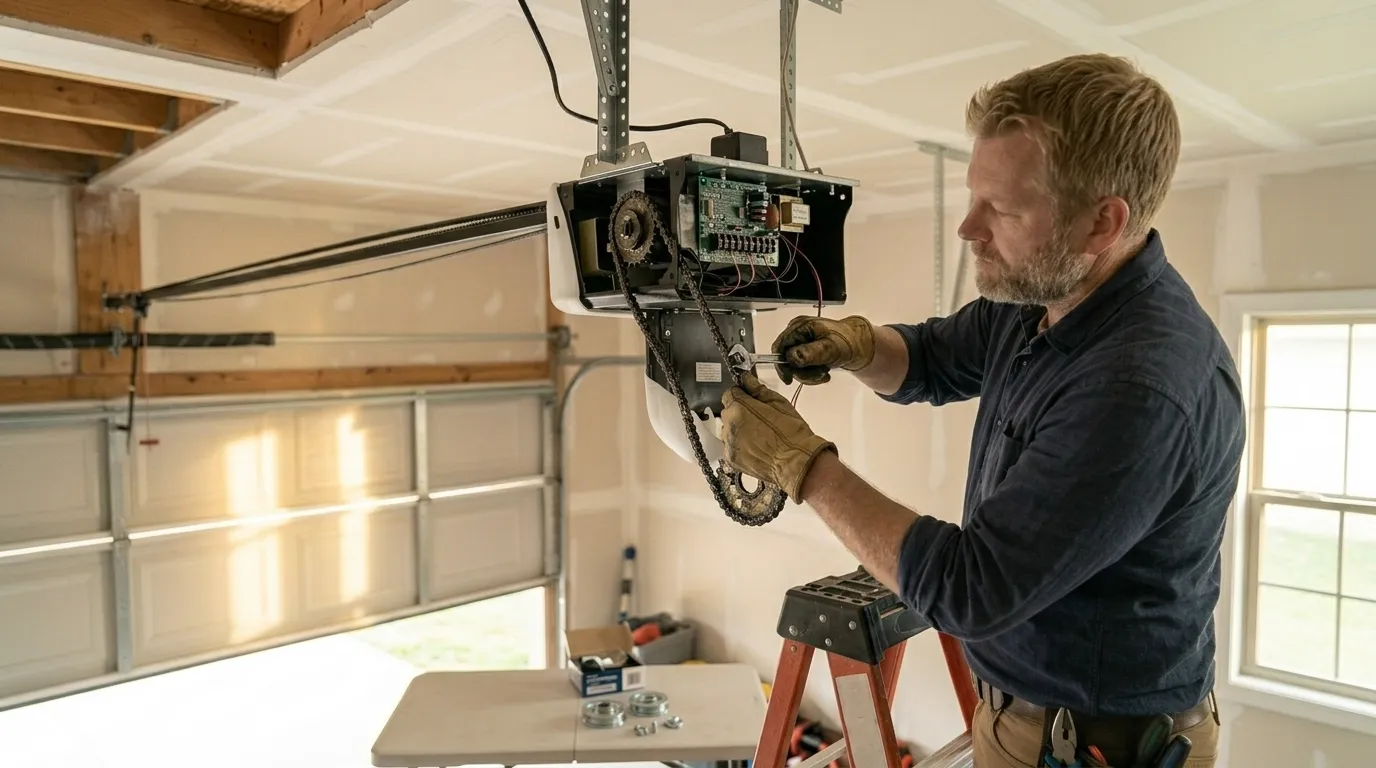
For a broken torsion spring, the job starts with unwinding what's left of the old spring safely, pulling the cable drums, and checking the shaft and bearing plates for wear before anything new goes on. On a house built in the 1950s that's never had the springs replaced, we're often looking at bearing plates that have worn a groove into the shaft - that gets fixed too, not just papered over with a new spring.
We size the new spring to the actual weight and cycle life of your door, not just whatever matches the old one, since a lot of original doors in this area were built heavier than what's sold today. Cables, rollers, and end bearings get inspected at the same time, since they take the same stress and fail on the same schedule.
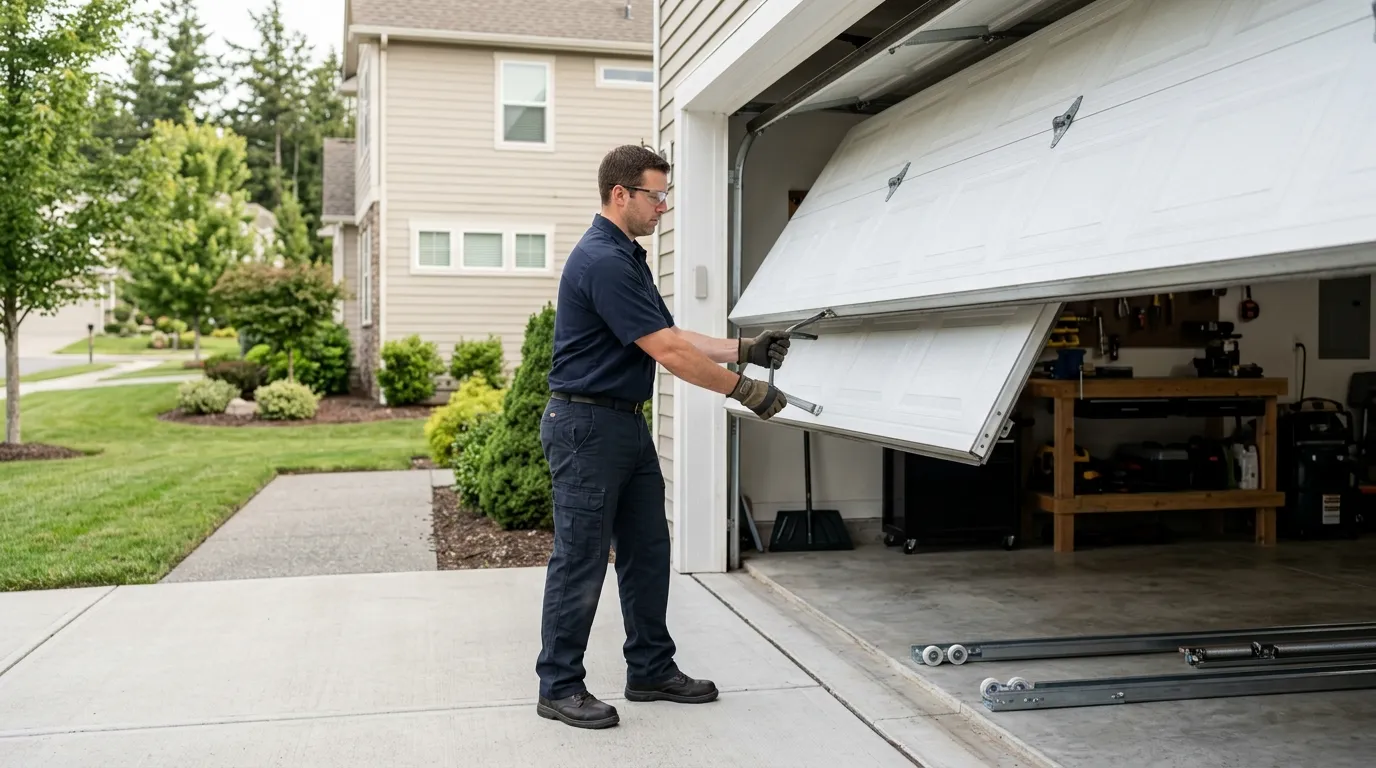
If the door is off track instead of spring-broken, we check the track alignment and hinges before running it again - forcing a bent track back into place without checking it just moves the failure point somewhere else.
Why It Happens Here
Two things are working against garage doors in this area at once. First is the age of the housing stock - across the 95 named areas nearest Philadelphia, most homes are pre-1960, which means a large share of garage doors and their hardware are original or close to it, built for a lift cycle nobody expected to still be running seventy years later. Second is the cold. This area sits in a severe cold climate band, and steel torsion springs lose tension and get brittle with repeated hard freezes - a spring that was already near the end of its life in October is the one that snaps on the first real cold snap.
Combine those two and you get a predictable pattern: older spring, older bearing plate, first cold week of the season, and the door won't lift. It's not bad luck, it's just what happens when 1950s-era hardware meets a winter it wasn't built to survive.
How it works
From “it’s stuck” to “it’s fixed”
01
Tell us what’s wrong
Describe the symptom - won’t open, loud bang, opener runs but the door won’t move.
02
On-site diagnosis
A technician tests the door under power and by hand and finds what actually failed.
03
Clear, up-front plan
You get the fix that’s needed and what drives the cost - before any work starts.
04
Repaired & tested
The repair is done, the door is set true and tested, and the work area left clean.
Serving Philadelphia, PA - tell us what your door’s doing and we’ll take it from there.
Cold makes steel torsion springs lose tension and become brittle, so a spring that's already worn from years of cycling is far more likely to snap or bind once temperatures drop. If your door is original to a pre-1960 house, that spring has had a long time to wear down before the cold finally finishes it off.
Can I replace a broken torsion spring myself?
We'd advise against it. Torsion springs are under heavy tension and letting one go wrong can cause serious injury, and on older doors the bearing plates and shaft are often worn enough that the spring isn't the only part that needs attention.
Do you carry parts for older garage doors?
We stock torsion and extension springs, rollers, cables, and bearings sized for the openings common in this area's older housing. Some narrower or custom-width doors from the pre-1960 era need an ordered part, which we'll flag before starting the job.
How do I know if it's the spring or the opener?
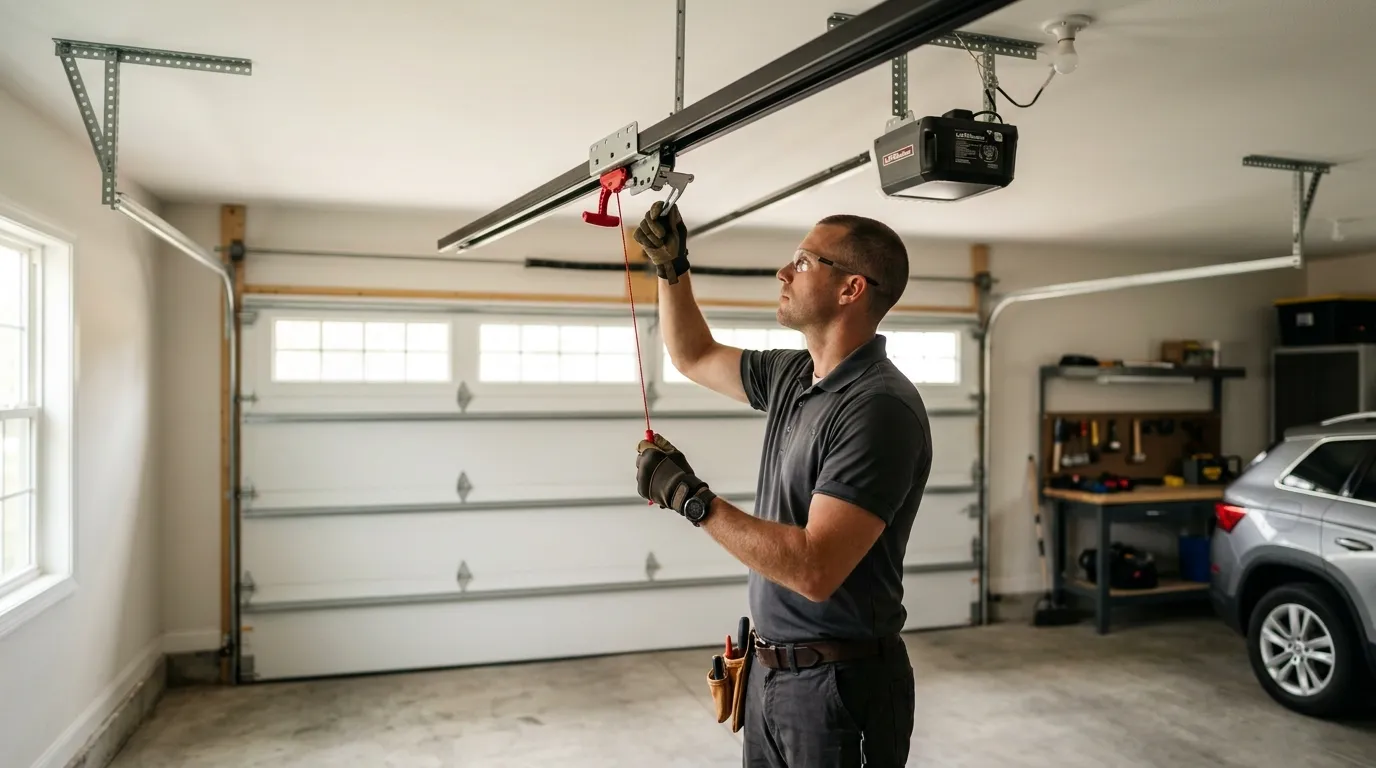
If the opener motor runs but the door doesn't lift, or barely moves, the spring has likely failed and the opener is trying to carry the door's full weight alone. A dead-silent opener with no movement points to a different problem, like the opener itself or a disconnected trolley.
Ready to get your garage door sorted?
Tell us what it’s doing and where you are in Philadelphia - we’ll take it from there.