New garage door installation for Yeadon's 1950-era housing stock. We travel from Philadelphia to fit modern doors on original narrow openings and old track hardware.
A full door swap in Yeadon isn't a weekend project, and the reason isn't the door itself - it's the opening behind it. Houses here went up around 1950, which is a good deal older than the 1957 median across the wider service area, and that seven-year gap shows up in the framing. Openings built in that stretch were often cut for narrower single-car doors than what's sold new today, so a straight swap means resizing the jamb, not just bolting on a new panel.
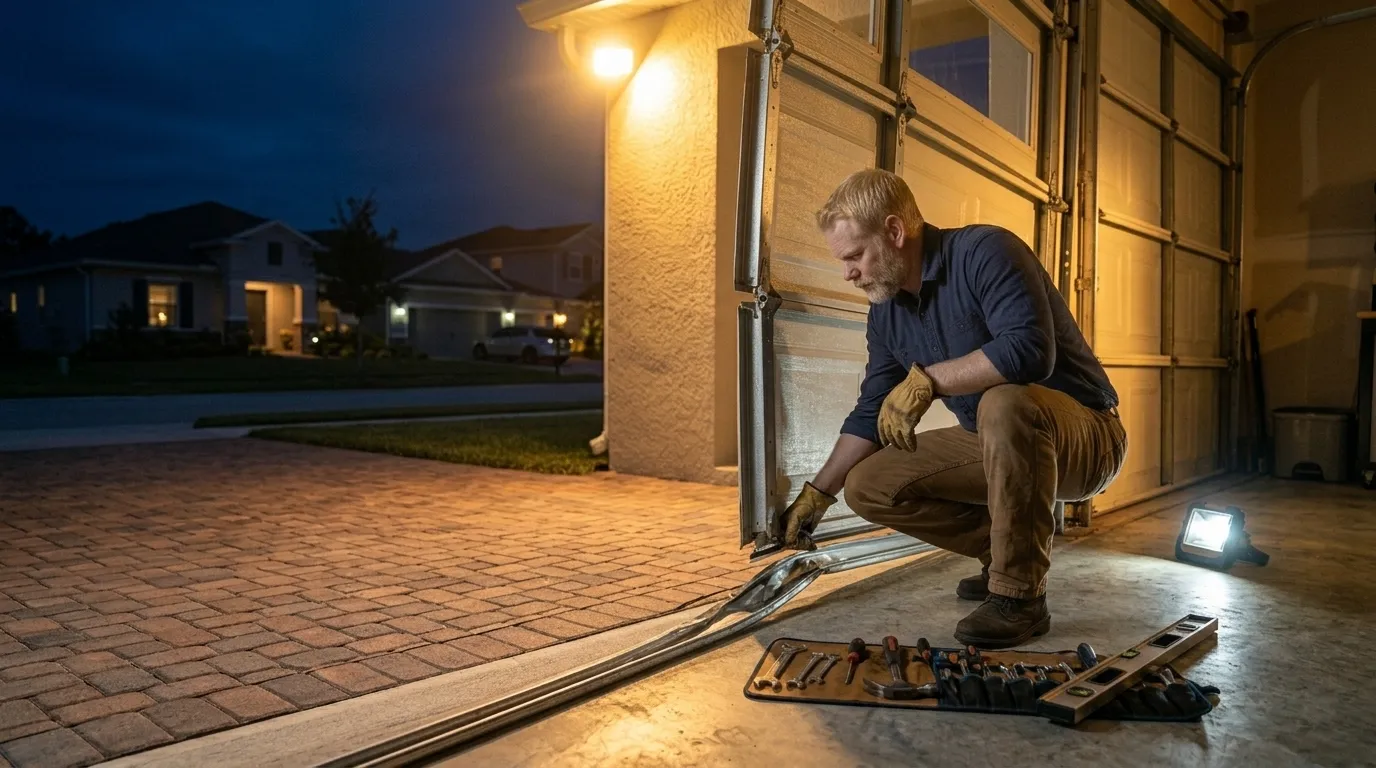
If you've pulled the old door and found the track bent, the header rotted at the fasteners, or the framing out of square by more than an inch, that's past a DIY fix. A homeowner with the right tools can hang a pre-hung replacement door on a modern, correctly sized opening. What you can't safely do alone is convert a 1950s single-car frame to take a wider modern door, or work a high-cycle torsion spring rated for a heavier insulated panel - that's a two-person job with the right winding bars, and it's where most garage injuries in older housing stock happen.
Our honest limit: we don't do structural framing work. If the opening needs a header rebuild or the jamb has settled out of plumb, that's a carpenter's job first, ours second.
Parts We Carry
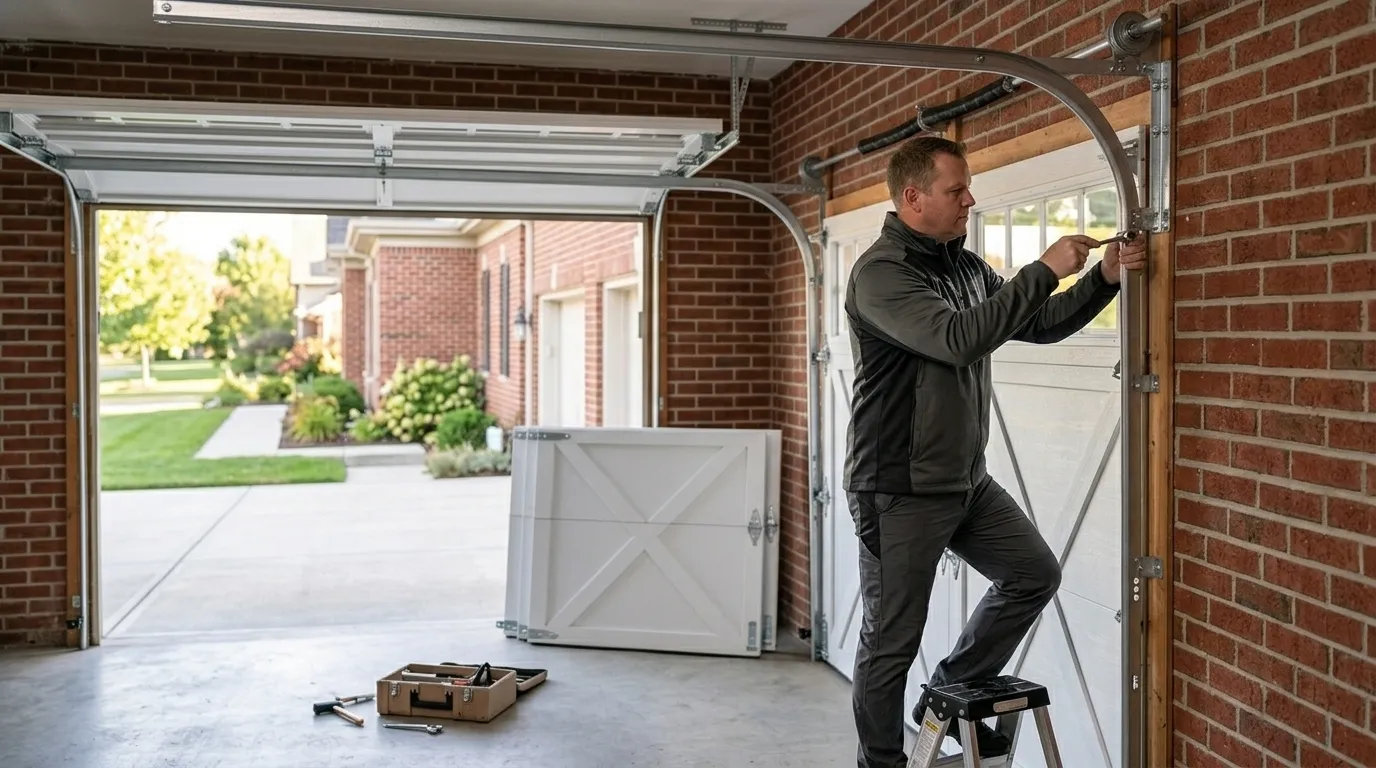
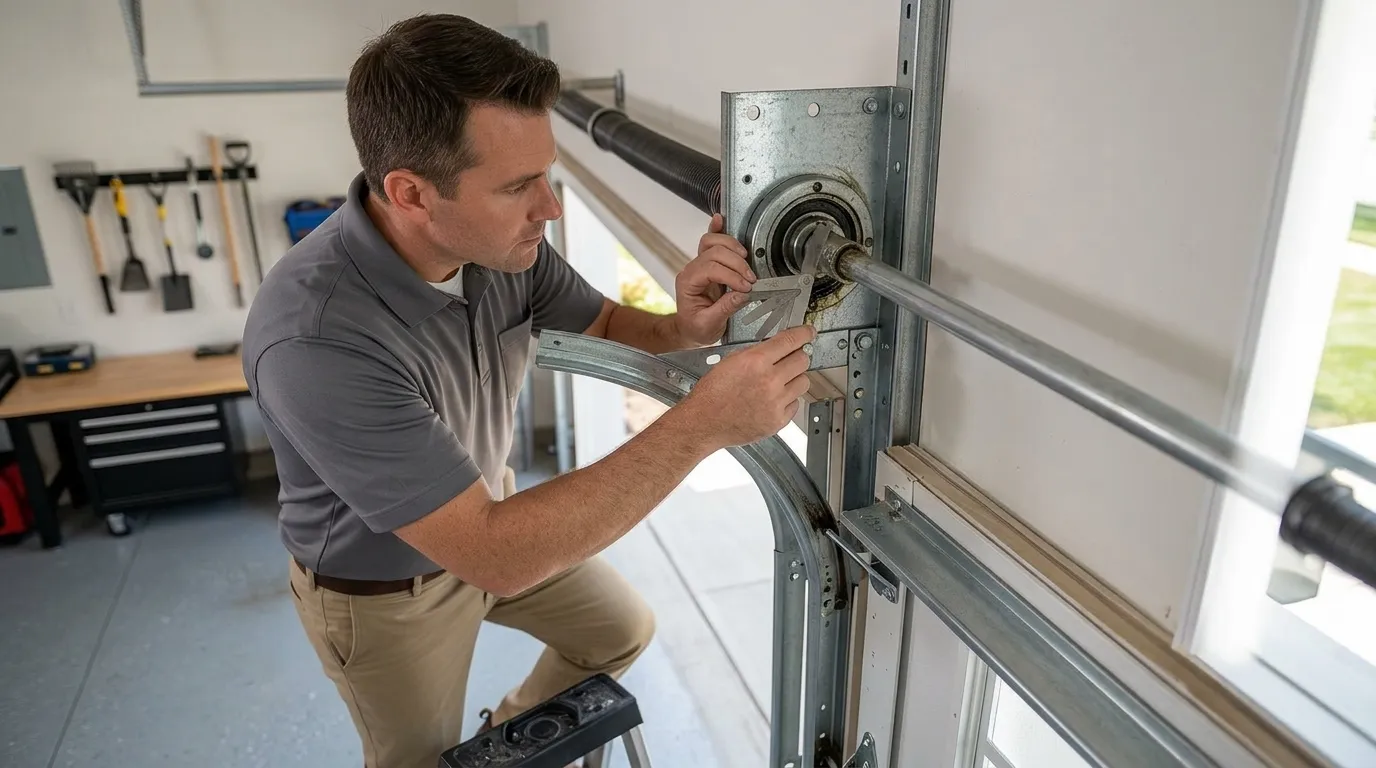
For a house built around 1950, the parts problem starts before the door does. Original openings were sized for the tracks and drums of that era, so when we install new we're usually swapping the whole assembly - track, torsion spring, drums, cable, and the opener mount - rather than just the panel. We stock standard torsion springs sized for both single and double-car doors, galvanized track sets, and steel and insulated composite panels wide enough to replace the narrower original openings without cutting the header.
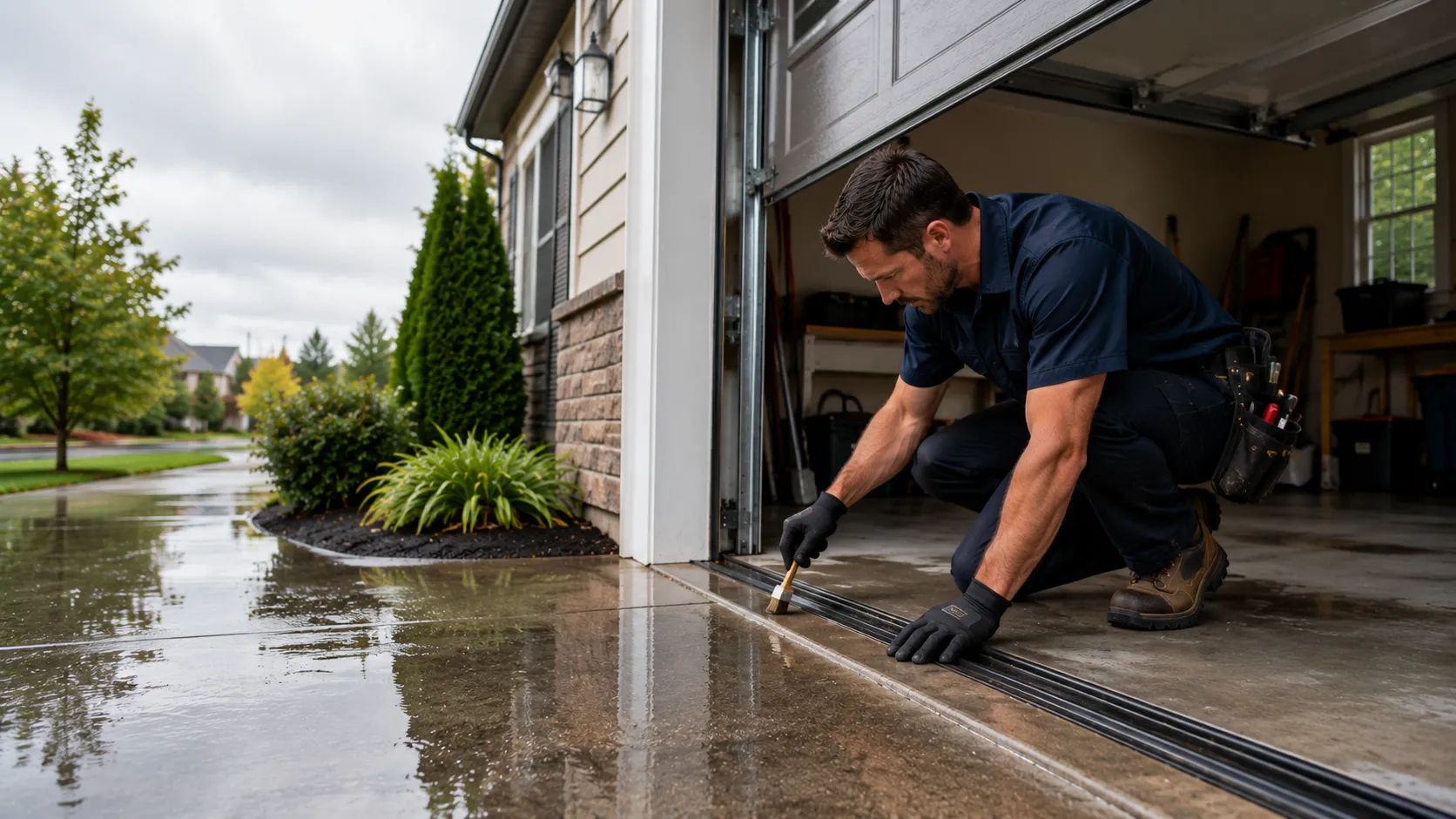
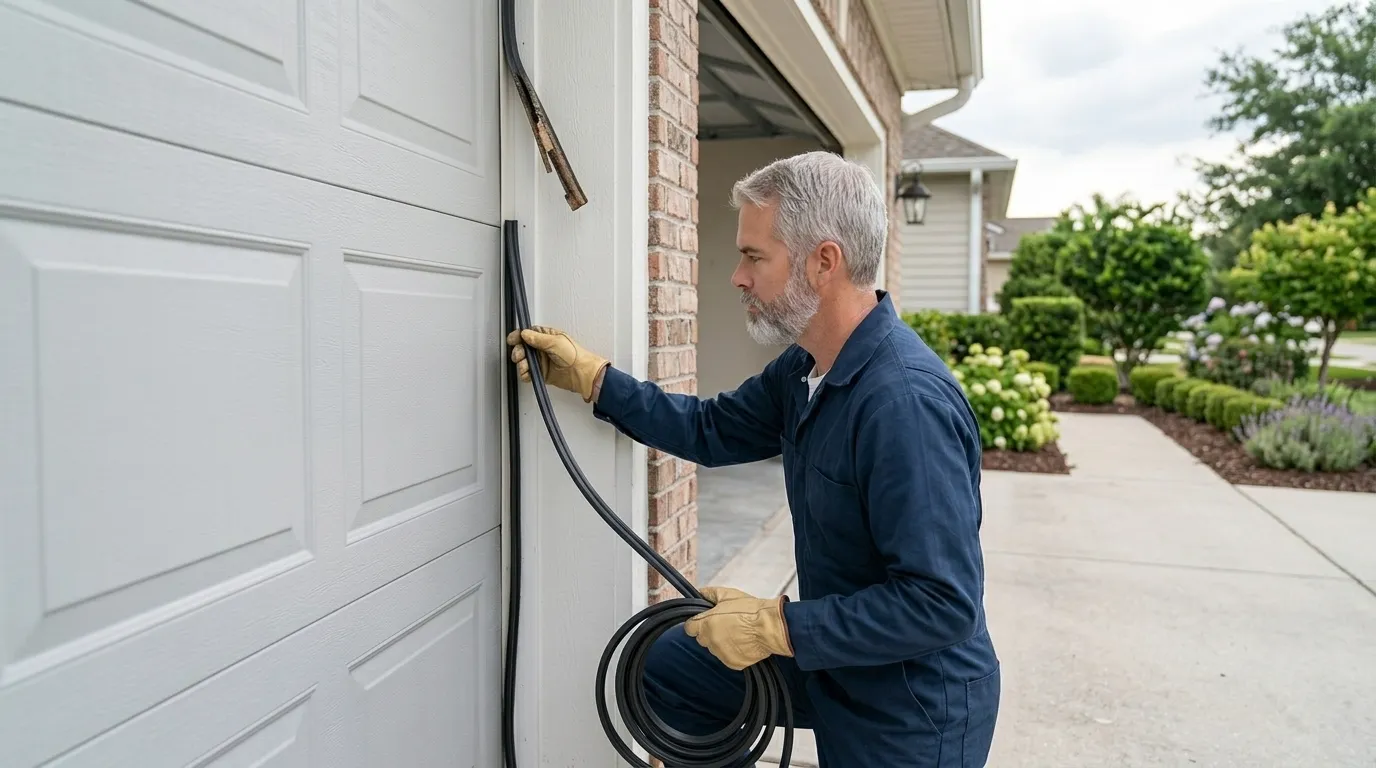
Given the cold-climate band this area sits in, we lean toward insulated steel and composite panels over bare steel or wood - the insulation matters more here than in a mild climate, both for keeping a heated garage usable in winter and for cutting condensation on the inside of the panel. We also carry weather seal kits for the bottom and sides, since a door on a 70-plus-year-old opening rarely seals as tight as a new-construction one without an upgraded gasket.
We don't stock every decorative panel style or custom window insert - those are special-order and add lead time. If you want a specific look, tell us up front so we can get it on the truck before the appointment, not after.
Getting It Booked In
We run this job out of Philadelphia, about 8 miles from Yeadon, so scheduling means picking a day the truck is routed this way rather than a same-day drop-in. When you call, tell us the door width you're replacing and whether it's an original 1950s single-car opening or one that's already been widened - that one detail changes which spring and track we load before we leave.
Measuring ahead of time helps more here than in newer subdivisions, because openings from this build era aren't standardized the way post-1990 construction is. Two houses on the same block can have openings a few inches apart in width. If you can get us rough measurements of the opening - width, height, and headroom above the frame - over the phone, we can often confirm the right door size before the visit instead of discovering a mismatch on site.
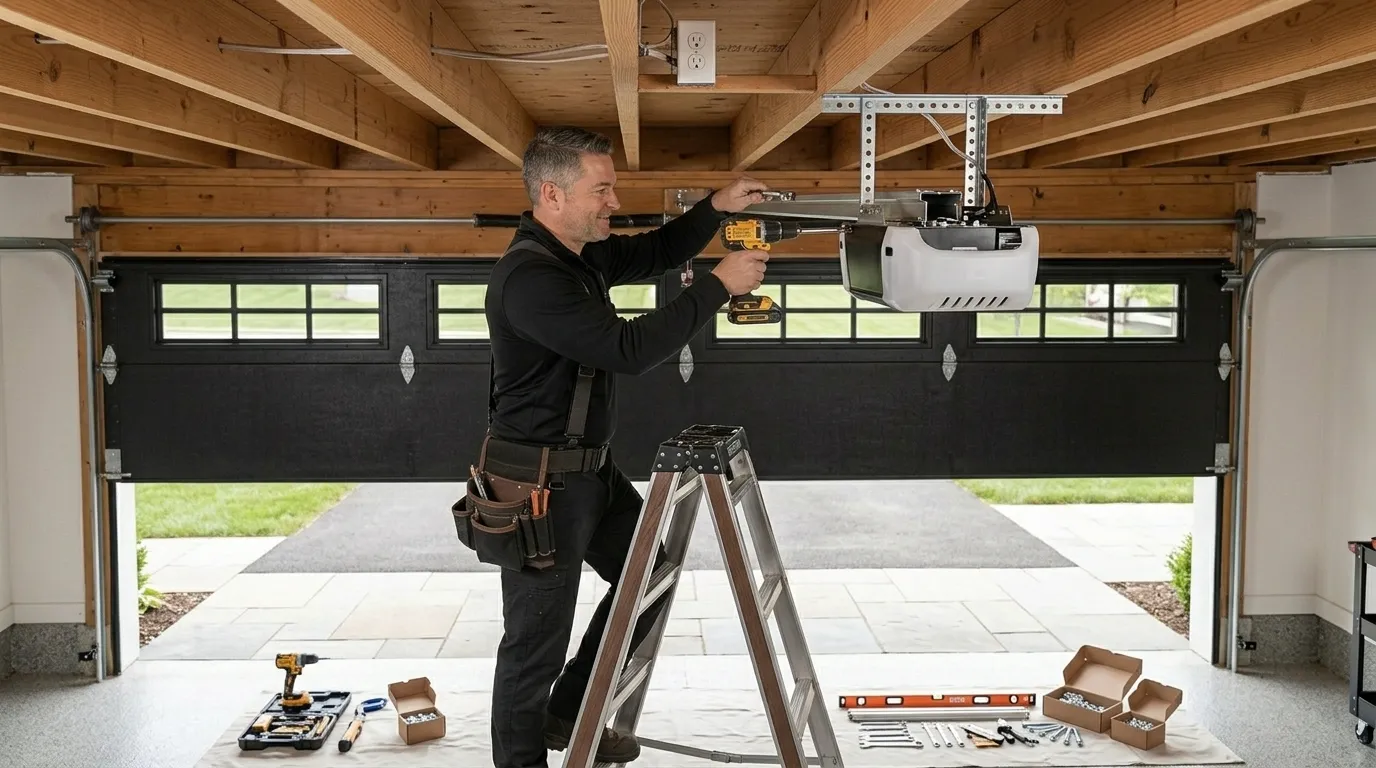
We'll also ask about your opener. If the house still has its original chain-drive unit from a prior remodel, we can swap it alongside the door, but we won't force a new opener onto old, undersized wall wiring - that gets flagged separately.
Why It Happens Here
The fault we see most in Yeadon isn't a broken spring - it's a door that's been fighting its opening for years. With a median build year of 1950, most of the housing stock predates the wider single-car and double-car openings that became standard later in the 20th century. Owners who've replaced a door once or twice already may have had a panel that technically fit but never sat flush, because nobody re-squared the frame the first time around.
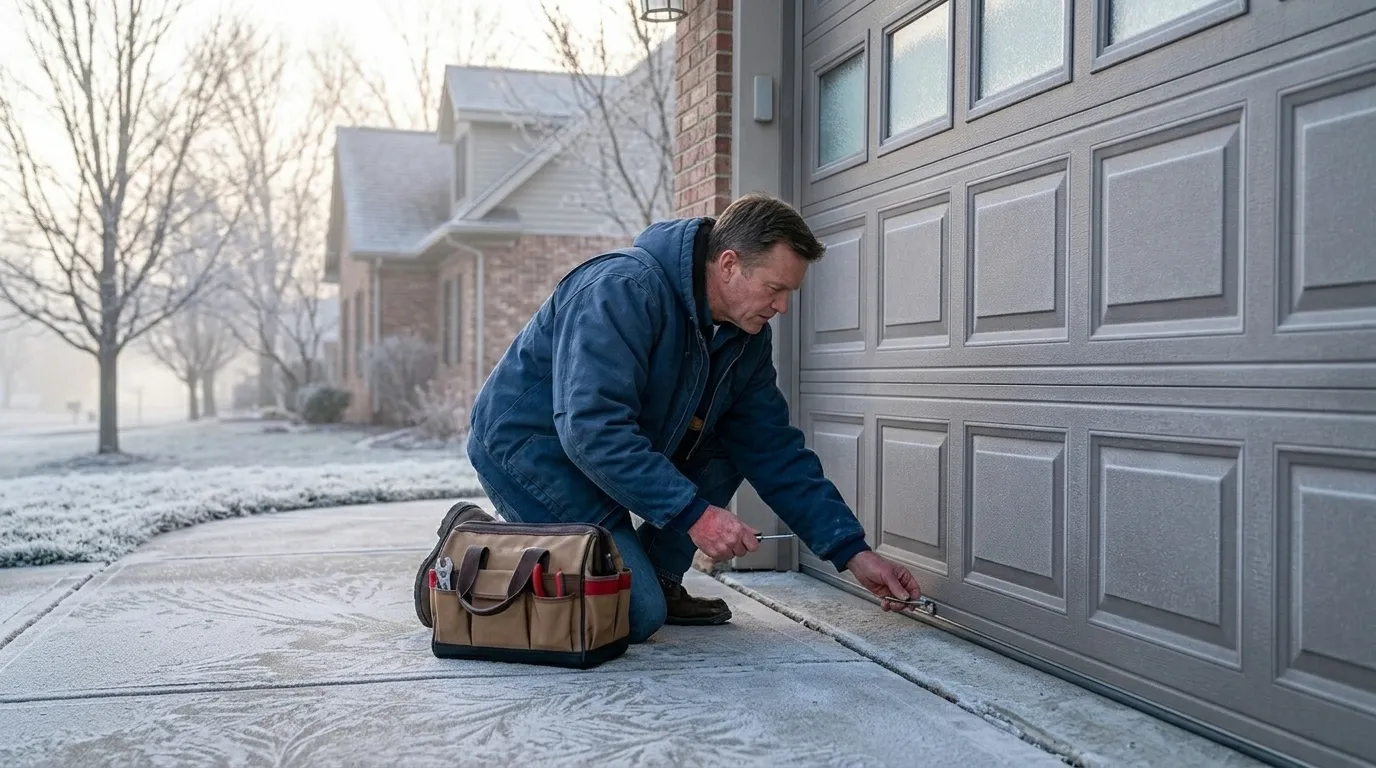
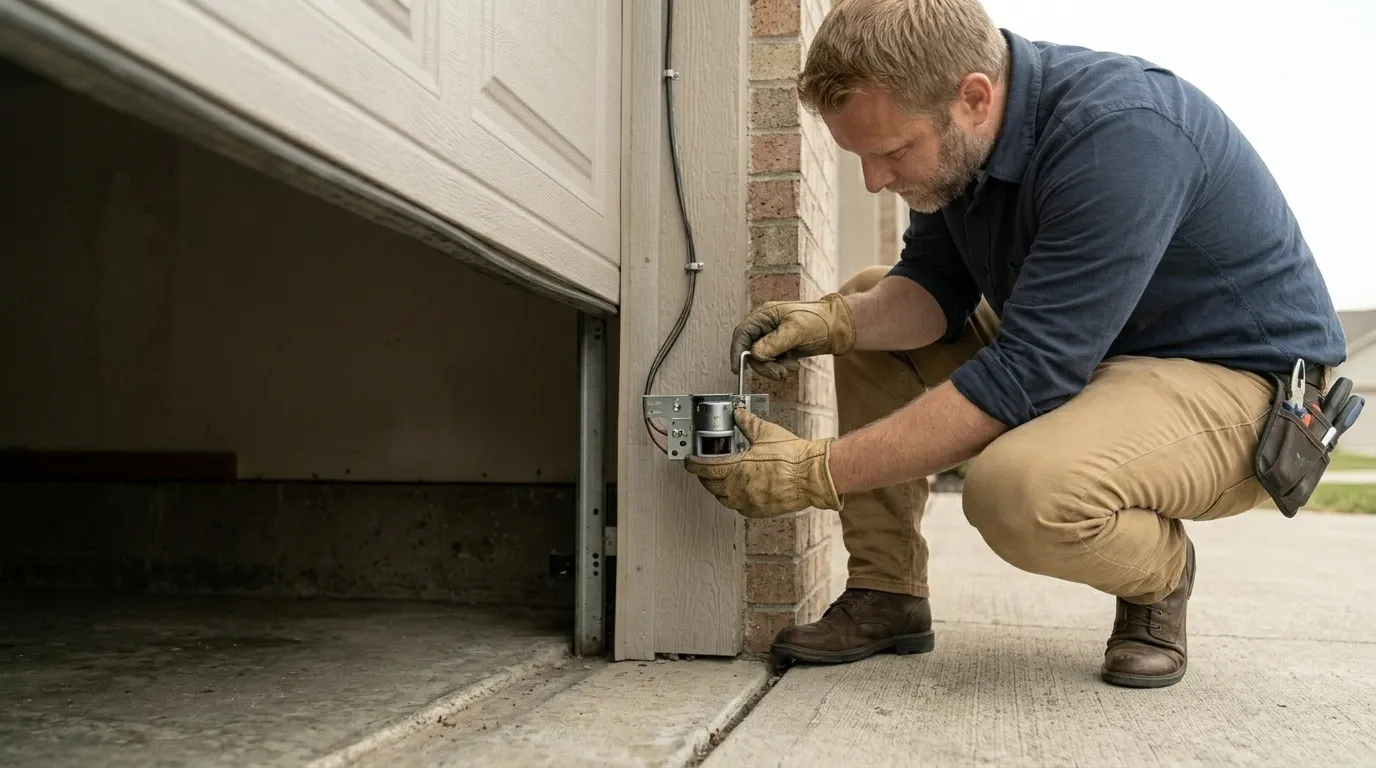
Cold-climate swings add a second layer. Wood jambs and steel tracks that have been through decades of freeze-thaw cycles shift slightly year to year, so a track that was plumb in 2005 can be a quarter-inch off now - enough that a new door binds on one side within a season of installation. That's why we check the frame square before we hang anything, not after a callback.
The income and household numbers for Yeadon - a median household income around $57,336 across roughly 4,976 households - also shape what we bring on the truck: mid-range insulated steel doors move faster here than premium wood or full-glass carriage styles, so those are what we stock ready to install rather than special-order.
How it works
From “it’s stuck” to “it’s fixed”
01
Tell us what’s wrong
Describe the symptom - won’t open, loud bang, opener runs but the door won’t move.
02
On-site diagnosis
A technician tests the door under power and by hand and finds what actually failed.
03
Clear, up-front plan
You get the fix that’s needed and what drives the cost - before any work starts.
04
Repaired & tested
The repair is done, the door is set true and tested, and the work area left clean.
Serving Philadelphia, PA - tell us what your door’s doing and we’ll take it from there.
The housing stock in Yeadon centers on a median build year of 1950, which is older than the broader service area median of 1957. That means openings are often narrower than what modern doors are sized for, so a straight swap sometimes needs the frame widened rather than just a new panel dropped in.
Do you have a branch in Yeadon?
No. We run this job out of Philadelphia, about 8 miles away, so installation is scheduled rather than same-day. Give us the door width and opening details when you call and we'll load the right spring, track, and panel before the truck leaves.
What type of door do you recommend for this area?
Given the cold-climate band and the age of the housing stock, we lean toward insulated steel or composite panels over bare steel or wood. They hold up better through freeze-thaw cycles and keep a heated garage more usable in winter than an uninsulated door.
Can I just replace the door without touching the frame?
Sometimes. If the existing opening is already a standard modern width, yes. But many 1950s-era openings in this area were cut narrower, so we check the frame first - if it's off-square or undersized, framing work has to happen before the new door goes in.
Ready to get your garage door sorted?
Tell us what it’s doing and where you are in Philadelphia - we’ll take it from there.