Panel replacement for Yeadon's 1950s-era garage doors. We drive the 8 miles from Philadelphia and carry hardware sized for pre-1960 stock. Book a visit.
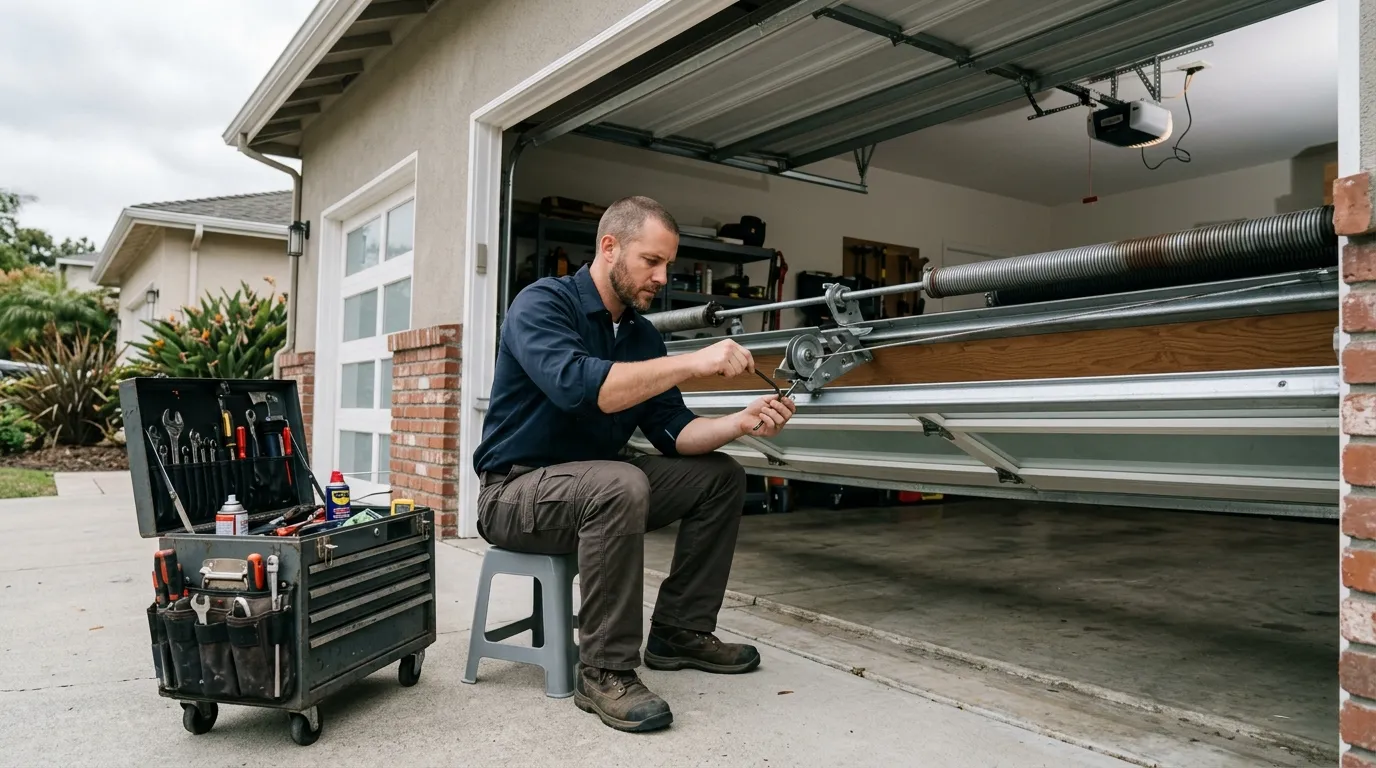
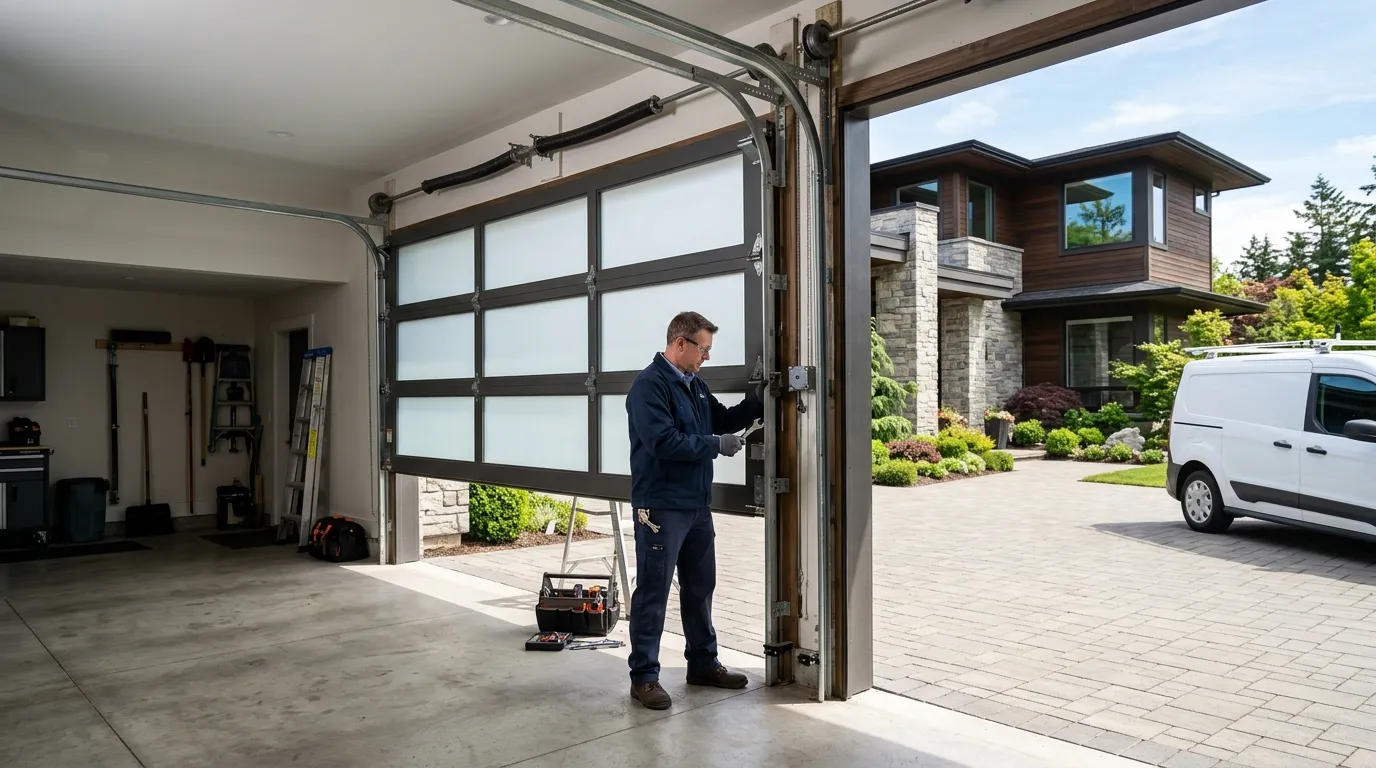
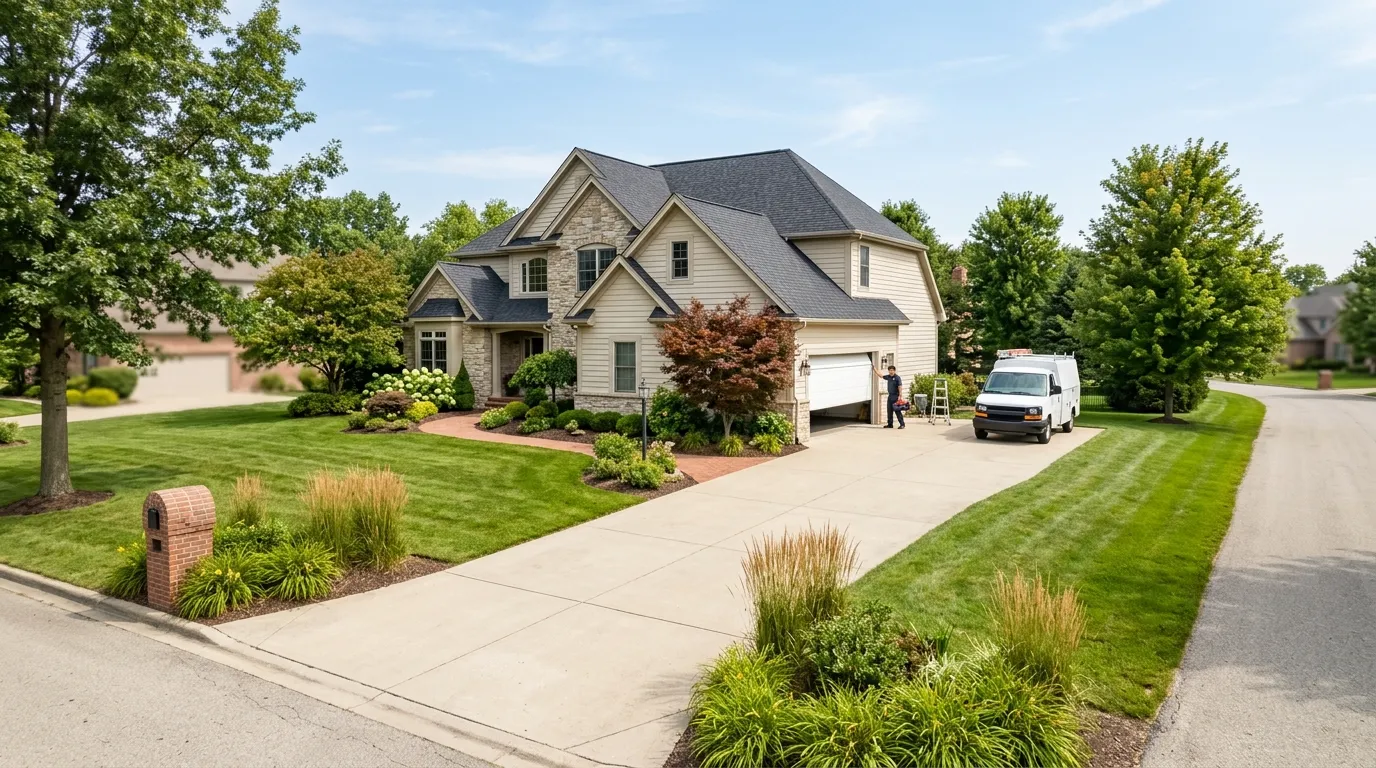
Yeadon sits about eight miles from Philadelphia, and that drive shapes how a panel job actually gets scheduled here. We're not swinging by on a whim between two other calls a block apart the way we might closer to the shop. When you call about a dented or cracked panel, we ask you to describe the door and take a photo, because that eight-mile trip only pays off once, with the right panel and the right fasteners already on the truck.
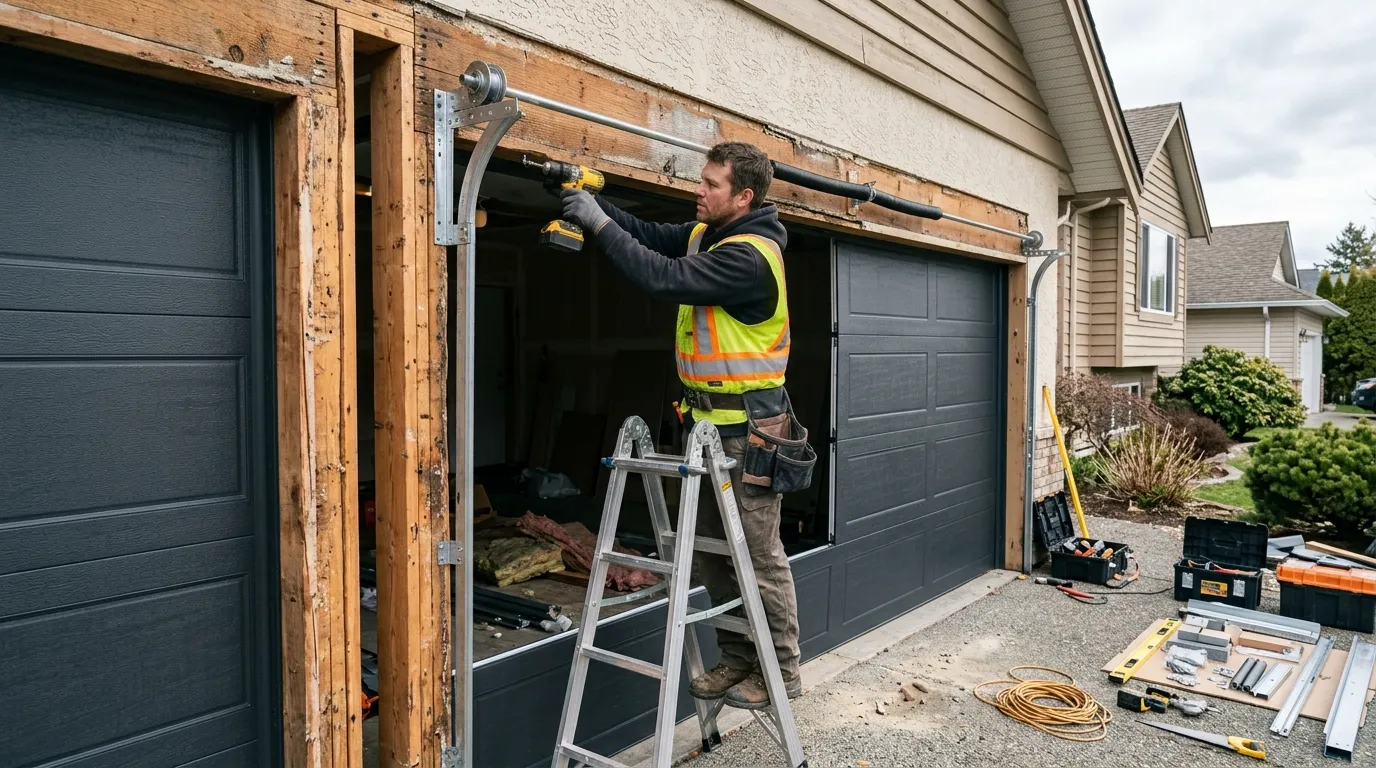
Could you swap a panel yourself. Maybe, if it's a newer sectional door with bolt-through panels and you can source the exact match. But Yeadon's housing stock runs older - median build year around 1950 - and a lot of these garages still carry doors from that era's replacement cycle, not the original units, which means panel profiles you won't find at a home center. Ordering the wrong panel means a second trip, and with the distance involved, that's a delay you feel. We'd rather confirm the make, model, and section height before we load the truck than guess and drive back.
The honest limit here: if the track or end stiles are also bent, a single panel swap won't fix it, and we'll tell you that on the phone rather than after we've made the drive.
Parts We Carry
Because so much of the housing in this part of the service area was built between 1938 and 1994, with a lot of it pre-1960, we stock panel sections and hardware sized for both eras rather than assuming everything is a modern 24-gauge steel door. Older sectional doors from the '50s and '60s rebuild cycle often used different section heights and hinge spacing than what ships today, so a bolt-in match matters more than it would in a newer development.
We carry common panel widths, end hinges, and the fasteners that go with them, along with insulated and non-insulated options depending on what's already on the door. If your home is on the older end of that 1938-1994 range, we'll match section profile before we commit to a panel, not after.
One thing we don't stock: panels for obscure or discontinued residential lines. If your door is one of those, we'll say so on the first call, and we'll talk about whether a full door replacement makes more sense than hunting for a part that may not exist anymore.
Getting It Booked In
Given the distance from Philadelphia, we schedule panel jobs in Yeadon with a bit more lead time than a same-block call would need. That's not a stall - it's so the tech shows up with the correct panel width and hinge set already loaded, instead of a guess.
When you call, have the door's brand if it's visible, the rough age of the house, and which panel is damaged (top, bottom, or one in the middle - it changes what hardware comes along). If you don't know the brand, a photo of the section and the track works fine.
We don't quote a fixed response window for Yeadon specifically, since every call here means the same eight-mile drive regardless of when it comes in. What we can do is confirm the panel match before the truck leaves, which cuts down on the chance of a second visit.
Why It Happens Here
A lot of the damage we see on Yeadon panels traces back to the age of the housing here. With a median build year around 1950, plenty of these garages have doors that are themselves decades-old replacements, run on hardware that wasn't sized the same way current doors are. Cold, damp winters put stress on steel that's already thinning at the bottom panel, where road salt and splashback do the most work over sixty-plus years.
The climate band this area sits in is classified severe cold, and that matters for panels specifically because steel contracts in low temperatures - a panel that's already dented from a car bumper or a stray basketball is more likely to crack along that dent line once temperatures drop hard. We see more panel failures called in during the coldest stretches of the year than any other season, and it's rarely a coincidence.
Household incomes in this part of the service area run below the wider region's median, and we factor that into how we talk about repair versus replacement - a panel swap is often the right call here specifically because it's cheaper than a full door, not because it's always the better fix everywhere.
How it works
From “it’s stuck” to “it’s fixed”
01
Tell us what’s wrong
Describe the symptom - won’t open, loud bang, opener runs but the door won’t move.
02
On-site diagnosis
A technician tests the door under power and by hand and finds what actually failed.
03
Clear, up-front plan
You get the fix that’s needed and what drives the cost - before any work starts.
04
Repaired & tested
The repair is done, the door is set true and tested, and the work area left clean.
Serving Philadelphia, PA - tell us what your door’s doing and we’ll take it from there.
No. We cover Yeadon from Philadelphia, about eight miles out. We schedule panel jobs so the tech arrives with the right panel and hardware already confirmed, which matters more here than a quick response time would.
Will a new panel match my old door if my house is from the 1950s?
Often, but not always. Doors on houses from that era have frequently already been replaced once, so the panel profile depends on what's currently installed, not the original build year. We confirm section height and hinge spacing before ordering.
Why does cold weather seem to make panel damage worse?
This area sits in a severe cold climate band, and steel contracts as temperatures drop. A panel that's already dented or has a hairline crack is far more likely to fail outright in a hard freeze than in mild weather.
Is panel replacement always cheaper than a new door?
Usually, yes, and that's often the right call given typical incomes in this part of the service area. But if the track, stiles, or opener are also damaged, a panel swap alone won't solve it - we'll tell you if that's the case before we start.
Ready to get your garage door sorted?
Tell us what it’s doing and where you are in Philadelphia - we’ll take it from there.