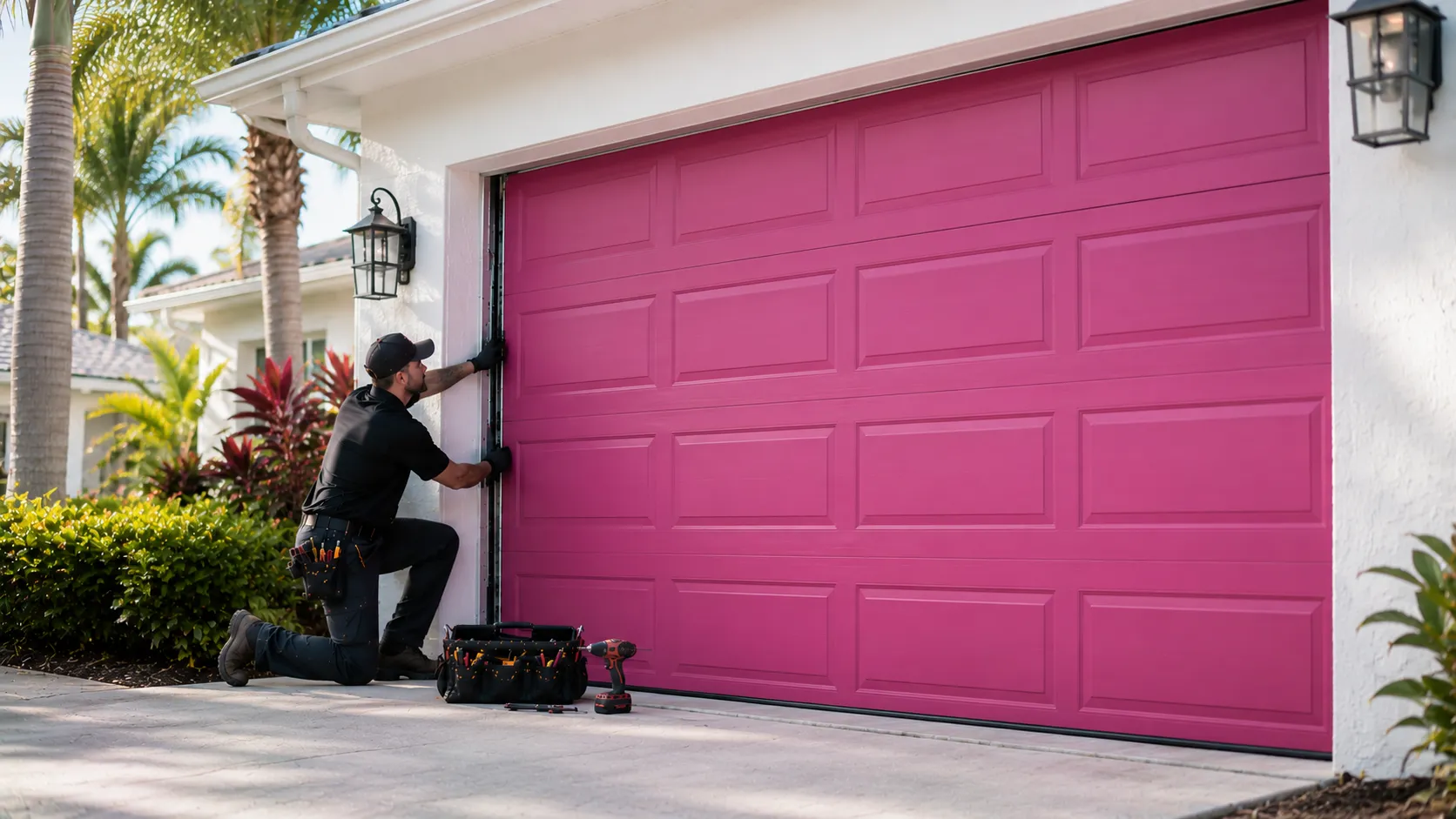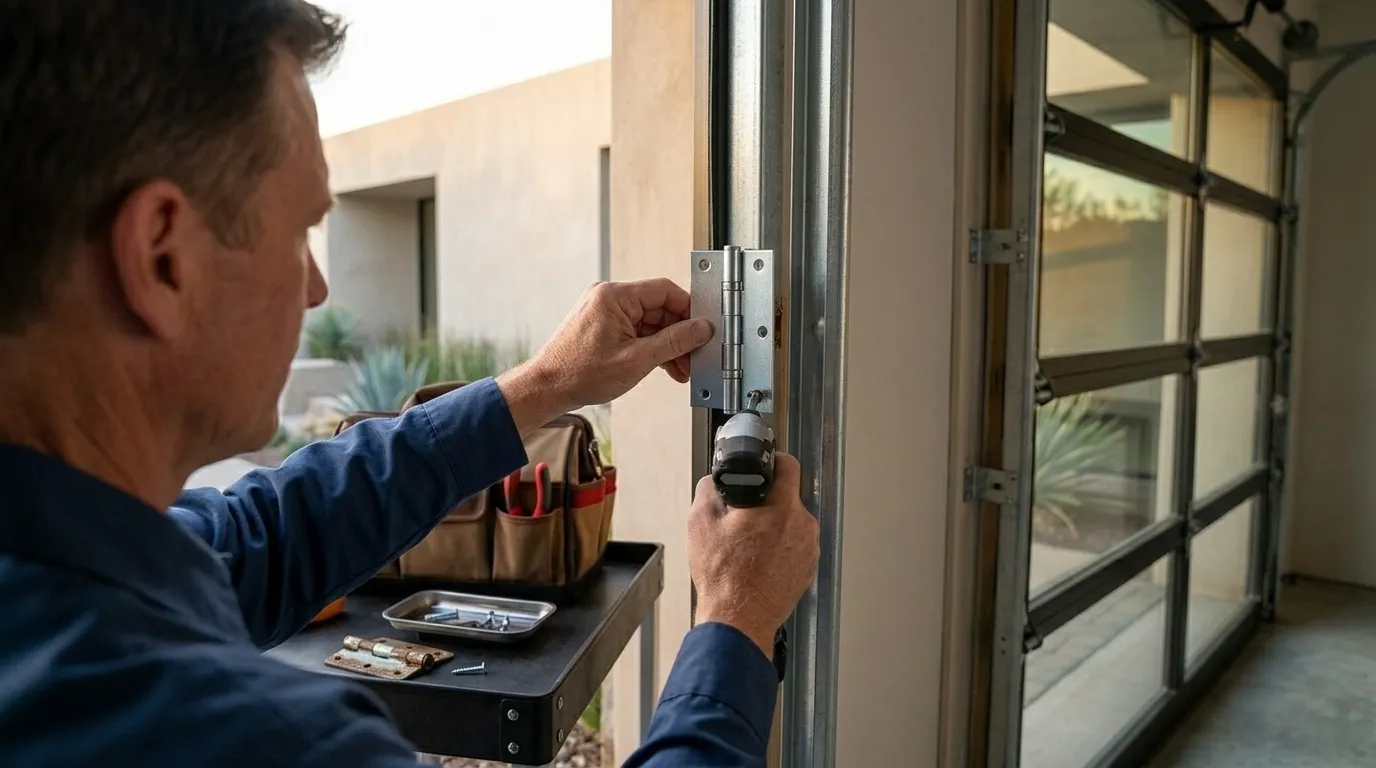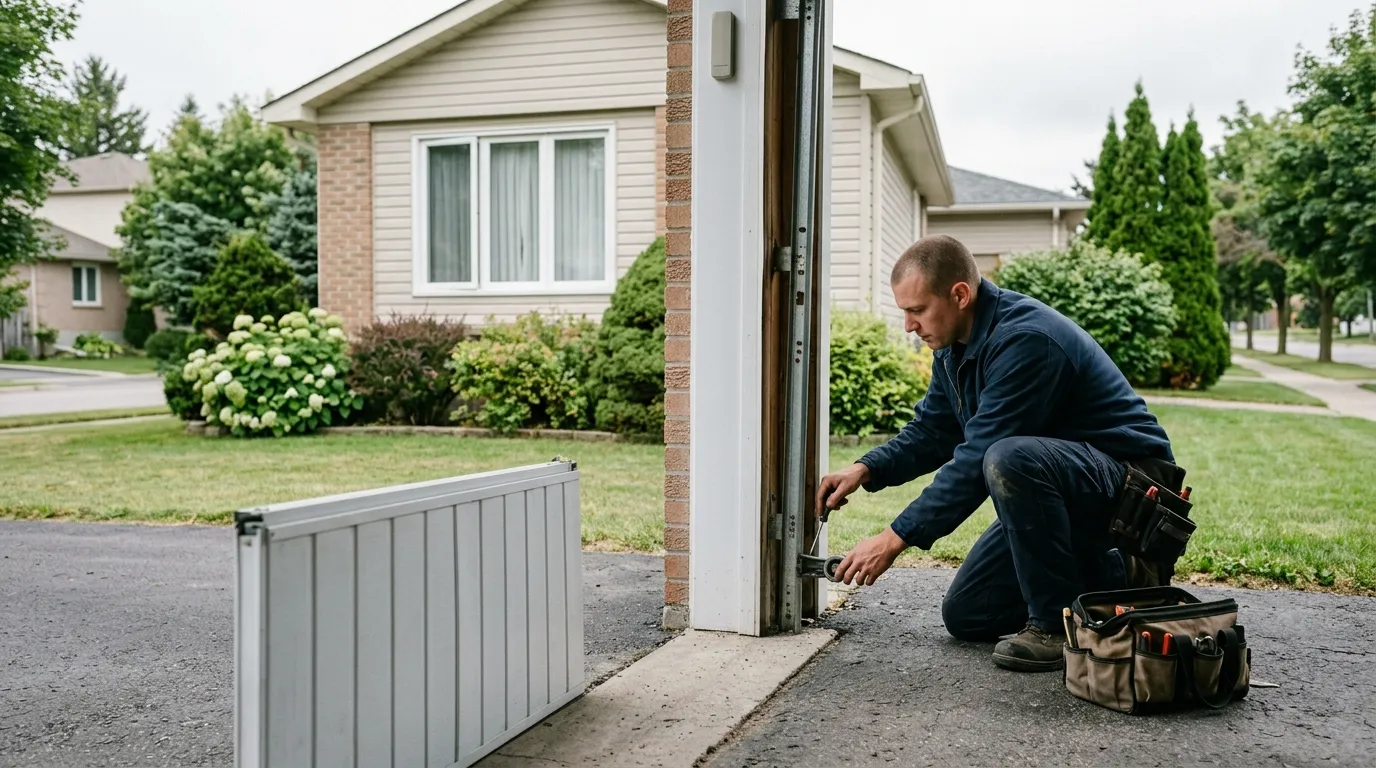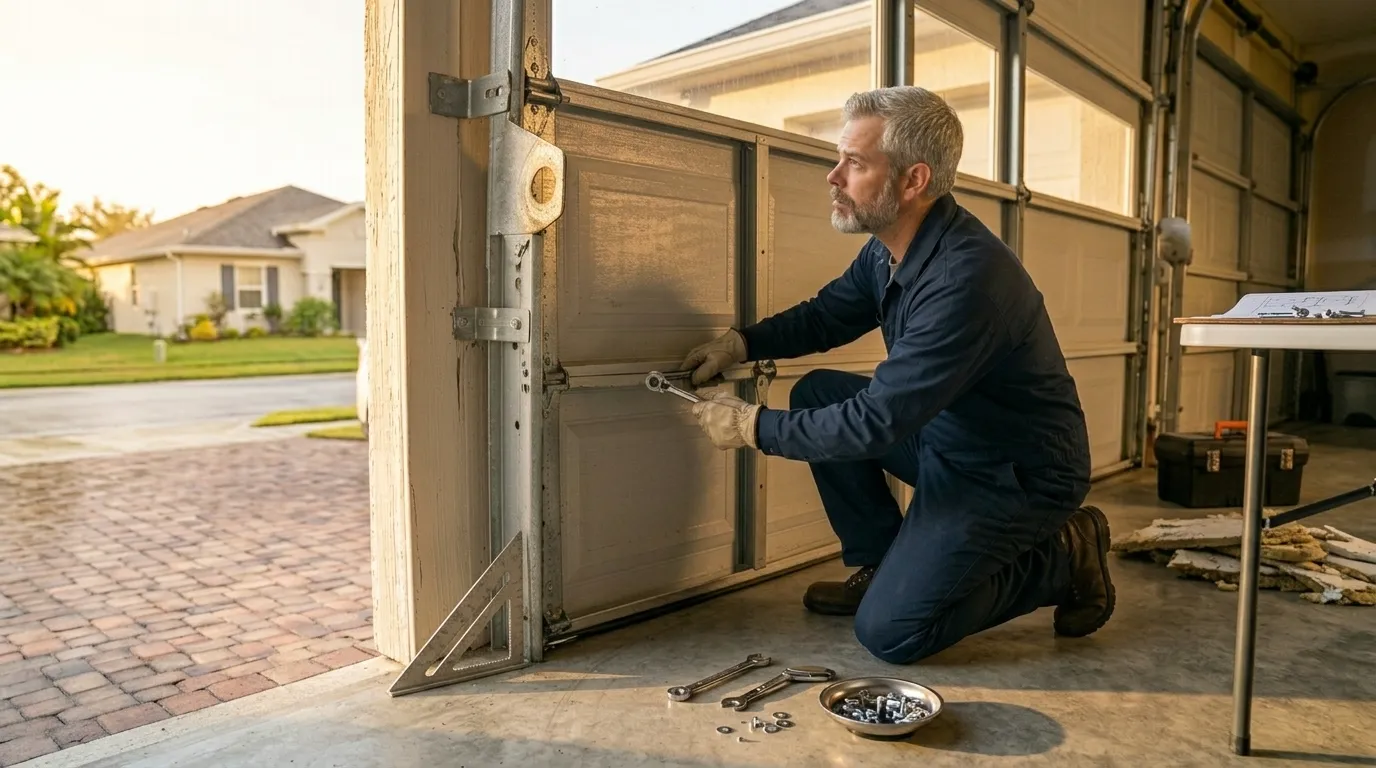

What the Fix Involves
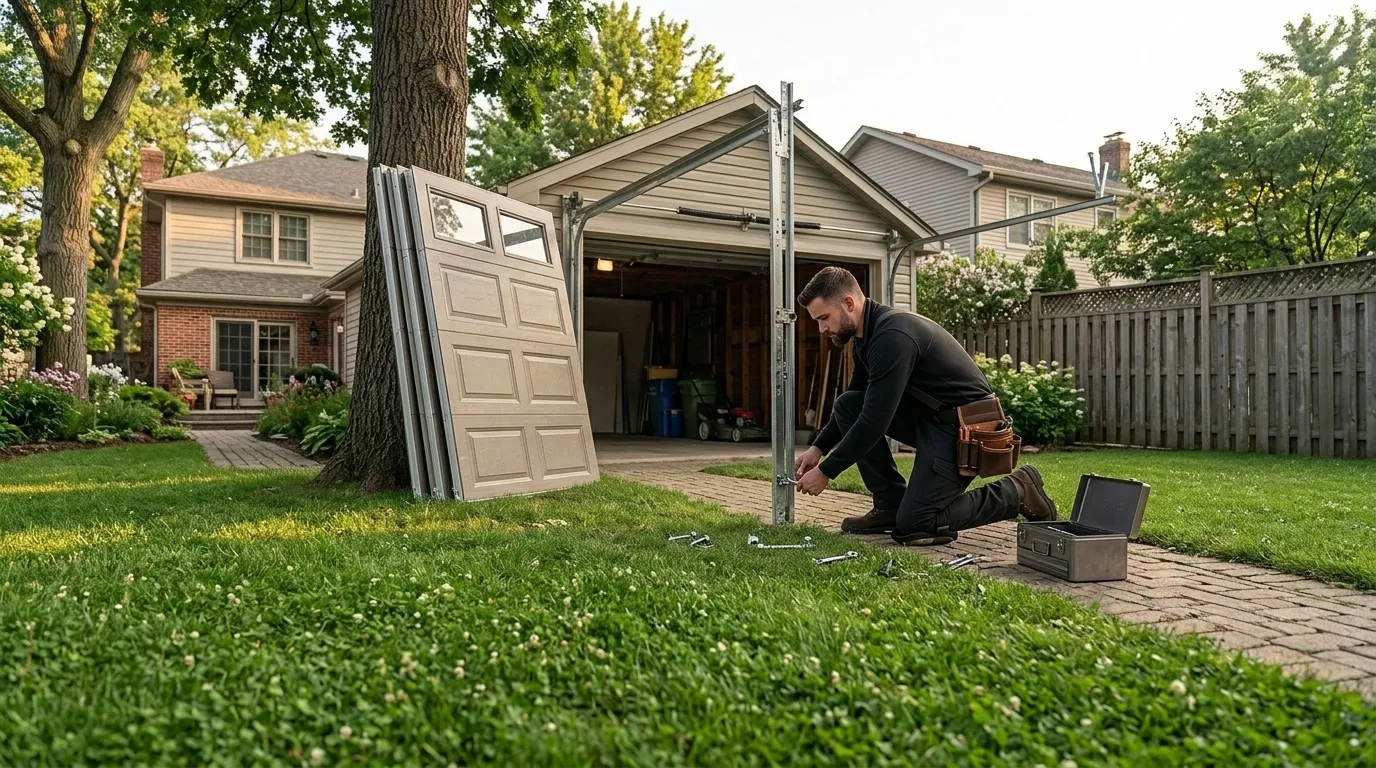
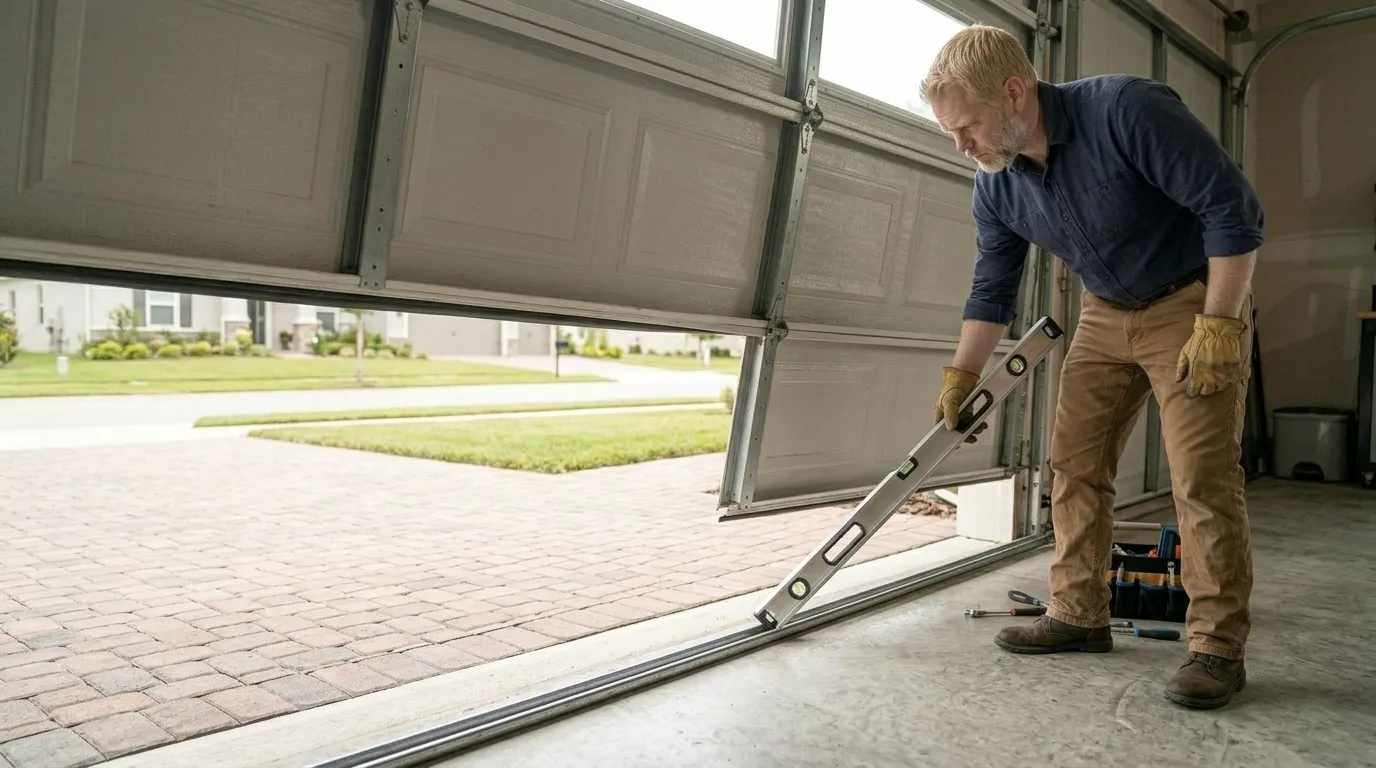
On a 1980-era commercial door, we're usually looking at torsion spring replacement first, since that's the part sized to the original building spec and the one most likely to have failed under a rated cycle count rather than age alone. We check the drum and cable next, because a spring that let go under load usually took some wear off the cable at the same time. Track alignment gets checked on any door with a high daily open count. If the opener is original to the building, the gearing has usually outlasted its intended service life and we'll say so rather than patch it.
We don't replace an entire door system just because one panel is dented. If the frame and track are square and the springs are rated correctly, a panel swap is the honest fix. If the springs are undersized for the door's actual cycle count, replacing just the spring without upgrading the cycle rating is a repair that fails again inside a year, and we won't sell that as a fix.
The Symptom
The door most commercial tenants call about here doesn't fail all at once. It starts slow: the opener strains and stalls partway up, or the door reverses on its own before it's fully closed. On a building with a rated cycle count from 1980, that's the torsion spring losing tension unevenly, not the motor giving out. A door that used to close in six seconds now takes ten and makes a grinding sound on the last foot of travel.
Some tenants wait until the door won't open at all, usually first thing on a cold morning when the metal has contracted overnight. That's the spring finally letting go, and by then the cable or the drum has usually taken damage too, which turns a spring job into a two-part repair.
Parts We Carry
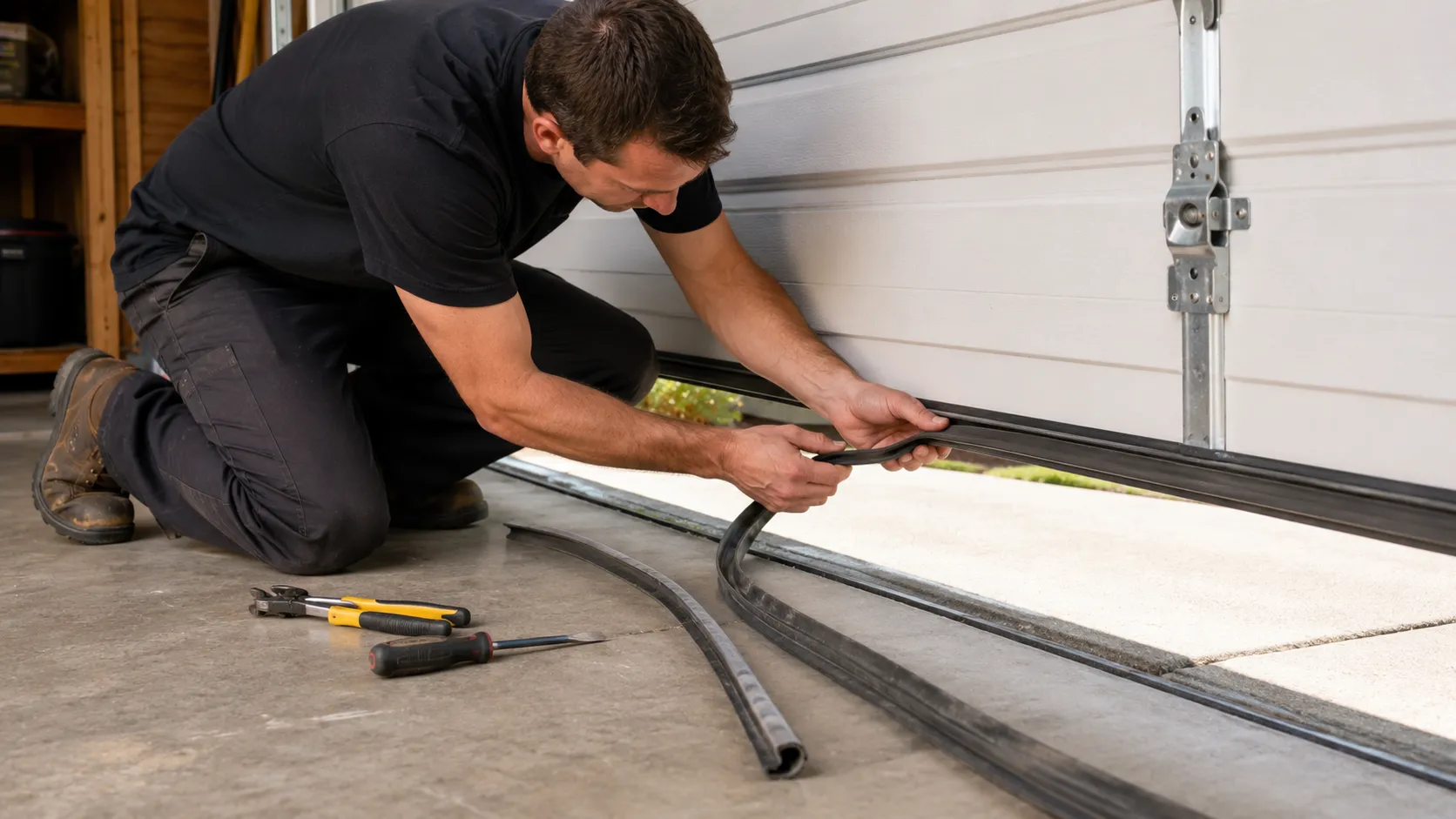
We stock torsion springs across a range of wind and length specs to cover the sizing that shows up on commercial doors built through the 1980s and 1990s, along with the cables and drums that go with them. We carry track sections and rollers rated for high-cycle commercial use, not the residential-grade parts that show up in some quick-fix jobs. Openers we stock are rated for commercial cycle counts, which matters on a door that's opening dozens of times a shift rather than twice a day.
What we don't keep on the truck is anything obsolete enough that the manufacturer has stopped making it. On a small number of original-to-1980 doors, that means a short lead time on a specific part rather than a same-visit fix. We'll tell you which case that is before we start, not after.