What the Fix Involves
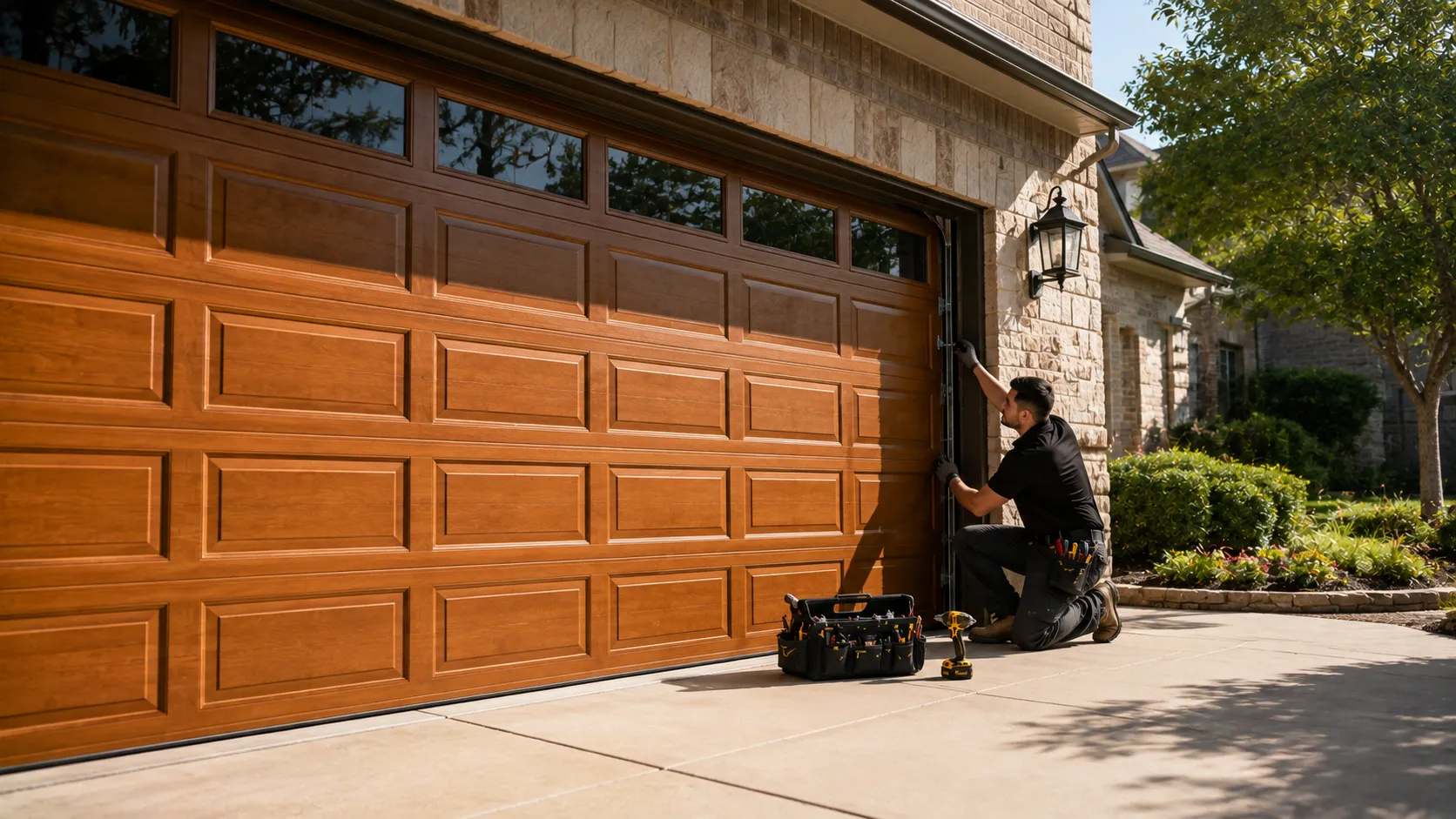
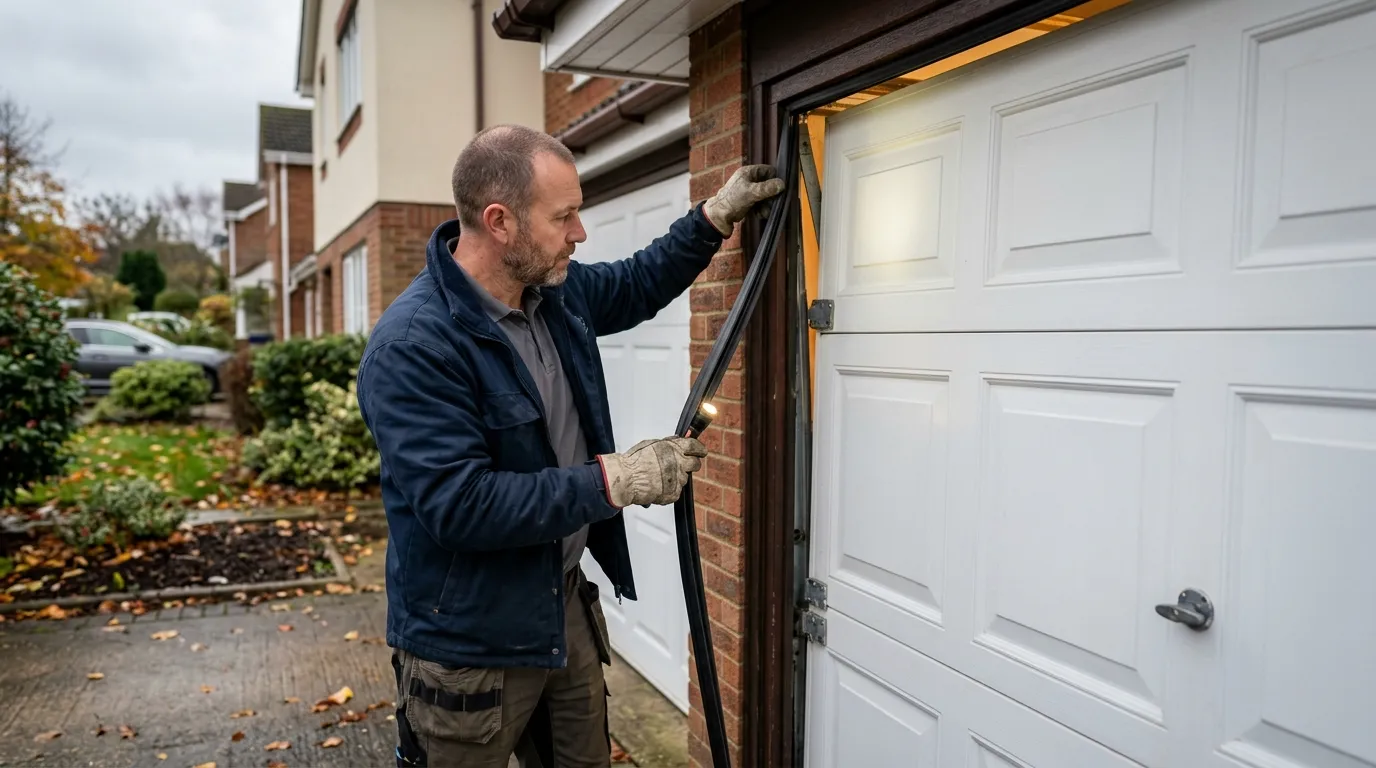
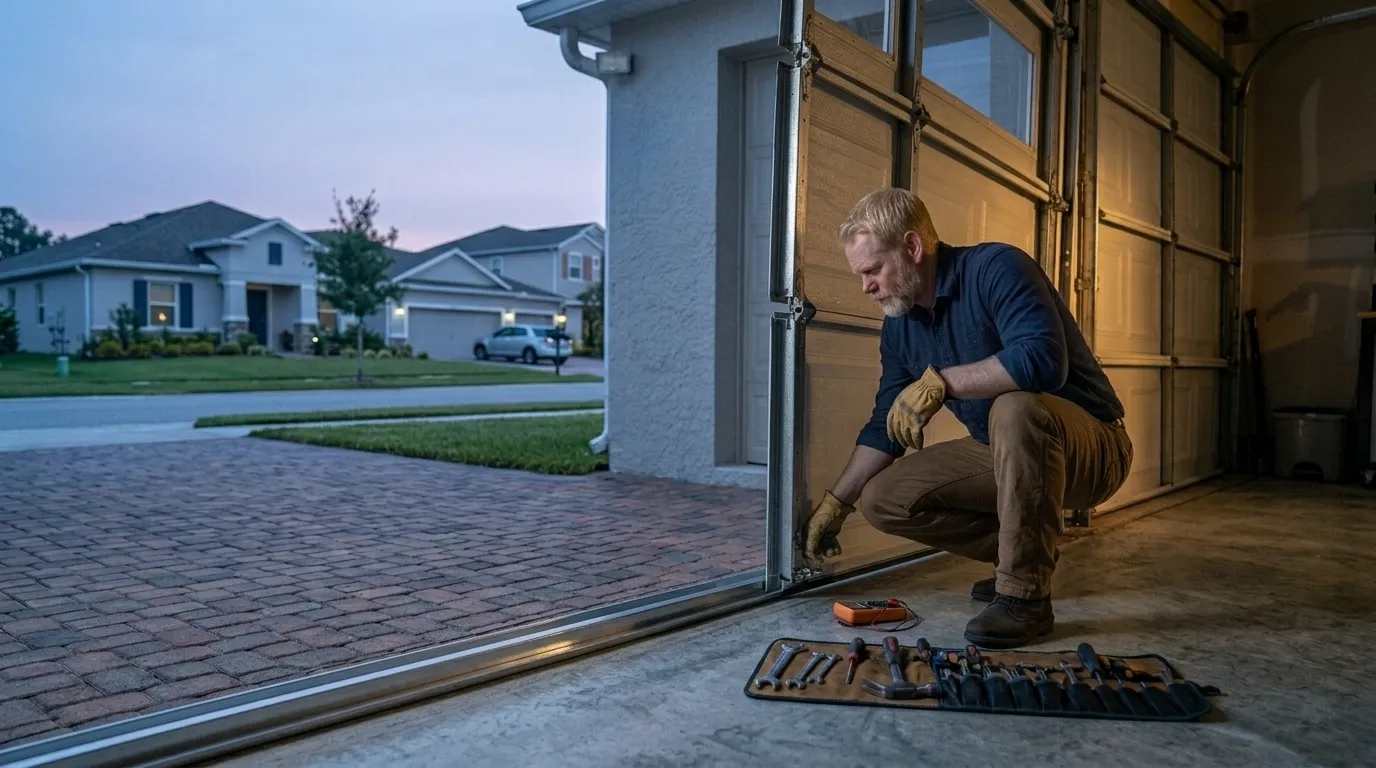
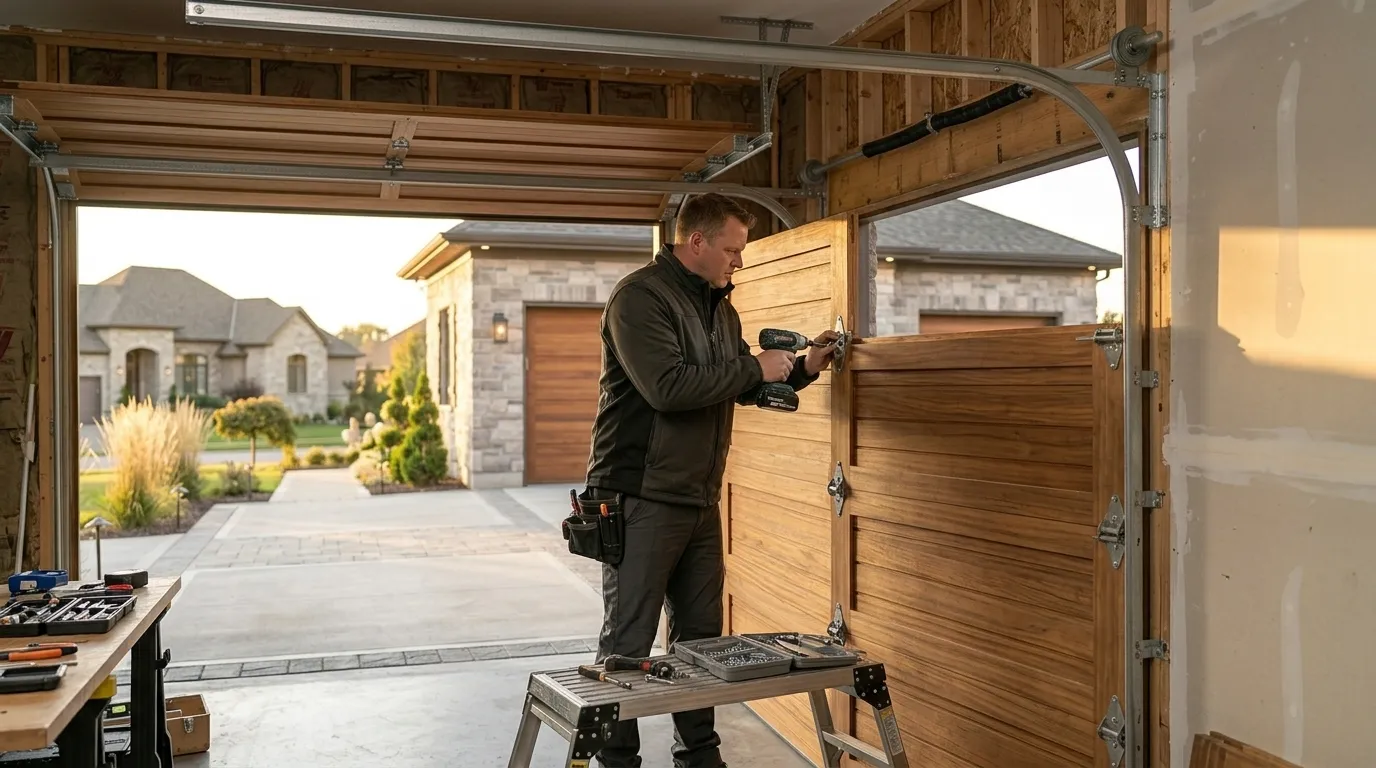
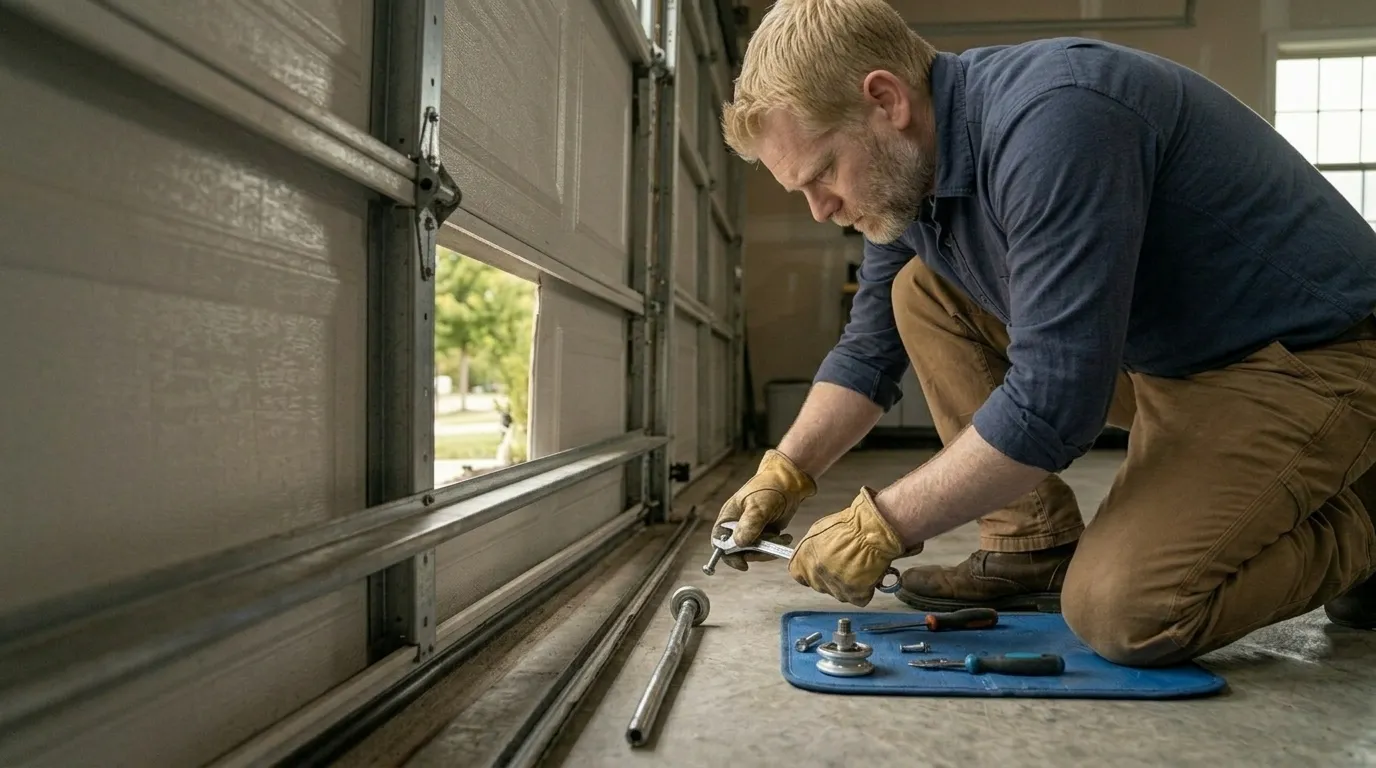
We start by running the opener through a full cycle and watching where it hesitates - at the top, at the bottom, or the instant the motor engages. A unit that reverses right after starting is usually reading resistance from the drive gear or the trolley, not from the door itself. We pull the cover, check the drive gear for stripped plastic teeth (the most common failure on units old enough to have outlived one winter too many), and test the circuit board's response to the wall switch and remote separately, since a bad board often fails one input before the other. If the header bracket or rail shows play against the framing, we re-secure it before touching electronics - no point putting a new board on a loose mount. We don't guess with capacitors or logic boards; if a board tests bad, it gets replaced, not patched. Most opener repairs run one visit. If the gearbox has stripped or the board's failed outright, we quote the part on site rather than order blind, since board availability varies by brand and we're not going to tell you a lead time we don't actually have.
The Symptom
The calls we get from this side of the territory follow a pattern: the opener hums or clicks but the door doesn't move, the light blinks a set number of times and stops, or the remote works from the driveway but not from inside the car. Some owners report the door reversing a few inches after closing, which almost always traces back to either the down-limit setting drifting or a sensor picking up cold-weather condensation on the lens. A door that opens fine by hand but won't respond to the wall button or remote points at the board or the input wiring, not the door itself - worth knowing before you assume the whole unit needs replacing.
Parts We Carry
We stock the parts that fail most on openers this age: drive gears and gear kits, circuit boards for the common chain and belt-drive brands, safety sensor pairs, wall control stations, and remotes. Capacitors and limit switches we carry for the units we see most often; less common brands sometimes mean a short order delay, which we'll tell you upfront rather than promise a same-visit fix we can't back. For a house built around 1980, the part that needs replacing is rarely the door - it's almost always something inside the opener housing or the bracket holding it to the header.