
What the Fix Involves
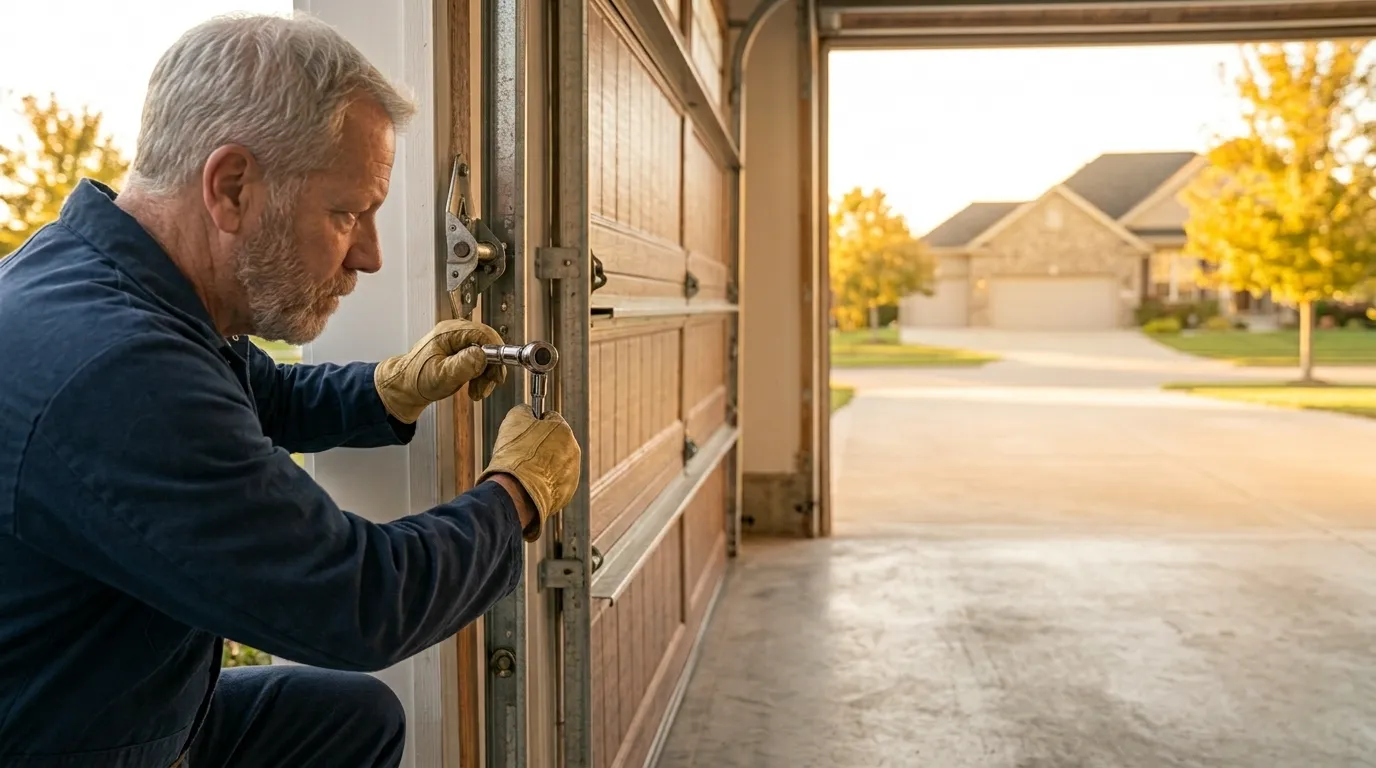
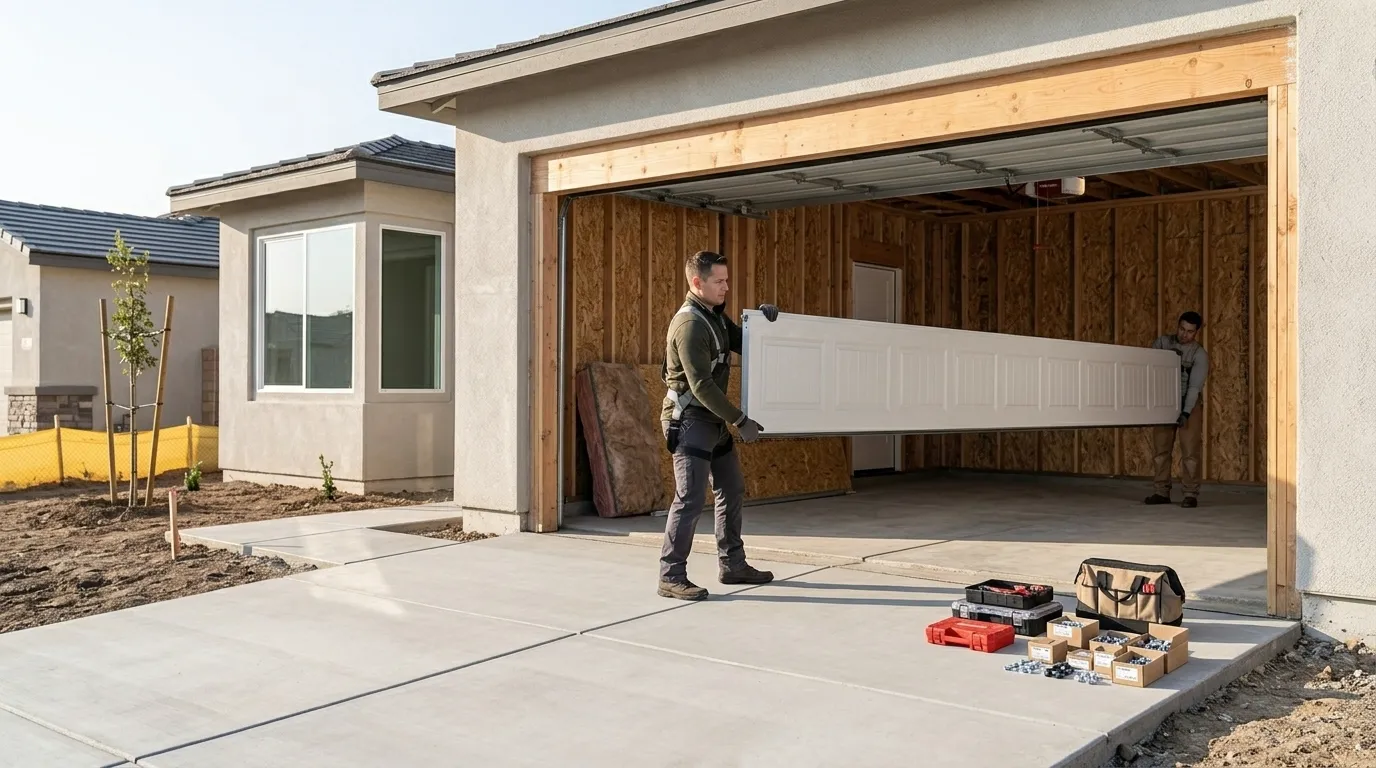
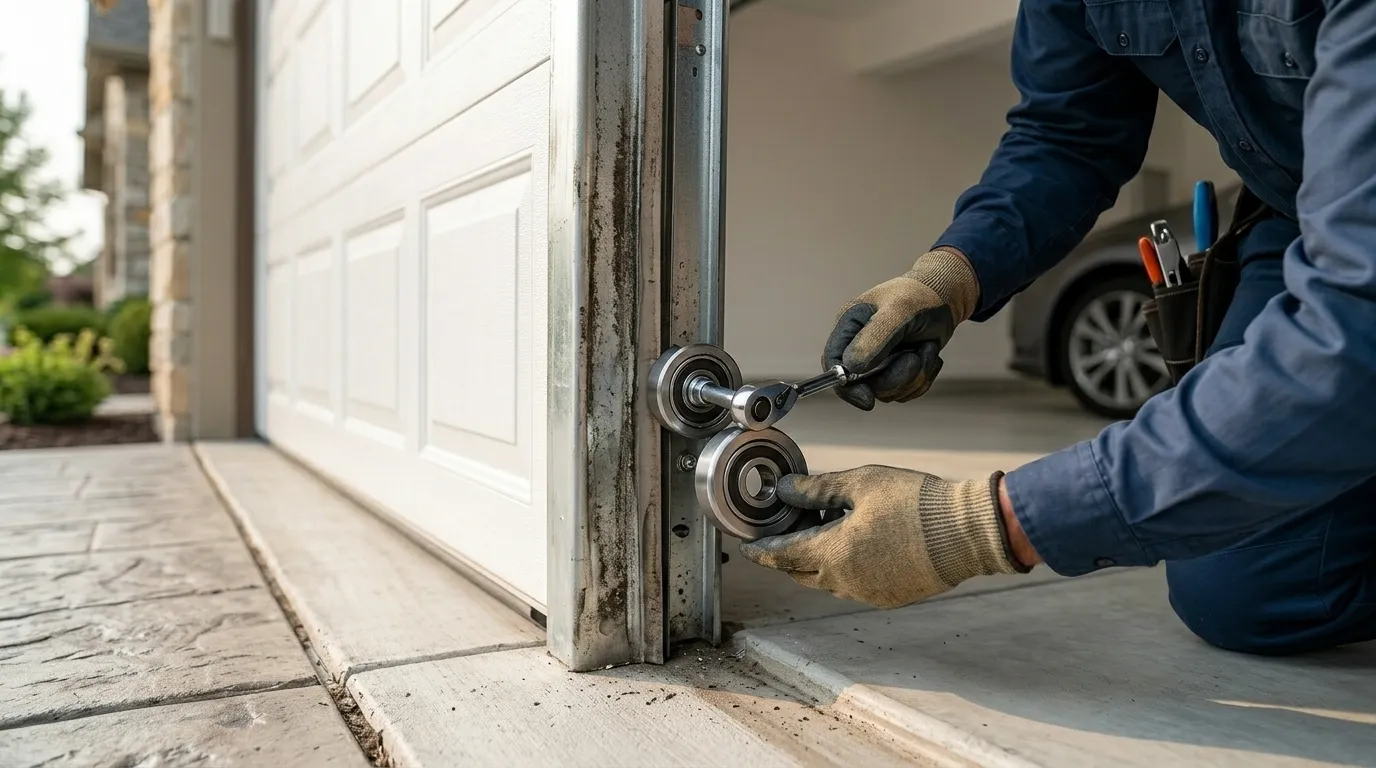
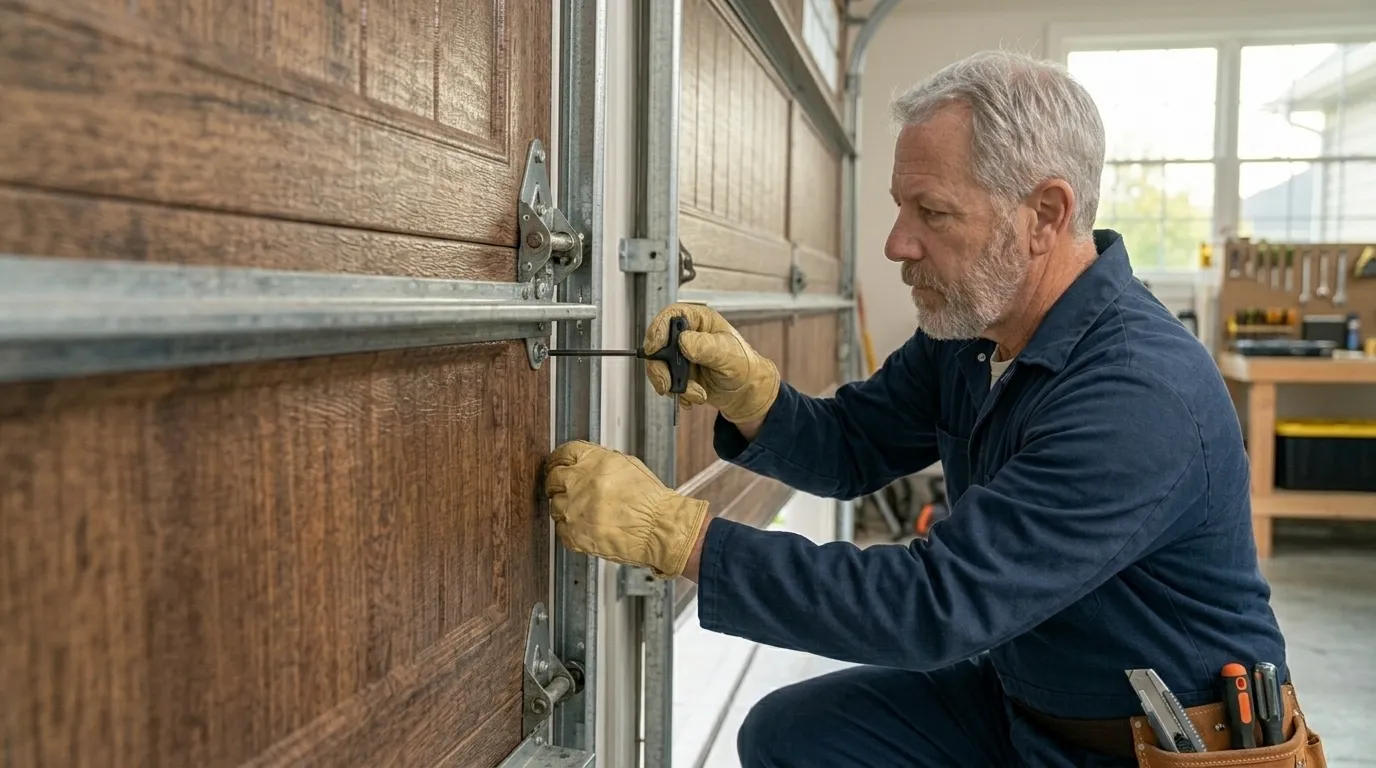
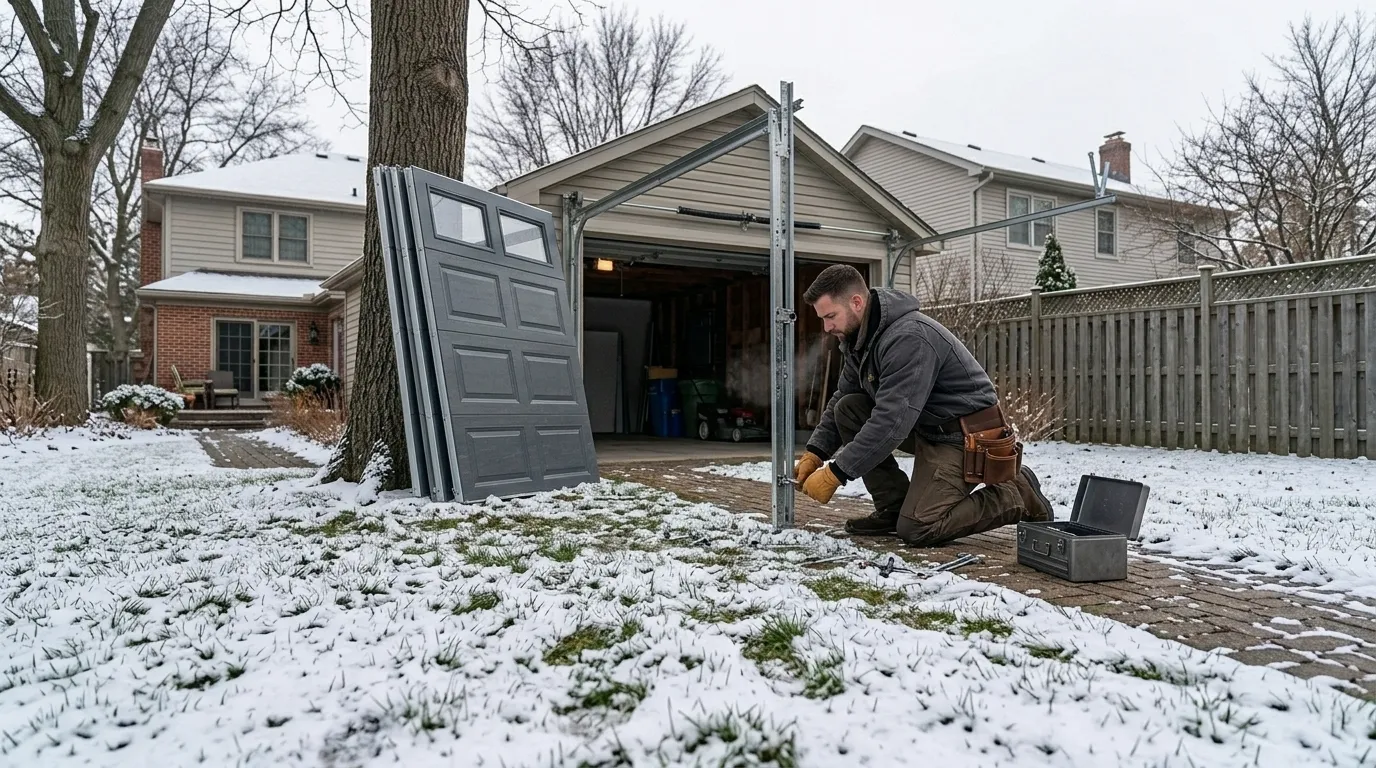
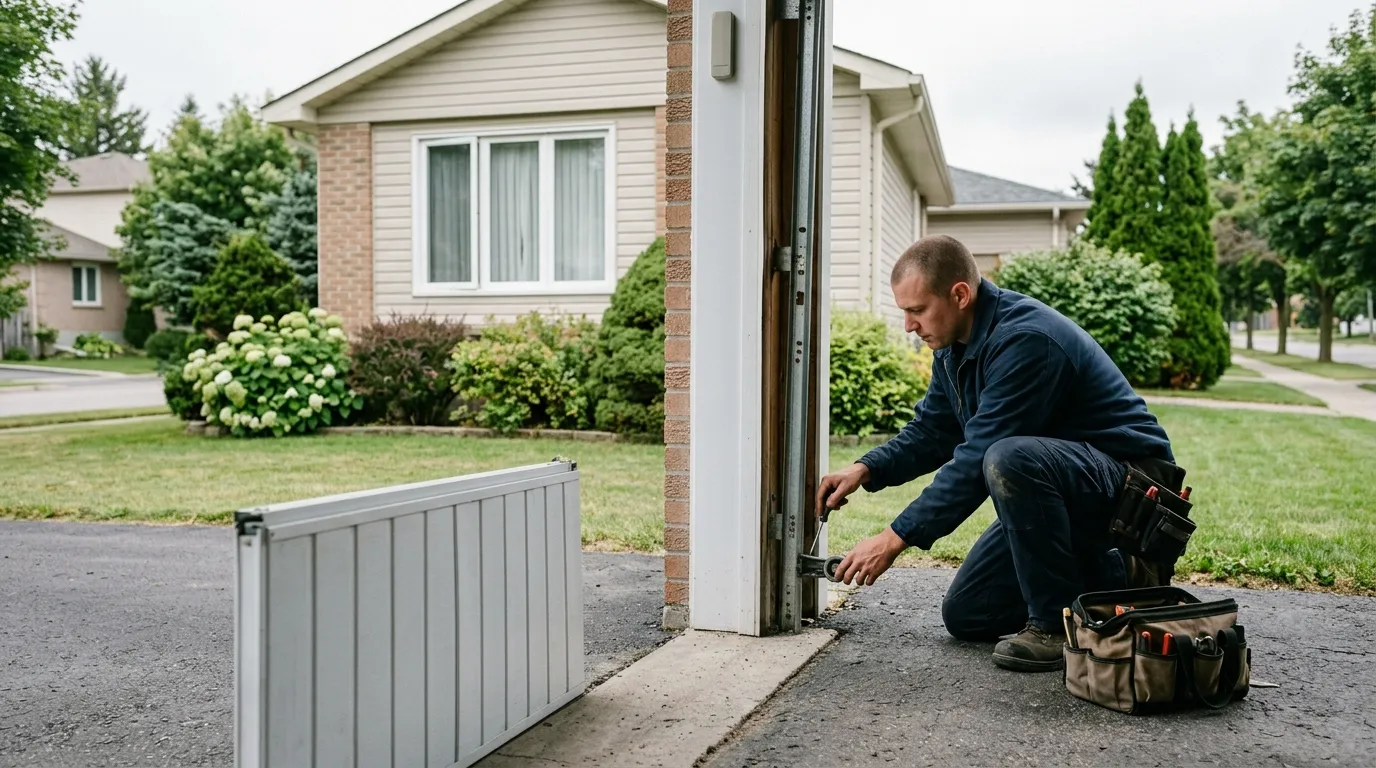
We open with pulling the damaged section only when the rest of the door is sound, which means checking the hinges, roller stems, and the track alignment on both sides before ordering anything. On a steel sectional door from around 1980, the panel profile and rib spacing can be close enough to a current stock size that we swap the section without touching the rest of the door. When it isn't close, we replace the section with the nearest match and accept a slight seam difference in texture, or we replace the full door if the owner would rather not carry a mismatched panel for another twenty years.
Because this area sits in the same severe-cold climate band as the rest of our territory, we check insulation while we're in there. A single-skin steel panel from that era doesn't hold heat the way a foam-core section does, so if one panel is failing, we'll tell you honestly whether it's worth insulating the whole door at the same time rather than patching one section and leaving the rest to lose heat all winter. That's a call we make on site, not over the phone.
The Symptom
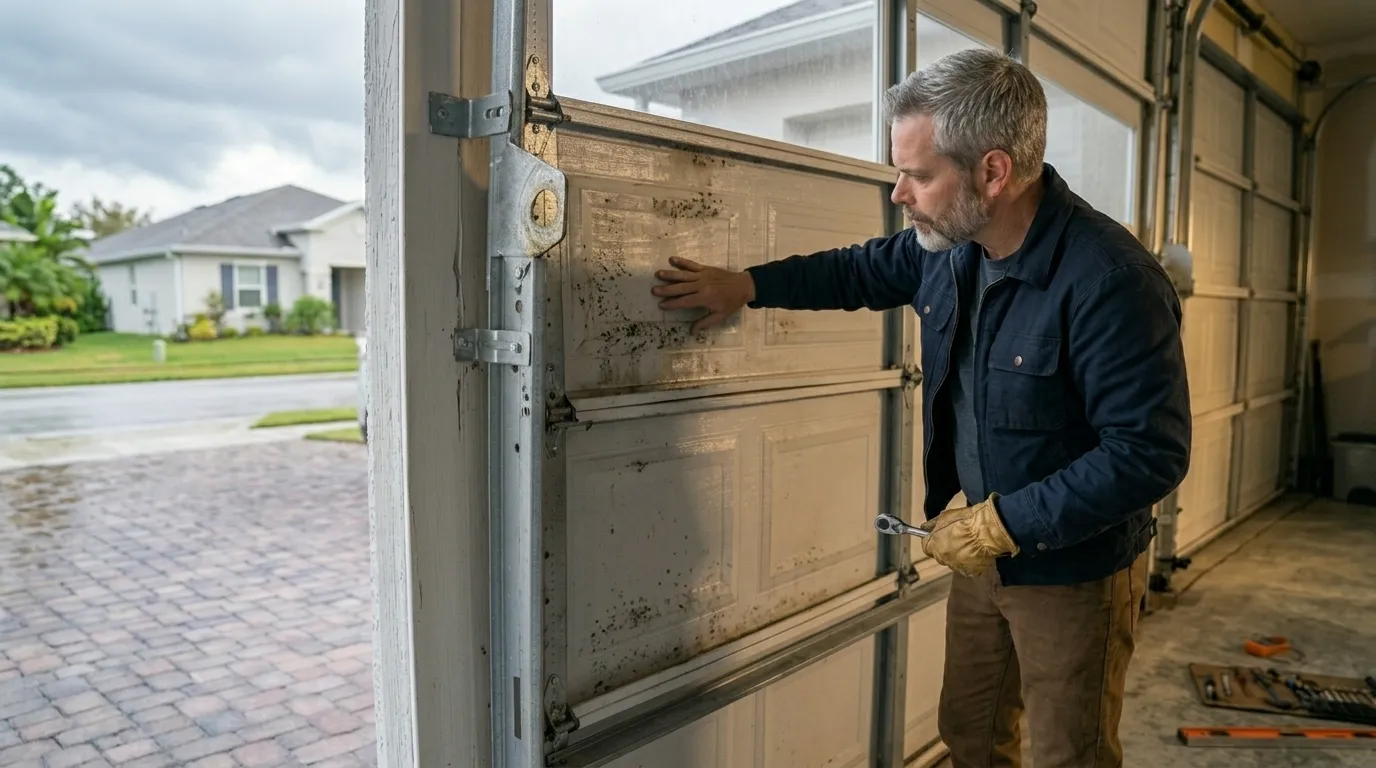
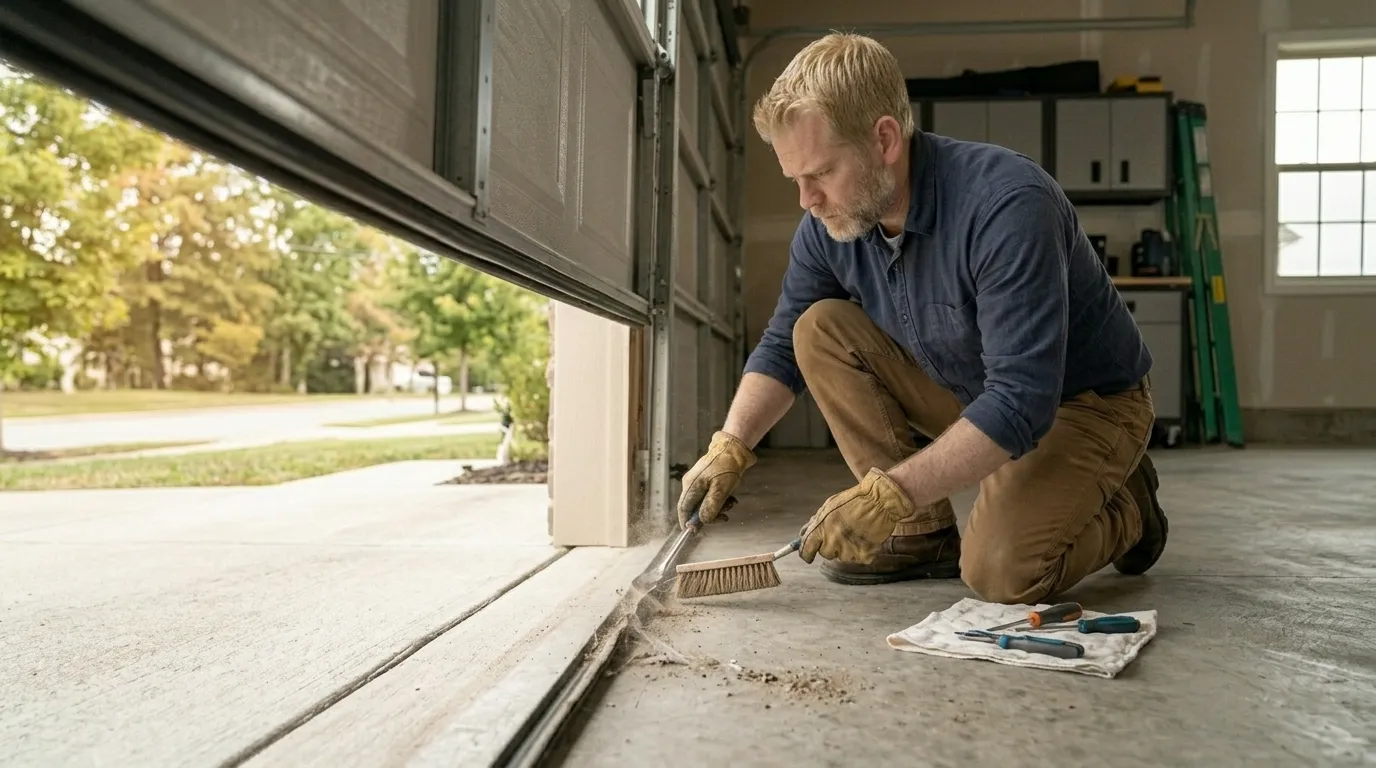
The giveaway on a 1980s steel sectional door is a dent that doesn't stay put - it spreads a slight bow along the whole panel width, and within a season or two the door starts binding on the track on that side. You'll hear it before you see it: a scrape or a hard catch partway up or down the run, right where the damaged section meets its neighbor. Sometimes the panel has cracked along a rib rather than dented, especially on doors that took a hit low near the bottom weatherstrip, where the steel is thinnest.
A second version of this shows up as rust-through rather than impact damage. Steel from that construction era wasn't galvanized as heavily as what's sold now, and if the bottom section has sat near a wet slab for decades, you'll see bubbling paint and soft spots before you see a hole. Either way, the section needs to come off the door - a dented or rusted panel doesn't get better, and running the opener against a bound track wears the opener's gears faster than it should.
Parts We Carry
We carry standard steel sectional panels in the common Northampton sizes - 9x7 single and 16x7 double - along with insulated foam-core sections for owners upgrading a bare-steel door section by section instead of all at once. We stock matching hinges, roller stems, and end caps sized for 1980s-era track spacing, since those measurements shifted slightly on newer doors and a mismatched hinge won't seat right.
What we don't keep on the truck is a wide range of discontinued wood-composite finishes; those get special-ordered once we've measured the exact profile on site. If a section is bad enough that patch repair isn't worth the labor relative to a full door, we'll say so instead of running up a bill on a door that's better off replaced outright.