What the Fix Involves
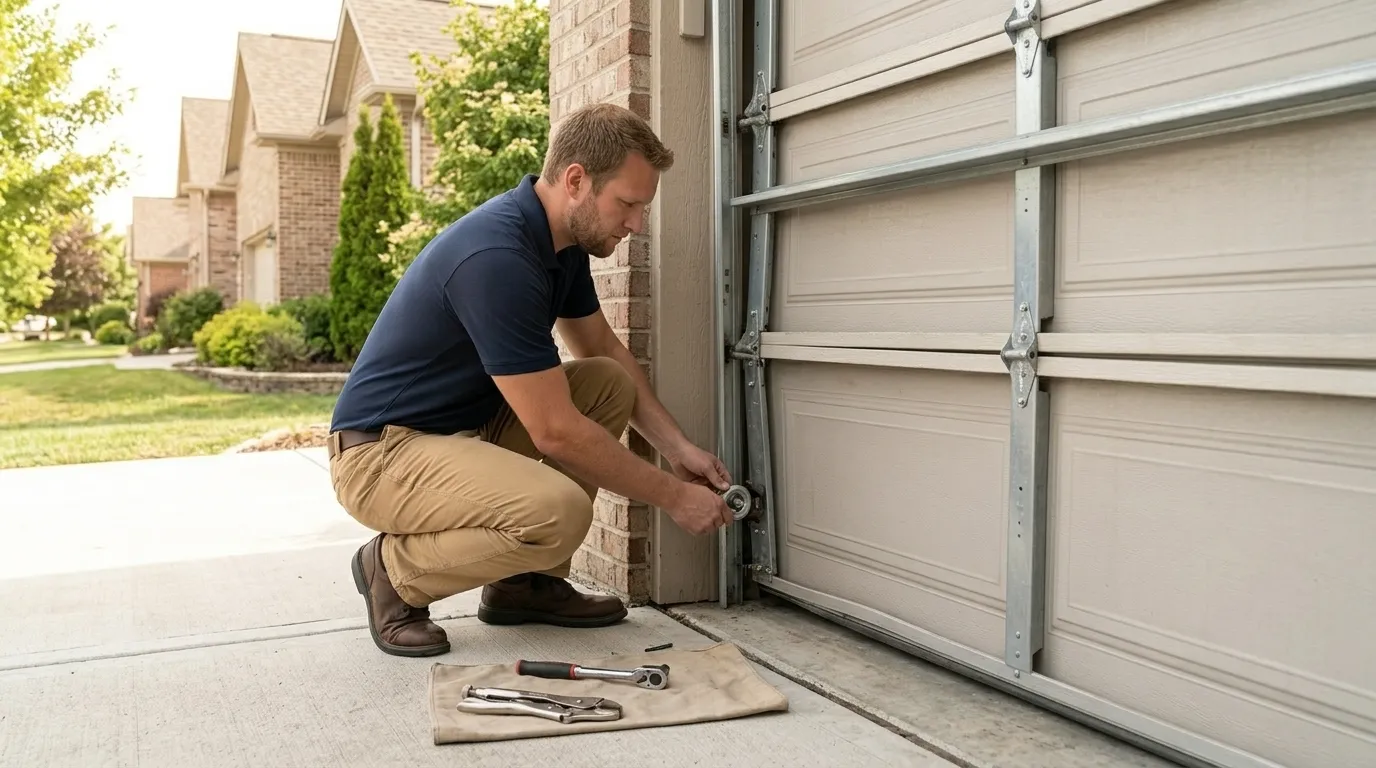
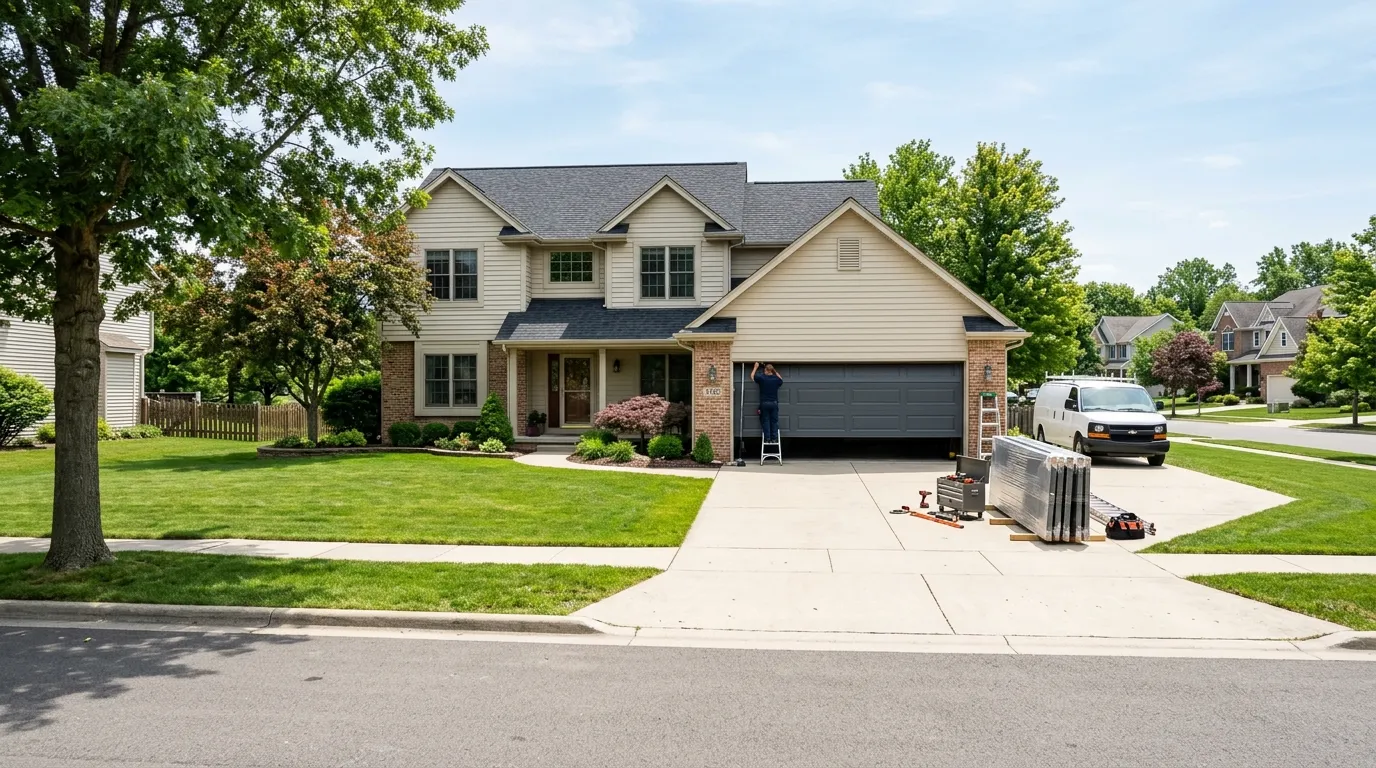
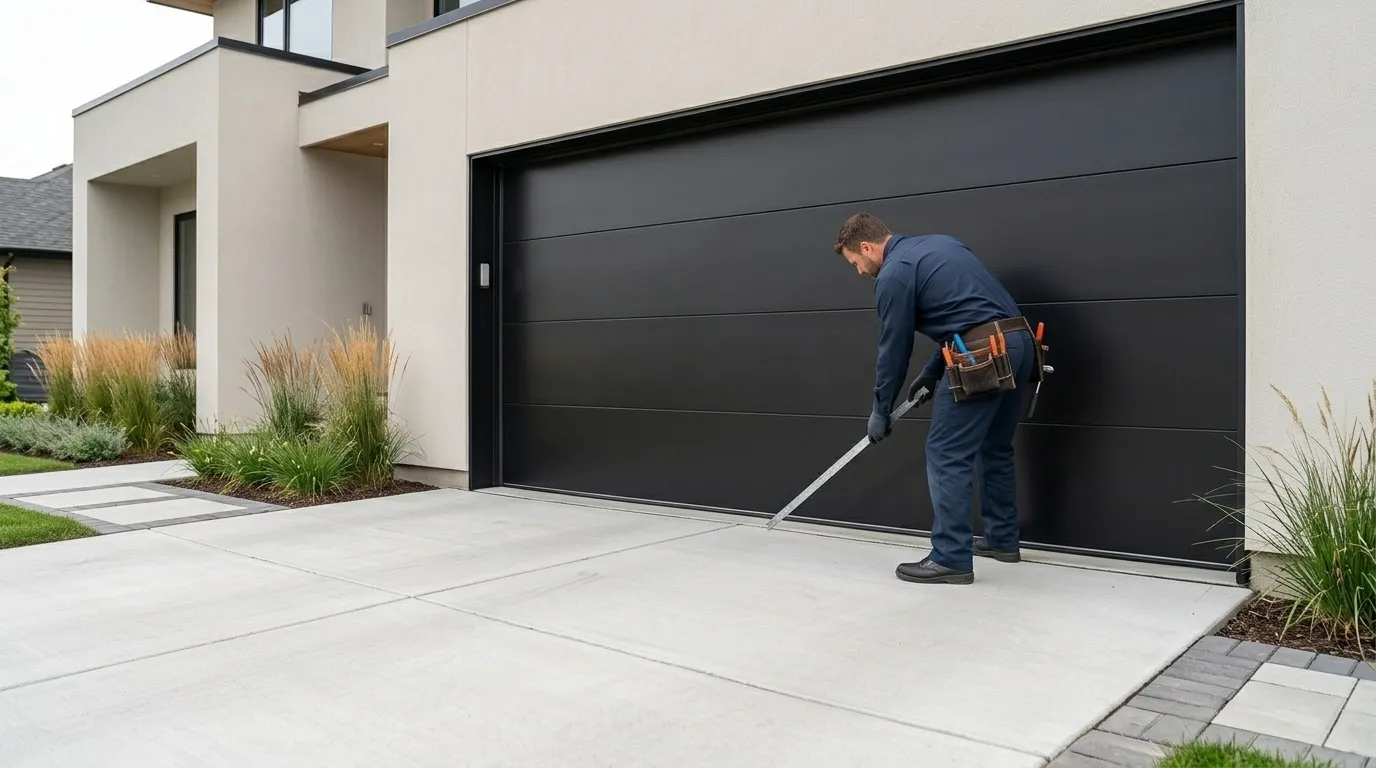
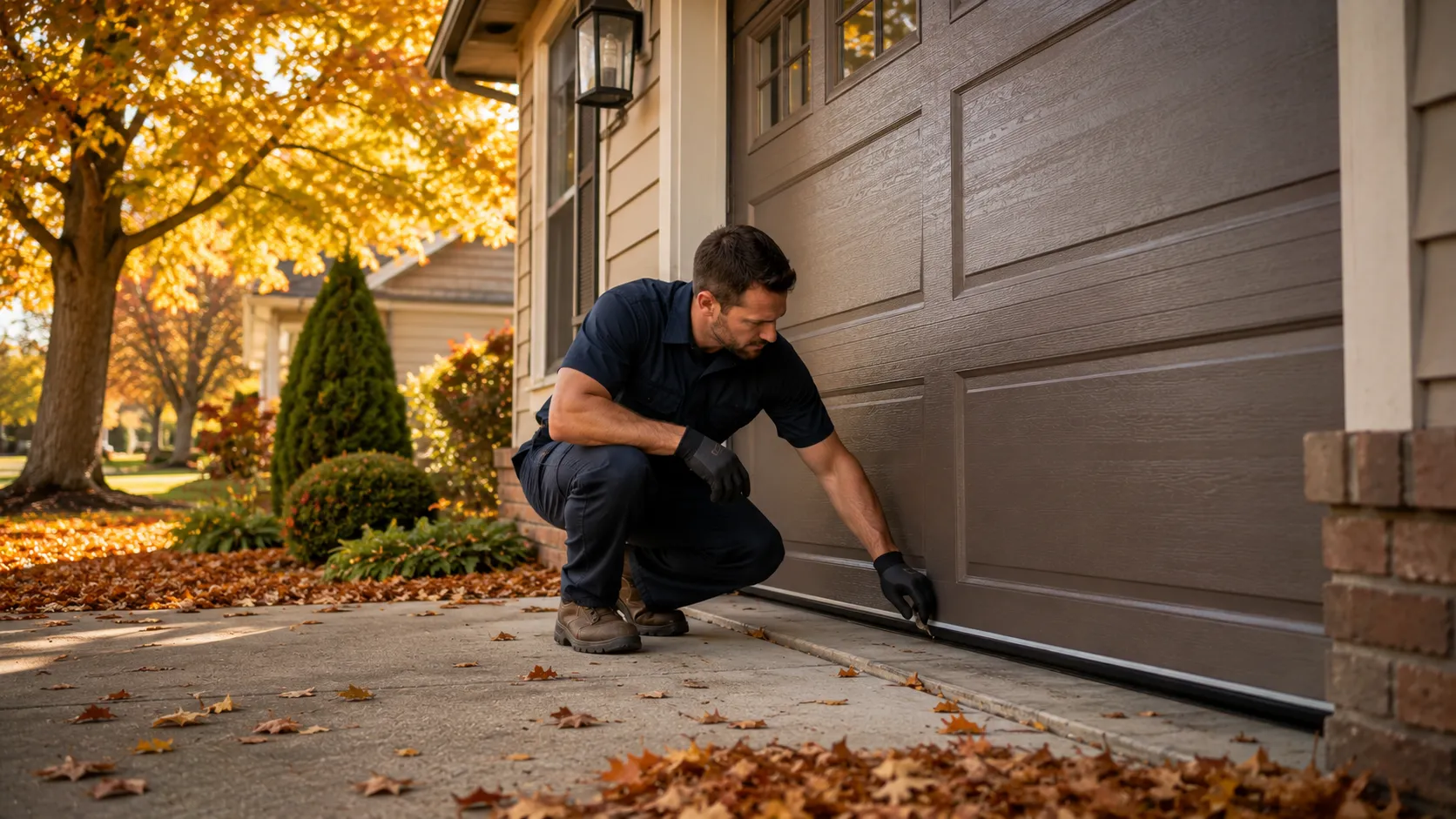
A straight installation on a house from this era means matching the new door to an opening framed for late-1970s and 1980s dimensions - headroom is often tighter than what current track hardware assumes, so we measure before we quote rather than after. We size torsion springs to the actual door weight, not to whatever the original single spring was rated for; steel doors from that period ran lighter gauge than what's sold today, and a heavier insulated replacement needs different spring counts and drum sizing to lift correctly. We also swap the opener at the same time when the door's original chain-drive unit is original to the house, since running a new door off a 40-year-old motor just moves the failure point instead of fixing it. Given the cold-climate demands here, we install a bottom seal and jamb weatherstripping rated for that swing, not the economy strip that shipped standard decades ago. None of this is guesswork - it's the same handful of checks every time: opening dimensions, spring rating against actual door weight, opener age, and seal condition.
The Symptom
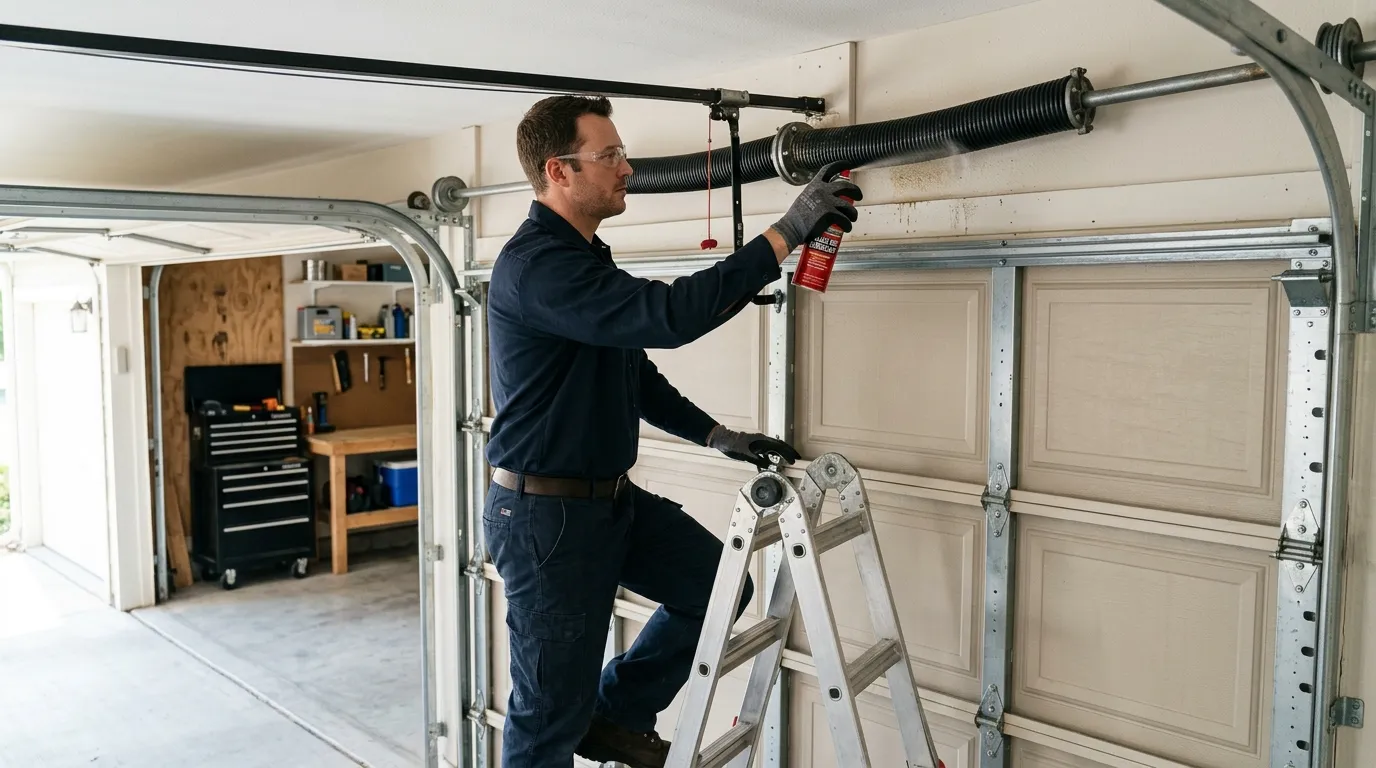
The complaint we hear from Northampton calls is usually the same shape: the door drops the last six inches on its own, or it takes two tries on the opener remote before the motor catches. Some owners notice a visible sag at the bottom corner of a steel panel, especially on the non-reinforced doors common in 1980s tract construction. Others just notice the door's gotten louder - the giveaway that a spring rated decades ago is carrying more flex than it should. On original doors that haven't been touched since the house was built, cold-weather stiffness in the track and hardened, cracked seals around the panel edges are the more common winter complaint. A few owners describe the opener straining and reversing partway up, which usually means the motor is fighting a spring that's lost tension rather than a motor problem at all.
Parts We Carry
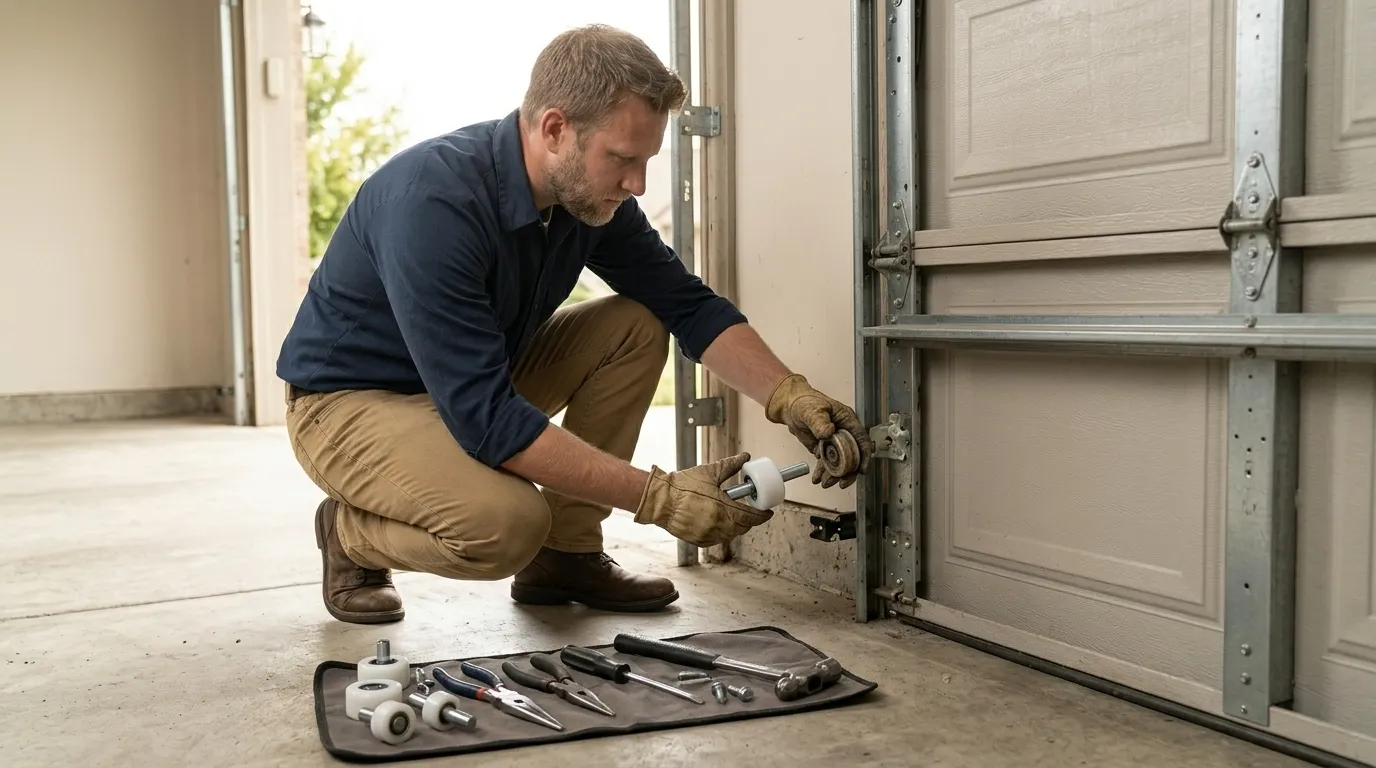
For Northampton jobs we carry insulated steel sections sized for the door weights common to 1980-era openings, torsion springs rated to current door weight rather than the lighter original spec, and weatherstripping built for sustained cold rather than the standard-grade strip that shipped on doors of that period. We stock standard track and roller hardware for the sizes most common across the service area's housing stock, plus openers sized to replace the original chain-drive units still running in a lot of these houses. What we don't keep on the truck is a full range of nonstandard header kits for out-of-spec openings - those get ordered once we've measured on site, which is the one part of the job that can't be rushed.