Why It Happens Here
The service area sits in a cold, severe climate band, and that shows up in cable wear before it shows up almost anywhere else on the door. Steel cable flexes every time the door cycles, and cold makes galvanized wire stiffer and more prone to work-hardening at the bend points - right where it wraps the drum. On houses built in the 1938-1994 window that makes up most of this stock, that bend point has usually never been replaced. Owners replace openers, they replace weatherstripping, they replace the remote - the cable itself is the part nobody thinks about until it lets go. In a house built well before 1960, that original drum can also be slightly undersized for a modern door weight if the panel was ever swapped for an insulated one, which adds extra tension exactly where the cable is already stiffest. None of this is unique to any one house - it's a pattern we see across the pre-1960 stock that makes up most of this area, and it's why a cable failure here tends to come with a story about a recent panel or opener change rather than pure old age.
Parts We Carry
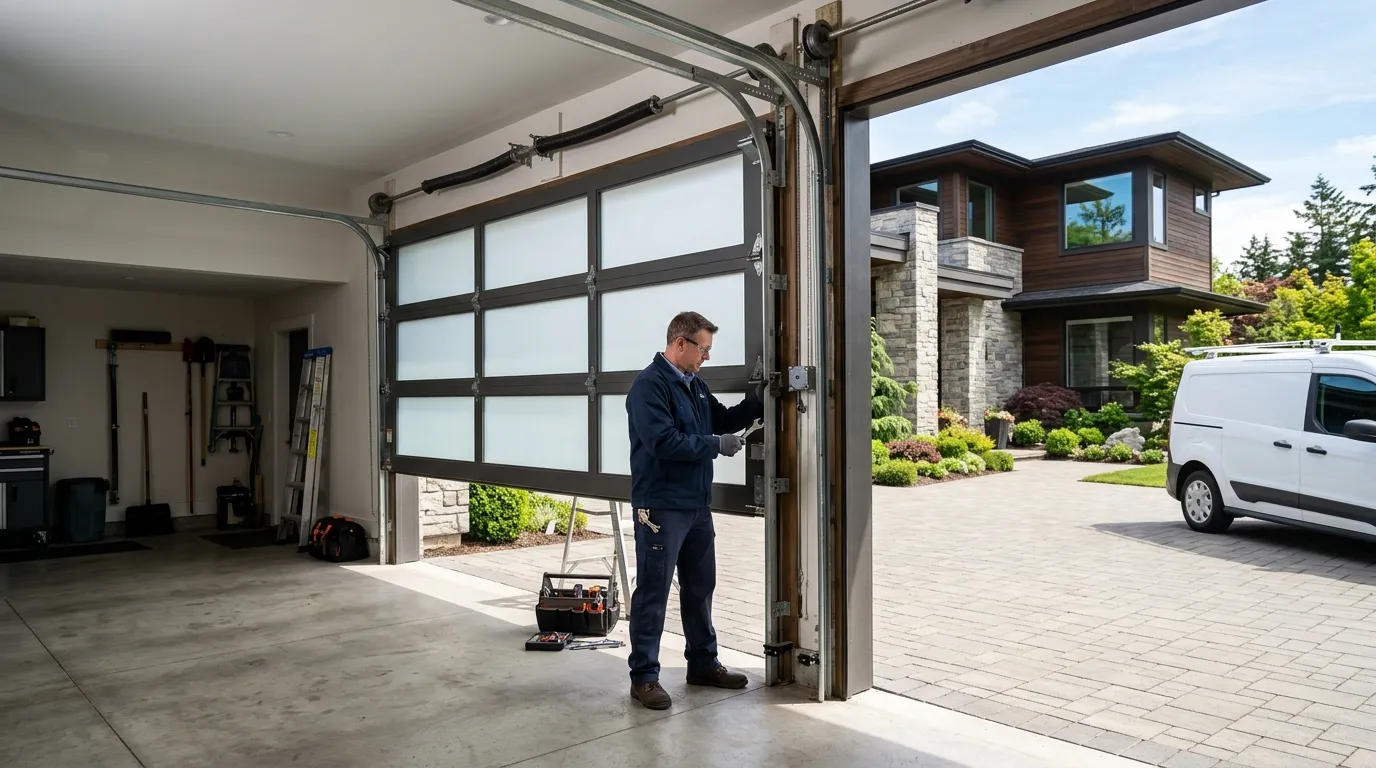
We carry standard galvanized aircraft cable in the diameters and lengths that fit the drum sizes common on doors from this era, plus the vinyl-coated cable some owners ask for when they're upgrading past what the builder installed. We stock both extension-spring safety cables and torsion-style lift cables, since houses here run both systems depending on when the door or opener was last replaced. We also carry replacement drums, since a cable that's jumped its track has usually chewed a groove into the drum on the way, and putting a new cable on a damaged drum just sets up the next failure. What we don't carry on the truck is every non-standard cable length for custom or imported doors - those get special-ordered, and we'll tell you that up front rather than jury-rig a fix that won't hold. If your door takes an oddball size, expect a short wait on parts rather than a same-visit fix.
What the Fix Involves
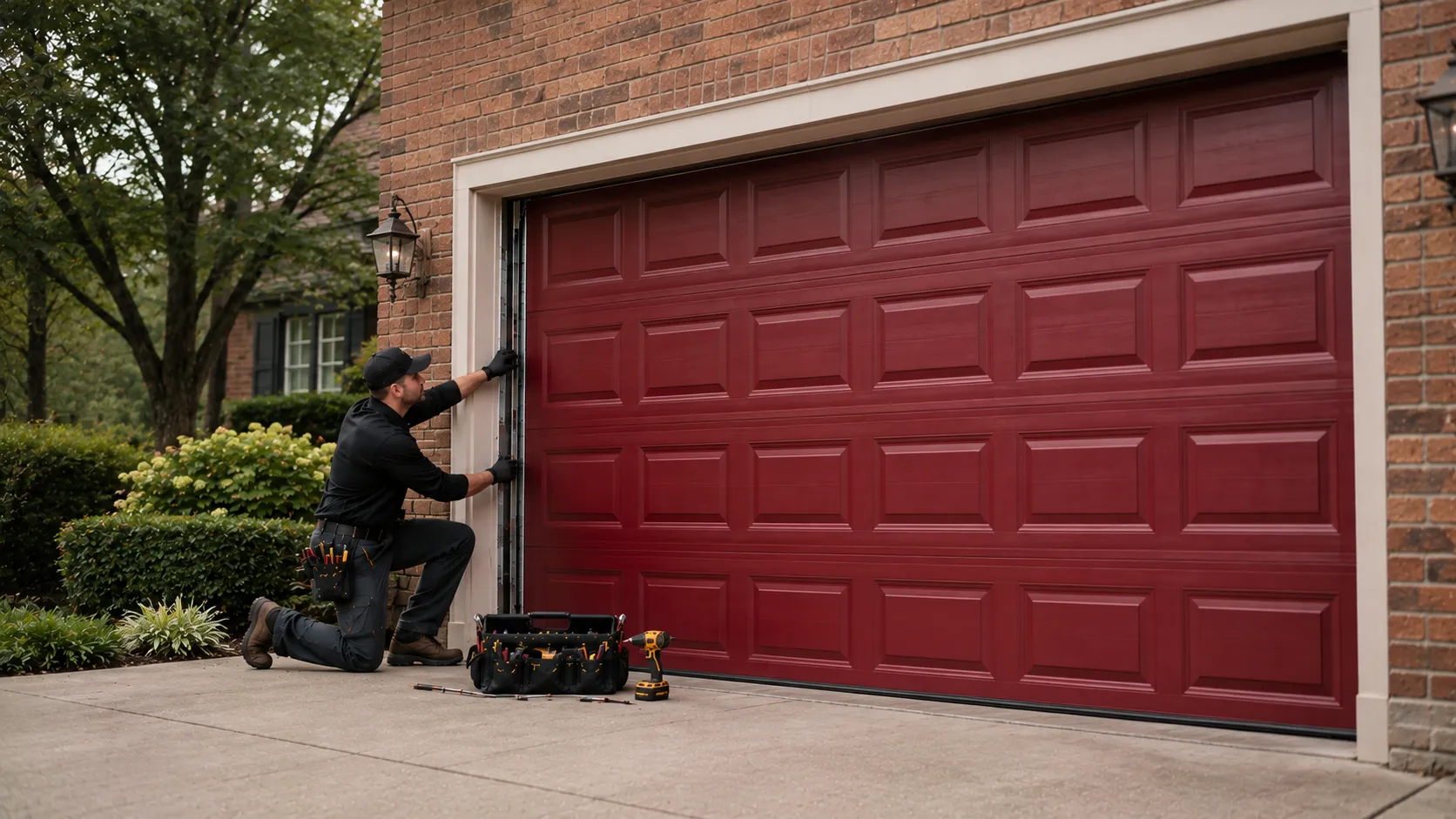
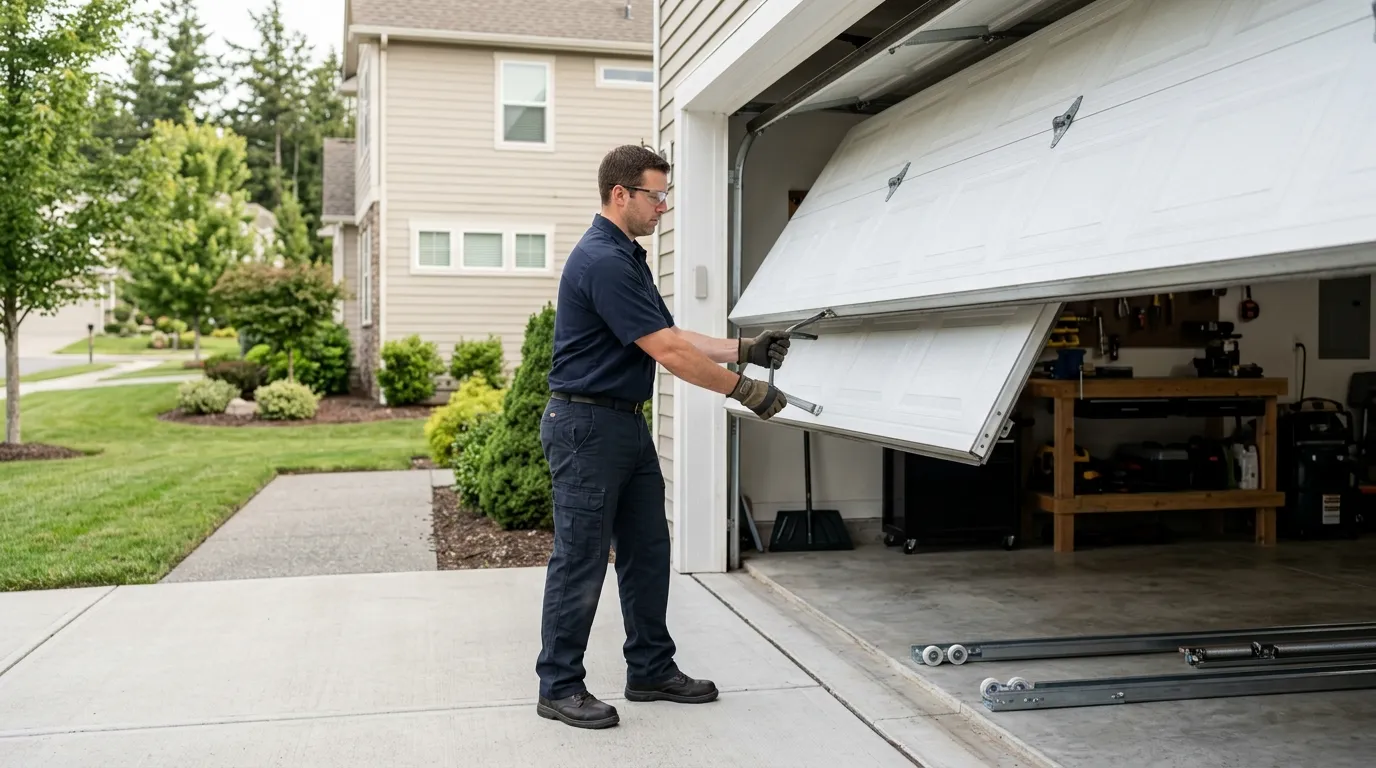
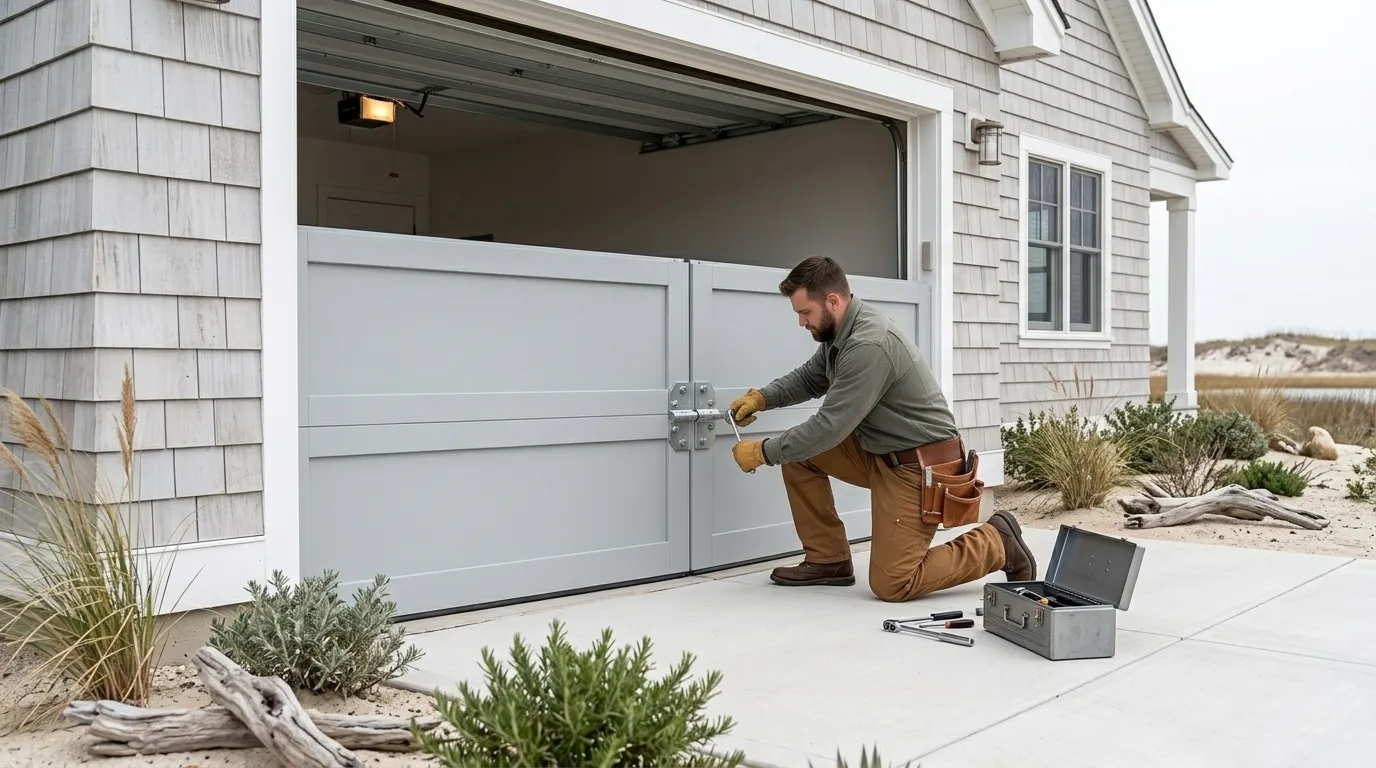
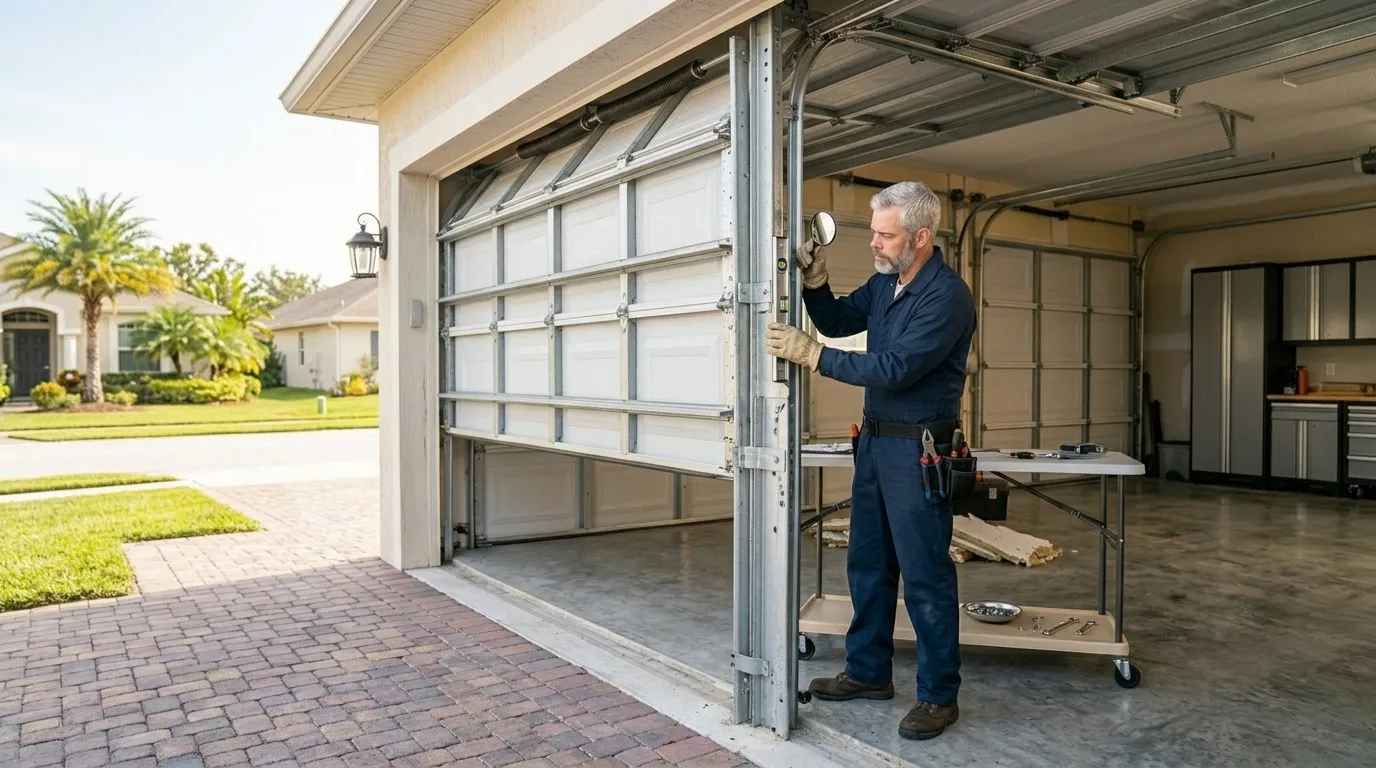
First we release tension safely - this is not a job to do with the door under load, and it's the step that hurts people when it's skipped. Then we pull the old cable, check the drum for grooving or wear, and inspect the track for any damage from a jumped cable. If the drum's fine, we wind on new cable at the correct length for your door's height and re-tension both sides evenly, which matters more than it sounds - an unevenly tensioned door will bind or slam on one side. We test the door through a full cycle, check the auto-reverse safety function, and look at the opposite cable too, since if one side failed from age or load, the other one is usually close behind it. If we find the panel itself has been swapped for something heavier than the original spring and cable were sized for, we'll say so - sometimes the honest fix is a spring upgrade alongside the cable, not just a like-for-like replacement, and we won't sell you a repair that's going to fail again in a year.