
Why It Happens Here
The service area sits in a severe cold climate band, and Bala Cynwyd is no exception at 5 miles out from Philadelphia. Cold steel is stiffer and less forgiving under tension than warm steel - a spring that flexes fine in October can crack on a January morning when the metal's contracted and brittle. Combine that with a housing stock where the median build year is 1957, and you've got seven decades of thermal cycling on hardware a lot of owners have never had inspected. Springs don't announce they're near the end. They hold tension right up until they don't, and cold mornings are when that last bit of give runs out. We don't see anything mysterious about it - it's steel fatigue plus temperature swings plus age, the same combination that hits most of the older homes we get called to in this area. The houses that dodge it are the rare ones where a spring's already been replaced once.
Parts We Carry
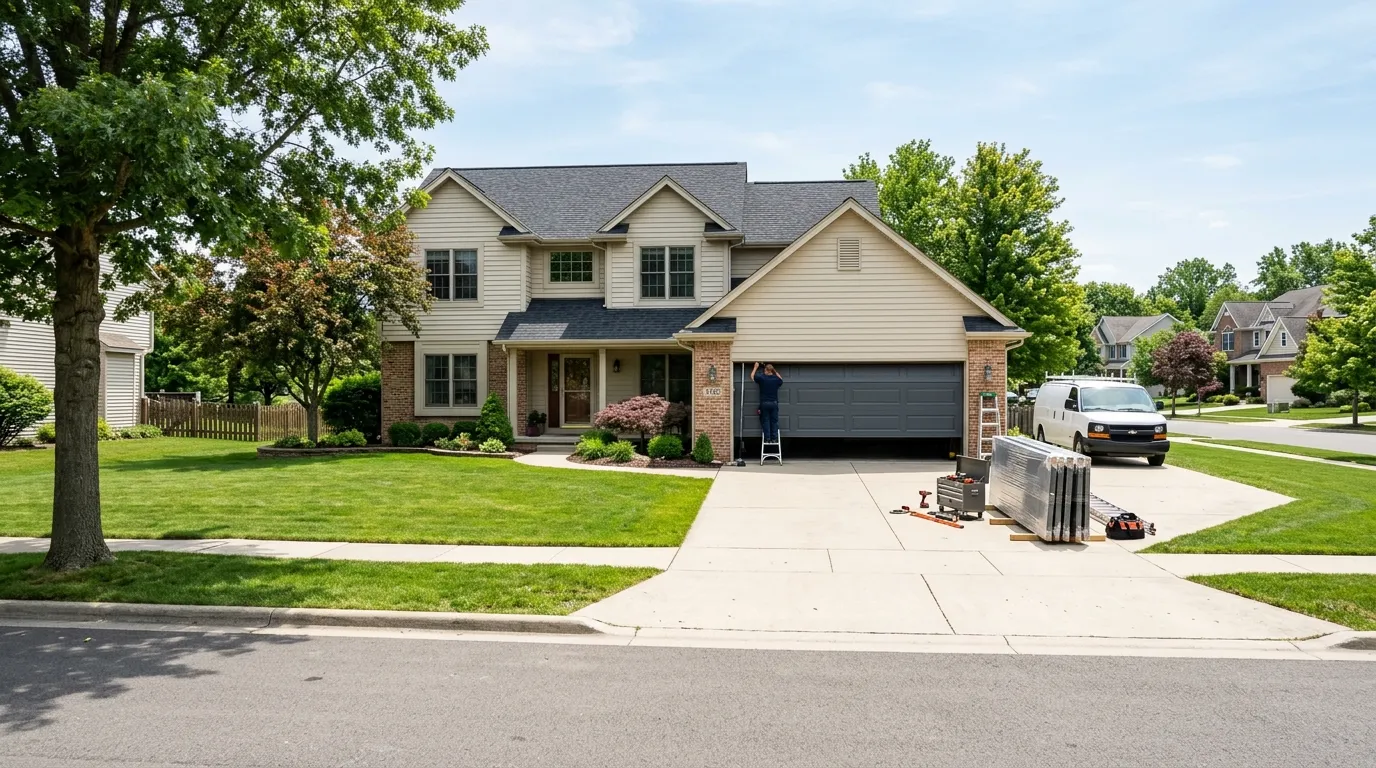
For a 1950s-era door, that usually means a single torsion spring rated for a lighter panel - smaller wire gauge and fewer coils than what a heavier modern door needs. We also carry the double-spring setups that show up on houses where a heavier replacement door went in without the torsion bar getting upgraded to match. Cable and drum wear on cue with spring failure, so we bring both sizes we're likely to need rather than guessing on-site. One limit worth saying plainly: we don't stock every wind and length combination for doors outside the standard range, and if your setup is unusual we may need a day to get the exact spring in. That's rare on the housing stock this area has, but it happens.
What the Fix Involves
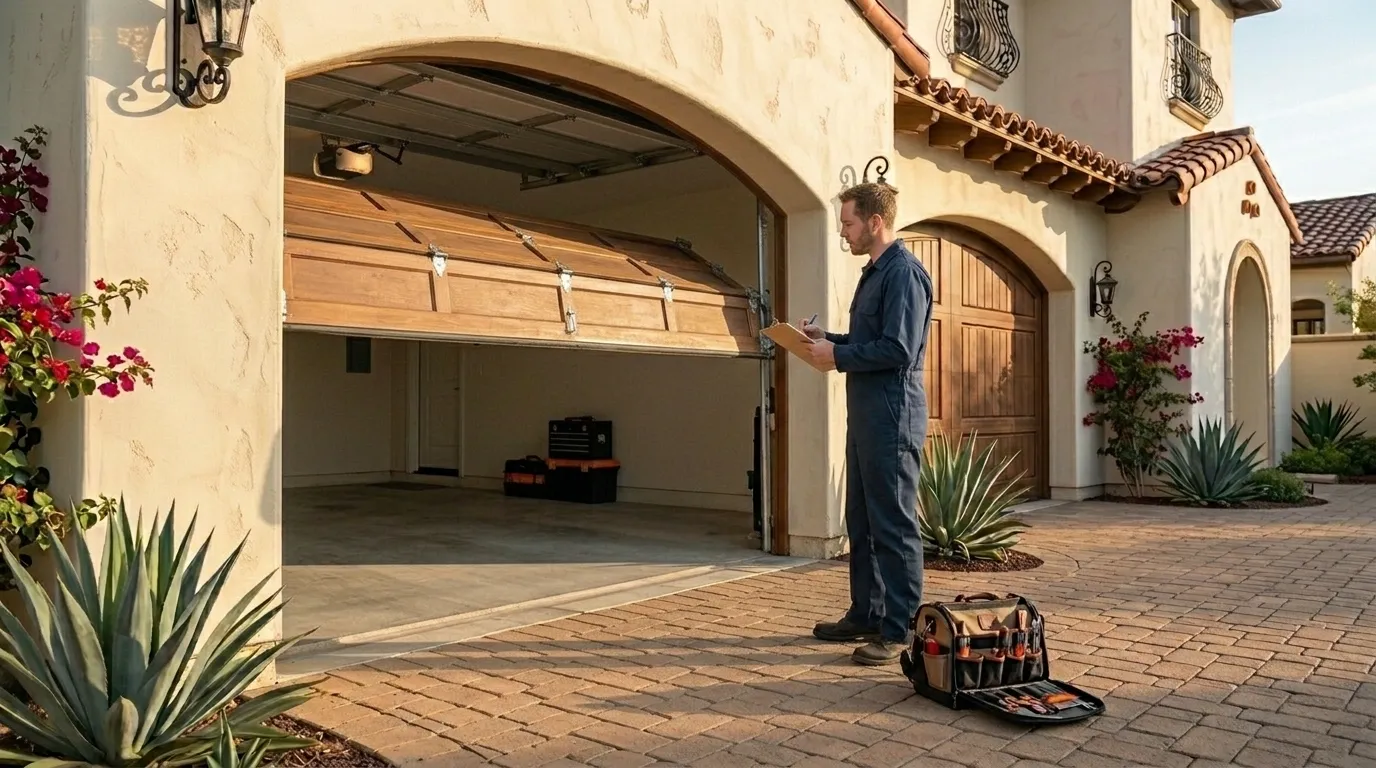
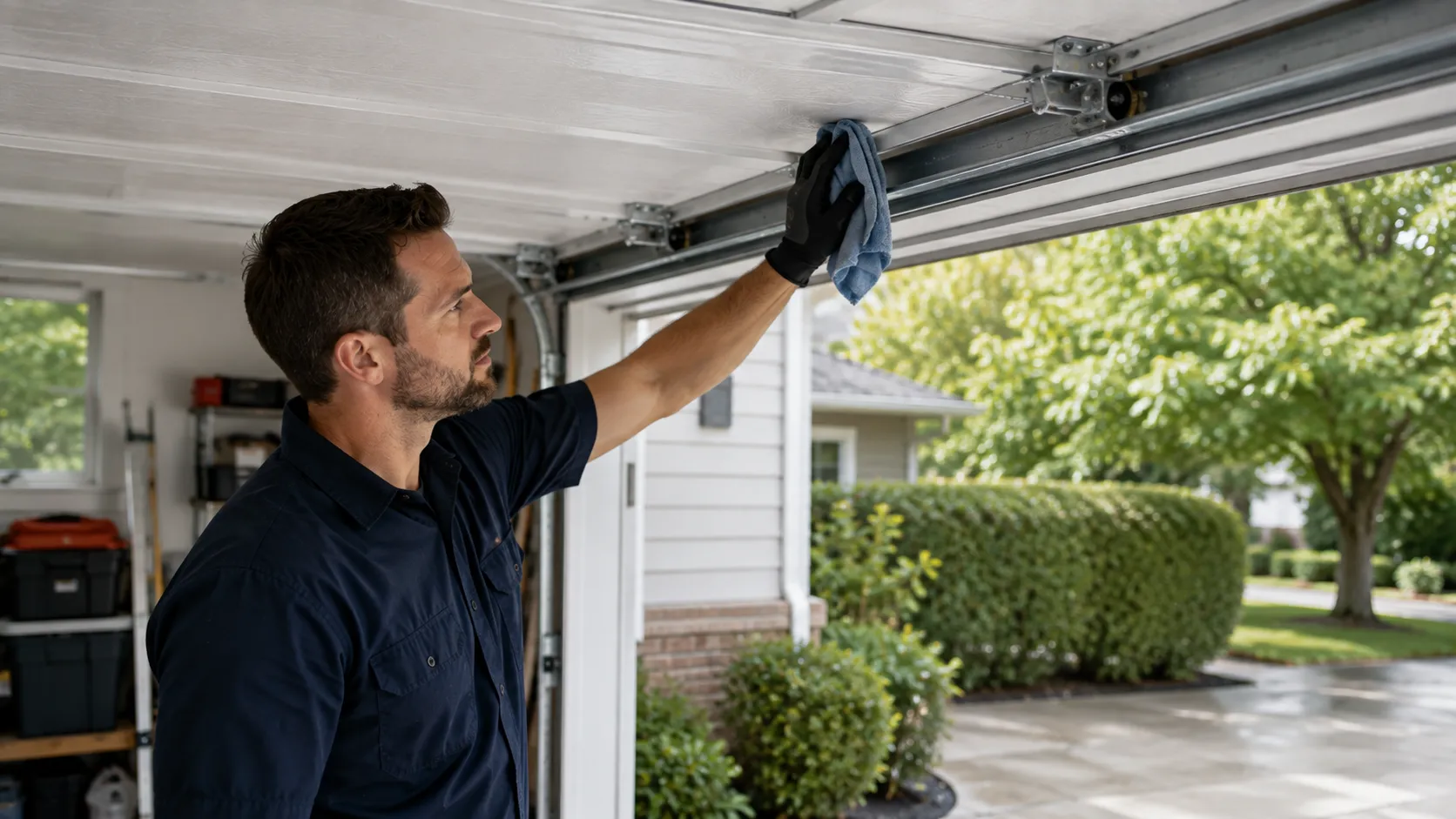
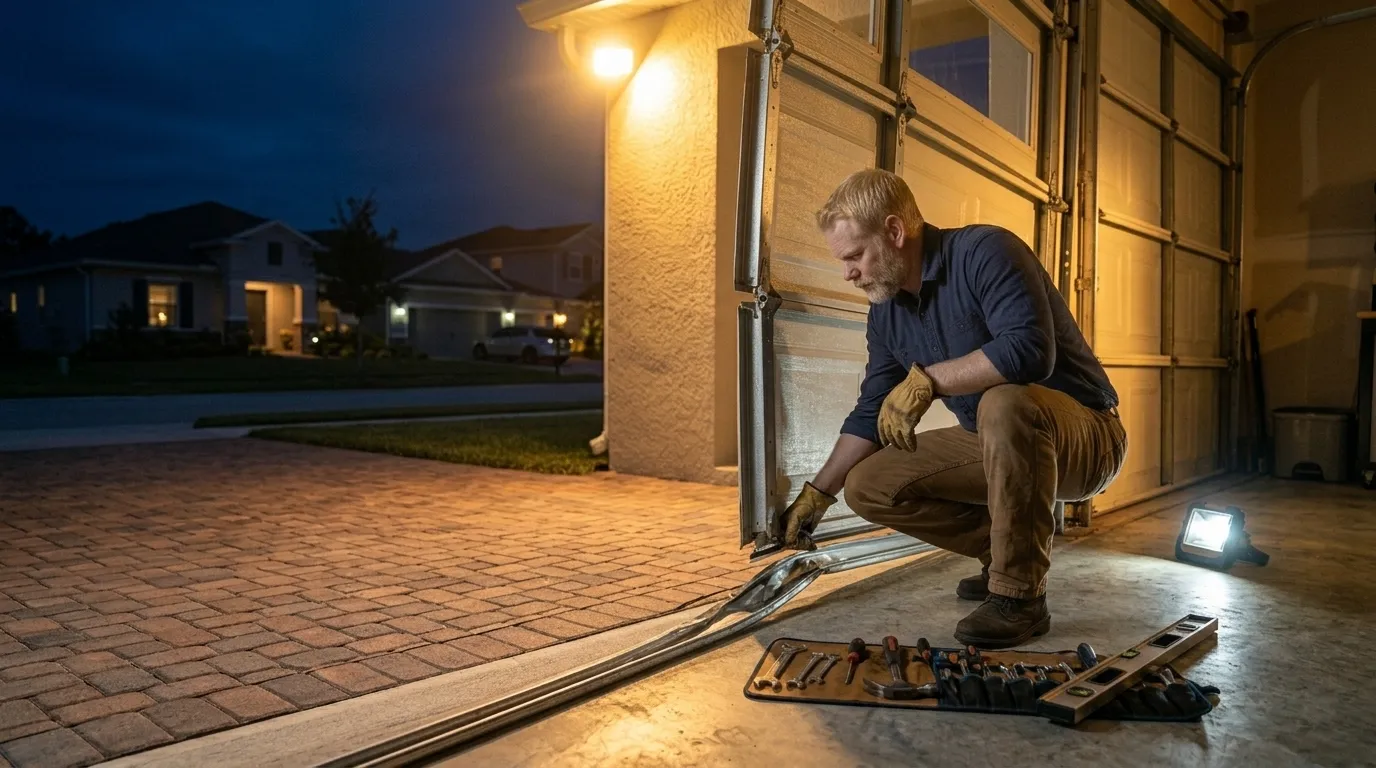
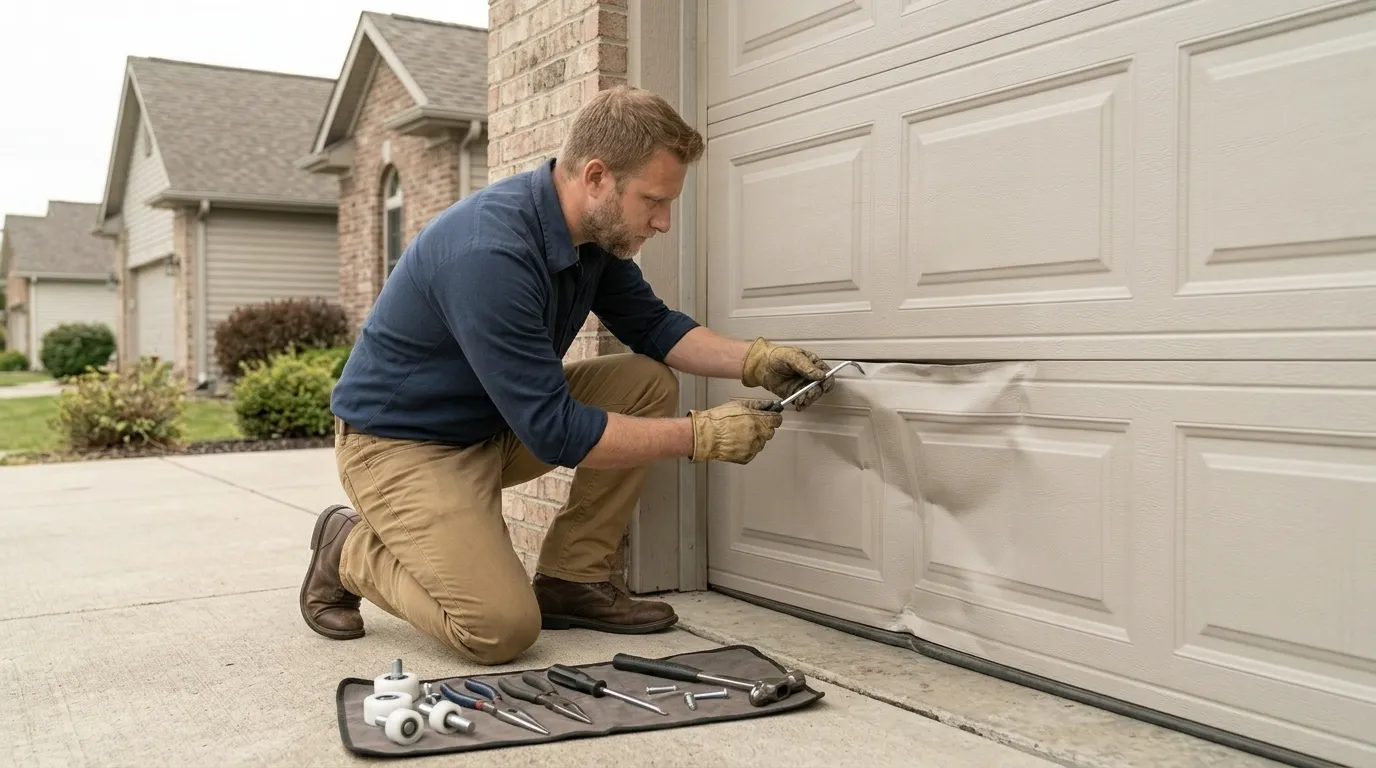
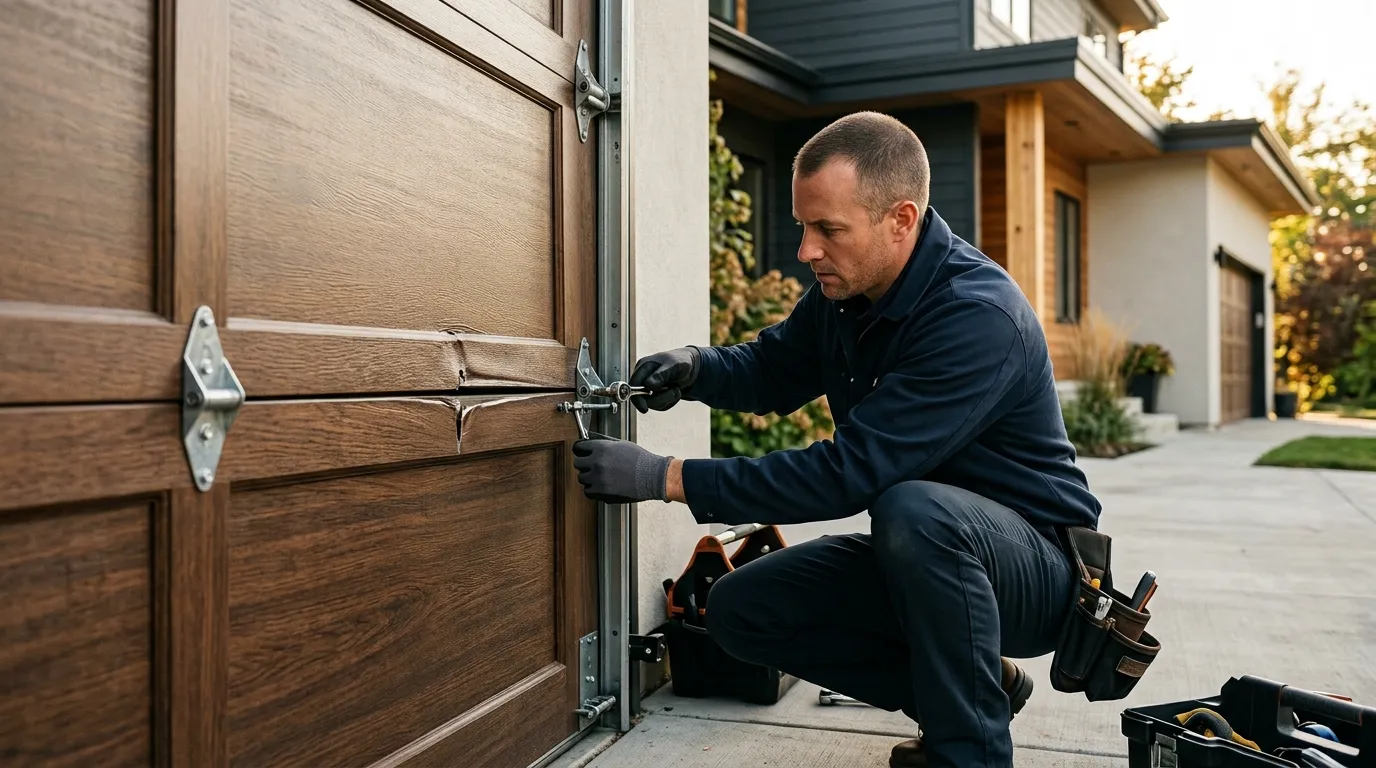
We start by checking the door's weight and the spring size that's actually on it now, not just what's typical for a house this age - because as noted, plenty of these doors got heavier replacements without a hardware upgrade. If the spring's undersized for the door, we replace it with the correct wind and wire gauge rather than matching what failed. We check cable, drums, and the center bearing at the same time, since those wear on the same clock as the spring and a fix that ignores them is a fix that doesn't hold. Once the new spring's wound to the right tension, we run the door through several full cycles and check balance by hand - a door that doesn't hold position halfway open still has a tension problem, spring or no spring. We don't recommend patching a spring that's already stretched or rusted through; on a door this old, replacing the full spring is the only fix that's worth the trip. Full details on garage door spring repair and our broader Bala Cynwyd service coverage are linked here.