Why It Happens Here
The area sits in a cold-climate band with real seasonal swings, and that matters more for a door built in the 1950s than one built last year. Steel panels from that era were spot-welded, not laser-cut and sealed, so the seams flex with every freeze and thaw. Moisture gets into the seam, rusts from the inside out, and by the time you see a bubble in the paint the metal underneath is already thinner than it looks.
Commercial buildings feel this faster than houses because the doors cycle more - deliveries, loading, staff coming and going all day. A spring that would last years on a residential door sees the same wear in a fraction of the time on a warehouse bay or a service entrance. Add in a median household income of $144,453 in Bala Cynwyd, noticeably above the $109,706 median across the rest of the area we cover, and we see more owners choosing to replace an aging door with insulated steel rather than patch it again - a decision that's about the building's use, not fashion.
Parts We Carry
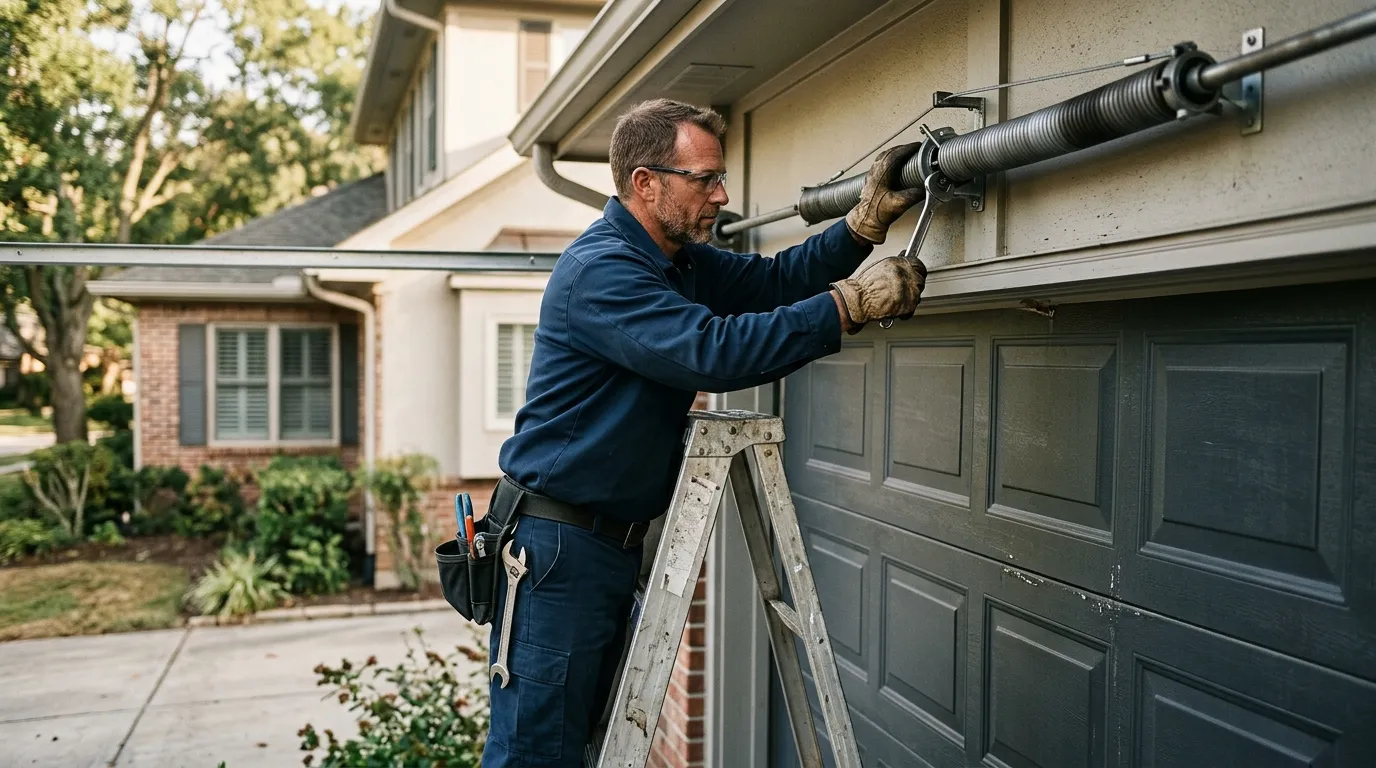
For a building on this side of the age curve, the parts that get used aren't always the same ones a newer commercial account needs. We carry torsion springs in the weight ranges that match older sectional doors, not just the sizes that ship on current models. High-cycle commercial openers go in when a business is running the door dozens of times a day and the original chain-drive unit can't keep up.
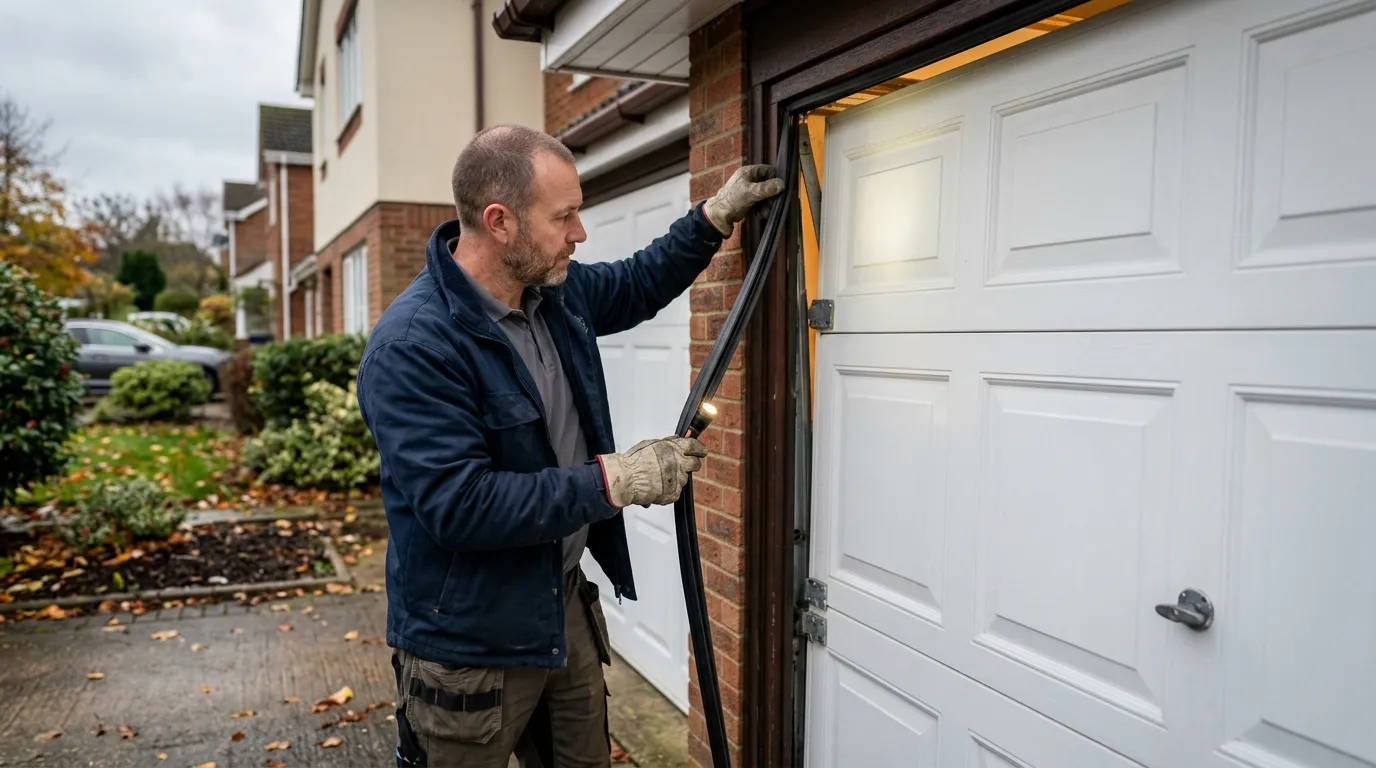
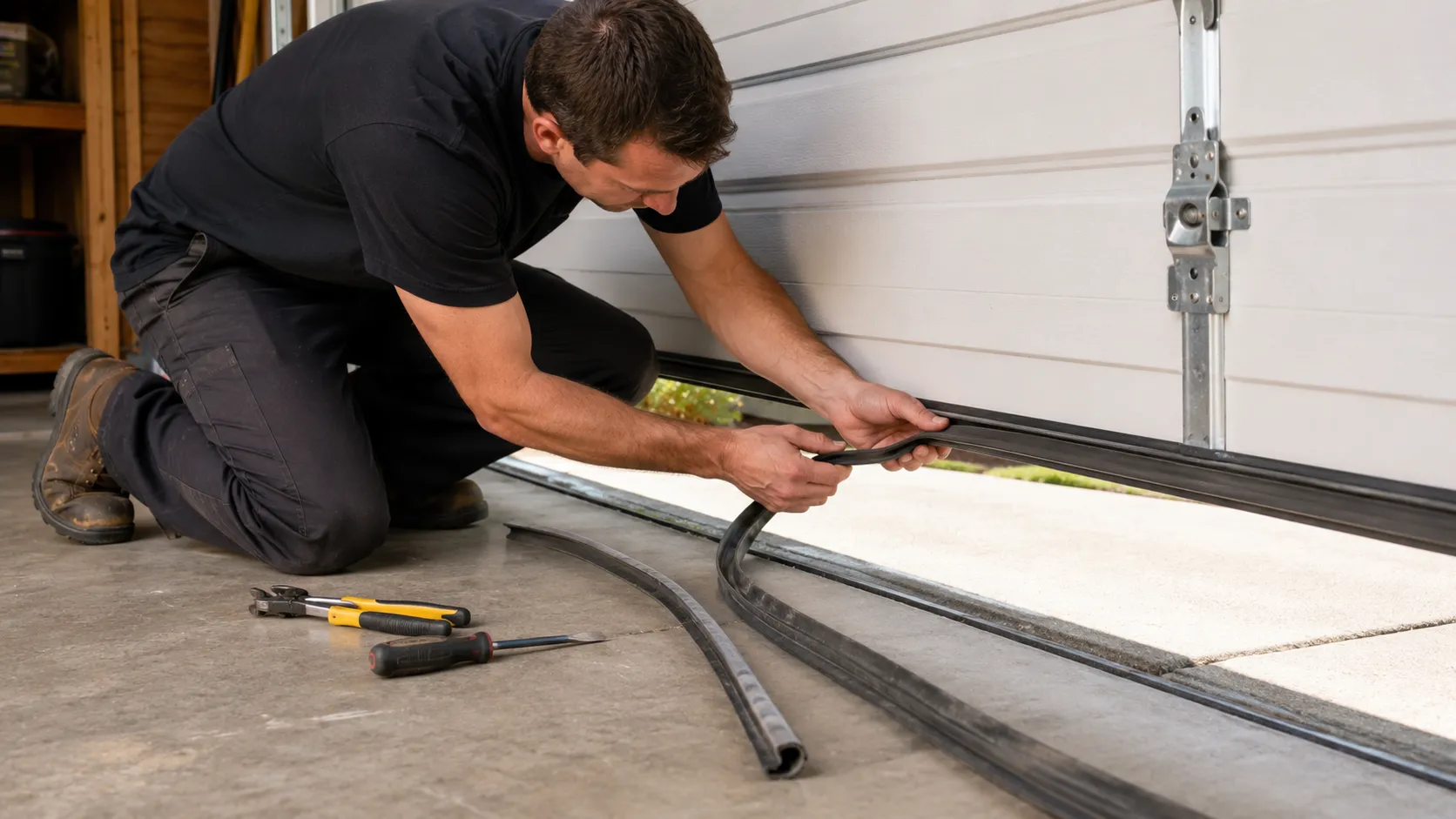
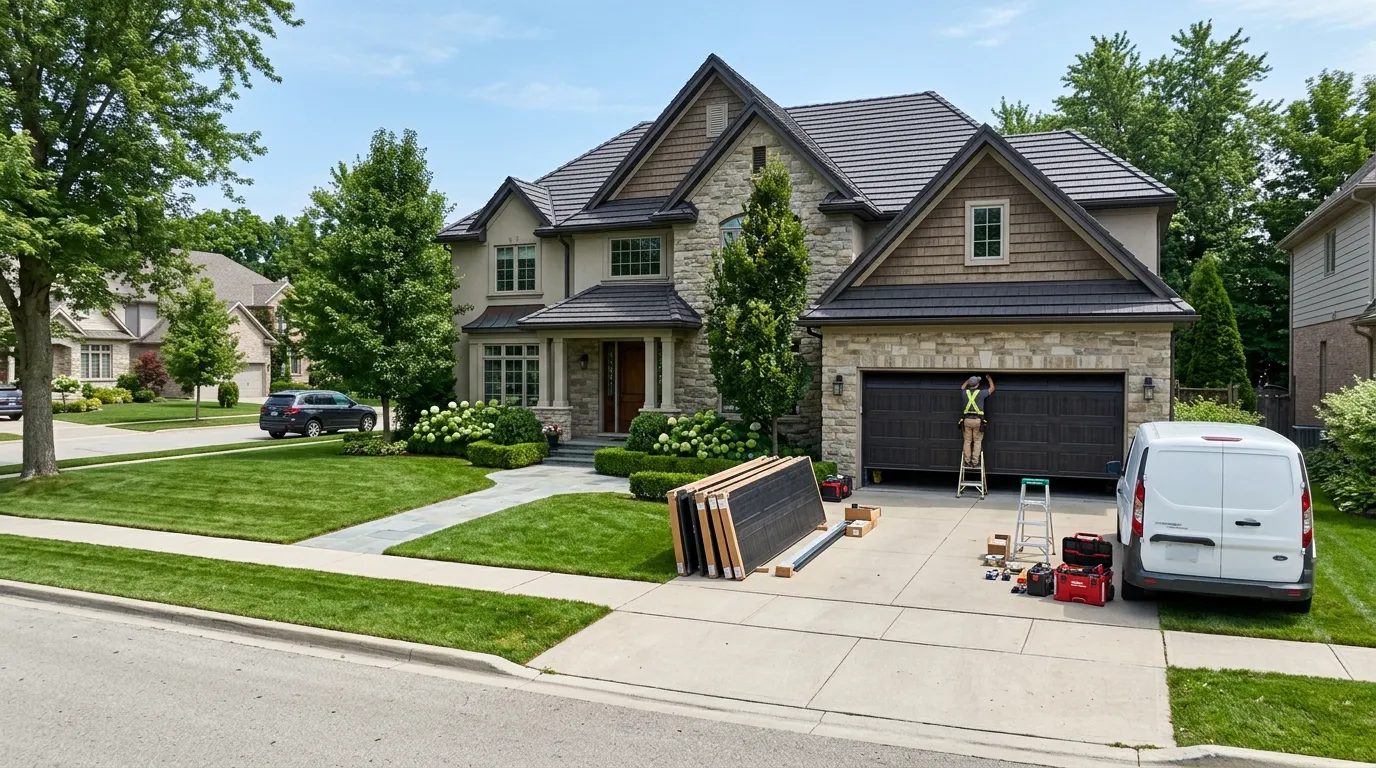
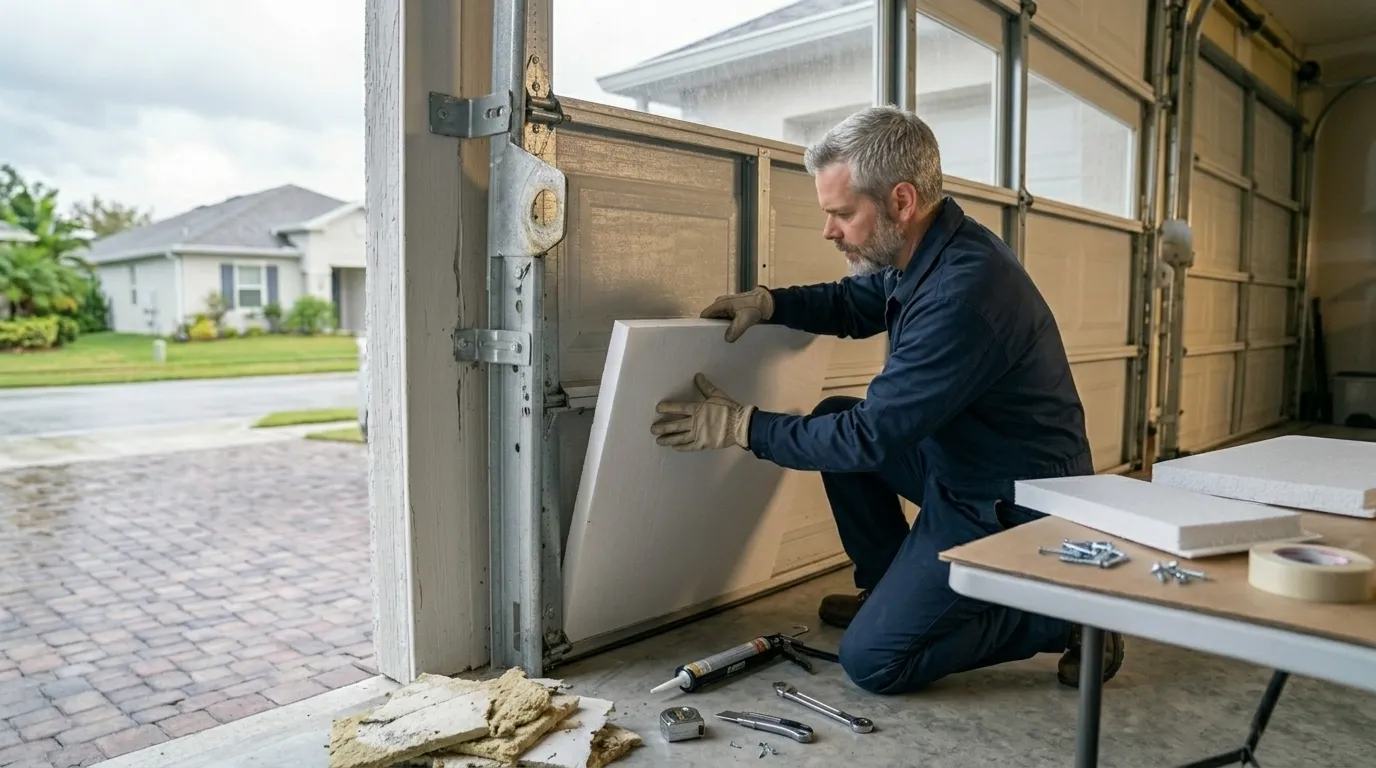
We stock standard steel panel sections and can order matching profiles for doors from this era, though we'll say plainly: exact color and rib-pattern matches on a 1950s or 1960s door aren't always possible, and a full panel replacement sometimes makes more sense than chasing a match. Weatherstripping and bottom seals rated for the cold-climate cycling this area sees are part of most jobs, since the original seals on an older door were never built for the freeze-thaw punishment they've taken since.
What the Fix Involves
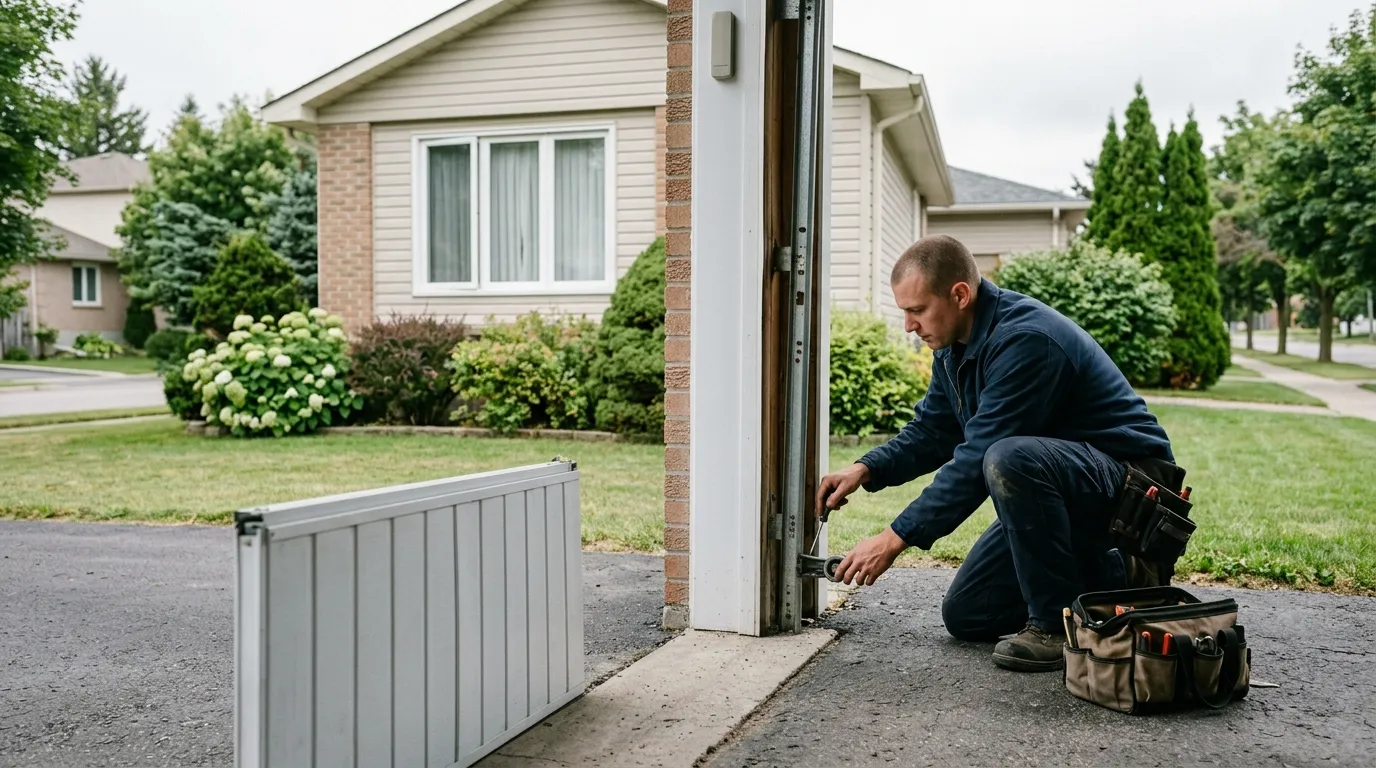
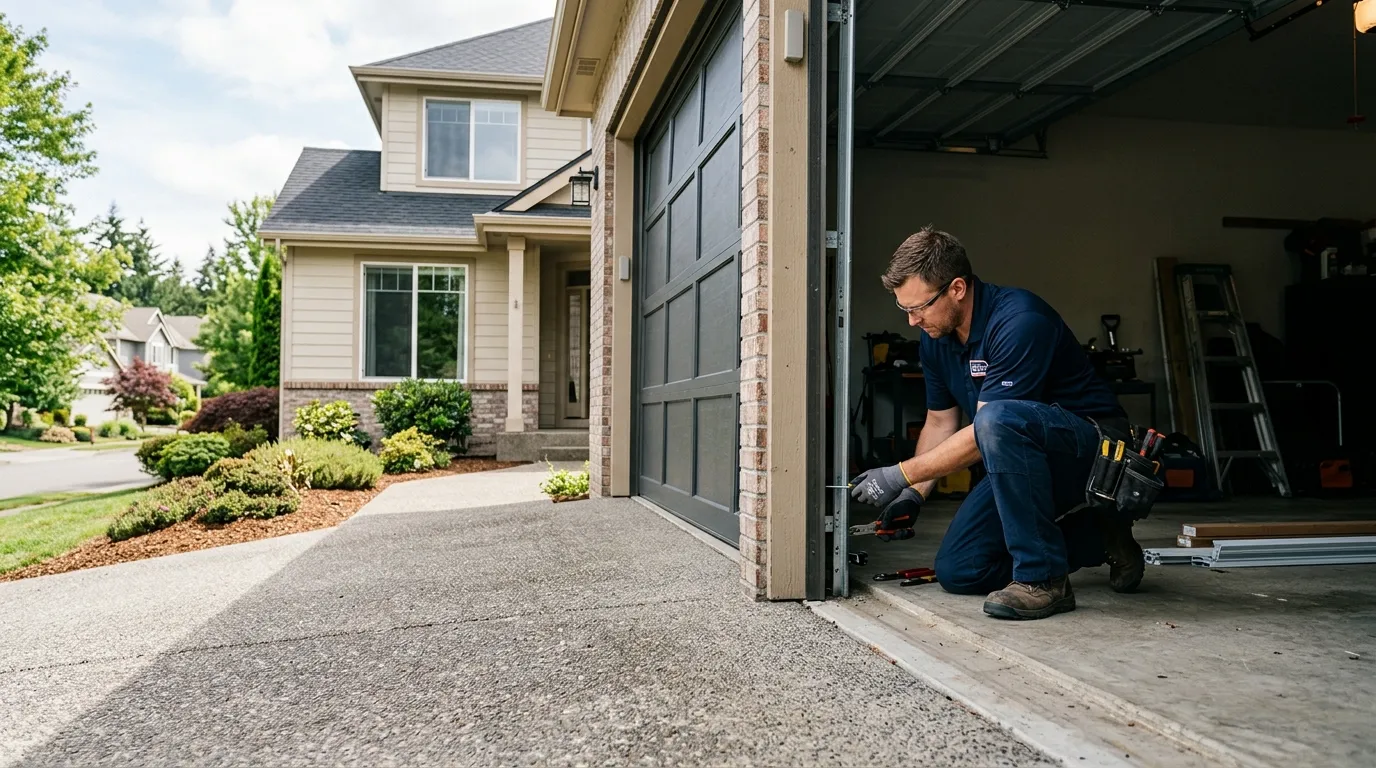
We start by loading the door manually and watching how it travels - binding at a specific point in the track tells us more than a visual inspection of the spring alone. On a building this age, we check whether the torsion hardware was ever upgraded, because a mismatched replacement spring is a common cause of uneven lift on older commercial doors.
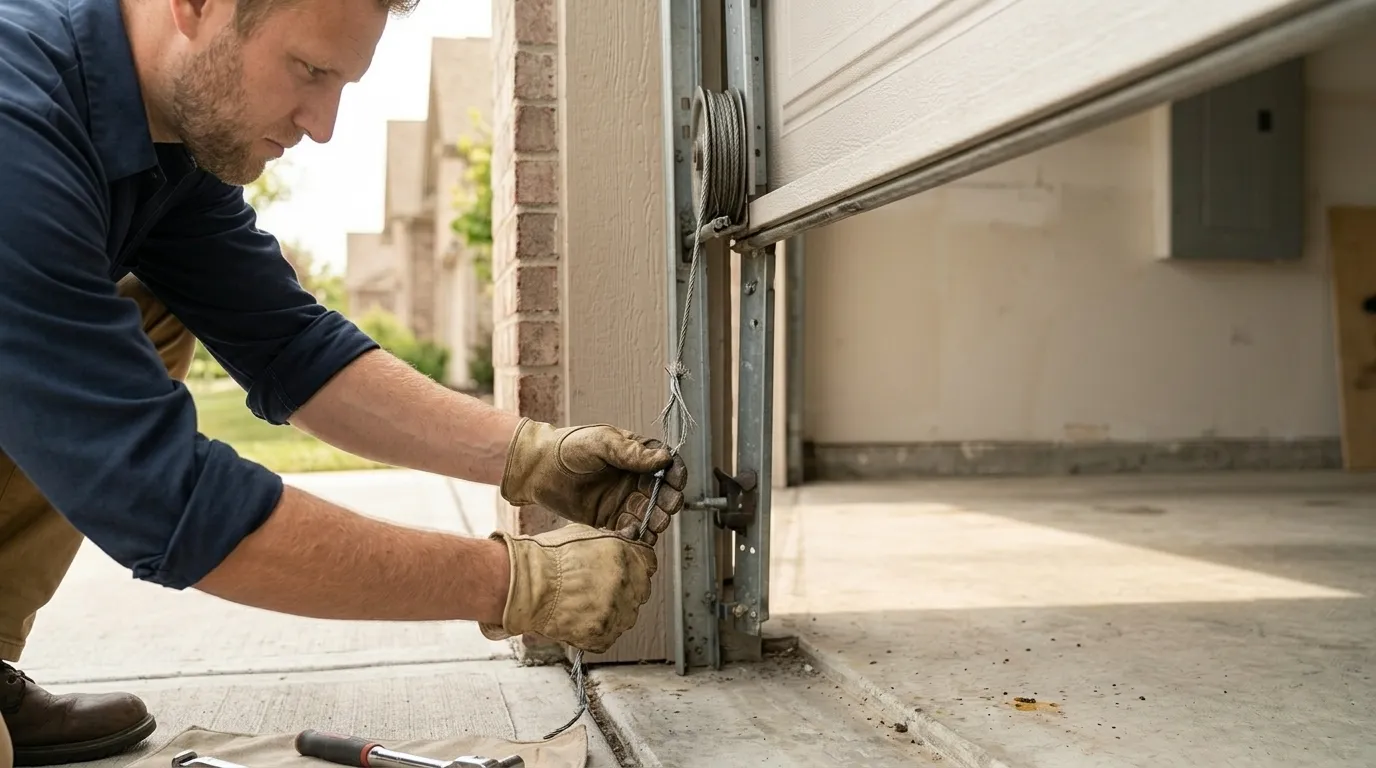
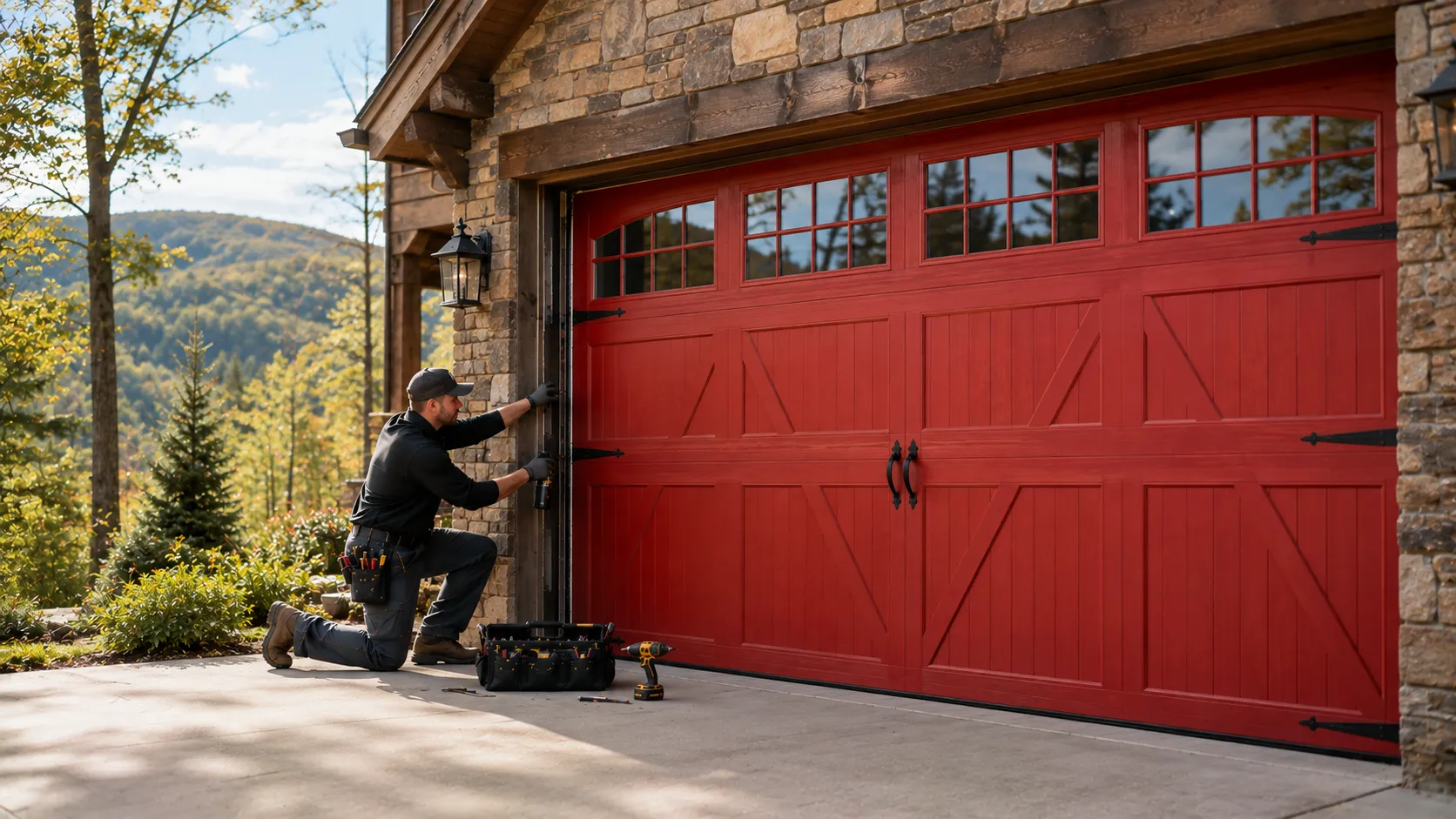
From there it's usually one of three jobs: spring and cable replacement on the original drum system, a full opener swap to a high-cycle commercial unit, or track and roller work when the door has been running out of square for a while. We test under actual load before we call it done, not just an empty-door cycle, since a commercial door that lifts fine empty can still bind once it's carrying its own weight through a full range of motion. Any panel or seal work gets priced separately, since matching older material isn't always a stock part.