Why It Happens Here
The climate band for this whole region is classed cold and severe, which means real freeze-thaw cycles every winter, not just a cold snap or two. Openers don't fail because of cold air directly - they fail because cold metal contracts, grease stiffens, and a chain or belt that had slack in August pulls tight in January. On a house built around 1957, the header framing has usually settled some over sixty-plus years, which shifts the angle the opener arm pulls at by a few degrees. Combine seasonal contraction with framing that's shifted since Eisenhower and you get the two calls we see most from this side of Philadelphia: the opener that reverses on its own in cold weather, and the opener that runs but the door won't seat, because the arm is pulling at an angle it was never set to handle.
Newer subdivisions with plastic-shimmed, plumb-and-level framing don't produce this pattern nearly as often. It's a function of age plus climate, not one or the other.
Parts We Carry
We stock the belt and chain drive kits, logic boards, and safety sensor pairs that cover most residential openers currently in service, and we carry them on the truck out of Philadelphia rather than ordering per job. What we don't stock are obsolete drive screws and some discontinued chain-drive gear sets for openers from before the mid-1990s - if your unit is old enough that the manufacturer has stopped making parts for it, we'll tell you that on site rather than order a part that's back-ordered for weeks. In a lot of those cases, replacement is the honest answer, not repair.
Given that Bala Cynwyd's housing runs older on average, we see more of these end-of-life openers here than in newer construction, so we're used to having that conversation early instead of after a diagnostic fee.
What the Fix Involves
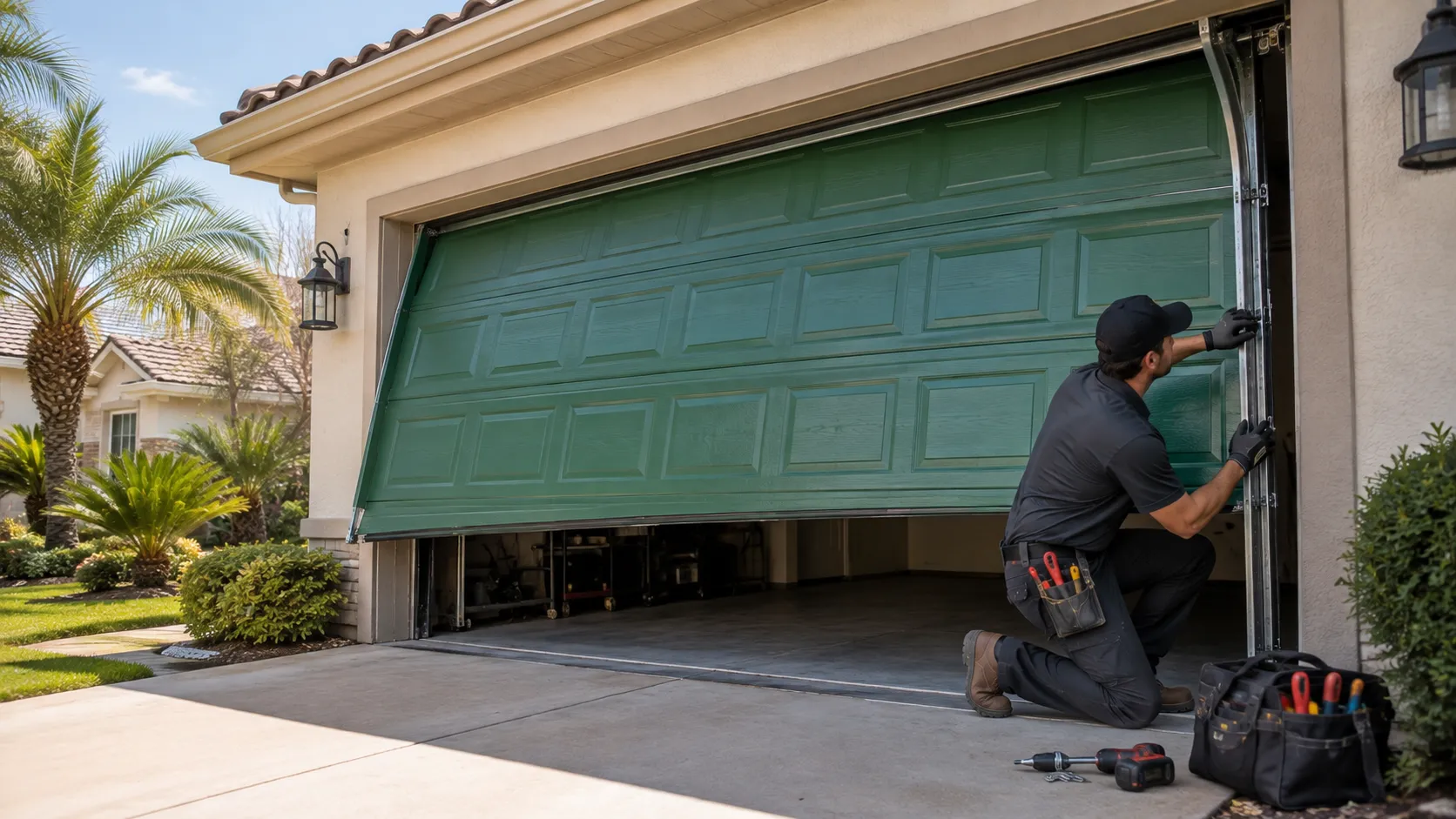
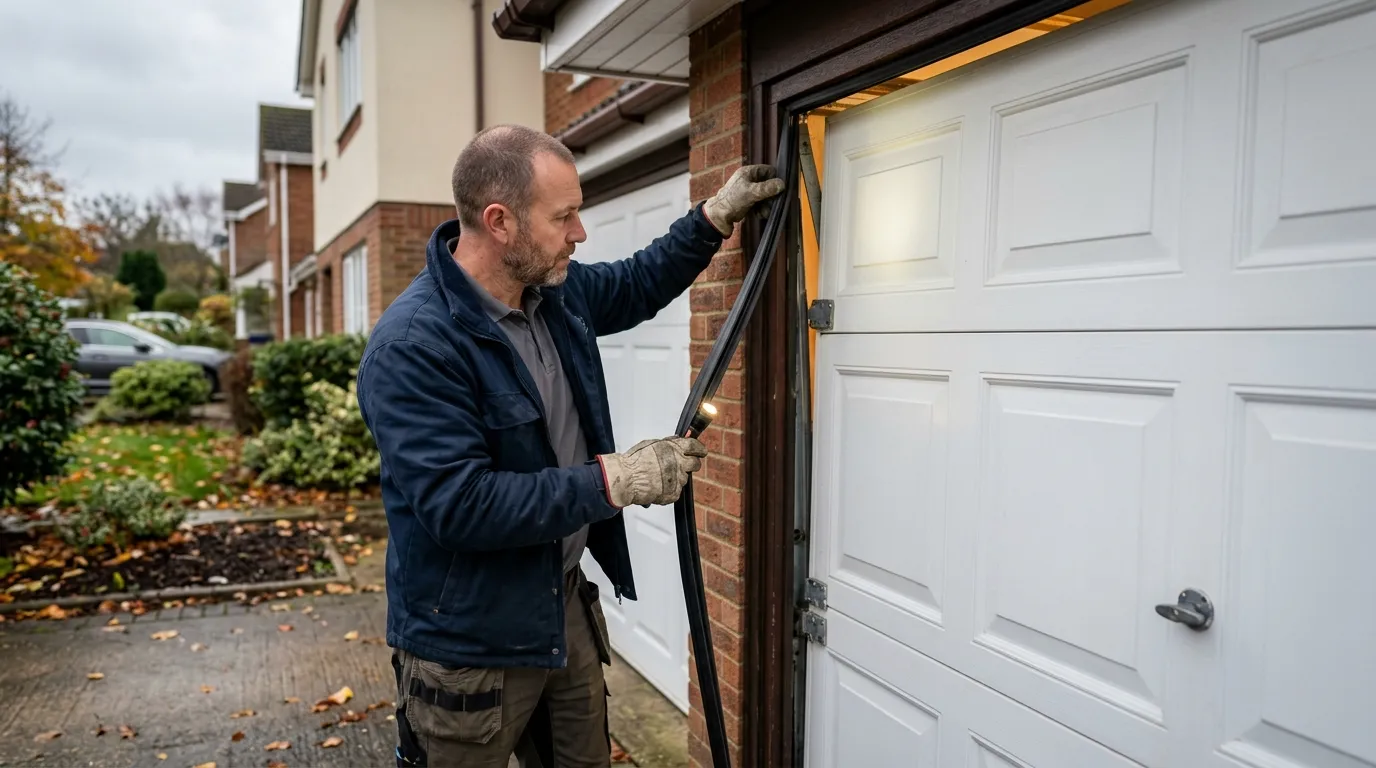
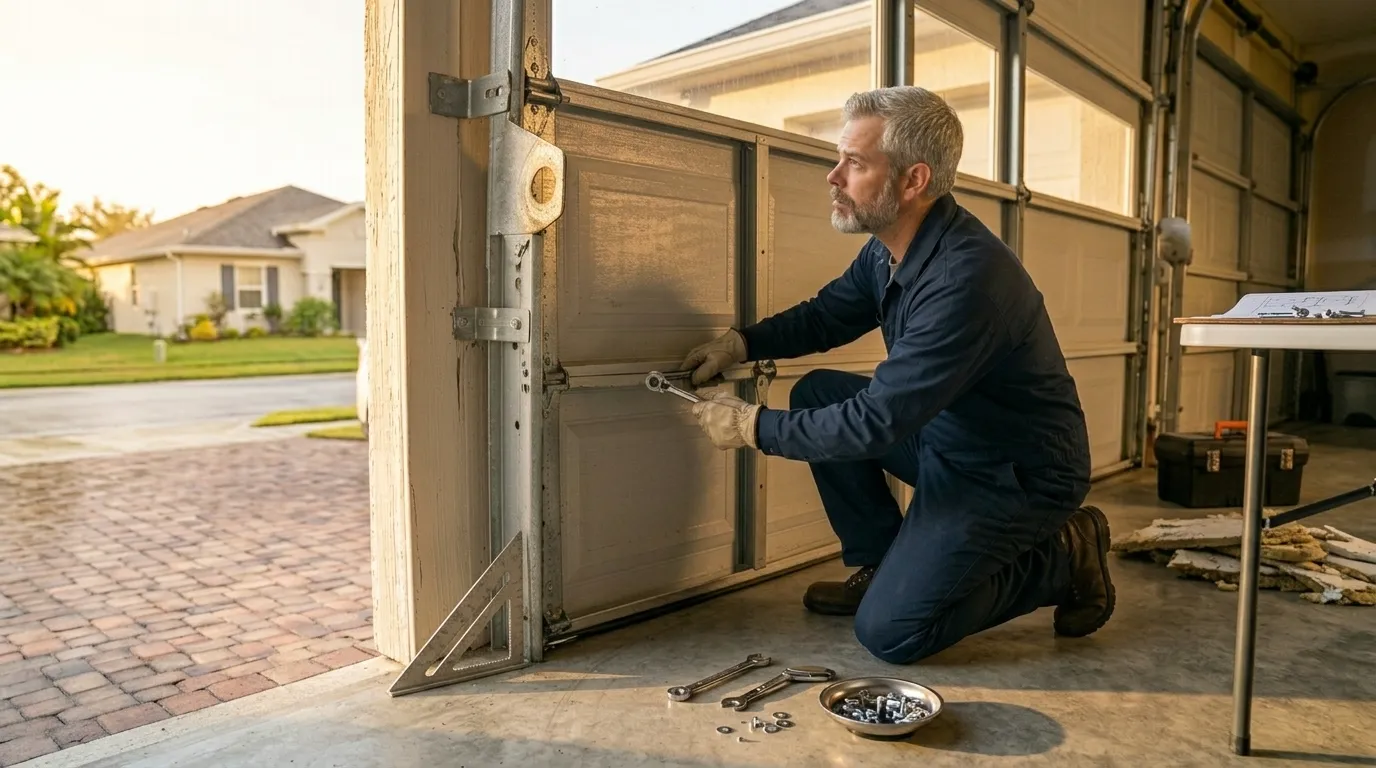
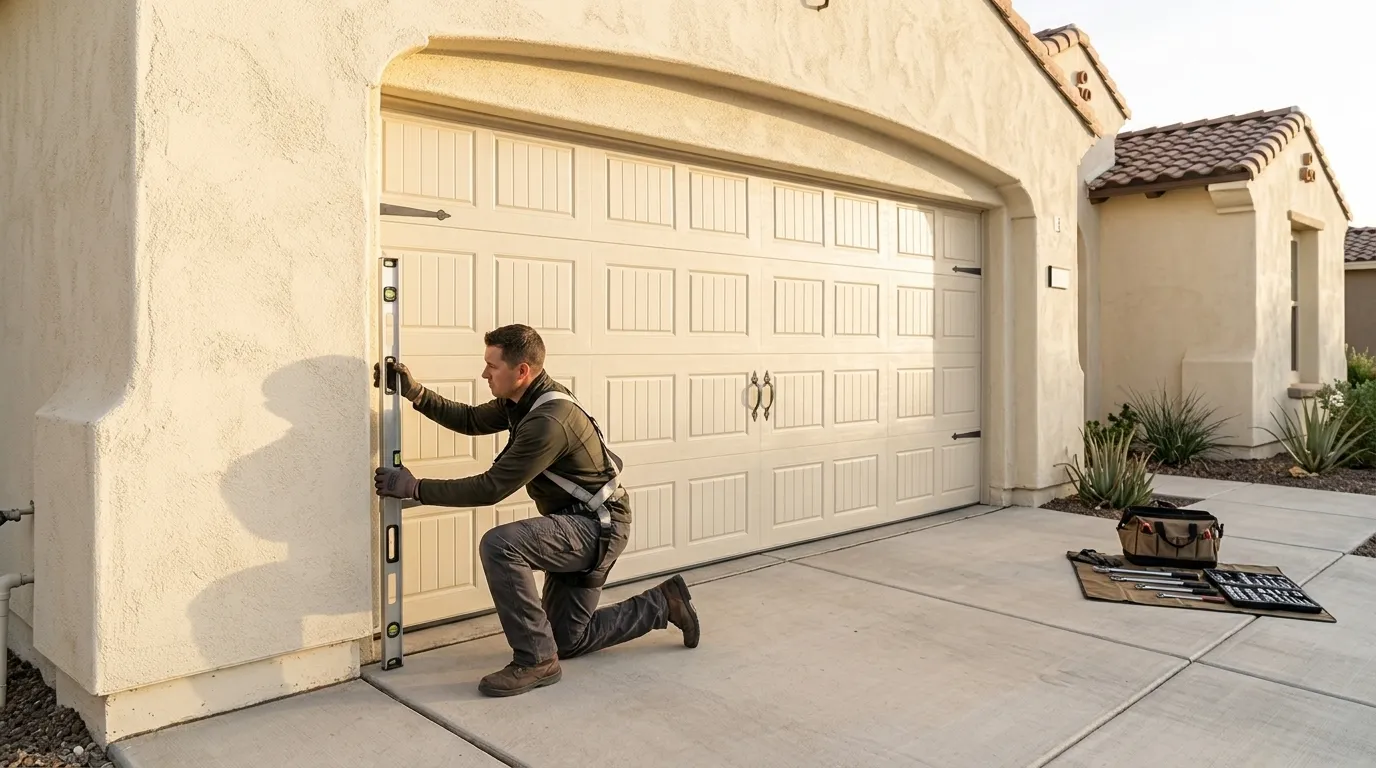
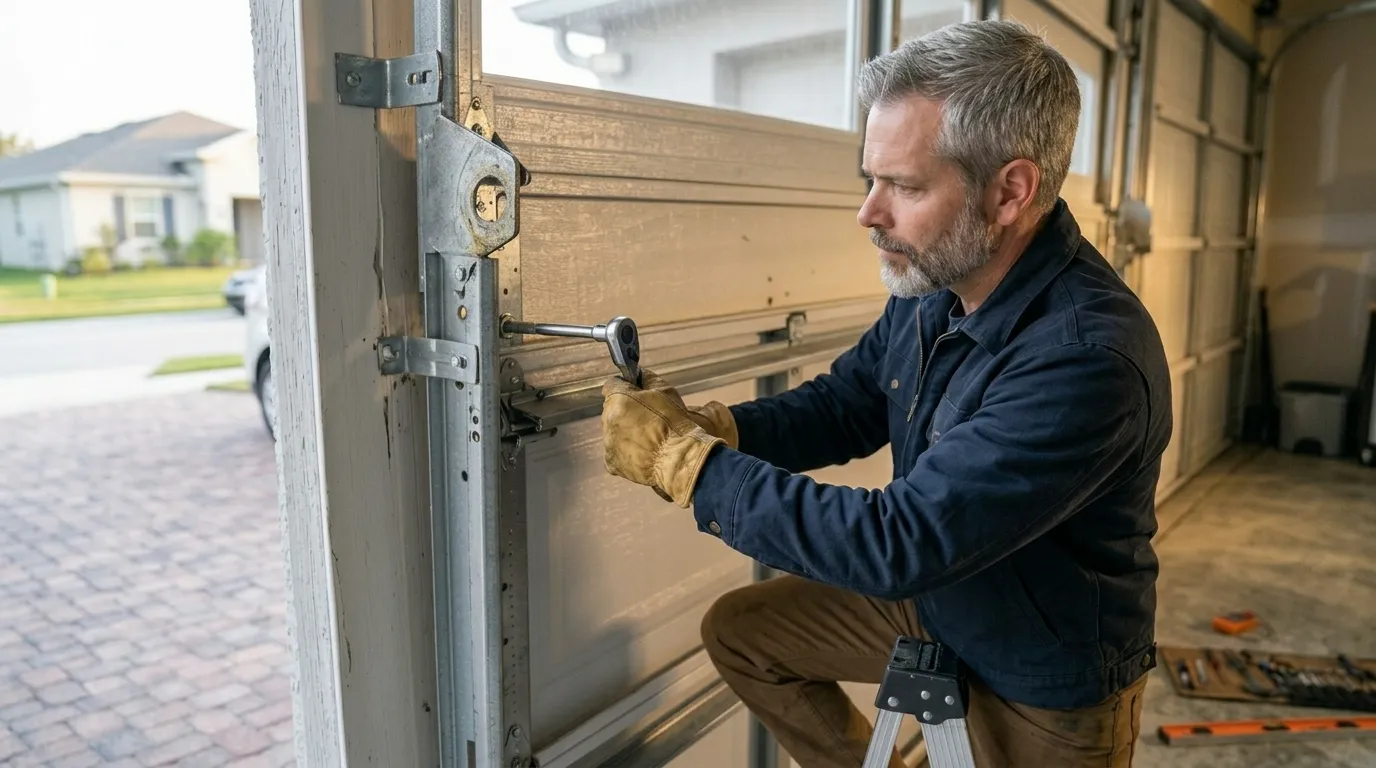
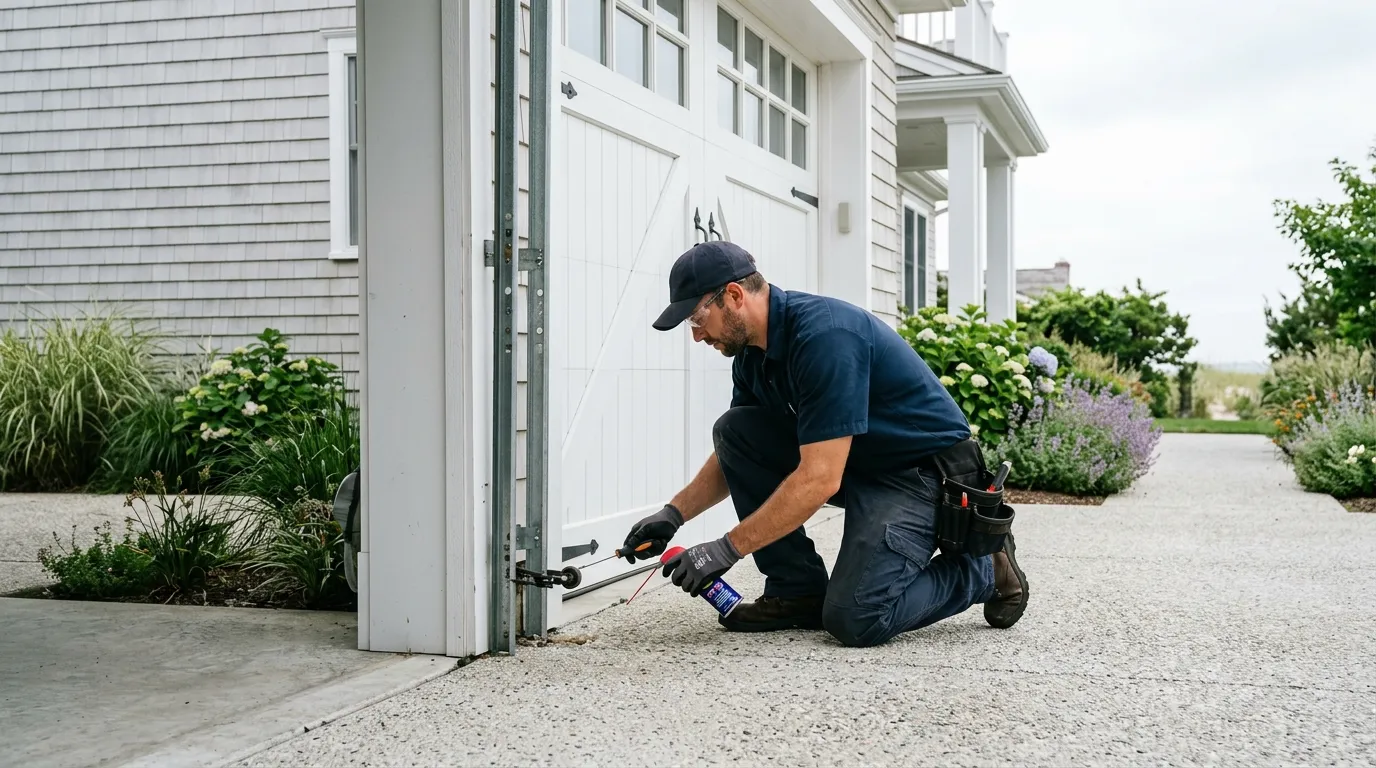
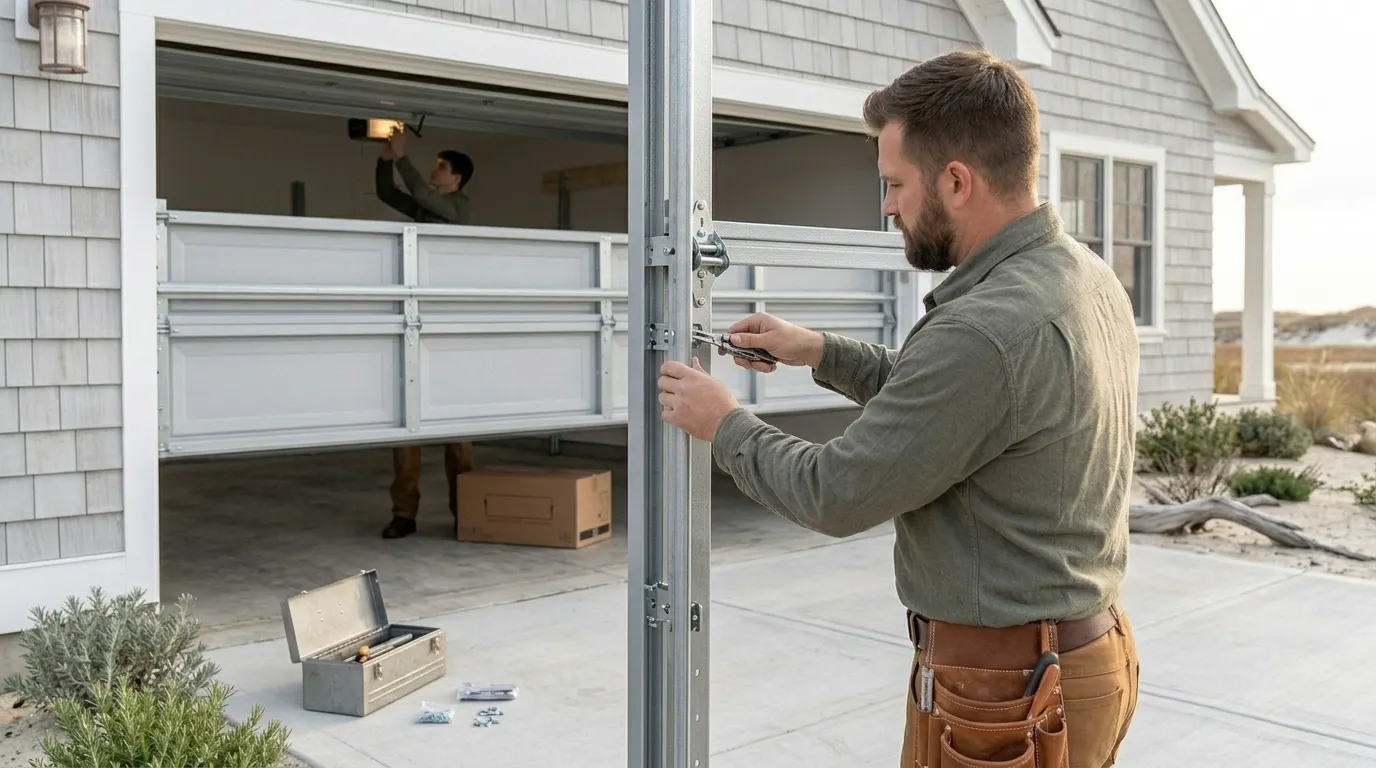
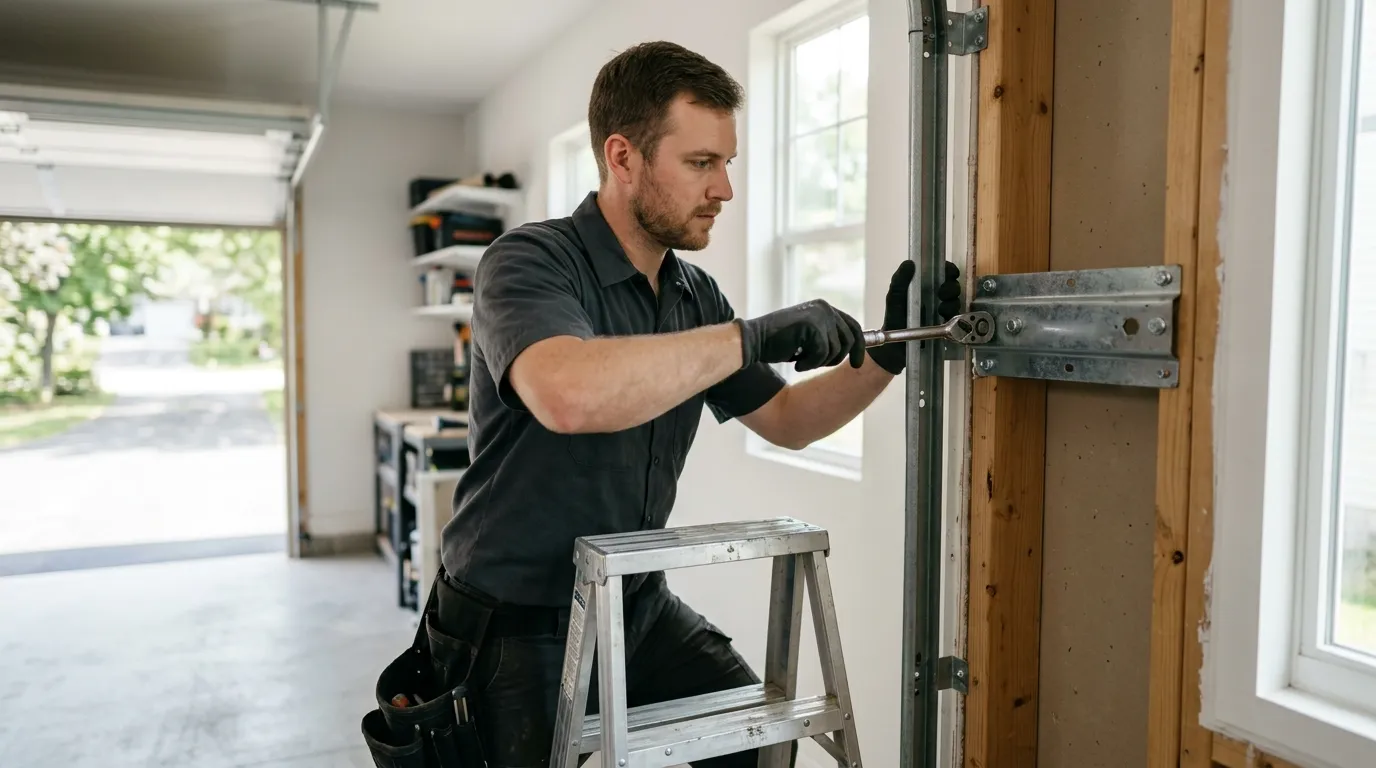
On a straightforward repair, we test the opener's force and travel settings, check the safety sensors, and inspect the drive - belt, chain, or screw - for wear. On Bala Cynwyd homes, we add one more step: checking whether the header bracket and mounting hardware are original to the 1957-era build or a later replacement. If they're original, we check them for elongated bolt holes, cracked wood behind the bracket, and whether the framing has settled enough to be pulling the opener arm off its intended angle. If the hardware's sound, we finish the standard repair. If it's not, we say so before we touch anything else, because bolting a new part to failing wood just moves the failure point.
We don't replace framing or do structural carpentry - that's outside what we do, and we'll tell you plainly if that's what your situation needs.