Why It Happens Here
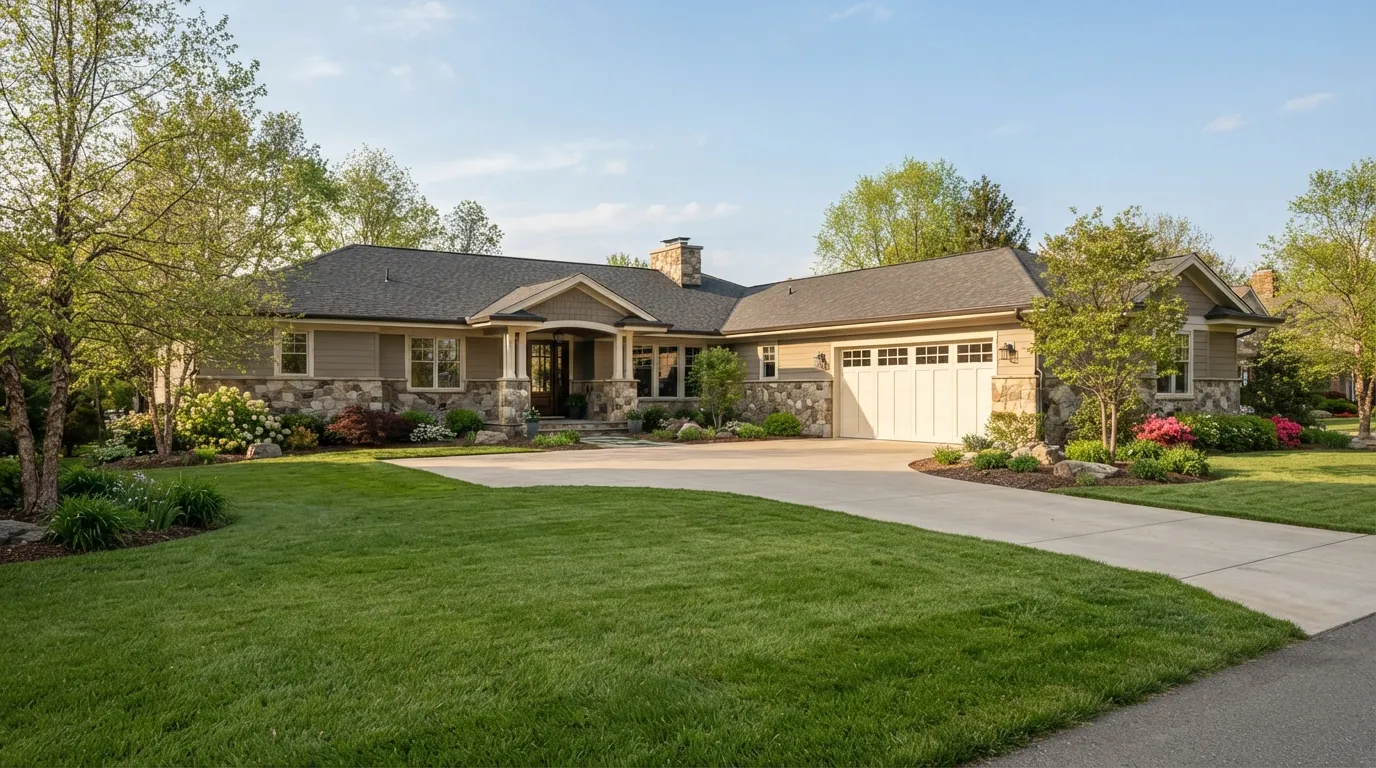
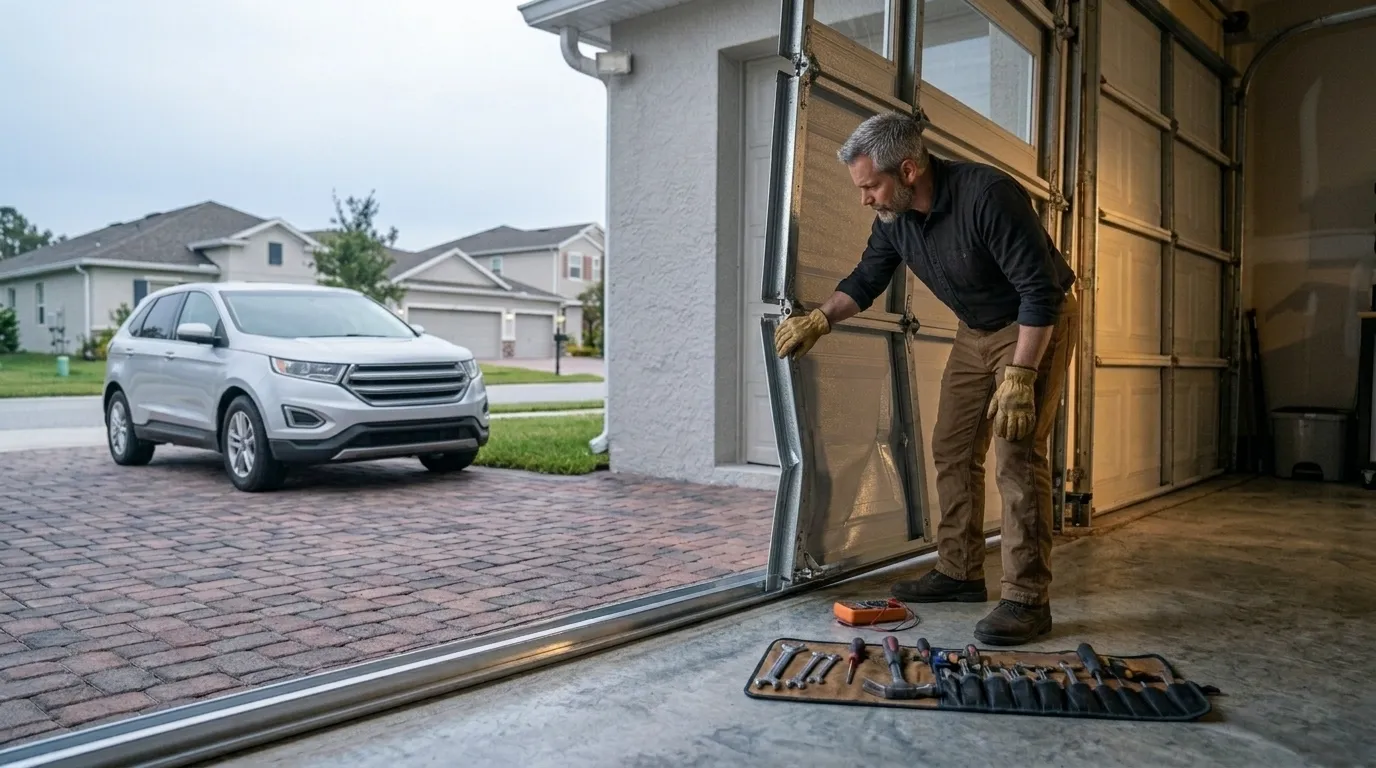
Cold, severe winters do more damage to an original 1950s panel than they do to a newer insulated one. Wood panels from that era swell with moisture and then crack as they dry out through a hard freeze-thaw cycle, and steel panels without foam backing dent easier and transfer cold straight through, which stresses the seams over years of expansion and contraction. Bala Cynwyd's median household income sits well above the wider service area's, at roughly $144,453 against about $109,706 across the territory, and we see that show up in what people choose to put back: more owners here opt for an insulated steel or wood-look composite panel rather than patching the original, since the house is worth protecting properly rather than matching it exactly. With around 3,848 households in the borough and most of that housing dating to the same build-out decade, this isn't a one-off problem - it's a pattern tied to when the neighborhood was built.
Parts We Carry
We stock panel sections in the common widths that fit single and double door openings from this era, in steel with a foam core, and in wood-look composite for owners who want something closer to the original look without the maintenance. What we don't keep on the truck is a match for every original wood panel style still standing in a Bala Cynwyd garage - some of those were painted and repainted decades ago and the exact profile isn't something a supplier stocks anymore. When that's the case, we'll tell you straight rather than force a mismatched panel onto a door that deserves better, and we'll walk through whether a full door replacement makes more sense than chasing an exact match. For steel and aluminum sectional doors from later renovations, panel matching is far more straightforward, since those production runs are still supported.
What the Fix Involves
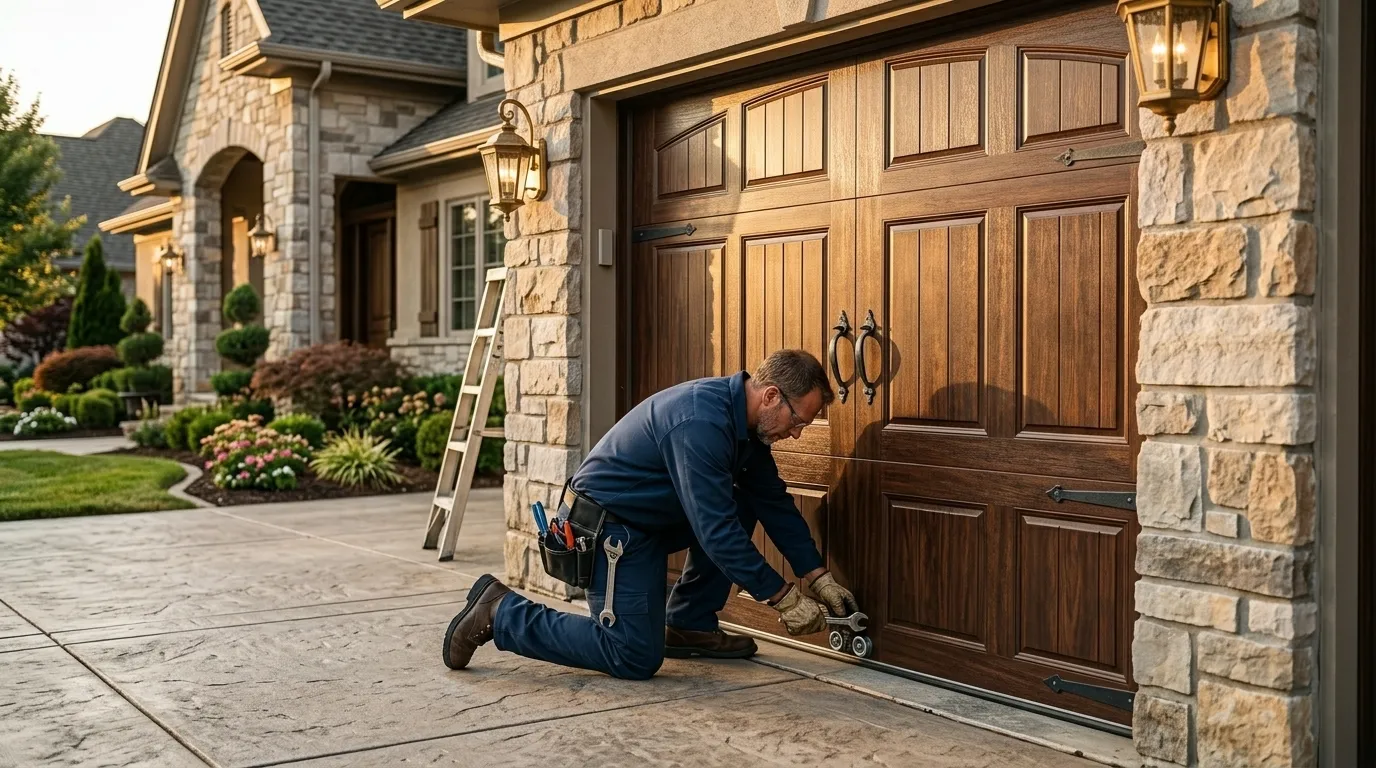
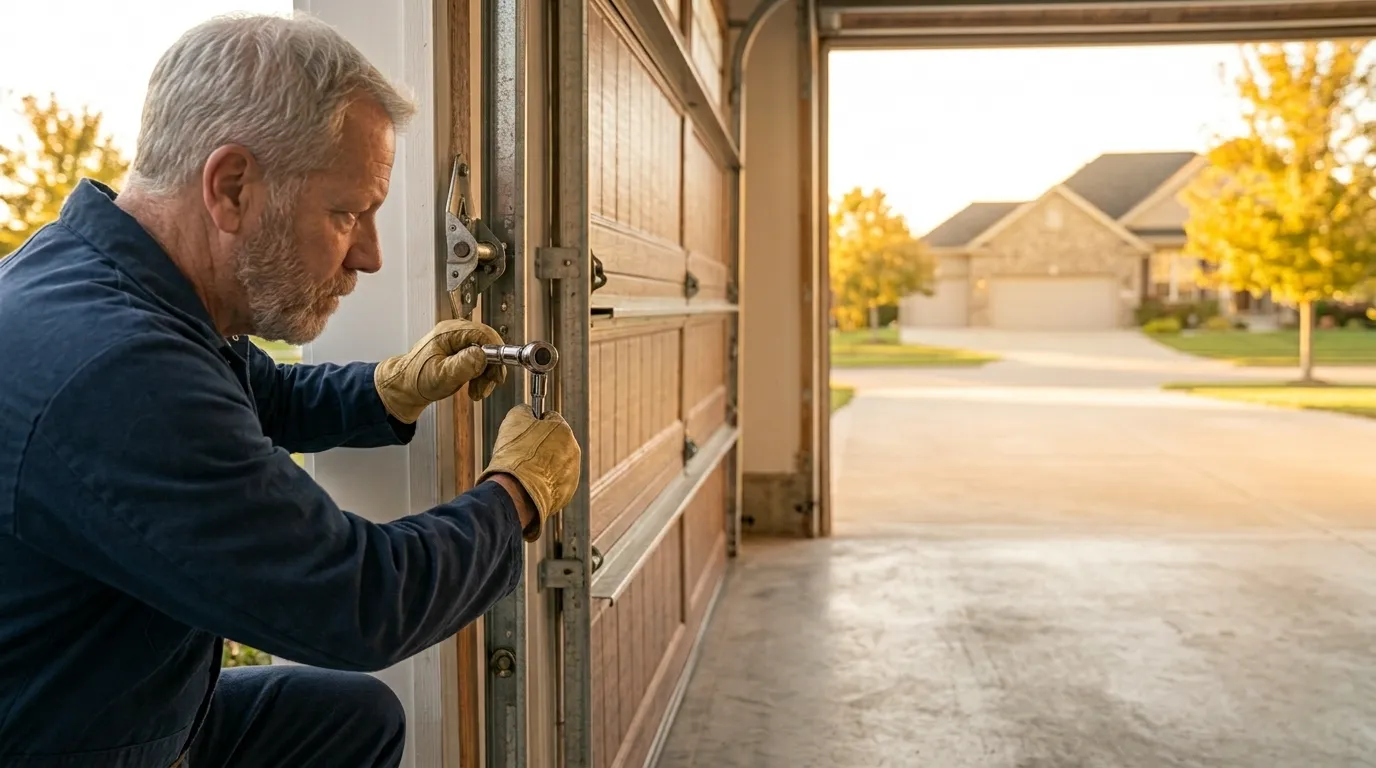
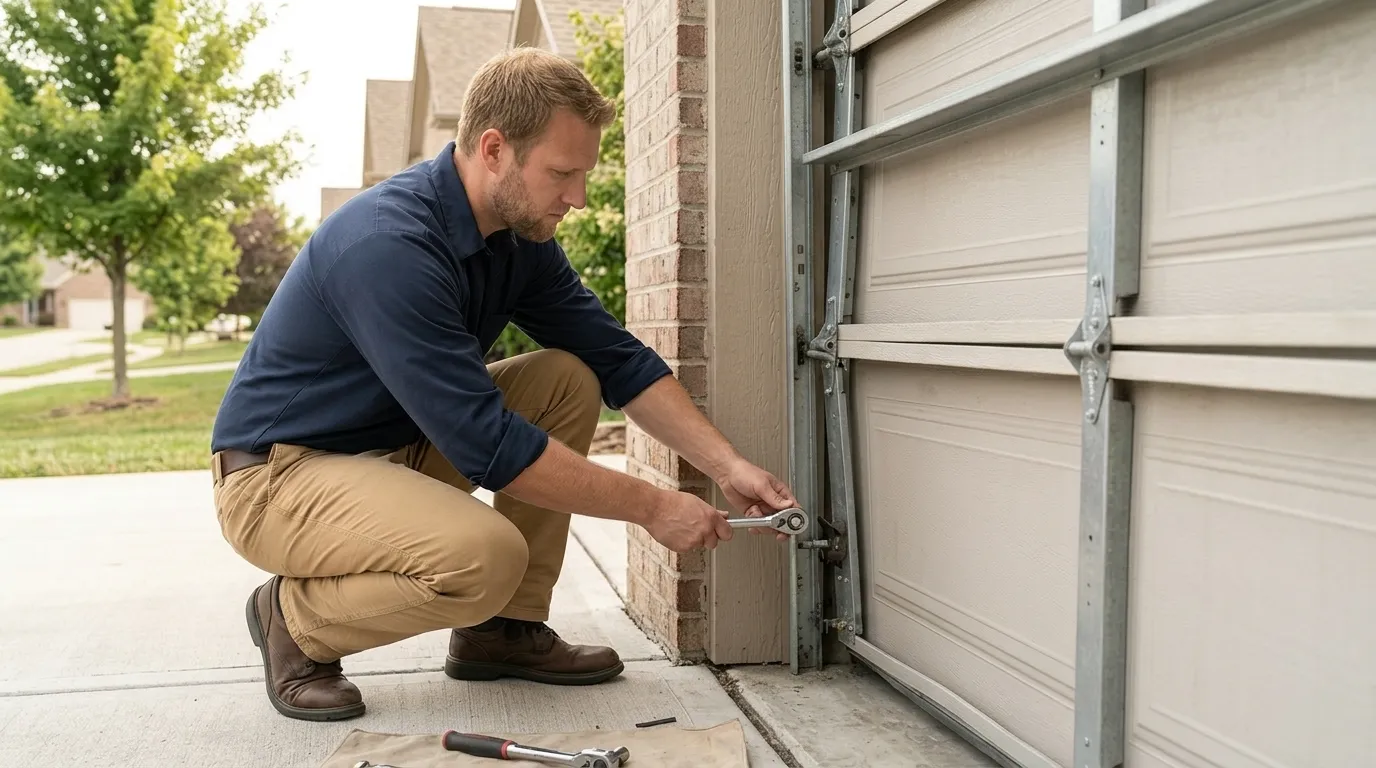
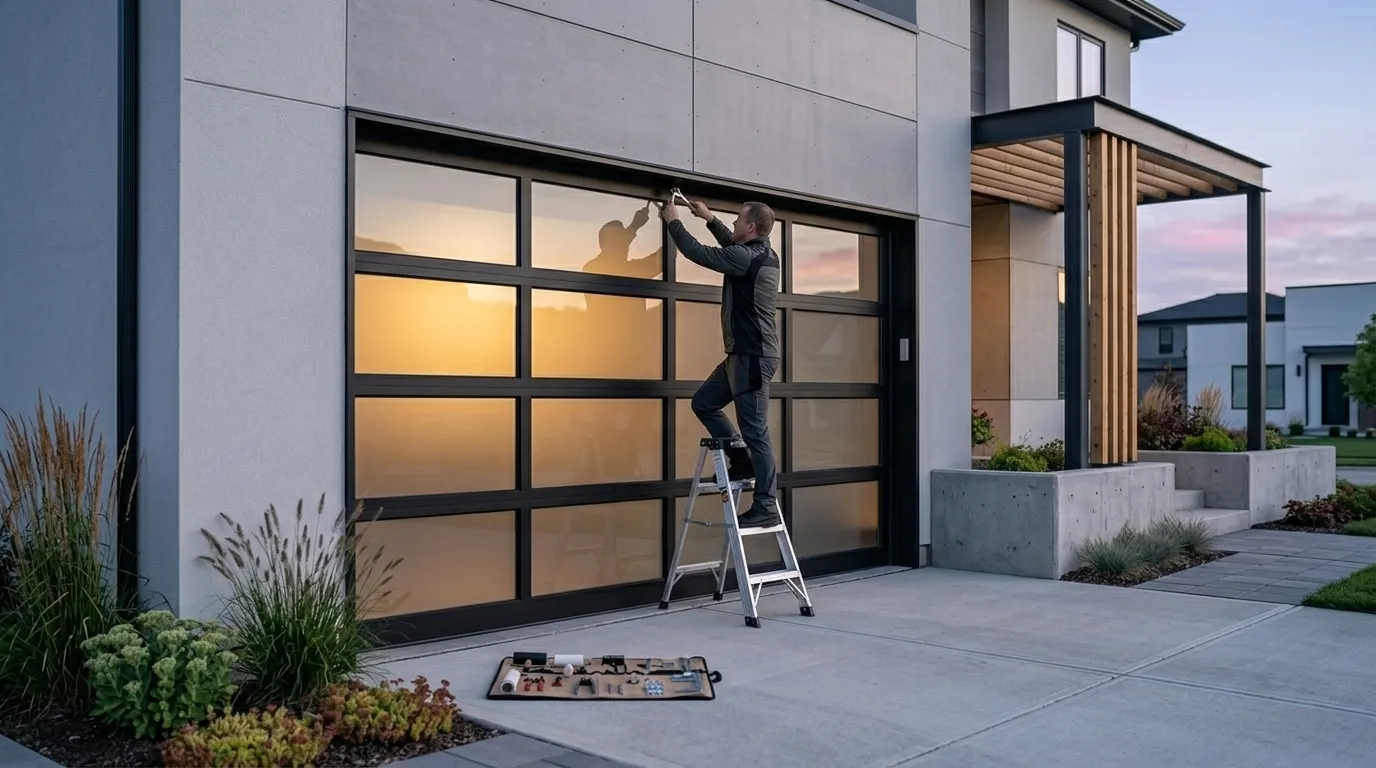
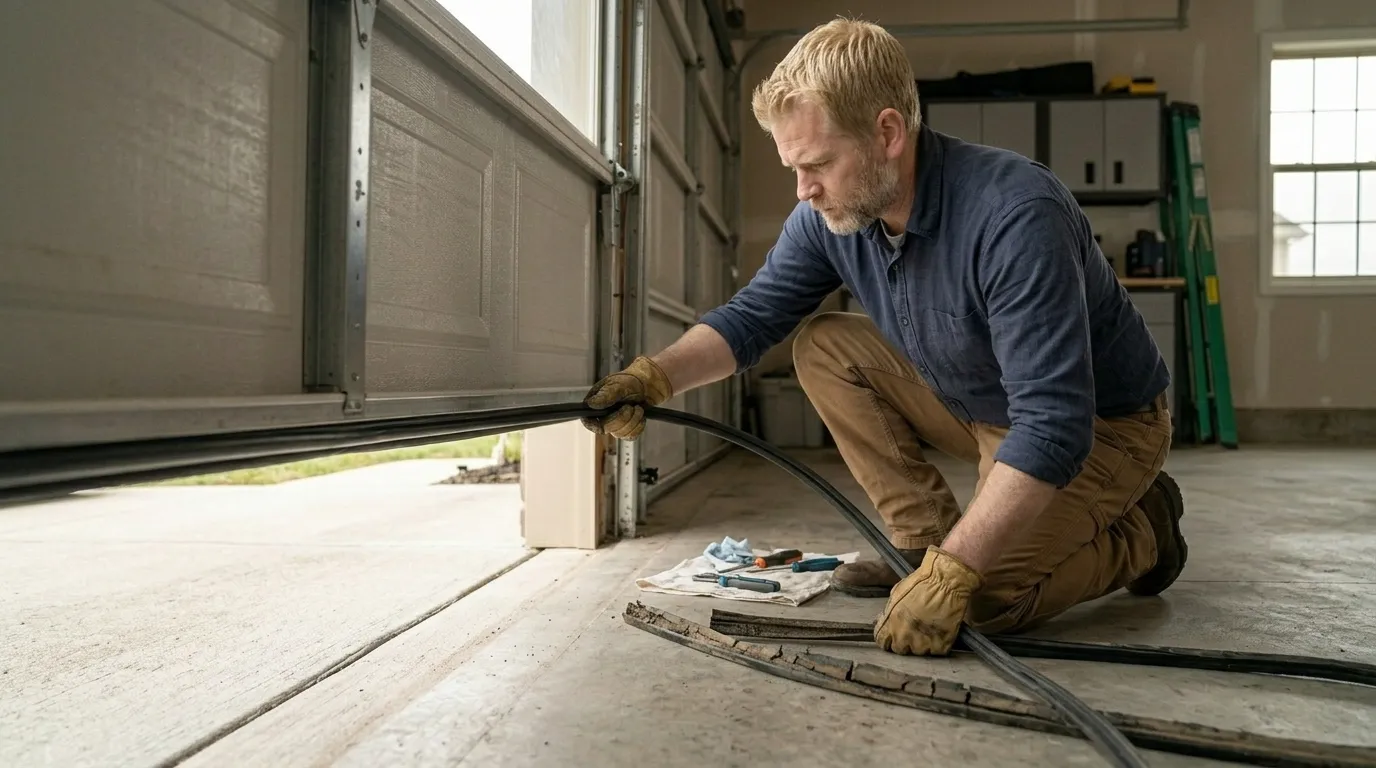
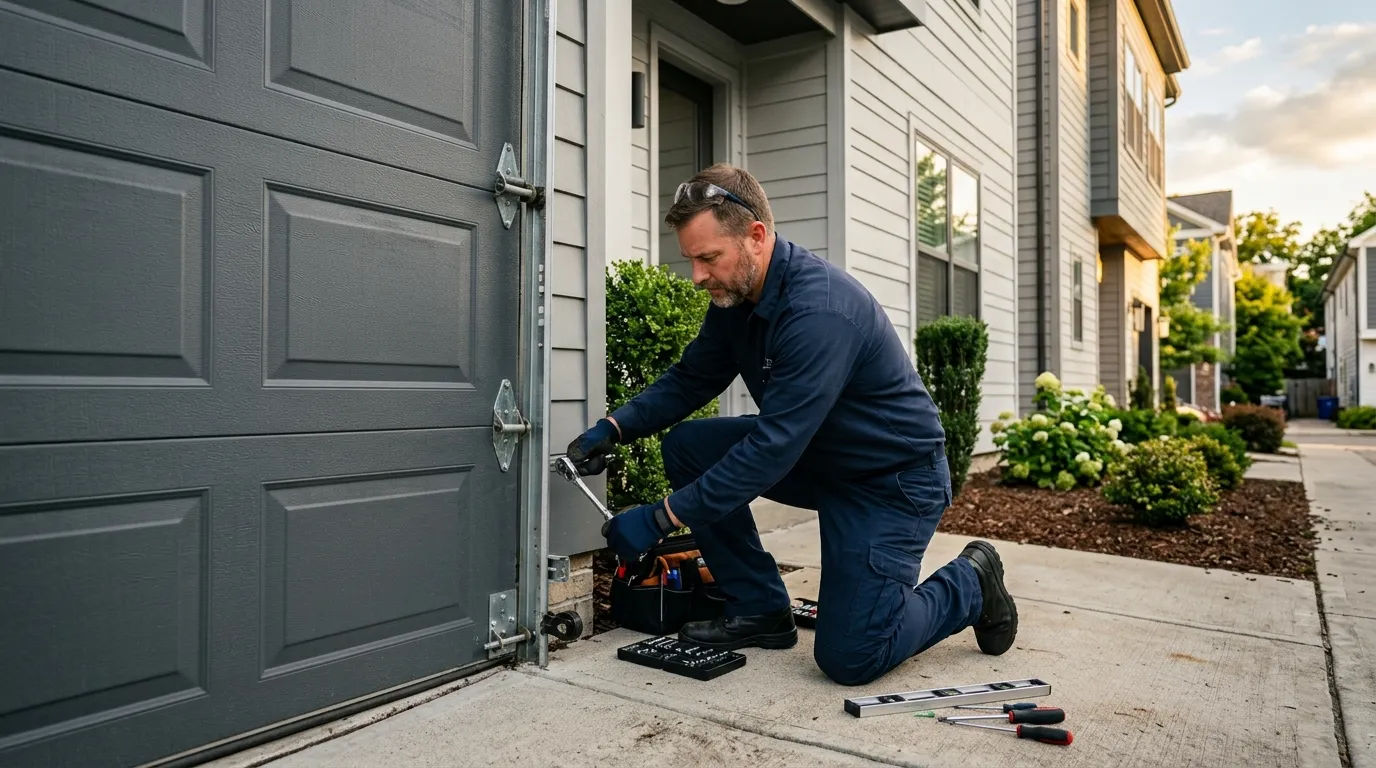
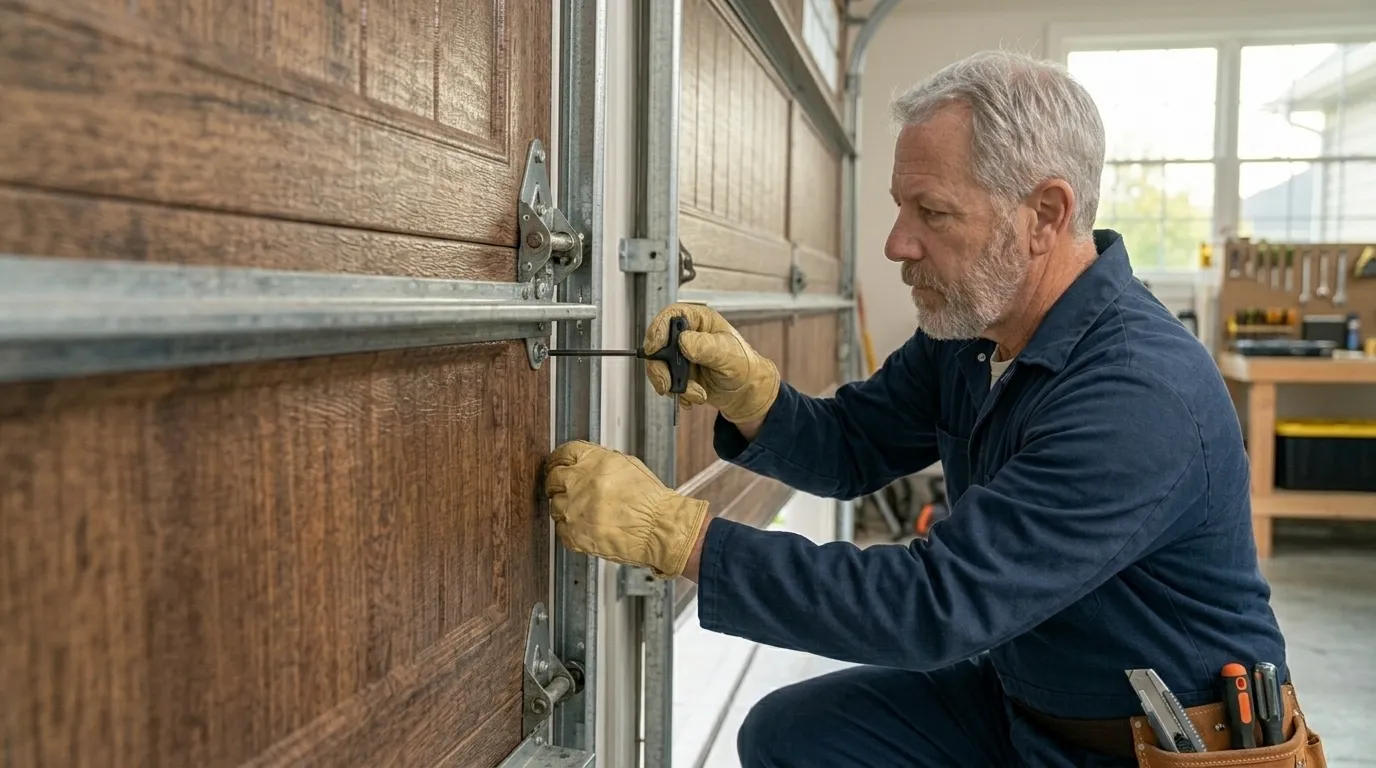
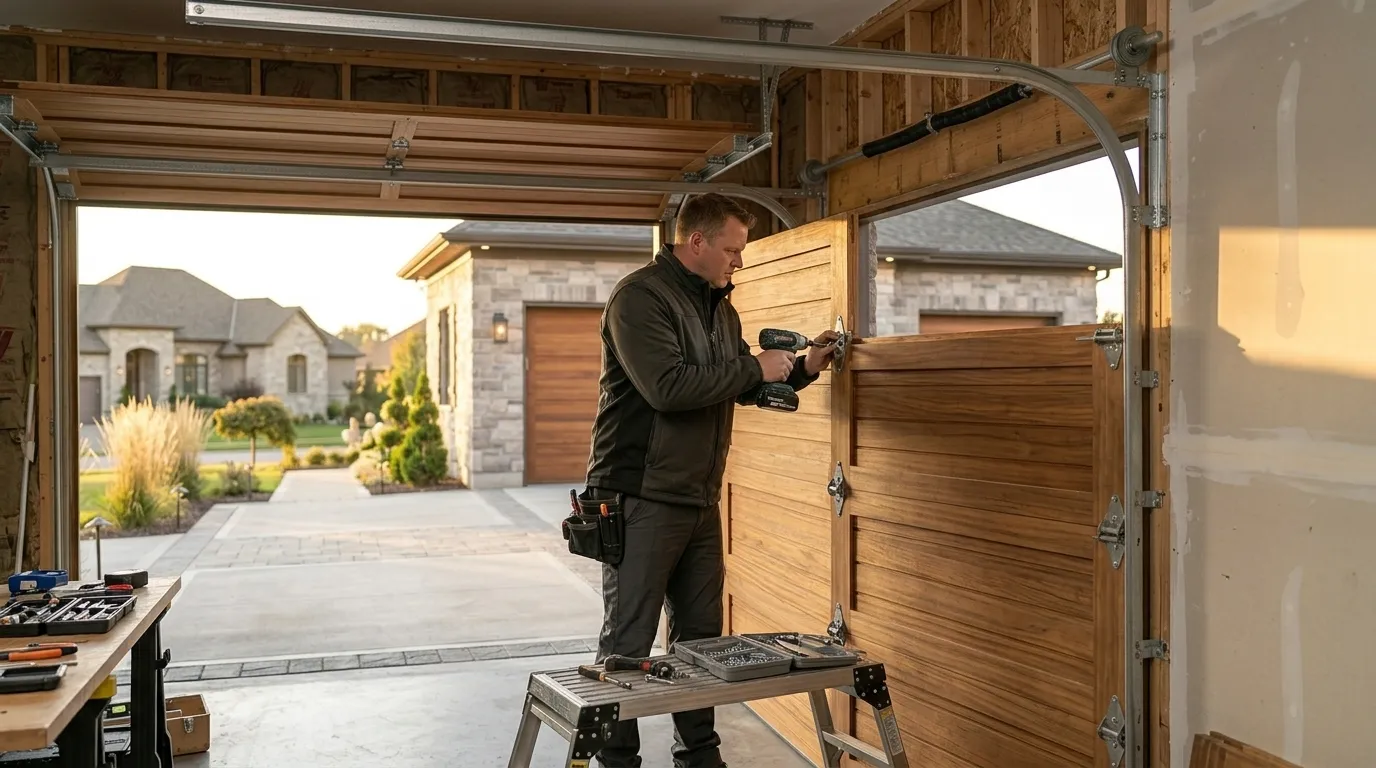
We start by measuring the exact opening and the panel dimensions, since doors built around the time this neighborhood went up don't always match today's standard widths. Once we've got the right panel ordered, the job means disconnecting the door from the opener, removing the damaged section without disturbing the track alignment on the sections above and below it, and fitting the new panel with matching hinges and rollers. On a wood panel door, we check the surrounding sections for the same moisture damage that likely caused the original failure, since replacing one panel on a door that's swelling everywhere else is a short-term fix. We finish by resetting the door's travel and balance, since a single new panel changes the weight distribution slightly and the opener's limits need to reflect that before we call the job done.