Why It Happens Here
The median home in Bala Cynwyd was built in 1957, and that number is doing real work here. Across the wider area we cover from Philadelphia, housing runs from 1938 to 1994 with a median around the same year - so this suburb sits right at the center of that range rather than at either edge. A door installed on a house built in the 1950s was almost certainly upgraded at least once, but the track hardware and the header framing behind it are often still original.
This region also falls in a severe cold climate band. Steel doors from that era weren't built with the same thermal breaks or weatherstripping standards as current ones, and older torsion springs lose tension faster through repeated cold-to-warm cycling than a spring rated for milder winters. Combine a 1950s frame with sixty-plus winters of that cycling and you get the two failures we see most from this direction: a spring that snaps on a cold morning, and a track that's shifted just enough out of square to bind a roller.
Bala Cynwyd's median household income, at $144,453, also runs well above the $109,706 median across the broader service area. That doesn't change the physics of a tired spring, but it does mean more of these doors were upgraded to heavier insulated panels at some point, which puts more load on hardware that wasn't sized for it.
Parts We Carry
For a suburb built out around 1957, the springs and drums we carry most often are sized for older door weights and older track widths, not the current standard residential door. We stock torsion springs across a range of wire sizes because a house from this era may have been re-paneled since with a heavier insulated door, which means the original spring is undersized for what's hanging on it now.
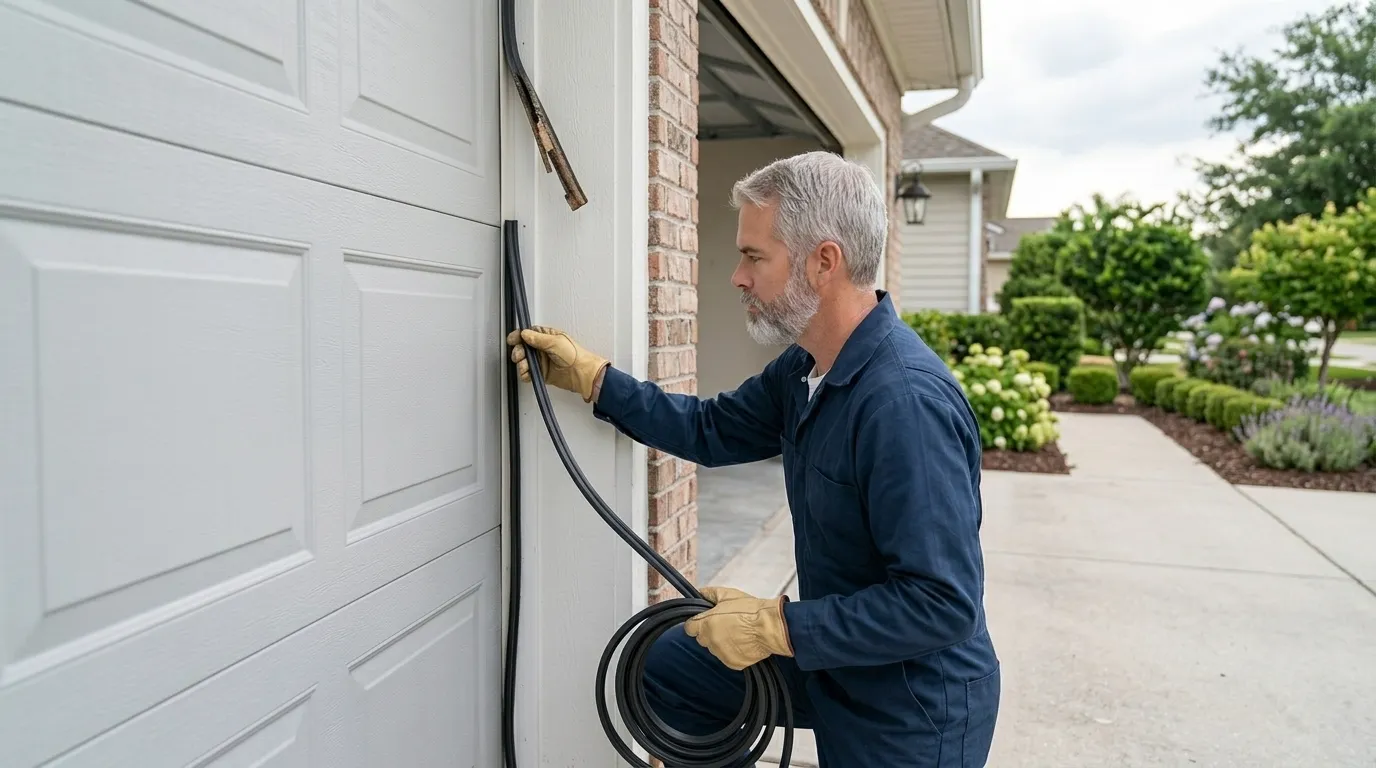
We also carry standard-lift cable, both flat and aircraft-style, and galvanized rollers to replace the steel ones that were common on doors from that build period and tend to seize or flat-spot after decades of cold-weather use. Center and end bearing plates come with us too, since a bearing that's worn on one side of an old torsion setup usually means its twin on the other side isn't far behind.
What we don't carry on the truck is anything custom to a specific manufacturer's discontinued panel design. If a door from that era needs a matching panel rather than a full replacement, that part sometimes has to be special-ordered, and we'll tell you that up front rather than promise a same-visit fix we can't deliver.
What the Fix Involves
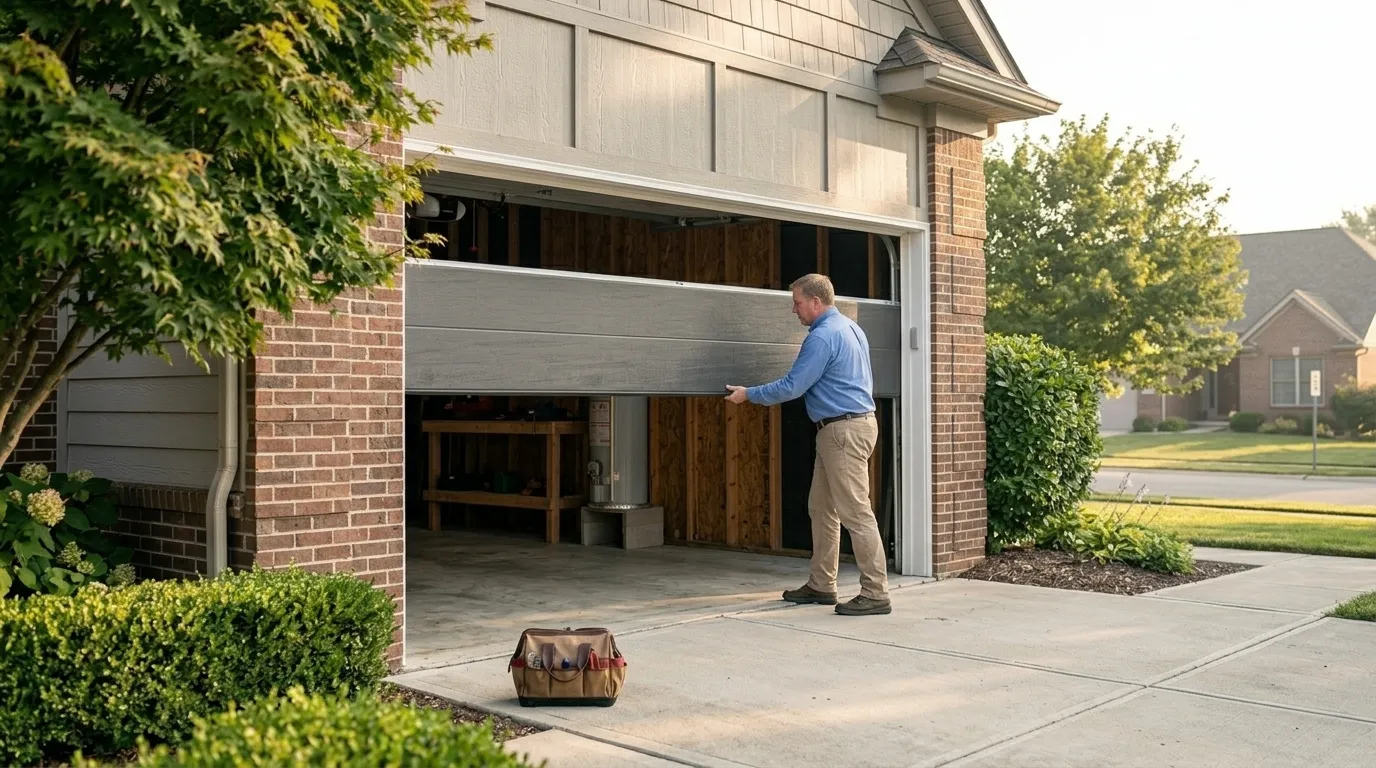
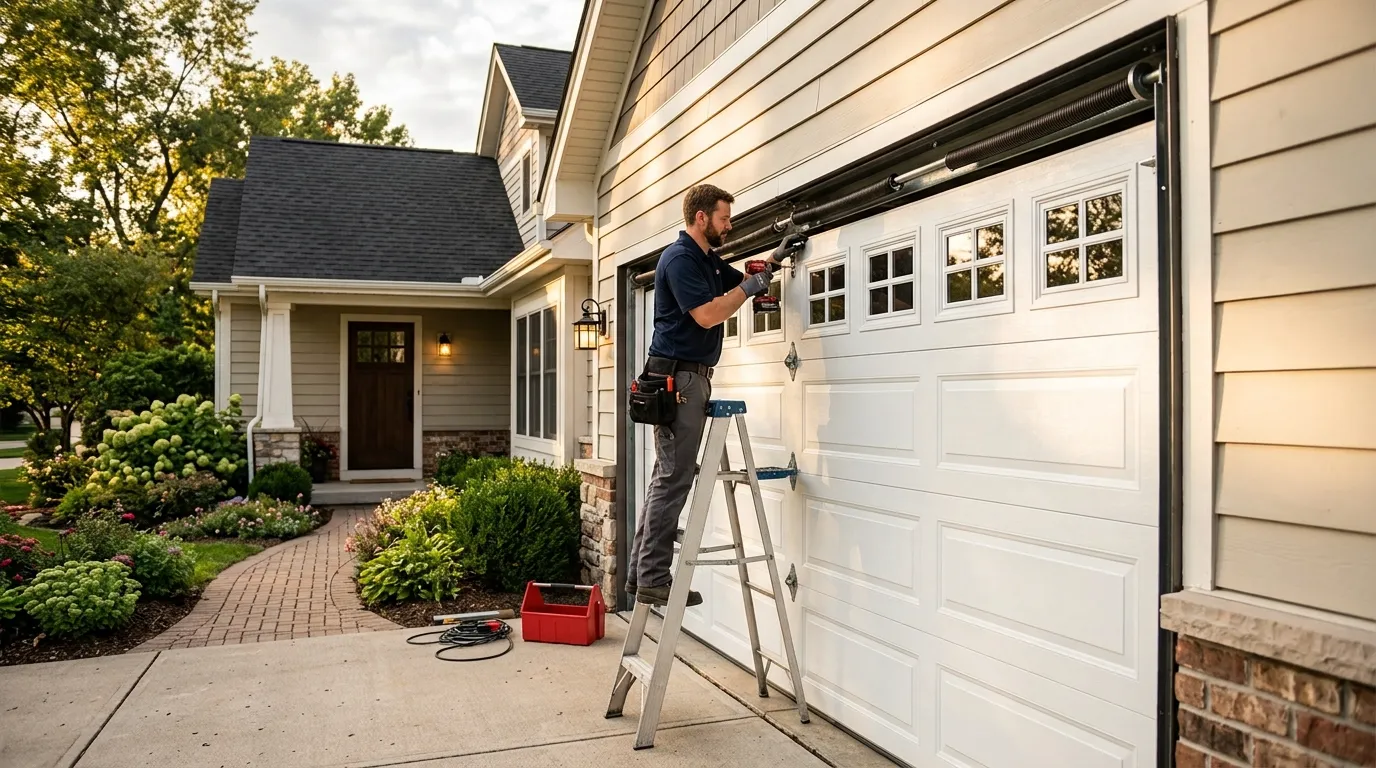
On a house from Bala Cynwyd's era, the fix usually starts with pulling the door off automatic operation and checking the torsion spring's wind count against the door's actual weight, not just its listed weight, since a lot of these doors have been upgraded from the original panel. If the spring is undersized for a heavier door that replaced a lighter original, replacing it with a matching spring instead of the same size that failed is the actual fix, not a patch.
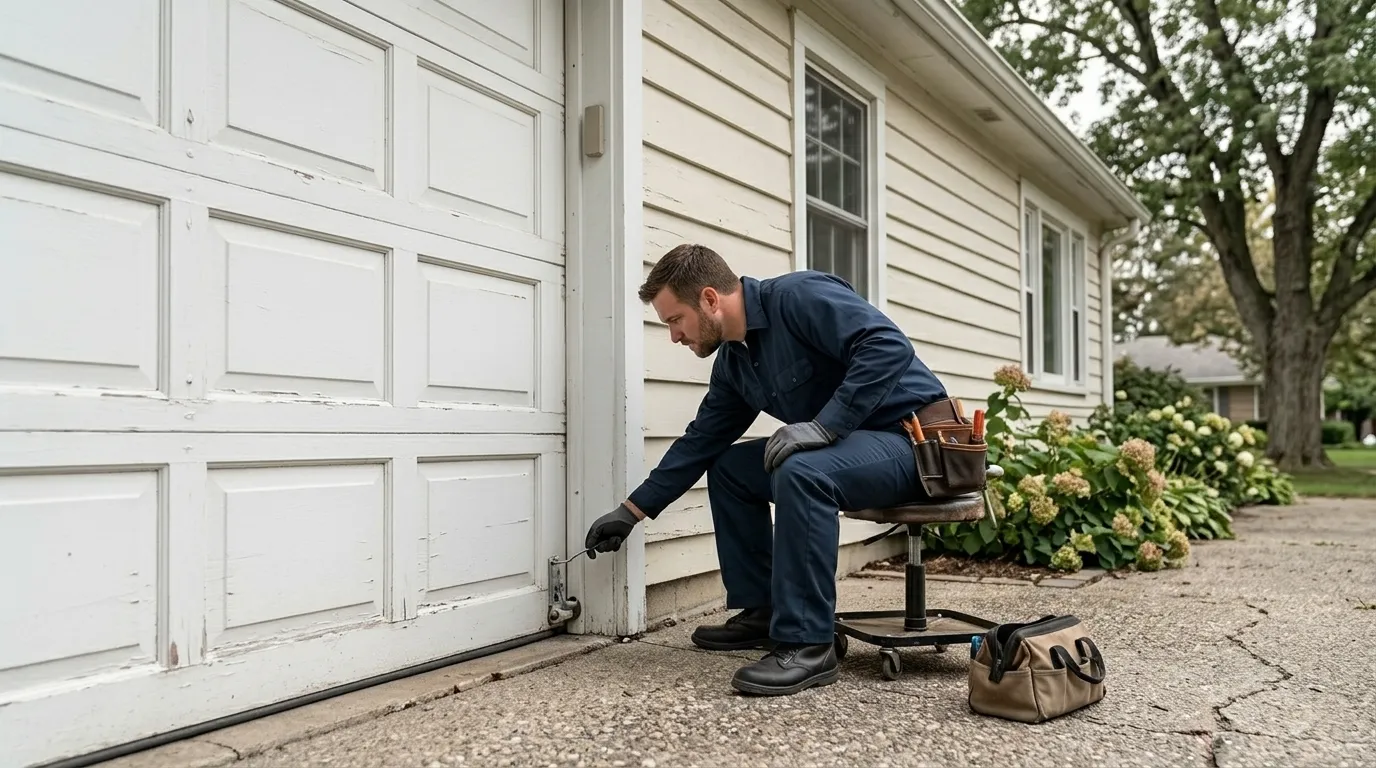
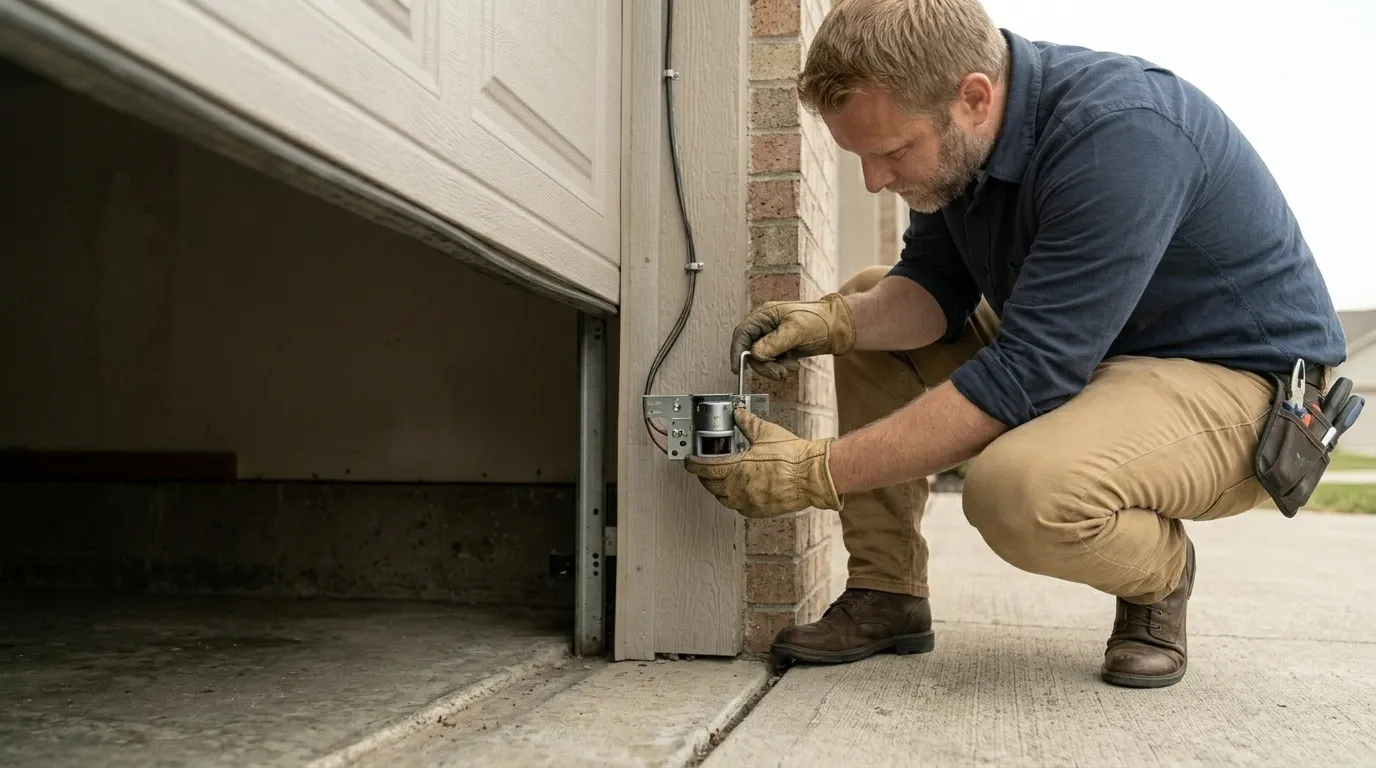
We also check the track alignment against the header, since houses from this build period sometimes settled enough over the decades to throw the vertical tracks a few degrees out of plumb. A door can run on a slightly bent track for years before it finally binds hard enough to call someone, so straightening or replacing that track is often part of the same visit as the spring.
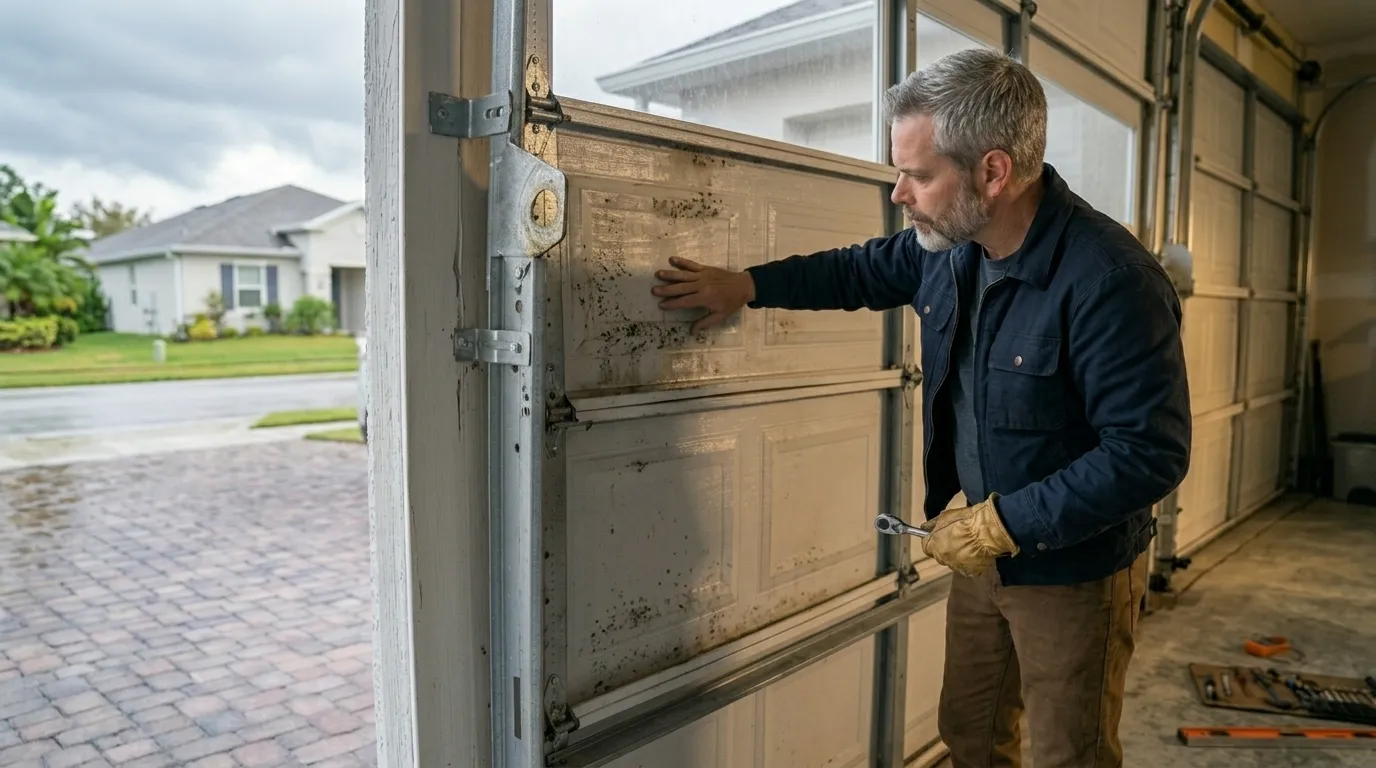
Here's the honest limit: if the door itself has warped panels or rusted-through steel from decades of exposure, replacing the spring and cable won't fix the underlying door. At that point we'll say so - a repair on a door that's structurally done just delays the real cost, and we'd rather be straight about that than sell a spring job that won't hold.