Parts We Carry
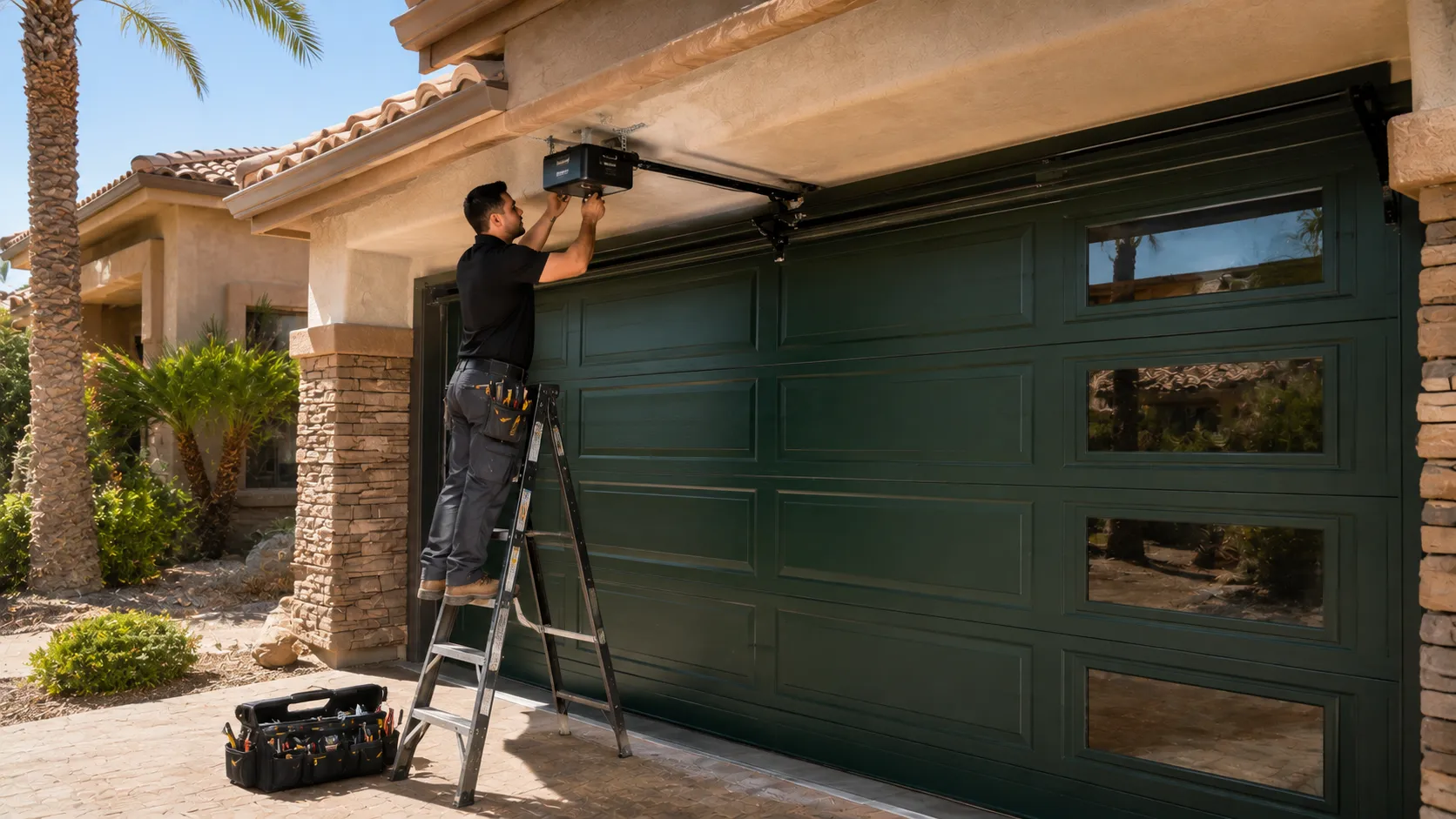
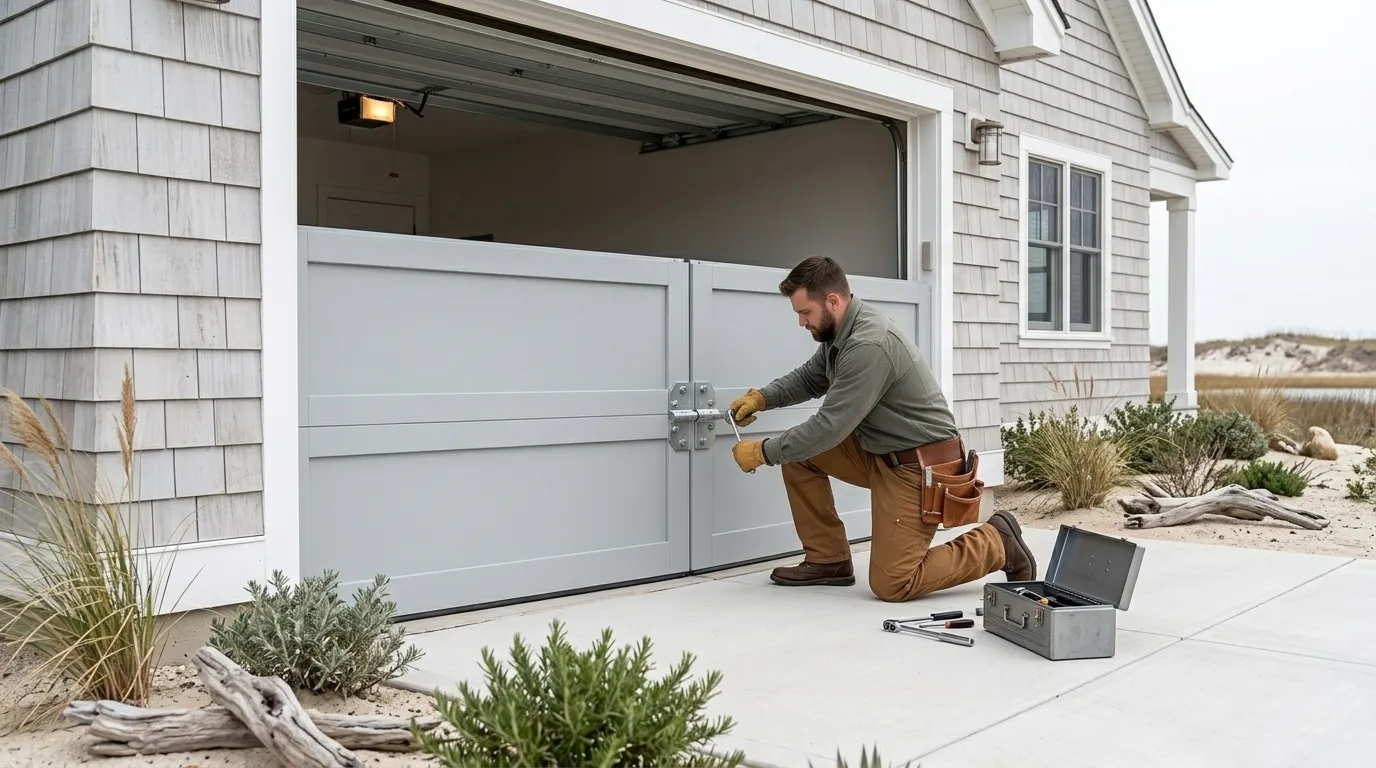
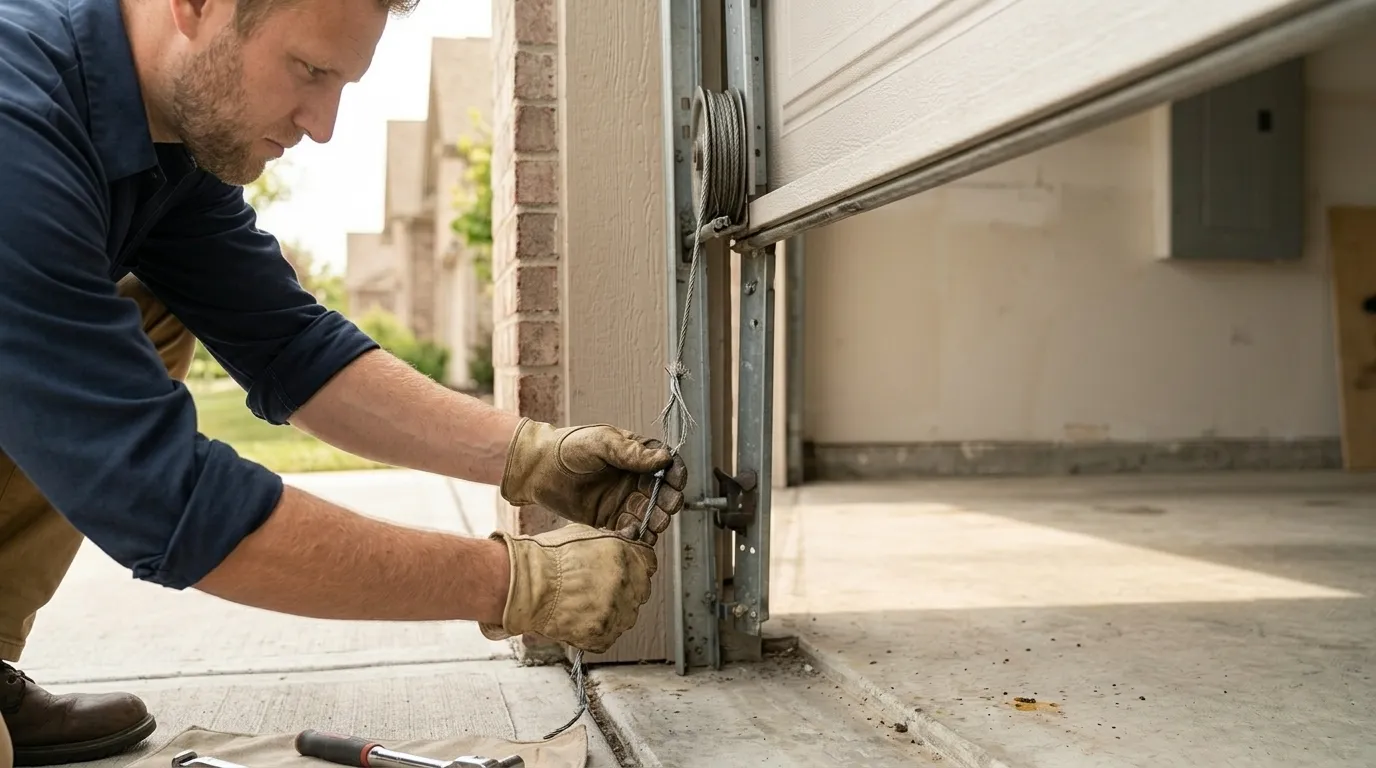
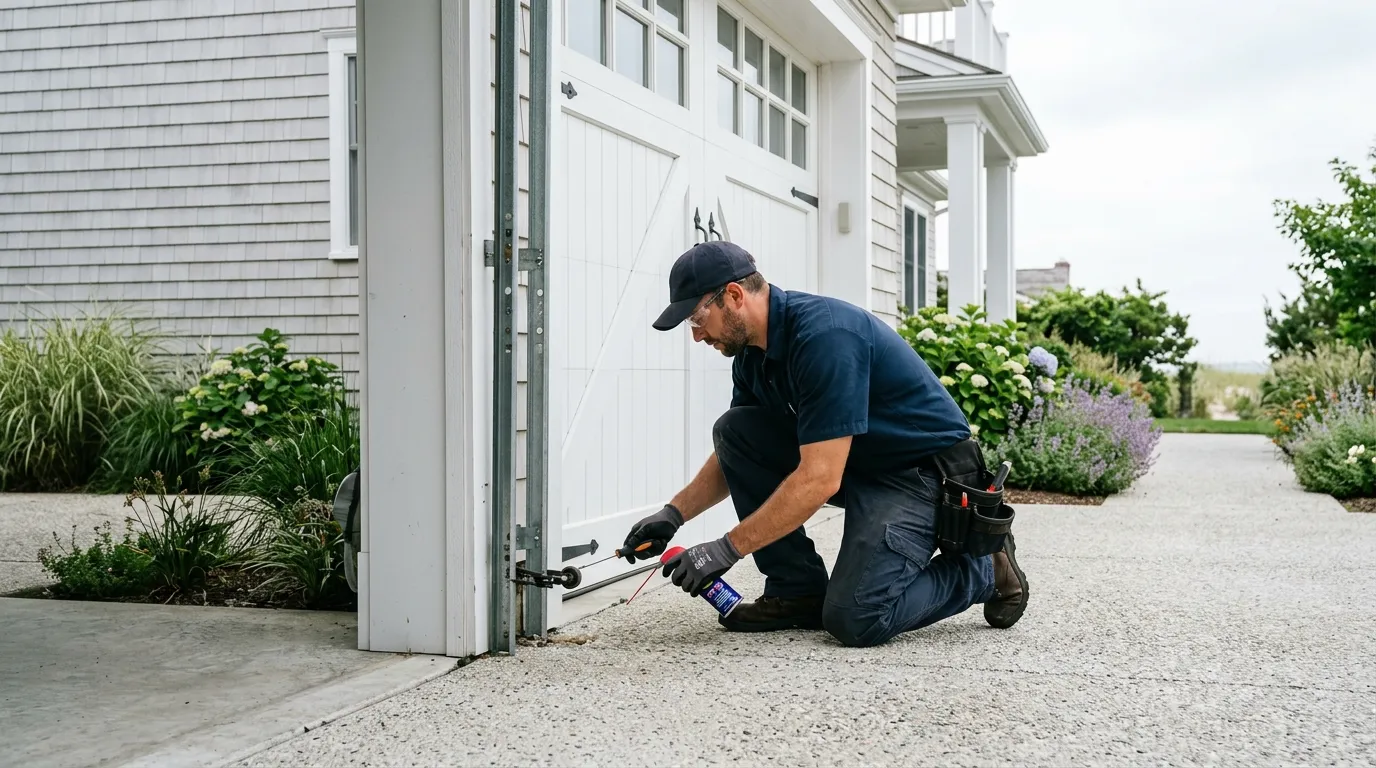
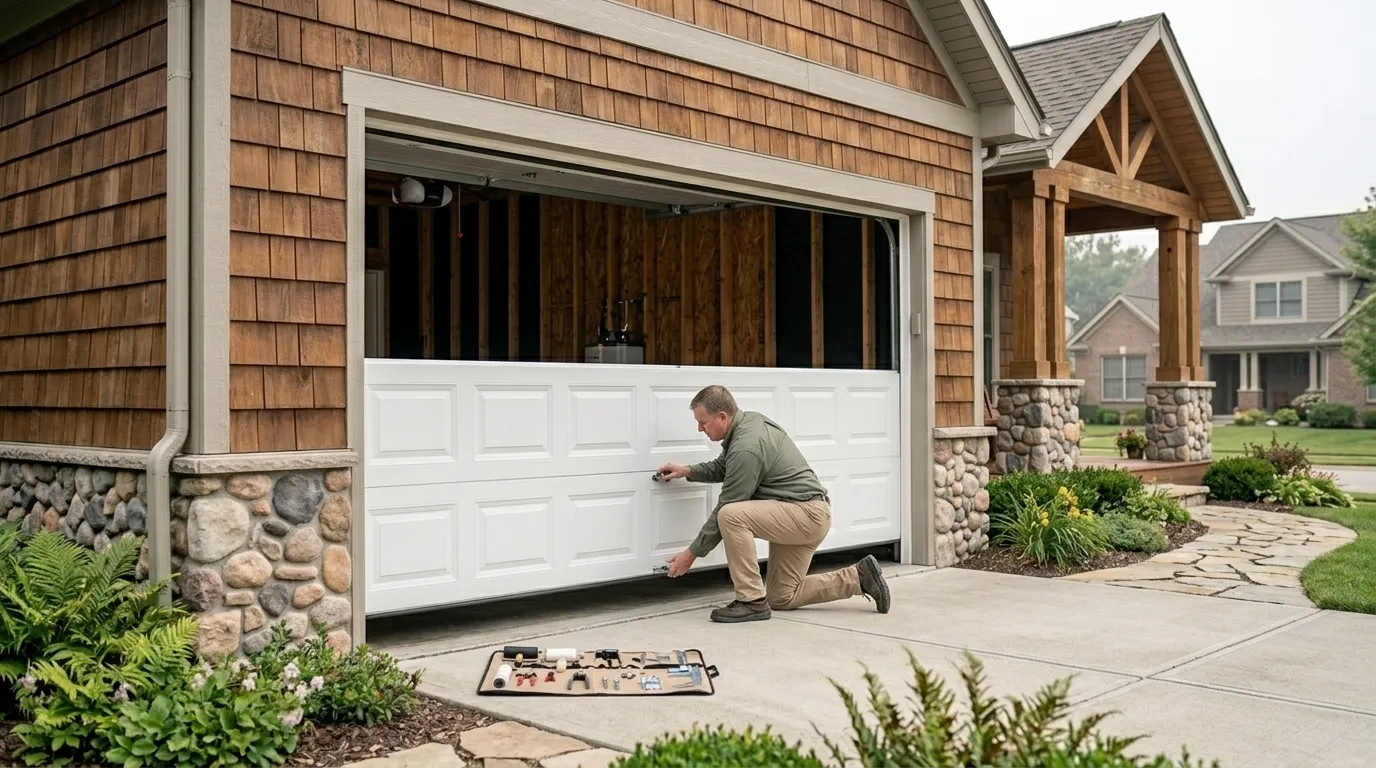
We stock what breaks most often on commercial sectional doors - torsion springs rated for the heavier cycle counts these doors see, galvanized cable, roller assemblies, and the hinges and struts that reinforce wide panels against wind load. Because a lot of the building stock in this part of the service area goes back to the same mid-century wave as the housing around it, we also carry track hardware sized for older opening widths that don't always match what a big-box store sells off the shelf. What we don't carry on the truck is anything proprietary to a specific opener brand's control board - if your unit needs a manufacturer-specific part, that's a special order, and we'll tell you the lead time up front rather than promise something we can't deliver same day. For a straightforward spring or cable job, the truck coming out to Drexel Hill carries what it needs to finish in one visit.
The Symptom
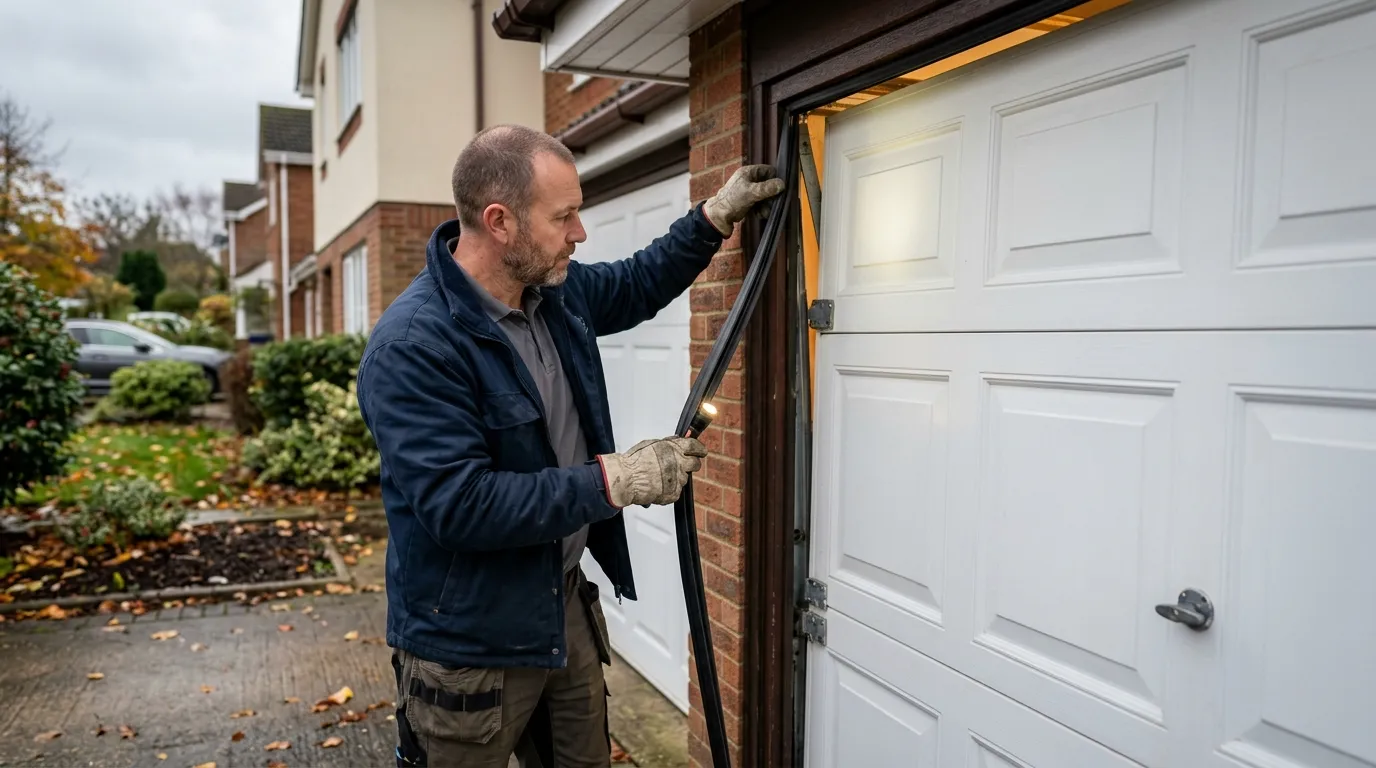
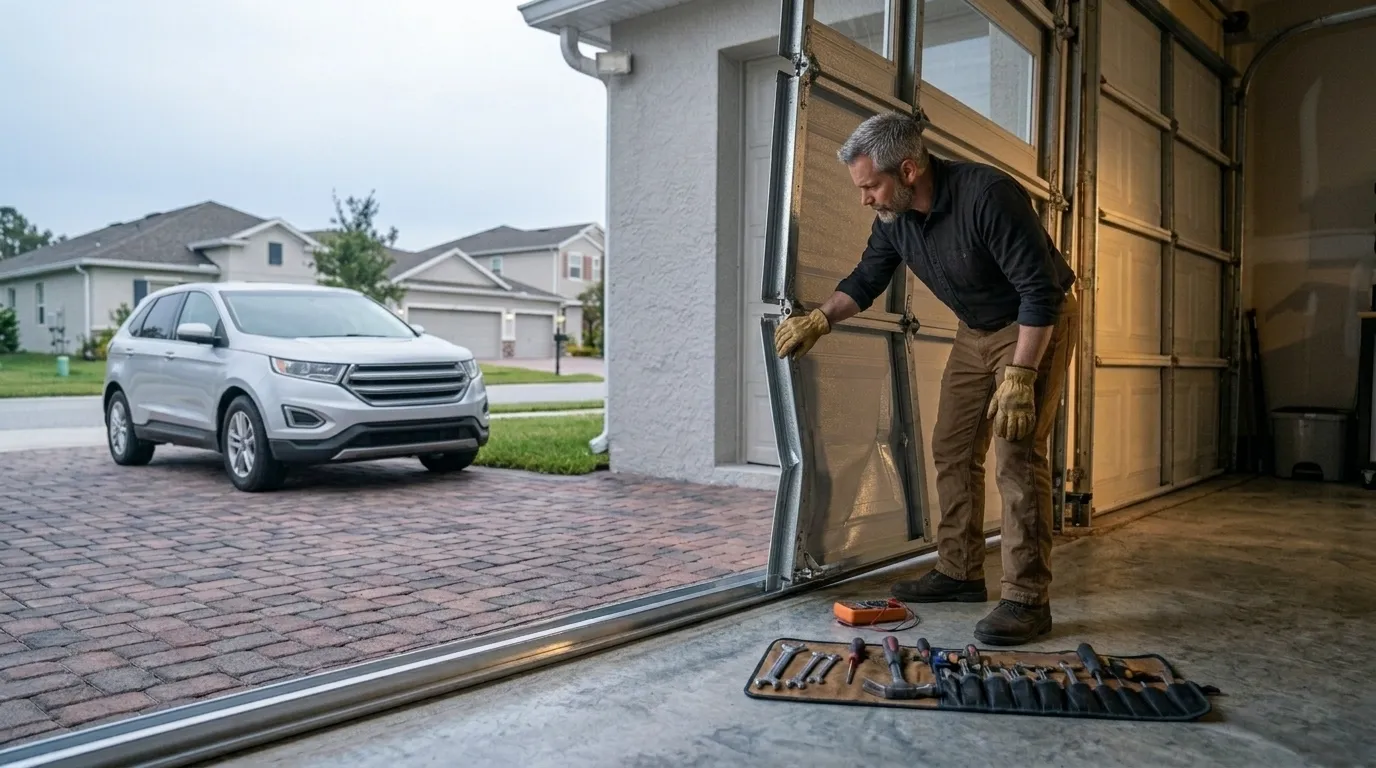
The call we get from this area is usually a door that's gone heavy - it used to lift with one hand on the chain hoist and now it takes real effort, or the opener strains and stalls partway up. Sometimes it's a door that closes crooked, one corner dropping faster than the other. On older commercial buildings with wide bay openings, that unevenness usually means one side of a torsion system has lost tension while the other hasn't, which is a spring or cable problem, not an opener problem, even though the opener is what people blame first. Less often it's a door that won't seat flush at the bottom, leaving a gap along the floor - on a building trying to hold heat through a real winter, that gap costs money every day it's ignored.
Why It Happens Here
Housing in this pocket went up around 1948, roughly a decade ahead of the service area's overall median of 1957, and the commercial buildings that filled in around that same wave of construction tend to run older steel and track systems than what you'd find in a newer retail strip. That older hardware wasn't built for the cycle counts a busy loading bay puts on it today, so springs fatigue and cables fray sooner than the newer commercial-grade equipment sold now. Add in a winter climate that falls into the severe-cold band across this whole region, and steel contracts, grease stiffens, and springs that were already near the end of their life give out in January rather than July. It's a pattern we see across the older pre-1960 building stock that makes up most of this part of the service area - not a Drexel Hill quirk exactly, but a combination of building age and winter severity that hits harder here than it would in a newer development.
What the Fix Involves
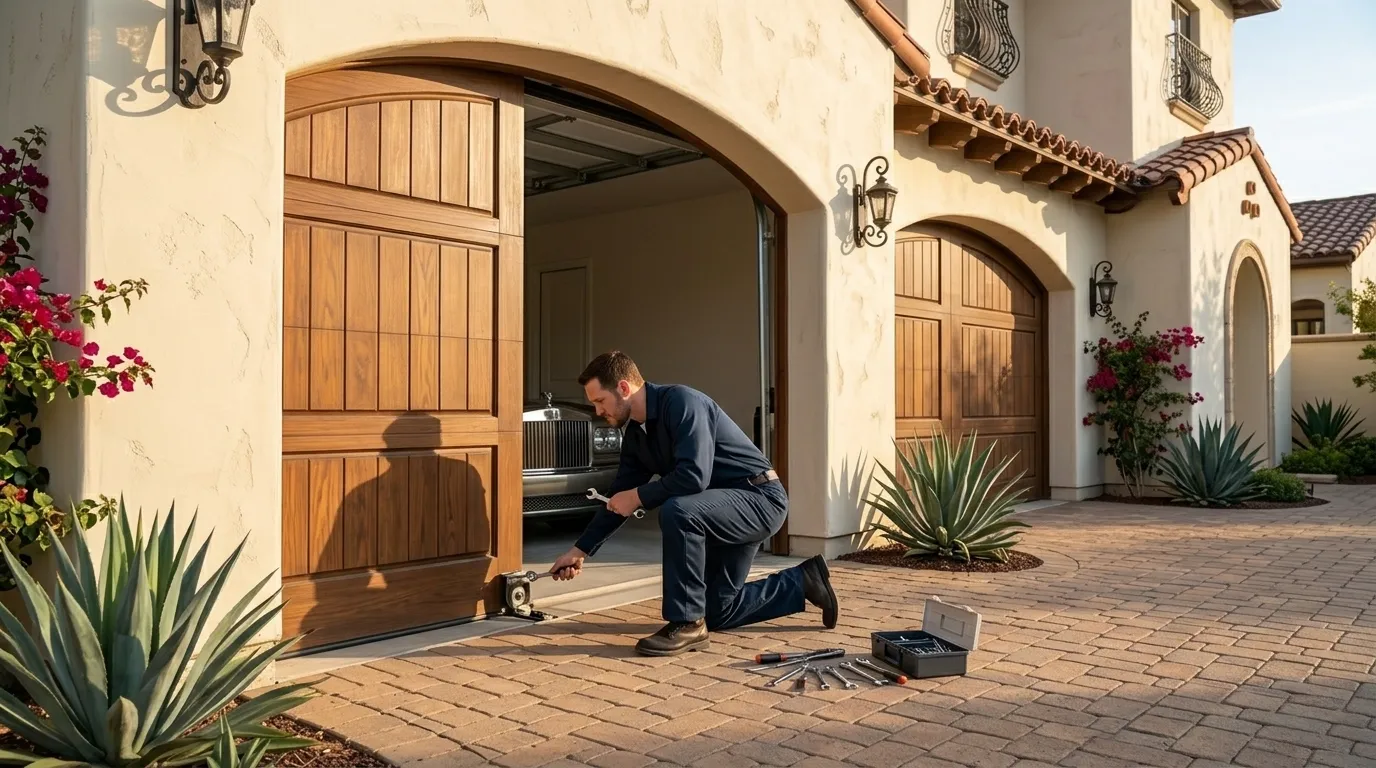
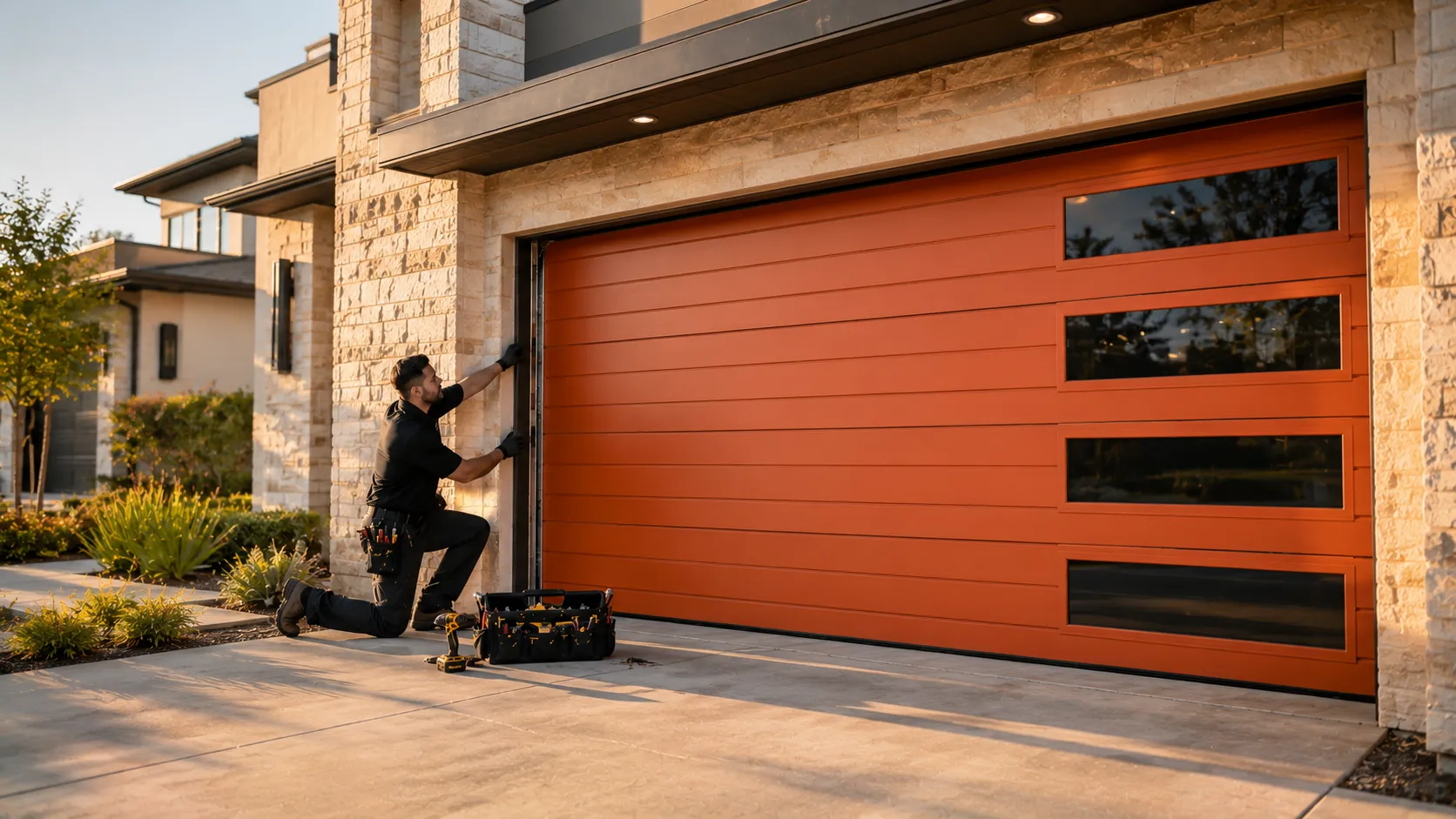
For a spring replacement on a commercial door, the job starts with unloading tension safely, which on a wide double-track door means working both sides in sequence, not just swapping one broken spring and calling it done - if one side is fatigued, the other usually isn't far behind. We check the track alignment while the door is unweighted, since that's the only time you can see whether the rollers have been riding off-center. If the building's opener is original to the door, we'll flag whether it's still rated for the door's current weight and cycle rate; sometimes the fix that actually solves the recurring problem is not the spring but pairing it with a heavier-duty opener. Because the drive out from Philadelphia is part of the job, we try to diagnose as much as possible over the phone first so the truck isn't making a second ten-mile trip for a part that could have been loaded the first time.