Parts We Carry
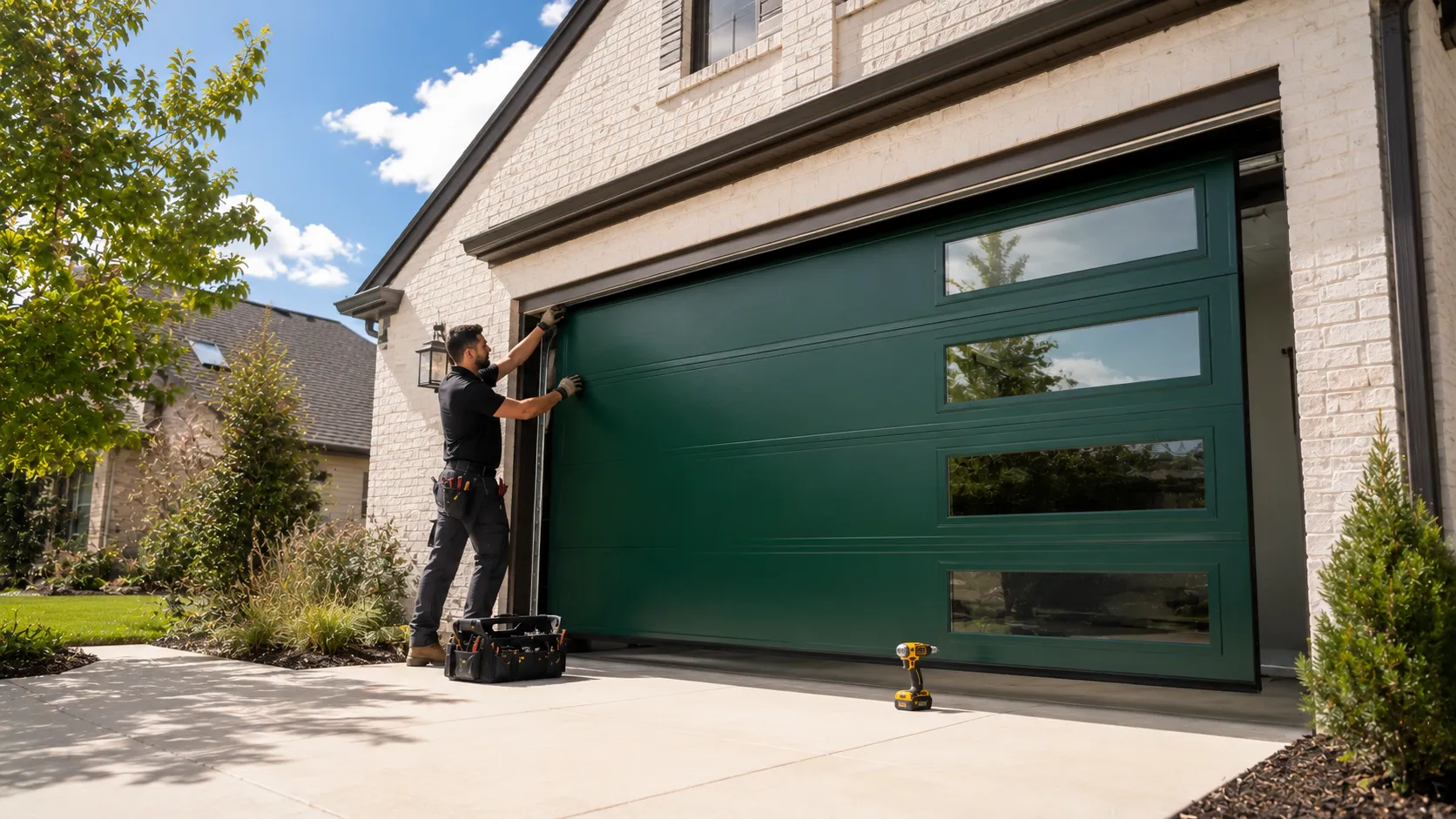
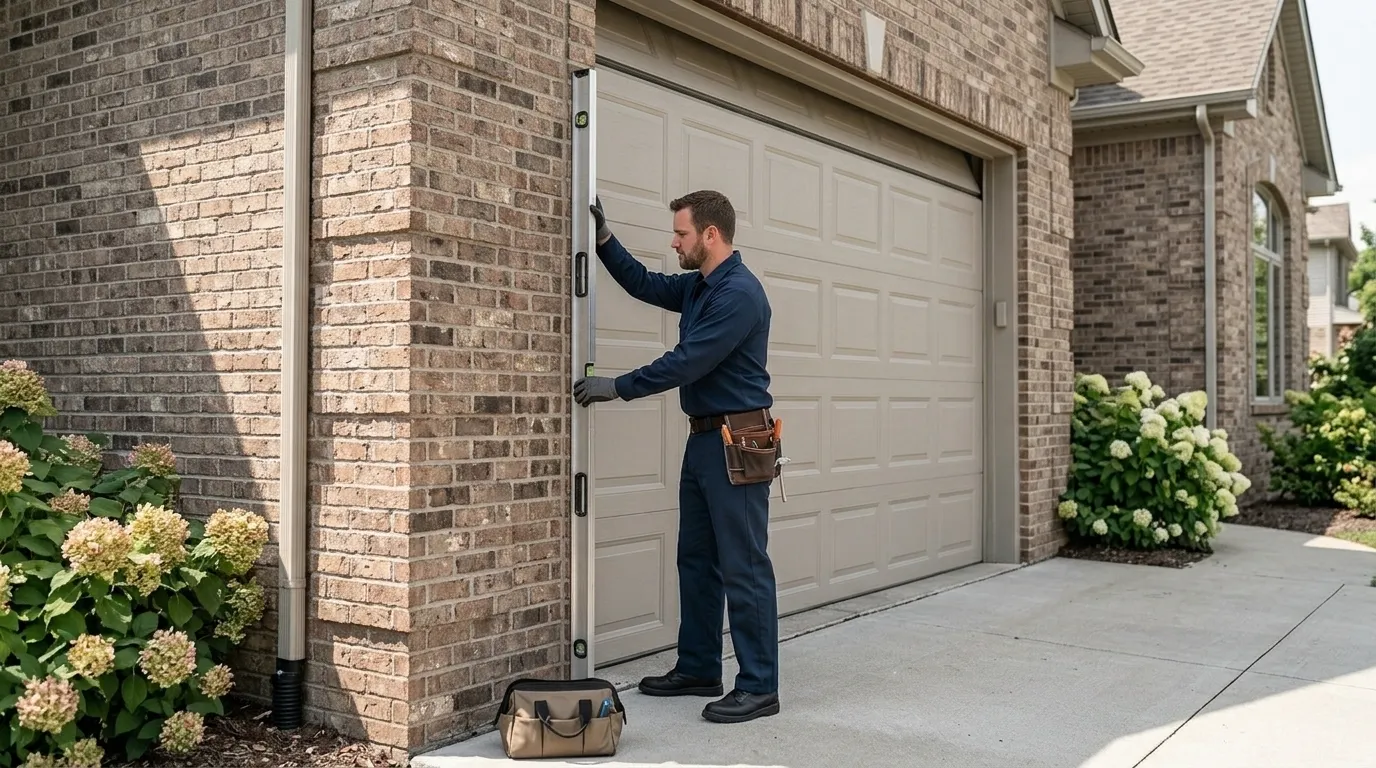
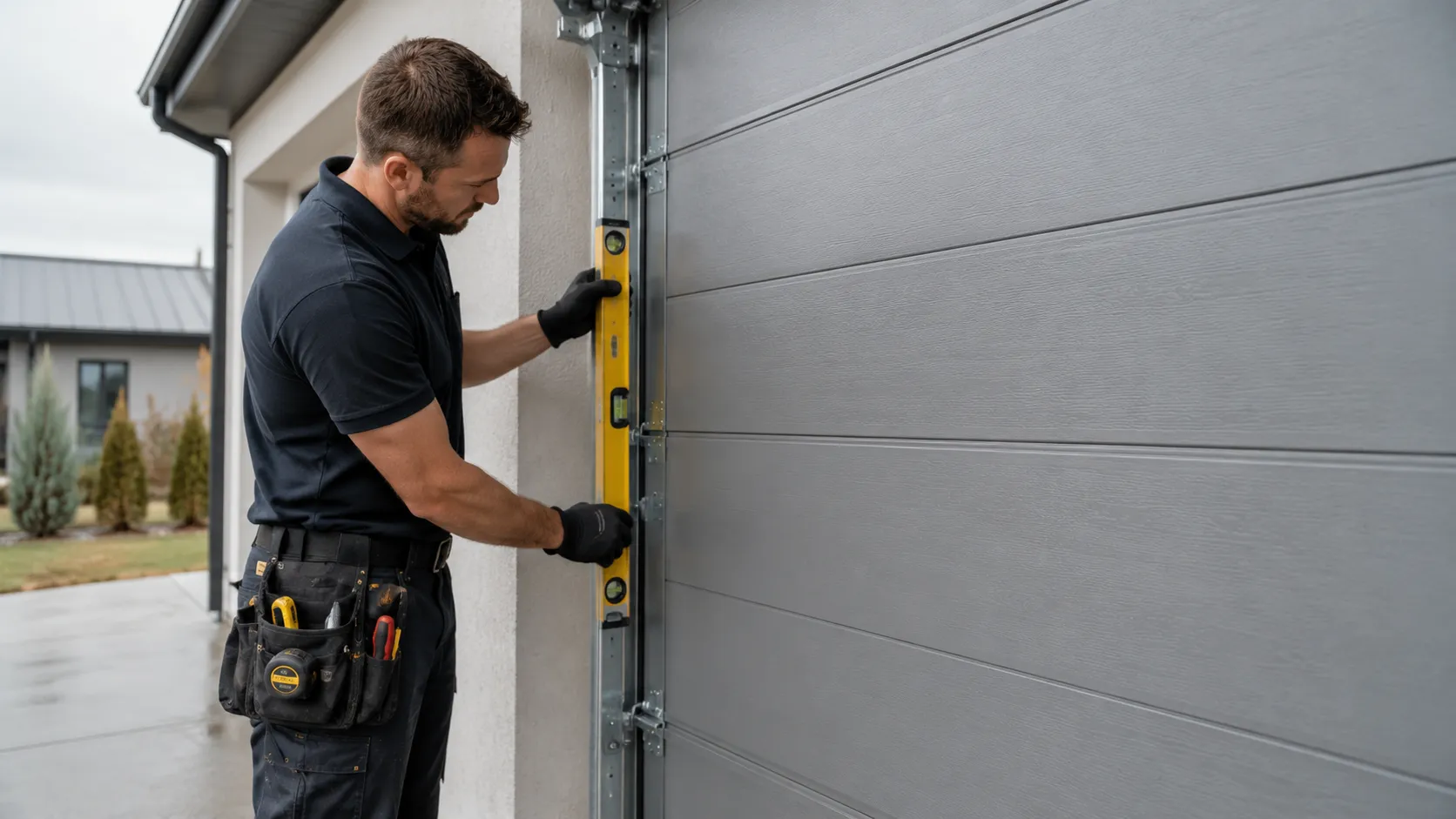
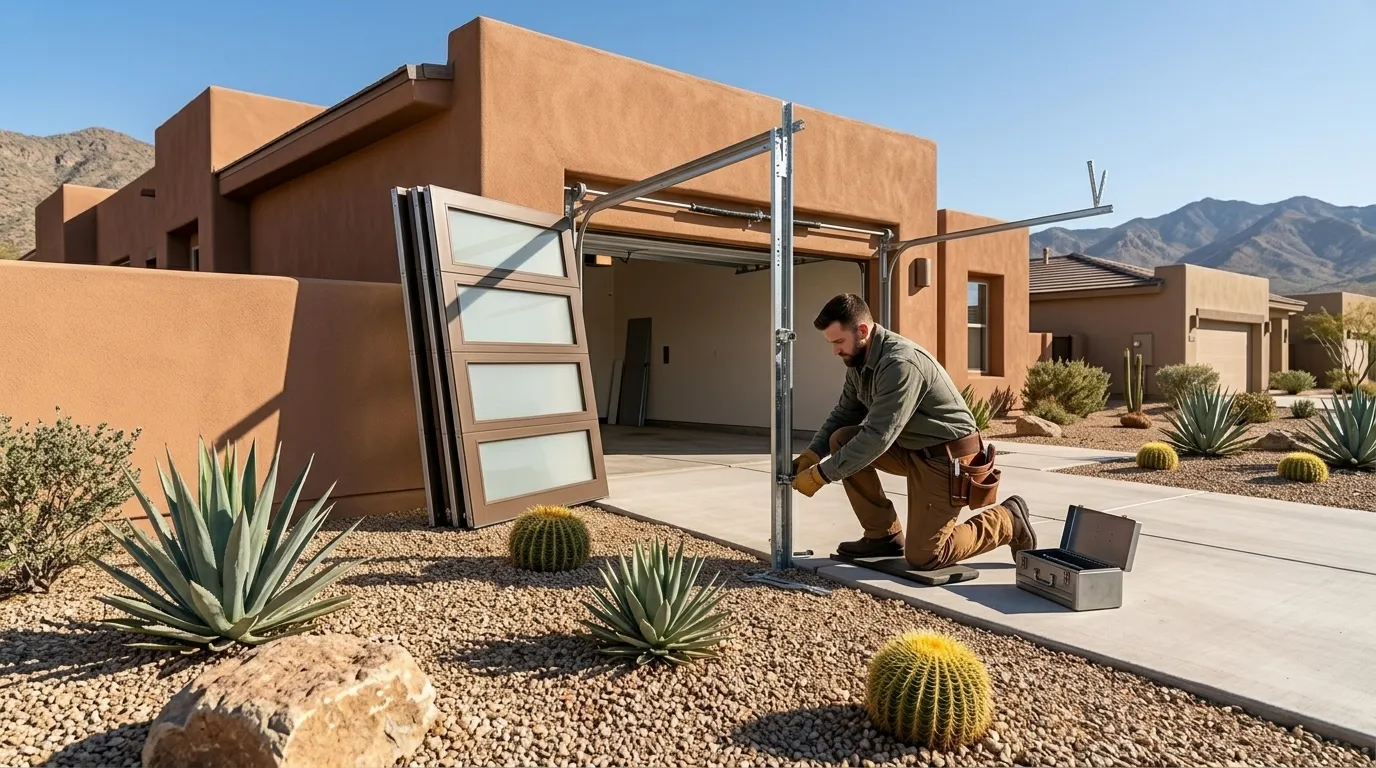
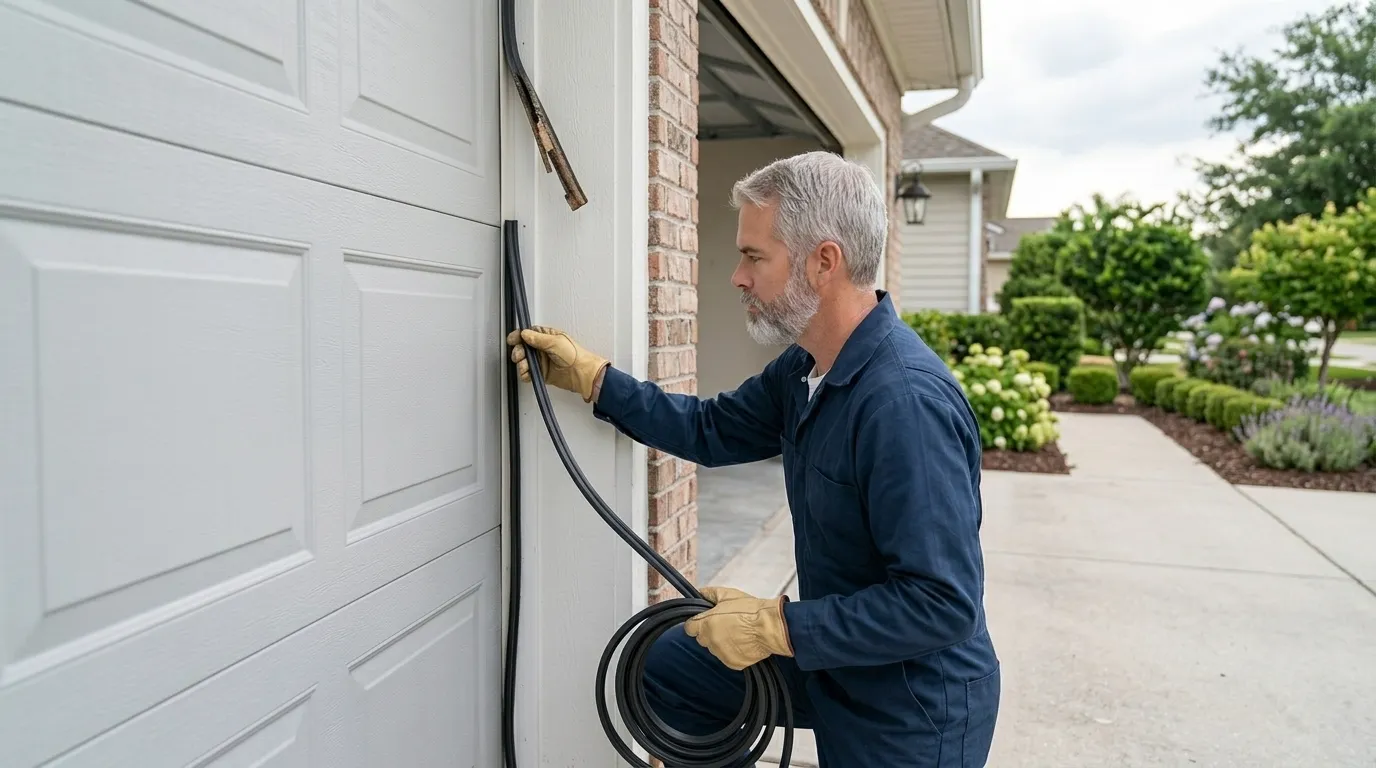
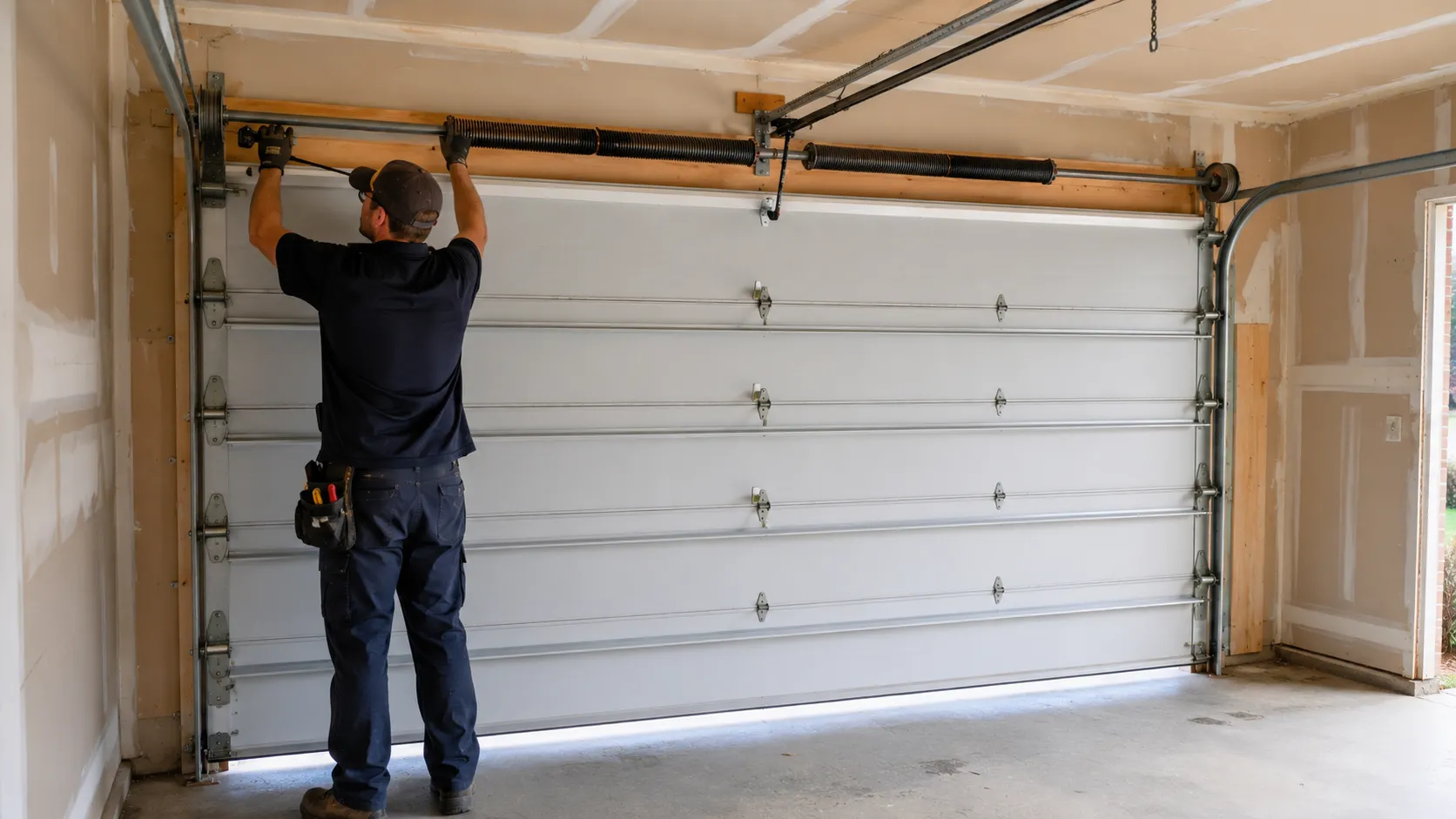
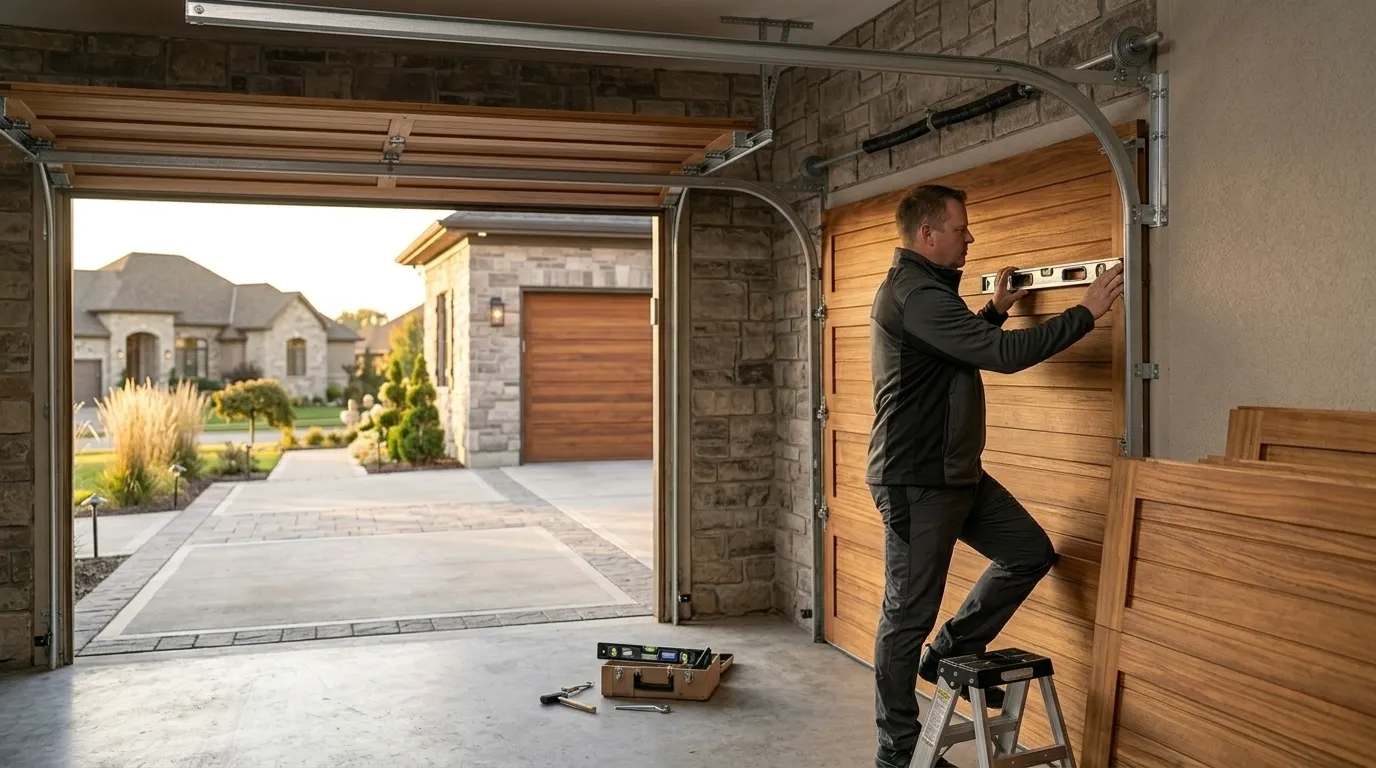
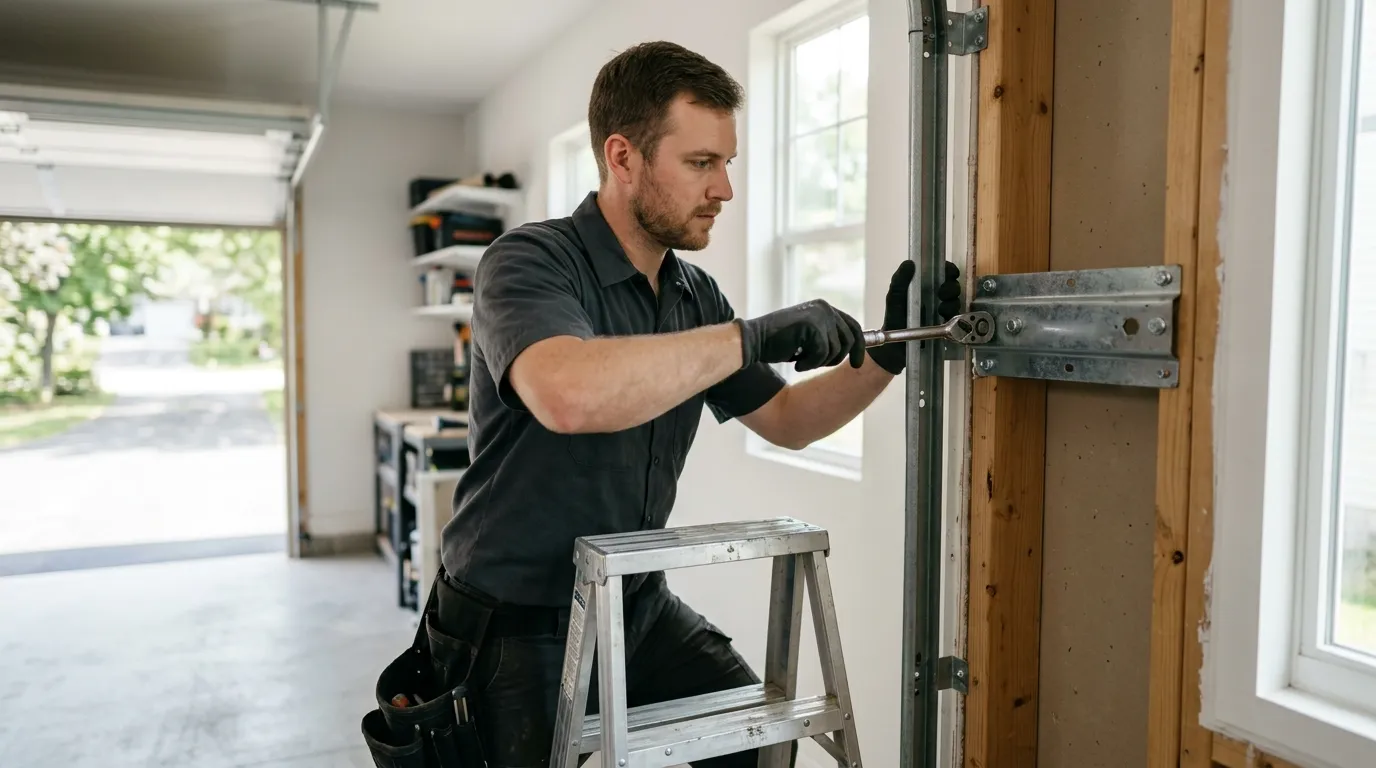
For a house built around 1948, the door going in is almost always a new insulated steel or composite section, not a repair patch on the original wood door - those are long past saving on most of these garages. What matters more here is the hardware around the door: torsion springs sized to the actual door weight (heavier insulated doors need different wind than the light doors these openings were built for), tracks cut to fit a rough opening that was never squared to modern tolerances, and weatherstrip sized for gaps that widened as the framing settled over seventy-some years. We carry the spring and track stock to match a range of opening widths, because a lot of these garages run narrower than what a big-box door comes pre-sized for. What we don't carry is custom millwork - if the opening itself needs framing repair beyond swapping track and jambs, that's carpentry, and we'll say so rather than force a door in around it.
The Symptom
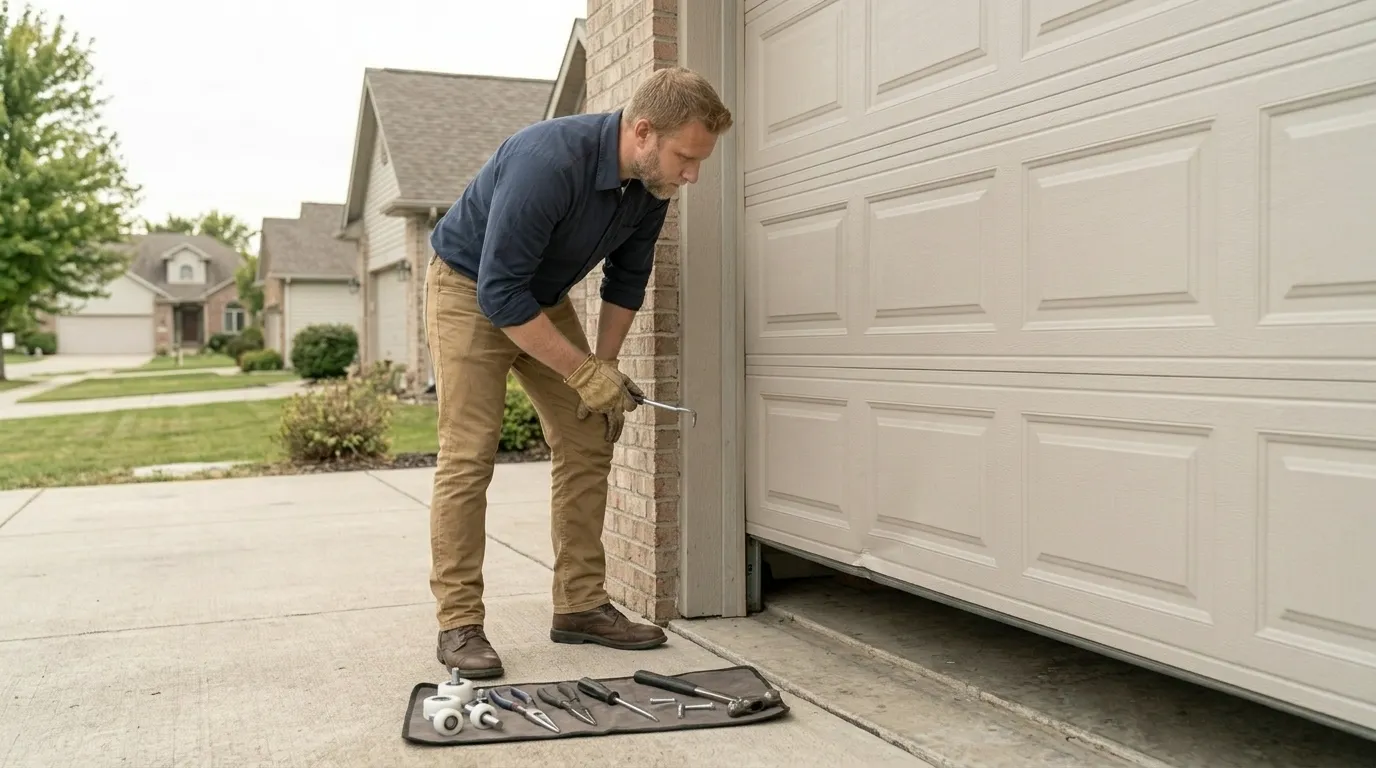
The call we get from this stretch of the county usually starts the same way: the door drags on one side, or it won't sit flush at the bottom, or the opener strains and clicks off before the door finishes closing. On a door this old the cause is rarely just the opener. It's a door and track combination built for 1948 loads and 1948 tolerances, now carrying decades of settling, rust on the original hardware, and in some cases a replacement door from years back that was never quite matched to the original track width. Owners often tell us the door