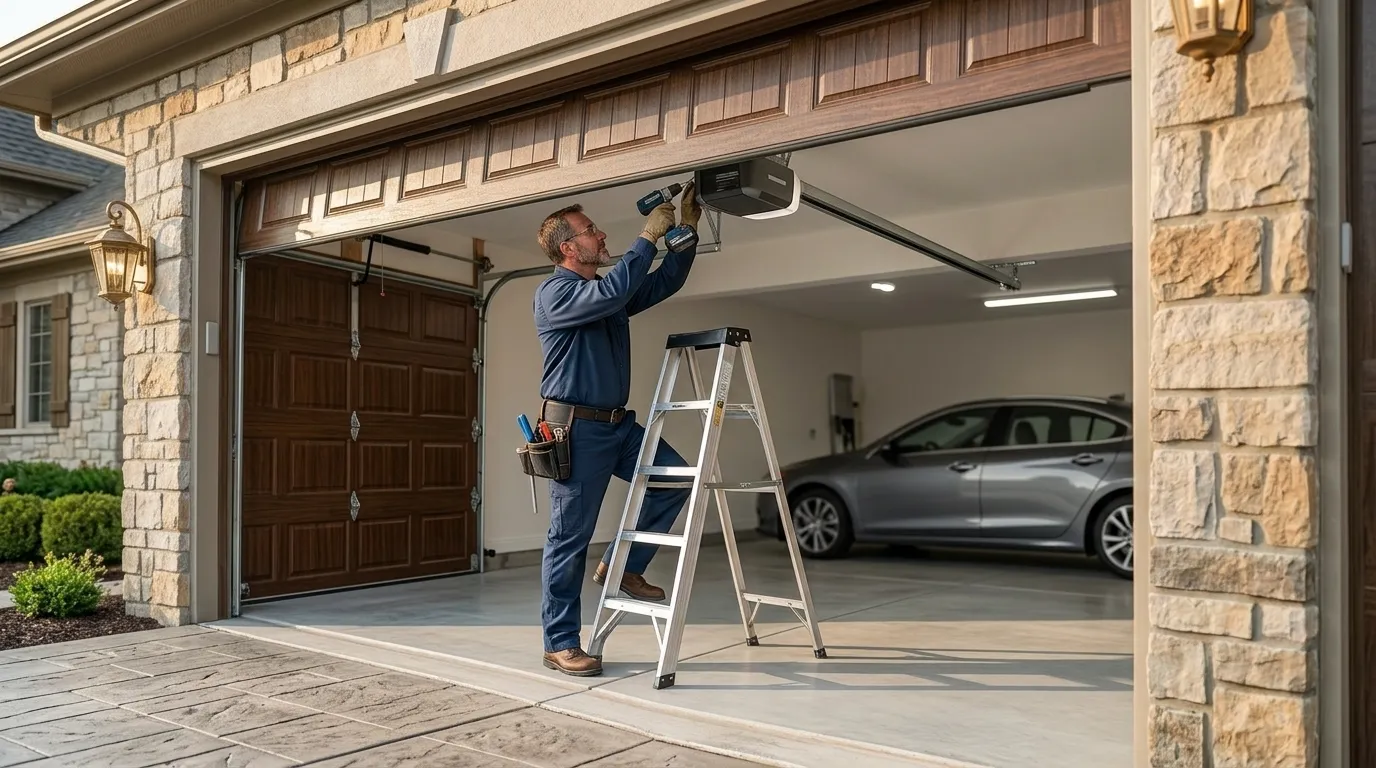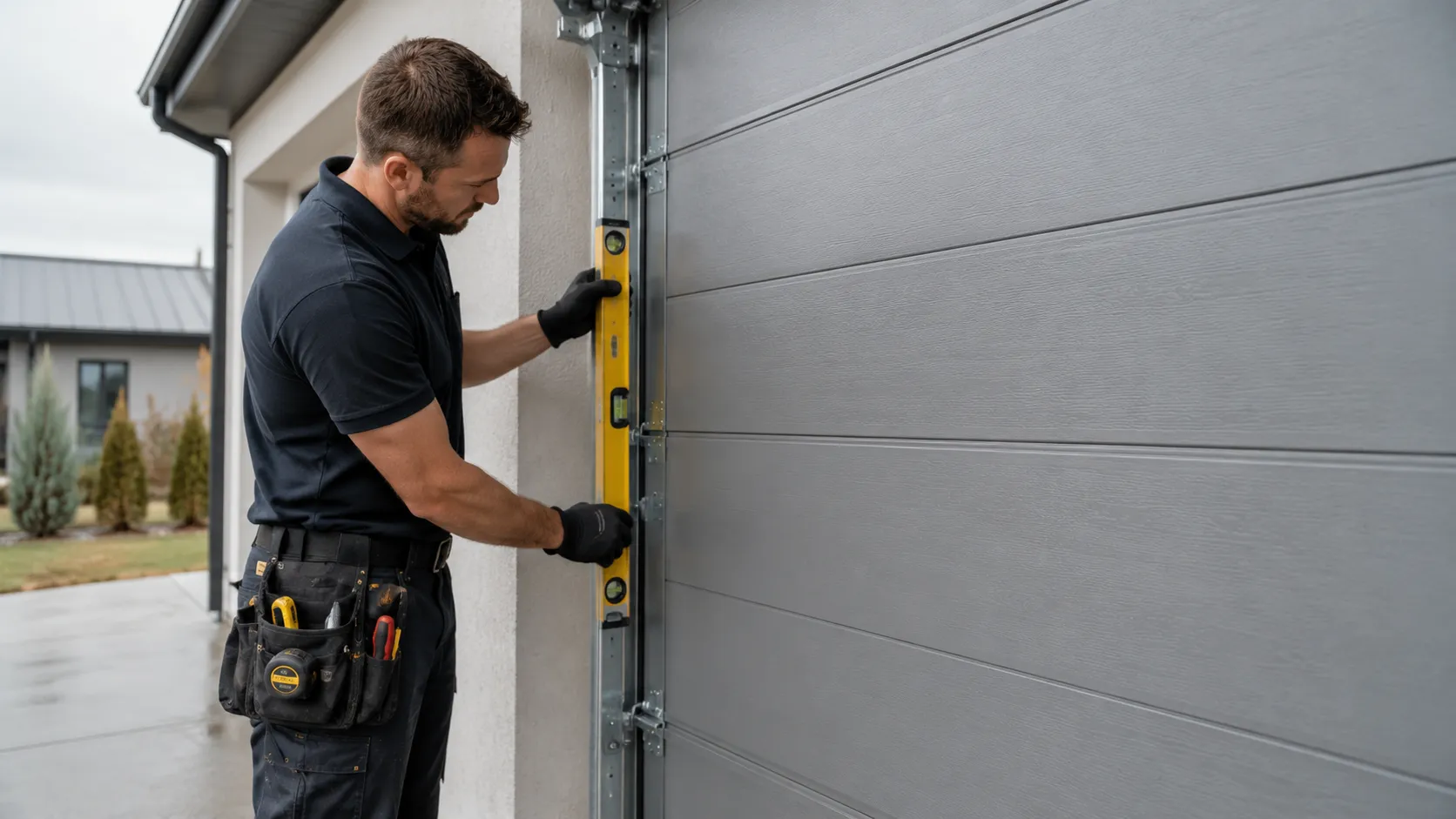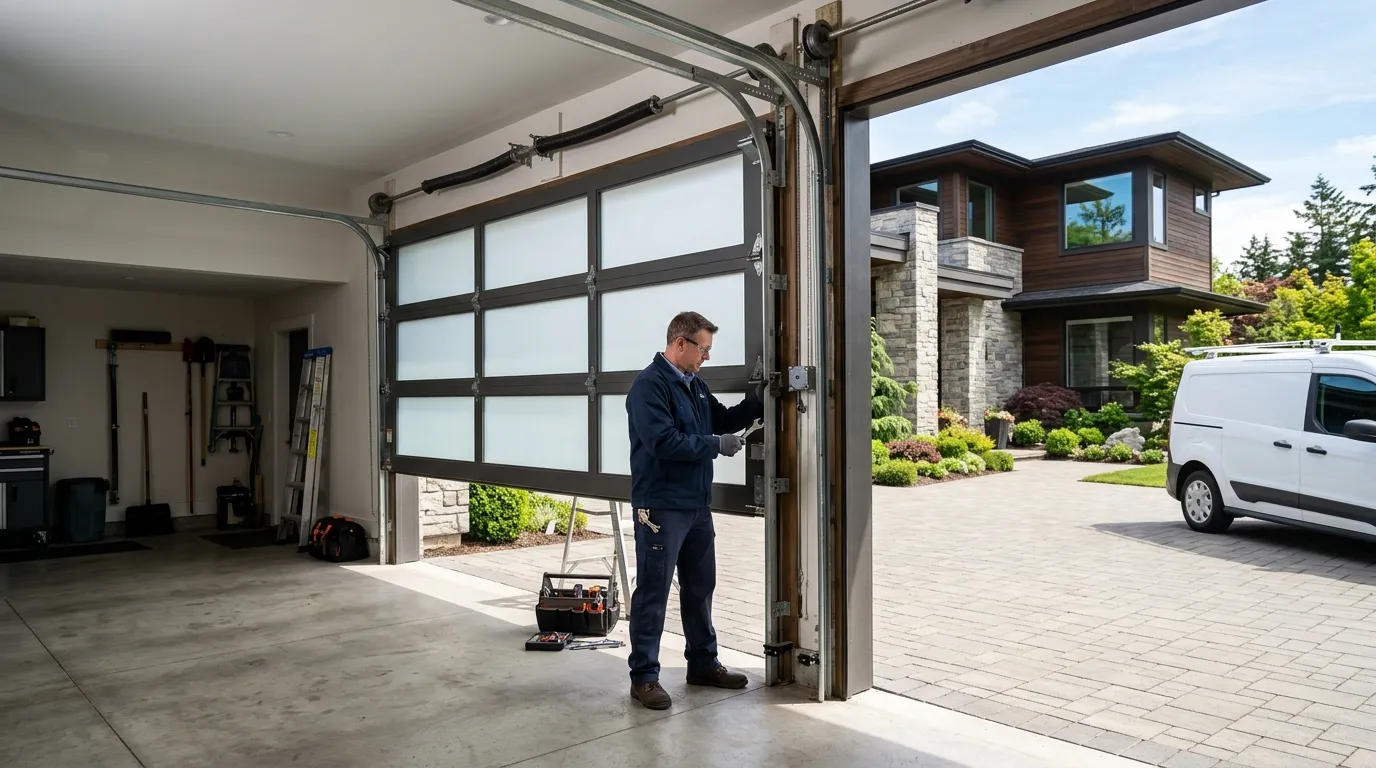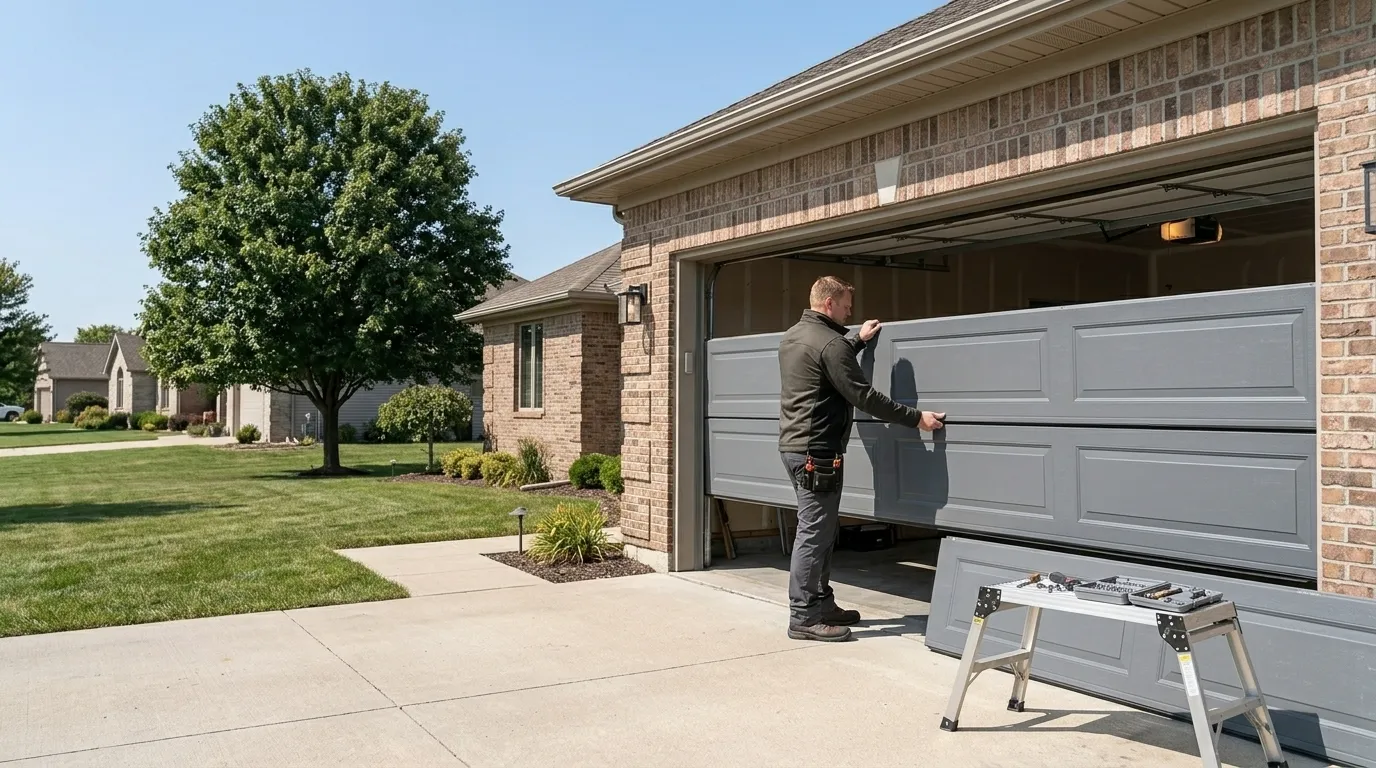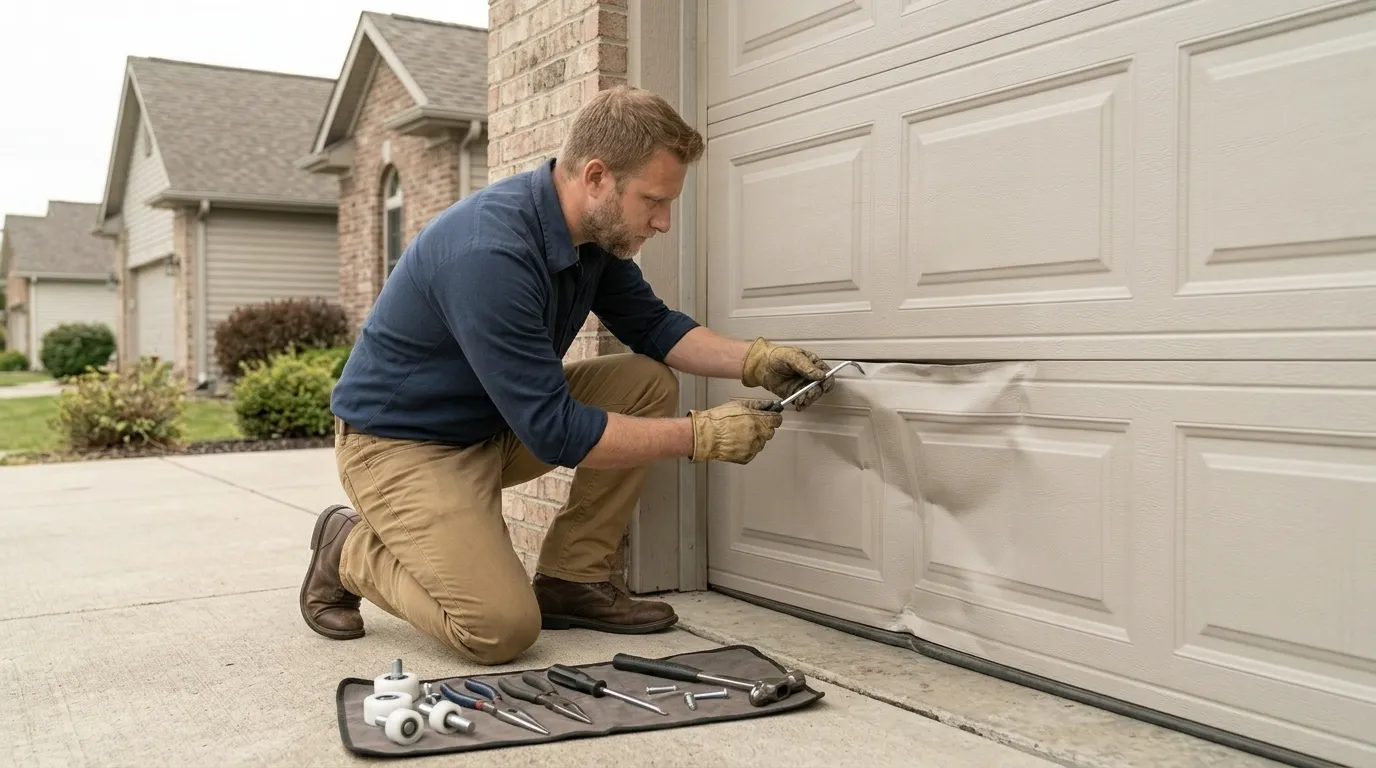

The Complications
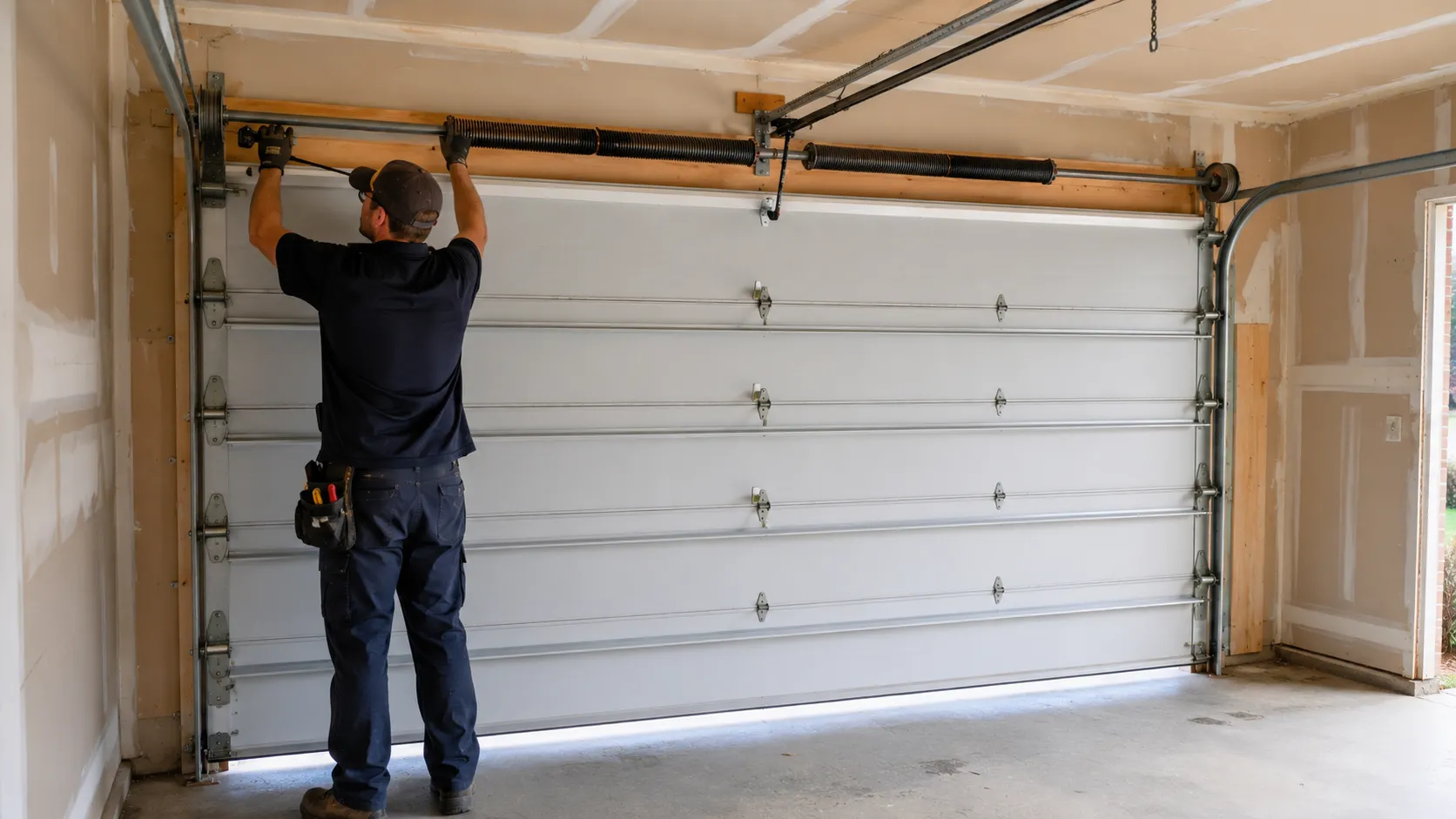
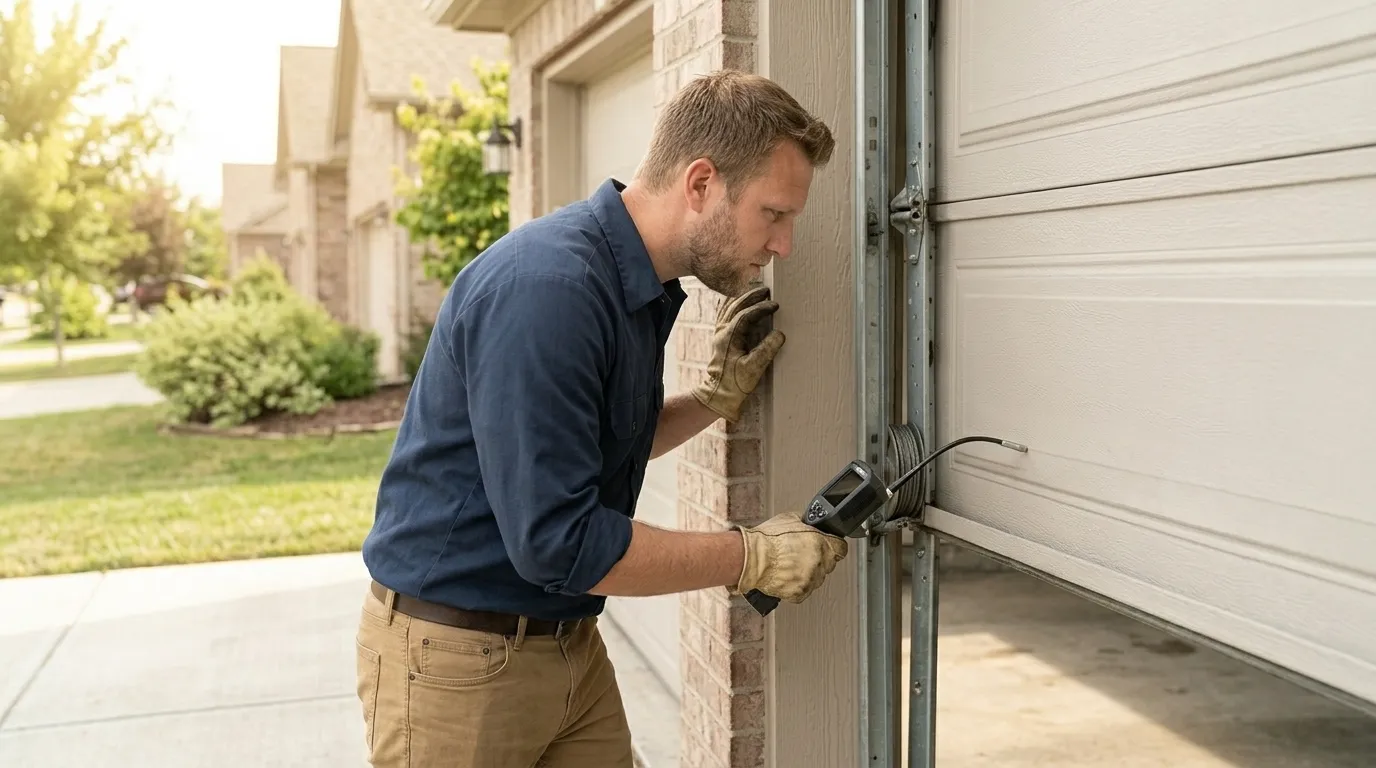
The complication here isn't the cable itself - it's what's attached to it. On a lot of these original-era setups the torsion spring, the drum, and the cable were sized as a matched set, and swapping in a generic replacement cable without checking the drum diameter leaves you with uneven cable wind and a door that racks sideways again in a few months.
Cold winters push on this too. The service area sits in a severe cold climate band, and repeated freeze-thaw cycles work on any galvanized coating, cable or otherwise, faster than a mild climate would. A cable that's rusted where it wraps the drum is one that's already stretched past where it should be, even if it hasn't parted yet.
We don't stock every original drum size on the truck, since a lot of what's on these doors hasn't been made new in years. If your setup needs a matched replacement drum rather than a stock one, that's the honest limitation: it may mean a second trip once the right part's in hand, rather than a same-visit fix.
How Long It Takes
A straightforward cable swap on a torsion system - new cable, same drum, spring already in good shape - is usually a same-visit job once the truck is on site. Where it runs longer is diagnosis: on a house built in the 1950s, the tech needs to confirm the drum and spring are original-spec or already replaced, because the fix differs depending on which.
We cover Levittown from Philadelphia, about 18 miles out, so the call isn't scheduled the way a job three blocks from the shop would be. That doesn't change the time on-site once we're there, but it does mean the appointment window matters more here than it would somewhere closer in.
Can You Do This Yourself
A torsion spring under tension is not a DIY cable swap, full stop. The spring holds enough stored force to break bones or worse if it lets go while someone's working near it without the right bars and clamps. That's true on any house, but it matters more here because a lot of Levittown's original torsion hardware is old enough that nobody's sure of its exact tension rating without measuring it on site.
What you can safely do yourself: look at the cable where it wraps the bottom bracket and the drum, check for obvious fraying or rust, and if you see either, stop using the door and call rather than trying to force it open manually. That inspection alone can catch a fraying cable before it snaps and drops a door on something - or someone - underneath it.