The Complications
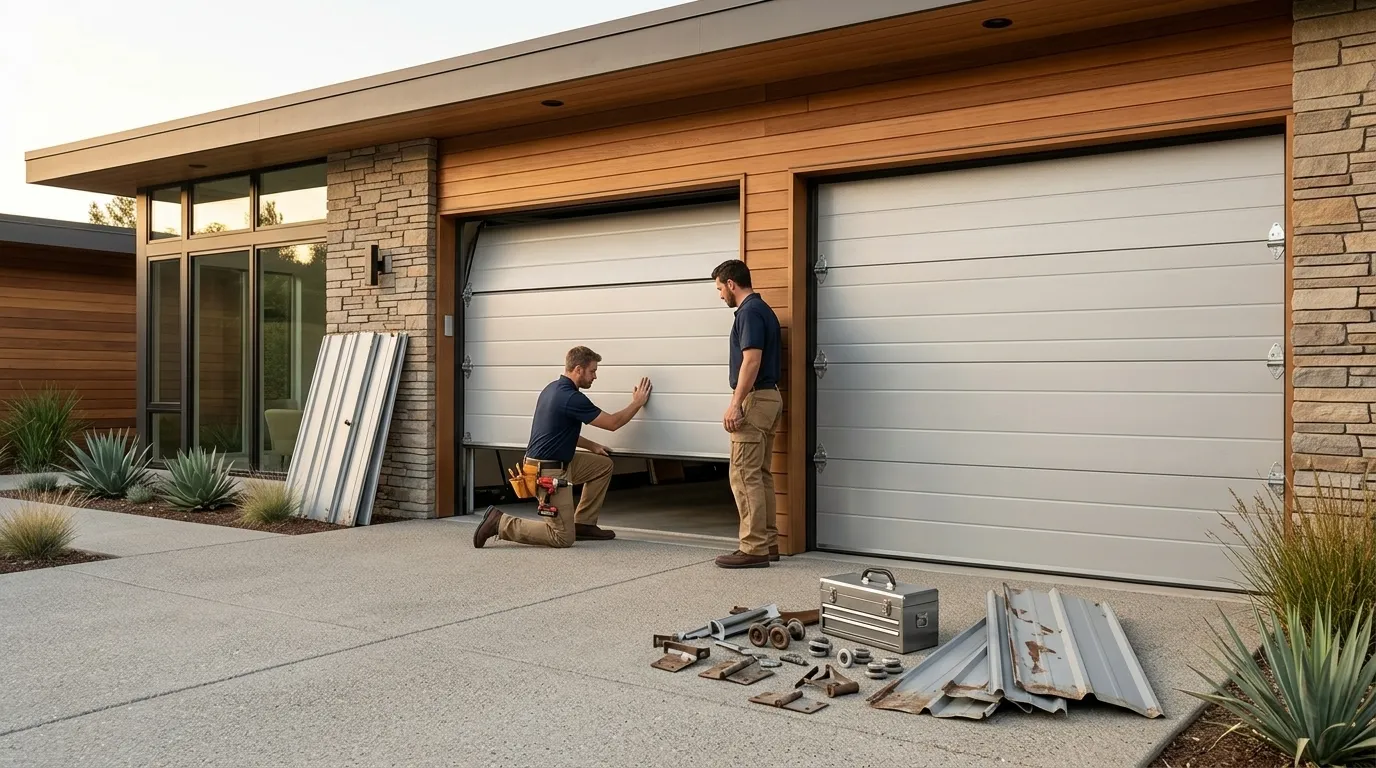
Matching a panel on a door built around 1956 is a parts hunt before it's a repair. Manufacturers changed panel profiles and rib patterns more than once between the 1950s and now, and a door that's original to the house - or replaced once, decades ago - often doesn't match anything currently in a supplier's catalog. With 18,140 households in this pocket of the service area, it's a smaller, denser market than the wider region, and that means fewer of any one panel style get stocked locally at a given time. On top of that, this area sits in a cold-severe climate band, and polyurethane fill in a steel panel that old has usually gone brittle after enough freeze-thaw cycles - even the undamaged panels next to the broken one. We check for a matching profile before quoting anything, and sometimes the honest answer is that a full door replacement costs less and takes less time than sourcing one obsolete panel.
How Long It Takes
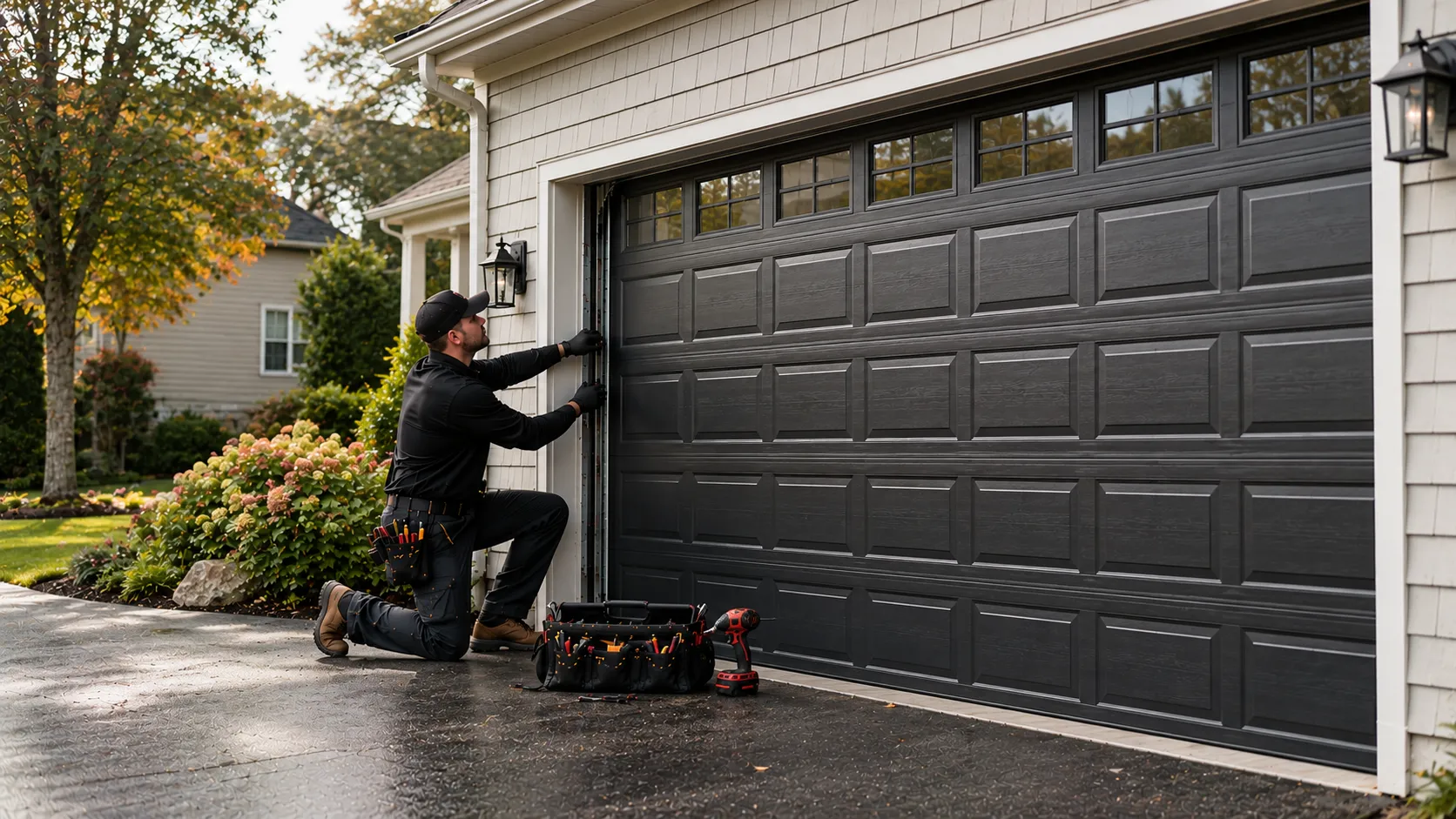
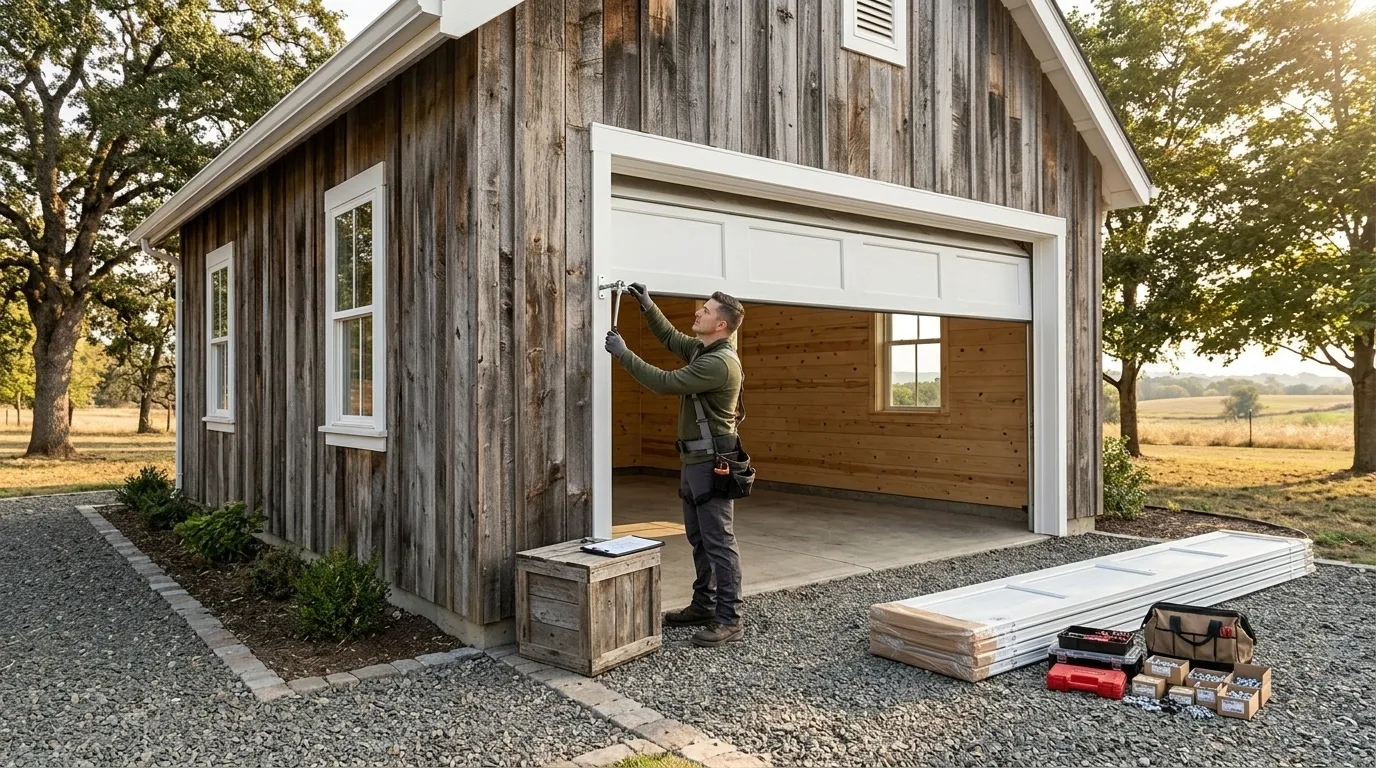
When a matching panel is in stock, swapping it is a same-visit job - a couple of hours once the truck is on site, most of it spent unbolting hinges and end stiles rather than fighting the track. The truck comes 18 miles out from Philadelphia, so we plan the visit around that drive rather than treating it as a rush call. Where the delay shows up is sourcing: if the panel profile is discontinued, which happens more often the closer the door is to its 1956 build year, we're waiting on a special order or steering the conversation toward full replacement instead. We'll tell you which situation you're in before any tools come off the truck, not after.
Can You Do This Yourself
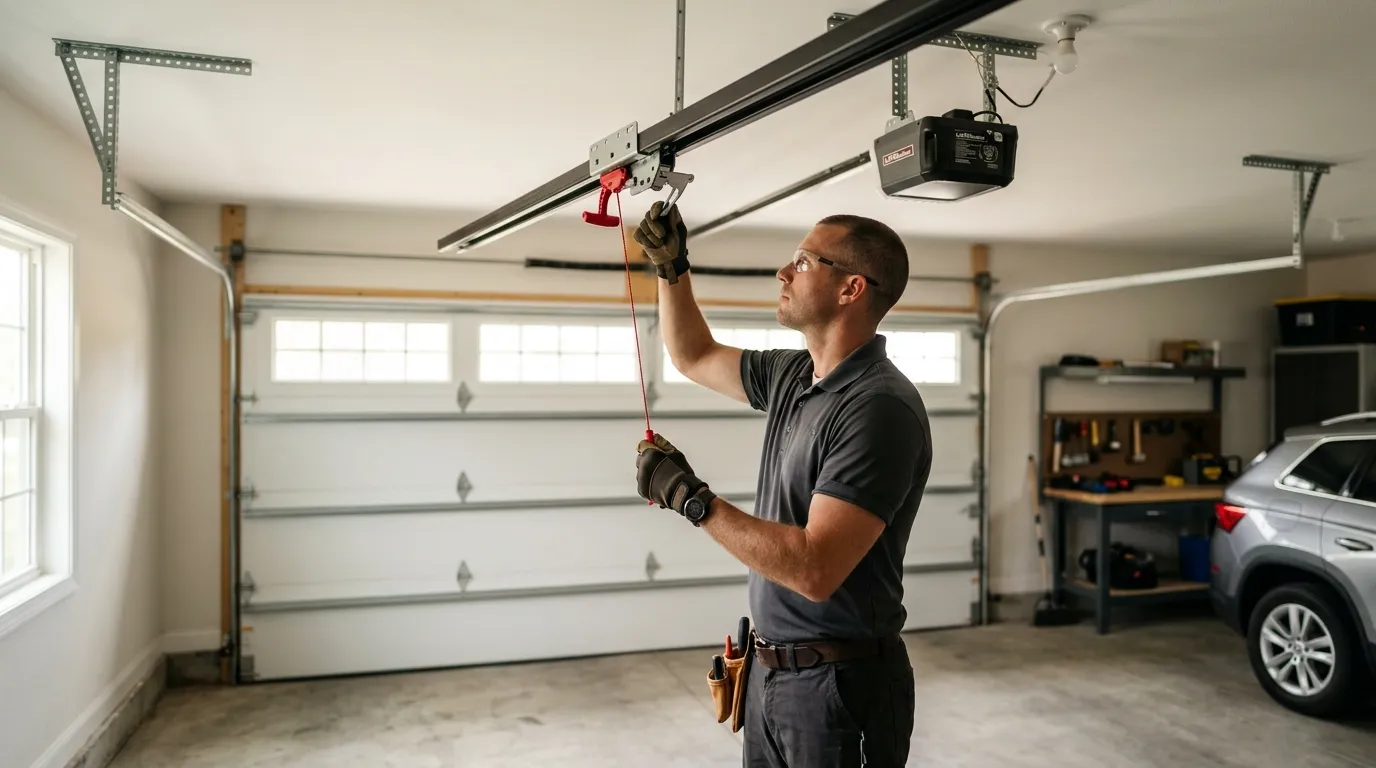
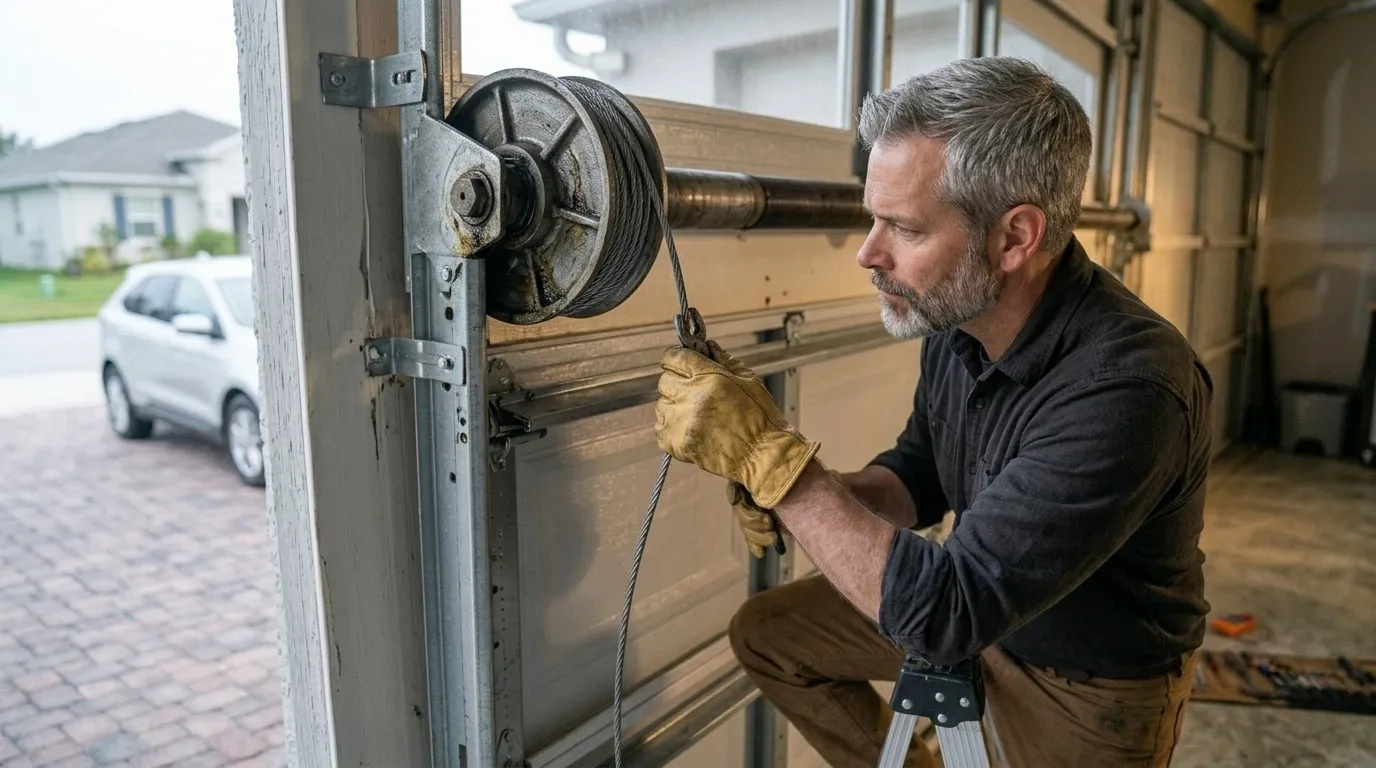
Removing a single panel from a door that's still under spring tension is not a beginner project, and on a torsion-spring setup it's genuinely dangerous - the spring doesn't know it's only supposed to lift part of the door. If you've got a garage with an old wood or fiberglass door and a section that's just cosmetically split, and the door isn't under torsion (a chain-drive garage that's been manually operated for years, say), a panel swap without spring involvement is a more reasonable DIY project. But matching the panel profile is the harder half of this job either way, and getting that wrong means a mismatched patch that's obvious from the driveway. If you're not sure which situation you've got, that's worth a call before you start pulling bolts.