Serving Philadelphia, PA & nearby
(267) 430-8692
Philadelphia, PA

Garage Door Spring Repair for Levittown's 1950s Housing Stock

Levittown's garage doors mostly date to the mid-1950s. We drive 18 miles from Philadelphia to replace broken torsion springs on these original-era doors.

Garage Door Spring Repair for Levittown's 1950s Housing Stock
Philadelphia, PA
8 services
7 service areas
Diagnosis first, then the fix

The Symptom

Levittown sits 18 miles from Philadelphia, and that drive is baked into how a spring call here gets scheduled. We're not around the corner, so when you call about a door that won't budge, we're planning the trip out the Turnpike or Route 1 before we're planning the fix.

The symptom itself is usually the same no matter the address: the door won't lift, or it lifts a few inches and stalls, or you hear a loud bang from the garage and now the door sits crooked, held up on one side by a cable that's gone slack. Sometimes the opener strains and hums but the door barely moves - that's the spring doing none of the work it used to do. If you look up at the horizontal shaft above the door and see a spring with a visible gap in its coils, that's your answer already.

None of that is an opener problem, and swapping the opener won't touch it. The opener was never built to lift the door's full weight on its own; the spring carries that load, and once it's gone, the motor is fighting a fight it can't win.

The Complications

Levittown's houses carry a median build year of 1956, squarely inside the 1938-1994 span of the area's older housing stock. Because Levittown was built out in a single wave, whole blocks share the same era of torsion hardware, and they tend to fail in the same years - a spring that lets go on one street this winter is a preview of what's coming two doors down.

That matters for parts. A lot of these original garage doors are lighter wood or early steel panels sized to springs that were common in the 1950s and aren't the standard wind or wire gauge stocked on a truck today. Get the wire size or the wind direction wrong and the door will look fine sitting closed, then bind or slam on the way up.

Cold makes it worse. The region sits in a severe cold climate band, and steel spring wire fatigues faster through hard freeze-thaw cycles than it would somewhere milder. A spring that's been quietly losing tension for years is more likely to snap on the first genuinely cold morning than on a mild one, which is why these calls cluster in winter.

How Long It Takes

The travel is the variable, not the repair. Because the job starts 18 miles out in Philadelphia, the time from your call to a truck in your driveway includes that drive - there's no local branch to dispatch from, so we build the route before we build the estimate.

Once we're there, a straight torsion spring swap on a standard double or single door is a same-visit job. We're not ordering a part and coming back a second time for a routine replacement; the spring, cable check, and balance test happen in one stop. Where it runs longer is when the drums, bearing plates, or track show wear consistent with the door's age - on a house built in the mid-1950s, that's common enough that we check for it every time rather than assume the spring is the only thing that's tired.

What we won't do is promise a fixed window before we've seen the door. A door that's been slamming on a broken spring for a week has usually done some damage to the track or the bottom bracket, and that adds time we can't quote over the phone.

What the Fix Involves

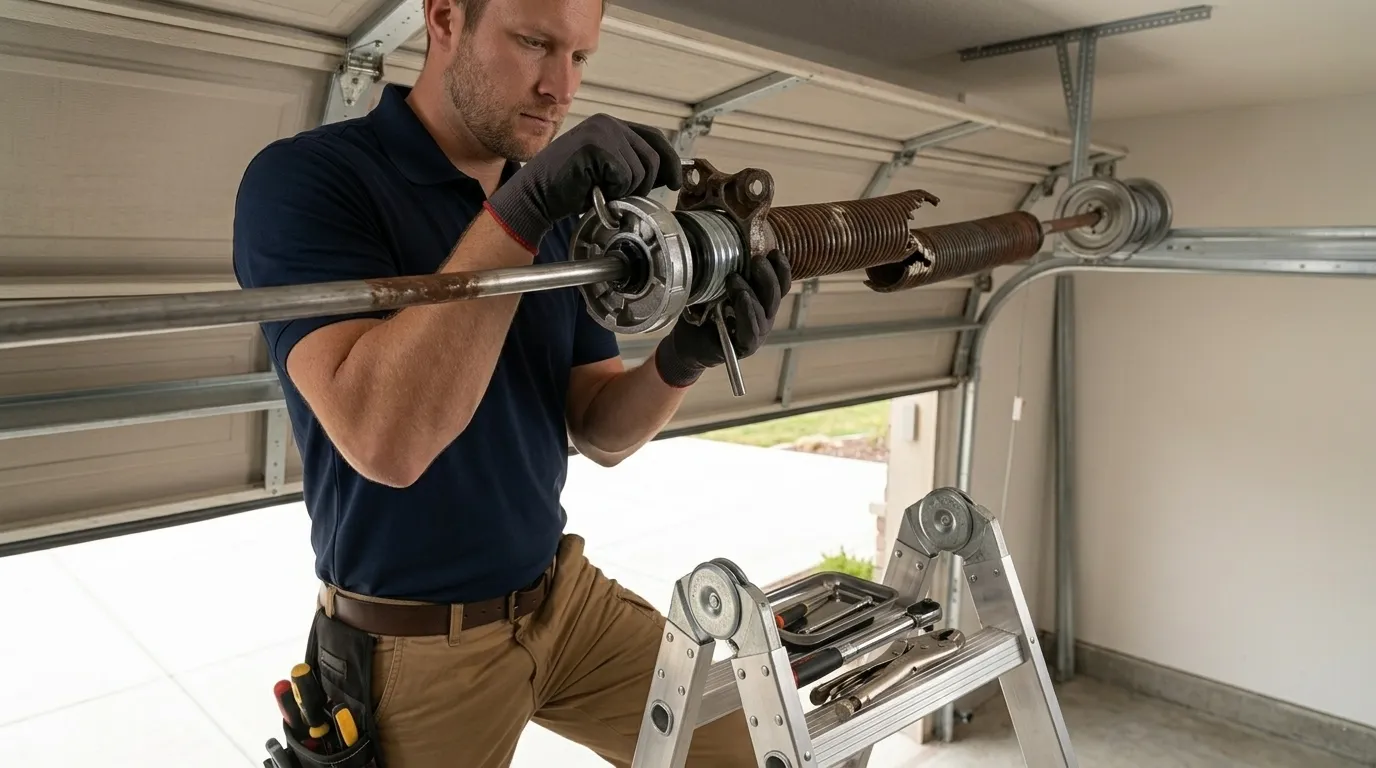
We match the replacement spring to the door's actual weight, not to whatever was on the shaft before - a lot of these original 1950s doors have been reinforced or had panels swapped over the decades, so the old spring may already have been wrong for the door. We measure the door, wind the new torsion spring to the correct number of turns for that weight, and set it on the shaft with the winding bars, not a drill and a guess.

With the spring set, we check the cables and drums for fraying or uneven wrap, since a cable that's been carrying extra load from a weak spring often shows wear you can't see from the floor. Then we run the door through a full balance test - lift it halfway by hand with the opener disconnected and see if it holds. A properly sprung door stays where you put it.

On houses this age we also look at the bottom bracket and rollers while we're in there, because a door that's been straining against a dying spring tends to have knocked those out of alignment too, even if that's not what brought us out.

Can You Do This Yourself

Don't wind a torsion spring yourself. The bars are under enough stored force to break a wrist or worse if they slip, and that's true whether the door is five years old or from the 1950s. This is the one part of the job we'll always tell a homeowner to leave alone, no exceptions.

What you can safely check yourself: whether the door is an extension-spring setup (springs stretch along horizontal tracks above the rails) or torsion (a single spring on a shaft over the door), and whether the cables look frayed or the bottom bracket looks bent. That tells you how urgent the call is before we're on-site.

A median household income of $101,619 in Levittown is close enough to the region's $109,706 that most owners here choose repair over full door replacement, and for a door with sound panels and a straight track, that's usually the right call. Where it isn't - a door that's been forced open on a broken spring for weeks and has a warped track or a cracked bottom panel - is a conversation we have honestly once we're standing in front of it, not one we settle over the phone.
How it works

From “it’s stuck” to “it’s fixed”

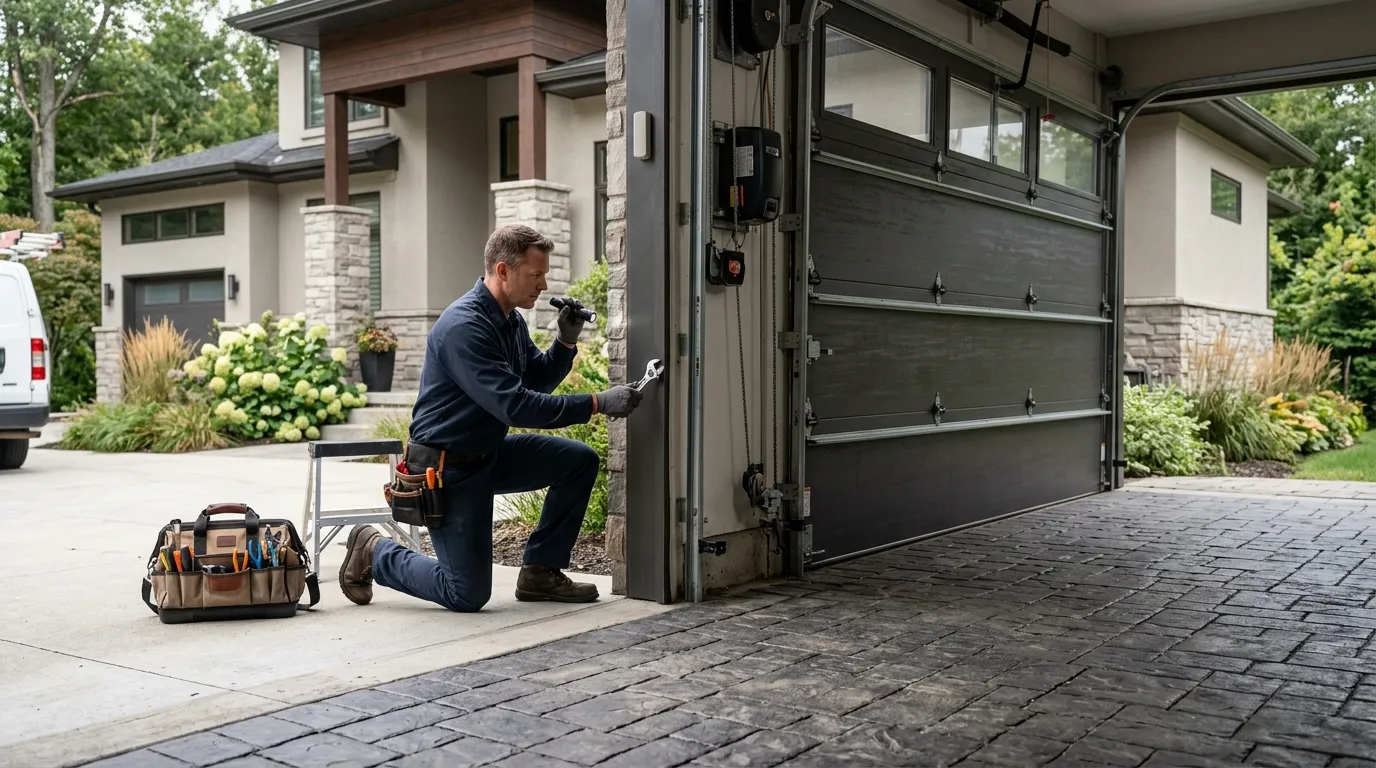
Tell us what’s wrong - Philadelphia garage door service

Tell us what’s wrong

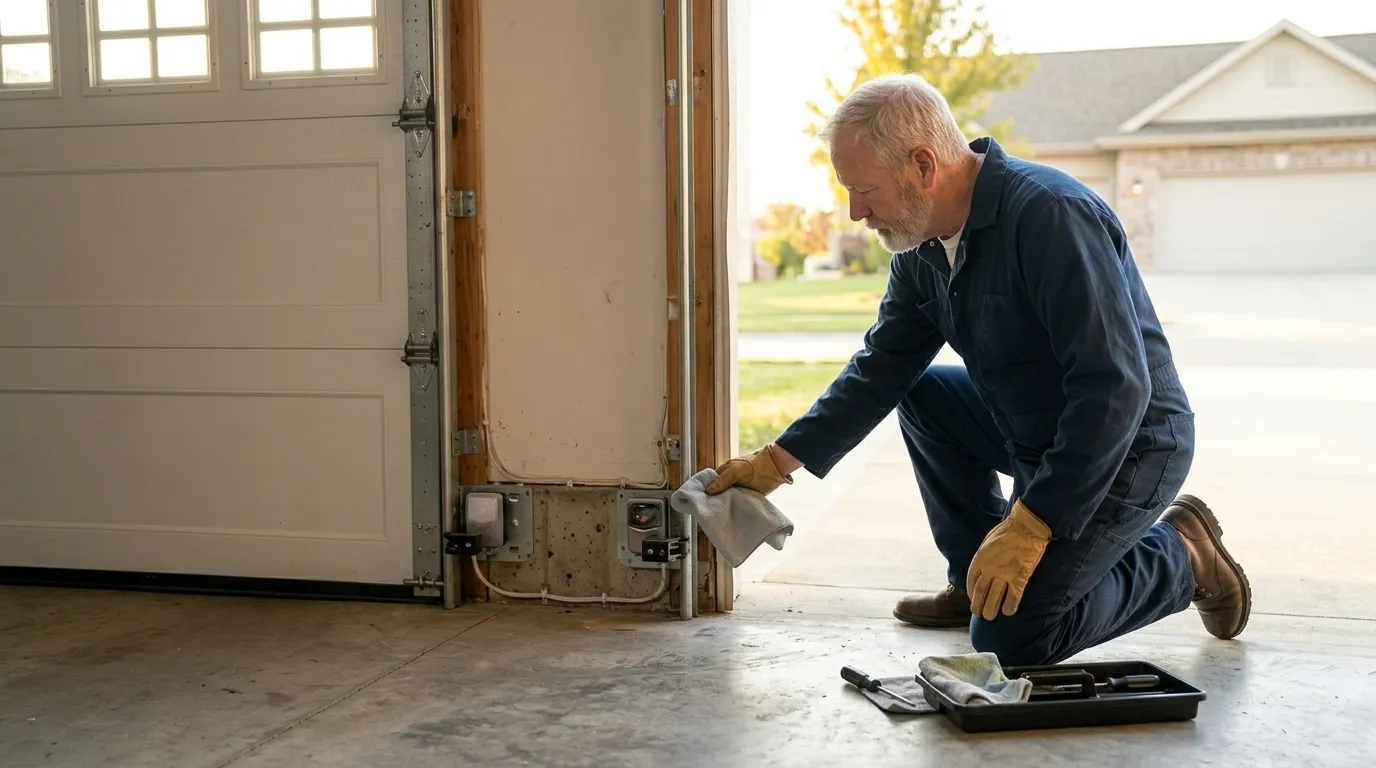
Describe the symptom - won’t open, loud bang, opener runs but the door won’t move.

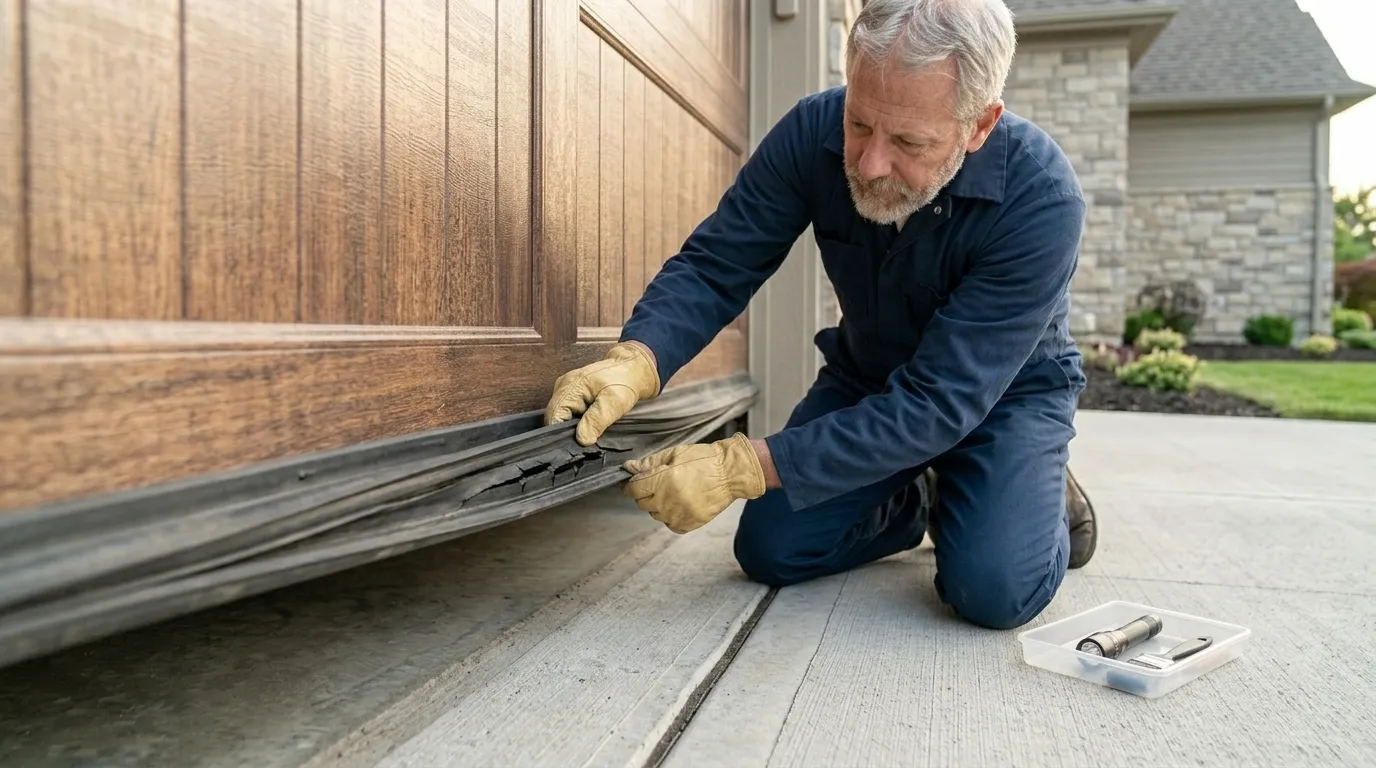
On-site diagnosis - Philadelphia garage door service

On-site diagnosis

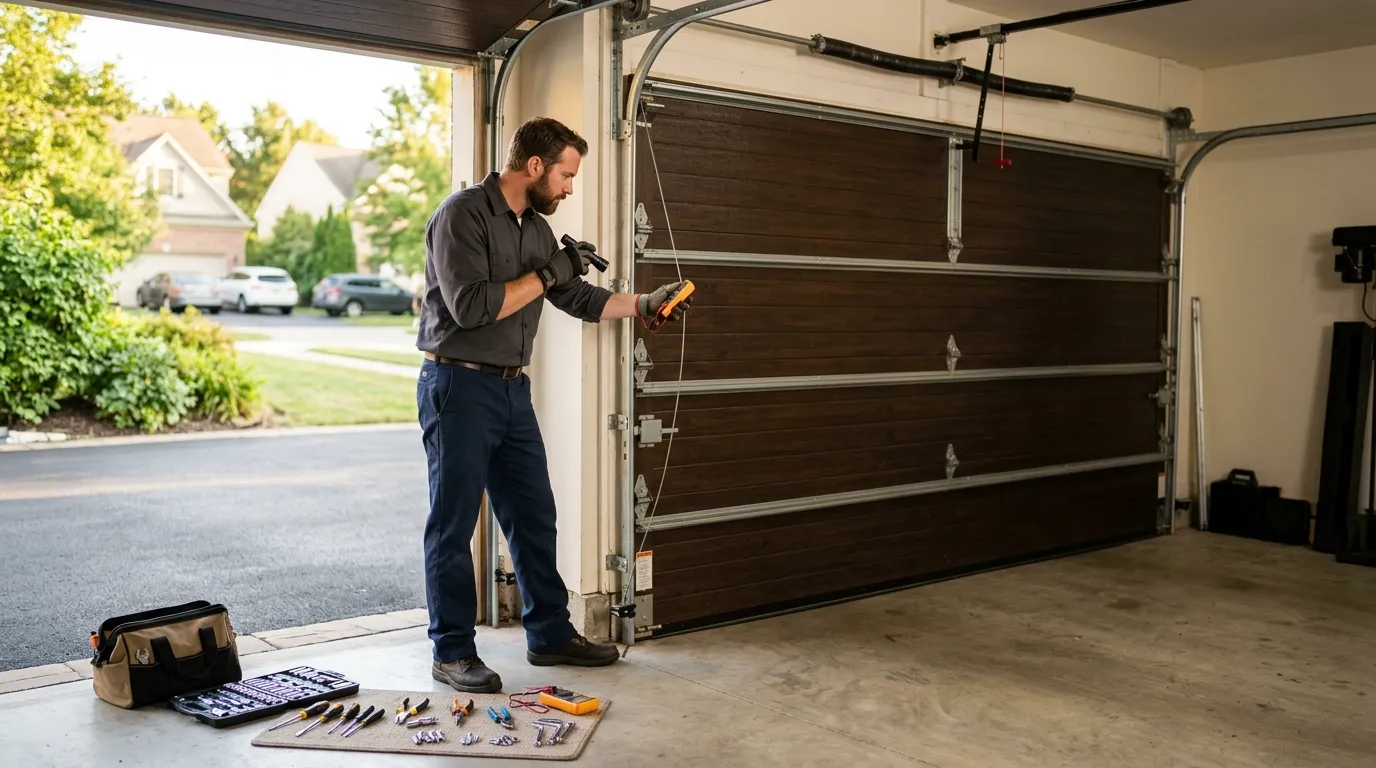
A technician tests the door under power and by hand and finds what actually failed.

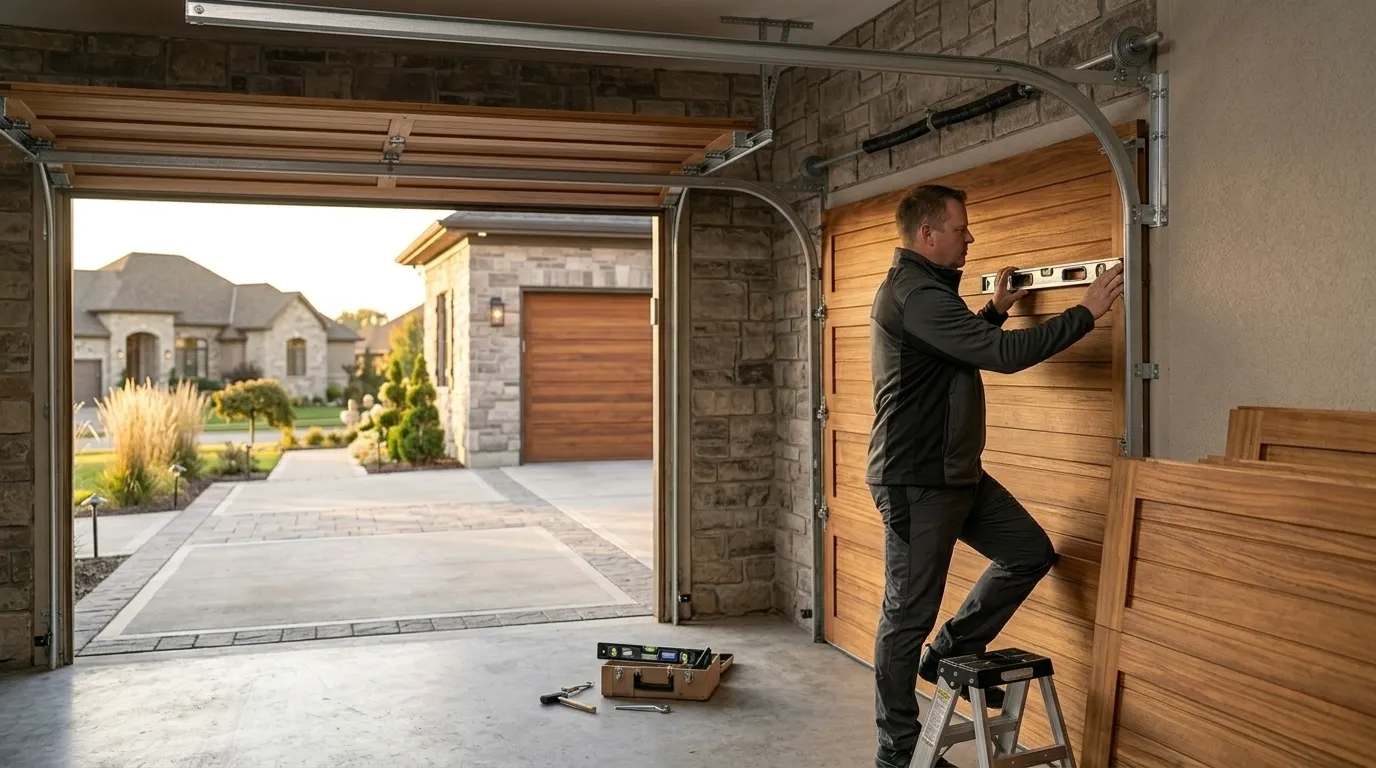
Clear, up-front plan - Philadelphia garage door service

Clear, up-front plan

You get the fix that’s needed and what drives the cost - before any work starts.

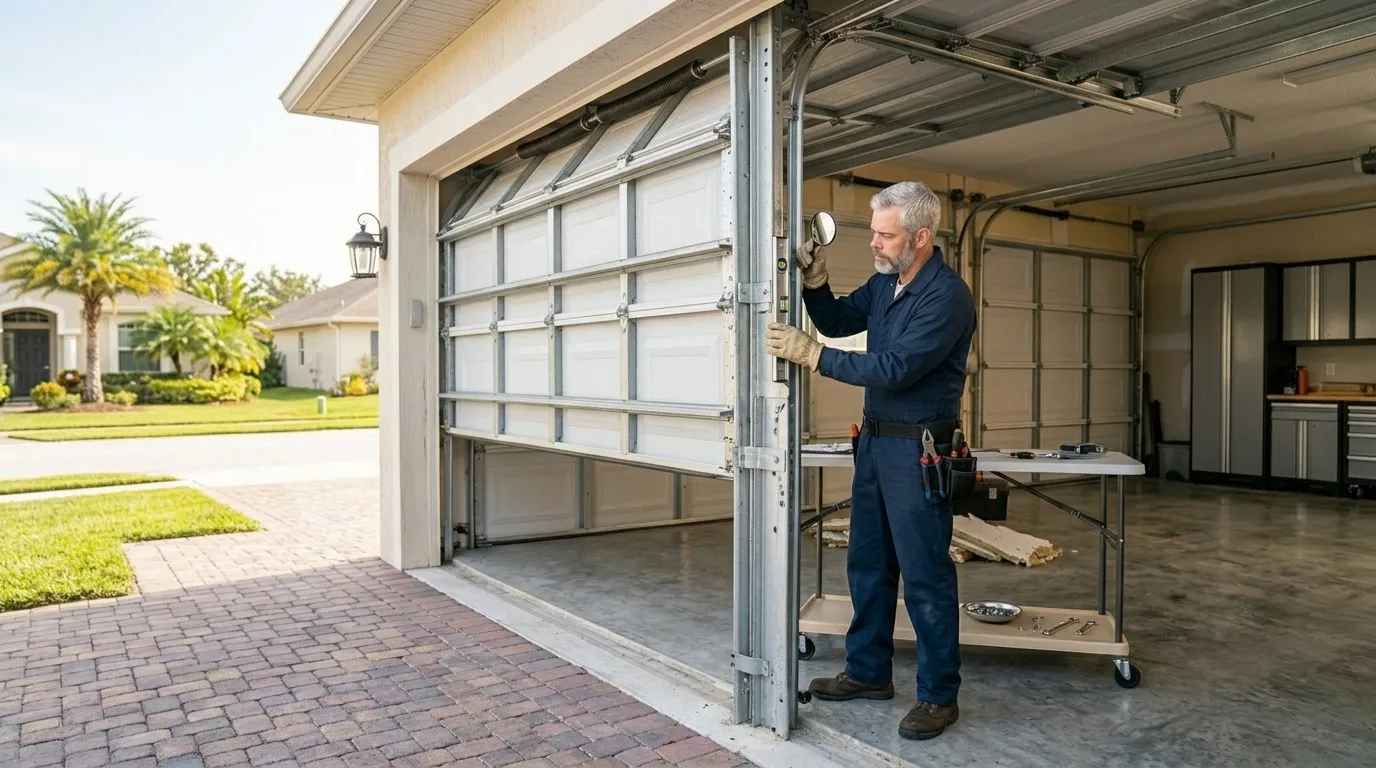
Repaired & tested - Philadelphia garage door service

Repaired & tested

The repair is done, the door is set true and tested, and the work area left clean.

Serving Philadelphia, PA - tell us what your door’s doing and we’ll take it from there.

How we work

What to expect

Diagnosis first

Every visit starts by finding what actually failed - not a pre-written parts list.

The right part for the door

Springs and openers matched to the door’s weight and age, so the fix holds up.

Straight answers

When a repair makes more sense than a replacement - or the reverse - you hear it plainly.

Clean, careful work

Tension released safely, hardware set true, the door tested under power before we leave.

1,573,916Residents in Philadelphia
8Garage door services
7Neighborhoods & suburbs
PAServing Philadelphia, PA
Questions

Frequently asked

Straight answers about garage door repair in Philadelphia. Still unsure? Ask us directly.

Why does the estimate depend on where the door was made or when the house was built?

Because Levittown's original garage doors, mostly installed when the town went up around 1956, use spring wire sizes and wind patterns less common today than what's standard on newer doors. Matching the wrong spring to an older door's weight causes it to bind or slam, so we measure rather than guess based on the door's age.

Do you keep a truck stocked near Levittown?

No. We run out of Philadelphia, about 18 miles away, and that drive is part of how a call here gets scheduled. There's no local depot, so we plan the route to your address before we plan the repair.

Is it ever cheaper to replace the whole door instead of just the spring?

Sometimes, but not usually for a spring alone. If the spring failure has bent the bottom bracket, warped the track, or cracked a panel on an older door, we'll say so on-site and walk you through repair versus replacement rather than just swap the spring and leave the rest broken.

Why did my spring snap in the cold?

This area sits in a severe cold climate band, and steel spring wire fatigues faster through hard freeze-thaw swings than in milder regions. A spring that's been slowly losing tension for years is far more likely to give out on a hard freeze morning than on a mild one, which is why winter is when we see the most of these calls.

Ready to get your garage door sorted?

Tell us what it’s doing and where you are in Philadelphia - we’ll take it from there.

Request a QuoteCall