The Complications
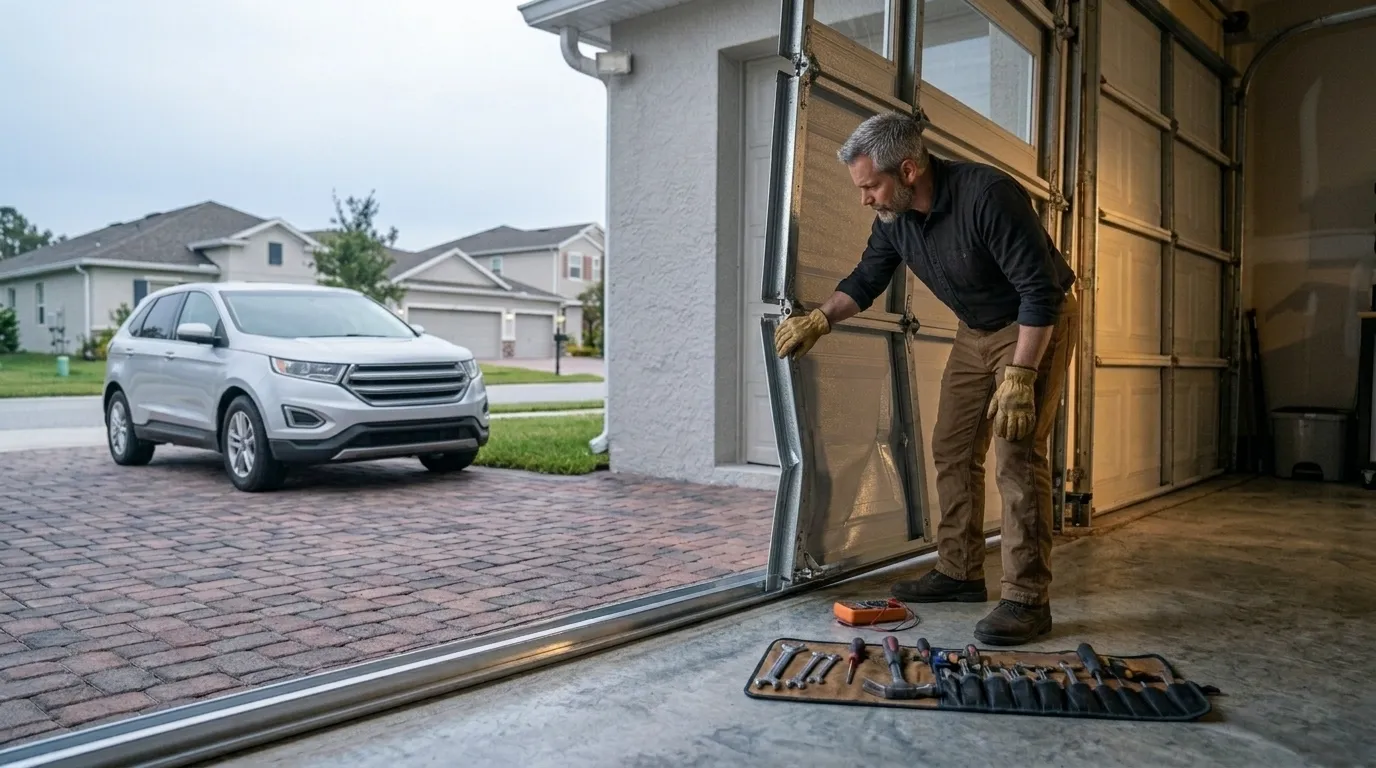
This area sits in a severe cold climate band, and a steel door built before insulated cores were standard doesn't handle that well over sixty winters. Freeze-thaw cycling works on the weld points and the seal channel long before it works on the visible skin, so a door can look fine and still be pulling loose at the corner brackets. Levittown's own commercial footprint is small relative to the service area - 18,140 households here against roughly 409,216 across the territory we cover - which means parts distributors don't stock much specific to this pocket, and older track profiles or drum sizes sometimes take a call to source rather than a pull off the truck. Income here runs a bit under the area median, $101,619 against $109,706 overall, and that shows up in the calls we get: more owners asking to patch the existing spring and track system than to replace the whole door outright. That's not a bad instinct on a door that's structurally sound. It's a bad instinct on a door where the drum or the shaft is worn past spec, because a patched fix on bad hardware fails again inside a season.
How Long It Takes
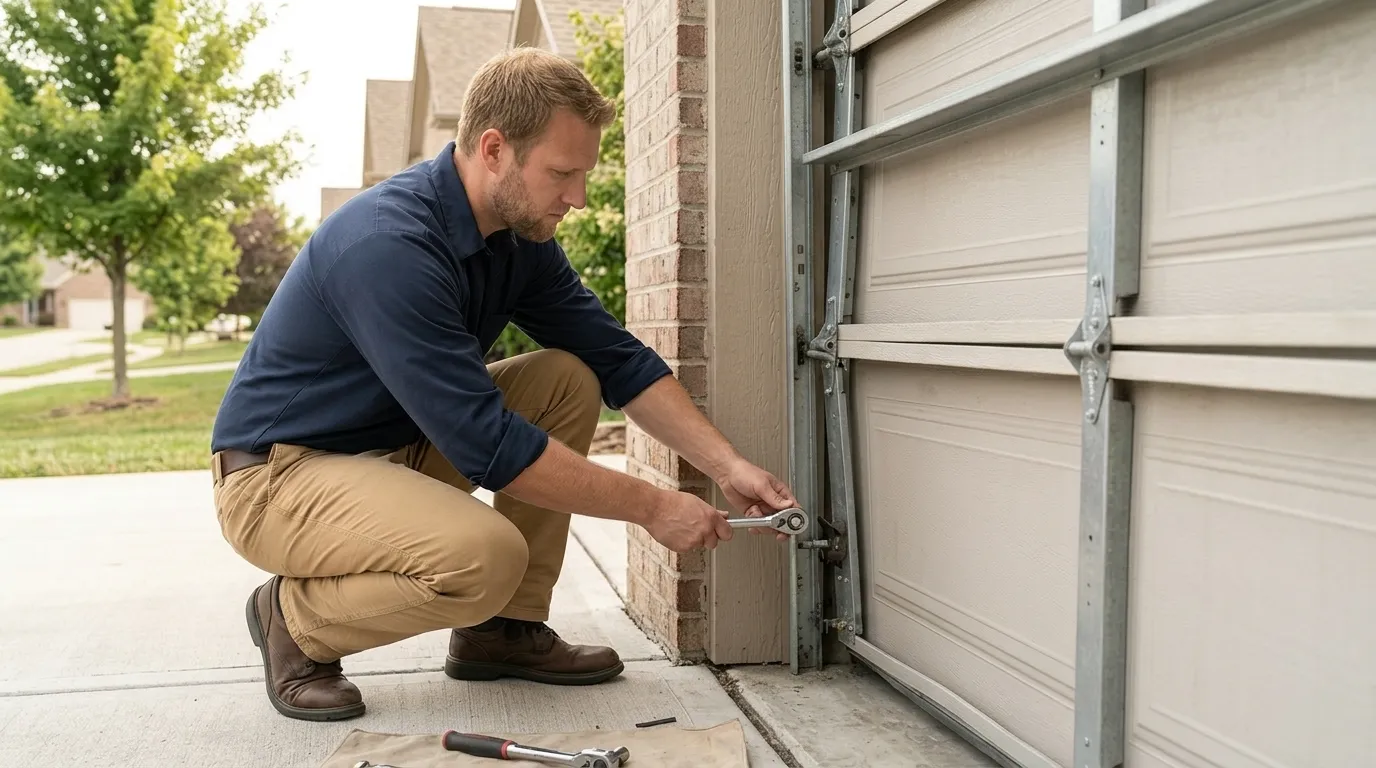
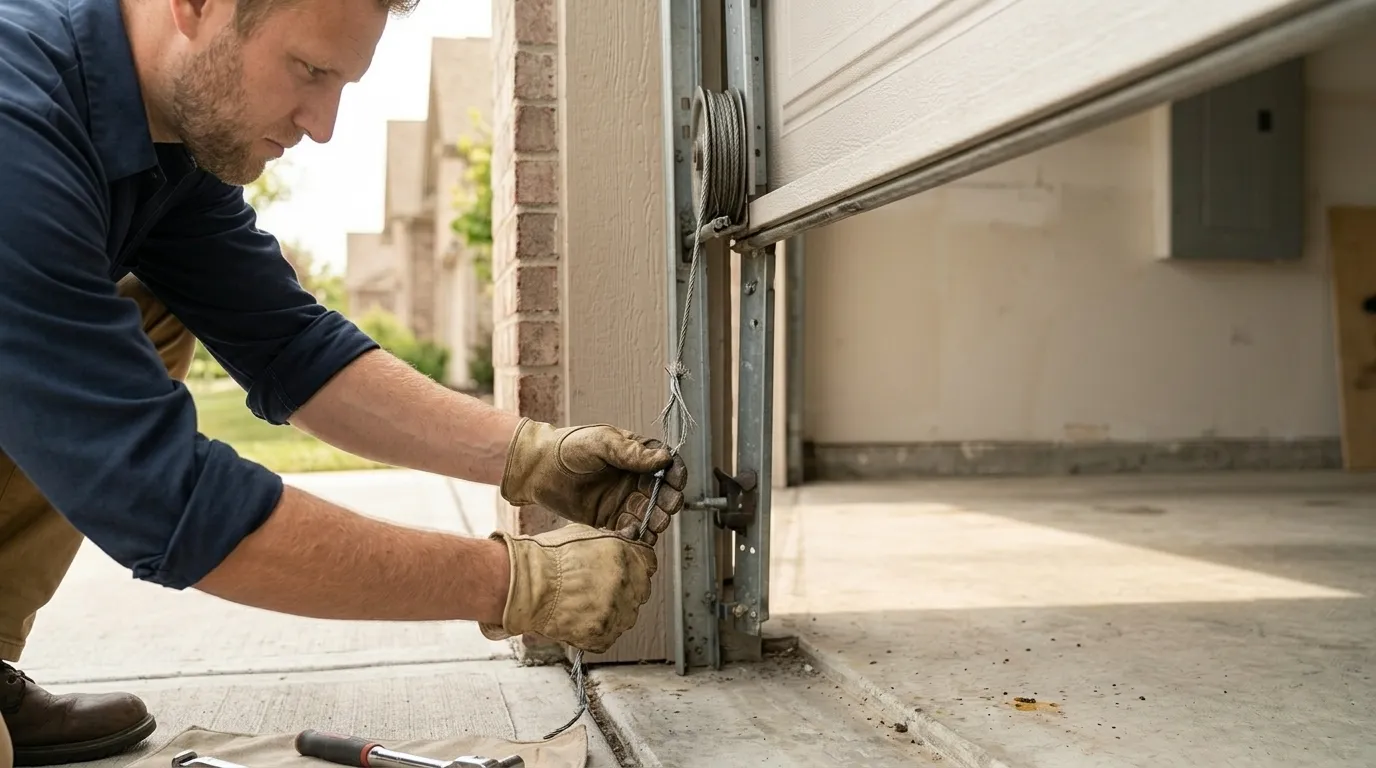
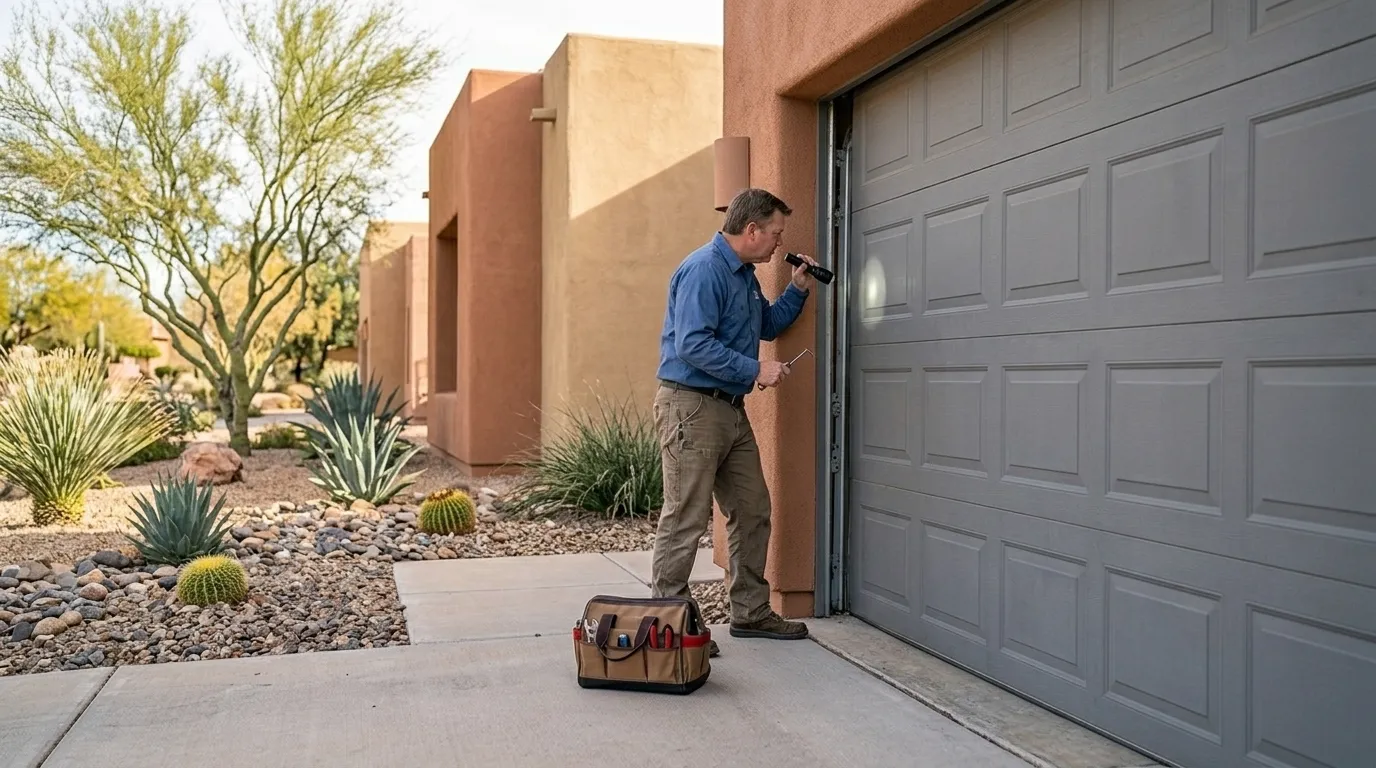
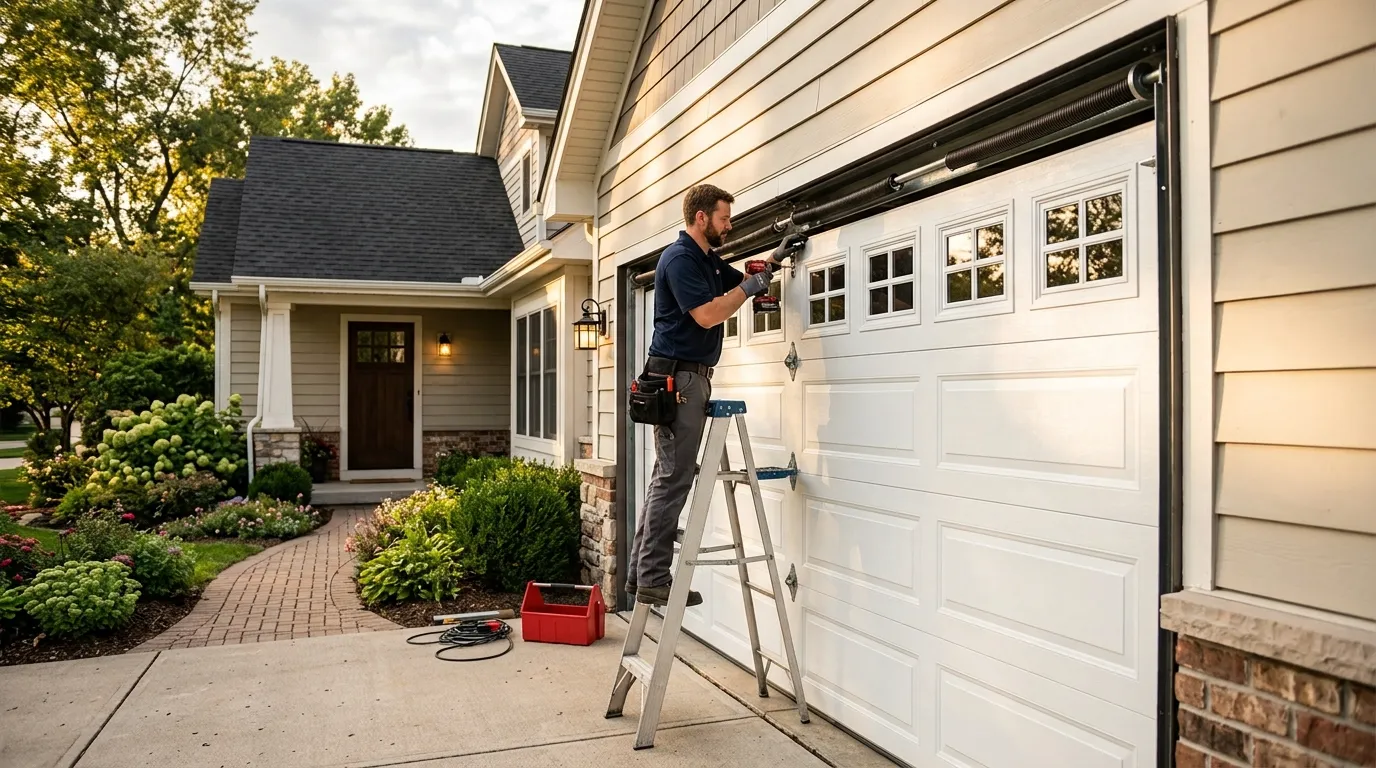
A straightforward spring or cable swap on a commercial section door, once we're on site, runs a couple of hours. Track realignment or drum replacement on 1950s-era mounting takes longer, because the bolt pattern and the header clearance on a building this old don't always match a current stock bracket, and we're shimming or adapting rather than bolting straight across. We travel from Philadelphia to reach Levittown, roughly 18 miles out, so factor drive time into any same-day request - we don't run a branch here, and we're not going to tell you we do. What we can say is that most jobs are diagnosed on the first visit. The exception is anything needing a part we don't carry standard, which on original 1950s hardware happens more than it would on a door installed in the last fifteen years. If that's the case we'll tell you on site, order it, and schedule the return trip rather than leave a door half-fixed.
Can You Do This Yourself
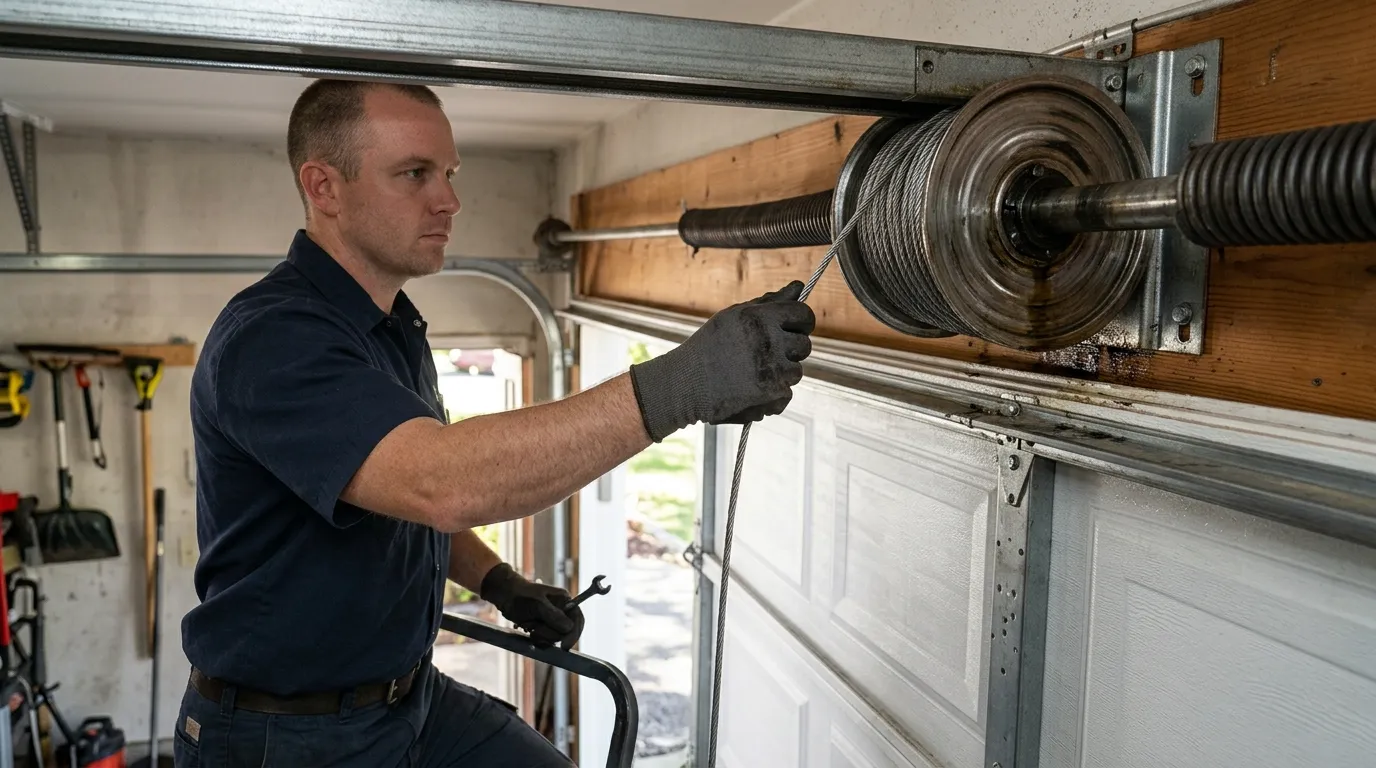
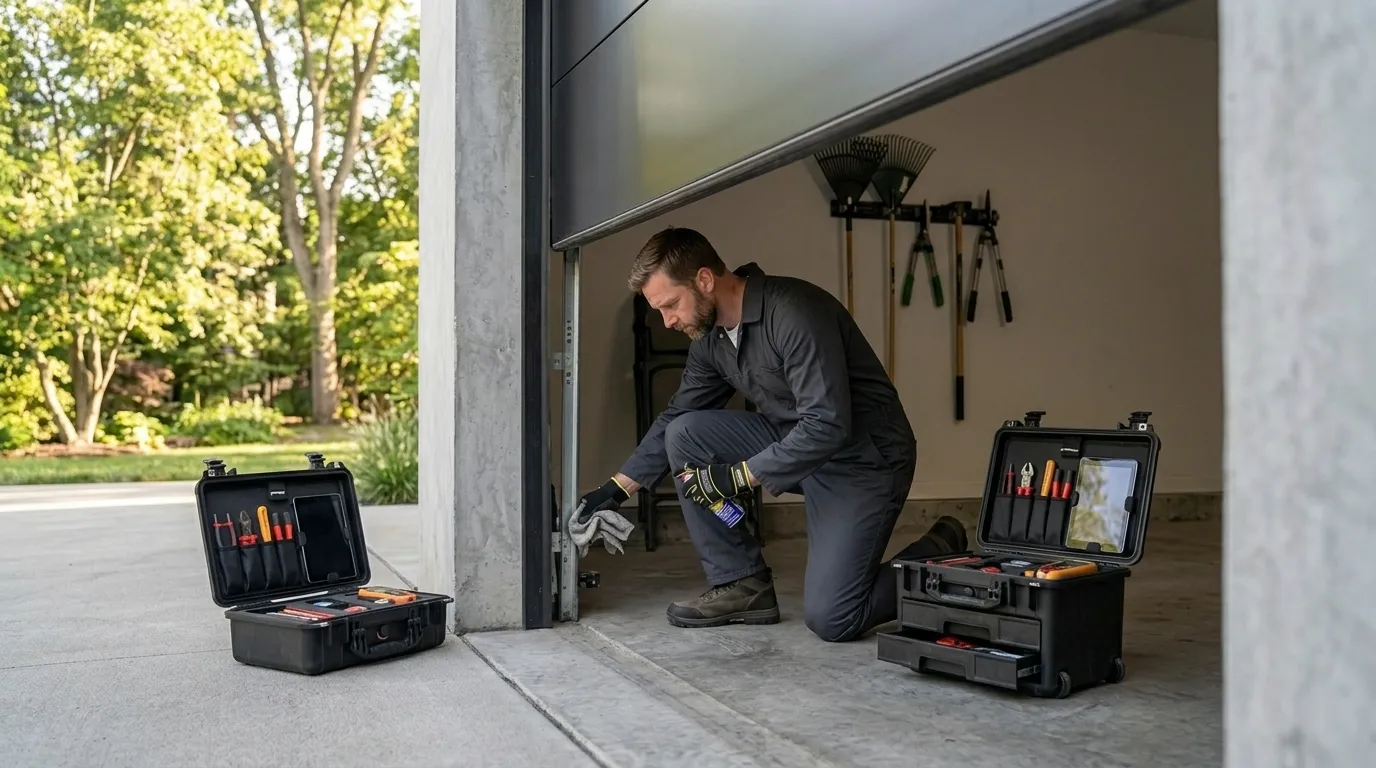
Lubricating rollers and hinges, checking the photo-eye alignment, and clearing track debris are fine to handle yourself and worth doing regularly on a door this old. Touching the torsion spring is not. A commercial door's spring is sized to lift a heavier, wider section than a residential door, and on original 1950s hardware you often can't verify the wind tension or the shaft condition without specialized tools - guessing wrong on a spring under that much load is how people end up in the emergency room, not just out a repair bill. Our honest limitation: we're not local to Levittown, so we can't offer a walk-in look at a door the way a shop based here might. If the job is a simple bolt adjustment or a sensor reset, a building manager can often do it without a call. Anything involving the spring, drum, or cable on hardware this old is worth the trip out.