What the Fix Involves
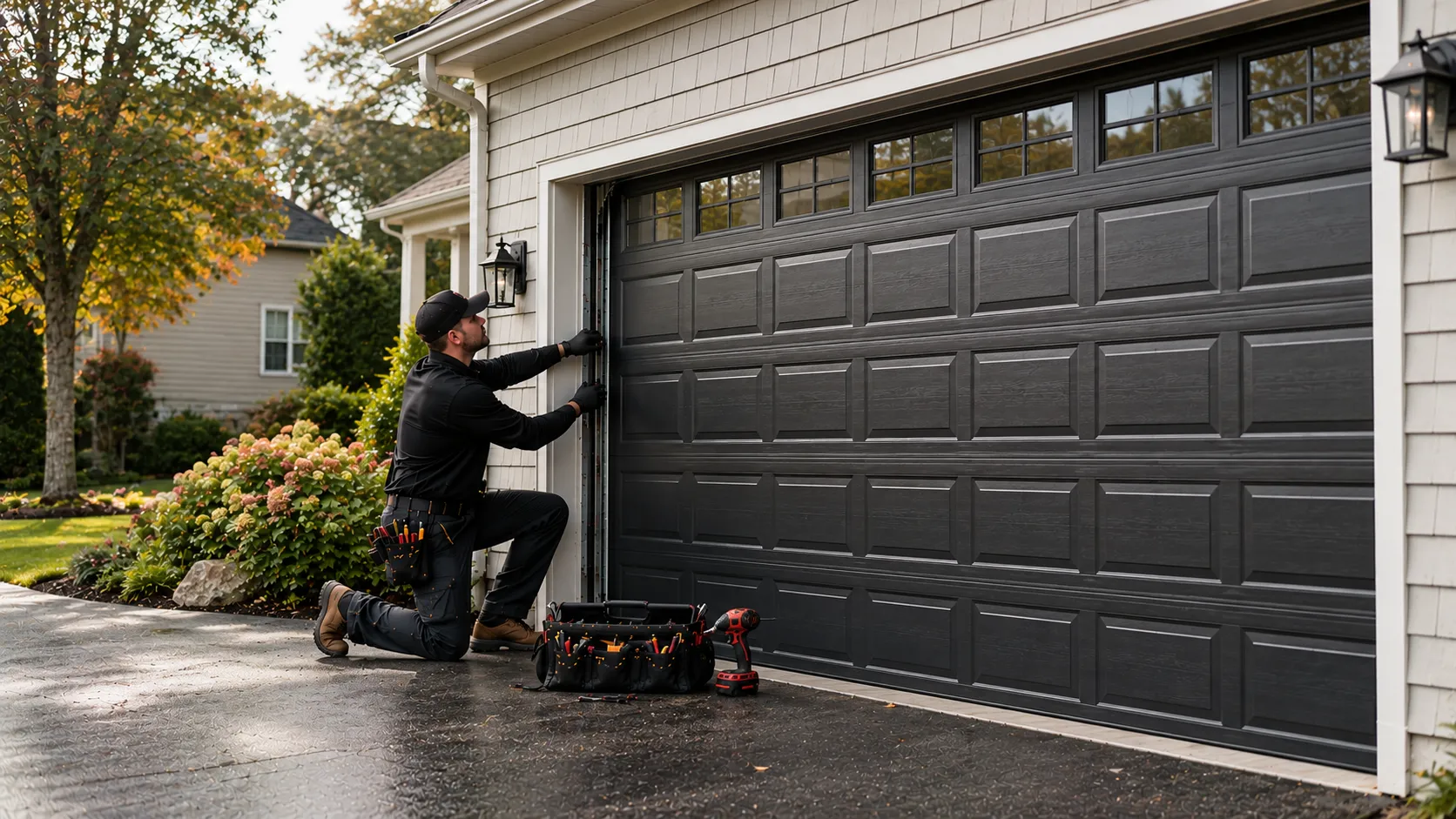
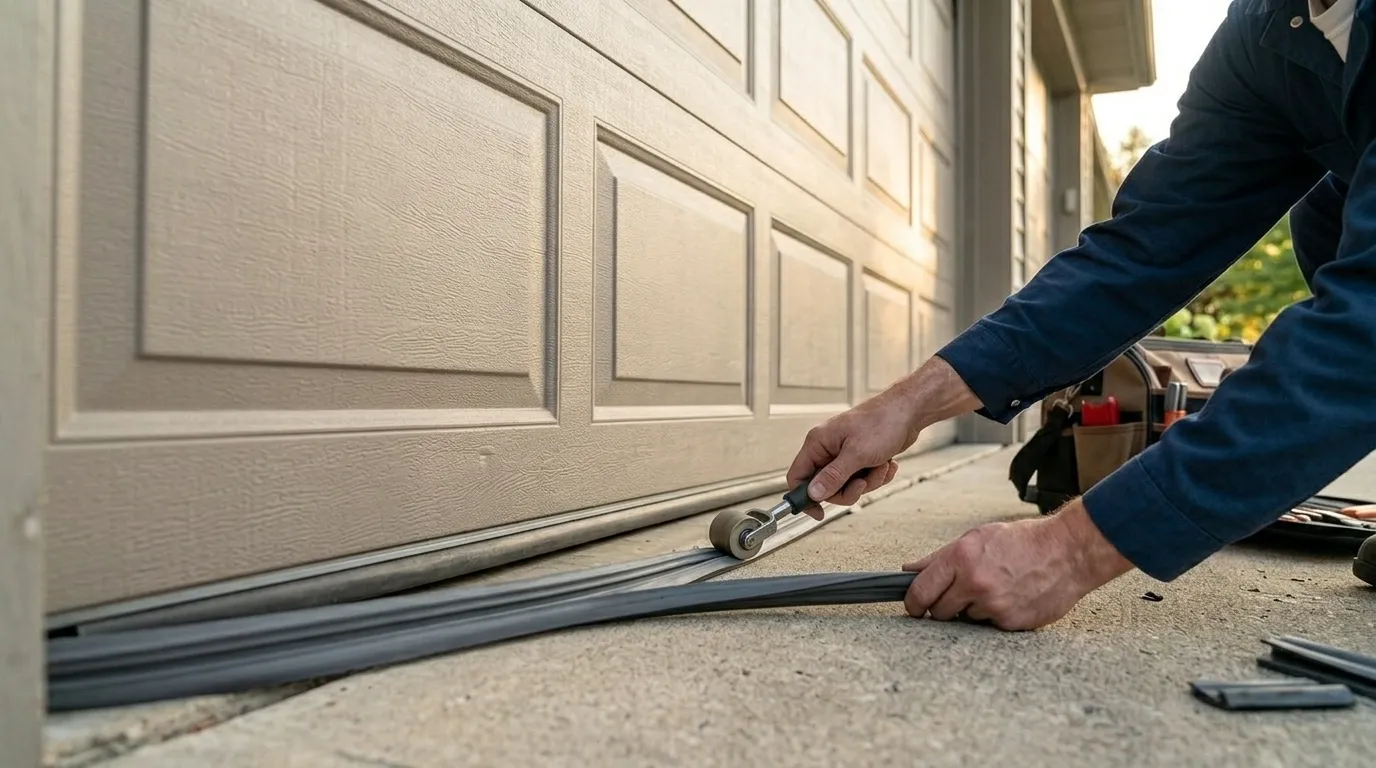
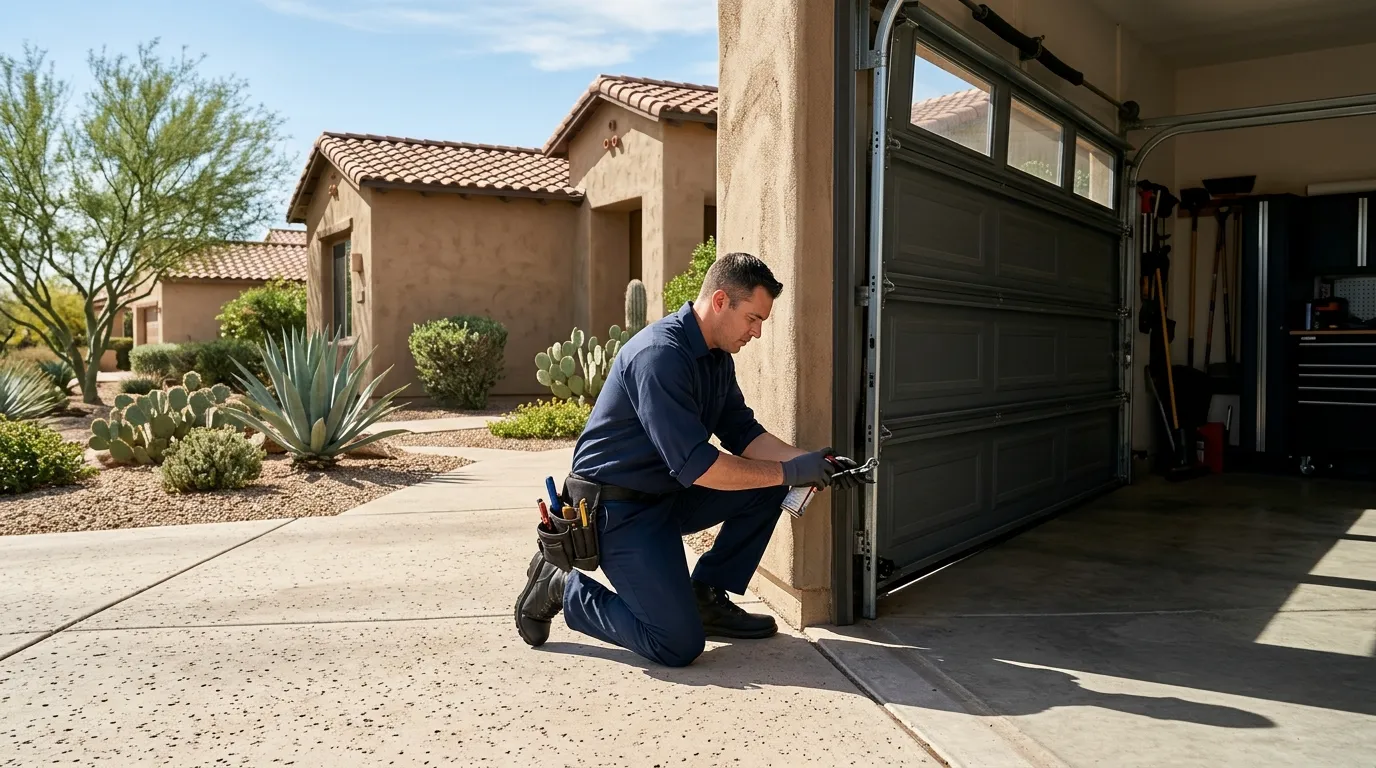
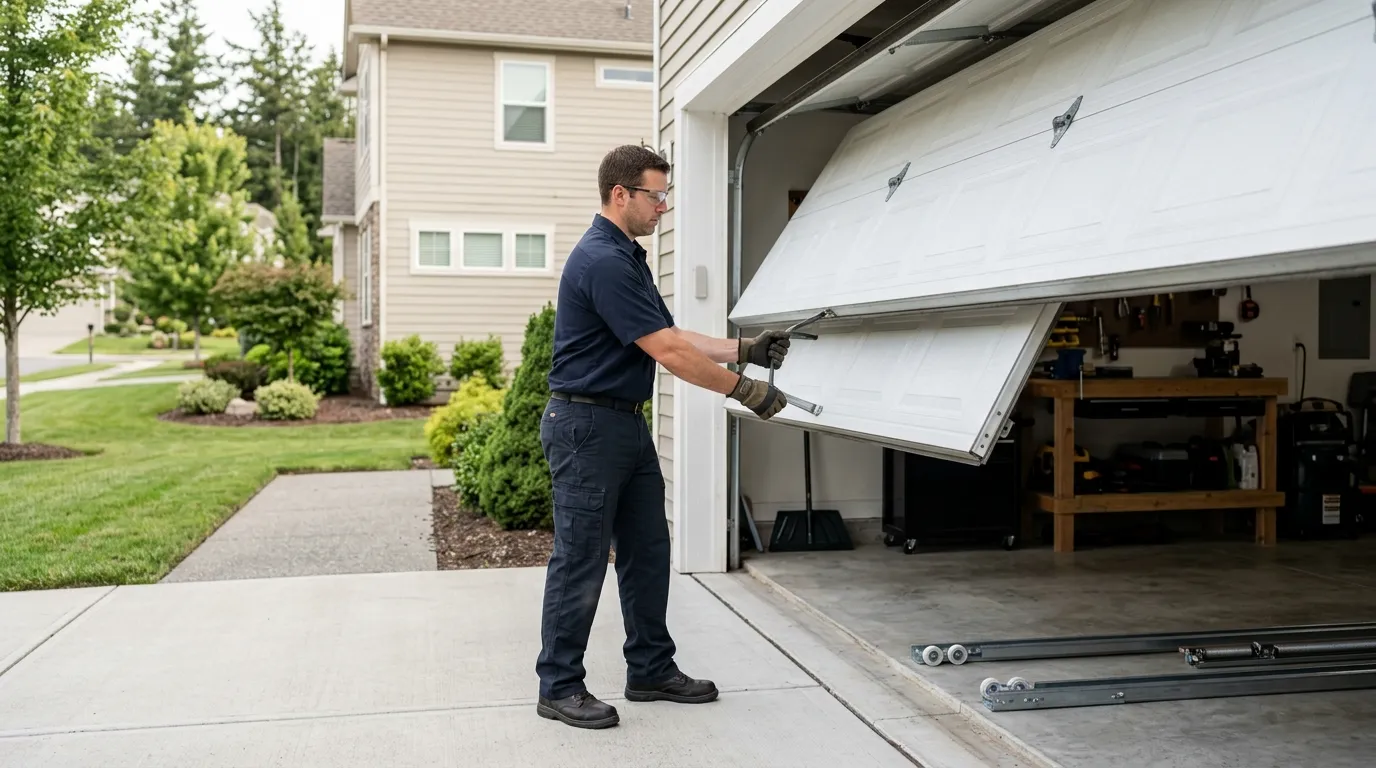
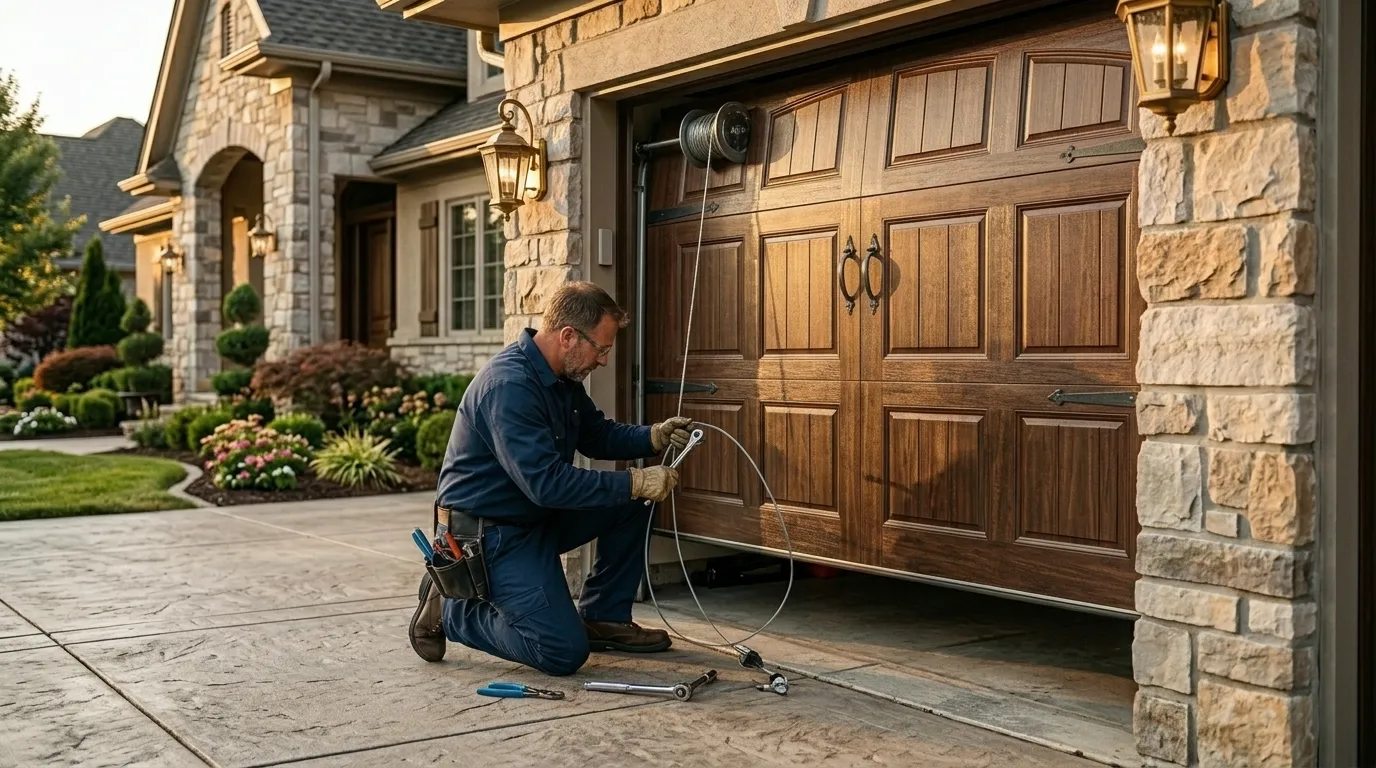
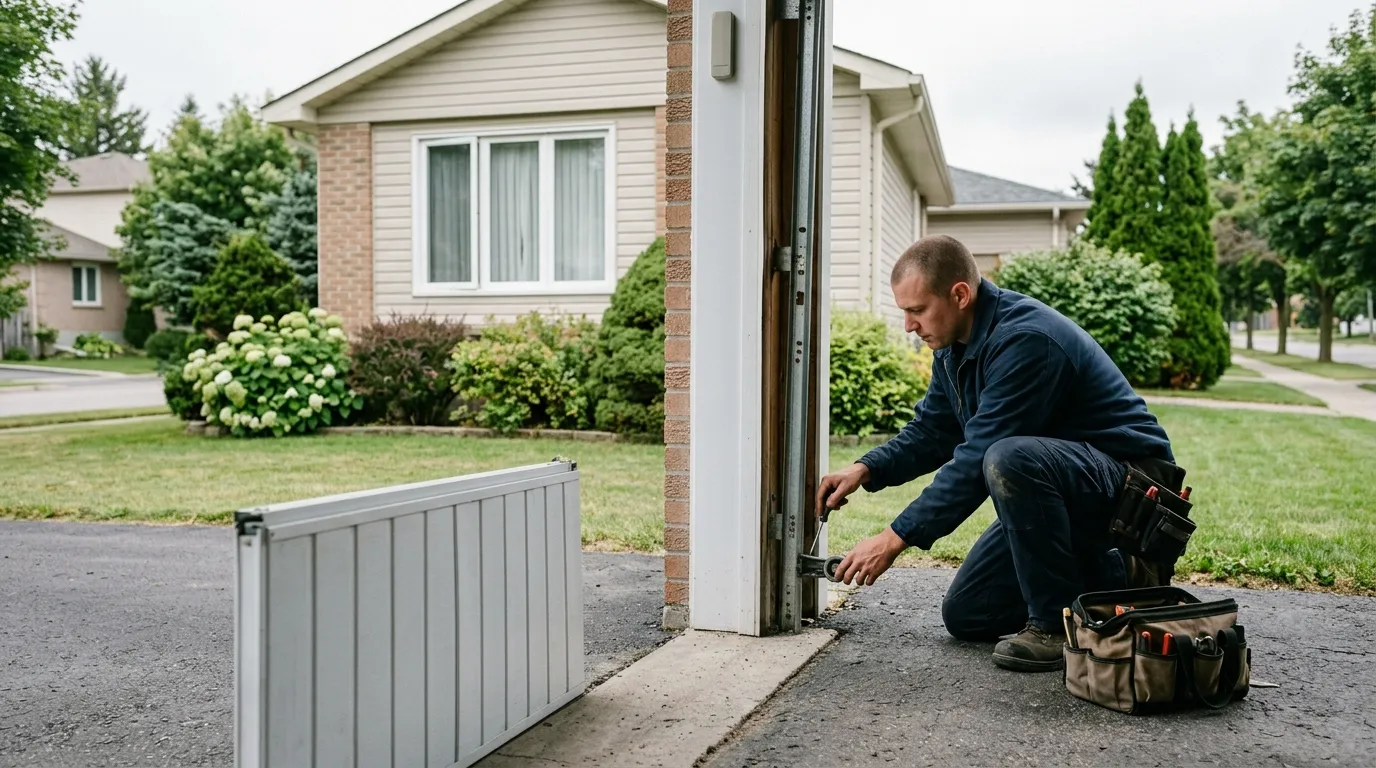
A cable job is straightforward in theory: unwind the tension, pull the old cable off the drum, run a new one, reset the tension, test the balance. In practice, on a door built around the housing stock's median year of 1949, the drums, tracks and end bearings are often sized differently than what a big-box replacement cable is cut for. We measure and cut to the door in front of us rather than assume a stock length fits. If the cable snapped because it was rubbing on a bent track or a seized roller, we fix that too - a new cable on a track that's still cutting into it just fails again in a few months. Two-cable doors (one per side) almost always get both replaced together, even if only one broke, because the other side is at the same age and the same wear.
What You Pay
We don't have a set number to publish for Darby specifically, and we're not going to invent one. What we can say is that cable jobs here tend to be simple, single-visit repairs rather than full replacements, because the failure is usually just the cable and maybe a roller or two - not the spring, not the opener. Darby's median household income sits at $45,128, notably below the wider service area's $109,706, and we price the job in front of us rather than apply a regional average. If a cable snap has also bent the track or cracked a panel, we'll tell you that before we start, not after, so you're not surprised by an add-on.
The Complications
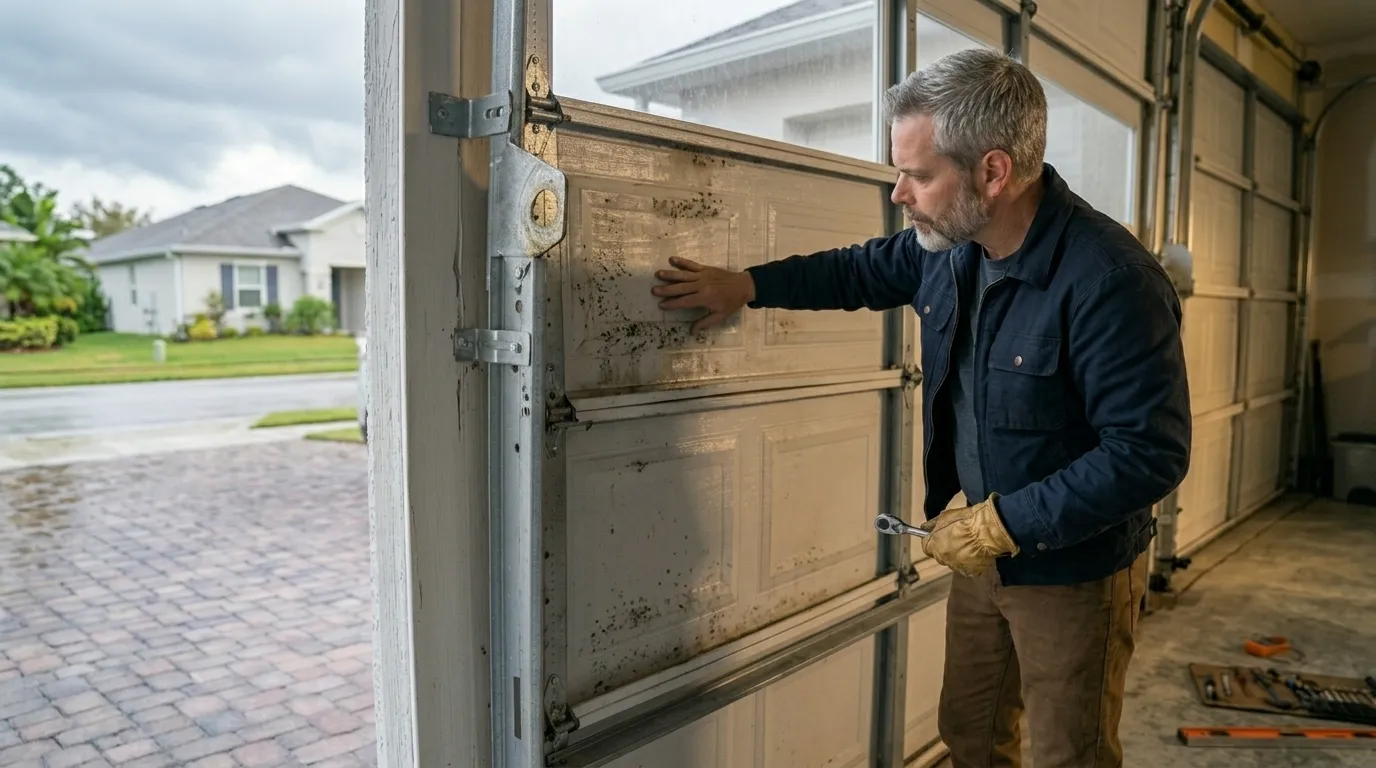
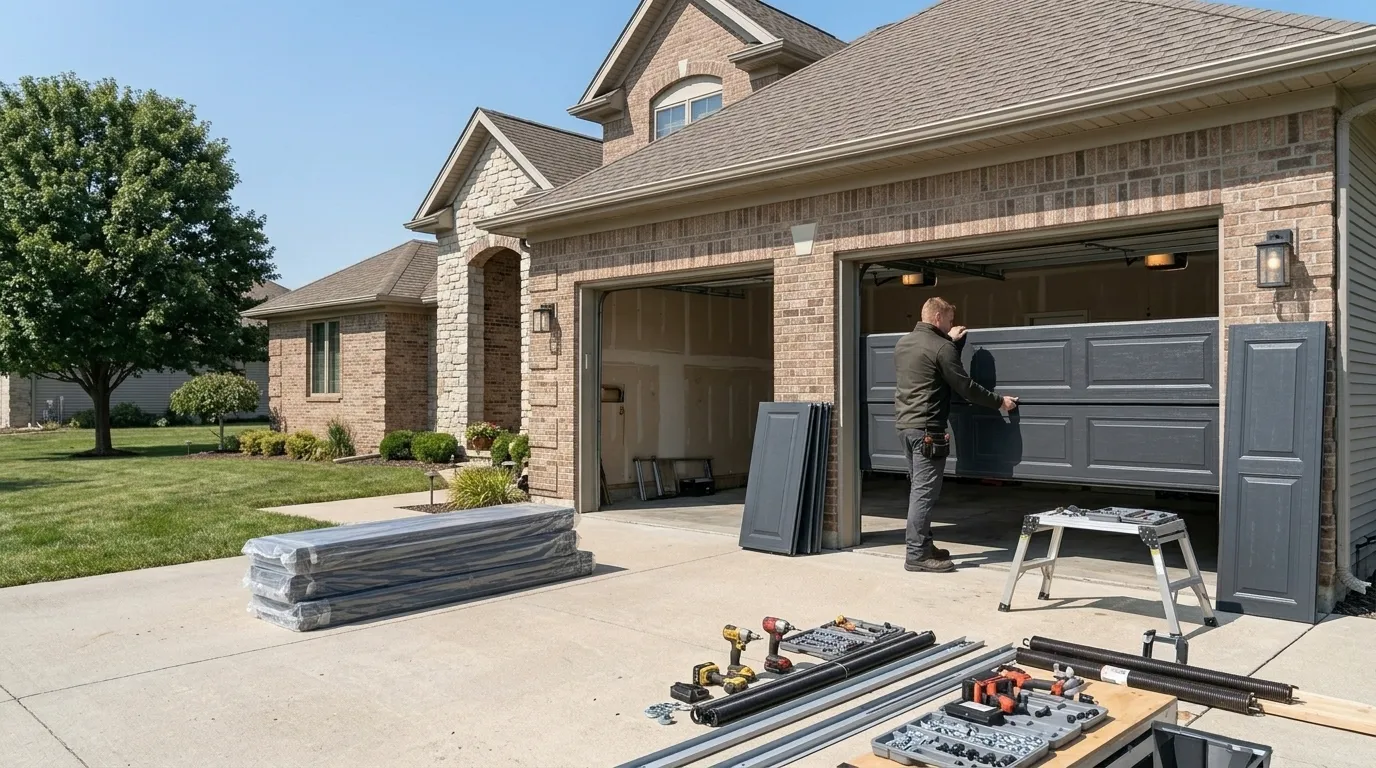
The complication in a place like Darby isn't the repair itself - it's what's underneath it. Doors from the late 1940s often ran on hardware sizes that newer supply catalogs don't stock as a default: different drum diameters, different cable gauges, sometimes a track profile that doesn't match anything currently sold off the shelf. We carry common sizes on the truck, but a nonstandard drum can mean a second trip if the borough's older housing threw us something unusual. We tell you this up front rather than promise a one-visit fix and miss it. The other complication: on a door this old, a cable failure sometimes reveals that the spring is close behind it - same age, same wear - and replacing one without at least checking the other is a false economy.
Can You Do This Yourself
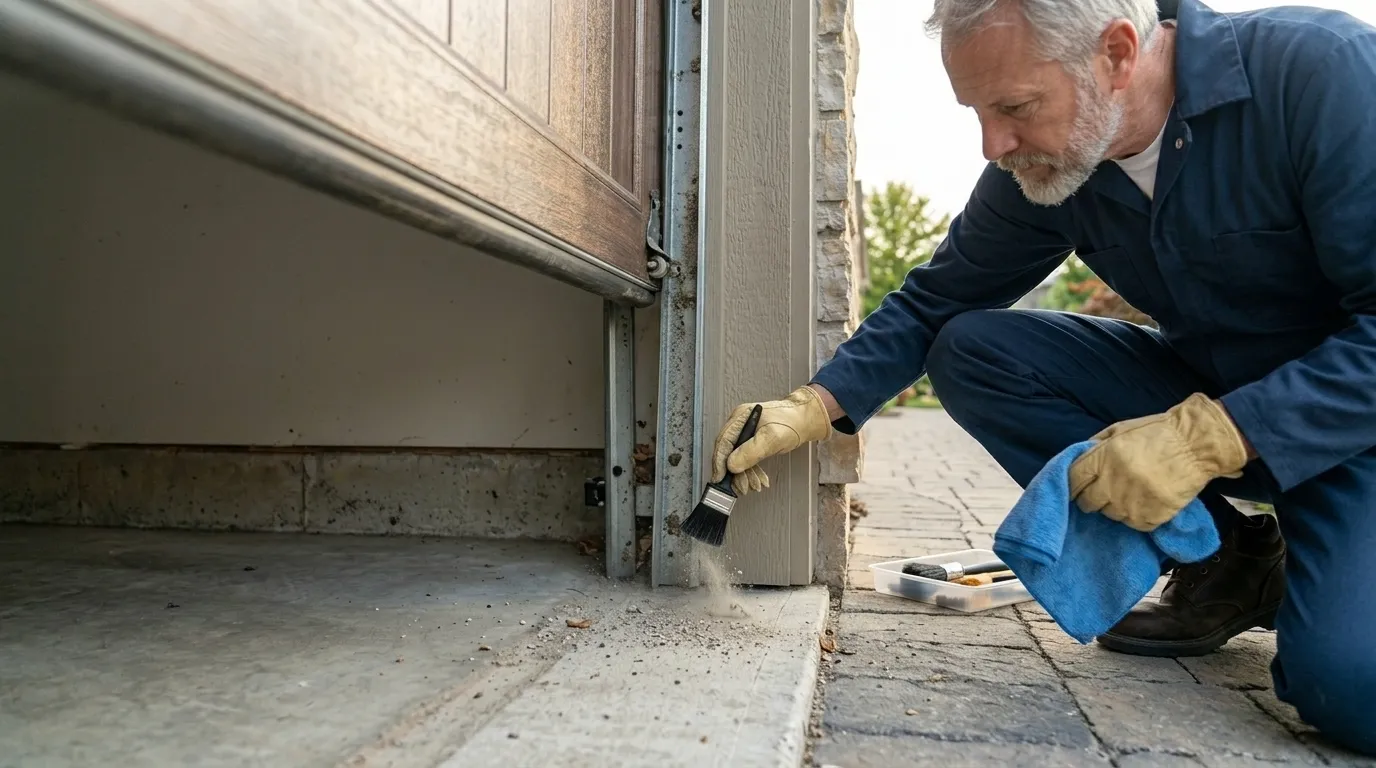
We'll say it plainly: don't. A garage door cable is under real tension even when the door looks still, and a cable that's already frayed can let go while you're handling it. We've seen the injuries that come from someone trying to save a service call on exactly this repair. If you're comfortable and mechanically capable, you can inspect for fraying at the drum and check that the rollers spin freely - that's useful information to give us on the phone. But cutting, winding, and tensioning a new cable on a door built when Darby's housing stock went up isn't a first-timer job, and the parts aren't always the ones the internet assumes you'll have.