What the Fix Involves
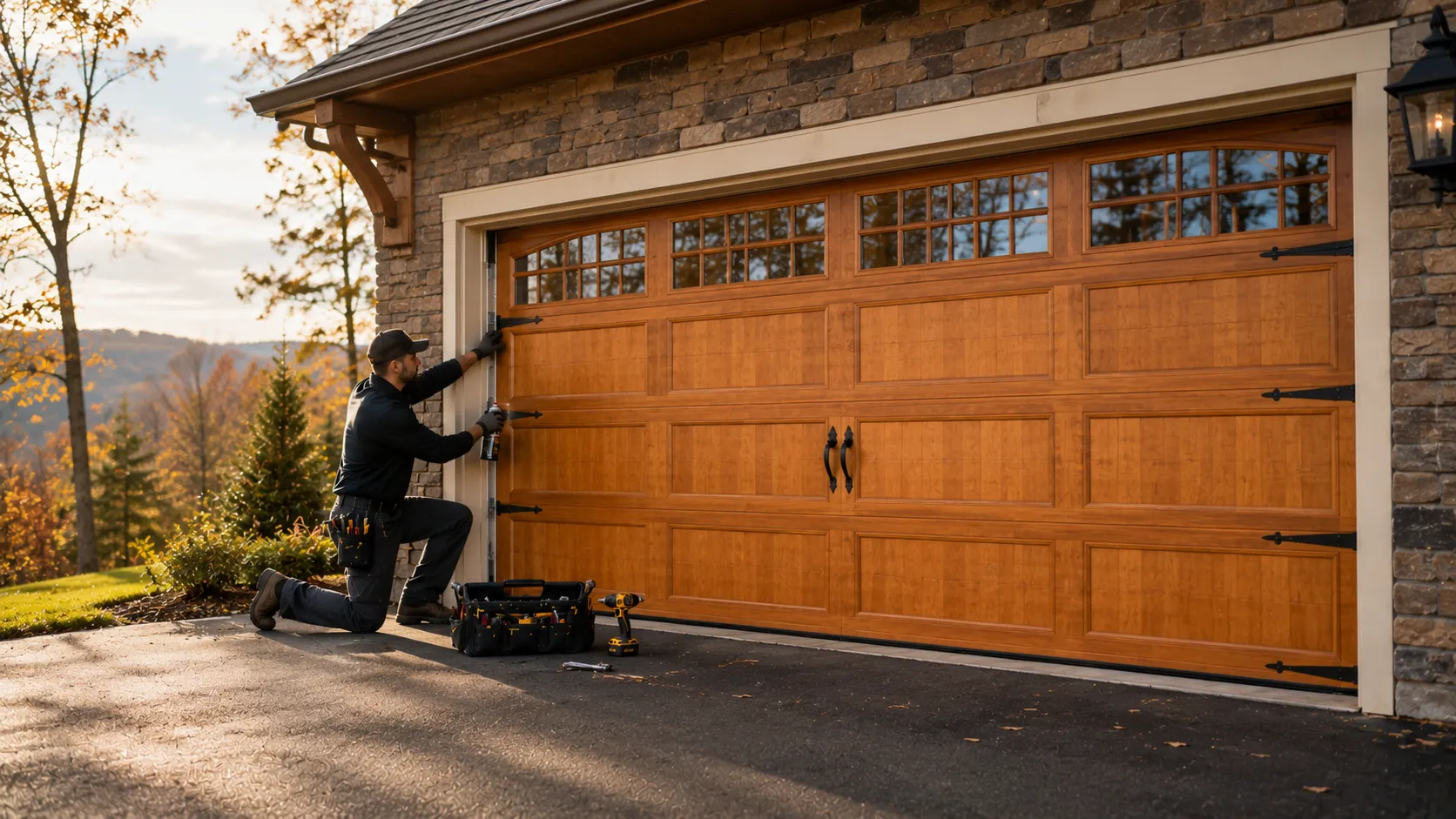
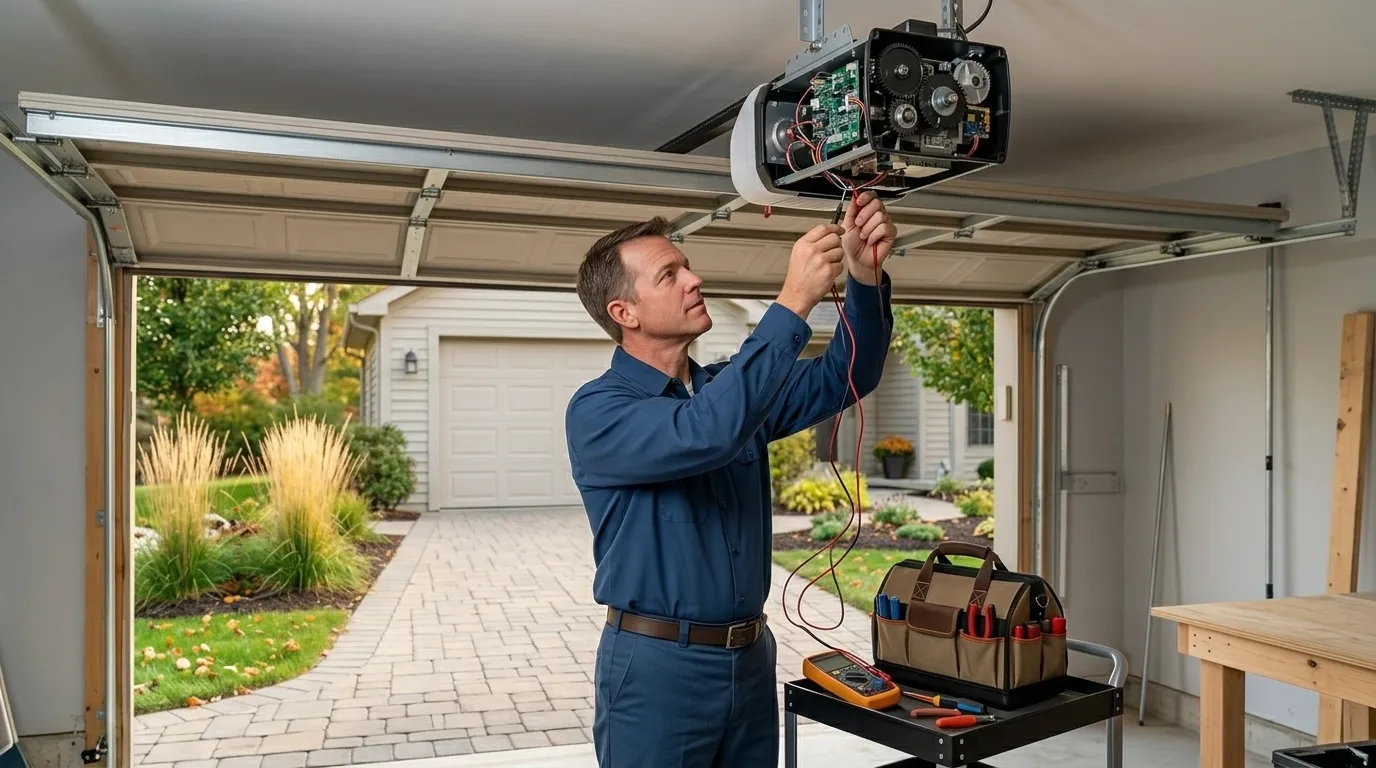
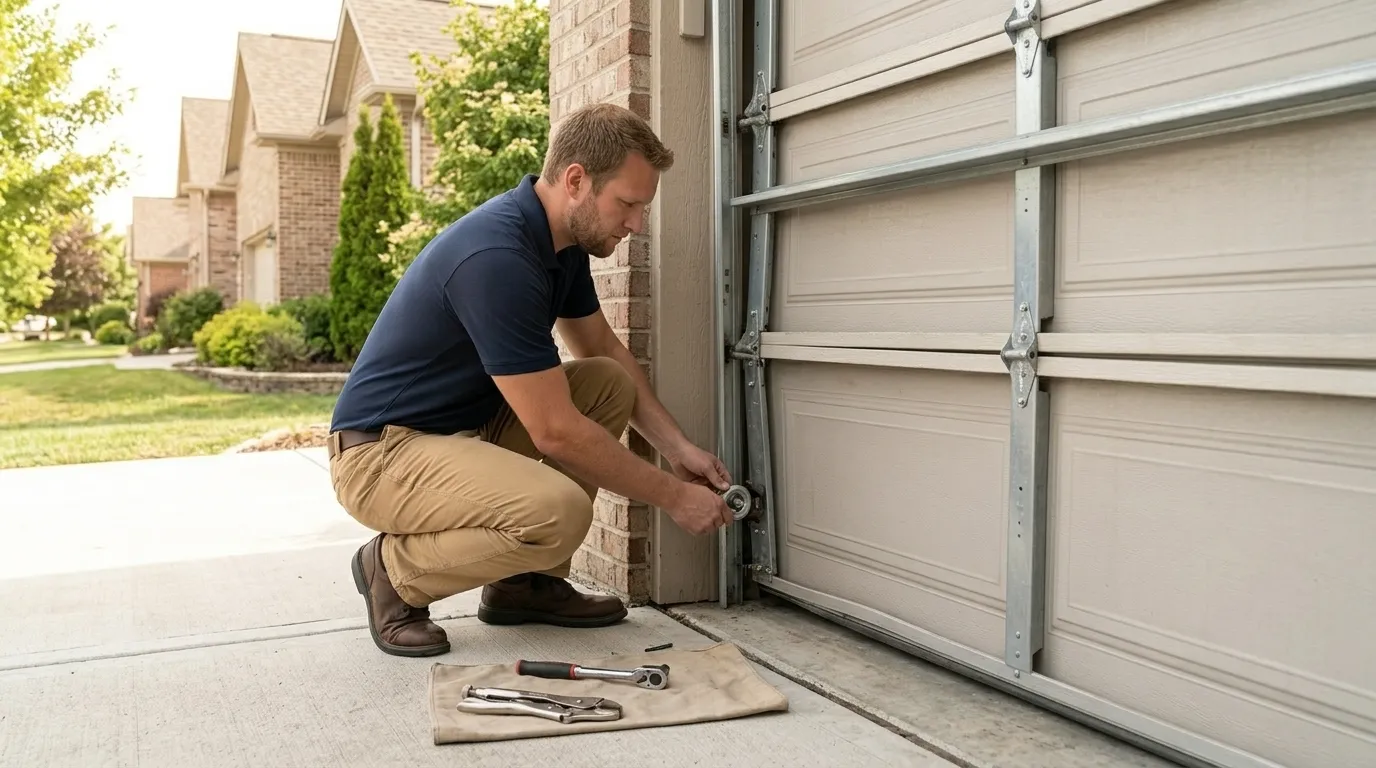
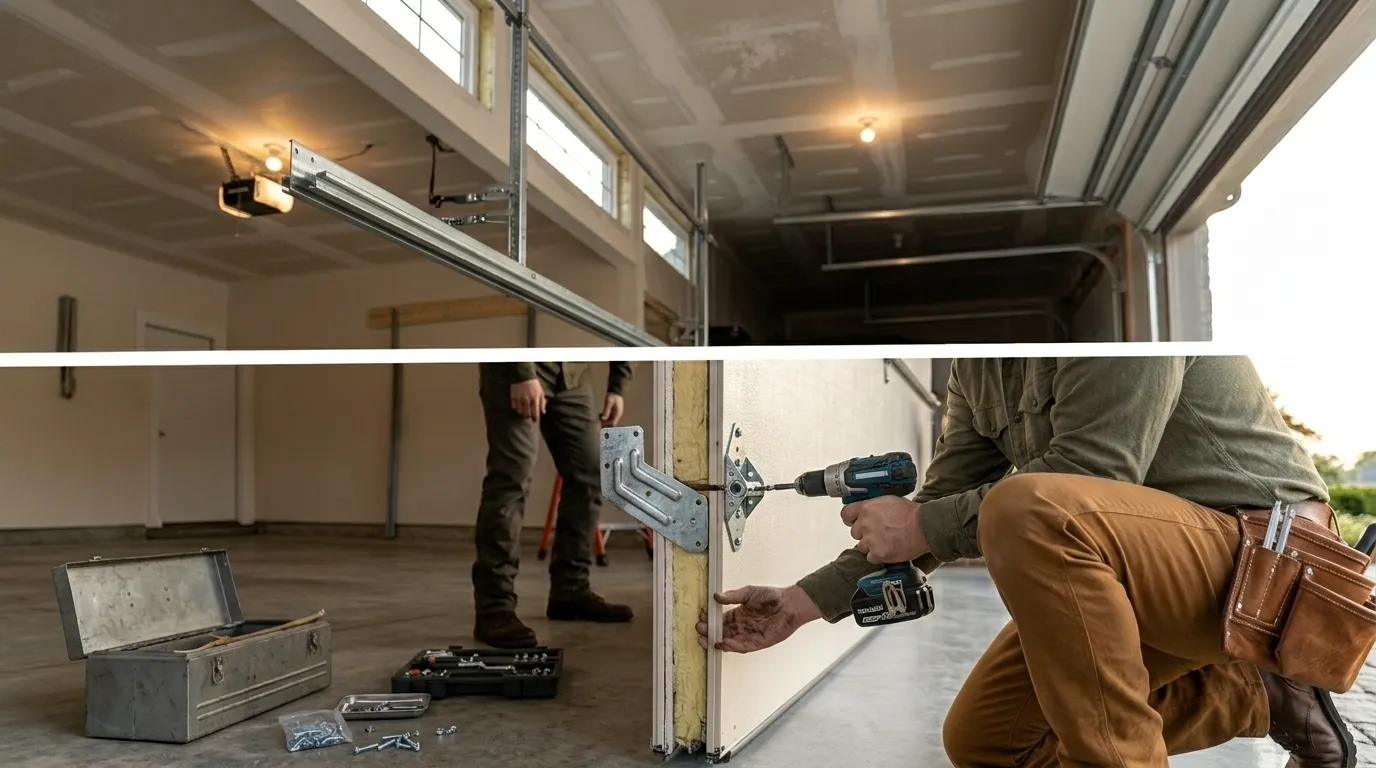
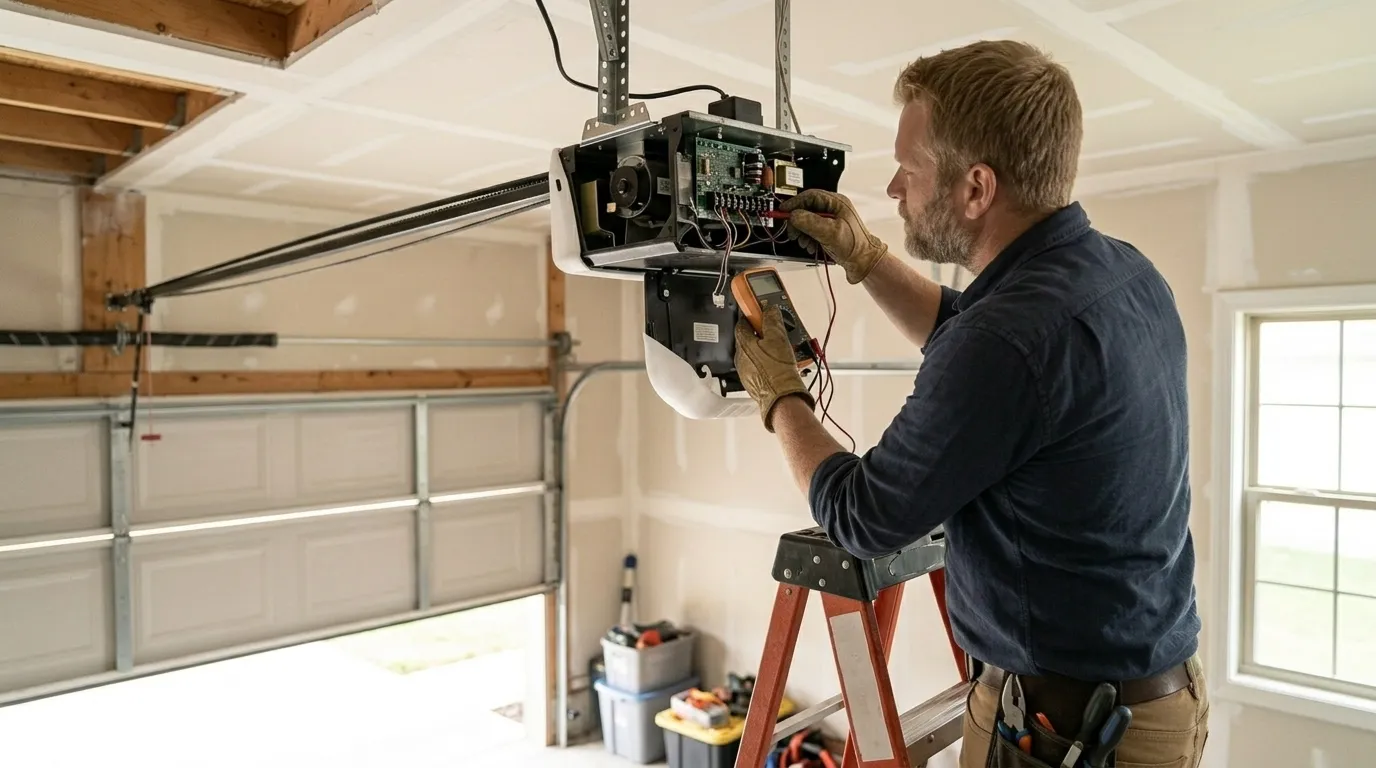
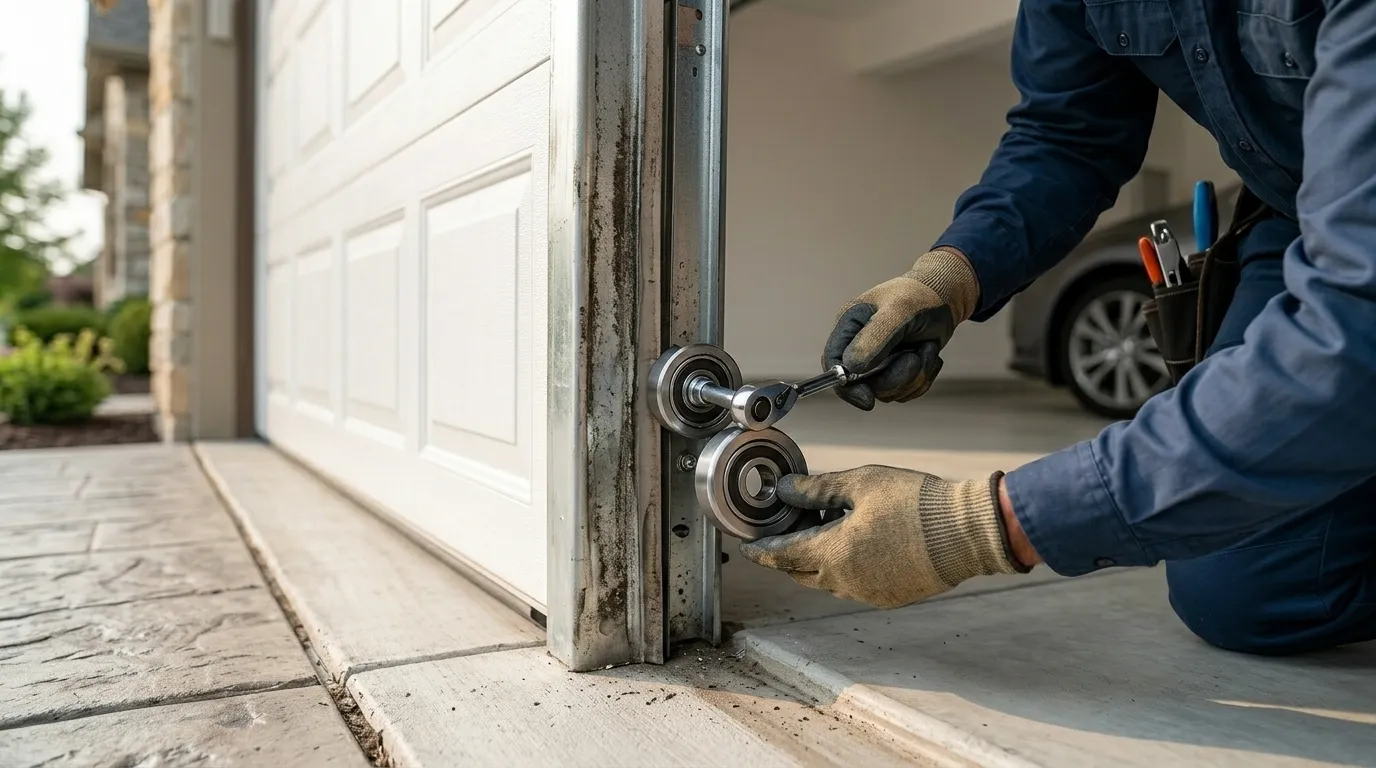
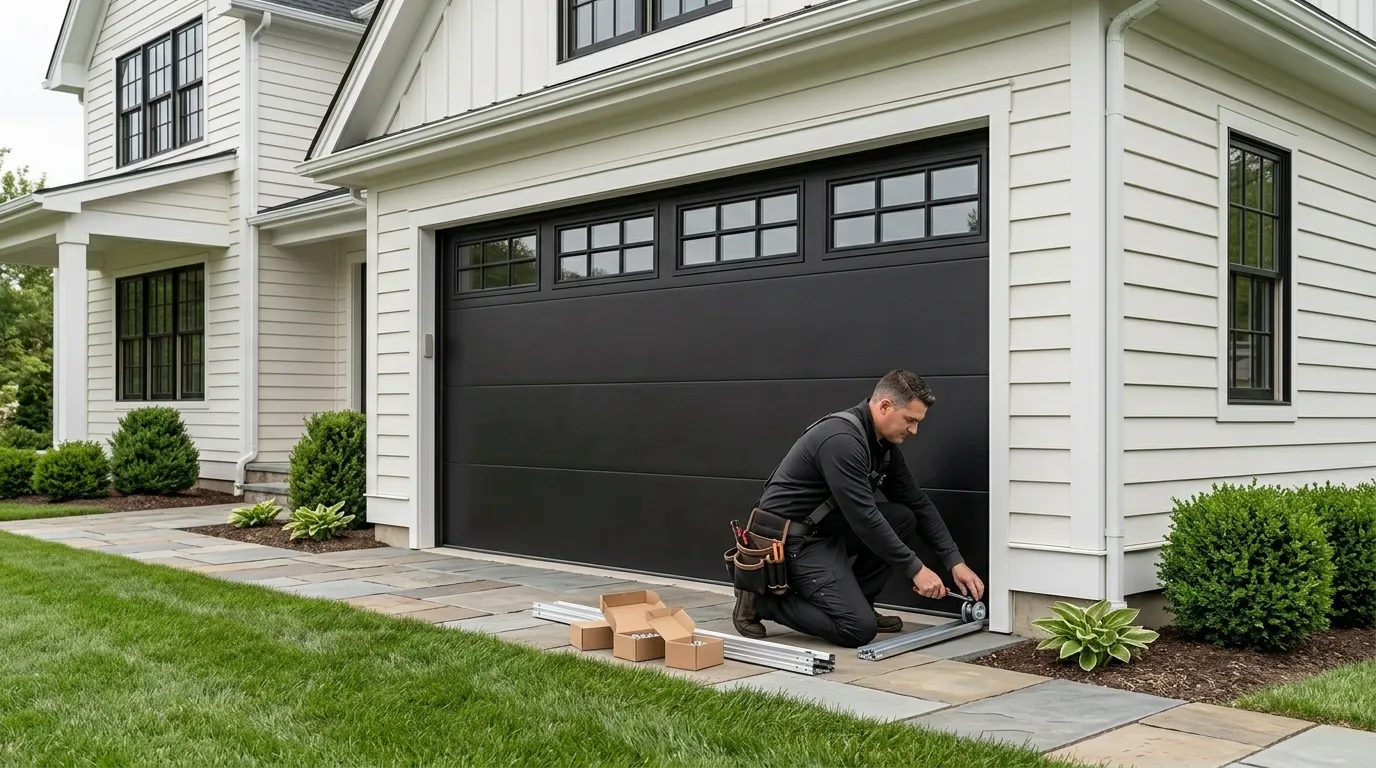
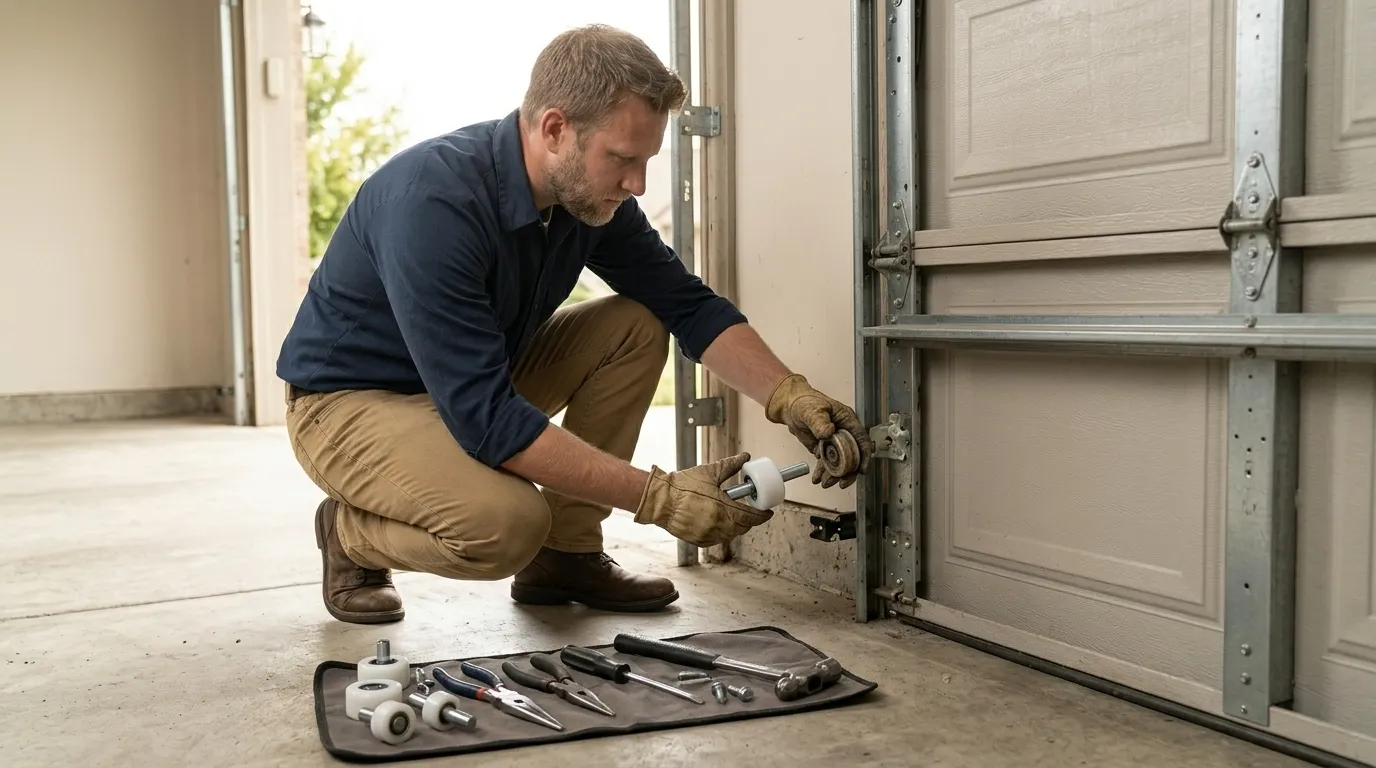
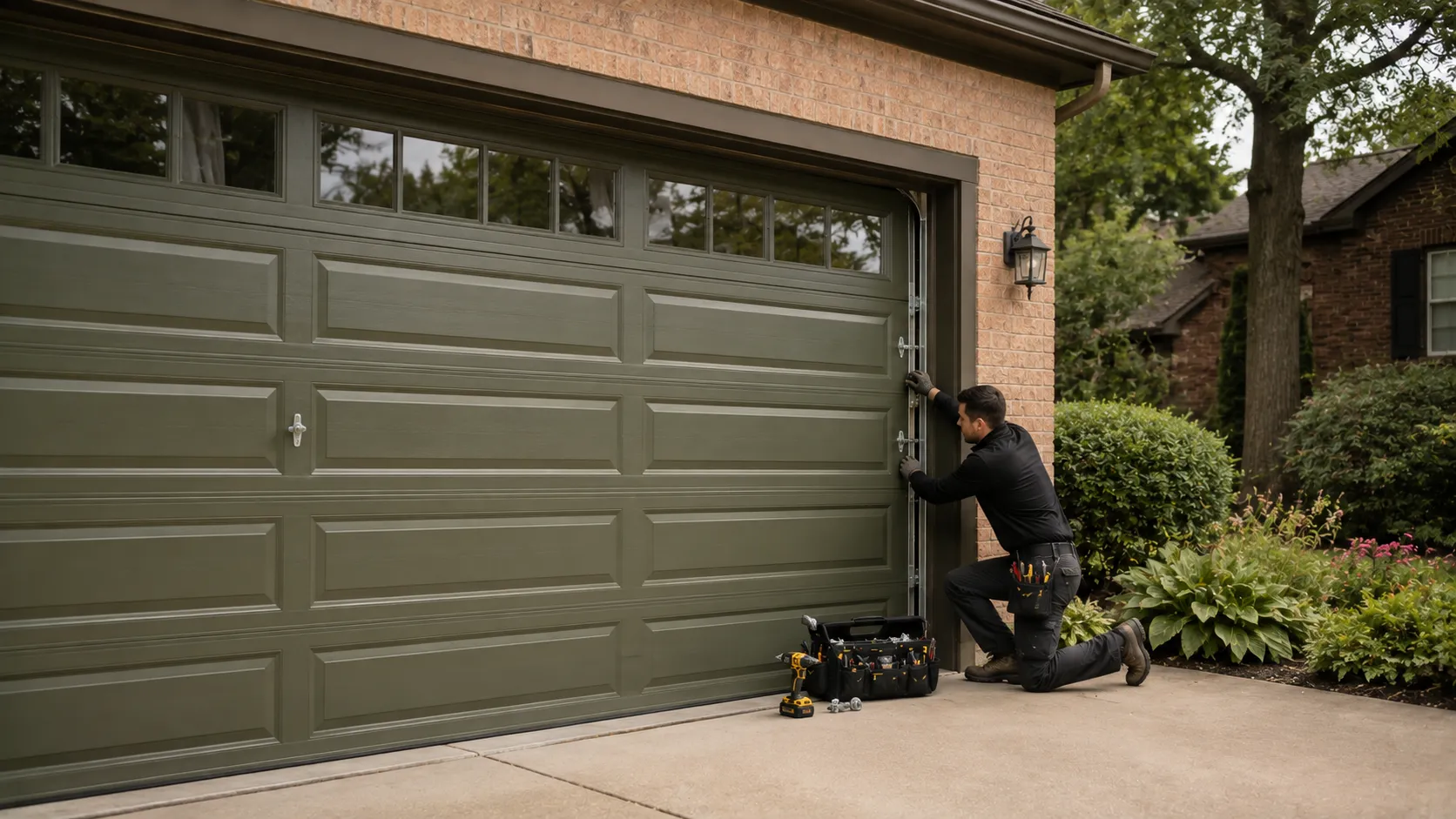
On a door from this era, the most common call is a broken torsion spring or a cable that's frayed through - the spring cabinets on doors this old are often side-mounted rather than centered, which changes how we pull the assembly. Rollers on original steel track tend to be stripped down to bare metal, no nylon left, so they've been grinding metal on metal for a while before anyone notices. We pull the door off its cycle, check the track alignment (age and settling both throw it off), replace what's failed, and re-tension. If the opener is a later add-on to an older door - which it usually is, since automatic openers weren't standard on 1940s construction - we also check that the door balances properly under motor power, not just by hand, since an unbalanced door will burn out a newer opener fast. We don't force a modern opener onto a door that's out of square; that's a repair, not a retrofit.
What You Pay
We're not going to put a number here we don't have. Cost on a repair depends on what's actually broken, and on doors this old there's often more than one thing going at once - a spring failure that's also worn the rollers, for instance. What we can tell you is that Darby's median household income, at $45,128, runs well under the $109,706 median across the wider service area. That gap matters in one practical way: when a repair on an old door starts running close to what a new door costs, we say so plainly, instead of nickel-and-diming a fix that isn't worth it. We'd rather tell you replacement is the better dollar-for-dollar move than keep patching hardware that's going to fail again in six months.
The Complications
The complication with a Darby-era door isn't usually the labor, it's the parts. Original hardware sized for a 1949-built one-car opening doesn't match what's stocked for a standard modern door, so a repair sometimes means sourcing a spring or track section rather than pulling one off a shelf. That adds time to the job that a newer door wouldn't. Distance is a smaller factor but a real one - at 9 miles from Philadelphia, we're not around the corner, so if a job turns out to need a part we don't have on the truck, that's a second trip, not a same-afternoon fix. And in a small borough like Darby, with 3,915 households total, there just isn't the volume of similar-aged doors that a bigger suburb would give us, so every job on an original 1940s door gets treated as its own case rather than a repeat of last week's.
Can You Do This Yourself
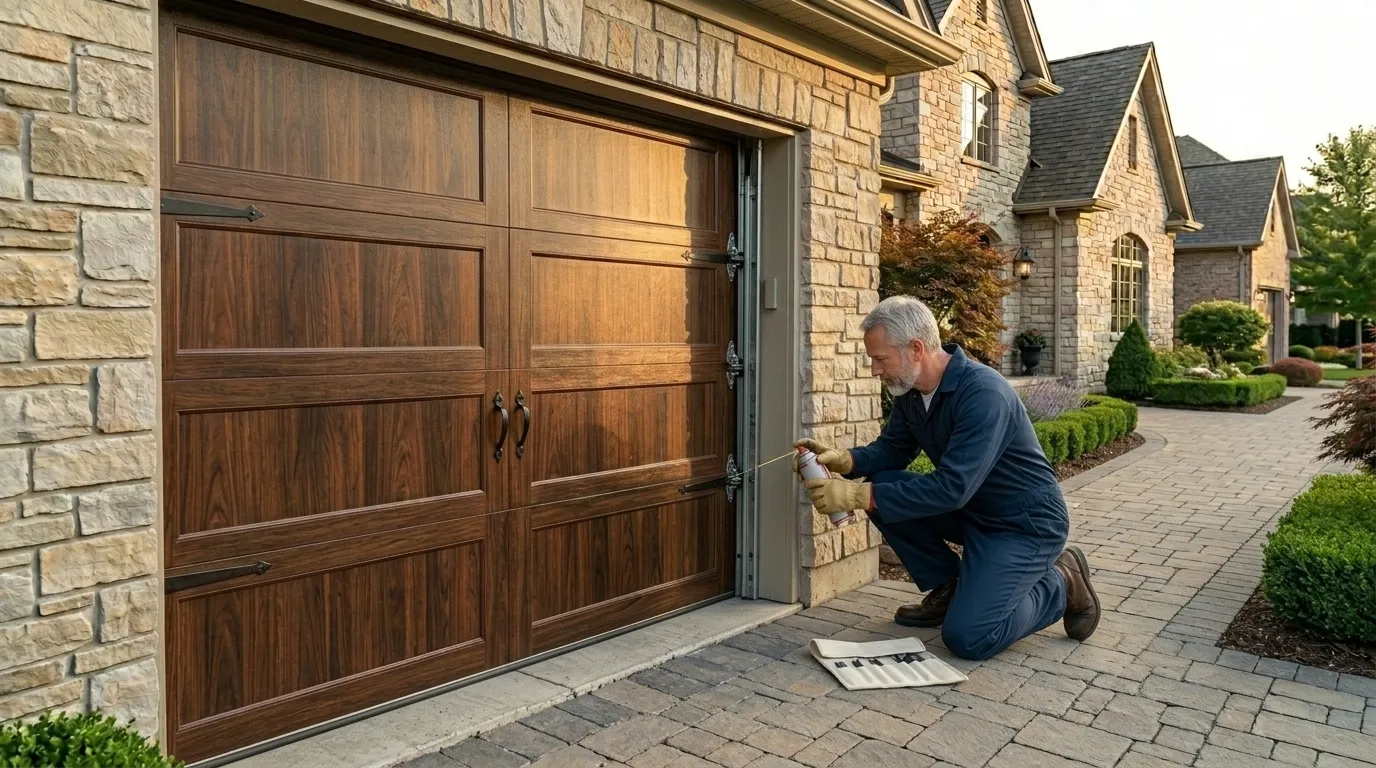
Some of this is fine to DIY: tightening loose hinge bolts, lubricating rollers and track, clearing debris out of the bottom seal. What we won't talk you through over the phone is a torsion spring. A wound spring on a door this old is under enough stored force to break a wrist or worse if it lets go while you're working on it, and the side-mounted cabinets common on doors from this period aren't always obvious about which way they're wound. If the door is sagging, off its track, or the spring has already snapped, that's a call, not a weekend project. We'll say plainly when a job is small enough to leave alone - a squeaky roller isn't an emergency - but spring work on old hardware isn't where we'd want you learning as you go.