
What the Fix Involves
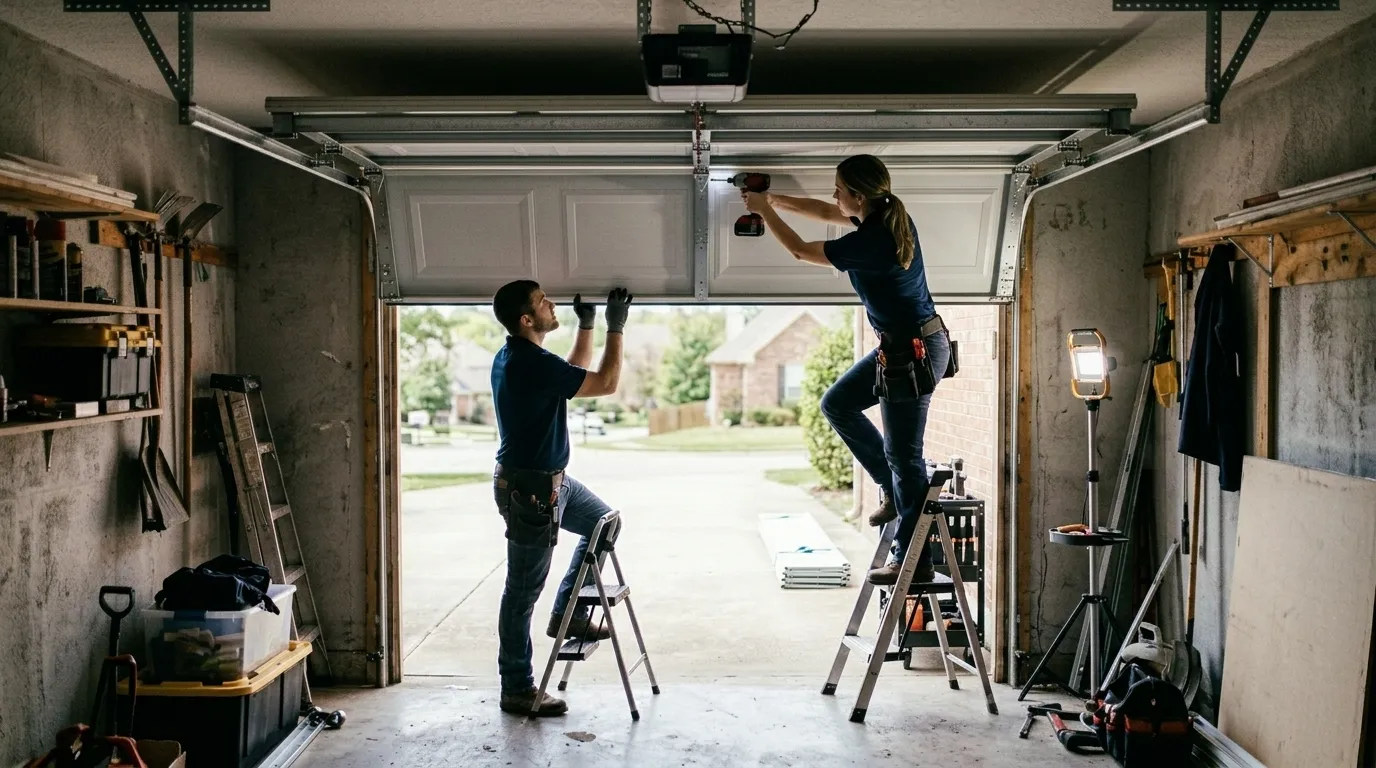
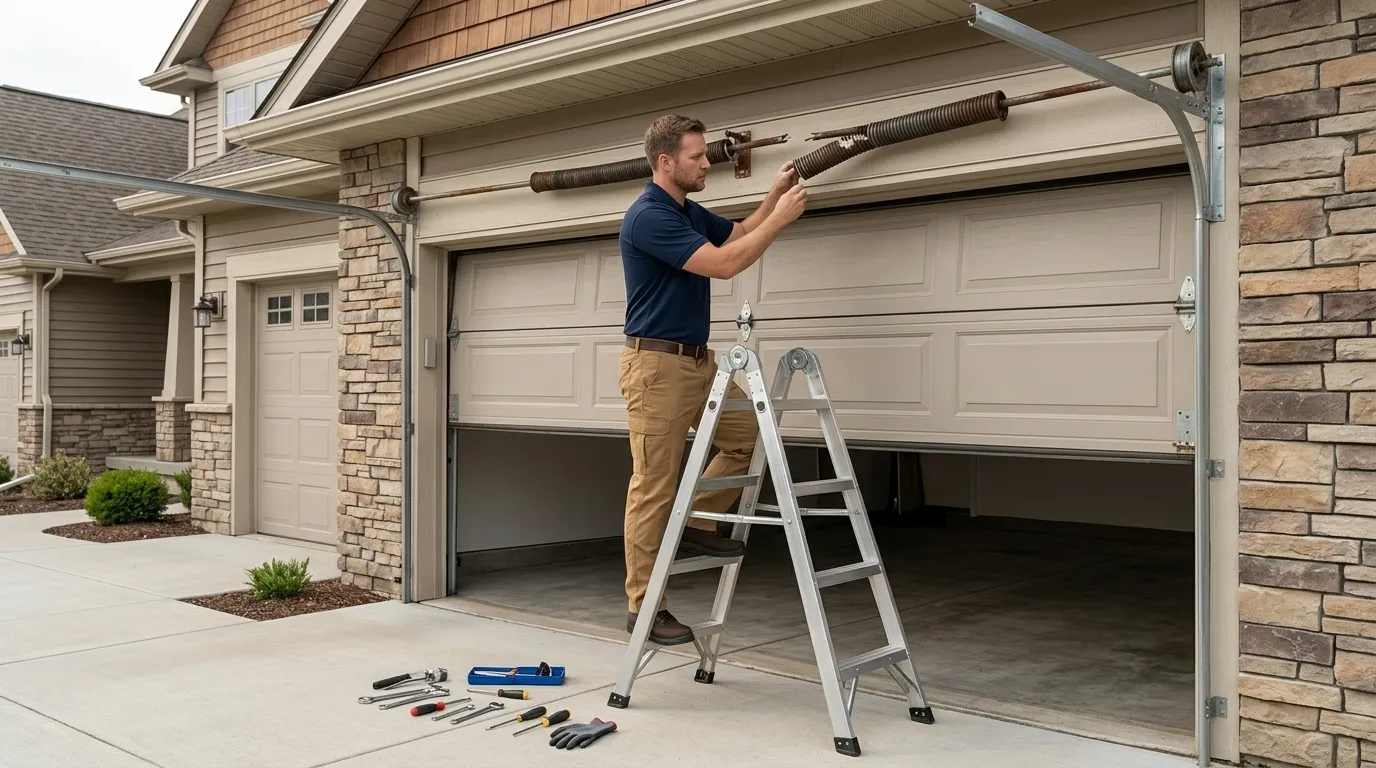
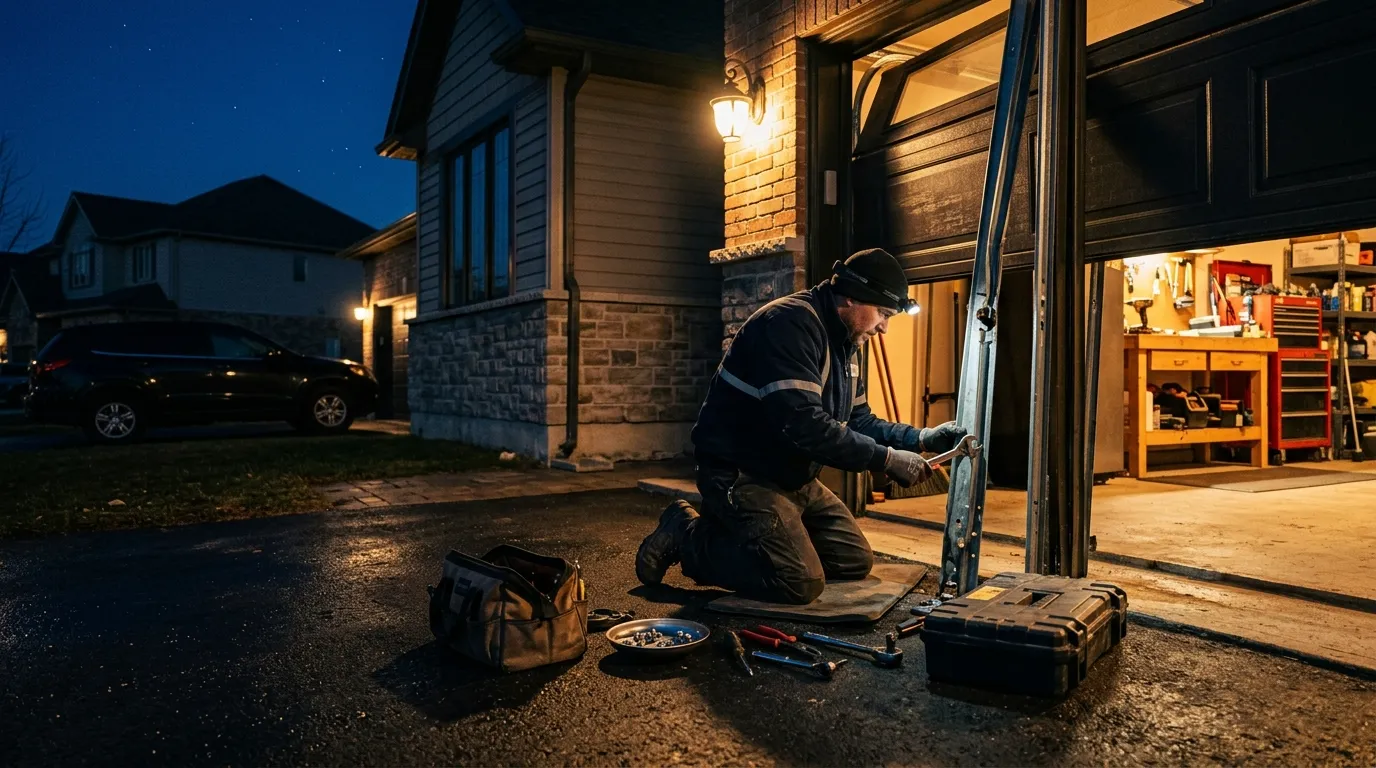
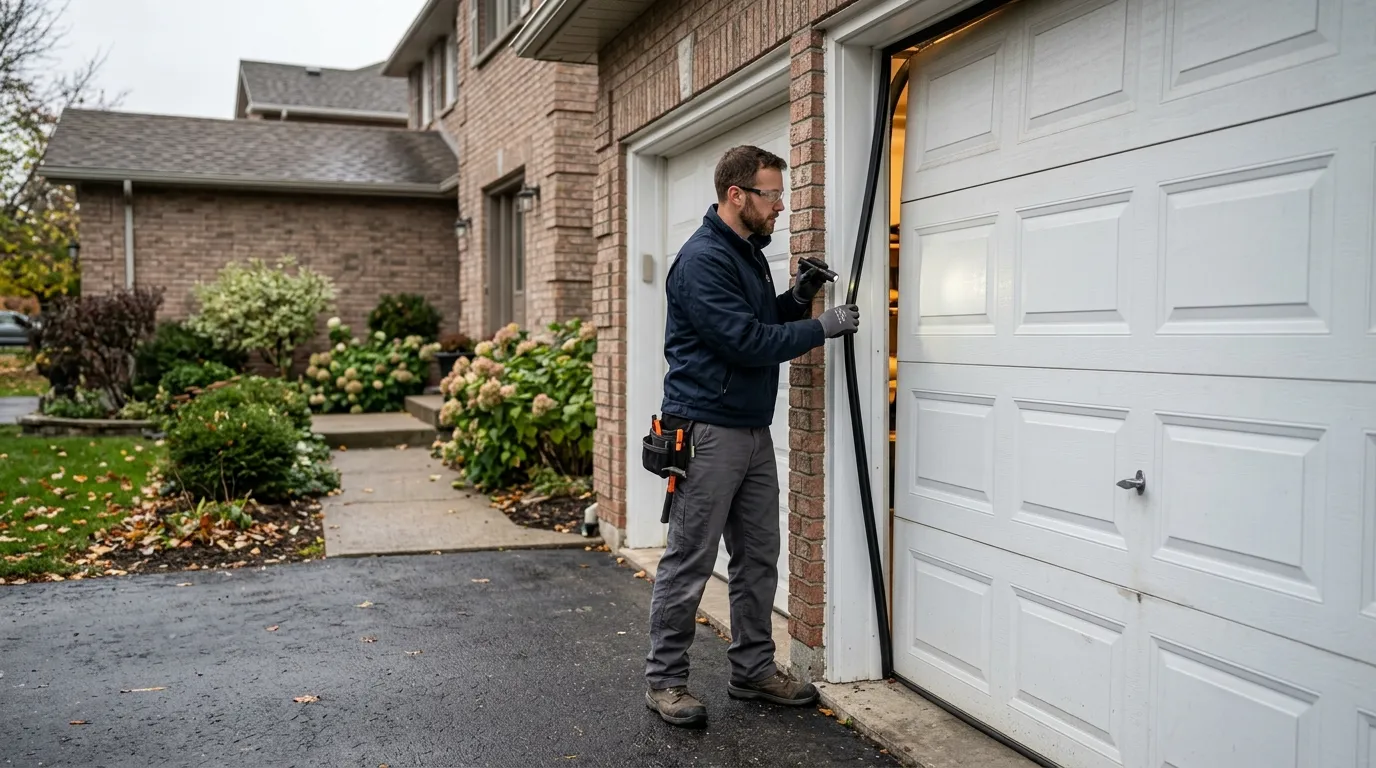
With a median build year around 1949 in Darby, a lot of these garages have never had the torsion hardware touched - the spring, the winding cone, sometimes even the original drum. That's not unusual for houses this age; one-piece and early sectional doors from that era were built to last, and homeowners often don't think about the spring until it breaks. The fix itself is straightforward: we unwind the old spring under controlled tension, pull the shaft, replace the spring (and the cable if it shows wear, which it often does after seven decades of use even with replacements along the way), then wind the new spring to match your door's weight.
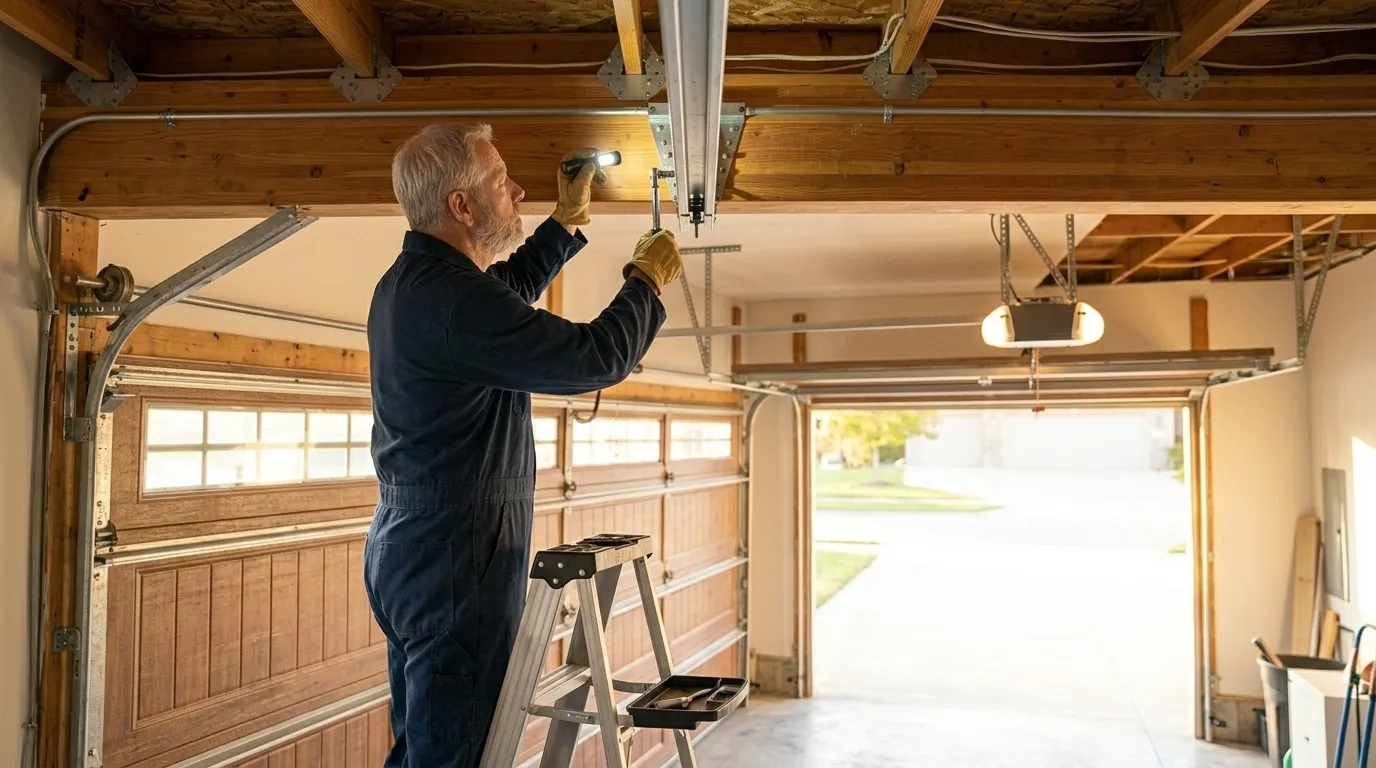
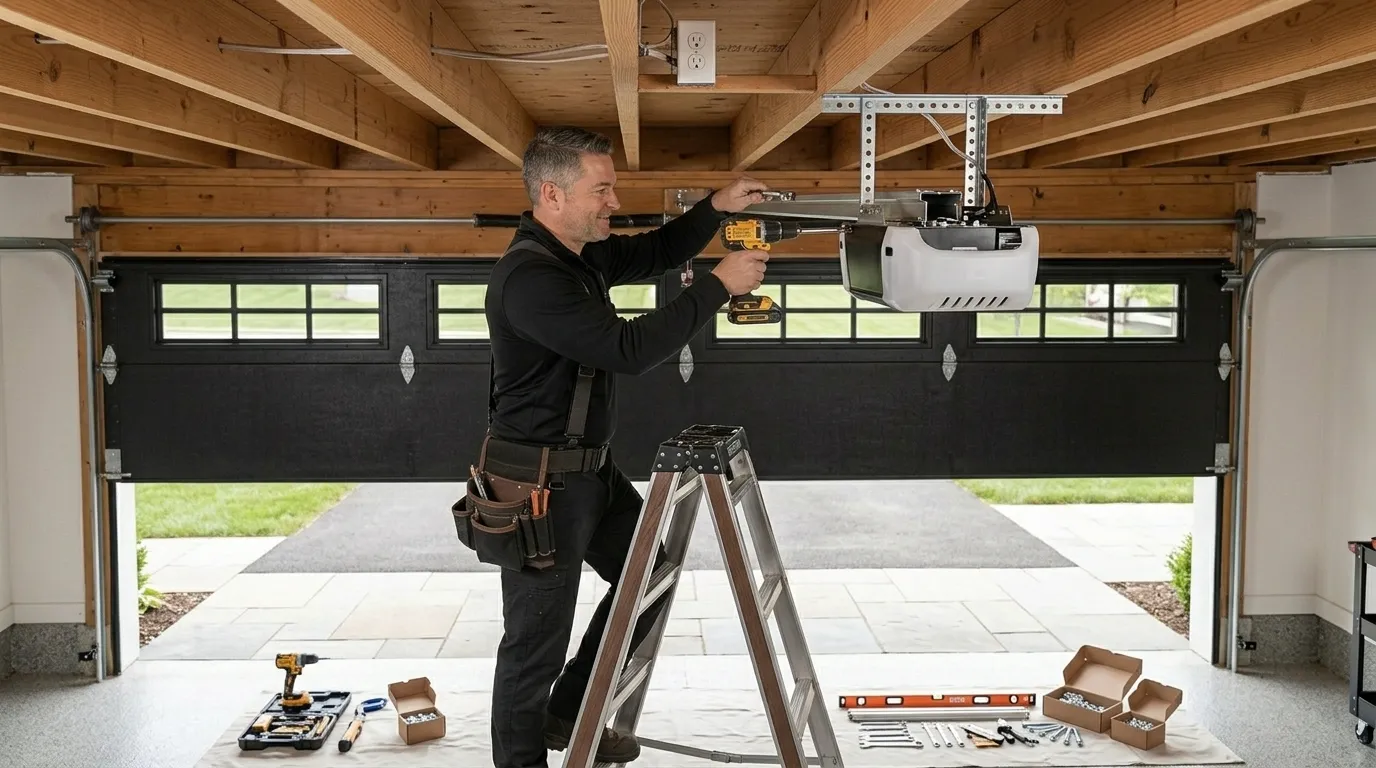
What takes longer here than on newer doors is matching the shaft and bracket spacing - older hardware doesn't always match today's standard sizing, so we measure rather than assume. On some jobs we swap the whole torsion tube assembly rather than just the spring, if the original shaft is pitted or bent. We'll show you what we find before we do that, not after.
What You Pay
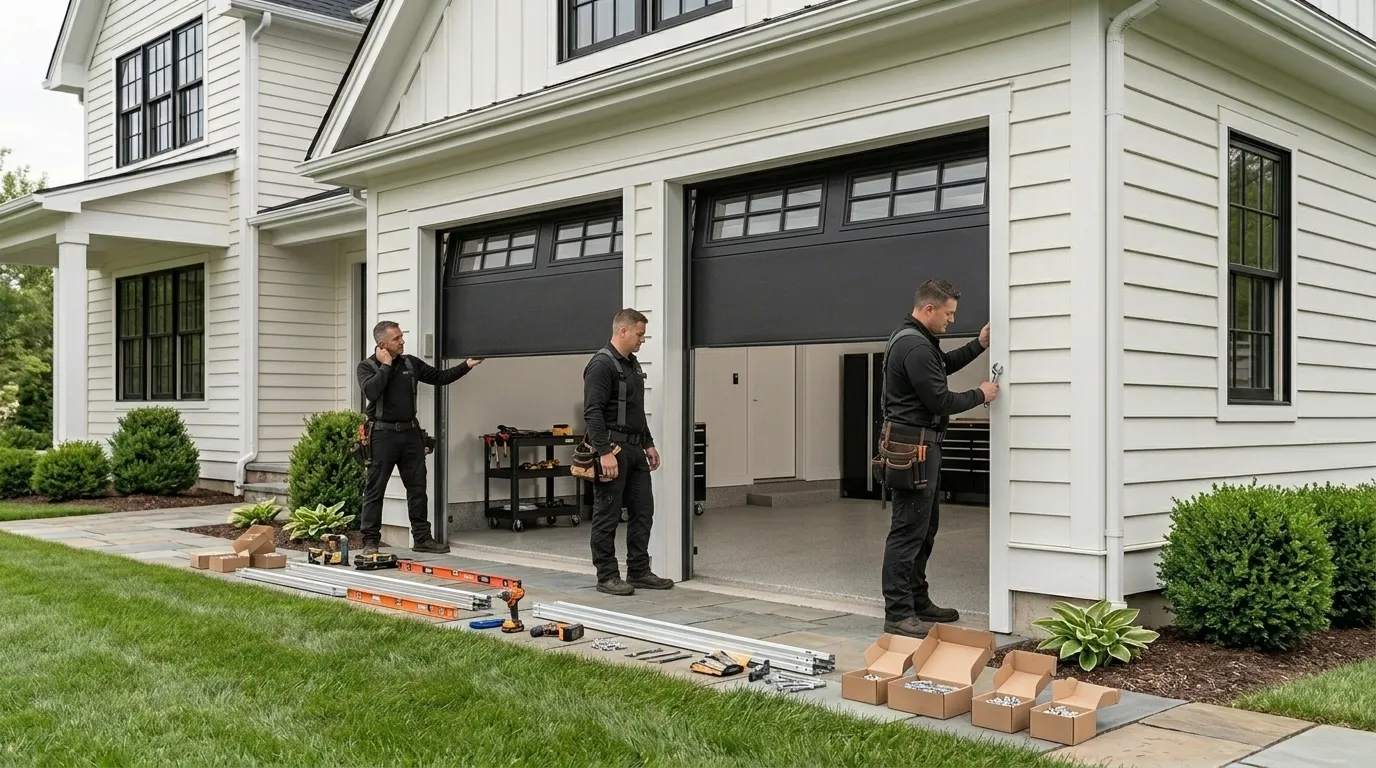
Darby's median household income sits at $45,128, well under the $109,706 median across the wider service area we cover from Philadelphia. We don't post a flat price here because spring cost depends on door weight, spring count, and whether the shaft or drums need replacing alongside the spring - but we'll quote before we start, not after the old spring is off the shaft. If your hardware is original to a 1949 build, expect the visit to run a little longer than a standard swap, since we're often locating parts sized for older torsion tubes rather than pulling a stock size off the truck.
We don't finance repairs and we don't add a travel surcharge for the trip out from Philadelphia - the quote you get is the quote you pay. If a repair would cost close to what a new door costs, we'll tell you that plainly instead of pushing the smaller job.
The Complications
The main complication on houses this age isn't the spring itself - it's what's attached to it. Original drums, non-standard shaft diameters, and mounting brackets that don't match current hardware sizing all show up more often on doors from the 1940s and 1950s than on anything built after 1980. We carry adjustable stock for this, but on rare jobs we've had to source an odd-sized part, which adds a day.
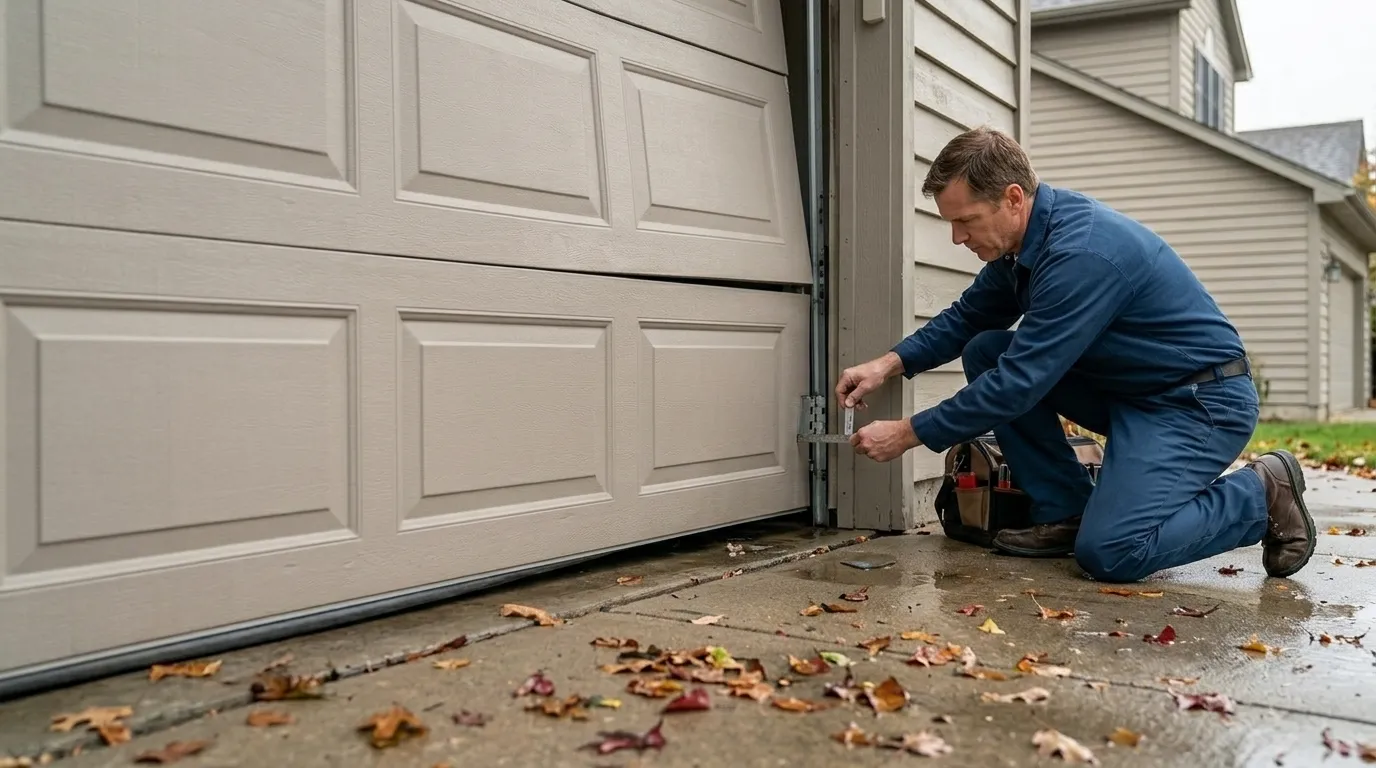
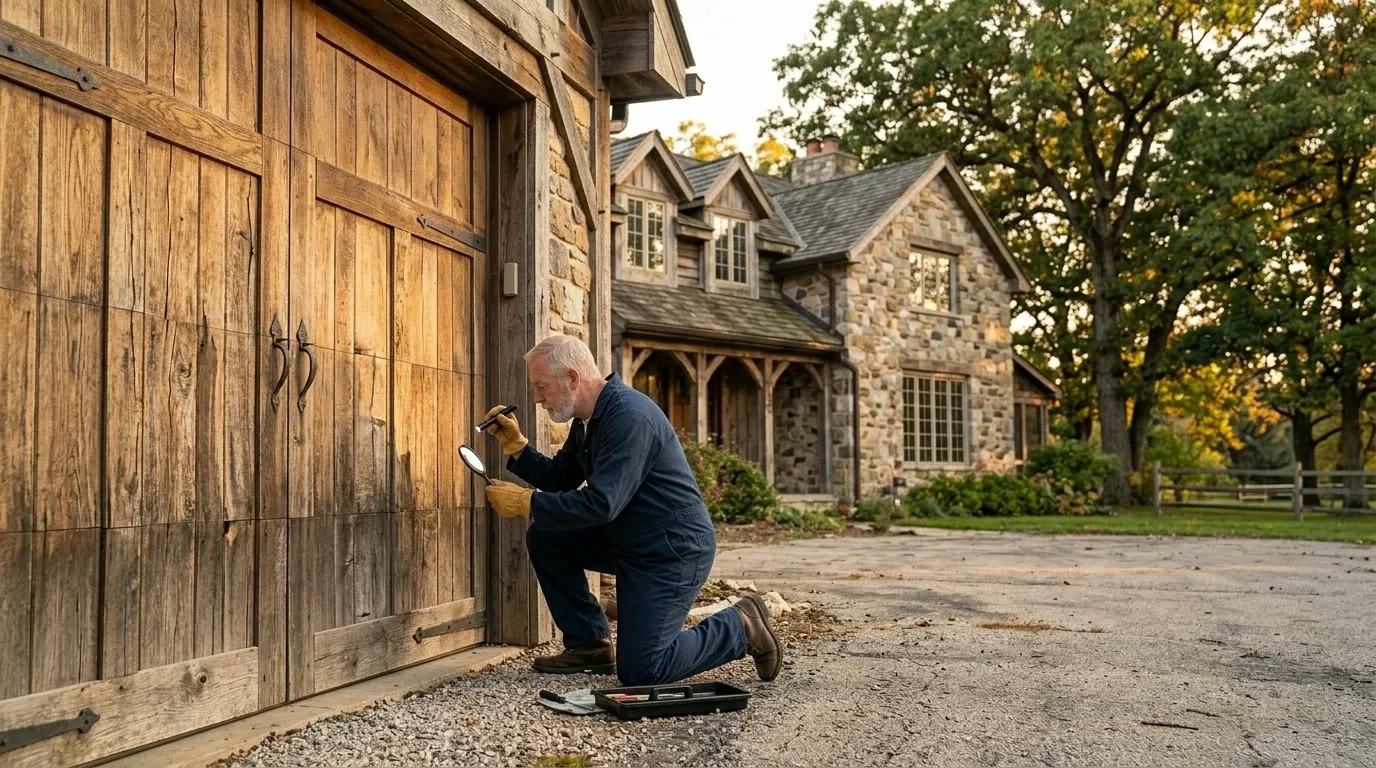
The other complication is what we can't see until the door's open: rust on the torsion tube from decades of humidity, or a drum that's been re-drilled by a previous repair done without matching parts. Neither is common, but on original hardware this old, we check for it rather than assume the shaft is sound just because the spring failed cleanly.
Can You Do This Yourself
We'll say this plainly: don't. A wound torsion spring holds enough stored force to break a bone or worse if it slips off the winding bar, and on hardware this old, the cone and shaft may not release the way a newer part would. If you're comfortable with basic maintenance, lubricating the rollers and checking the cables for fraying is fine and worth doing between service visits. Winding or unwinding the spring itself is not a homeowner job, regardless of how old or new the door is.
If the door is stuck shut and you need the car out, disconnect the opener's manual release and try lifting by hand only if the spring is clearly still intact - if it's snapped, leave the door alone and call.