What the Fix Involves
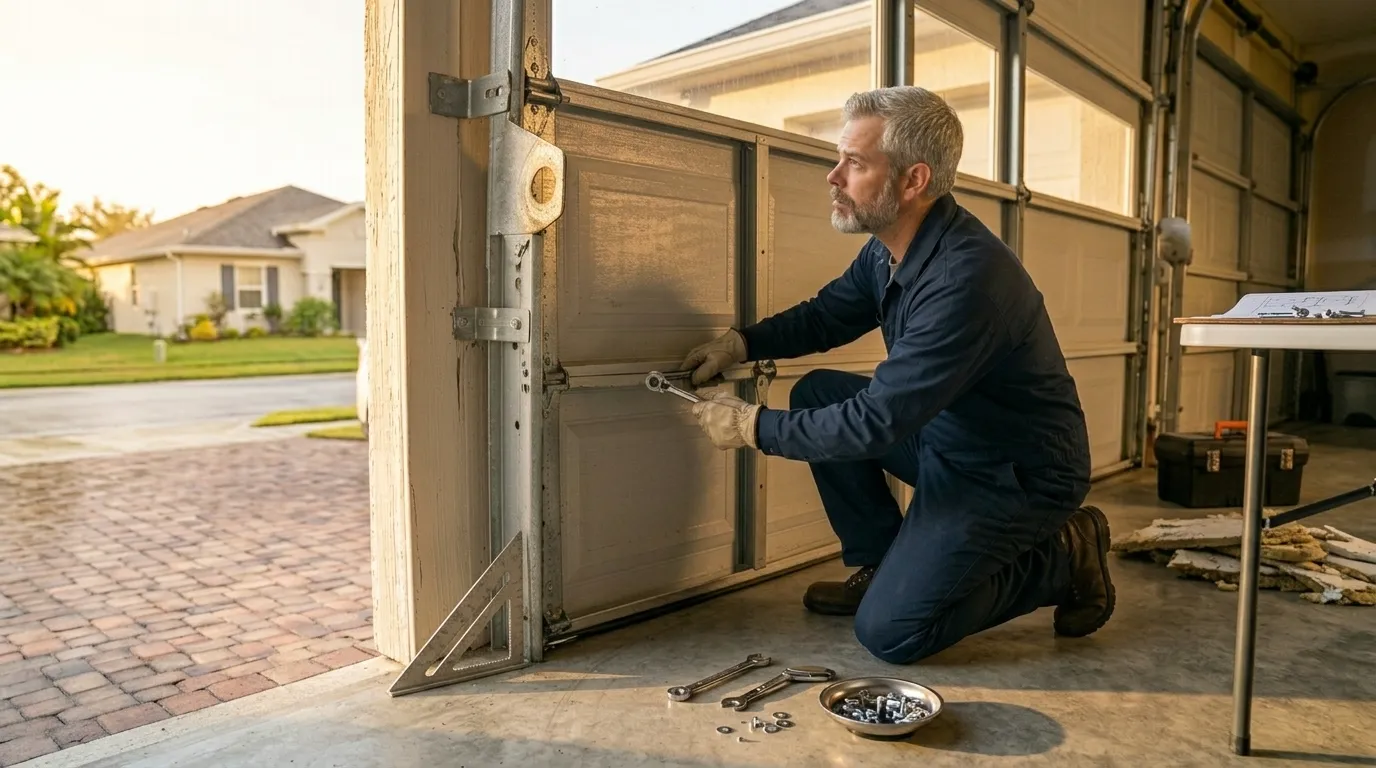
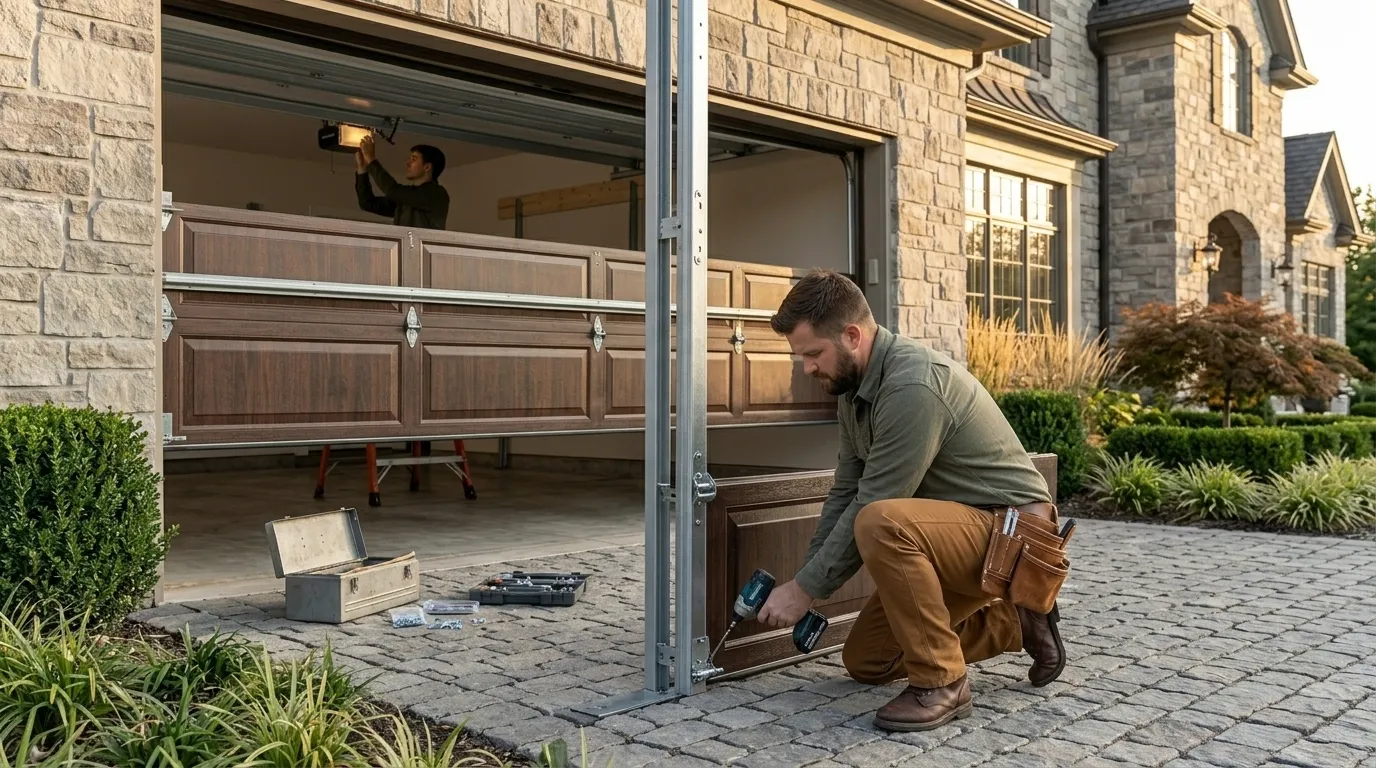
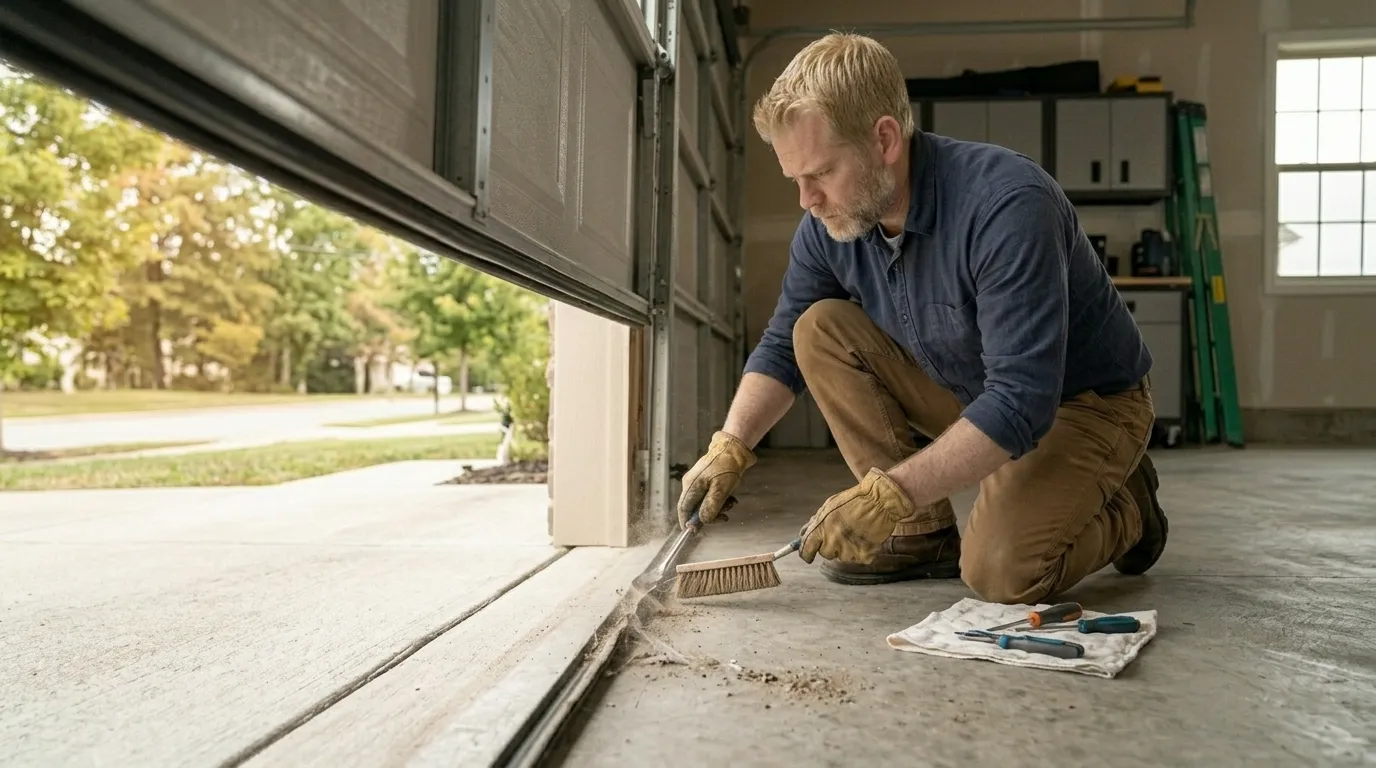
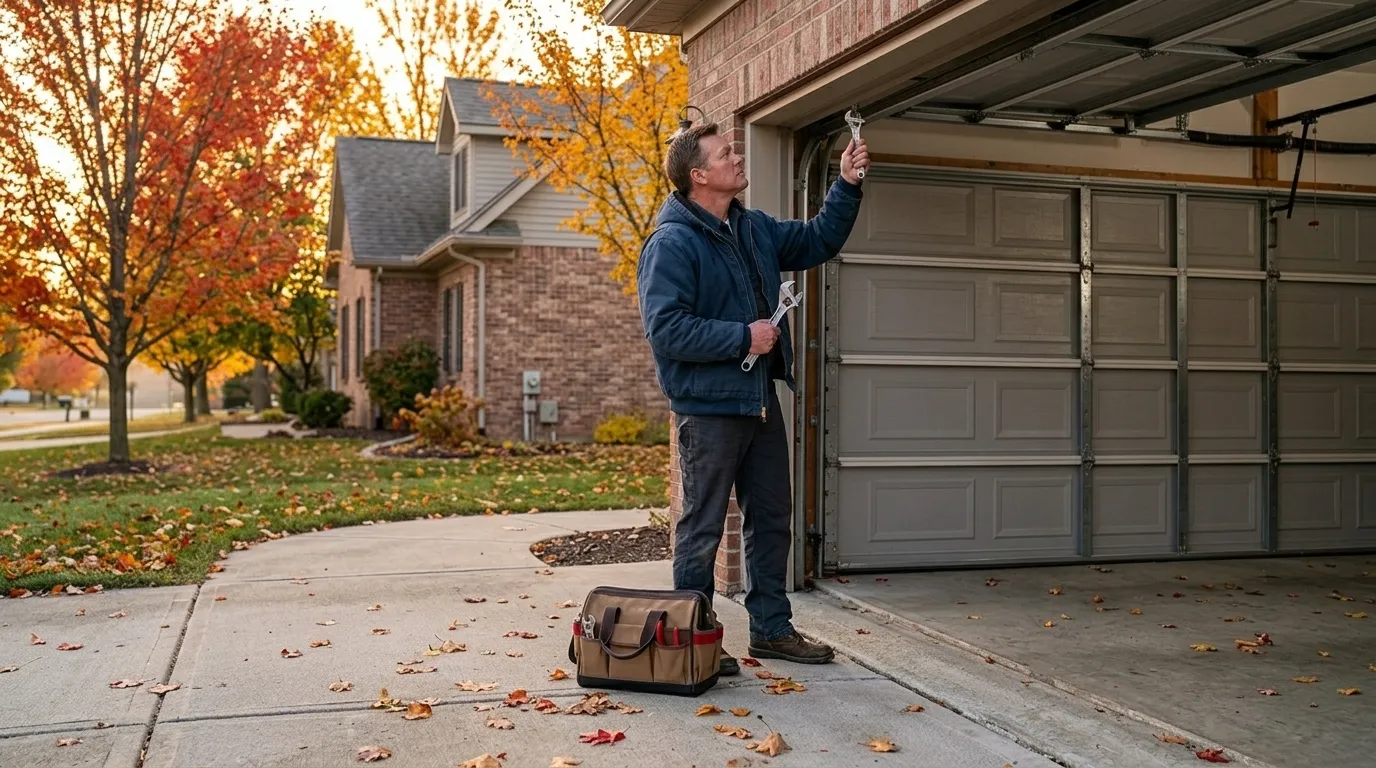
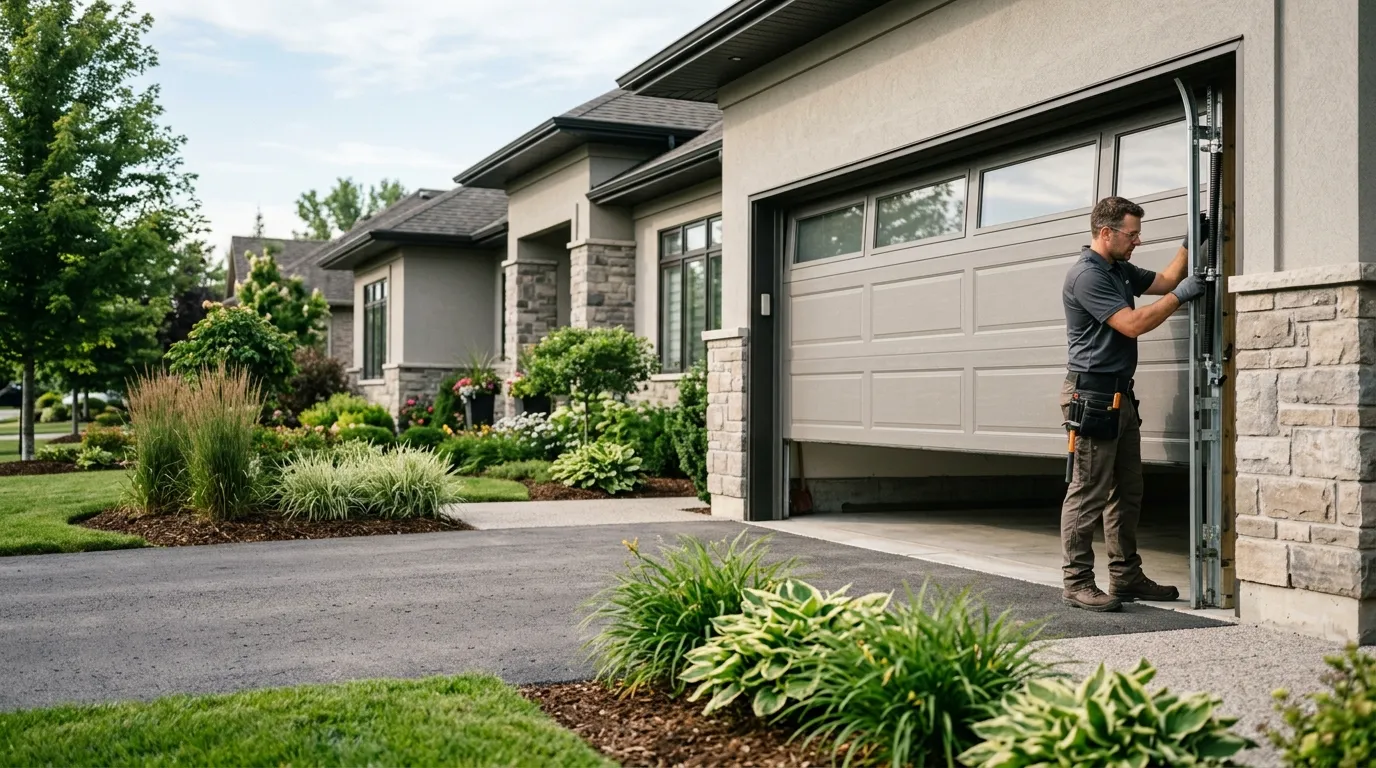
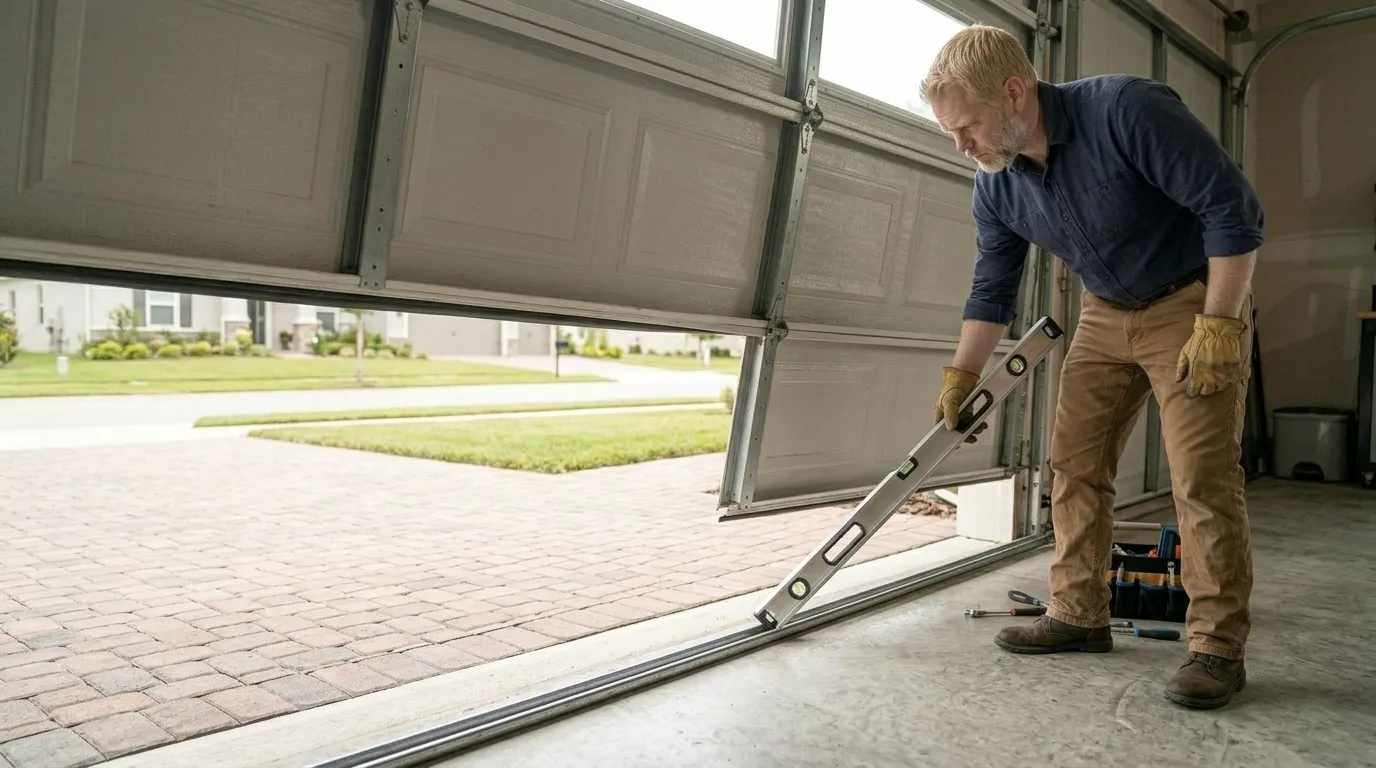
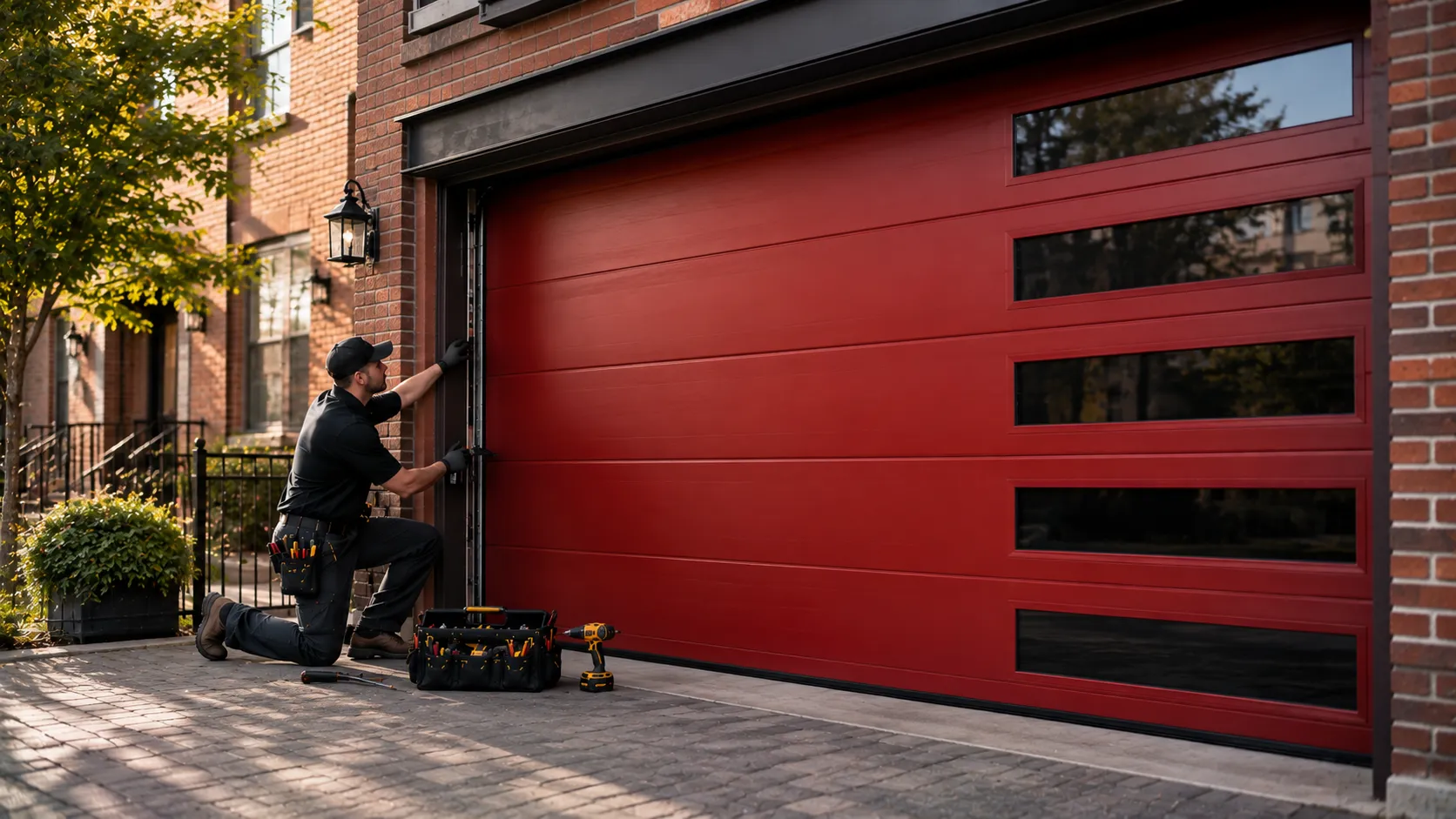
On a house built around 1949, which is where the bulk of Darby's housing sits, you're usually looking at a steel sectional door from a later retrofit rather than the original wood door - most of those got replaced decades ago. The panel itself unbolts from the hinges above and below it, the roller slides out of the track, and the new section goes in the same slot. Simple in theory. The complication is finding a panel that matches the existing ones in color, rib pattern, and window cutout if there is one.
If the door is old enough that the manufacturer doesn't make that exact panel anymore, we look at whether a close match is close enough, or whether replacing two adjacent panels evens out the look better than one obviously different section. We won't pretend a mismatched panel looks like nothing happened - it won't, and we'll say so before you commit to it over a full door swap.
What You Pay
We don't have a set price to quote you in this response, and giving you one for a job we haven't seen would be a guess dressed up as a number. What we can say is that panel replacement is priced by section, by door model, and by whether the track needs adjustment after the swap - not as a flat fee that's the same for every house in the area. Darby's median household income sits at $45,128, well under the service area's overall $109,706, and we know that gap matters when you're deciding between a $200 panel swap and a full door replacement that costs several times that. We'll give you both numbers before we start, not after.
The Complications
The biggest one is discontinued panels. A door installed as a retrofit on a 1949 house, patched again sometime in the decades since, may carry a panel profile no distributor stocks anymore. When that happens we're choosing between a mismatched section, a full panel set replacement, or sourcing a used match - and we're honest about the tradeoffs of each rather than pushing whichever is easiest for us.
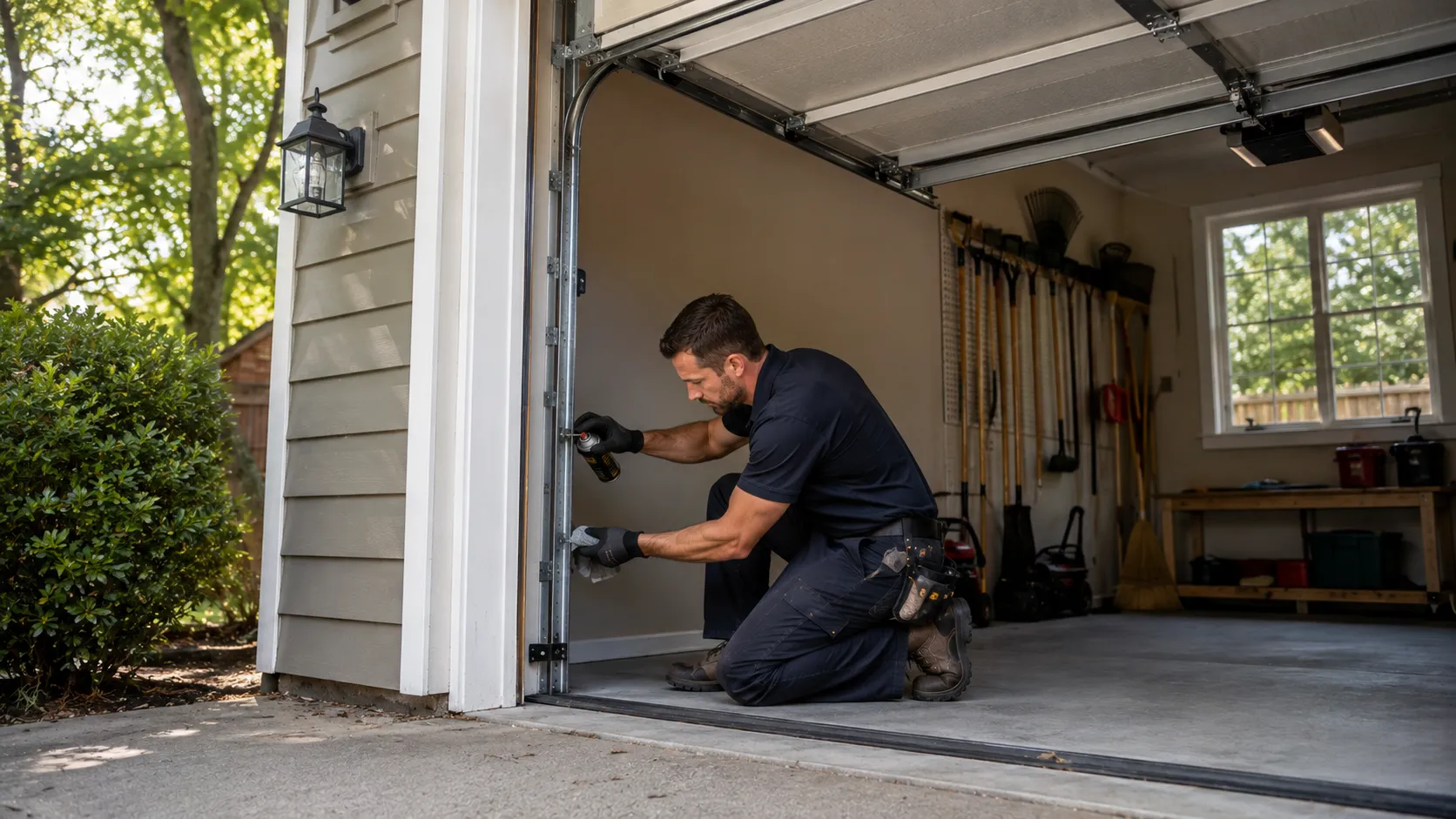
The second complication is hardware fatigue that hides behind the dent. A panel that's been struck hard enough to need replacing has usually put stress on the hinges bolted to it and sometimes the roller bracket too. We check those before we button the door back up, because a fresh panel on tired hardware just moves the next failure a few months down the road instead of fixing it.
Can You Do This Yourself
If it's a bottom panel with no window and no wiring nearby, a homeowner with the right tools and a helper can unbolt and swap it in an afternoon - that part isn't a mystery. Where it goes wrong is the torsion spring above the door. If you have to disconnect the door from the opener or move it off its tracks to get a middle panel out, and the door is under spring tension, that's not a DIY step. A spring that lets go under load can break bones, and we mean that plainly, not as a sales line. If your job is limited to one exposed bottom section and the door stays put while you work, go for it. Anything that involves shifting the whole door assembly is where we'd tell you to call someone instead.