What the Fix Involves
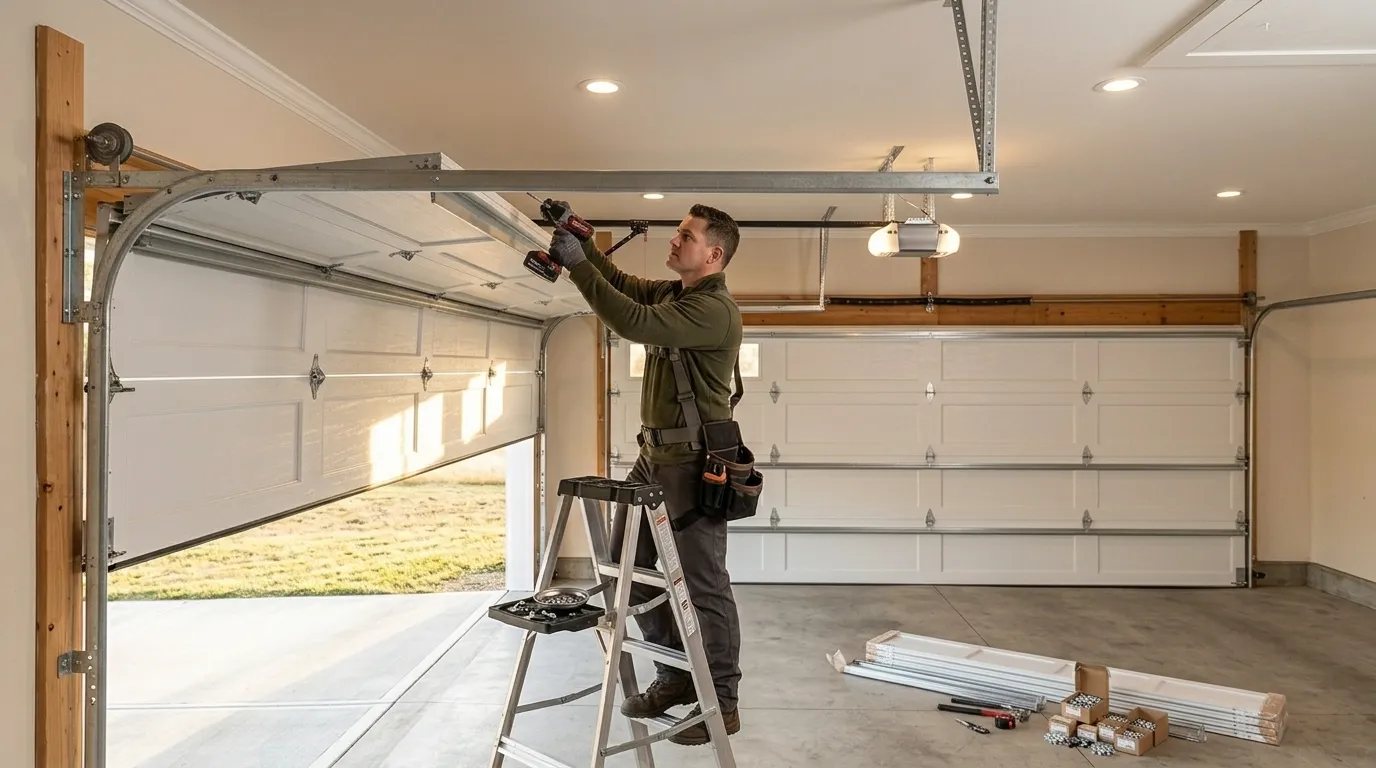
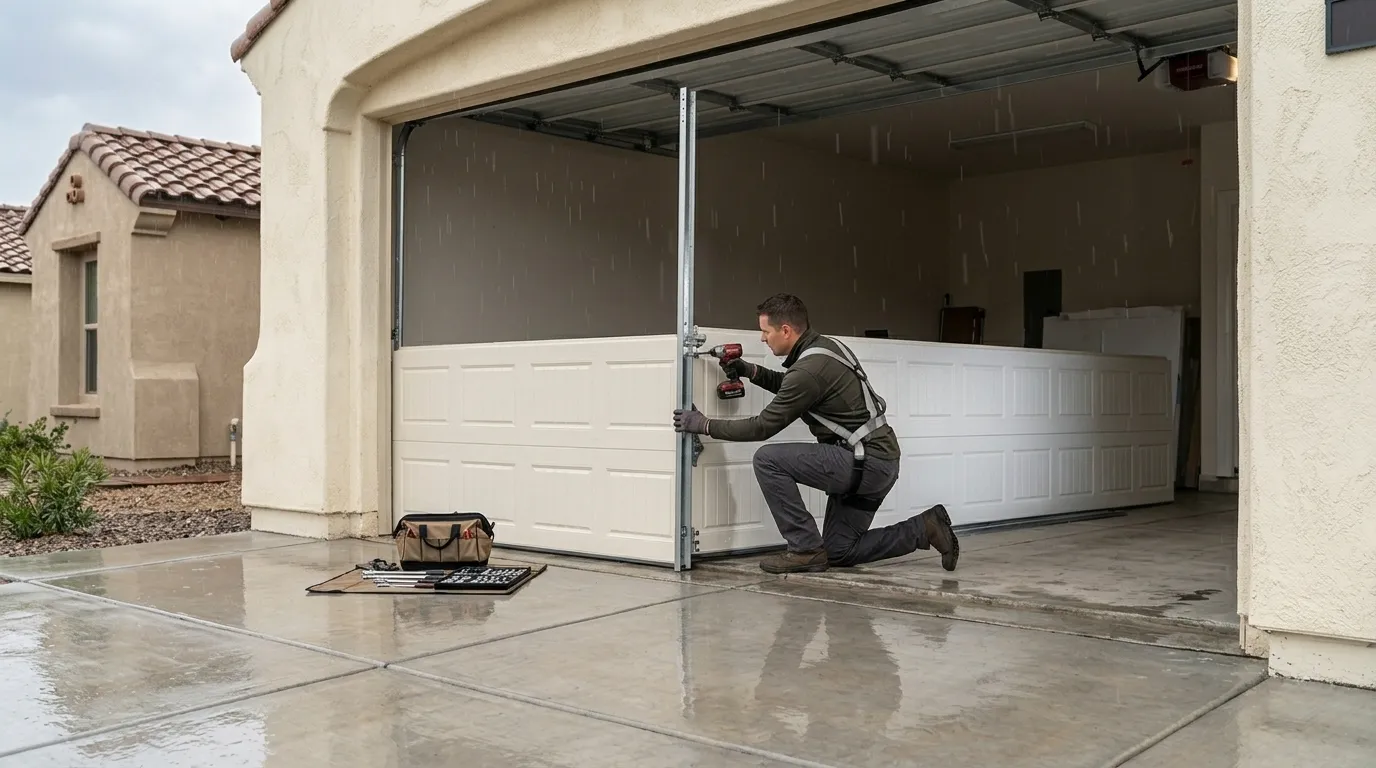
A lot of the commercial stock we see in this corner of the service area sits on buildings that went up around the same stretch as the surrounding housing - call it late 1940s construction, older than what you'd find further out. That means steel sectional doors and rolling steel doors on track hardware that's been replaced piecemeal over the decades, not original. The common failure is a torsion spring sized for a lighter door than what's actually hanging on it now, or a jackshaft opener wired into a panel that's been swapped once already. We check the spring cycle rating against the door weight, look at the track alignment where an old building has settled, and test the safety reversal on the opener - commercial liability makes that non-negotiable. We don't replace parts that are testing fine just because they're old; a track bracket that's holding true stays put.
What You Pay
Median household income in Darby runs around $45,128 - well under the roughly $109,706 median across the broader service area we cover from Philadelphia. That gap matters on a commercial call, because the point where replacement beats repair isn't the same math for a small shop here as it is for a business in a higher-income part of the area. On a lower operating budget, a full door-and-opener swap has to clear a higher bar to make sense; a repair that buys three or four more years on an existing door is often the right call even if it isn't the permanent fix. We don't carry a fixed local price list for commercial jobs - bay door sizes and hardware vary too much for that - but we'll tell you straight when a repair is throwing good money after bad, and when it isn't.
The Complications
Small commercial buildings in a lower-income area come with a specific set of complications. Owners are often running the door hard because downtime costs money they don't have slack for, so a marginal part gets pushed past when it should've been swapped. We also see doors that were repaired cheap once - a spring from the wrong cycle-rating class, a track shimmed instead of realigned - because the first fix had to come in under a tight number. Untangling that history before we can quote the real fix takes longer than a straightforward failure would. And because Darby's own household base is small - a few thousand households, nowhere near the scale of the wider service area - parts availability for older commercial hardware isn't always fast; some components have a lead time we can't shorten.
Can You Do This Yourself
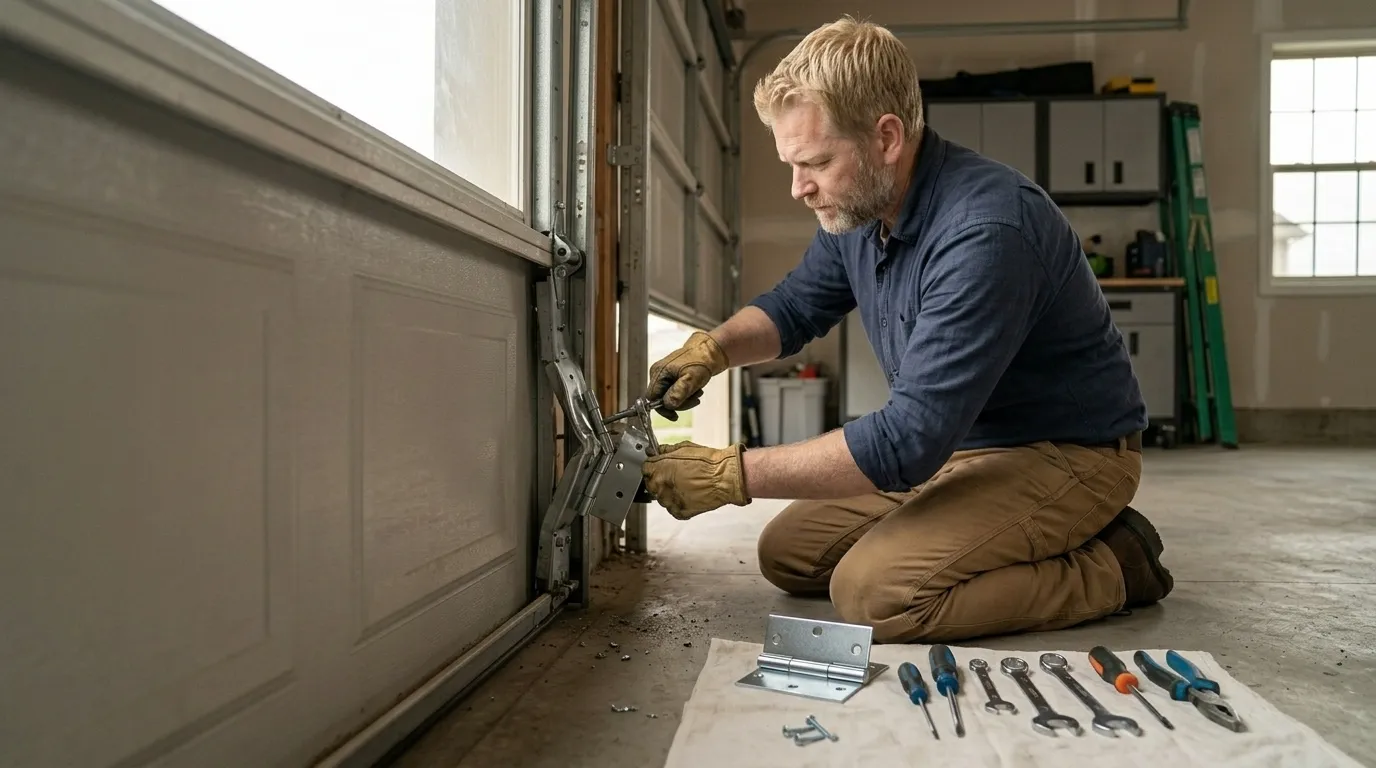
A commercial torsion spring under load is not a DIY item - the cycle counts and wind force involved are higher than a residential door, and a spring that lets go on a rolling steel door can take a hand or worse with it. Lubricating hinges, clearing debris from the track, and watching for a bent roller are fine to do yourself and worth doing regularly, especially given the winters here. But opener wiring on a commercial unit, spring replacement, or anything involving the torsion bar itself is a call-it-in job. If your door is original to a building from the late 1940s and hasn't had hardware work in years, that's also a sign to get it looked at before it fails mid-shift rather than after.